Iceland travel guide — everything you need to plan your trip
Reykjavik: From Reykjavik Golden Circle full day guided trip
Is Iceland easy to travel independently?
Yes. Most visitors rent a car and self-drive. The Ring Road (Route 1) circles the island and is paved. F-roads in the highlands require a 4x4 and are closed October–May. Public transport is limited outside Reykjavik.
What kind of country is Iceland?
Iceland is a North Atlantic island of roughly 103,000 km² sitting on the Mid-Atlantic Ridge. Its population of about 370,000 is concentrated almost entirely in the southwest around Reykjavik. The rest of the country is an extraordinary emptiness of lava fields, glaciers, volcanoes, black sand beaches, and waterfalls — most of it easily accessible if you have a car.
This guide is a master reference. Each section links to dedicated pages where you can go deeper.
| Where | Whole country; most visitors base around Reykjavík and the Ring Road |
| Cost | Around $250–350/day for two, self-drive, mid-range |
| Time needed | 5–7 days minimum; 10–14 for a full Ring Road |
| Best time | September (all-round); July for weather; Feb–March for aurora + budget |
| Booking | Rental car and accommodation 3–4 months ahead for summer |
The basics
Language: Icelandic, but English is universally spoken. You will not need Icelandic to get around. See the Icelandic language basics guide for a handful of useful words.
Currency: Icelandic króna (ISK). Card payment is the norm everywhere, including at roadside farms and hot dog stands. ATMs exist but are rarely necessary. Do not bother with cash unless you visit very remote farms. See Iceland currency and money for full details.
Time zone: GMT/UTC year-round (Iceland does not observe daylight saving time).
Electricity: 230V / 50Hz, Type F (Schuko) plugs. Same as continental Europe.
Emergency number: 112. The 112 Iceland app lets you share GPS coordinates with search-and-rescue and is worth downloading before you leave home. See safetravel emergency info.
Tipping: Not customary. No expectation of tipping in restaurants, taxis, or hotels. See tipping in Iceland.
Visas and entry
Iceland is a Schengen member. Citizens of the EU, EEA, UK, USA, Canada, Australia, and most other Western countries can enter visa-free for up to 90 days within any 180-day period.
From 2025, EU/EEA visitors need to pre-register under ETIAS (European Travel Information and Authorisation System). Most other visitors not covered by Schengen waiver agreements need a standard visa. See do you need a visa for Iceland and ETIAS for Iceland for current rules.
When to go
Iceland has no single best time — it depends what you want.
Summer (June–August): Midnight sun, all roads open, puffins, wildflowers, warmest temperatures (10–15°C in Reykjavik). Very busy; book accommodation and activities months ahead. See Iceland in summer.
Autumn (September–October): Northern lights return, fewer crowds, foliage, F-roads still open in September. See Iceland in autumn.
Winter (November–March): Northern lights prime season, ice caves open, dramatically atmospheric. Cold (–5 to +5°C), short days (4–5 hours in December). Some roads close. See Iceland in winter.
Spring (April–May): Transitional and underrated. Snow melts, waterfalls run hard, few tourists, prices lower. See Iceland in spring.
The best time to visit Iceland guide breaks this down month by month.
Regions
Iceland splits naturally into several regions, each with a different character.
Reykjavik and the capital area: The capital has museums, restaurants, nightlife, and easy day-trip access to the Golden Circle, Blue Lagoon, and South Coast. See Reykjavik destination guide.
Reykjanes Peninsula: The area around Keflavik airport — volcanic landscapes, the Blue Lagoon, and the Sky Lagoon nearby. See Reykjanes Peninsula.
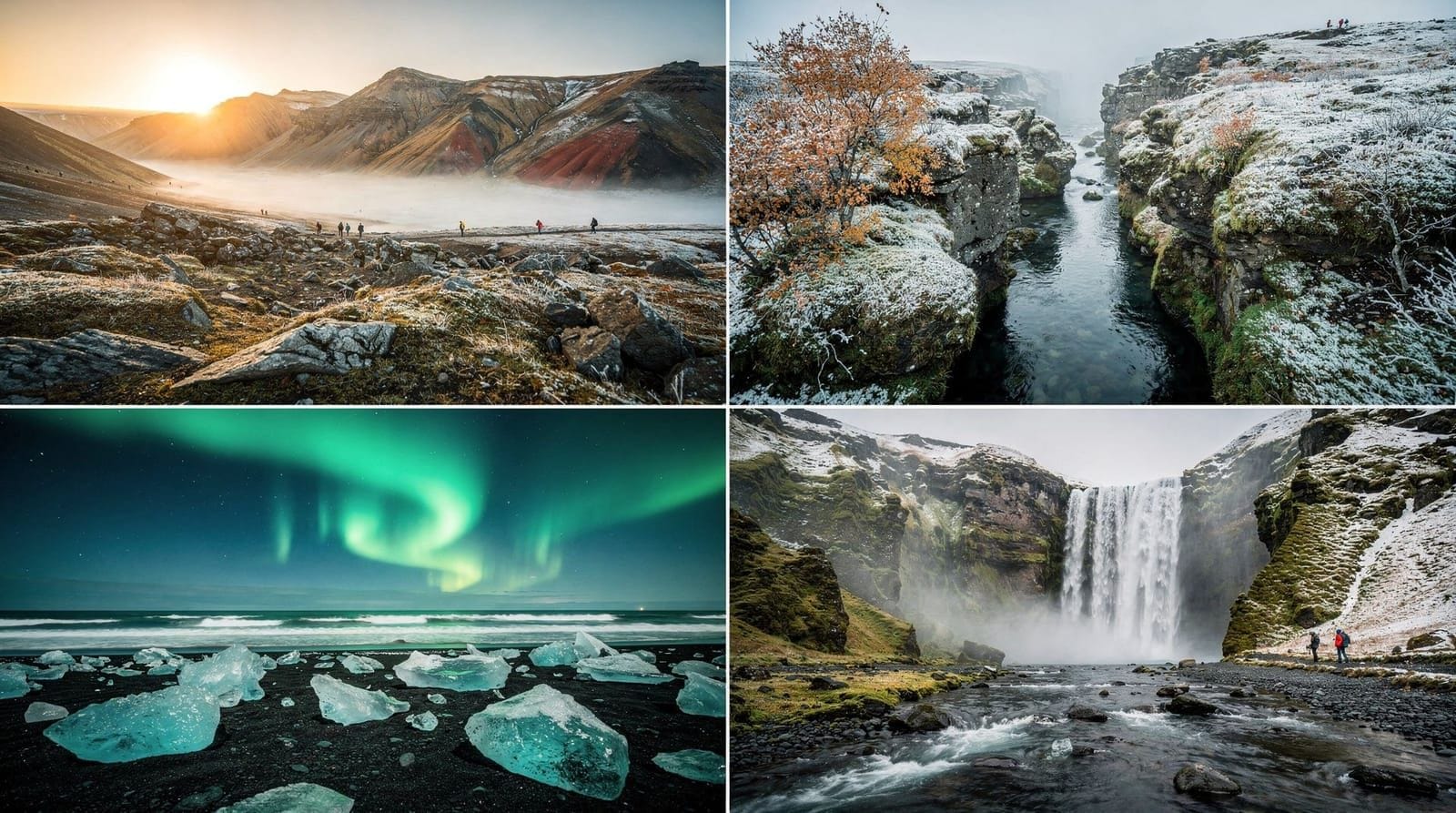
South Iceland: The most-visited region outside the capital — Seljalandsfoss, Skógafoss, Reynisfjara black sand beach, Vík, Jökulsárlón glacier lagoon, and Diamond Beach. See South Iceland.
Golden Circle: A classic day-trip loop from Reykjavik covering Þingvellir National Park, the Geysir geothermal area, and Gullfoss waterfall. See Golden Circle.
West Iceland and Snæfellsnes: The mystical Snæfellsjökull glacier, Kirkjufell mountain, and lava tubes. See Snæfellsnes Peninsula.
Westfjords: The most remote and dramatic fjord landscape in Iceland. See Westfjords.
North Iceland: Akureyri (Iceland’s second city), Lake Mývatn, Húsavík whale watching, the Diamond Circle. See North Iceland.
East Iceland: Slower pace, fjords, reindeer, the Eastfjords. See East Iceland.
Highlands: Open only June–September, accessible only by 4x4. Landmannalaugar, Þórsmörk, Kerlingarfjöll. See the highlands guide.
First-time visitors with limited time typically prioritise Reykjavík, the Golden Circle, and the South Iceland coast — these three cover most of the “greatest hits” in a manageable 4–5 day loop. Returning visitors tend to gravitate toward the Westfjords, East Iceland, and the Highlands, which reward more driving time with far fewer other travellers.
Getting to Iceland
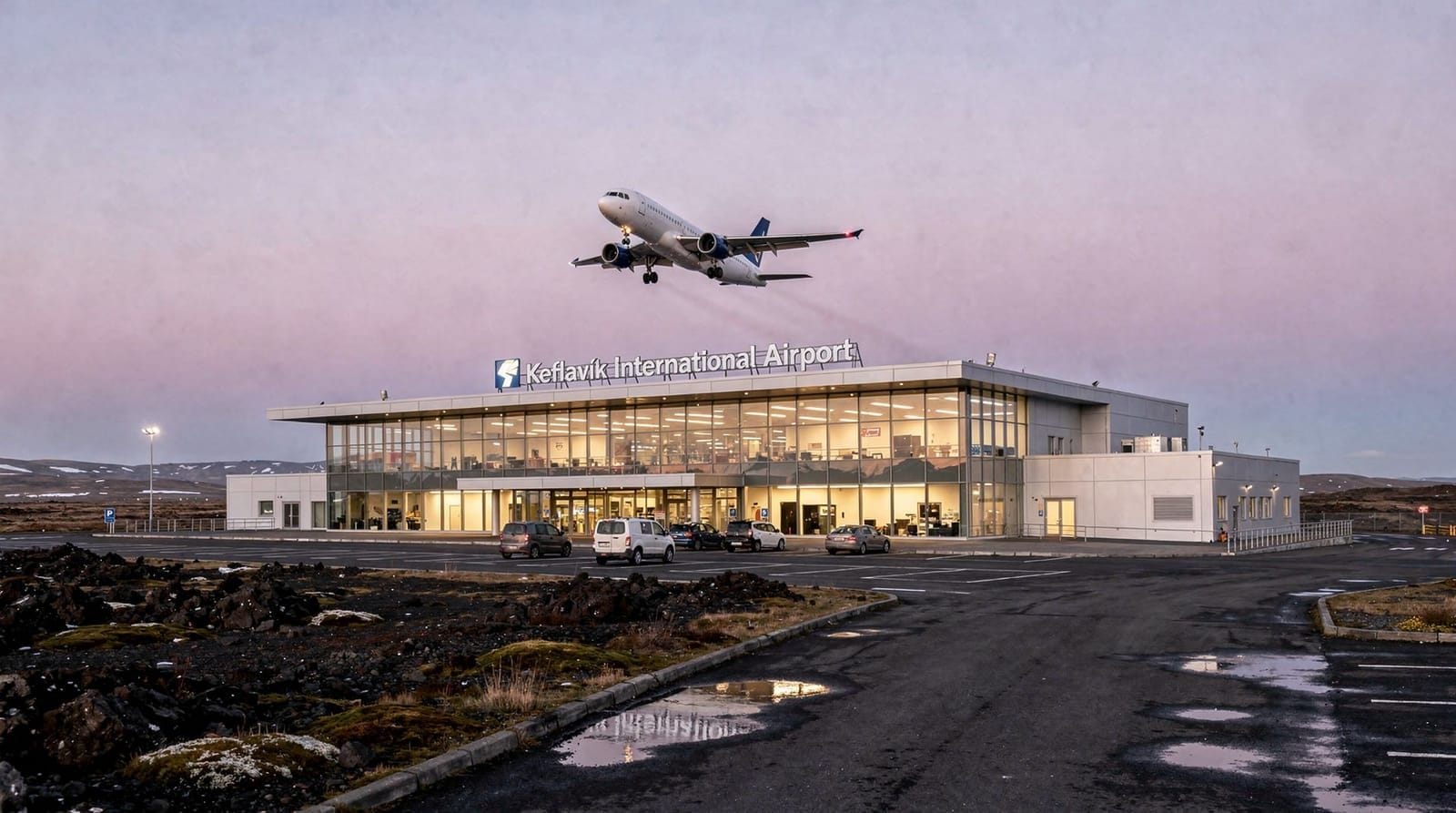
Keflavik International Airport (KEF) handles virtually all international flights. It is 50 km southwest of Reykjavik. Transfer options to the capital: Flybus (3,000–4,000 ISK / ~$22–30), airport express bus, taxi (~15,000 ISK / ~$110), or collect your rental car at the airport and drive yourself. See getting from Keflavik airport.
Reykjavik Domestic Airport (RVK) handles Air Iceland Connect flights to Akureyri, Egilsstaðir, and the Westfjords. See domestic flights in Iceland.
Ferries from Denmark (Smyril Line) arrive at Seyðisfjörður in the East.
Getting around
Rental car is the standard choice for independent travellers. Prices start around $60/day for a small 2WD car in summer. A 4x4 is needed for F-roads (highland tracks). See renting a car in Iceland and 2WD vs 4x4 in Iceland.
Campervan is popular for Ring Road trips. See campervan Iceland guide.
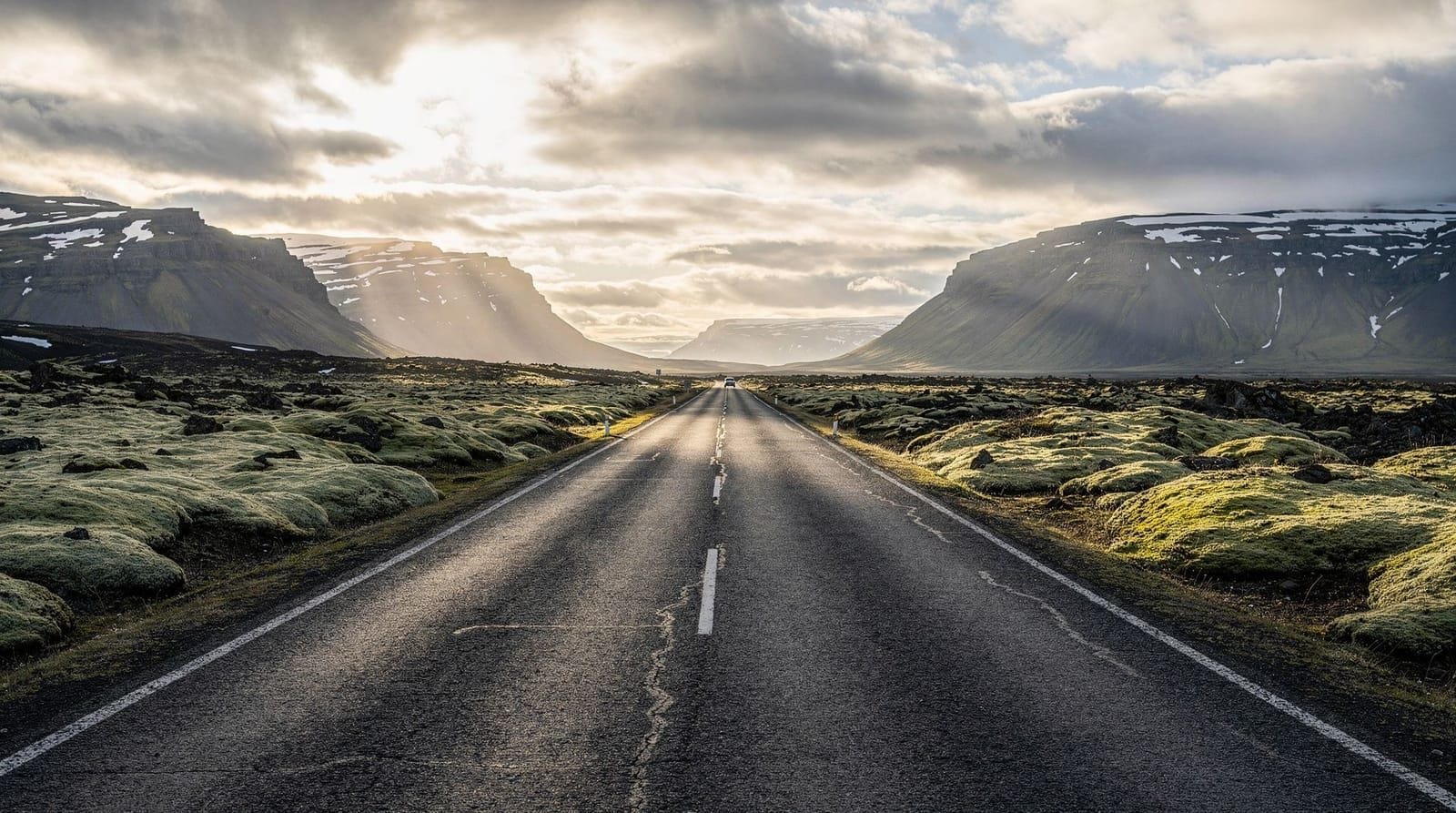
The Ring Road (Route 1) is a 1,332 km paved road circling the whole island. It is fully driveable in a 2WD. Most visitors do it in 7–14 days. See Ring Road guide.
Public transport is minimal outside the capital. Strætó operates Reykjavik city buses and some intercity routes. Do not rely on buses to reach most attractions. See public transport in Iceland and driving in Iceland for the rules of the road once you’re behind the wheel.
Accommodation
Iceland accommodation fills up fast in summer. Book as early as possible — good guesthouses and cabins along the Ring Road often sell out four to six months ahead.
Options range from Reykjavik hotels (from $150/night for a basic room) to countryside guesthouses ($100–180), farm stays, and campsites ($15–25/person). See the Iceland on a budget guide for how to cut costs.
Money and costs
Iceland is expensive by most measures. A self-drive trip with guesthouse accommodation, local food, and two or three paid activities typically costs $250–350/day for two people. You can do it for less with camping and supermarket cooking; you can spend much more with hotels and guided tours.
Card payment everywhere keeps things simple. Debit or credit cards with no foreign transaction fees are ideal. See Iceland currency and money.
Safety and weather
Iceland is safe for independent travel. The main risks are weather-related: roads can become impassable in winter, volcanic activity can close areas, and wind speeds can knock people off their feet near cliff edges.
Check road conditions at road.is before driving. Check safetravel.is for general safety alerts. Register your itinerary on safetravel.is before venturing into the highlands or remote areas. See is Iceland safe and safetravel emergency info.
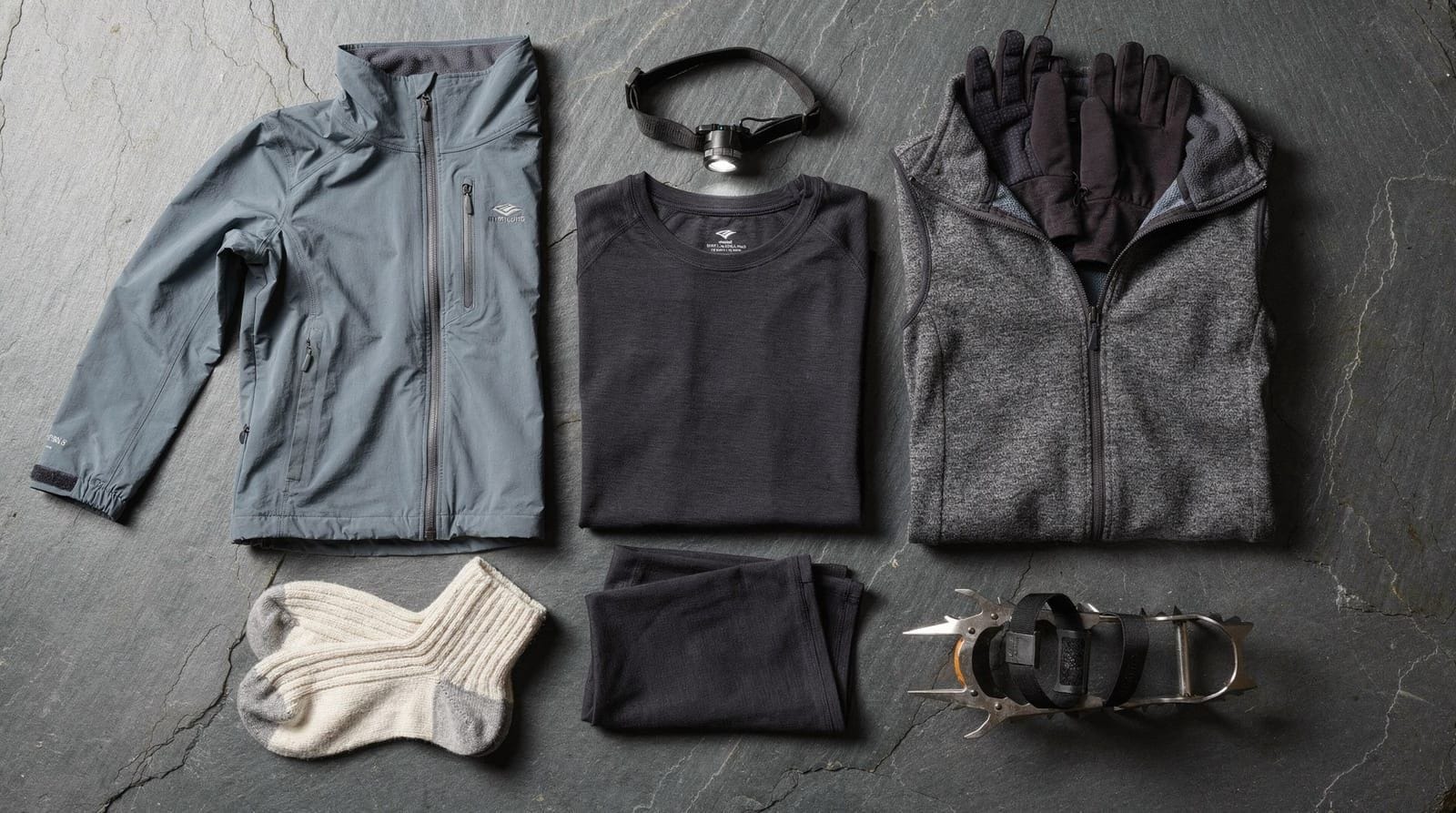
Weather is highly changeable. The saying “if you don’t like the weather, wait five minutes” is not entirely wrong. See Iceland weather explained and what to pack for Iceland.
Internet and connectivity
Coverage is good along the Ring Road and in towns. Remote highland areas have gaps. An eSIM is the cheapest and most convenient option for most visitors. See eSIM and connectivity in Iceland.
Top experiences by category
A quick-reference overview. Each item links to a full guide or destination page.
Natural landmarks: Jökulsárlón glacier lagoon, Diamond Beach, Seljalandsfoss, Skógafoss, Reynisfjara black sand beach, Dettifoss
Geothermal wellness: Blue Lagoon, Sky Lagoon, Secret Lagoon, Mývatn Nature Baths
Adventure: Glacier hiking, ice caving, snorkeling in Silfra, whale watching
Northern lights: Peak season September–March. See best time to see northern lights and where to see northern lights.
Itineraries
- 2 days in Reykjavik: Reykjavik 48 hours
- 3 days / airport stopover: Reykjavik stopover 3 days
- 1-day Golden Circle: Golden Circle one day
- 3–4 days South Coast: South Coast 3 days
- 7-day Ring Road: Ring Road 7 days
- 10-day Ring Road: Ring Road 10 days
- 14-day complete Ring Road: Ring Road complete 14 days
Food and drink overview
Iceland’s food culture has undergone a significant transformation in the past decade. Reykjavik now has restaurants worth a special trip. The ingredients are superb: lamb raised on wild grass and herbs, Arctic char and salmon from glacier-fed rivers, skyr, Icelandic shellfish, seaweed. The cooking has caught up.
Key Icelandic foods to try:
- Lopapeysulambið (Icelandic lamb): Free-range, often from highland farms, deeply flavoured.
- Skyr: A thick, high-protein cultured dairy product somewhere between yoghurt and soft cheese. Not a yoghurt legally. Eaten with berries, as a snack, or in desserts.
- Pylsur: The famous Reykjavik hot dog from Bæjarins Beztu on the harbour — topped with fried onions, raw onions, ketchup, and remúlaði (remoulade). One of Iceland’s best value snacks at about 680 ISK ($5).
- Harðfiskur: Air-dried fish, usually haddock or cod, eaten with butter. A traditional snack.
- Hákarl: Fermented Greenlandic shark, buried and hung to cure for several months. A cultural curiosity rather than a culinary recommendation. Try it once. Pair with Brennivín (caraway aquavit).
- Icelandic craft beer: Reykjavik has an active craft brewing scene. Borg Brugghús and Kex Hostel bar are good starting points.
See Icelandic food guide and best restaurants in Reykjavik for full details.
Supermarkets for self-catering:
- Bónus (cheapest, closes early)
- Krónan (similar to Bónus)
- Nettó (mid-range)
- Víðir and Samkaup (common outside Reykjavik)
Health and medical care
Iceland’s public healthcare system (heilbrigðisþjónusta) provides emergency treatment to all visitors. Hospitals:
- Landspítali University Hospital, Reykjavik: Full emergency services, 24/7.
- Akureyri Regional Hospital (FSA): North Iceland, full emergency services.
- Selfoss Health Centre: South Iceland urgent care.
- Smaller health centres in Húsavík, Egilsstaðir, and Ísafjörður serve their regions.
For non-emergency medical issues while travelling, health centres (heilsugæsla) can provide appointments. Pharmacies (apótek) are well-stocked and can advise on minor issues. Major pharmacies in Reykjavik include Lyfja and Lyfjaval chains.
Non-residents receive bills. Travel insurance with medical coverage is strongly recommended. See travel insurance for Iceland.
Booking tours vs self-driving
Self-driving gives maximum flexibility and tends to be cheaper for groups of two or more once you factor in shared car and fuel costs. Guided tours make sense for specific activities (ice caves, northern lights hunts, glacier hikes) where a local operator adds genuine safety or access value.
See self-drive vs guided tour for a full comparison.
Golden Circle full day guided trip from ReykjavikCulture and etiquette overview
Icelanders are direct, independent-minded, and generally welcoming of international visitors — with some important points of cultural context.
Queues and personal space: Icelanders queue patiently. Cutting in line is genuinely frowned upon, especially at popular attractions with limited capacity (Blue Lagoon check-in, Geysir viewing area).
Nature ethics: Leave no trace is genuinely embedded in Icelandic culture. Damaging moss, driving off-road (strictly illegal), or leaving rubbish in natural areas generates real disapproval from locals. Iceland’s fragile lava moss takes decades to grow — a footprint in it persists for years.
Photography and people: Photographing individuals without permission is not expected in Iceland. At cultural events or in private settings, ask. Photographing landscape and public spaces is unrestricted.
Elves and hidden people (huldufólk): The tradition of huldufólk (hidden people) is a genuine part of Icelandic folklore — road construction has been altered to avoid disturbing perceived elf habitats. The respectful approach for visitors is curiosity rather than mockery. See elves and folklore in Iceland.
First name culture: Everyone is addressed by first name. Iceland’s phone directory is alphabetised by first name. There is no equivalent of “Mr. Smith” — “Jón” is correct regardless of context.
The hot pot (heitur pottur): Geothermal swimming pools are a significant social institution in Iceland. The hot pots (typically 38–42°C outdoor pools) at community pools (sundlaugar) are where locals socialise. Rules are strict: shower thoroughly without swimwear before entering. The showers are not optional. Taking the time to visit a local community pool rather than just the Blue Lagoon gives a much more authentic window into Icelandic life.
See Icelandic etiquette and Reykjavik culture guide.
Iceland with children and families
Iceland is an excellent family destination. The landscape is dramatic without requiring technical skill to access, activities appeal to a wide age range, and safety from crime is very high.
Specific family considerations:
- Geothermal pools: Most community pools have shallower sections. The Blue Lagoon is appropriate for children over 2. Sky Lagoon has an age minimum (check current policy).
- Wildlife for children: Puffins (approachable), Icelandic horses (interactive), seals on beaches, whale watching (most tours are calm enough for children over 4–5).
- Car trips: Iceland’s landscape keeps children engaged from the window. Long drives between sites can be 2–3 hours; plan for snack stops and waterfall breaks.
- Ice caves and glacier hikes: Most glacier operators have minimum age requirements (typically 8+ for beginner glacier hikes). Check before booking.
See Iceland with kids and family friendly Iceland activities.
Photography tips for the Iceland travel guide hub
Iceland rewards photography at every level of equipment. A few principles that apply across all regions:
Light: Iceland’s high latitude means low-angle sunlight for much of the day, especially in autumn and winter. The golden hour lasts much longer than at mid-latitudes. In summer, midnight sun creates extraordinary warm light from unexpected directions.
Weather: Dramatic lighting often follows weather fronts. The 30 minutes after a storm clears are often Iceland’s most photographic moments — shafts of light through cloud breaks, rainbows, vivid colours.
Planning seasons for photography:
- Winter: northern lights, ice caves, low light drama
- Spring: waterfalls at full force, few tourists in photos
- Summer: midnight sun, puffins, green landscapes
- Autumn: colours, northern lights returning, moody atmosphere
See Iceland photography guide and best photo spots in Iceland.
Sustainable travel
Iceland’s tourism has grown faster than its infrastructure. The most congested spots (Seljalandsfoss, the Blue Lagoon, Jökulsárlón) are under serious pressure. Travel early morning or late evening to avoid crowds. Stay on marked paths. Never drive off-road. See sustainable travel in Iceland and avoiding crowds in Iceland and is Iceland overtourism real for the honest state of play.
South Coast highlights small group tourPlanning a first trip vs. a return trip
Because this guide covers the whole country, it’s worth being explicit about how a first-time itinerary should differ from a return one:
| First trip | Return trip | |
|---|---|---|
| Focus | Golden Circle, South Coast, Reykjavík | Westfjords, East Iceland, Highlands |
| Trip length | 5–7 days | 7–14 days, more remote pacing |
| Car | 2WD sufficient for the classic loop | 4x4 opens F-roads and highland routes |
| Pace | 2–3 stops per day, well-trodden sites | Fewer stops, more time at each, less signposted |
| Booking lead time | 3–4 months for summer | Same, but flexibility matters more given remoteness |
If this is a first visit and time is genuinely short, resist the urge to attempt the full Ring Road — a well-paced 5-day South Coast and Golden Circle trip beats a rushed 7-day circuit that turns into a series of exhausted driving days. See the Golden Circle day trip and south coast day trip guides for how to build that shorter version properly.
The other variable worth deciding early is how much of the trip to self-drive versus book as guided activities. Most travellers land on a hybrid: self-drive the Ring Road or South Coast for flexibility, then book a guided day for anything requiring specialist access or safety equipment — glacier hikes, ice caves, or a Silfra snorkel. Neither a fully self-guided nor a fully packaged trip is objectively better; the right mix depends on how much you value flexibility versus not having to make weather-and-safety judgment calls yourself.
Frequently asked questions about visiting Iceland
Do I need a 4x4 for Iceland?
For the Ring Road and most paved tourist routes, a standard 2WD is sufficient. You need a 4x4 with good clearance for any F-road (highland track). Rental companies will void your insurance if you take a 2WD onto an F-road.
How much cash do I need in Iceland?
Virtually none. Card payment is accepted at petrol stations, farm guesthouses, hot dog stands, and campsite kiosks. Carry a small amount of ISK (5,000–10,000 ISK) as a backup for rare cash-only situations, but you may never need it.
Is Iceland safe for solo travellers?
Yes. Iceland has one of the lowest crime rates in the world. The primary safety concerns are related to weather and natural hazards rather than personal safety. Solo drivers should register their itinerary on safetravel.is.
Can I see the northern lights in summer?
No. The northern lights require darkness, which does not exist in Iceland between late May and mid-August. The aurora season runs roughly September to March.
How far in advance should I book accommodation?
For summer travel (June–August): at least three to four months ahead, particularly along the Ring Road. For winter and shoulder season, one to two months is usually sufficient, but popular spots still book out.
Is the Ring Road suitable for first-time drivers in Iceland?
Yes, Route 1 is well-signed and paved. It can be slow-going in winter conditions and some bridges are single-lane. Drive to conditions, not the speed limit. Allow more time than mapping apps suggest.
What are the main things people regret not doing in Iceland?
Most regrets centre on under-preparing for weather (see what to pack for Iceland), not allowing enough time (many people wish they had a day or two more), and skipping the Westfjords or East Iceland due to time pressure.
Can I drink the tap water in Iceland?
Yes. Tap water in Iceland is clean, cold, and often comes from glacial sources. There is no need to buy bottled water anywhere in the country.
Is 5 days enough for a first trip to Iceland?
Yes, if you focus rather than try to circle the island. Five days comfortably covers Reykjavík, the Golden Circle, and the South Coast to Jökulsárlón and back, with time to actually stop and enjoy each place rather than rushing between them.
What’s the single biggest planning mistake first-time visitors make?
Underestimating how long everything takes — driving distances, photo stops, and weather delays all eat into a schedule faster than mapping apps suggest. Building in slack days, especially for a winter trip, prevents a single closure or storm from derailing the whole itinerary.