Akureyri travel guide
Guide to Akureyri — Iceland's northern capital. Whale watching, Goðafoss day trips, Forest Lagoon, restaurants, getting there from Reykjavík, and real prices.
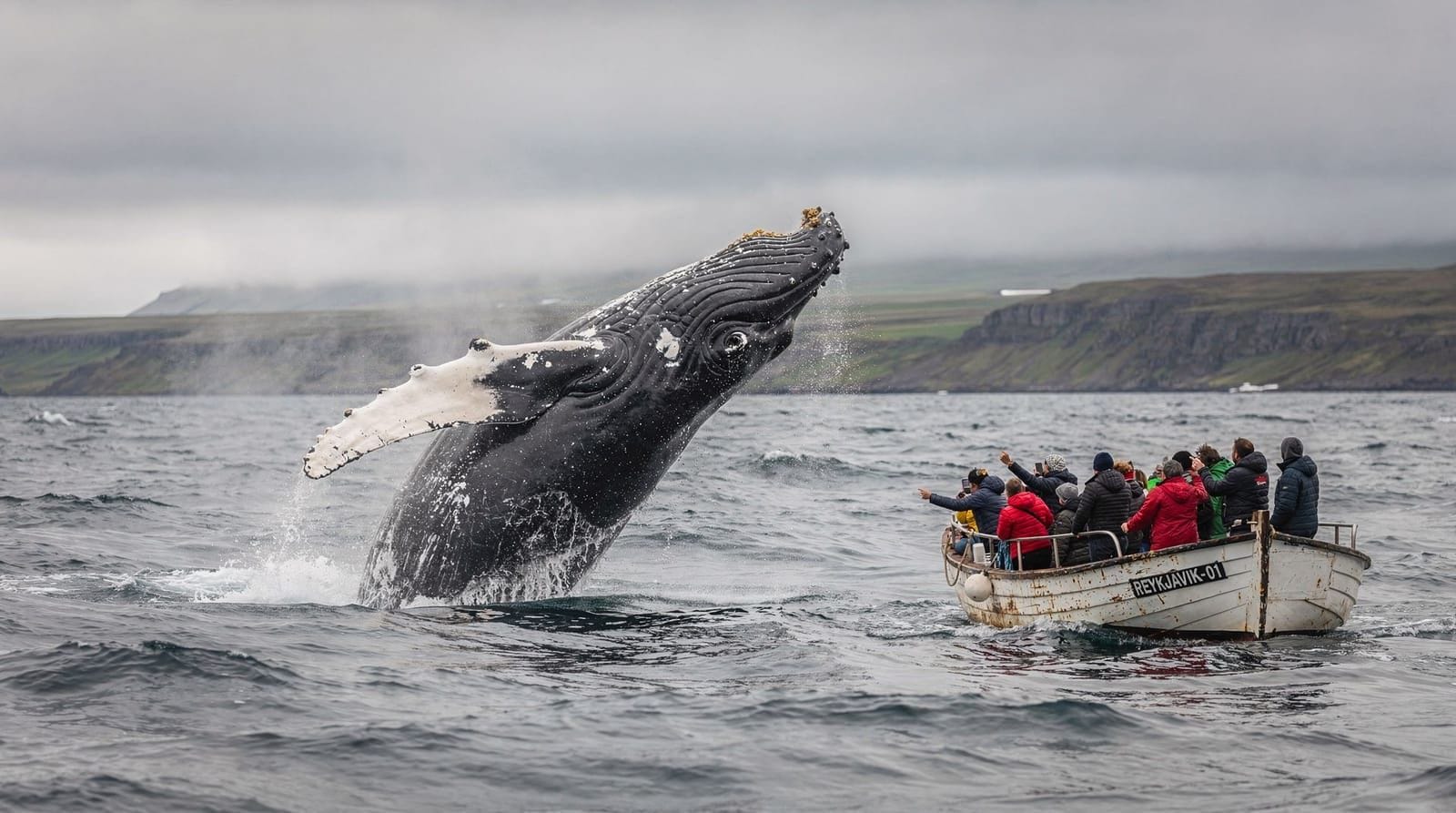
Akureyri: 3 hour classic whale watching by ship
Duration: 3 hours
Quick facts
- Best time
- Jun–Aug (midnight sun, whale watching); Sep–Nov (northern lights)
- Days needed
- 1–2 days base, longer for day trips
- Getting there
- 45 min flight from Reykjavík; ~5h drive via Ring Road
- Budget per day
- 20,000–38,000 ISK (€135–€255)
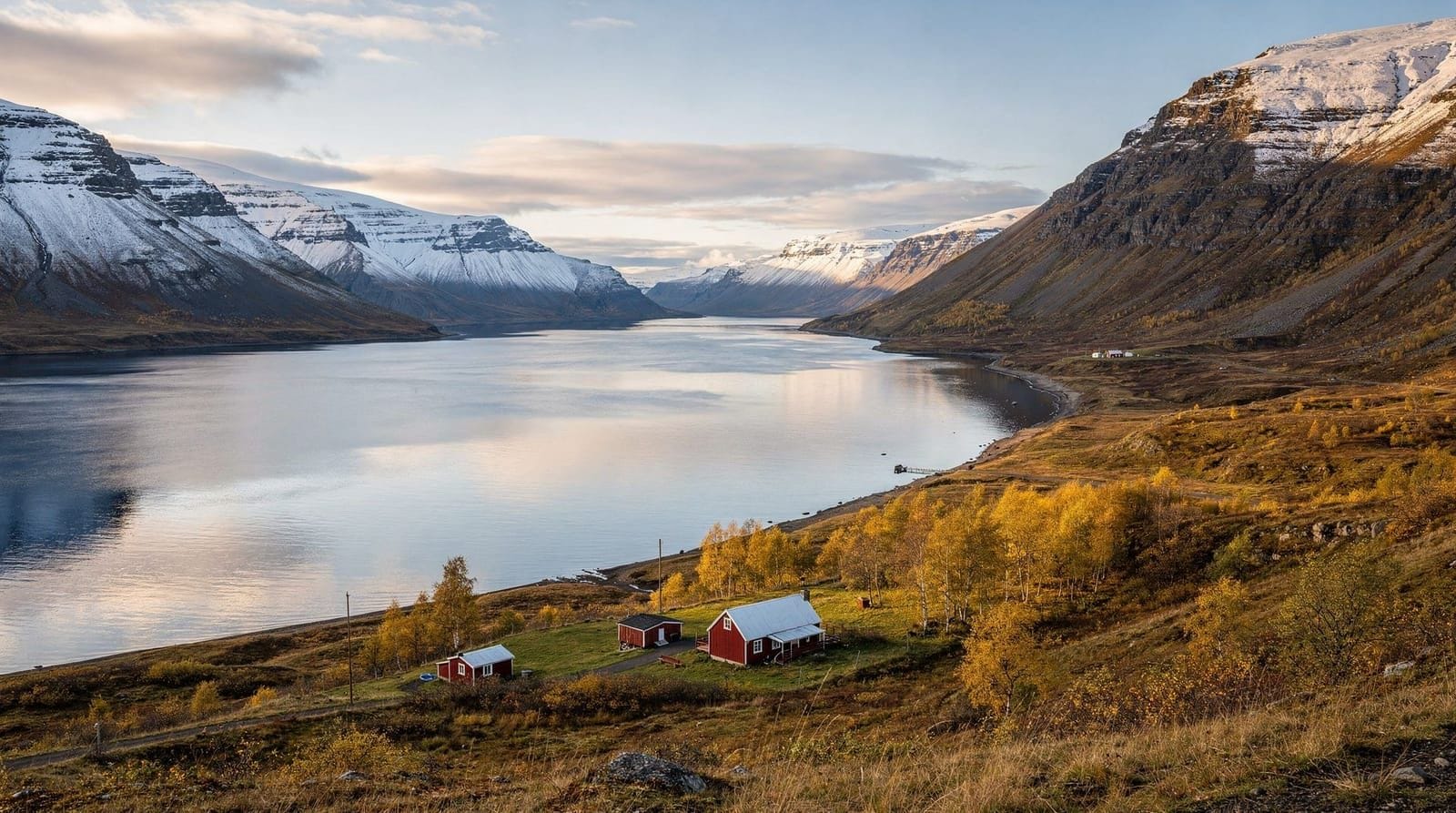
Akureyri sits at the head of Eyjafjörður, Iceland’s longest fjord, 460 km north of Reykjavík. With around 20,000 residents it is Iceland’s second city — a designation that would be unremarkable elsewhere but here means Iceland’s only significant urban centre outside the capital region. The city has a compact, walkable centre, a surprisingly good restaurant scene, a botanical garden at 65° north latitude that actually works, and a harbour from which whale-watching boats depart in summer.
Most visitors use Akureyri as a base for exploring North Iceland — the Diamond Circle, Lake Mývatn, Húsavík, and the waterfalls of Goðafoss and Dettifoss are all within a two-hour drive. But the city itself is worth a half-day of genuine exploration rather than just a hotel stop.
| Where | Head of Eyjafjörður, north Iceland, 460 km from Reykjavík |
| Cost | Around 20,000–38,000 ISK/day (€135–€255) |
| Time needed | 1–2 days as a base; longer with day trips |
| Getting there | 45 min flight or ~5h Ring Road drive from Reykjavík |
| Best time | Jun–Aug for whales and midnight sun; Sep–Nov for aurora |
Getting to Akureyri
By air: Domestic flights from Reykjavík Domestic Airport (not Keflavík International) to Akureyri take 45 minutes. Eagle Air and Icelandair both serve the route. Book ahead: summer prices start around 12,000 ISK (€80) one way if bought two or more weeks out; same-week fares can reach 25,000 ISK (€170). The airport is 3 km south of the city centre; a taxi costs around 2,500 ISK (€17).
By road: The drive from Reykjavík follows the Ring Road north via Borgarnes and Blönduós. Allow five hours minimum, more in winter. The Holtavörðuheiði plateau between Varmahlíð and Blönduós can have wind and ice from October onwards.
By bus: Strætó route 57 connects Reykjavík and Akureyri in around 6.5 hours. The adult fare is approximately 8,500 ISK (€57) one way, with a student discount available. One daily departure each way; book at straeto.is.
Whale watching from Eyjafjörður
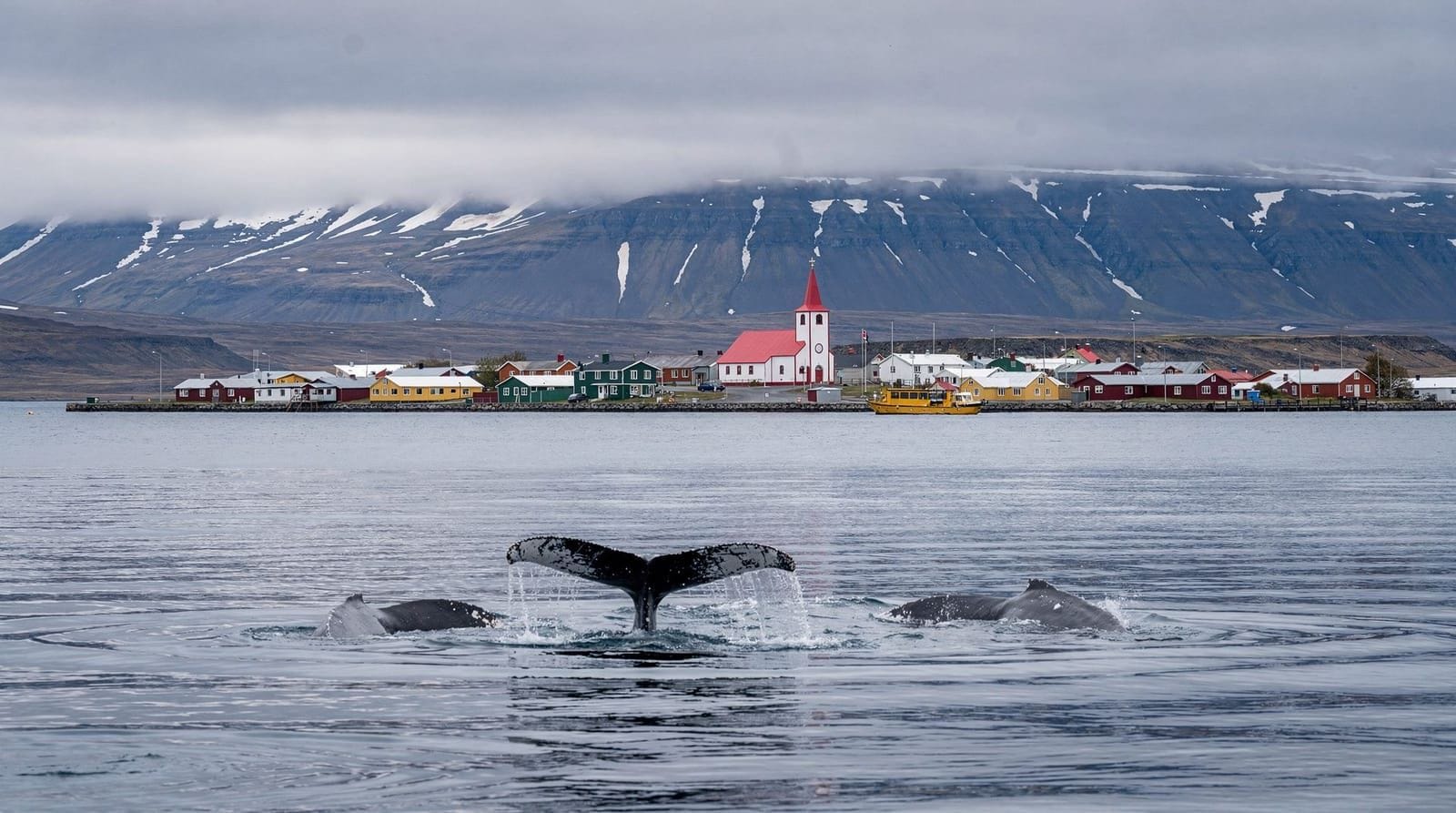
Eyjafjörður is one of Iceland’s best fjords for humpback whale sightings in summer. Whales feed on capelin and sand eels in the relatively shallow water, and tours routinely spot humpbacks breaching within a kilometre of the boat. The season runs roughly from June to late September, with August the peak month.
Two types of tours depart from the Old Harbour (Gamli Höfn) area: traditional whale-watching ships (3 hours, around 12,000–14,000 ISK / €80–€95) and RIB speedboats (2 hours, around 14,000–16,000 ISK / €95–€110). The speedboats cover more ground but are cold; dress in layers regardless of the summer temperature.
Classic 3-hour whale watching by ship from Akureyri harbour — humpbacks on Eyjafjörður.
2-hour RIB speedboat whale watching from Akureyri — max 12 passengers, fast coverage.
Note: Húsavík, 90 km east, has higher sighting rates and a longer track record for whale watching. If you only do one whale-watching trip, Húsavík is the better choice. Akureyri is the right option if time is limited or you are already based in the city.
Eyjafjörður is sheltered enough that departures hold when the north coast is closed out: an Akureyri whale watching trip with transfer from the port works for cruise arrivals who never leave the fjord.
Day trips from Akureyri
Akureyri’s main value is as a base for North Iceland day trips. The most popular:
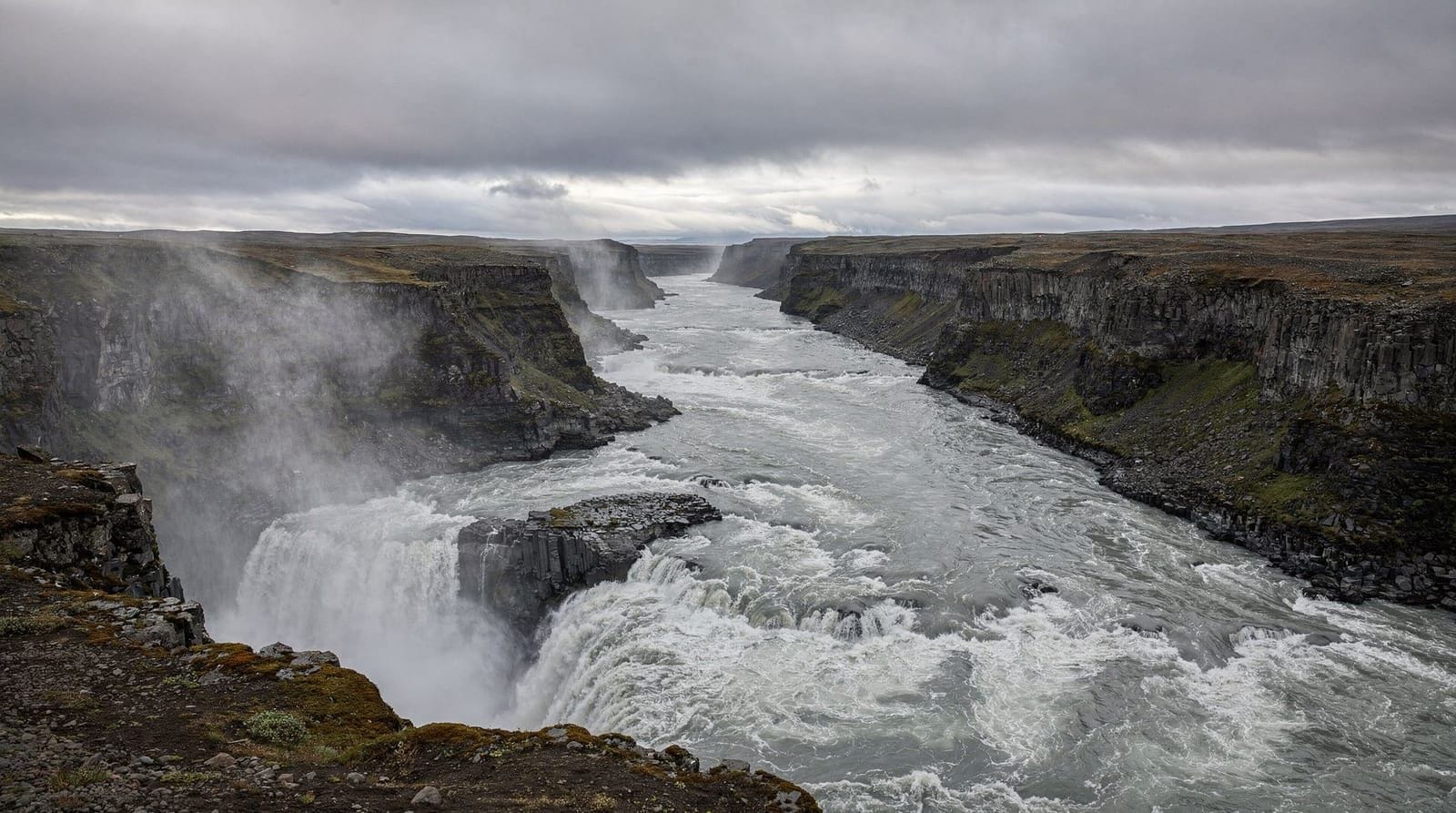
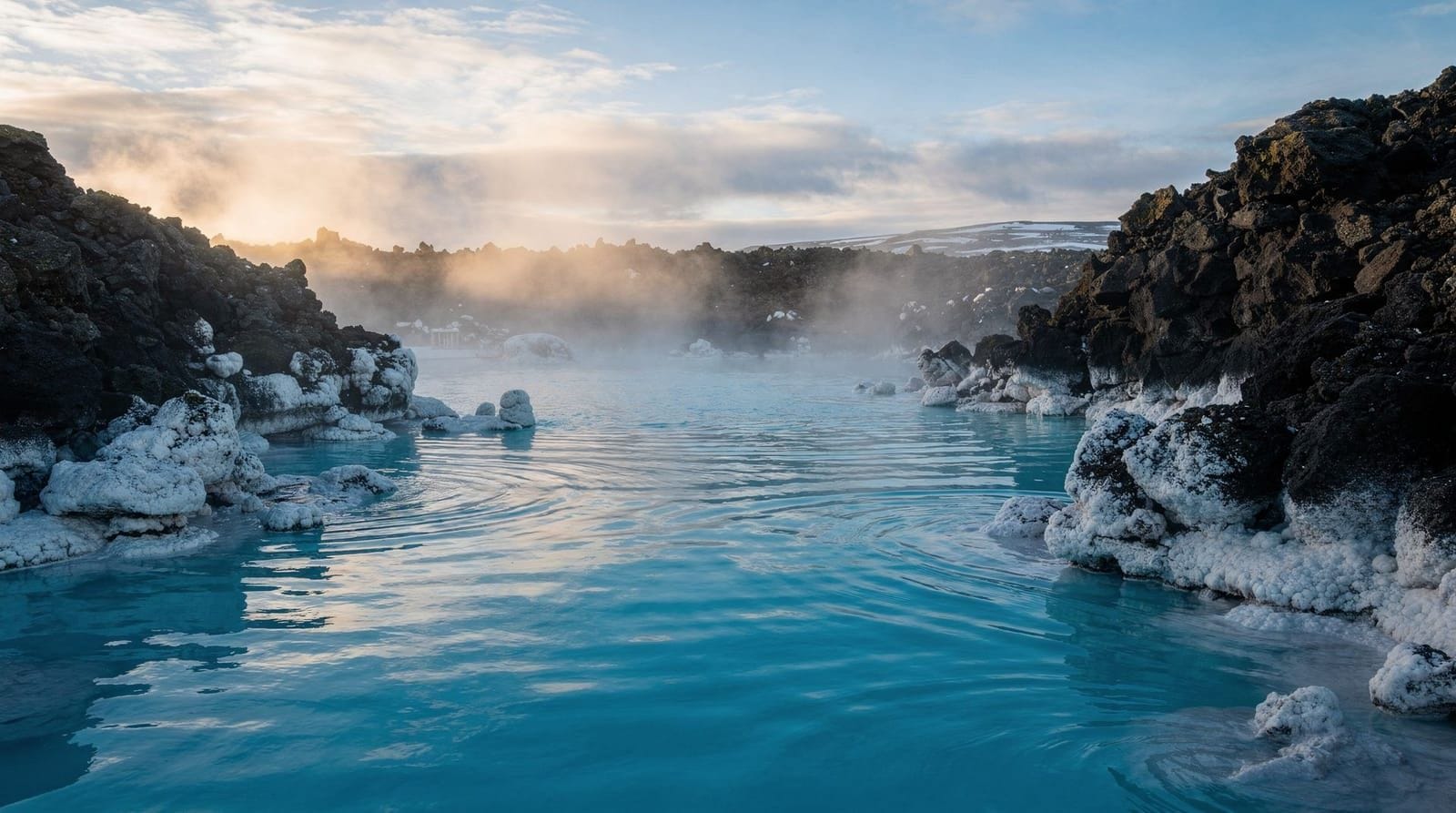
Goðafoss and Mývatn Nature Baths: Goðafoss is 50 km east along the Ring Road — 45 minutes. Combining it with the Mývatn Nature Baths (a further 35 km) makes a solid half-day. Full guided day trips also include Dimmuborgir and Hverfjall.
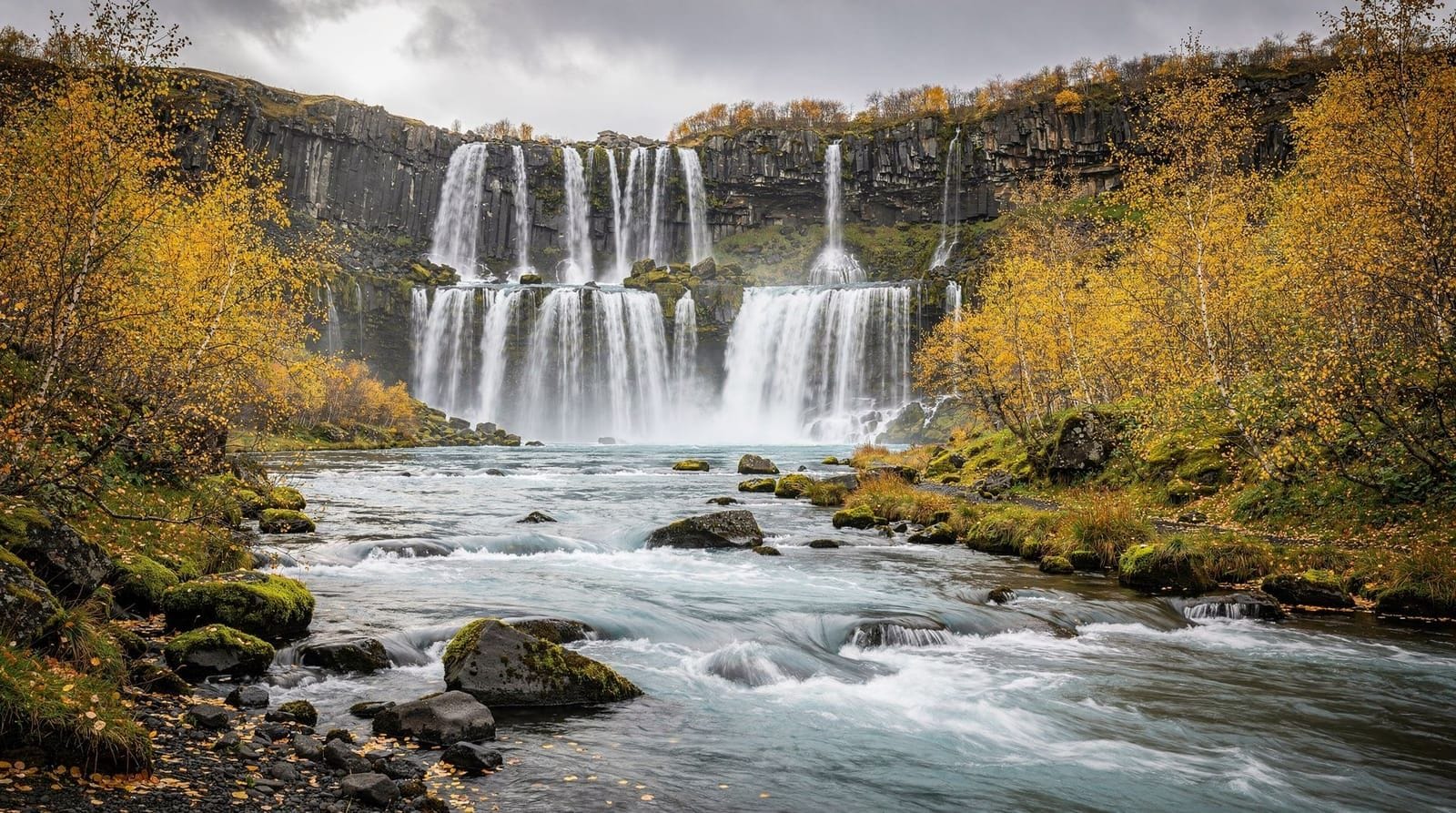
Diamond Circle: The full Diamond Circle loop — Goðafoss, Mývatn, Dettifoss, Ásbyrgi, Húsavík — is around 250 km and takes 8–10 hours by car. Guided tours depart Akureyri from around 18,000 ISK (€120) per person.
Day trip from Akureyri: Goðafoss waterfall and Mývatn Nature Baths.
Forest Lagoon: Opened in 2022, the Aldeyjarfoss Forest Lagoon (Skógarhlíð) is a geothermal pool in a birch forest on the city’s outskirts — 15 minutes from downtown Akureyri. Adults pay 6,500–8,000 ISK (€43–€53) for pool access. It is more intimate than the Mývatn Nature Baths and has good facilities.
The city centre
Akureyri’s centre is compact and walkable. The main street, Hafnarstræti, runs along the waterfront and has cafés, a handful of restaurants, and the Ráðhús (City Hall) with its stained-glass windows. The city is known for its red heart-shaped traffic lights — a design quirk introduced during an economic crisis to lift local spirits and since kept as an identity feature.
Akureyri Botanical Garden (Lystigarðurinn): Free entry; open daily in summer. At 65° 41’ north, this is one of the world’s most northerly botanical gardens and is surprisingly lush — Akureyri’s microclimate is warmer than the surrounding region due to fjord protection. The rose collection is particularly good in July.
Akureyrarkirkja: The church designed by Guðjón Samúelsson (the same architect as Hallgrímskirkja in Reykjavík) sits on a hill above the city. The interior stained glass above the altar was originally made for Coventry Cathedral in England before World War Two; it ended up in Iceland through a chain of circumstances. Free entry.
Akureyri Museum (Minjasafnið á Akureyri): Local history from settlement to fishing to the present day. Entry around 1,500 ISK (€10). Informative and rarely crowded.
Where to eat
Rub23: The most accomplished restaurant in North Iceland. Fusion of Japanese techniques and Icelandic ingredients — sashimi, seared scallops, rack of lamb. Dinner mains run 5,500–8,500 ISK (€37–€57). Book a table.
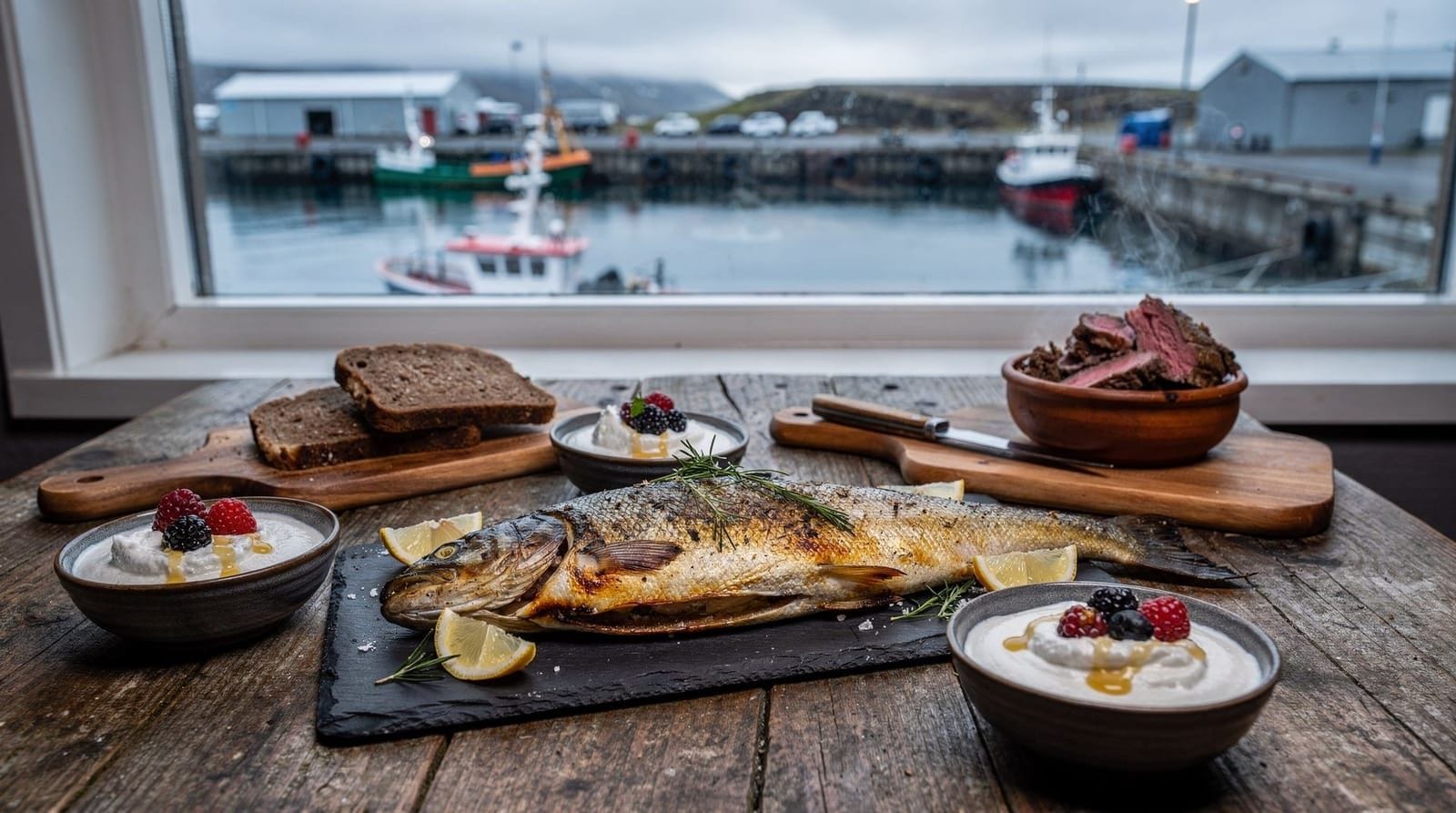
Greifinn: Casual Icelandic cooking in a historic wooden house — lamb soup, fish of the day, skyr desserts. Main courses 3,500–5,500 ISK (€23–€37). Popular with locals.
Kaffi Ilmur: The bakery on Hafnarstræti worth knowing for fresh bread, cinnamon buns, and good filter coffee at around 600–800 ISK (€4–€5.50). Breakfast and lunch only.
Noa Seafood: A reliable harbour-side option for fish and chips and grilled Arctic char. Prices moderate (main courses 2,800–4,200 ISK / €19–€28).
Supermarkets: Bónus on Tengingata is the cheapest grocery option. Nettó and Krónan are also in town. Self-catering substantially reduces daily costs.
Where to stay
Icelandair Hotel Akureyri: Central, reliable, overpriced in July. Doubles from 35,000 ISK (€235) in peak season.
Hótel Kea: The original grand hotel; slightly more character than the Icelandair option. Similar price point.
Sæberg Guesthouse: A family-run guesthouse 8 km south in Hrafnagil. Better value (doubles from 20,000 ISK / €135), quiet location, good hosts.
HI Akureyri Hostel: On Stórholt, well-equipped. Dorm beds from 7,000 ISK (€47), private rooms from 17,000 ISK (€115). The best budget option in town.
Booking 6–8 weeks ahead is advisable for July and August. Last-minute availability in summer is poor and prices are inflated.
Practical notes
Parking: Free in most of the city centre. Pay parking applies in some designated zones near the harbour. Getting around on foot is realistic for the central area.
Petrol: Fill up in Akureyri before heading east or north. The next reliable stations are in Húsavík or near Mývatn, which is fine for a day trip but worth noting if you are heading to Dettifoss.
Winter driving: The road north along Eyjafjörður (Route 82 to Dalvík) stays clear in most winters, but mountain crossings over to the Tröllaskagi Peninsula can close with snow. Check road.is before any winter drive away from the Ring Road.
Frequently asked questions about Akureyri
Is it worth flying to Akureyri rather than driving?
For most itineraries, yes — especially if time is limited. The 45-minute flight saves 10 hours of driving round-trip and costs roughly the same as petrol for a one-way drive if you factor in the return. The main reason to drive is if you want to stop at Borgarnes, Snæfellsnes, or the Westfjords on the way.
Can I do the Diamond Circle as a day trip from Akureyri?
Yes, but it is a long day (around 10 hours with stops). The full loop — Goðafoss, Mývatn, Dettifoss, Ásbyrgi, Húsavík — is 250 km and requires efficient timing. Guided tours handle logistics well. If self-driving, an early start (8am) gives comfortable time at each stop. Two days is more relaxed.
Is Akureyri expensive compared to Reykjavík?
Slightly less expensive on average. Accommodation tends to be 10–20% cheaper than equivalent Reykjavík options, and some restaurants are better value. Fuel prices are the same nationwide.
What is the Forest Lagoon and is it better than Mývatn Nature Baths?
The Forest Lagoon (Skógarlón) is a geothermal spa in a birch forest near Akureyri, opened in 2022. It is well-designed and less crowded than the Mývatn Nature Baths. Mývatn Nature Baths have a more dramatic volcanic setting. Both cost similar amounts (6,000–8,000 ISK / €40–€53). If choosing one, the Forest Lagoon is convenient for Akureyri-based visitors; Mývatn Nature Baths make more sense if you are already at the lake.
What is the best month to visit Akureyri?
July has the best weather and longest days (24 hours of light). August is reliable and slightly less crowded. September brings the first northern lights opportunities and golden autumn colours in the birch forests. June is good for puffins and whale watching. November through March is quiet and much cheaper, with the best aurora chances.
How do I get from Akureyri airport to the city?
The airport is 3 km south of downtown. Taxis cost around 2,500 ISK (€17). There is no scheduled bus from the airport to the centre, though some hotels offer transfers. If renting a car at the airport, the drive into town takes 5–10 minutes.
Is Akureyri better than Reykjavík as a base for the north?
Yes, for anything north of Mývatn. Reykjavík is roughly 5 hours from the Diamond Circle by road, making it impractical as a daily base for that region. Akureyri sits within a 1–2 hour radius of Lake Mývatn, Goðafoss, Dettifoss, and Ásbyrgi, so it works as a genuine base rather than a one-night stopover.
Do I need a car in Akureyri itself?
No, not for the city centre — the botanical garden, church, harbour, and restaurants are all within a 15-minute walk of each other. A car (or a booked tour) becomes necessary once you leave town for the Diamond Circle, Mývatn, or the Forest Lagoon, none of which have practical public transport links.
Akureyri for cruise passengers
Akureyri is a frequent port of call for cruise ships exploring the Icelandic coastline, typically from May to September. The cruise terminal is on the Old Harbour, within walking distance of the city centre. Cruise passengers have a typical window of 6–10 hours in port, which is enough for one of the following:
- Whale watching on Eyjafjörður (3-hour trip, back with time for town)
- A guided Diamond Circle partial tour (Goðafoss and Mývatn, typically 8–9 hours)
- Self-guided city walk (botanical garden, church, Hafnarstræti, 2–3 hours)
The cruise port is well-organised; taxis, hire cars, and tour operators meet ships. Pre-booking tours through the ship is expensive compared to booking directly in port.
Akureyri’s cultural life
Despite its size, Akureyri has genuine cultural infrastructure. The Akureyri Art Museum (Listasafnið á Akureyri) on Kaupvangsstræti shows contemporary Icelandic art, with regular changing exhibitions. Entry is around 1,000 ISK (€7). The Nonni Museum nearby is the childhood home of the Jesuit priest Jón Sveinsson (pen name “Nonni”), whose children’s books were popular across Europe in the early 20th century — a minor but oddly touching piece of local history.
The Akureyri Theatre Company (Leikfélag Akureyrar) operates year-round and is the only professional theatre company outside Reykjavík. Performances are in Icelandic; schedules at lak.is.
The Christmas season in Akureyri is disproportionately celebrated — the city was named the “Christmas Town of Iceland” and has a dedicated Christmas House museum open year-round. This is gentle tourist-trap territory, but the display is elaborate and the red heart-shaped Christmas lights are genuinely atmospheric in December.
What not to do in Akureyri
Skip the tourist “Viking” restaurants aimed at cruise passengers — the food-to-price ratio is poor and the historical framing dubious. The places locals actually eat (Greifinn, Kaffi Ilmur, Noa Seafood) are cheaper and better.
Do not rely solely on Akureyri’s whale watching if humpbacks are your priority. Húsavík has higher sighting rates and a longer established whale-watching operation. The 90-minute drive from Akureyri to Húsavík is worth it for a dedicated whale-watching trip.
Do not skip the botanical garden because it sounds minor. At 65° north it is genuinely remarkable, free, and takes 45 minutes to walk properly. The rose collection in July is the best surprise.
Transport within North Iceland from Akureyri
Akureyri is the effective transport hub for North Iceland:
- Bus to Dalvík: Strætó route; connects to Grímsey ferry
- Car hire: Multiple national and local operators at the airport (Budget, Hertz, Europcar, Holdur, Blue Car Rental)
- Tours: Multiple operators run daily Diamond Circle, whale watching, and northern lights tours
- Domestic flights: Eagle Air connections to Grímsey and seasonal service to other regional airports
- Ferry: Sæfari ferry from Dalvík (30 min by bus from Akureyri) to Grímsey island
For the full guide to getting around Iceland, including car rental insurance and 2WD versus 4WD decisions, see the dedicated transport guides.
Akureyri’s geothermal pool history
The city’s first public swimming pool opened in 1955 and was one of the earliest geothermal swimming facilities in Iceland. Today Akureyri has a large municipal pool complex (Sundlaug Akureyrar on Þingvallastræti) with an indoor pool, outdoor hot pots, waterslide, and sauna. Entry costs around 1,100 ISK (€7.50) — cheaper than the Forest Lagoon or Mývatn Nature Baths and used daily by locals year-round. It is worth knowing as a budget geothermal option.
Architecture walk: Akureyri’s wooden houses
Akureyri has the best-preserved collection of early 20th-century Icelandic wooden domestic architecture outside Reykjavík. The streets east of Hafnarstræti — particularly Brekkugata, Þorvaldsenstræti, and Kaupvangsstræti — have rows of timber-clad houses in the Norwegian and Danish styles that dominated Icelandic building in the 1900–1930 period. Most are private homes; none are tourist attractions, but walking the streets is free and takes 30–45 minutes. The Nonni Museum and the Matthíasarhús (former home of poet Matthías Jochumsson, who wrote the Icelandic national anthem) are on this circuit.
What to buy in Akureyri
The pedestrian street shopping is better than expected for a town of 20,000. Highlights:
- Glerártorg mall (on the Ring Road south of the centre): The main shopping mall, with a Bónus supermarket, pharmacy, and chain stores. Practical rather than interesting.
- Fold-Anna: A local wool design shop on Hafnarstræti. Lopapeysa sweaters, hand-knit items, and design pieces at reasonable prices compared to Reykjavík’s tourist shops.
- Skaftfell Design Gallery (on Kaupvangsstræti): Small gallery selling work by North Iceland artists and craftspeople.
Wool products (lopapeysa sweaters, scarves, mittens) are Iceland’s most practical purchase. Prices are lower in Akureyri than in Reykjavík tourist shops; the best value is direct from cooperatives or farms rather than the curated design stores.
Day-by-day planning: 2 nights in Akureyri
Night 1 / Day 1: Arrive by afternoon flight from Reykjavík (45 min, land ~4pm). Walk botanical garden and church (2 hours). Dinner at Rub23.
Day 2: Full Diamond Circle day — Goðafoss, Mývatn (Dimmuborgir, Hverfjall, Nature Baths), return to Akureyri via Goðafoss. Depart 7:30am, back 8pm.
Day 3: Morning whale watching from Akureyri harbour (3-hour trip, depart 9am). Optional afternoon at Forest Lagoon. Evening flight back to Reykjavík or continue Ring Road east.
This is a realistic and efficient itinerary that uses Akureyri as a proper base rather than just a transit point. For a longer north Iceland trip, use the north Iceland 4-day itinerary as the planning framework.
Budget planning for Akureyri
A realistic daily budget in Akureyri:
| Item | Budget option | Mid-range |
|---|---|---|
| Accommodation | 7,000 ISK hostel dorm | 25,000 ISK guesthouse |
| Food | 4,000 ISK self-catering | 9,000 ISK one restaurant meal |
| Activities | Free (botanical garden, church walk) | 14,000 ISK whale watching |
| Transport | 0 (walking) | 3,000 ISK taxi to/from airport |
A whale-watching trip is the biggest single-day expenditure. The Iceland on a budget guide has strategies for reducing overall costs on a North Iceland trip.
Akureyri month by month
| Month | Weather/light | Crowds | Best for |
|---|---|---|---|
| Jun | 24h daylight, mild | Building | Whale watching starts, botanical garden in bloom |
| Jul | Warmest, driest | Peak | Whale watching, rose collection, festivals |
| Aug | Still warm, slightly less light | Peak–easing | Whale watching, Diamond Circle day trips |
| Sep | Cooling, first darkness returns | Low–moderate | Autumn colour, early aurora chances |
| Oct–Mar | Cold, short days, possible snow | Low | Northern lights, budget rates, Christmas Town |
| Apr–May | Lengthening days, variable weather | Low–building | Quiet sightseeing before summer rates hit |
The gap between July’s peak pricing and the November–March off-season is significant — Akureyri hotel doubles that run 35,000 ISK in July commonly drop to 18,000–22,000 ISK in winter, with the trade-off being shorter days and the possibility of snow disrupting Diamond Circle day trips.
Is Akureyri worth the detour from a south-only itinerary?
Visitors doing a one-week Iceland trip focused on the Golden Circle and South Coast sometimes debate whether to add Akureyri. The honest answer: only if you have at least 3 extra days. The flight is quick, but the value of Akureyri comes from what surrounds it — the Diamond Circle, Mývatn, and Húsavík — not the city itself, which is a pleasant half-day at most. A one-night “tick the box” visit to Akureyri without time for the surrounding nature is a weak use of a travel day; better to skip it and spend the extra day doing the South Coast or Snæfellsnes properly, both reachable without a domestic flight.
Top experiences
Bookable activities with verified prices and instant confirmation on GetYourGuide.
Akureyri: 3 hour classic whale watching by ship
Akureyri: 2 hour whale watching express rib speedboat
Akureyri: From Akureyri Diamond Circle tour with waterfalls
Akureyri: Day trip Godafoss Myvatn nature baths
Akureyri: Food walk with 5 tastings local guide
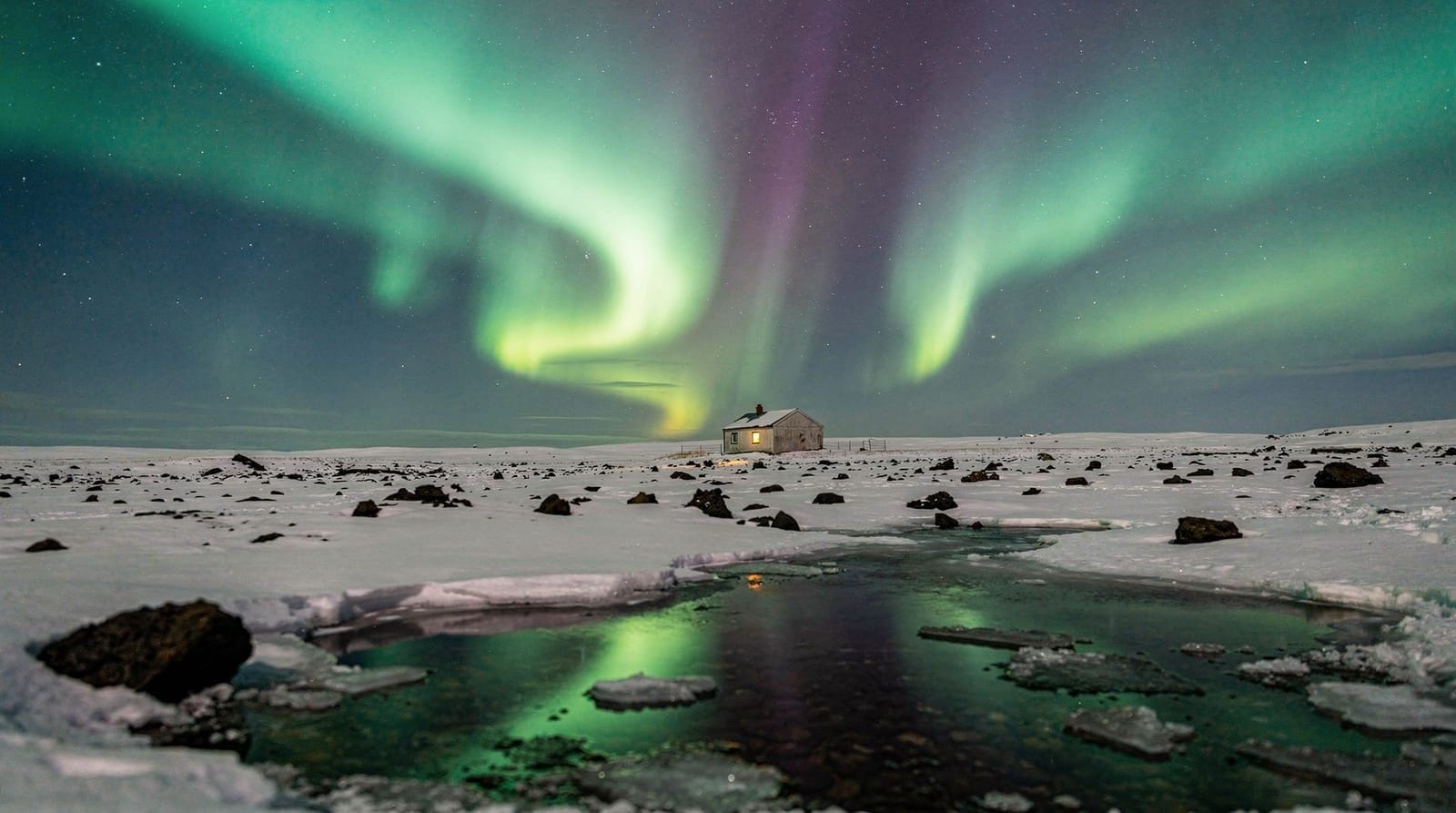
Akureyri: From Akureyri Northern Lights tour
Top-rated experiences in Akureyri travel guide
Best-rated activities across GetYourGuide and Viator.

Whale Watching from Downtown Akureyri
- Viator

Big Whales & Puffins RIB boat tour from Húsavík
- Viator

East Glacial River – Grade 4 Rafting with Drysuits, North Iceland
- Viator

Top-Rated Family Rafting – Drysuits & Geothermal Hot Cocoa
- Viator

Original Big Whale Safari & Puffins Speedboat Tour from Húsavík
- Viator

Lake Myvatn Day Tour and Godafoss Waterfall for Cruise Ships from Akureyri Port
- Viator