Blue Lagoon — Iceland's geothermal spa
Honest guide to the Blue Lagoon: prices, booking tips, what's included at each tier, alternatives, and whether it's worth the cost for your trip.
Blue Lagoon: Admission with drink towel mask
Quick facts
- Best time to visit
- Year-round; winter for northern lights potential; avoid July peak crowds
- Days needed
- 3–4 hours including travel from KEF or Reykjavík
- Getting there
- 20 min from KEF Airport; 50 min from Reykjavík by bus or car
- Budget per day
- Comfort from ~€90; Signature from ~€120; Premium from ~€165
Iceland’s most famous attraction is a milky-blue geothermal lagoon in a black lava field near Keflavík — genuinely relaxing, genuinely expensive, and genuinely worth understanding before you book a tier.
| Where | Near Grindavík, Reykjanes Peninsula |
| Cost | Comfort ~€90; Signature ~€120; Premium ~€165 |
| Time needed | 3–4 hours including travel from Reykjavík |
| Getting there | 20 min from KEF; 50 min from Reykjavík; advance booking required |
| Best time | Year-round; winter evenings for aurora chance |
What the Blue Lagoon actually is
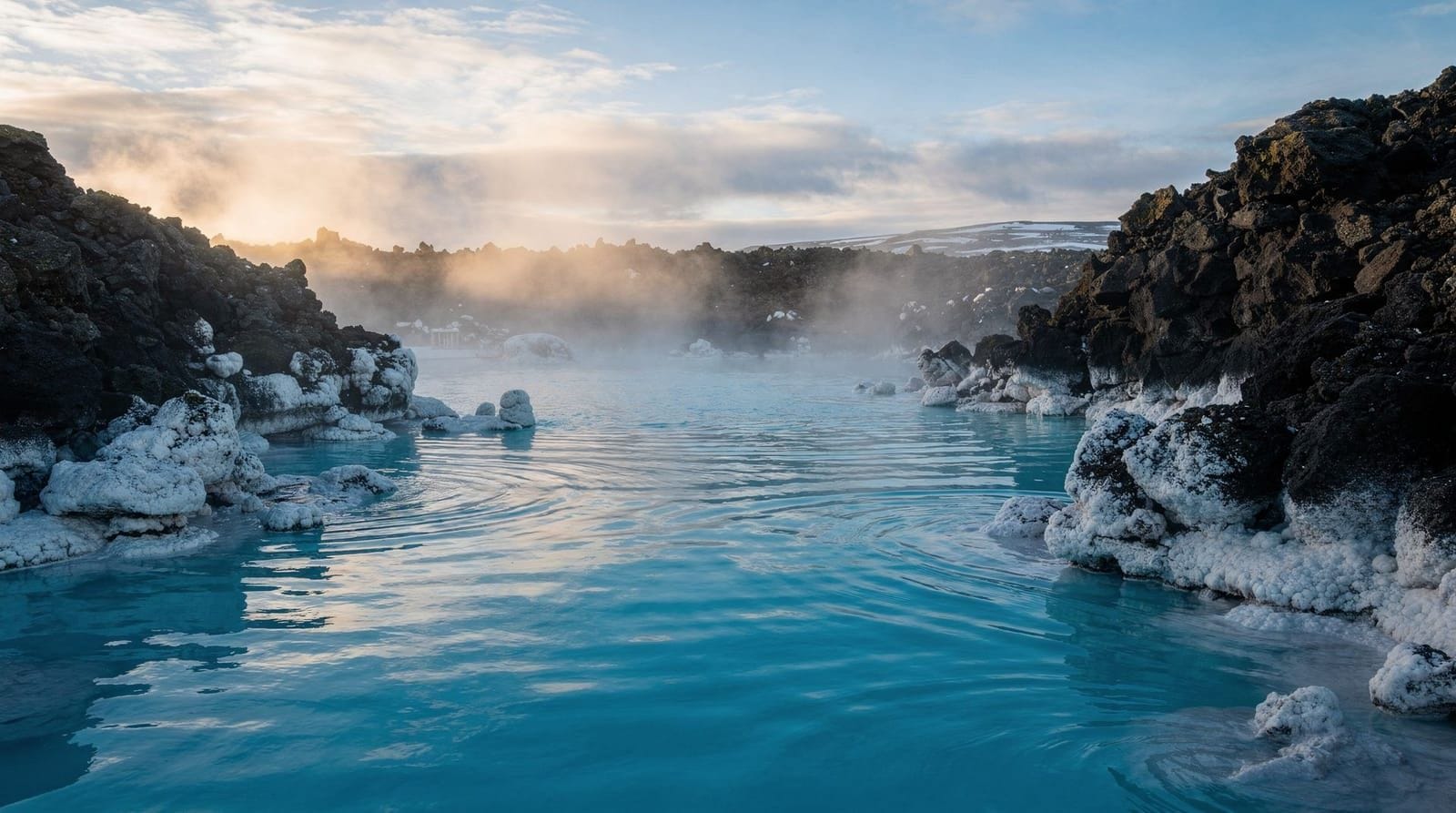
The Blue Lagoon is a geothermal spa located near Grindavík in the southwest of Iceland, roughly 20 minutes from Keflavík International Airport and 50 minutes from central Reykjavík. The water — maintained at 38–39°C year-round — is not natural in the conventional sense. It is the discharge water from the Svartsengi geothermal power plant, which pumps seawater down to around 2,000 metres, uses the earth’s heat to generate electricity and hot water, and then releases the spent water into the adjacent lava field.
That spent water happens to be exceptionally rich in silica, algae, and minerals. The silica content — around 140 milligrams per litre — gives the water its distinctive opaque blue-white colour and the silky texture that makes the experience feel genuinely different from a conventional swimming pool. The Blue Lagoon company built a bathing facility in 1987, developed it progressively, and by the 2010s it had become Iceland’s most visited paid tourist attraction.
This origin story is important because the Blue Lagoon is frequently marketed as a “natural” wonder in the same breath as Iceland’s waterfalls and geysers. It is not — it is an engineered facility using industrial byproduct. That doesn’t make it bad; it makes it a very good spa product. Adjusting expectations accordingly will determine whether you find it worth the price.
Pricing in 2026
Prices are set and revised by Blue Lagoon Iceland; always check the official site for current rates before booking. As of 2026, the approximate tiers are:
Comfort (~€90–€100 per person): Entry, use of changing facilities, one silica mud mask, and a towel. No drink included. This is the base experience — the lava fields, the milky water, and the outdoor bathing environment.
Signature (~€120–€135 per person): Adds one complimentary drink (alcoholic or non-alcoholic, from the in-water bar), an algae mask in addition to the silica mask, a bathrobe, and a reservation for a changing room rather than the general pool changing area.
Premium (~€165–€185 per person): Adds a second drink, a sparkling wine on arrival, use of the Premium Lounge, and a reservation at the in-water bar.
Retreat Spa (from ~€300+): A separate, more exclusive facility with private treatment rooms, restaurant access, and the “Retreat Lagoon” (a separate pool visible from the main lagoon but not accessible with standard tickets).
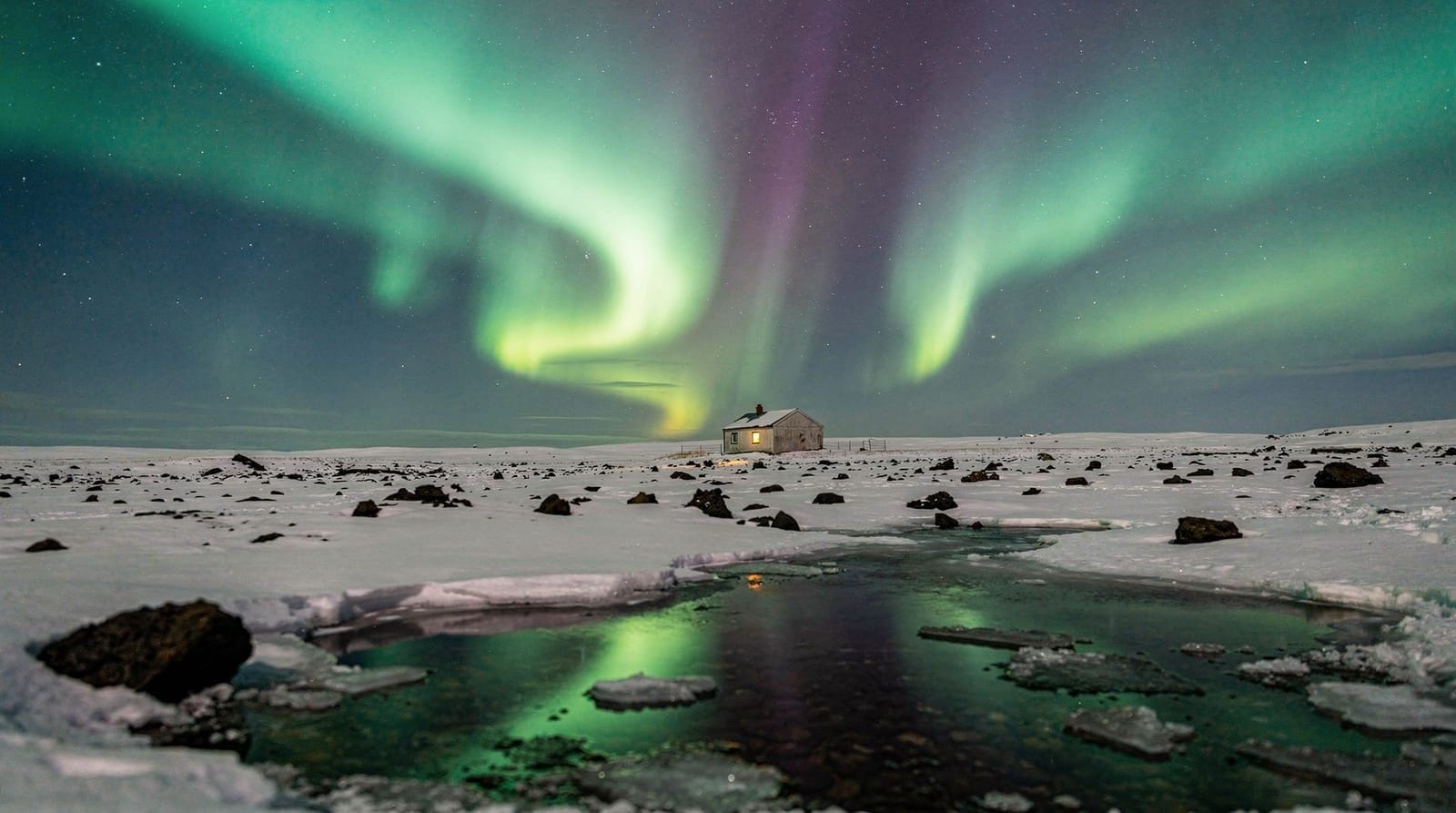
All tiers require advance booking — walk-ins have not been possible for several years. Book via the official site with timed entry slots. Slots during winter evenings (when aurora is possible) and summer evenings (midnight sun) sell out weeks or months ahead.
Is advance booking always necessary? Yes. Even in shoulder season, same-day availability is rare. Book as early as you fix your dates. Cancellation policies vary by tier; Comfort is typically non-refundable once purchased.
The experience: what to expect
Arrival and check-in: You enter via a modern reception building, check in digitally, receive a wristband (which also serves as your locker key and payment device in the facility), and proceed to changing rooms. The process is efficient; the company handles thousands of visitors per day.
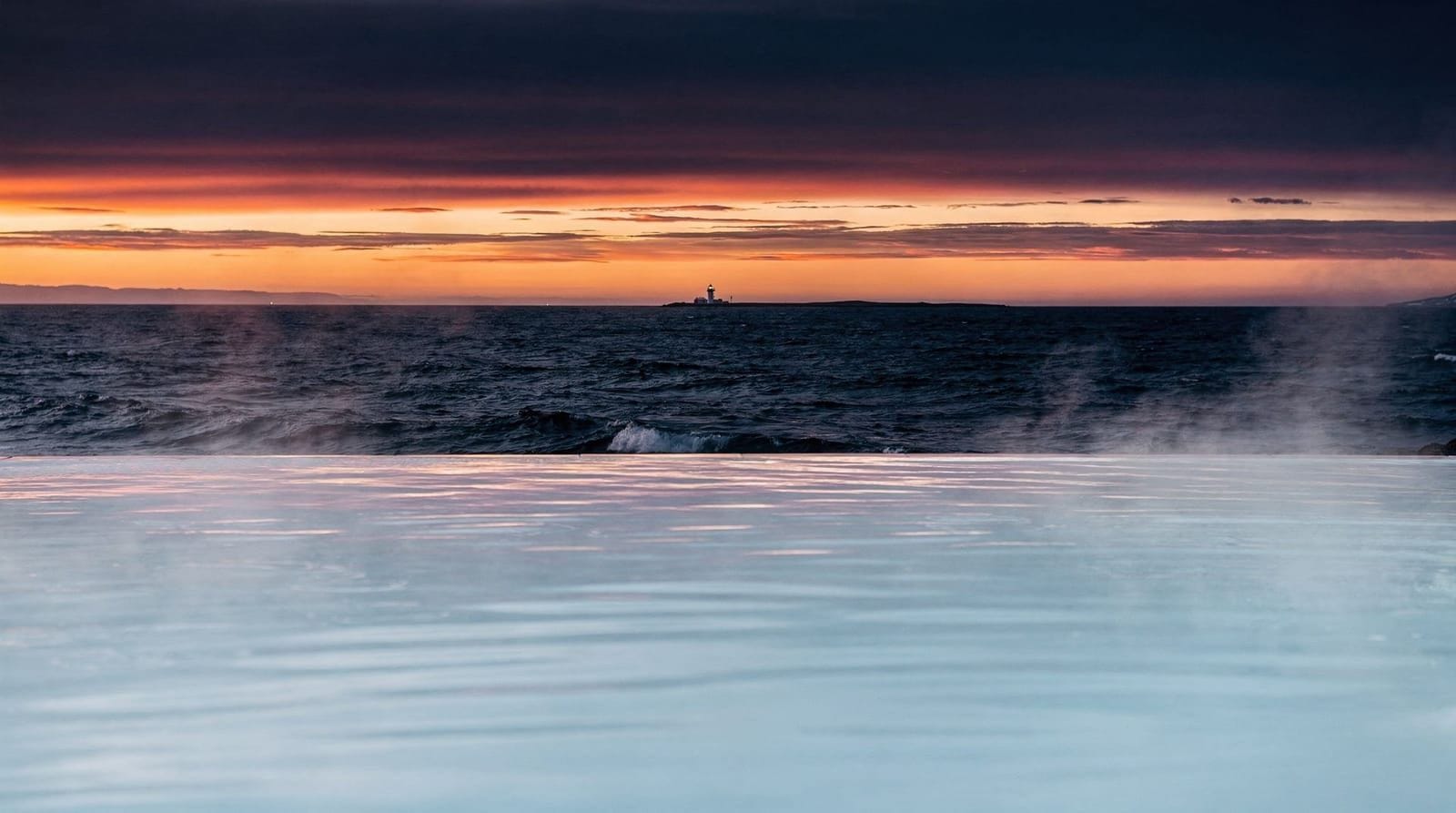
The lagoon: The main lagoon is large — approximately 5,000 square metres of outdoor water at a consistent 38–39°C. Depth varies from about 1.2 to 1.4 metres in the main areas; there are shallower sections near the edges. The steam rising from the water in cold weather creates the cinematic effect visible in promotional imagery. In summer, the steam is less dramatic but the surroundings are brighter.
The silica mud masks: Dispensers of white silica mud are positioned in the water. You apply it to your face, leave it for 5–10 minutes, and rinse. The skin feel afterward is noticeably smoother. This is not marketing language — the silica particles are genuinely exfoliating, and the effect lasts a day or two. The algae mask (Signature and above) is applied in a dedicated grotto area.
The in-water bar: A floating bar serves drinks in the water. The queue for drinks in peak season can be 15–20 minutes. Signature and Premium guests have priority. The drinks are correctly priced for what they are — around 1,800–2,500 ISK (€12–€17) for cocktails and beer — and the experience of sipping a cold drink in 38°C water while looking at a lava field is a legitimate selling point.
Crowds: At peak times (July, August, and any day with northern lights forecast), the main lagoon is genuinely busy. This affects both the atmosphere and the practical experience of moving through the water. The Blue Lagoon’s capacity management means it never reaches truly unpleasant density, but the image of a serene private pool does not match reality in high season.
Blue Lagoon Comfort admission with drink, towel, and silica maskThe lagoon sits between the airport and the city, not in Reykjavík: a Blue Lagoon premium admission with transfer bundles the timed entry with the coach, which is the part people forget until the slot has passed.
Honest assessment: is it worth the price?
The Blue Lagoon is a well-executed commercial spa in a genuinely unusual setting. The water quality is excellent, the infrastructure is high standard, and the location — surrounded by black lava fields with no visible urban development — creates an atmosphere that is hard to replicate elsewhere.
The price is the primary sticking point. At €90+ for the base tier, it is significantly more expensive than Iceland’s other geothermal bathing options:
- The Sky Lagoon in Reykjavík costs €45–€80 depending on package, is of comparable quality, and has better ocean views.
- The Secret Lagoon in Flúðir costs around 3,200 ISK (€22) for basic admission.
- The Mývatn Nature Baths in north Iceland cost around 5,500 ISK (€37).
- Municipal swimming pools throughout Iceland (including Laugardalslaug in Reykjavík) cost around 1,100 ISK (€7.50).
For a fuller comparison, see blue-lagoon-vs-sky-lagoon and is-the-blue-lagoon-worth-it.
The case for Blue Lagoon: If you’re transiting through KEF Airport and want a genuinely convenient stop between flight and hotel (or vice versa), the Blue Lagoon is hard to beat on logistics. It is 20 minutes from the airport, handles your bags, and gives you 2–3 hours of relaxation before a night flight. In this context, the premium feels more justified.
The case against: If you’re based in Reykjavík and have time for day trips, the Sky Lagoon is cheaper, closer, and doesn’t require pre-booking as far in advance. If you’re travelling the ring road, the Mývatn Nature Baths offer comparable water quality in a less commercialised environment.
Blue Lagoon Premium admission with drinks and face masksVisiting near the 2023–2024 volcanic eruptions
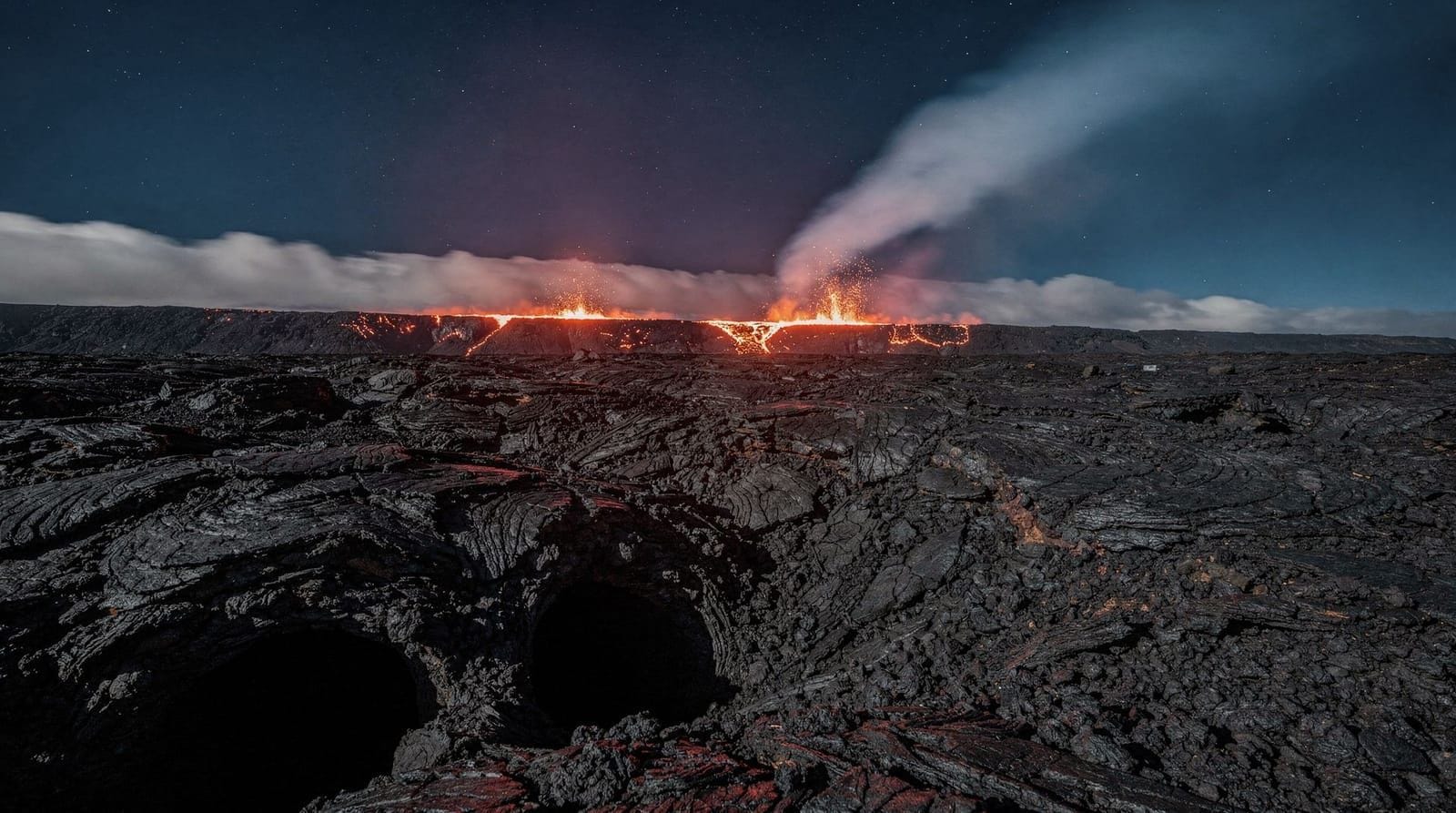
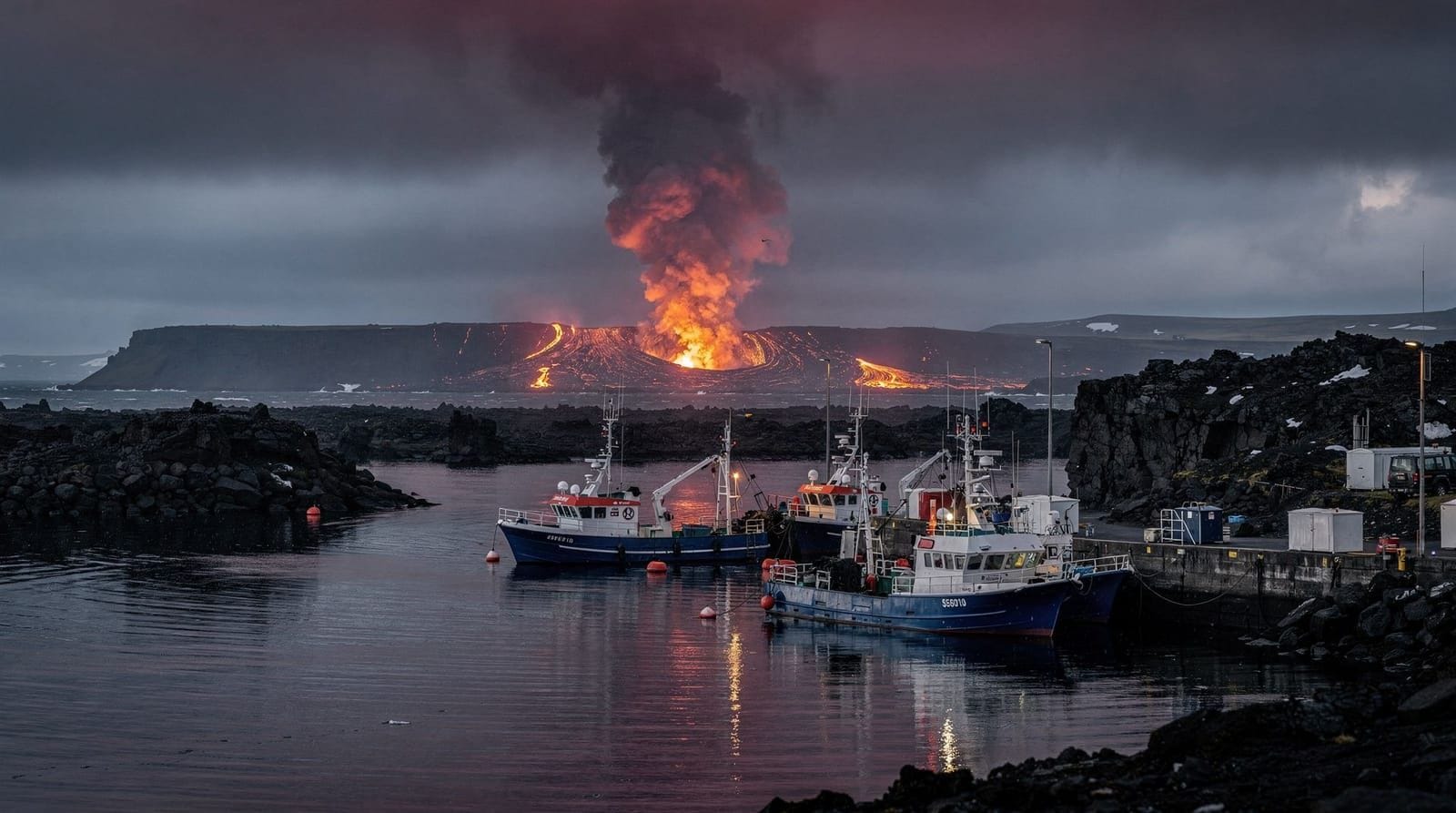
The Sundhnúkur crater row eruptions of late 2023 and 2024 directly impacted the Blue Lagoon, which was evacuated multiple times and temporarily closed. As of 2026, the facility has reopened and operates normally. However, volcanic activity in the Reykjanes Peninsula remains ongoing. Blue Lagoon Iceland publishes operational status updates on its website and social channels. If you’re booking months in advance, consider travel insurance that covers cancellation due to natural events.
The eruption events also affected the town of Grindavík immediately south of the Blue Lagoon. This context matters if you’re driving in the area — follow marked roads and heed any exclusion zones.
Getting there
From KEF Airport: The Blue Lagoon runs its own bus service (Flybus Blue Lagoon) from the airport arrivals hall to the spa. Journey time is approximately 20 minutes. Cost is around 2,500 ISK (€17) one-way. Pre-booking the bus connection is advisable when booking your lagoon ticket.
From Reykjavík: Reykjavík Excursions and BSÍ operate shuttle buses from BSÍ bus terminal directly to the Blue Lagoon, with journey time around 45–50 minutes. Cost runs around 2,500–3,500 ISK (€17–€24) one-way. Many tour operators include transfers in their Blue Lagoon ticket packages.
By car: Route 41 from Reykjavík to Grindavík, following signs to Blue Lagoon. Ample free parking. Self-driving allows flexibility on timing, but you still must pre-book your entry slot.
Blue Lagoon admission with round-trip transfers from ReykjavíkPractical tips
What to bring: A swimsuit (if you don’t want to rent one for ~1,000 ISK / €7), hair ties if you have long hair (silica builds up in hair — use the conditioner provided in the changing rooms), and any prescription medication you need.
Hair care: This is a genuine concern. The silica in the water can make hair feel matted and rough after bathing. Blue Lagoon provides conditioner in the showers specifically formulated for post-bathing use. Apply it generously before entering the water (coat your hair in conditioner, put it up, and re-apply after exiting).
Glasses and contact lenses: The water chemistry can damage soft contact lenses. Wear glasses or leave contacts in the changing room. Glasses are generally fine in the water.
Photography: The in-water photography experience is good. However, dedicated cameras and phones require waterproof cases or you risk losing them to the water. The staff occasionally offer photography services within the facility; check if this is currently offered when booking.
Duration: The suggested minimum is 2–3 hours in the water. Many visitors spend 3–4 hours including the changing room process, masks, and time at the bar. Add 45–60 minutes each way for transfers from Reykjavík.
The LAVA restaurant and dining options
The Blue Lagoon complex includes the LAVA Restaurant, which occupies a dramatic lava-cave-edged space with views over the main lagoon. It is a full-service restaurant serving Icelandic and Nordic-influenced dishes. Mains run approximately 5,500–8,500 ISK (€37–€58); a starter, main, and non-alcoholic drink will typically cost 10,000–14,000 ISK (€68–€95) per person. The setting is genuinely impressive and the food quality is above average for an attraction-based restaurant. Whether this represents good value depends on your Iceland travel budget.
Lava Café (the more casual option in the main building) serves soup, sandwiches, and lighter fare at lower prices — typically 2,500–4,500 ISK (€17–€31) for a meal. The lobster soup is consistently good.
In-water drinks bar: The Gelmir Bar in the main lagoon serves drinks directly in the water via wristband payment. Beer, wine, cocktails, and non-alcoholic drinks run 1,800–2,500 ISK (€12–€17). The queue at this bar in peak season is a common complaint; Signature and Premium ticket holders have priority access.
Plan your dining in the context of the overall Blue Lagoon cost — adding a full restaurant meal adds €40–€95 per person to an already expensive day. Many visitors eat before or after the visit in Keflavík or Reykjavík instead.
The Blue Lagoon’s Retreat Hotel
The Retreat Hotel is the luxury accommodation option built directly into the Blue Lagoon complex — 62 suites with in-room lava walls, access to the exclusive Retreat Lagoon (separate from the main lagoon), and a fine dining restaurant. Rates start at approximately €600–€900 per night in high season. It is a genuinely unusual luxury property in a globally rare setting.
This is relevant for visitors planning a special-occasion trip rather than a standard Iceland itinerary. The Retreat guests bypass the main lagoon’s crowds entirely and use the private Retreat Lagoon, which is notably quieter. Whether this represents value at those prices is subjective; the uniqueness of the setting has no direct comparable.
Skincare products and the spa shop
The Blue Lagoon sells its own line of skincare products based on the silica, algae, and mineral compounds in the water. These are sold in the main shop (and at various Iceland duty-free shops). The products are well-made and the marketing is honest — they are formulated using actual components from the geothermal water. Whether you want to spend €25–€80 on a face mask or body lotion is your call; they make straightforward gifts if you’re shopping for people back home.
A silica hotel bar within the facility sells skincare products and the full product line at retail prices matching the main shop. There is no discount for buying at the source.
Combining Blue Lagoon with other visits
The Blue Lagoon is most naturally combined with either Keflavík Airport (as an arrival or departure stop) or a Reykjanes Peninsula circuit. The reykjavik-stopover-3-days itinerary includes a Blue Lagoon visit as a day-one arrival activity.
Golden Circle tours occasionally include a Blue Lagoon stop at the end of the day — this creates a 10–12 hour day but is logistically efficient if you want both experiences on one trip.
Frequently asked questions about the Blue Lagoon
Do I have to pre-book the Blue Lagoon?
Yes. Walk-ins are not accepted. Book via the official Blue Lagoon website with a specific entry time slot. In peak season (June–August) and for popular evening slots in winter (when aurora is possible), book several weeks or months in advance.
Is the Blue Lagoon water natural?
The water is geothermal water — heated by the earth. It is, however, the discharge water from the Svartsengi geothermal power plant, not a natural hot spring. It is regularly replenished (the water turns over every 48 hours) and the silica content is natural. It is best described as industrially sourced geothermal water rather than a natural hot spring.
What is the difference between Comfort, Signature, and Premium?
Comfort gives entry, one silica mask, and a towel. Signature adds one drink, an algae mask, and a bathrobe. Premium adds a second drink, sparkling wine on arrival, and lounge access. The core water experience is identical across all tiers — you’re paying for extras, not a different pool.
Can children visit the Blue Lagoon?
Children under 2 enter free; children 2–13 enter at a reduced rate. The Blue Lagoon website has specific child pricing and supervision requirements. The water is geothermal and warm — children should be supervised closely. The facility is not primarily designed for families with young children.
What happens if there’s an eruption and the Blue Lagoon closes?
The Blue Lagoon has a documented cancellation policy. Tickets may be refunded if the facility closes due to natural events; check the specific policy at the time of booking. Travel insurance with natural event coverage is advisable if you’re booking months in advance, given ongoing volcanic activity in the area.
Is there a cheaper alternative to the Blue Lagoon?
Yes, several. The Sky Lagoon in Reykjavík is the most convenient alternative at €45–€80. The Secret Lagoon in Flúðir is much cheaper (~€22) and less crowded. Municipal swimming pools throughout Iceland provide the geothermal bathing experience for around €7.50. See best-geothermal-pools guide for a full rundown.
Should I visit the Blue Lagoon on arrival day or departure day?
Either works logistically since it sits 20 minutes from KEF, but most visitors find arrival day better if their flight lands in the morning — it’s a relaxing way to fight jet lag before checking into a Reykjavík hotel. On departure day it works well as a last stop before a late flight, though a morning flight makes the timing tight given the check-in and changing process takes longer than expected.
How far in advance should I book the Blue Lagoon?
For any July–August date, or a winter evening slot with aurora potential, book as soon as your dates are fixed — ideally 4–8 weeks out. Shoulder season (April–May, September–October) has more flexibility, sometimes bookable within a week or two, but same-day availability is rare year-round.
Tier comparison at a glance
| Tier | Approx. price | Includes | Best for |
|---|---|---|---|
| Comfort | ~€90–€100 | Entry, 1 silica mask, towel | Budget-conscious visitors, airport stopovers |
| Signature | ~€120–€135 | + 1 drink, algae mask, robe, changing room | Most first-time visitors |
| Premium | ~€165–€185 | + 2nd drink, sparkling wine, lounge access | Special-occasion visits |
| Retreat Spa | ~€300+ | Private treatment rooms, separate Retreat Lagoon | Splurge trips, honeymoons |
The water experience itself is identical across all four tiers — the differences are entirely in extras (drinks, masks, lounge access, changing-room privacy). Most visitors who are simply curious about the Blue Lagoon are well served by Comfort or Signature; Premium and Retreat make sense mainly for a specific occasion or when budget genuinely isn’t the constraint.
Golden Circle full-day tour with Blue Lagoon add-on — combine both in one day from ReykjavíkTop experiences
Bookable activities with verified prices and instant confirmation on GetYourGuide.
Blue Lagoon: Admission with drink towel mask
Grindavik: Blue Lagoon premium admission drinks face masks
Reykjavik: From Reykjavik Blue Lagoon admission with transfers
Reykjavik: From Reykjavik Blue Lagoon entry roundtrip transfers
Blue Lagoon: Golden Circle kerid Blue Lagoon
Reykjavik: The Blue Lagoon and Northern Lights tour
Top-rated experiences in Blue Lagoon — Iceland's geothermal spa
Best-rated activities across GetYourGuide and Viator.