Reykjavík — Iceland's capital city
Practical guide to Reykjavík: neighbourhoods, whale watching, day trips, food, nightlife, and how to use the capital as a base for Iceland travel.
Reykjavik: Guided city walking tour
Quick facts
- Best time to visit
- June–August for midnight sun; Oct–Mar for northern lights
- Days needed
- 2–3 days standalone; 1 night as gateway
- Getting there
- 45 min from Keflavík Airport (KEF) by bus or private transfer
- Budget per day
- 15,000–25,000 ISK / €100–€175 (mid-range)
Getting oriented in Reykjavík
Reykjavík is the world’s northernmost capital and home to roughly two-thirds of Iceland’s 370,000 residents. Despite its small population — comparable to a mid-sized European town — it functions as the undisputed hub of Icelandic life: government, culture, cuisine, nightlife, and the departure point for almost every major tour in the country.
The city occupies a compact peninsula on the southwest coast, roughly 45 minutes east of Keflavík International Airport along Route 41. Getting from the airport costs around 2,500–3,500 ISK (€17–€24) by shared Flybus shuttle, or 12,000–18,000 ISK (€80–€125) by private taxi or transfer. The shuttle services run to BSÍ bus terminal and most central hotels. There is no direct rail link.
For visitors arriving after a long-haul flight, the most common stop before reaching the city is Blue Lagoon — conveniently located near the airport. This is a legitimate and pleasant option if you pre-book, though it does add 2–3 hours to your journey and Blue Lagoon ticket prices are steep.
| Mobile signal | Excellent throughout the city; free wifi common in cafés and hotels |
| Currency | ISK; cards accepted almost everywhere, cash rarely needed |
| Wheelchair access | City centre streets and most museums are accessible; Kolaportið flea market and some older buildings less so |
| Families | Laugardalur (pool, zoo, botanical garden) is the easiest family half-day; Perlan’s ice cave exhibit is a reliable rainy-day option |
| Luggage storage | Available at BSÍ terminal and several hostels for same-day arrivals before check-in |
Neighbourhoods and what they offer
101 Reykjavík (the city centre postal code, used colloquially to mean the whole downtown) contains most of the sights worth walking to: Hallgrímskirkja church on the hill, Harpa Concert Hall on the waterfront, the Laugavegur shopping street, and the Saturday flea market (Kolaportið) in the old harbour.
Grandi and the Old Harbour is where whale watching and puffin tours depart. It has transformed into a food and culture district over the past decade, with the Whales of Iceland museum, several craft beer bars, and Reykjavík Street Food serving langoustine soup and lamb soup in a relaxed setting.
Laugardalur is the eastern suburb with the city’s main geothermal swimming pool (Laugardalslaug — entry around 1,100 ISK / €7.50), a botanical garden, and the family-friendly Reykjavík Zoo and Family Park. Local pools are genuinely used by residents daily and are the best-value geothermal experience in the country.
Breiðholt and Grafarvogur are residential suburbs with little tourist interest but useful for budget accommodation options.
Key sights
Hallgrímskirkja (open daily, tower admission 1,500 ISK / €10) dominates the skyline and offers the best panoramic view of the city from its 73-metre tower. The Lutheran church itself is free to enter and the interior is strikingly minimalist — the 15-metre Klais organ installed in 1992 is the main feature. Queues for the tower build from 10:00 onward; arrive early or visit after 17:00.
Harpa Concert Hall, designed by Henning Larsen Architects with the facade by Olafur Eliasson, sits on the harbour waterfront and is free to enter during opening hours. The building is visually striking and worth seeing even if you don’t attend a performance. Free guided tours run on selected days — check the Harpa website.
The National Museum of Iceland (Þjóðminjasafn Íslands, entry 2,500 ISK / €17) on Suðurgata is the most thorough introduction to Icelandic history, from Viking settlement through to modern independence. Plan 2–3 hours. The Viking-age artefacts in the lower hall are particularly well presented.
Perlan (entry 3,990–5,990 ISK / €27–€41 depending on package) on Öskjuhlíð hill is an interactive nature museum inside a revolving restaurant dome. The artificial ice cave and northern lights planetarium show are well-executed. It is a private commercial attraction — decide based on your interests rather than assuming it is a must-see.
Tjörnin pond in the city centre is free and pleasant for a 20-minute walk. Dozens of Arctic tern nests appear near the southern end in summer — the birds will dive at your head if you walk too close, which is both alarming and mildly entertaining.
Whale watching and puffin tours
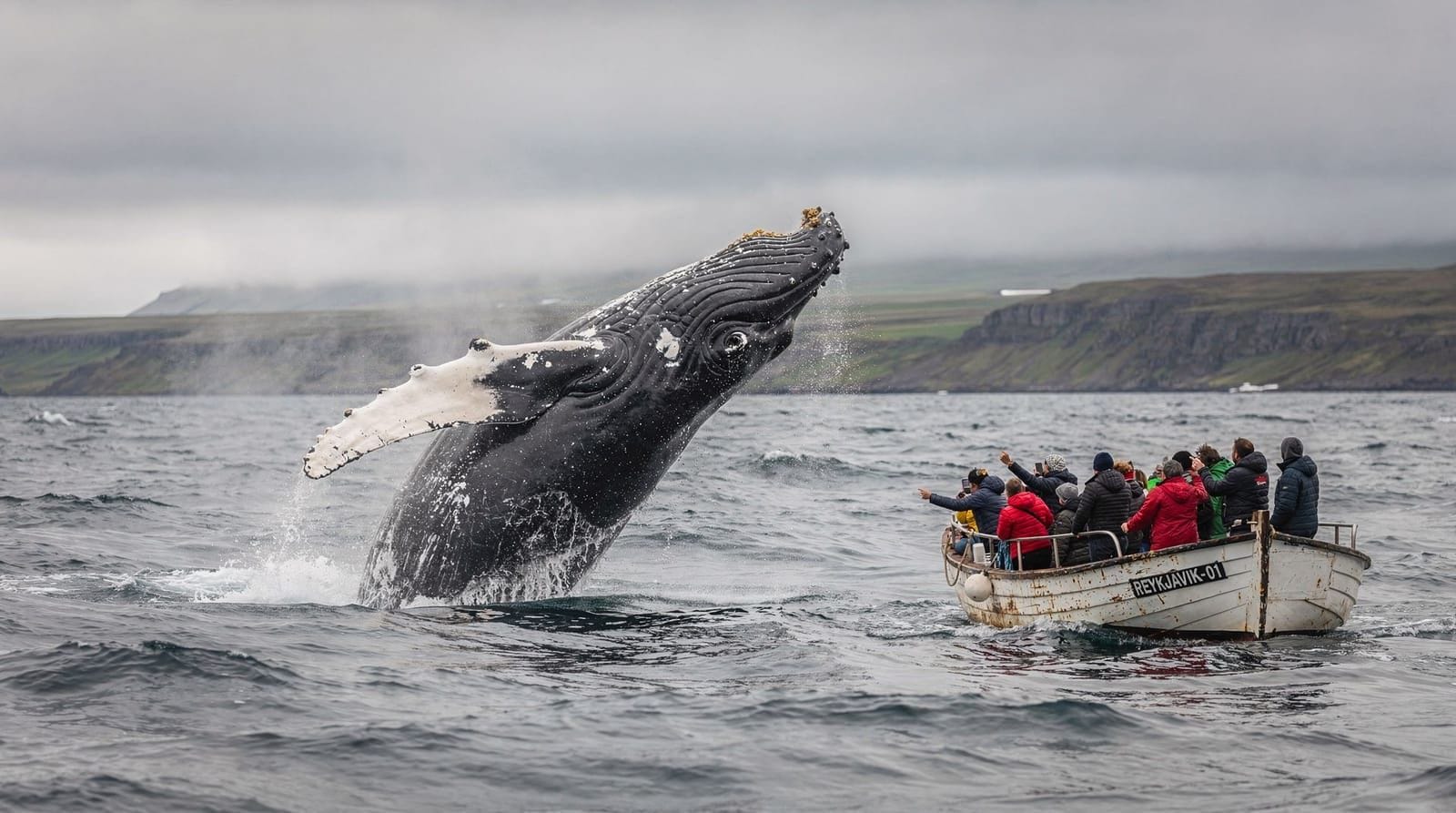
Whale watching departs from the Old Harbour year-round. Humpback and minke whales are the most common sightings from April to October; white-beaked dolphins are also frequent. The standard 3-hour tour runs on large vessels and costs around 12,000–14,000 ISK (€80–€95). Smaller RIB speedboat tours are faster, wetter, and better for photography if conditions allow.
Classic 3-hour whale watching from Reykjavík Old HarbourPuffin watching runs May to mid-August from the same harbour. Puffins nest on the islands in Faxaflói bay; tours typically last 1 hour and cost 5,000–7,500 ISK (€34–€51). This is one of the most affordable and genuinely enjoyable activities in the city.
Northern lights from Reykjavík
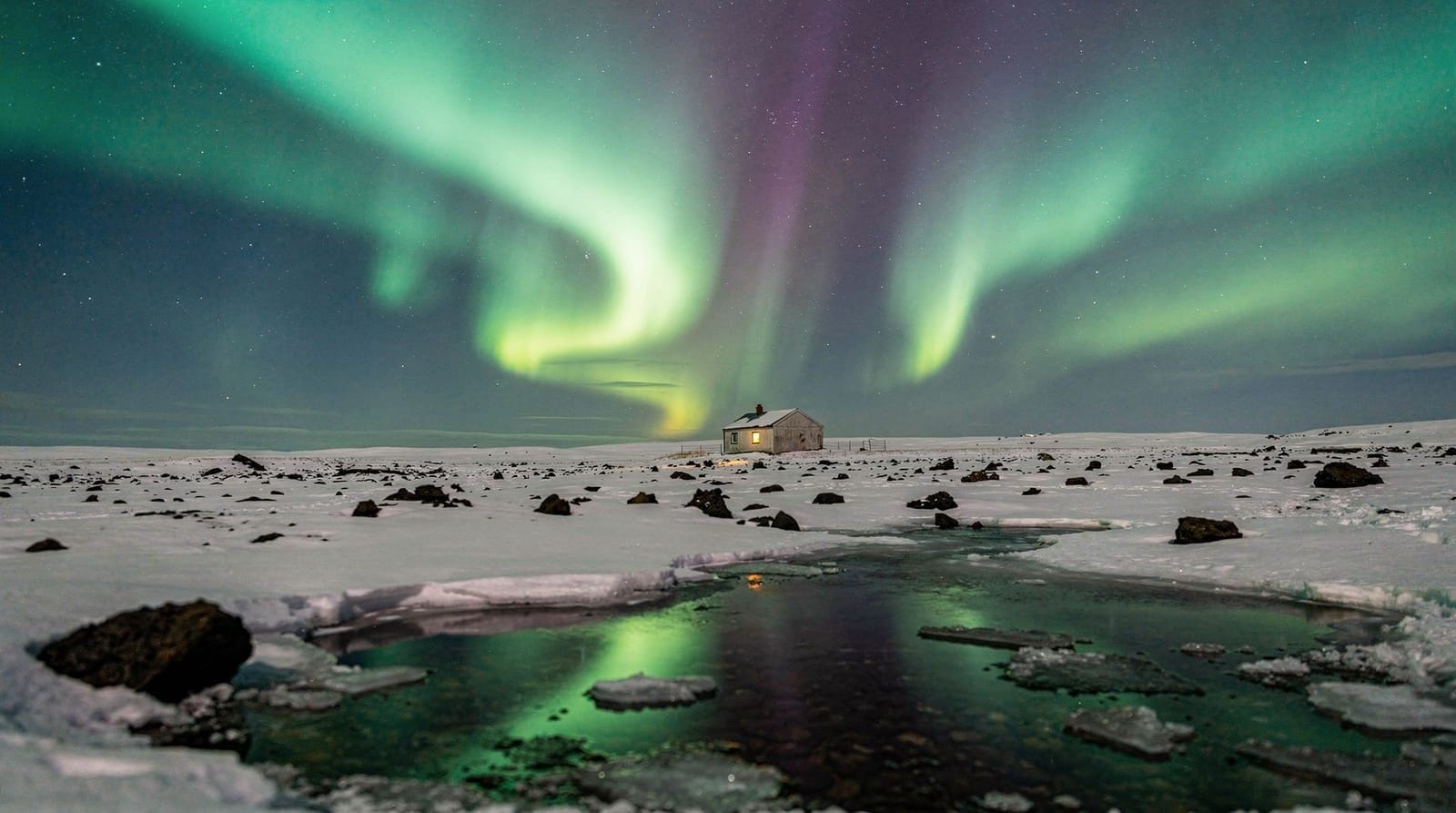
Northern lights tours depart from Reykjavík from late August through March. Bus tours drive 30–60 minutes from the city to find dark skies, typically to areas south of the city or the Reykjanes Peninsula. Tour operators typically offer a “come back free” guarantee — if the aurora doesn’t appear, you can join another tour at no charge.
Important practical note: the aurora requires clear skies and reasonable geomagnetic activity. Neither is guaranteed in Iceland in winter. Do not book a 1-night stay expecting to see the lights; budget at least 3 nights to give yourself realistic odds. The Vedur website provides the official Aurora Forecast with a cloud cover map.
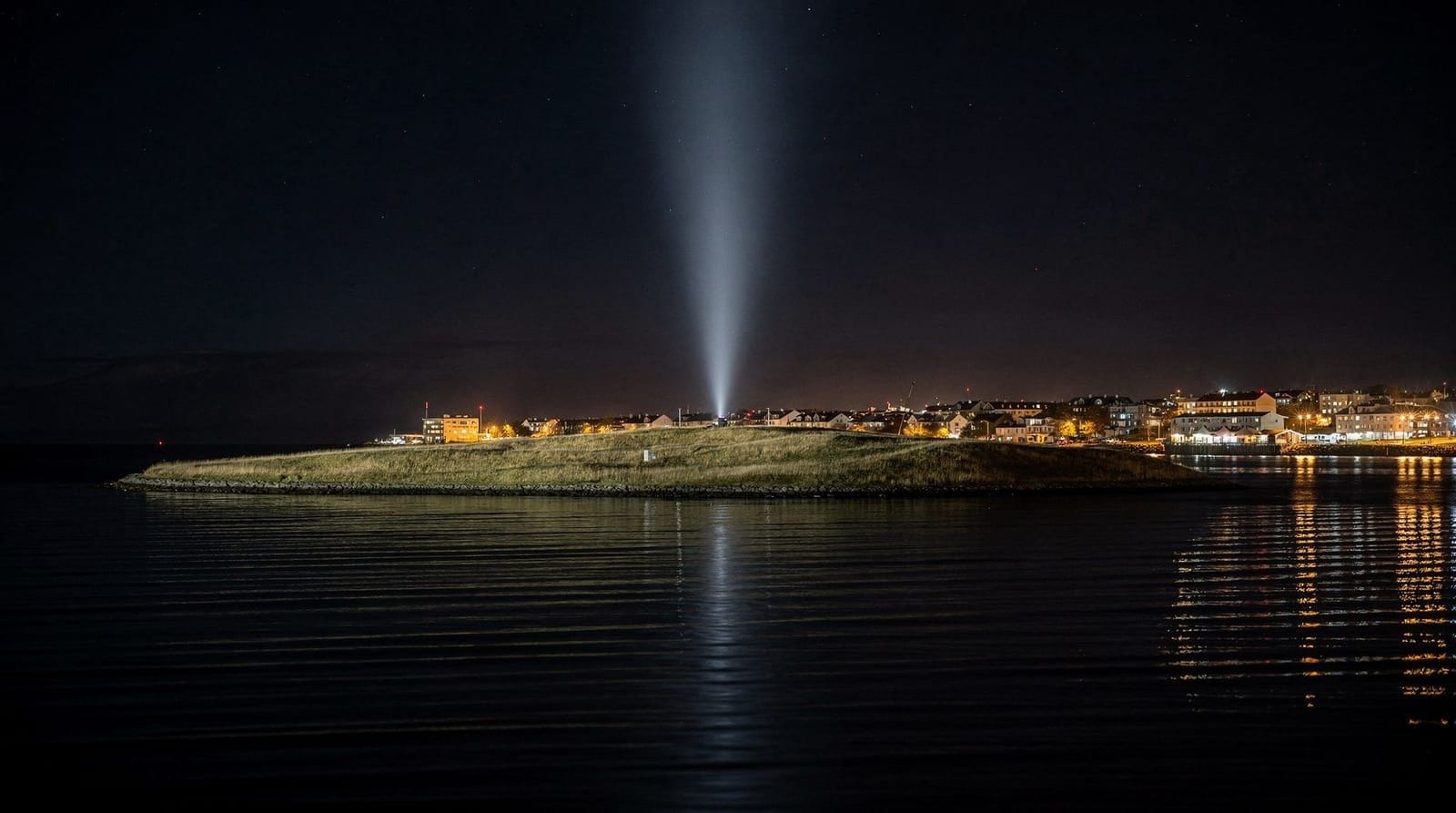
Premium northern lights minibus from ReykjavíkIn winter, the best alternative to a tour is simply to walk 20 minutes from the city centre to Grótta lighthouse (free), which sits at the tip of the Seltjarnarnes peninsula and provides dark skies with a view back to the illuminated city.
Day trips from Reykjavík
Reykjavík’s position makes it the natural base for Iceland’s most popular day circuits:
- Golden Circle: Þingvellir, Geysir/Strokkur, and Gullfoss — typically 8–10 hours on a full-day tour or self-drive. See the golden-circle-one-day itinerary for route details.
- South Coast: Seljalandsfoss, Skógafoss, Reynisfjara black sand beach, and Vik — another 10–12 hour day. See south-coast-day-trip guide.
- Snæfellsnes Peninsula: 2.5 hours each way, better as an overnight, though feasible as a very long day trip.
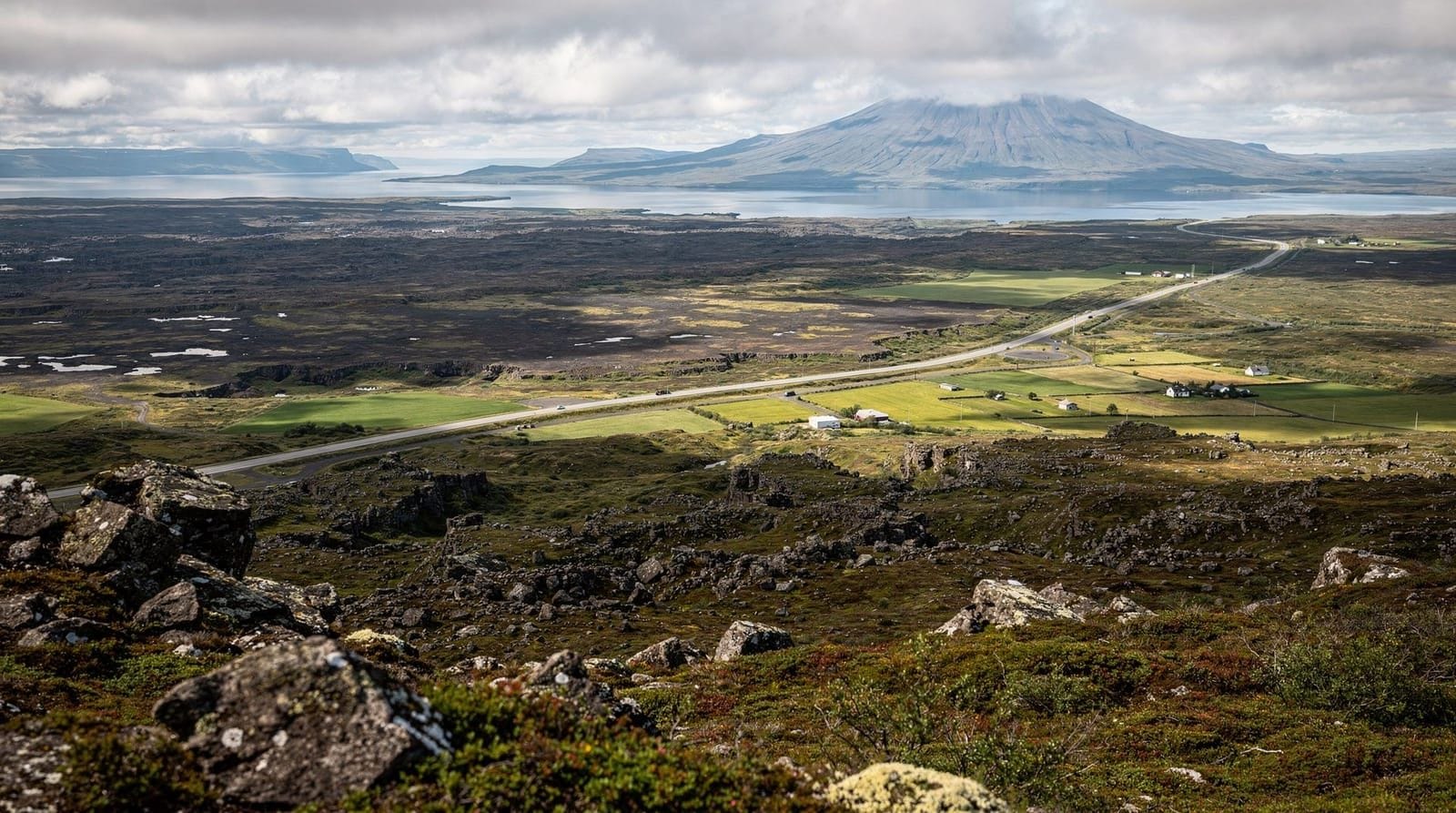
- Reykjanes Peninsula: half-day circuit — craters, geothermal landscapes, and the Bridge Between Continents.
Food: what to eat and where
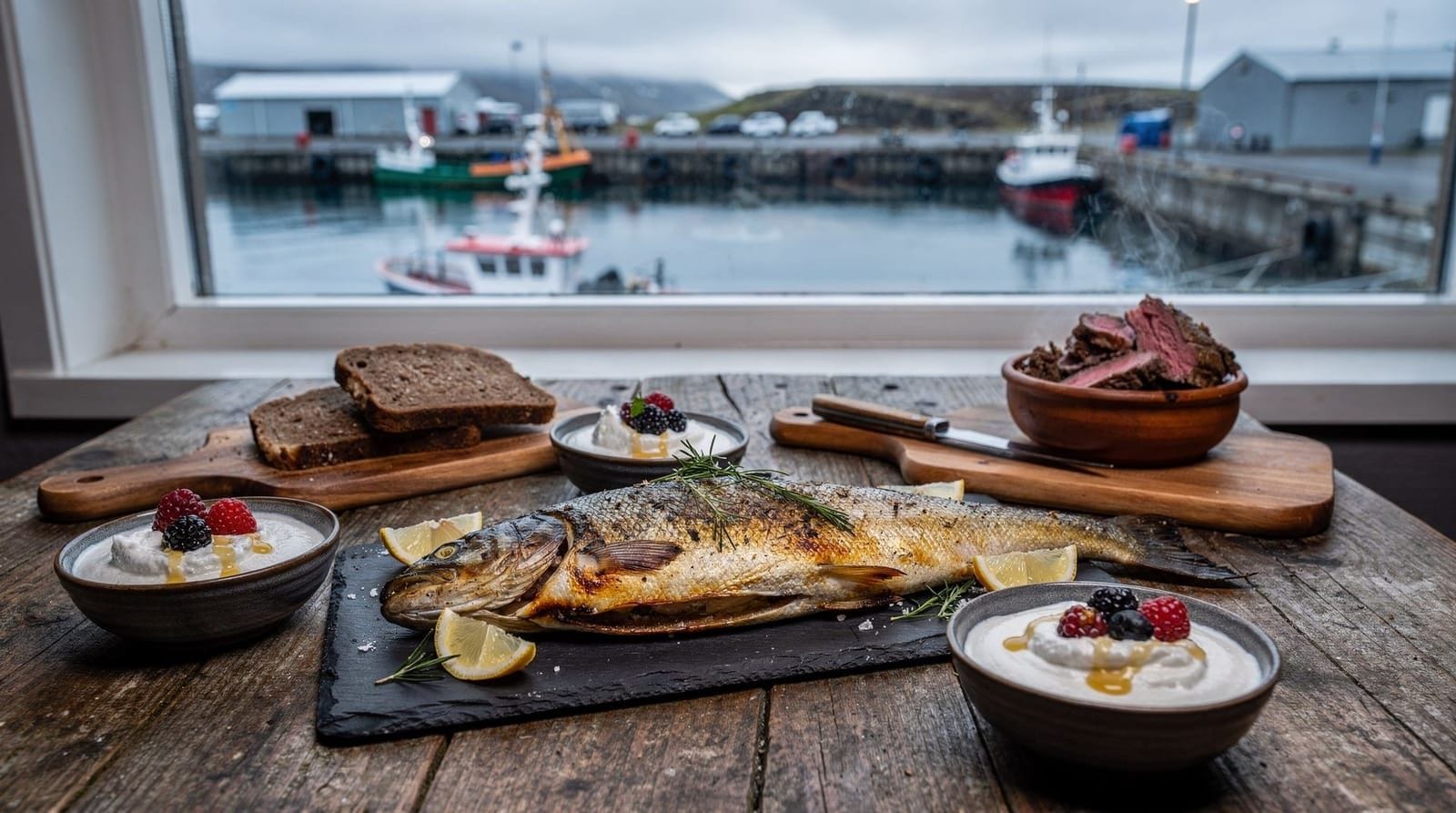
Bæjarins Beztu Pylsur (the hot dog stand near the harbour, open until 01:30 on weekends) sells lamb-based pylsur for around 550 ISK (€3.70). The combination of mustard, remoulade, raw onion, and crispy onion is standard; ordering “one with everything” (eina með öllu) is the local convention.
Reykjavík Roasters on Kárastígur is the most consistent specialty coffee shop in the city, roasting Icelandic-imported beans. Expect to pay 700–900 ISK (€4.80–€6) for a flat white. No fussy tasting notes — just well-made coffee.
Messinn on Lækjargata does the best skyr-based langoustine soup in the city centre (around 3,200 ISK / €22) and pan-grilled fish — book ahead in summer.
Grillmarkaðurinn (The Grill Market) is the go-to for quality lamb and game; mains run 5,500–7,500 ISK (€37–€51). Expensive for daily dining, but if you’re eating one restaurant meal in Iceland, this is a reliable choice.
For budget eating, the supermarkets — Bónus (cheapest), Krónan, and Nettó — are the real answer. A decent meal from a supermarket with local bread, skyr, and salted fish costs 1,200–1,800 ISK (€8–€12).
Reykjavík food walking tour with 6 tastingsNightlife and bars
Reykjavík’s bar scene concentrates on Austurstræti and Laugavegur. The pattern on Friday and Saturday is: pre-drink at home until 23:00, then queue for bars that stay open until 04:00 or 05:00. Entry to most bars is free; drinks run 1,500–2,000 ISK (€10–€14) for a domestic beer.
Kaldi Bar on Laugavegur serves Kaldi craft lager and has rotating taps — quieter than most. Lebowski Bar is reliably crowded and has a good cocktail list. Paloma is the current popular nightclub option. Note that all spirits purchased after midnight attract a significant premium.
Getting around Reykjavík
Strætó (city bus network) connects the centre to suburbs; an all-day pass costs 2,600 ISK (€17.70). The app or the website shows live arrivals. However, the central sights — Hallgrímskirkja, the harbour, Laugavegur, Harpa — are all within 20–30 minutes’ walk of each other. Most visitors walk everywhere in the centre.
Taxis (Hreyfill or Borgarbíll) are available but expensive by European standards; a cross-city journey often costs 2,500–4,000 ISK (€17–€27). Ride-hailing apps with fixed fares are not established in Iceland.
Car rental from Reykjavík city locations (rather than KEF Airport) typically costs 5,000–12,000 ISK (€34–€82) per day plus insurance for a small 2WD, depending on season. For city-only visits, a rental is unnecessary. See the renting-a-car guide for the full cost breakdown.
Swimming pools: the real local culture
Reykjavík’s geothermal swimming pools are not tourist attractions — they are the social infrastructure of Icelandic daily life, and visiting one is a more authentic cultural experience than many paid attractions. Every neighbourhood has at least one pool; the water is geothermally heated, outdoor hot tubs (heitur pottur) sit at 38–42°C, and Icelanders of all ages use them daily for exercise, socialising, and relaxation.
Laugardalslaug is the largest in Reykjavík — an outdoor 50-metre lap pool, multiple hot tubs at different temperatures, a small sauna, and a waterslide. Entry costs approximately 1,100 ISK (€7.50) for adults. Vesturbæjarlaug in the 101 district is slightly smaller but more central. Sundhöll Reykjavíkur near Hallgrímskirkja is an indoor/outdoor pool in an Art Deco building from 1937.
The hot tub culture (potturinn) involves sitting in the 40–42°C tub, which is where Icelanders have the most candid conversations about politics, fishing, football, and daily life. If you speak even a few words of Icelandic (or simply sit in the pool and look friendly), you will almost certainly be drawn into conversation. This is not a tourist script — it is simply what happens in Icelandic pools.
The etiquette: shower thoroughly without a swimsuit before entering the pool (this is mandatory, not optional; attendants enforce it). This is the single cultural rule that differs from most visitor experience. Bring your own towel.
Shopping and markets
Laugavegur is the main shopping street — boutiques, outdoor gear shops, bookstores, and souvenirs concentrated in about 600 metres. The quality of Icelandic wool products (genuine lopapeysa sweaters from local knitters, not mass-produced imports) varies enormously between vendors. The Handknitting Association of Iceland (Handprjónasambandið) on Skólavörðustígur sells certified handmade Icelandic knitwear; prices are high (a handknitted lopapeysa typically 20,000–35,000 ISK / €135–€240) but reflect genuine craft.
Kolaportið flea market at Tryggvagata in the old harbour area opens weekends 11:00–17:00. It sells a chaotic mixture of second-hand clothes, old books, Icelandic food products (including hákarl — fermented shark — if you’re curious), and general junk. Entry is free. It is more interesting as a cultural experience than a shopping trip.
The Farmers Market (Bónus area) on the first weekend of some months aggregates local food producers. Check local listings for dates.
Art and culture
Listasafn Reykjavíkur (Reykjavík Art Museum) operates across three venues: Hafnarhús (harbour, free Tuesdays), Kjarvalsstaðir (Klambratún park), and Ásmundsafn (Laugardalur). The combined ticket is around 2,000 ISK (€14); individual venues around 1,200 ISK (€8). The collection is strongest in modern and contemporary Icelandic art. Erró’s Pop Art works at Hafnarhús are the most-seen pieces.
Þjóðmenningarhúsið (Culture House) on Hverfisgata combines the National Museum’s overflow collections with rotating exhibitions on Icelandic history, manuscripts, and contemporary culture. Entry is included with the National Museum ticket.
Bioparadís cinema on Hverfisgata is a small art cinema showing international and Icelandic films. A useful option for a rainy afternoon in shoulder season.
Harpa Concert Hall runs a full programme of classical, jazz, and pop concerts year-round — check the schedule and consider booking a performance if timing allows. Ticket prices vary widely: chamber performances might be 3,000 ISK (€20); major orchestral events 7,000–12,000 ISK (€48–€82).
Practical information
Currency: Icelandic Króna (ISK). Cards accepted almost universally, including contactless. Cash is rarely needed. ATMs dispense ISK at bank rates; dynamic currency conversion at ATMs will cost you 3–5% extra — always choose to pay in ISK.
Weather: Reykjavík averages 12°C (54°F) in July and −1°C (30°F) in January. Wind is the real variable — gusts of 15–20 m/s are common in any season. Pack a waterproof, windproof outer layer year-round. See the iceland-weather-explained guide for what to expect month by month.
Electricity: 230V, Type F sockets (same as continental Europe).
Tipping: Not expected in Iceland — service staff earn living wages and tipping is not customary. See the tipping-in-iceland guide.
Safety: Reykjavík is consistently rated among the safest capitals in the world. Petty crime is rare. Iceland safetravel resources apply mostly to outdoor travel rather than urban safety.
Reykjavík as a base for the rest of Iceland
Most Iceland itineraries treat Reykjavík as a hub rather than a single destination, and the city works well in that role. Visitors flying in and out of KEF typically bookend a longer trip with one or two nights in the capital — settling in on arrival, then returning for a final night of restaurants and shopping before the flight home. See the Reykjavík 48-hours itinerary for a tight schedule, or the Reykjavík stopover 3-day itinerary if the capital and a couple of day trips are the whole trip.
For visitors renting a car and heading out on the Ring Road, Reykjavík is also the natural place to finalise rental pickup, buy any missing gear, and stock up at a Bónus or Krónan before driving out — prices and selection are better here than in most towns further along the route. See the renting a car in Iceland guide for pickup logistics from the city versus the airport.
Frequently asked questions about Reykjavík
How many days should I spend in Reykjavík?
Two full days is sufficient to walk the main sights, visit one or two museums, do a whale watching tour, and eat well. Three days gives you space for a day trip — the Golden Circle or South Coast. If you’re using Reykjavík as a base for the ring road or extended travel, one night in each direction is common.
How many days do I need in Iceland if Reykjavík is my main focus?
A city-focused trip of 4–5 days works well: 2–3 days in Reykjavík itself, plus a Golden Circle day and a South Coast or Reykjanes Peninsula day trip, all doable without ever changing accommodation. This gives a representative taste of Iceland’s landscapes without the logistics of a multi-region Ring Road trip. See the best day trips from Reykjavík guide for the full range of single-day options from the capital.
Is Reykjavík expensive compared to other European cities?
Yes — it is among the more expensive capitals in Europe. Budget 15,000–20,000 ISK (€100–€135) per day for mid-range travel covering accommodation, food at a mix of restaurants and supermarkets, and one paid activity. Accommodation is the largest variable: hostel dorm beds run 6,000–9,000 ISK (€40–€60), guesthouses from 18,000 ISK (€120), and hotels from 25,000 ISK (€170) per night in high season.
Can I see the northern lights in Reykjavík?
Light pollution from the city makes Reykjavík suboptimal but not impossible. On strong aurora nights (KP index 4 or higher), the lights are visible from Grótta lighthouse at the city’s western tip or from elevated ground around Perlan. Tours drive to darker locations south of the city for better viewing. Budget at least 3 nights in Iceland during aurora season (September–March) for a reasonable chance of a sighting.
What is the best way to get from Keflavík Airport to Reykjavík?
The Flybus shuttle (operated by BSÍ) and Reykjavík Excursions Airport Express both run frequent services for around 2,500–3,500 ISK (€17–€24) one-way. Taxis cost 15,000–20,000 ISK (€100–€135) for the 45-minute journey. Private transfers booked in advance are cheaper than airport taxis. See the getting-from-keflavik-airport guide for full options.
Is a car necessary in Reykjavík?
Not for the city itself — everything central is walkable, and parking is expensive and limited. A car becomes useful only once you’re leaving the city for day trips or the ring road. Renting from the city centre is possible but returning outside business hours at KEF Airport is simpler for most itineraries.
Are there free things to do in Reykjavík?
Yes. The waterfront and harbour area, Tjörnin pond, Hallgrímskirkja interior, the Grótta lighthouse walk, the botanical garden in Laugardalur, and window-shopping along Laugavegur are all free. The free-things-to-do-iceland guide lists further options across the country.
When is the midnight sun visible in Reykjavík?
The sun doesn’t set in Reykjavík from around June 19 to June 25 — technically the only true midnight sun period. However, from late May to late July, the sun sets for only 2–4 hours, and the sky never fully darkens. Blackout curtains in accommodation are essential for sleep during this period; most guesthouses and hotels provide them.
Should I stay in Reykjavík the whole trip or base myself elsewhere?
For most itineraries under a week, Reykjavík as a single base with day trips (Golden Circle, South Coast, Reykjanes Peninsula) is efficient and avoids repeated packing and unpacking. For longer trips or a full Ring Road loop, staying in Reykjavík the entire time means very long driving days for the more distant regions — North Iceland or East Iceland are genuinely better experienced with overnight stops closer to those areas rather than as marathon day trips from the capital.
What’s the best neighbourhood to stay in for a first visit?
101 Reykjavík (the city centre) is the right choice for almost all first-time visitors — everything is walkable, and it’s close to the harbour for whale-watching departures. Staying near Grandi and the Old Harbour is a good alternative if a harbourfront location and easy tour departures matter more than being in the immediate historic centre. Avoid outlying suburbs like Breiðholt unless budget is the overriding priority, since they require bus or taxi trips for most activities.
Top experiences
Bookable activities with verified prices and instant confirmation on GetYourGuide.
Top-rated experiences in Reykjavík — Iceland's capital city
Best-rated activities across GetYourGuide and Viator.

Private Silfra Snorkeling 6 p. group - Meet on Location - with Underwater Photos
- Viator

Private Jökulsárlón Glacier Lagoon 2 Day Tour & Glacier Hike
- Viator

Private 2-Day Glacier Lagoon, Ice Cave and Northern Lights
- Viator

Reykjavík All In One Food Tour - Eat, Drink & Explore with Locals
- Viator

Reykjavik Private Northern Lights Tour with Pro Photographer
- Viator

Reykjanes Peninsula Private Day Tour - up to 9 passengers
- Viator