Reykjavík in 48 hours — the honest two-day city itinerary
Reykjavik: From Reykjavik Golden Circle full day guided trip
Forty-eight hours in Reykjavík is enough to tick off the city’s genuinely good things, add one full-day excursion beyond the city limits, and leave without feeling rushed. What it is not enough for is a second full-day trip — anyone who tries to fit both the Golden Circle and the South Coast into 48 hours ends up doing both at a run and retaining neither.
This itinerary makes one decision for you: the Golden Circle on Day 1 as a guided day tour, the city in depth on Day 2. The Blue Lagoon is slotted as a transit stop on departure if your flight leaves from Keflavík — which it almost certainly does.
| Where | Reykjavík city + Golden Circle day tour |
| Cost | Around 16,000–25,000 ISK/night mid-range, plus tour and lagoon costs |
| Time needed | 2 full days, no car required |
| Getting there | Flybus from Keflavík, 45–60 min, then on foot in the city |
| Best time | May–September for day-trip conditions; Oct–Mar adds aurora odds |
Getting from Keflavík airport to Reykjavík
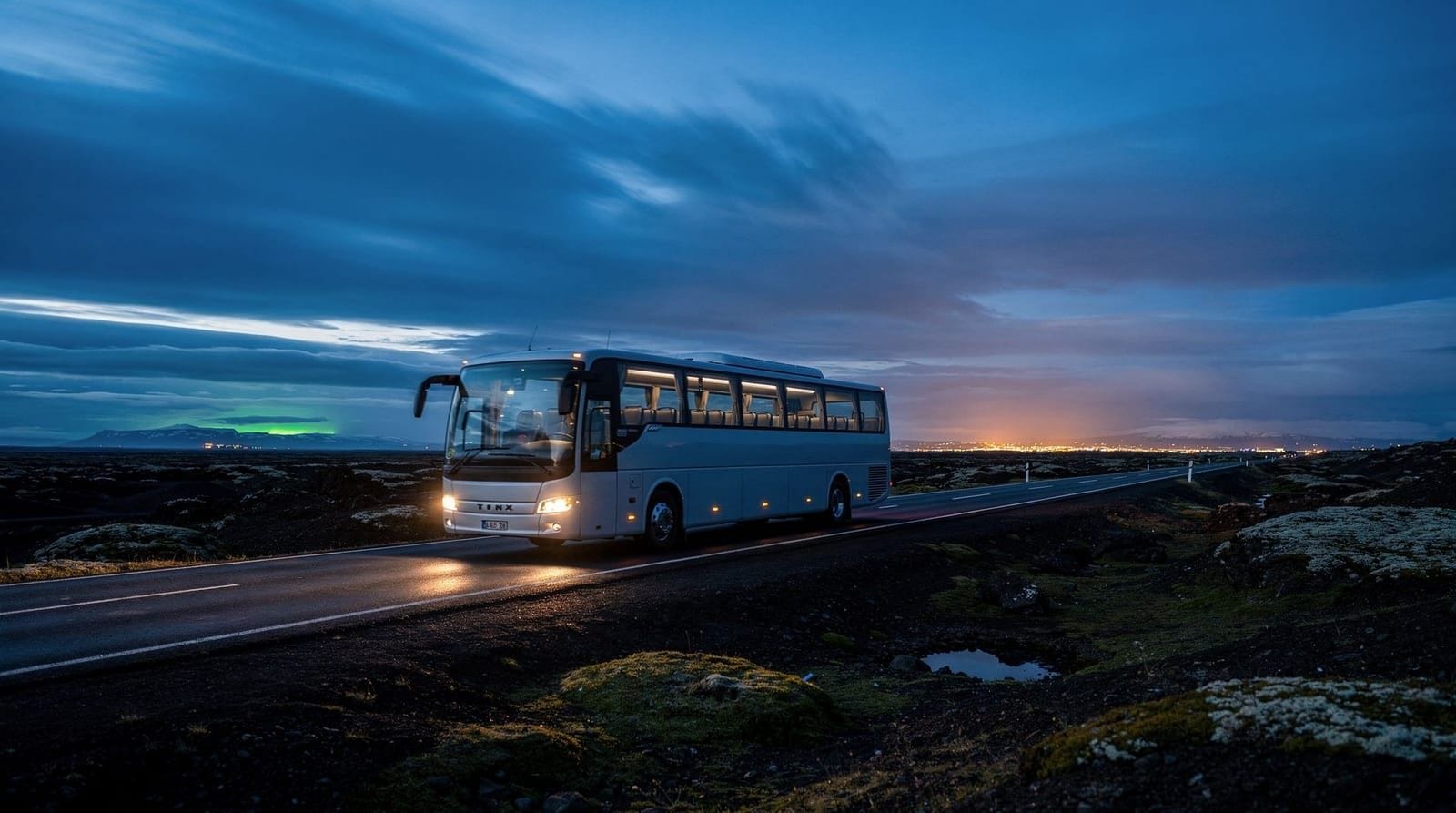
Keflavík International Airport sits 50 km southwest of Reykjavík. The Flybus (BSÍ terminal) and Airport Express both run directly to the city in 45–60 minutes, with hotel drop-offs available on most services. Cost: 3,500–4,500 ISK (€23–29) one-way. Taxis exist but cost around 15,000–18,000 ISK (€98–118) — use the bus unless you have a lot of luggage or a very late/early arrival.
If you’re doing the Blue Lagoon on departure day, note that both bus services offer direct Reykjavík → Blue Lagoon → Keflavík routing, which is the sensible way to structure that.
Day-by-day summary
| Day | Focus | Notes |
|---|---|---|
| 1 | Golden Circle guided day tour | Þingvellir, Geysir/Strokkur, Gullfoss — no car needed |
| 2 | Reykjavík on foot | Hallgrímskirkja, Old Harbour, museums, optional evening whale watching |
| 3 (departure) | Blue Lagoon en route to Keflavík | Pre-book; allow 2.5 hours from lagoon to gate |
Day 1: The Golden Circle by guided tour
Depart: 08:30–09:00
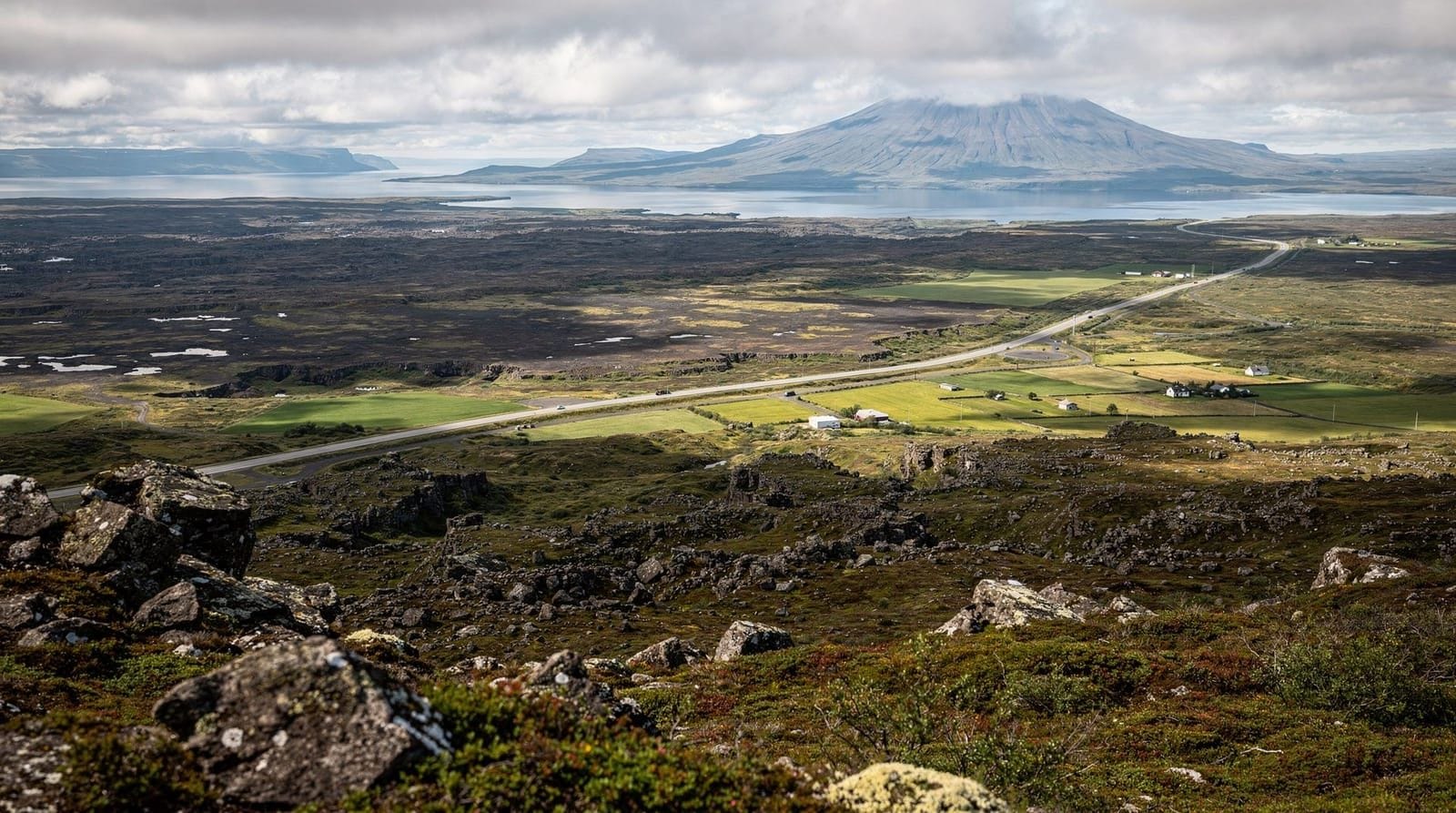
The Golden Circle is the logical first excursion from Reykjavík — three genuinely excellent sites within a single circular route, all accessible without a rental car. The 300 km loop covers Þingvellir National Park, Geysir geothermal area, and Gullfoss waterfall.
Golden Circle full-day guided tour from Reykjavík — Þingvellir, Geysir/Strokkur, Gullfoss, ~10 hours, small group with expert guideÞingvellir National Park
Þingvellir is the site of Iceland’s original parliament (the Althing, founded in 930 AD) and sits directly on the visible rift valley between the North American and Eurasian tectonic plates. The rift is visible as a cliff face — you walk down into it. The site is historically significant in a real and tangible way, not as a reconstruction. The church (1859) and the Lögberg (Law Rock) where chieftains gathered are well signed. Allow 1–1.5 hours.
The Silfra fissure, accessible by a short walk from the main car park, offers snorkelling and diving in 2°C water with visibility exceeding 100 m — though that requires pre-booking and a separate excursion.
Geysir and Strokkur
The Geysir geothermal area includes the original Geysir (which gave geysers their name but erupts rarely now) and Strokkur, which erupts every 5–8 minutes to 20–30 m. The eruption cycle is reliable enough that you simply stand and wait. The surrounding geothermal field — boiling mud pools, steaming vents, bright-orange mineral formations — is accessible on footpaths. Allow 45–60 minutes.
There is a large tourist shop and café at Geysir. Food quality is average; if you’re on a guided tour, lunch is often included. Check when booking.
Gullfoss
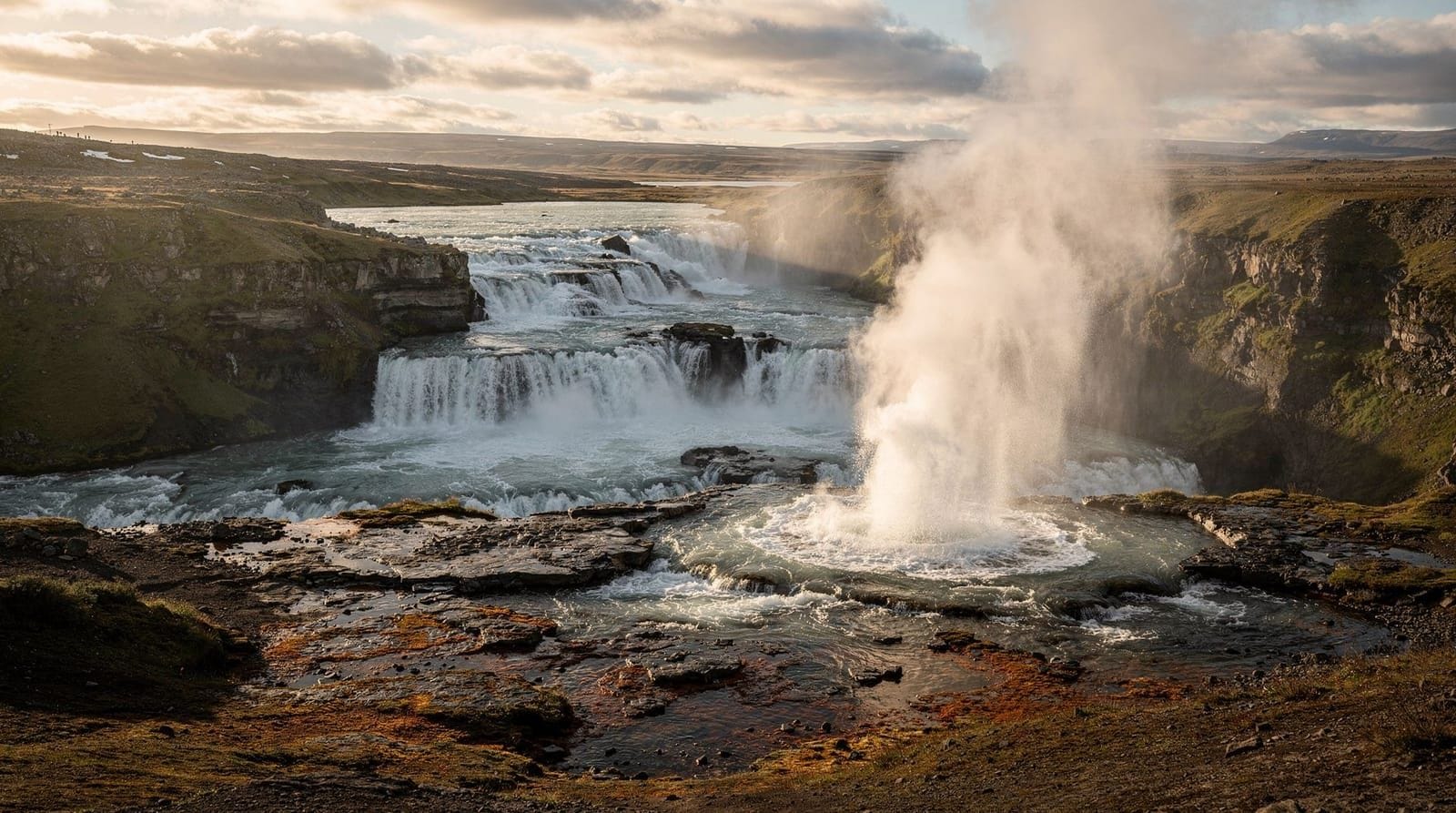
Gullfoss (“Golden Falls”) is a double-drop waterfall where the Hvítá river falls 32 m into a narrow gorge. The gorge looks as though the river simply disappears into the earth — from certain viewing angles you cannot see where the water goes. The upper viewpoint (wooden platform) is the main vantage; a lower path gets closer to the spray. Both are accessible. The volume of water in spring snowmelt (May–June) is spectacular.
Evening in Reykjavík
Return to the city by 17:00–18:00. Dinner recommendation: Snaps Bistro (Þórsgata 1) for French-influenced Icelandic bistro food at sensible prices (2,500–3,500 ISK / €16–23 for a main). For fish and chips done properly: Reykjavík Fish near the old harbour. For a craft beer overview: Micro Bar (Austurstræti) has taps from most Icelandic brewers.
Day 2: Reykjavík on foot
Reykjavík’s walkable centre is compact. The key landmarks are within 2 km of each other and there is no need for a bus or taxi within the old town area.
Morning: 09:00–12:30
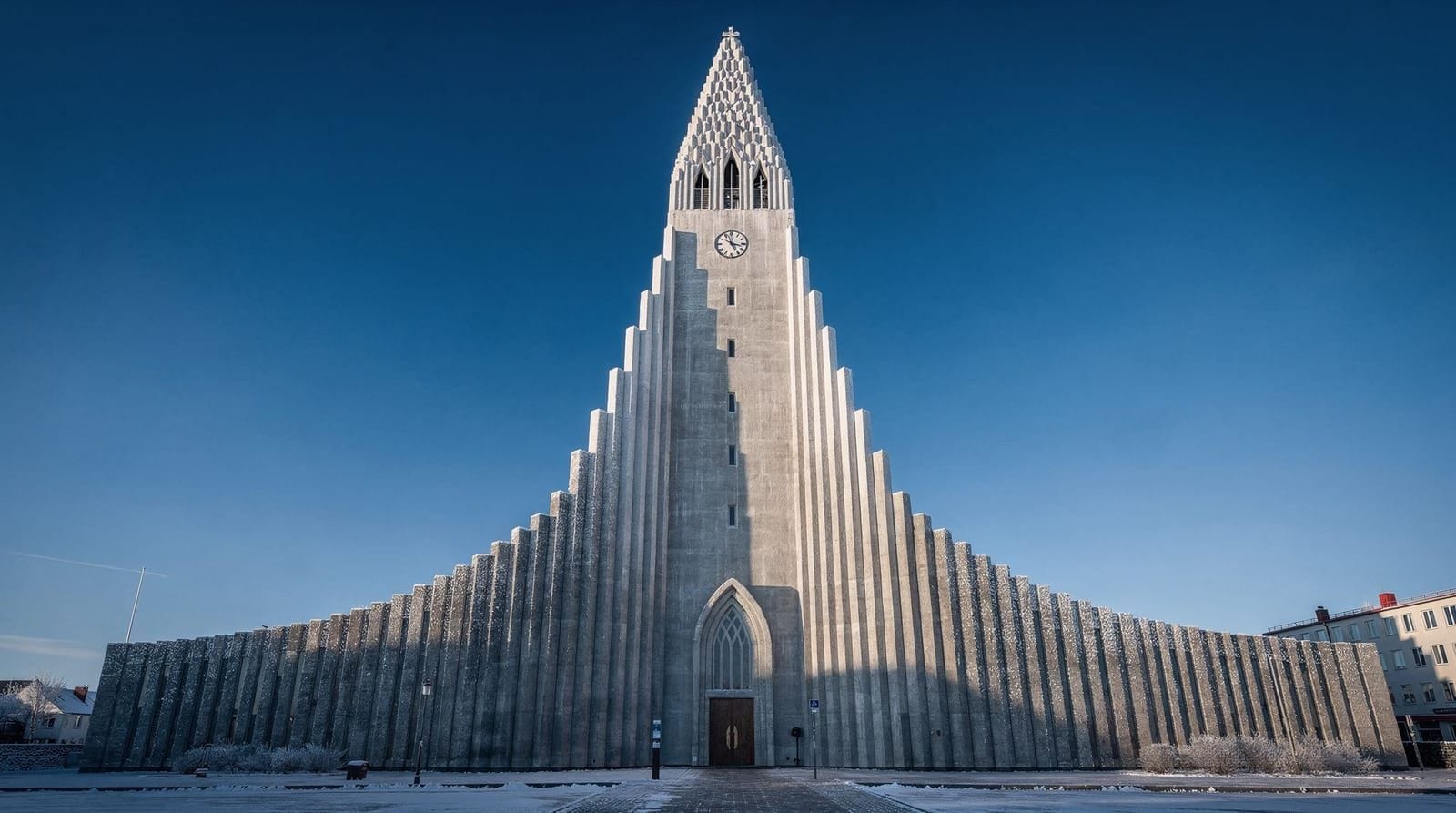
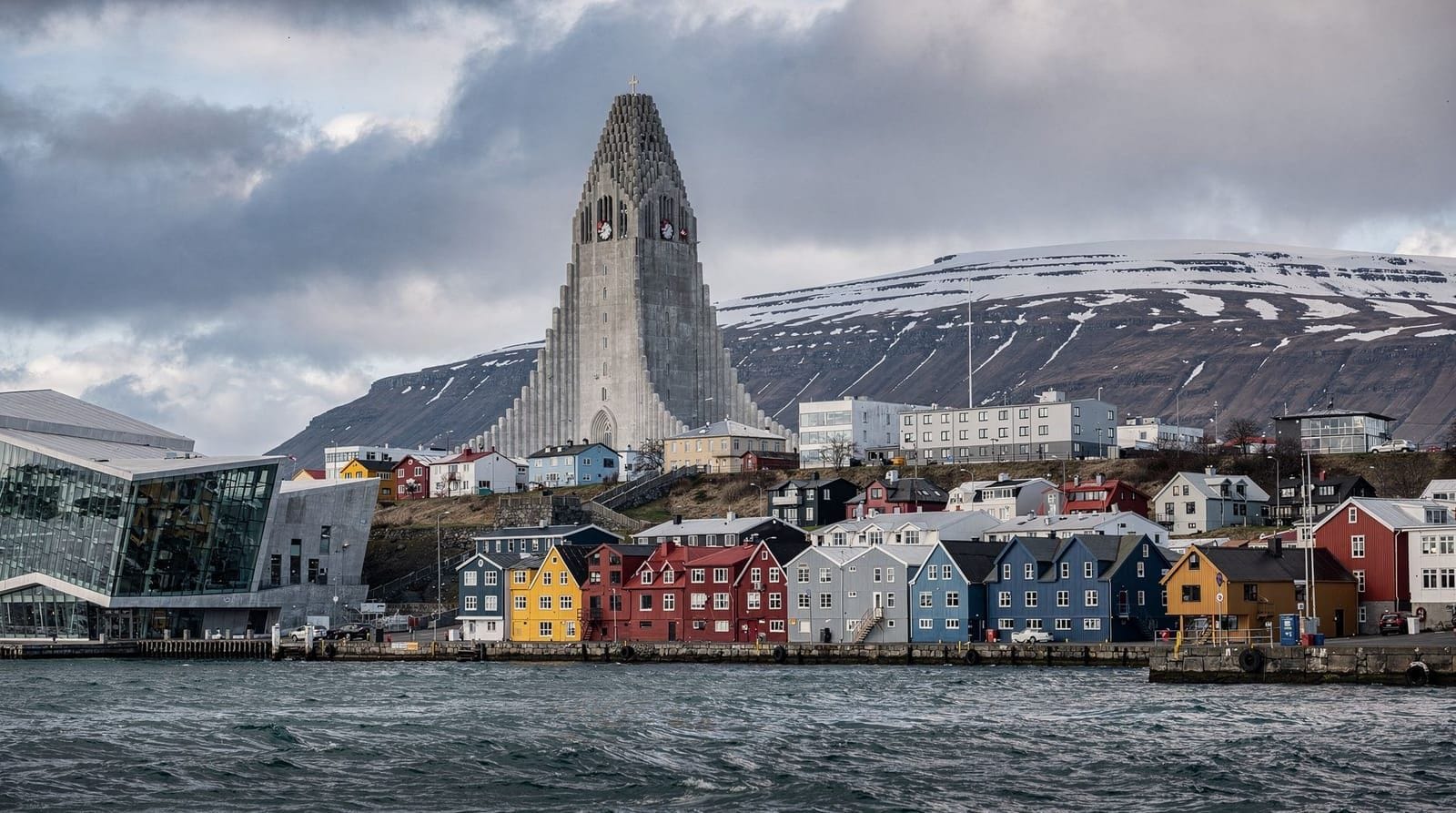
Start at Hallgrímskirkja — the concrete church that dominates the Reykjavík skyline. The tower elevator (€8) gives unobstructed views over the city, the bay, and on clear days, the mountains to the north and east. The church itself (Lutheran) is austere and architecturally honest; the interior is a sharp contrast to the dramatic exterior. Morning light from the east illuminates the facade well.
From Hallgrímskirkja, walk down Skólavörðustígur — the main shopping and gallery street — toward the old harbour. The street has Icelandic clothing shops (lopapeysa wool sweaters: expect 15,000–25,000 ISK / €98–163 for a hand-knitted version, 8,000–14,000 ISK for machine-made), design studios, and several good coffee shops. Reykjavík Roasters (Kárastígur 1) for espresso; Stofan (Vesturgata 3) for a slower, reading-room atmosphere.
The Harpa Concert Hall on the waterfront is worth 20 minutes — the exterior glass façade (designed by Ólafur Elíasson) is dramatic, the interior foyer is open to visitors without tickets, and the harbour views from inside are excellent.
Old Harbour area (10:30–12:00)
The old harbour (Grandi) has shifted from fishing to tourism and restaurants but remains more honest than most Icelandic waterfronts. The Whales of Iceland exhibition (a collection of full-scale whale models — realistic and educational, ~€18) is genuinely informative. The Marshall House contemporary art centre is in a converted fish factory and entry is often free for the lower floors.
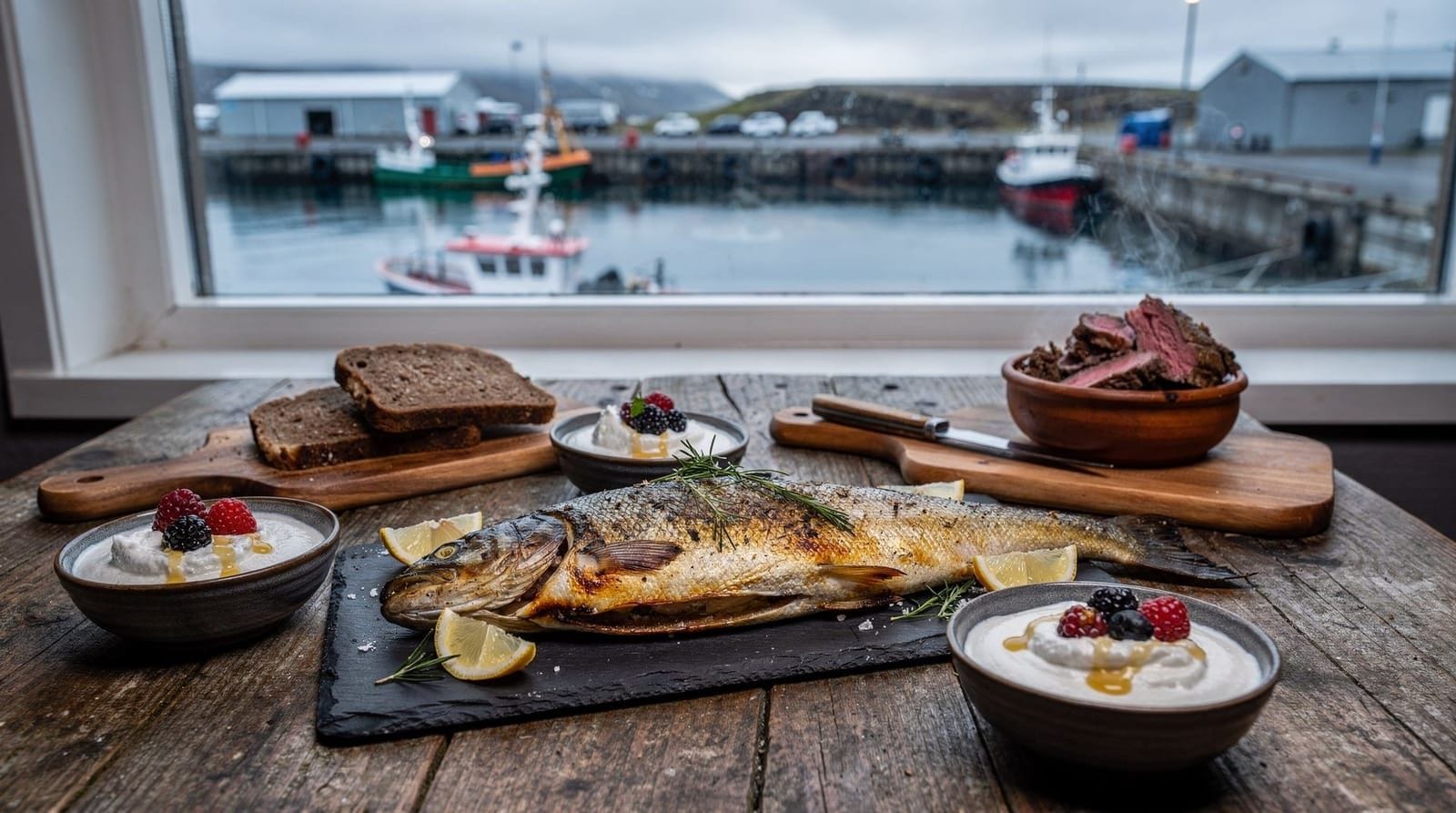
For lunch: Matur og Drykkur (Grandagarður 2) is the best traditional Icelandic food restaurant in the city — klipfiskur (salted cod), lamb, and skyr desserts, lunch mains around 3,500–4,500 ISK (€23–29). Alternatively, Bryggjan Brugghús on the harbour for craft beer and burgers.
Afternoon: 13:00–17:00
Walk or cycle (rental bikes and e-scooters are widespread) along the waterfront toward the Sun Voyager sculpture — a stainless steel boat sculpture on the waterfront promenade. The best photographs are at golden hour, but the location and the view across the bay to Esja mountain is the draw in the afternoon.
The National Museum of Iceland (Suðurgata 41, entrance ~€14) is the most complete overview of Icelandic history from settlement to the present. Allow 2–2.5 hours. The saga-era artefacts and the account of the early settlements are the strongest sections.
If you prefer art: the Listasafn Íslands (National Gallery of Iceland, Fríkirkjuvegur 7, free on Sundays) holds the main national collection, dominated by Icelandic landscape painters from the 19th and early 20th centuries. The work of Jóhannes Kjarval is the highlight.
Evening: whale watching optional (18:30)
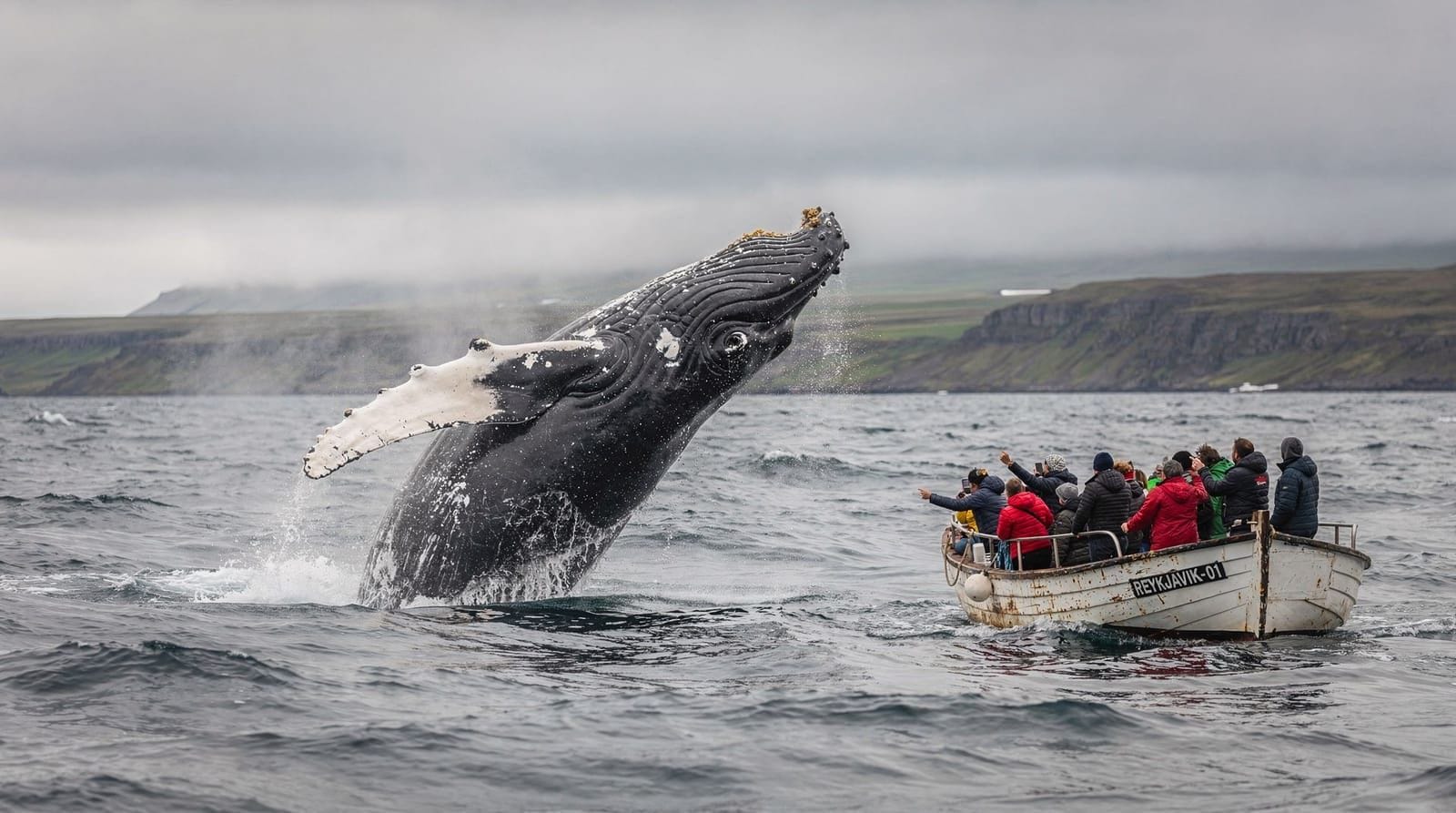
If whales interest you and the weather is reasonable (calm seas), an evening whale watching departure from the old harbour is one of the better things to do with a final Reykjavík evening. Humpback and minke whales are the most commonly sighted species; harbour porpoise year-round. Duration: 3 hours. The success rate in summer is over 90% on most operators.
Reykjavík original 3-hour whale watching — Old Harbour departure, expert marine biologist guide, free re-trip guarantee if no whales sightedDinner after: Grillmarkadurinn (Lækjargata 2a) for upmarket Icelandic grill — expensive but reliable, mains 5,500–8,000 ISK (€36–52). For something more casual: Hamborgarabúllan (Geirsgata 1) makes an honest argument for being the best burger in the city.
Day 3 (departure): Blue Lagoon
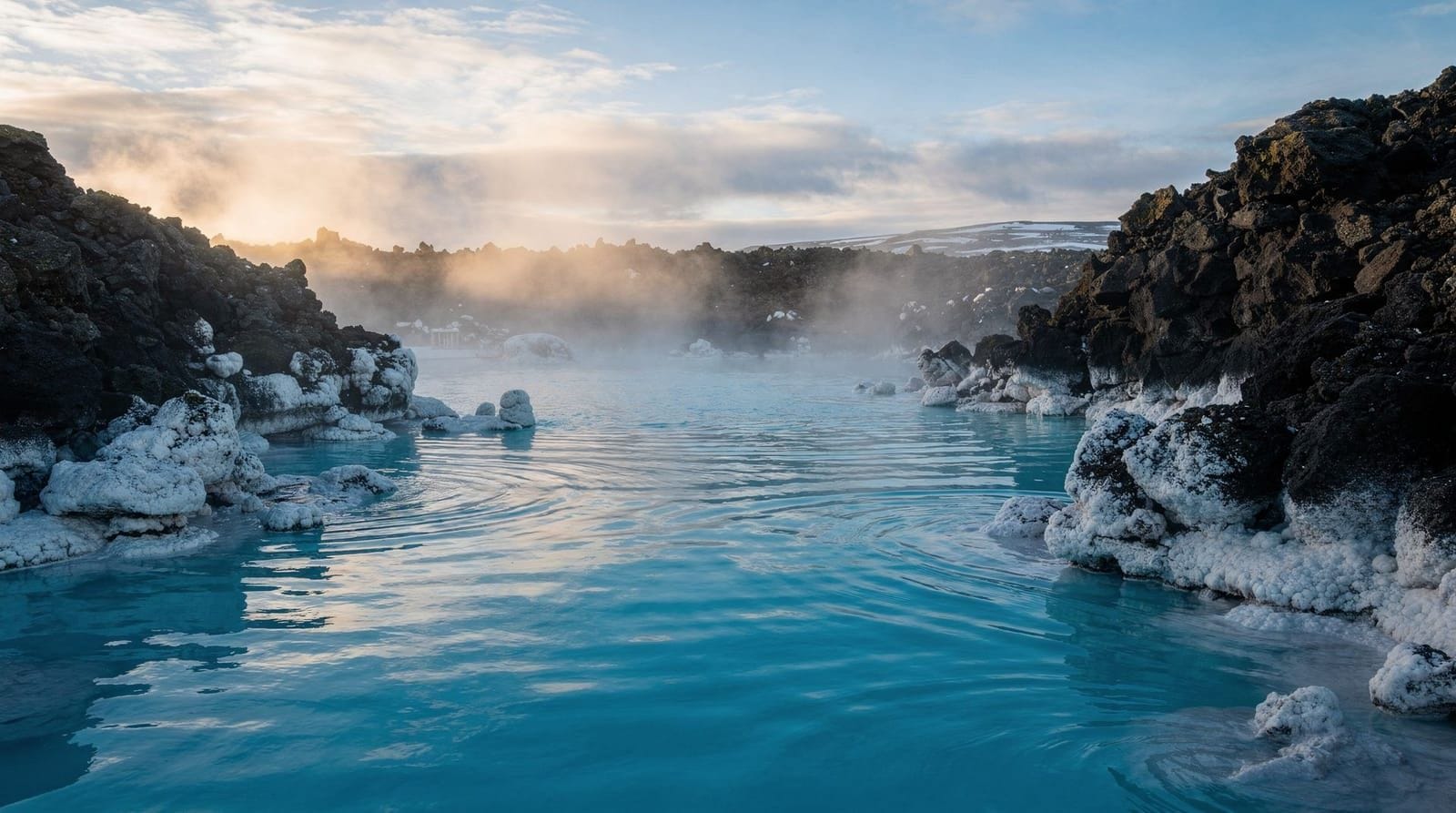
If your flight departs Keflavík in the afternoon, the Blue Lagoon fits naturally as a departure-day stop. The geothermal lagoon sits 23 km from the airport — you bathe, change, and board a bus or transfer vehicle direct to Keflavík.
Blue Lagoon Comfort admission — entry, silica mud mask, algae mask, one drink included, towel rental includedPre-booking is mandatory — the Blue Lagoon does not allow walk-ins. Book the latest entry that still leaves adequate buffer for airport security (allow 2.5 hours from Blue Lagoon to gate). Bags can be stored in the Blue Lagoon lockers; there is no need to return to the hotel before flying.
Honest note: the Blue Lagoon costs 12,900–15,900 ISK (€84–104) for basic entry, which many visitors find expensive for what amounts to a large swimming pool with mineral-blue water. It is genuinely unusual and visually distinctive — the milky blue colour is real, not dye — but the experience of sharing a crowded lagoon with 400 other tourists in peak season is not everyone’s idea of relaxation. If that bothers you, Sky Lagoon in Kópavogur (closer to Reykjavík, open-ocean views, slightly less crowded) is a better alternative.
Where to sleep in Reykjavík
Mid-range (16,000–25,000 ISK / €104–163/night):
- Hótel Borg (Pósthússtræti 11): the classic Reykjavík hotel, 1930 art deco, central position, excellent breakfast
- Canopy by Hilton (Smiðjustígur 4): design-conscious, good bar, walking distance from everything
- Kex Hostel (Skúlagata 28): not cheap despite the “hostel” label — private rooms from 22,000 ISK, exceptional in-house bar and food
Budget (8,000–14,000 ISK / €52–91/night):
- Loft Hostel (Bankastraeti 7): central, clean, rooftop terrace
- Reykjavík Hostel Village (Flókagata 1): basic but functional, slightly outside centre
In summer (June–August), book at least 6–8 weeks in advance. Prices double or triple compared to shoulder season.
Practical information
Currency: Iceland uses the króna (ISK). Cards accepted everywhere — you rarely need cash. ATMs (hraðbanki) are available throughout the city centre.
Weather: Reykjavík in summer (June–August) averages 11–14°C. Rain is frequent and wind is constant. A waterproof outer layer is necessary regardless of forecast. In winter, daylight is short (4–5 hours in December) but the city is busy and the Christmas markets are good.
Getting around the city: walking is the primary mode for the compact centre. Strætó bus (app-based, no cash accepted) covers the wider city. A single ticket is 590 ISK (€4).
Frequently asked questions about this 2-day Iceland itinerary
Do I need a car for a 48-hour Reykjavík visit?
No. The city is walkable and guided tours cover all the major day trips. If you want flexibility on timing, a rental car for Day 1 gives more control over the Golden Circle pace. But the public-tour option is efficient and no worse in terms of what you see.
Is the Golden Circle worth doing from Reykjavík as a day trip?
Yes, clearly. The three sites (Þingvellir, Geysir, Gullfoss) are each worth seeing in their own right and the drive between them through the Icelandic interior is itself good. A full day is adequate. Half a day is not.
What is the best time of year for 48 hours in Reykjavík?
May–September gives the best conditions for day trips and the midnight sun adds to the city’s energy. October–March has the northern lights as a genuine bonus (not guaranteed, but possible on clear evenings). The city is functional and interesting year-round; the summer crowds can make central Reykjavík feel busy, while winter has a stiller, more local character.
Should I do the Golden Circle or the South Coast first?
For a 48-hour visit, the Golden Circle makes more logical sense as the single excursion — it is more varied in what it covers (geology, history, waterfalls) and the sites are more geographically compact. The South Coast is a longer drive and best appreciated with an overnight stop further east. If you have a third day, add the South Coast 3-day itinerary.
How far is Keflavík airport from central Reykjavík?
50 km, approximately 45–55 minutes by bus. Allow at least 2 hours from city centre to gate, including bus travel and airport security. The Blue Lagoon is on this route, making departure-day bathing genuinely practical if your flight is at 15:00 or later.
Is the Blue Lagoon worth the price?
It depends on your expectations. The water is genuinely unusual (silica-rich, mineral-blue geothermal run-off), the setting has a science-fiction quality (blue pool amid black lava fields, steam rising), and the included silica mask is pleasant. Against that: it is very crowded in peak season, expensive, and architecturally themed around luxury that does not quite deliver at the standard entry level. For a comparable experience at lower cost and closer to Reykjavík, Sky Lagoon is the honest recommendation.
Can I see the northern lights in Reykjavík?
In winter, yes — the city lights reduce contrast but northern lights have been photographed from the Reykjavík waterfront and from Öskjuhlíð hill. For better viewing, take a dedicated tour that drives 30–40 minutes outside the city. The aurora season runs September–March, with peak visibility in October and February on clear, moonless nights. See the northern lights guide for specifics.
Is 48 hours really enough, or should I add a day?
Forty-eight hours works well as a standalone city-plus-Golden-Circle trip, but it’s tight if you also want the South Coast or a relaxed pace. If your schedule allows, adding a third day for the South Coast (or simply a slower second city day) noticeably reduces the rush — see the Reykjavík 3-day stopover itinerary for how that extra day is best used.
Do I need a visa or ETIAS to visit Iceland for 48 hours?
Requirements depend on your nationality and are the same regardless of trip length. Most visitors from the EU/EEA need no visa; visitors from many other countries can enter visa-free for short stays but will eventually need ETIAS pre-authorisation once it’s in force for non-EU nationals. Check the specifics well before booking — see do you need a visa for Iceland and ETIAS Iceland for current requirements. Sort this out well ahead of departure rather than at check-in; a missing authorisation is the one thing that can derail an otherwise simple 48-hour trip before it even starts.
Practical Reykjavík tips
What to buy: the most honest souvenir from Iceland is a lopapeysa (traditional wool sweater). Hand-knitted versions at the craft market near Hallgrímskirkja cost 18,000–28,000 ISK (€117–182) — expensive but long-lasting and locally made. Machine-made versions are widely available from 8,000 ISK. The difference is visible and tactile; the hand-knitted version is significantly warmer and better finished.
For food to take home: Icelandic skyr (the dairy product midway between yoghurt and cream cheese, much thicker than Greek yoghurt), dried fish (harðfiskur) in sealed bags, and Icelandic licorice (notably more intense than Scandinavian varieties) are all available at Kringlan mall or any Bónus supermarket for a fraction of airport prices.
What to avoid buying: the Reykjavík tourist trap is Viking-themed merchandise (plastic helmets, generic postcards) sold in the shops on Austurstræti and around the Harpa concert hall. None of it is locally made. The craft fair at Hallgrímskirkja (weekends) and the Kolaportið flea market (weekends, Tryggvagata) have genuinely Icelandic goods.
Taxi apps: Hreyfill is the main Reykjavík taxi company. Their app is more reliable than flagging a car on the street in peak evening hours. Prices are regulated; the city centre to the BSÍ bus terminal is approximately 1,200–1,500 ISK (€8–10).
The Reykjavík City Card (2,900 ISK/24h, 3,900 ISK/48h, 4,900 ISK/72h): covers unlimited public bus rides, entry to most city museums and the city swimming pools (Laugardalslaug, Sundhöllin). Worth calculating based on your actual plans — if you want to swim at the city pool (a genuine local experience at 1,100 ISK per swim), visit 2–3 museums, and use the bus, the 48h card pays for itself.
Reykjavík swimming pools: the city’s geothermally heated outdoor pools are one of the most honest local experiences available. Sundhöllin (Barónsstígur 45, rebuilt 2017) and Laugardalslaug (the largest, east of the city centre) are both accessible by bus. Entry around 1,100 ISK (€7). Bring a towel; swimwear required. The hot tubs (heiturpottur) are where Icelanders actually talk to each other — a very different atmosphere from a tourist attraction.
Currency exchange: change money at Landsbankinn or Íslandsbanki in the city centre rather than at the airport or hotel — rates are significantly better. Alternatively, withdraw ISK directly from ATMs (hraðbanki) using your card: most European and North American cards work without issues, and the ATM rate is typically close to the interbank rate.
The honest guide to Reykjavík’s nightlife
Reykjavík has a genuine nightlife scene that runs very late on weekends — bars are legally allowed to stay open until 04:30, and many do. The scene is concentrated on Austurstræti, Laugavegur, and the streets between them.
What it actually is: a small-city scene where locals and tourists mix, bars transition into informal clubs after midnight, and the clientele is predominantly 25–40. It is not Ibiza or Amsterdam — the scale is too small. What it is: an authentic late-night urban scene where the music is decent, the beer is good (try Borg Brugghús or Segull 67 Icelandic craft beers), and you can actually have a conversation at a table.
What to expect on costs: a pint of Icelandic craft beer costs 1,400–1,800 ISK (€9–12) in a bar. A cocktail is 2,500–3,500 ISK (€16–23). There is no getting around the price — Reykjavík nightlife is expensive. The standard approach is to have drinks at the hotel or a bottle shop before heading out after 22:00.
Skip: the tourist-facing “Viking bar” experiences on Austurstræti that serve overpriced beer with themed decor. Go to Kiki Queer Bar (Laugavegur 22) for an unpretentious mixed crowd and good music, or Kaffibarinn (Bergstaðastræti 1 — the bar where Blur famously drank) for a more local feel.
The Reykjavík culture guide has more detail on the city’s arts and music scene beyond the bars.
If you’d rather self-drive the Golden Circle
This itinerary assumes no car, but a growing number of visitors hire one for Day 1 only and return it that evening. It costs more per hour than the guided tour, but gives control over timing — useful if you want to add Kerið crater or the Secret Lagoon at Flúðir without waiting for a bus schedule. See renting a car in Iceland for one-day rental logistics, or the dedicated Golden Circle one-day self-drive itinerary for the full stop-by-stop route.
Connectivity and staying online
Most visitors want maps, transit apps, and photo uploads working from the moment they land. An eSIM activated before departure means you skip the airport SIM-card queue entirely and have data working the second you’re through customs — useful for checking the Strætó bus app or booking a last-minute Blue Lagoon slot. See eSIM and connectivity in Iceland for the practical setup steps.
A note on tipping and etiquette
Iceland does not have a tipping culture — service charges are built into restaurant and bar prices, and tipping is neither expected nor customary, though rounding up a bill is fine and won’t cause offence. Icelanders are also generally reserved with strangers on first contact but genuinely helpful once engaged; don’t read initial quietness as unfriendliness. The tipping in Iceland guide and Icelandic etiquette guide cover the fuller social norms, including queueing conventions and pool-shower rules that catch first-time visitors out at the swimming pools mentioned above.
Extending to 3 or 4 days
If you can add a day or two, the natural extension is the Reykjavík 3-day stopover itinerary, which adds either the South Coast or a second, more relaxed city day. Anyone tempted to add the South Coast as a rushed half-day onto this 48-hour plan should resist — it needs its own full day to be worthwhile, not an evening bolted onto the Golden Circle day.
Top experiences
Bookable activities with verified prices and instant confirmation on GetYourGuide.