East Iceland
East Iceland's Eastfjords offer 200 km of fjords, Seyðisfjörður village, Stuðlagil basalt canyon, Höfn langoustines, and reindeer roaming the uplands.
Seyðisfjörður: From Seydisfjordur studlagil canyon shore excursion
Quick facts
- Best time
- June–August for full access; September for colours and quiet
- Days needed
- 2–3 days minimum for the Eastfjords and Egilsstaðir/Seyðisfjörður area
- Getting there
- 5–6 hours from Reykjavík on the Ring Road (Route 1); or ferry from Denmark/Faroe Islands to Seyðisfjörður
- Budget per day
- 14,000–22,000 ISK / €95–€150 (slightly lower prices than south coast)
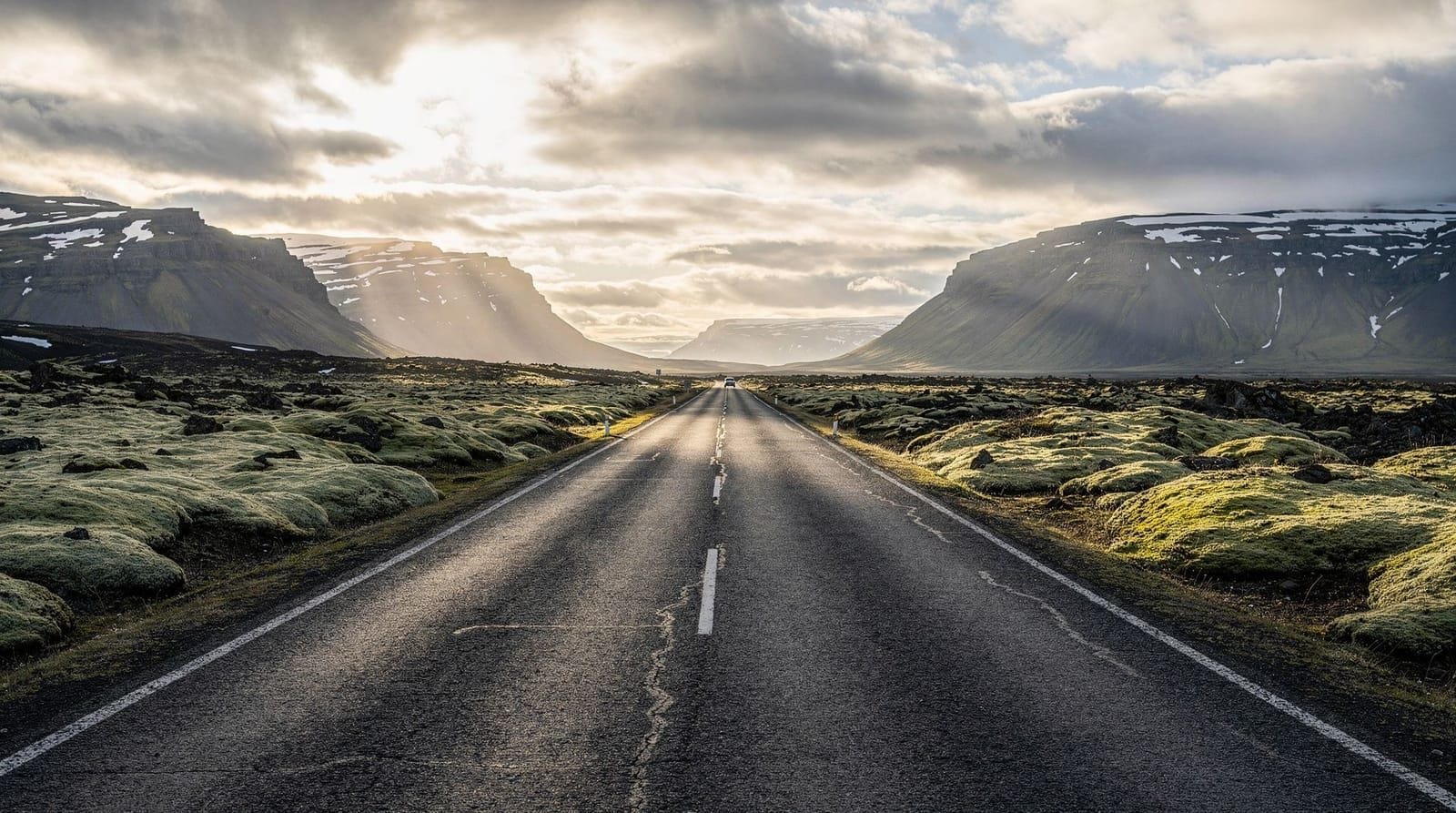
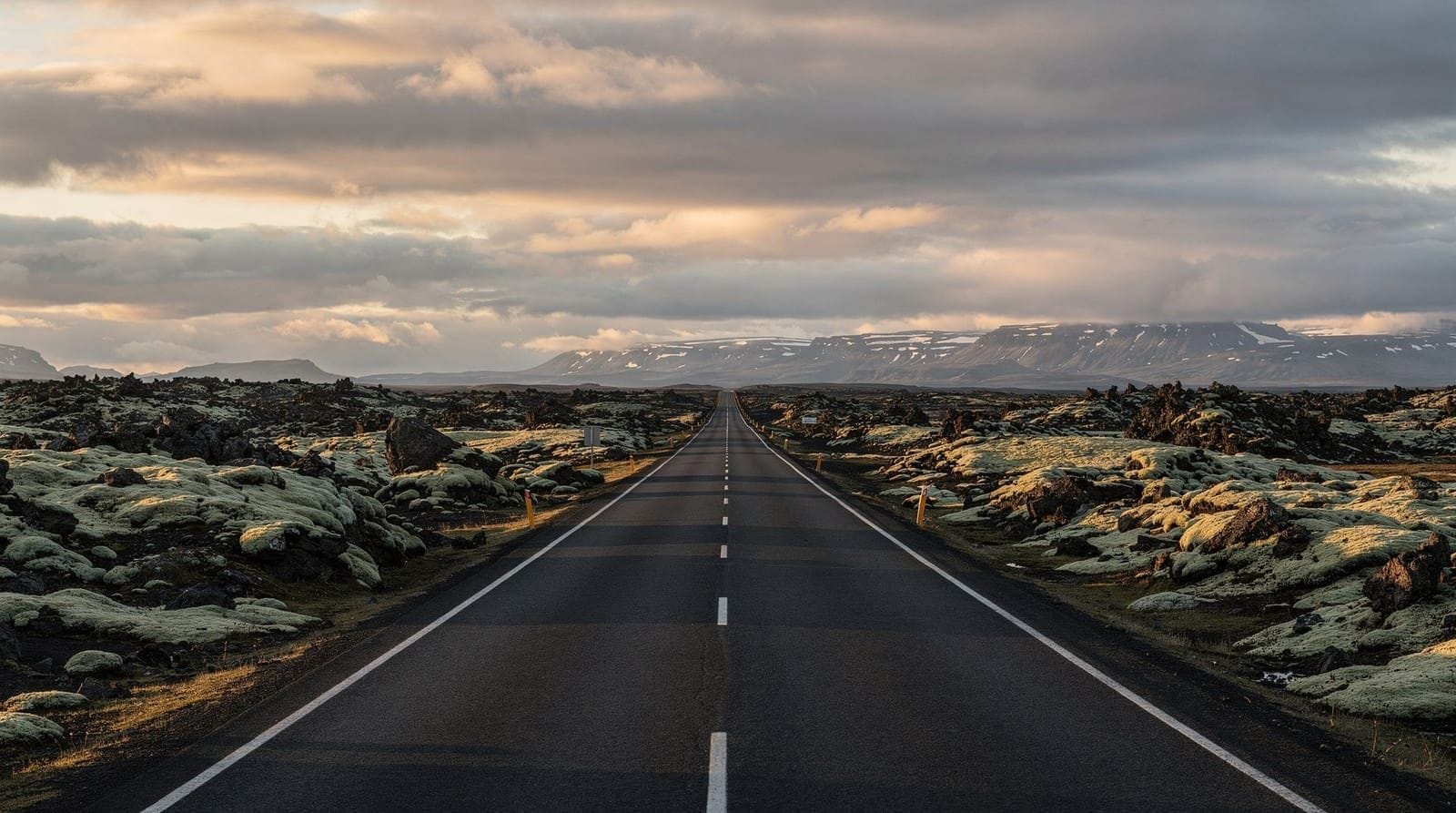
East Iceland is the part of the Ring Road that most visitors rush through on the way between the south coast and north Iceland, and it is the section where they lose the most. The Eastfjords — 13 fjords cutting westward from the coast over about 200 km — contain some of Iceland’s most consistent scenery: mirror-surfaced fjords in calm weather, small fishing towns with no tourist infrastructure designed for Instagram, and a pace of life that reflects what Iceland felt like before the tourism surge.
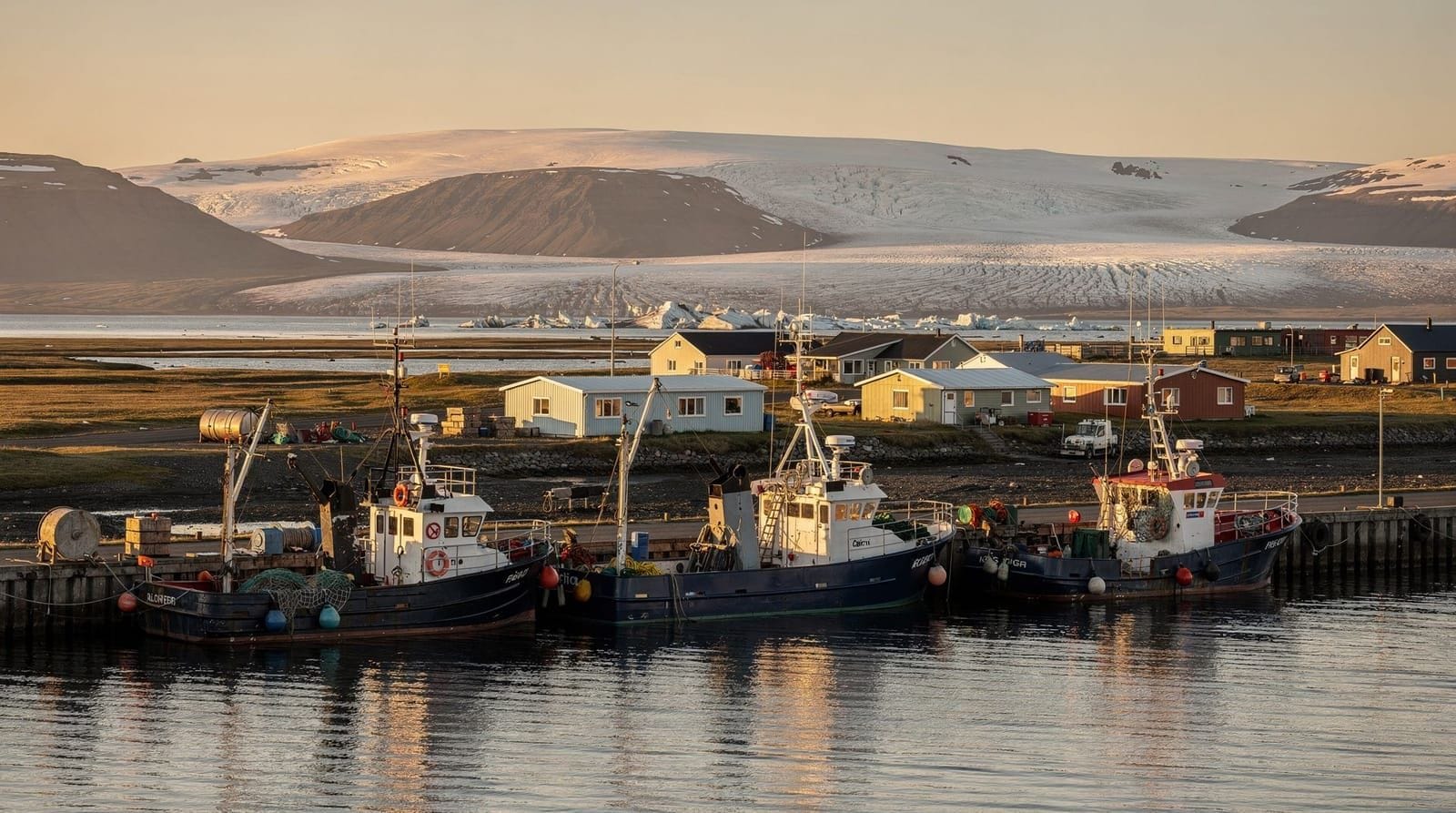
The region has three distinct areas: the Egilsstaðir-Seyðisfjörður hub (inland service town plus the country’s most architecturally interesting fjord village), the Eastfjords proper (the series of fjords and small towns along Routes 92, 96, and 1), and Höfn at the southern end — the langoustine capital, with Vatnajökull glacier visible from the harbour.
| Where | Ring Road (Route 1) between Egilsstaðir and Höfn, 5–6hrs from Reykjavík |
| Cost | around 14,000–22,000 ISK/day (€95–€150), slightly below south coast prices |
| Time needed | 2–3 days minimum for the Eastfjords, Egilsstaðir and Seyðisfjörður |
| Getting there | self-drive Ring Road, domestic flight to Egilsstaðir, or Smyril Line ferry to Seyðisfjörður |
| Best time | June–August for full access; September for colour and quiet |
Egilsstaðir and access
Egilsstaðir (population around 2,400) is East Iceland’s service hub — the largest town in the region and the commercial centre for everyone living in the Eastfjords. It sits on Lagarfljót lake and has the east’s only supermarket with a wide range, a domestic airport (flights from Reykjavík, about 1 hour), and a petrol station. As a destination it is unremarkable; as a base, it is practical.
The Smyril Line Norröna ferry from Denmark (Copenhagen or Hirtshals) and the Faroe Islands arrives at Seyðisfjörður, 27 km from Egilsstaðir. For travellers arriving by ferry, Egilsstaðir is the first logical overnight stop before heading around the Ring Road.
Seyðisfjörður
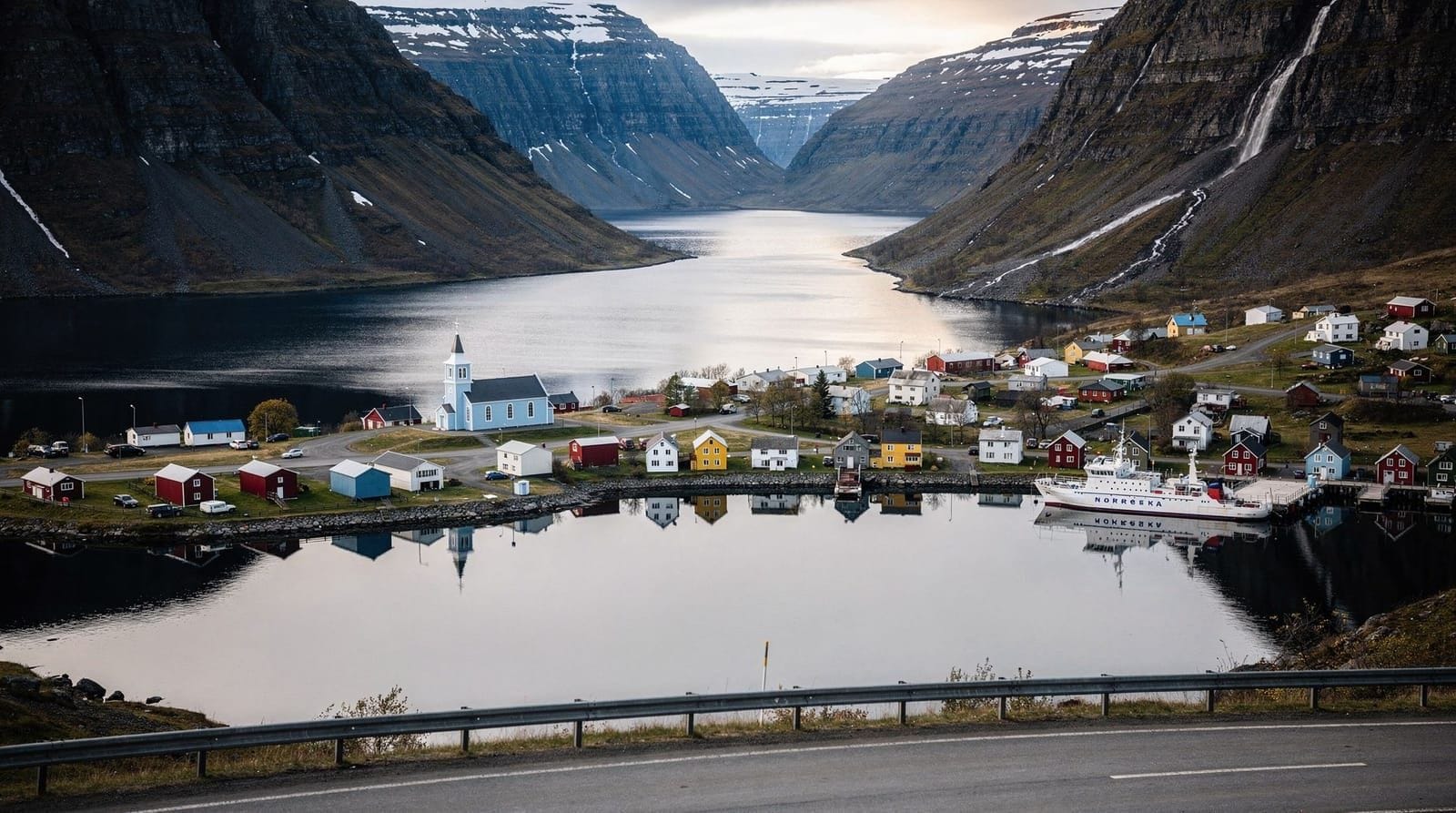
A village of about 700 people in a deep fjord connected to Egilsstaðir by Route 93 — a 27-km road that climbs over a mountain pass (often snowy in spring) and descends to the fjordhead. Seyðisfjörður has a distinct character: it was one of Iceland’s most industrially significant towns in the early 20th century (the first telephone line and first electricity in Iceland were established here), and the 19th-century painted wooden houses from that period still define the town centre.
The Blue Church at the harbour is the most photographed building in east Iceland. The rainbow road (Regnbogavegur) leading to it is a permanent art installation. The town has a strong arts and music identity — the Lunga arts festival in August draws attendees from across Iceland.
Covered in detail under Egilsstaðir and Seyðisfjörður.
Stuðlagil canyon
Stuðlagil is the reason the Egilsstaðir area now receives more visitors than it did before 2018. It is a basalt column canyon in the Jökla river valley south of Egilsstaðir — a narrow gorge with hexagonal basalt columns rising from both riverbanks and turquoise glacial water running between them. The colour contrast (grey-black basalt, blue-green water, brown canyon walls) is unusual.
Stuðlagil canyon guided tour from Seyðisfjörður — the practical way to visitGetting to Stuðlagil independently requires either a 40-minute walk from the Klaustursel farm car park (accessible in a regular car, east bank view) or a 4WD vehicle plus a river fording for the west bank viewpoint (better light, more dramatic). The canyon is reached via Route 923 from Egilsstaðir south. Full details under Egilsstaðir and Seyðisfjörður.
The Eastfjords towns
Route 1 between Egilsstaðir and Höfn passes through the Eastfjords section — about 200 km of coastline with small towns at each fjord head. The most interesting:
Djúpivogur: a small fishing village at the southern end of the Eastfjords section, known for the Eggin í Gleðivík outdoor egg installation (34 stone eggs representing local bird species, arranged on the harbour foreshore). The Langabúð turf house on the harbour is one of the oldest commercial buildings in Iceland, now a small museum (free entry).
Seyðisfjörður: covered above — the most architecturally distinct town in the east.
Neskaupstaður and Eskifjörður in the northern Eastfjords: typical fishing towns with local services. The East Iceland Heritage Museum in Eskifjörður focuses on the mining and fishing history of the region (entry around 1,500 ISK / €10).
Fáskrúðsfjörður: a small town historically settled by French fishermen in the 19th century — the Fosshotel Eastfjords here has French-language street signs as a nod to this history.
Stuðlagil canyon and Vök Baths day tour from SeyðisfjörðurHöfn and the southern gateway
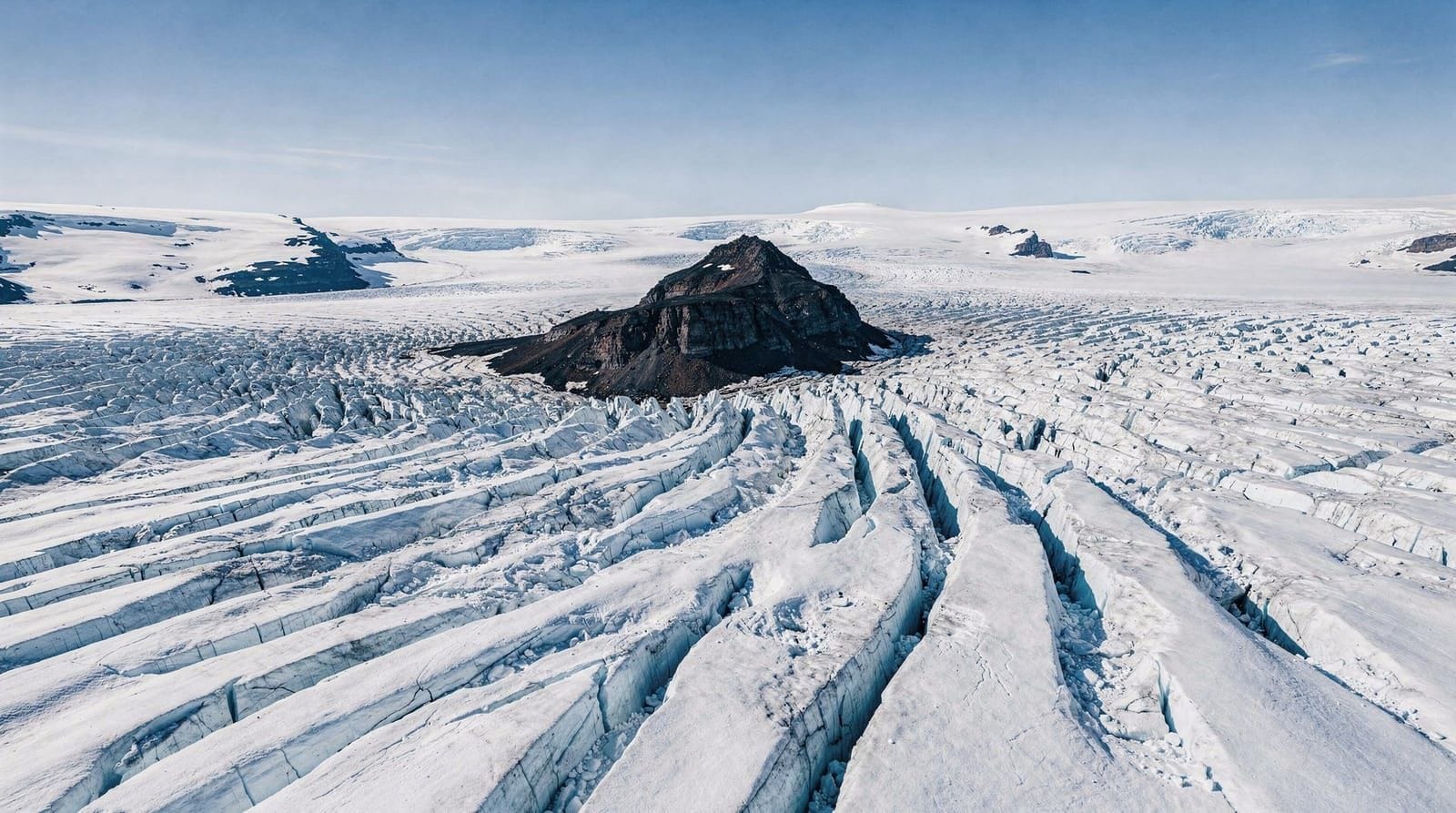
Höfn (pronounced approximately “hup”) is the main town at the southern end of the east, 230 km from Egilsstaðir and 460 km from Reykjavík. It sits on a peninsula with Hornafjörður lagoon on one side and Vatnajökull visible directly north — on clear days the glacier fills the northern horizon. Covered fully under Höfn.
Wildlife in east Iceland
Reindeer: East Iceland is the only place in Iceland with reindeer populations, descended from Norwegian reindeer brought in the 18th century. They are most visible in the highland areas east of Egilsstaðir and on the upland sections of the Ring Road south of the Eastfjords. Sightings are not guaranteed but are common enough that roadside stops to watch herds are a realistic possibility.
Seals: harbour seals and grey seals on the tidal flats of Hornafjörður lagoon near Höfn, and at several fjord heads in the Eastfjords.
Puffins: breed on the sea stacks and island groups off the Eastfjords coast and on Seyðisfjörður’s outer headlands. The tour from Seyðisfjörður covers the puffin site on the fjord headlands.
Sea eagles and other birds: white-tailed sea eagles are occasionally reported around the Eastfjords, though sightings are rarer than in the Westfjords. Arctic terns nest along the coastal flats near Höfn in early summer and are aggressively territorial if you walk too close to a nesting area — give them space rather than testing their dive-bombing reputation.
For anyone planning around wildlife specifically, pair a reindeer-focused drive along the Route 923/934 uplands with an early-morning stop at Hornafjörður lagoon for seals — the two sightings rarely happen on the same short stop, so budget a slower half-day rather than trying to tick both from the car window.
Ring Road logistics through east Iceland
The Ring Road (Route 1) is fully paved and accessible year-round through the east. The mountain passes in the Eastfjords section (including Breiðdalsheiði and the Öxi pass) can be snowy in spring and autumn. Route 1 via Öxi is shorter but steeper; Route 92 via the coast is longer but lower altitude.
Fuel stations: Egilsstaðir, Höfn, Djúpivogur, Vopnafjörður (north), and the main Eastfjords towns. Do not leave Egilsstaðir without a full tank if heading south through the Eastfjords — the Djúpivogur station is 185 km south.
Seasonal guide to east Iceland
Summer (June–August)
The Eastfjords are at their most accessible and most scenic in summer — fjord water is calm, the mountain passes are clear, and the daylight runs 20+ hours in June. The Smyril Line ferry from Denmark arrives at Seyðisfjörður on a regular schedule from approximately April through October. Stuðlagil canyon has its lowest water levels and clearest turquoise colour in June and July, making this the window for the west bank viewpoint.
Summer is also when the Eastfjords towns are most lively — fishing boats in the harbours, local festivals (Seyðisfjörður’s LungA arts festival in August), and the widest range of accommodation availability (though still limited by comparison to south Iceland).
Autumn (September–October)
East Iceland’s best-kept seasonal secret. September brings birch forest colour around Egilsstaðir and Seyðisfjörður, lower visitor numbers, and the beginning of reindeer visibility on upland heaths. The Öxi mountain pass can close temporarily with early snowfall in October. The aurora season begins in mid-September and the east Iceland skies — particularly the highland areas east of Egilsstaðir — are genuinely dark.
Winter (November–March)
The Ring Road stays open year-round through east Iceland, but mountain pass alternatives (Öxi, the Seyðisfjörður pass) can close for days at a time in winter. The Smyril Line ferry runs a reduced winter schedule. Winter in east Iceland is authentic Icelandic small-town life — fishing industry active, local services operating, but tourist infrastructure largely dormant. Vök Baths stays open year-round and is an excellent winter destination.
Eating in east Iceland: specific recommendations
Við Lónið, Höfn: the more reliable of Höfn’s langoustine restaurants for consistently good food and lower prices than Pakkhús. Main courses 4,000–6,000 ISK (€27–€41). Less crowded than Pakkhús in peak season.
Aldan restaurant, Seyðisfjörður: housed in the old telegraph station building (part of Hótel Aldan). Seasonal menu using local fish and lamb. Main courses 4,500–6,500 ISK (€30–€44). The best food in east Iceland outside Höfn.
Skaftfell Bistro, Seyðisfjörður: arts centre café with reliable coffee and lunch plates. The best value in Seyðisfjörður for daytime eating. Soup and bread around 2,000 ISK (€14).
Gistihúsið, Egilsstaðir (kitchen restaurant): a local favourite for straightforward Icelandic meals at slightly lower prices than the hotel options. Lamb soup around 2,500 ISK.
Self-catering: Egilsstaðir’s Nettó is the east’s best-stocked supermarket. Stock up here before driving into the Eastfjords — smaller towns have limited range.
East Iceland for specific traveller types
Geology and nature enthusiasts
East Iceland has the highest geological diversity outside the volcanic south coast. Stuðlagil’s hexagonal basalt columns are formed by slow cooling of lava flows — the regularity of the columns is a function of the cooling rate, and the exposure by river erosion makes the Jökla river canyon one of the most visually direct examples of this process anywhere in the world. The Eastfjords fjords themselves were carved by glaciers during successive ice ages; the straightness of the fjord walls and the characteristic U-shaped valleys are the defining features of this landscape type. The glaciers-of-iceland guide covers the geological context.
The reindeer populations in the upland areas east of Egilsstaðir are ecologically interesting — a completely feral population descended from 18th-century Norwegian introductions, now managed as a wild population. This is the only place in Iceland where a non-native large mammal has successfully established a self-sustaining wild population.
Cruise ship passengers arriving at Seyðisfjörður
The Smyril Line Norröna calls at Seyðisfjörður. Shore excursion time is limited by sailing schedules, but the Stuðlagil guided tour from Seyðisfjörður has been specifically designed for ferry passengers — it covers the canyon (with 4WD transport to the west bank viewpoint) and optionally Vök Baths within a half-day window. The village itself is walkable from the ferry dock in 10 minutes. The Blue Church and rainbow road are 5 minutes’ walk. Arrival day is typically Thursday; the village is its busiest of the week.
Budget travellers on the Ring Road
East Iceland is consistently cheaper than the south coast for accommodation. Guesthouse doubles in the Eastfjords towns run 16,000–22,000 ISK versus 22,000–30,000 ISK for comparable quality in the south. Camping is available at Egilsstaðir (2,200 ISK per person) and at several Eastfjords town sites. Stuðlagil is free to visit (east bank); Vök Baths and the guided canyon tours are the main paid attractions. A Ring Road stop in east Iceland that includes Seyðisfjörður, Stuðlagil (east bank), and a langoustine soup in Höfn can be done for a total of under 10,000 ISK in paid costs.
The Eastfjords towns in detail
The 13 fjords of the Eastfjords are broadly similar in character — a small fishing town at the fjord head, mountain slopes descending to the water on both sides, quiet roads. The variation between towns is in specific historical details:
Neskaupstaður (population around 1,500): the largest Eastfjords town, with a minor hospital and more services than most. The fjord road approach along the cliff edge above Norðfjörður is dramatic.
Fáskrúðsfjörður: the French connection town — French fishermen wintered here in significant numbers from the 1880s to 1930s. Street signs in both Icelandic and French. The Fosshotel Eastfjords is the main accommodation.
Breiðdalsvík: a small town at the head of Breiðdalur valley with a petrol station and basic accommodation. Useful as a Ring Road fuel stop.
Djúpivogur: the southernmost Eastfjords town, with the Eggin í Gleðivík egg installation (34 stone eggs on the harbour) and the Langabúð historic building. A brief stop rather than a base.
Fitting east Iceland into a Ring Road itinerary
East Iceland is the section most often shortchanged when a Ring Road trip runs behind schedule, because it comes after several packed days on the south coast and travellers are tempted to just keep driving. The ring-road-guide lays out the full loop logistics; the shorter ring-road-7-days itinerary allows roughly one full day for the Eastfjords, while the ring-road-10-days plan gives it the 2 nights it genuinely needs — one in Egilsstaðir or Seyðisfjörður, one continuing toward Höfn. If your route also includes Jökulsárlón or a stop at Vatnajökull National Park, plan east Iceland and the glacier lagoon as a linked two-to-three-day stretch rather than separate days, since Höfn sits almost exactly between them.
East Iceland vs. rushing the section in one day
| Approach | What you get | What you miss |
|---|---|---|
| One day drive-through | Ring Road box ticked, photo stops at viewpoints | Seyðisfjörður, Stuðlagil, any real time in a fjord town |
| 2 nights (Egilsstaðir/Seyðisfjörður + Höfn) | Stuðlagil, Seyðisfjörður village, a proper Höfn dinner | Deep exploration of every individual Eastfjords town |
| 3+ nights | Reindeer country, quieter Eastfjords towns, flexible weather days | Extra nights elsewhere on the loop |
Frequently asked questions about east Iceland
Is east Iceland worth the detour on the Ring Road?
For Ring Road drivers, east Iceland is not a detour — it is part of the route. The question is whether to spend 2–3 days exploring properly vs. 1 day driving through. The Seyðisfjörður side trip (27 km from Egilsstaðir) is worth the extra day by itself, and Stuðlagil adds another half-day. Most Ring Road visitors who rush through later say it was their main regret.
How does east Iceland compare to north Iceland for attractions?
Different strengths. North Iceland has Húsavík whale watching, Mývatn geothermal area, Akureyri restaurants, and the Diamond Circle. East Iceland has the Eastfjords scenery, Seyðisfjörður’s architecture, Stuðlagil, and Höfn langoustines. Both reward dedicated time.
Can I arrive in Iceland by ferry to Seyðisfjörður?
Yes. The Smyril Line Norröna ferry connects Hirtshals (Denmark) and Tórshavn (Faroe Islands) to Seyðisfjörður. The crossing from Denmark takes about 3 days including the Faroe stop. This is a practical option for bringing a vehicle to Iceland and avoiding the Keflavík airport car rental costs.
What is the best way to see Stuðlagil?
For the classic blue-water basalt view: 4WD for the west bank ford, or guided tour. The east bank walk (accessible by 2WD) gives a view into the canyon but not the same framing. If 4WD capability is an issue, the guided tours from Seyðisfjörður or Egilsstaðir reach the better viewpoint.
Are reindeer really wild in Iceland?
Yes. Iceland’s reindeer are fully wild — descended from Norwegian animals released in the 18th century, with populations now managed by the government. They are not domesticated or in enclosures. Herds of 10–50 animals on upland heath are a normal sight in the Egilsstaðir area.
How many nights should I give east Iceland on the Ring Road?
Two nights is the practical minimum — one based in Egilsstaðir or Seyðisfjörður for Stuðlagil and the village, one continuing to or from Höfn. The ring-road-10-days itinerary is built around this pacing; the ring-road-7-days version compresses it to a single day, which works but leaves little room for weather delays.
Does east Iceland connect well with Jökulsárlón?
Yes — Höfn sits almost exactly between the Eastfjords and Jökulsárlón glacier lagoon, and the drive from Höfn to the lagoon is under an hour. Many Ring Road drivers treat east Iceland, Höfn, and Jökulsárlón as one continuous three-day stretch rather than separate stops.
Top experiences
Bookable activities with verified prices and instant confirmation on GetYourGuide.
Top-rated experiences in East Iceland
Best-rated activities across GetYourGuide and Viator.

Blue Ice Discovery – Guided Glacier Hike from Skaftafell
- Viator

Glacier Hike from Skaftafell - Extra Small Group
- Viator

Skaftafell Glacier Hike 3-Hour Small Group Tour
- Viator

Glacier Adventure From Skaftafell - Small Group Tour
- Viator

Ice Cave Tour in the National Park of Vatnajökull
- Viator

Ice Cave and Glacier Walk into Blue Glacier Canyon
- Viator