Iceland on a budget — how to travel without spending a fortune
Reykjavik: Iceland Secret Lagoon admission ticket
Can you travel Iceland on a budget?
Yes, but Iceland is genuinely expensive. A realistic budget traveller spends 20,000–35,000 ISK per day (roughly 130–230 EUR). A backpacker in a dorm with supermarket food and a shared car can get close to 15,000–18,000 ISK per day. Cutting costs requires specific strategies — especially on accommodation and car hire — not just general frugality.
Why Iceland costs what it costs
Iceland is expensive for structural reasons that aren’t going away. It imports most food, fuel, and consumer goods; labour costs are high; the króna is a small currency subject to inflation; and the tourism season concentrates demand into a few summer months, pushing accommodation prices up.
This doesn’t mean budget travel is impossible — it means you need a different approach than you’d use in Southern Europe or Southeast Asia. Knowing where Iceland is genuinely negotiable on price (and where it isn’t) determines how low your daily budget can actually go.
| Where | Whole country; costs vary least by region, most by season |
| Cost | Around 15,000–35,000 ISK/day per person, budget to mid-range |
| Time needed | Works for any trip length; savings compound on longer trips |
| Cheapest months | January, February, March, October, November |
| Booking | Accommodation and car hire 2–3+ months ahead for summer |
Realistic daily budget tiers
Backpacker/hostel tier: 15,000–22,000 ISK per day
- Dorm hostel bed: 5,000–7,500 ISK
- Supermarket self-catering: 2,000–3,500 ISK
- Shared rental car (split 4 ways): 3,000–5,000 ISK per person
- Activities: free or nearly free (hiking, waterfalls, beaches)
- This is a realistic floor for a determined budget traveller. Summer is harder than shoulder season.
Mid-budget: 28,000–45,000 ISK per day
- Private room guesthouse: 16,000–28,000 ISK
- Supermarket + occasional restaurant: 3,500–7,000 ISK
- Compact rental car (split 2 ways): 6,000–10,000 ISK per person
- One paid activity per day (entry fees, a tour)
Comfortable mid-range: 50,000–80,000 ISK per day Boutique hotel, restaurant meals, guided tours.
Most travellers on first visits land in the 28,000–50,000 ISK range per person per day — higher than they expected. This guide focuses on closing the gap.
The biggest costs and how to reduce them
Accommodation (largest single cost)
Accommodation in Iceland is the primary expense that determines whether a trip is “budget” or “expensive.” Options in order of cost:
Camping (lowest): Designated campsites charge 1,500–2,500 ISK per person per night. The Camping Card (~22,900 ISK for two people) covers 28 nights across participating sites and delivers significant savings on long trips. Camping is only practical in summer (mid-May to mid-September); most sites close in winter.
Hostel dorms: 5,000–8,500 ISK per bed in Reykjavik; 4,500–7,000 ISK elsewhere. Quality varies enormously. Some hostel kitchens are genuinely useful for self-catering.
Private hostel rooms / guesthouses: 14,000–25,000 ISK in summer. Booking well in advance (3–4 months for July/August) secures better prices.
For detail: budget accommodation in Iceland.
Car hire (second largest cost)
Renting a car is essentially mandatory outside Reykjavik. The keys to spending less:
- Book through aggregators (Discovercars.com, RentalCars.com) and compare local operators vs chains — local operators are often 20–40% cheaper
- Travel with others and split costs — a car shared between 4 people is radically cheaper per person than 2 people
- Book early — last-minute summer cars cost 80–100% more than advance bookings
- 2WD for summer paved roads — a Yaris saves 10,000–20,000 ISK per day vs an unnecessary 4WD
Full breakdown: saving money on car rental. If you’re weighing whether to rent at all, our renting a car in Iceland guide and the public transport in Iceland overview cover the alternative for a car-free budget trip focused on Reykjavik and day tours.
Food (manageable with strategy)
This is where the biggest daily-spend variance lies. A restaurant meal in Iceland costs 3,000–5,500 ISK for a main course. Do that three times per day and you’ve spent 10,000+ ISK on food alone.
Strategies:
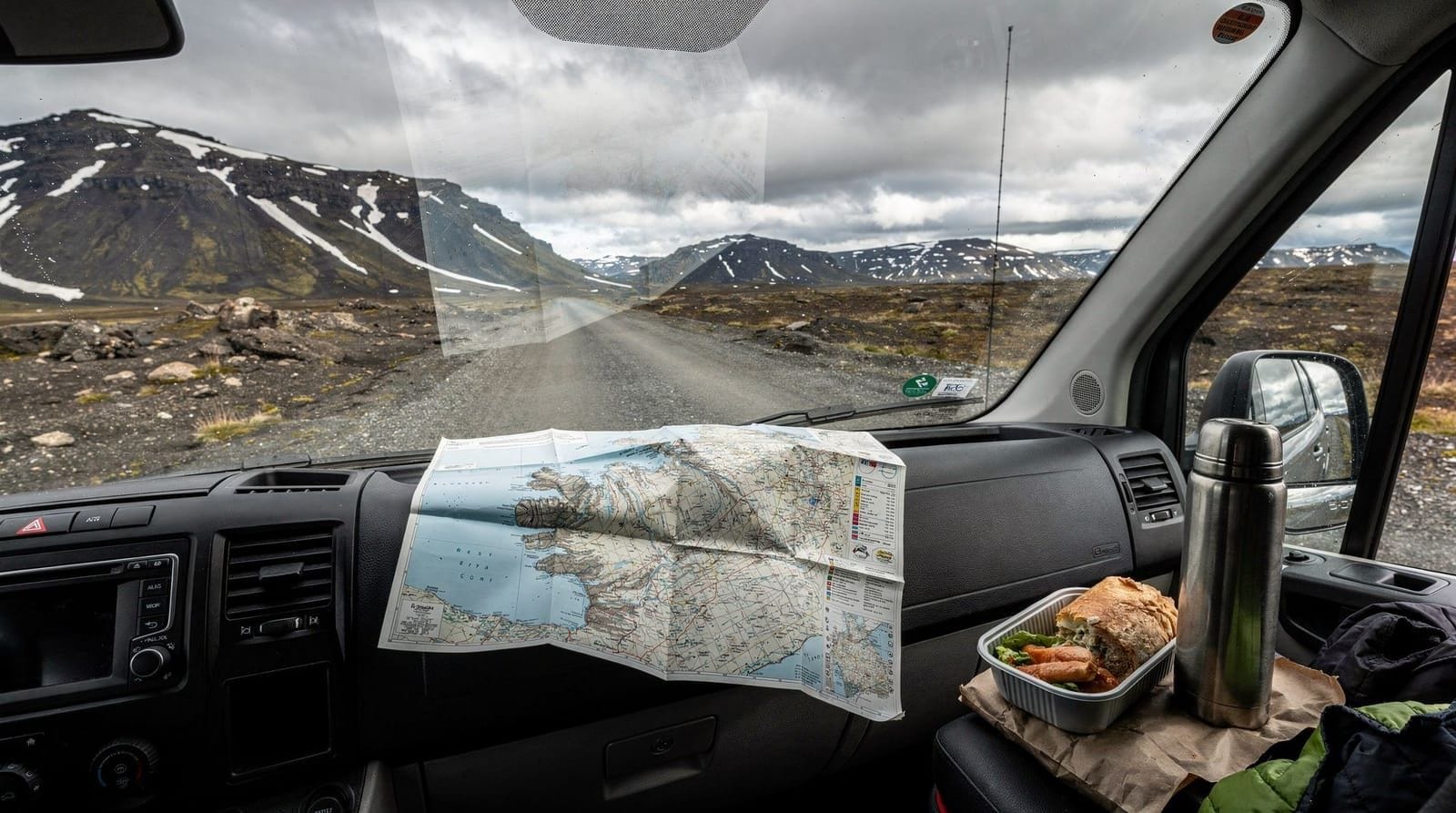
- Bónus, Krónan, and Nettó are Iceland’s budget supermarket chains. Stock up with cheese, bread, rye crispbread (rúgbrauð), skyr, eggs, pasta, tinned fish, oats. A full day’s self-catered food costs 1,500–3,000 ISK per person.
- N1 and Orkan hot dogs (pylsur) cost around 500 ISK each — filling, fast, and Iceland-authentic.
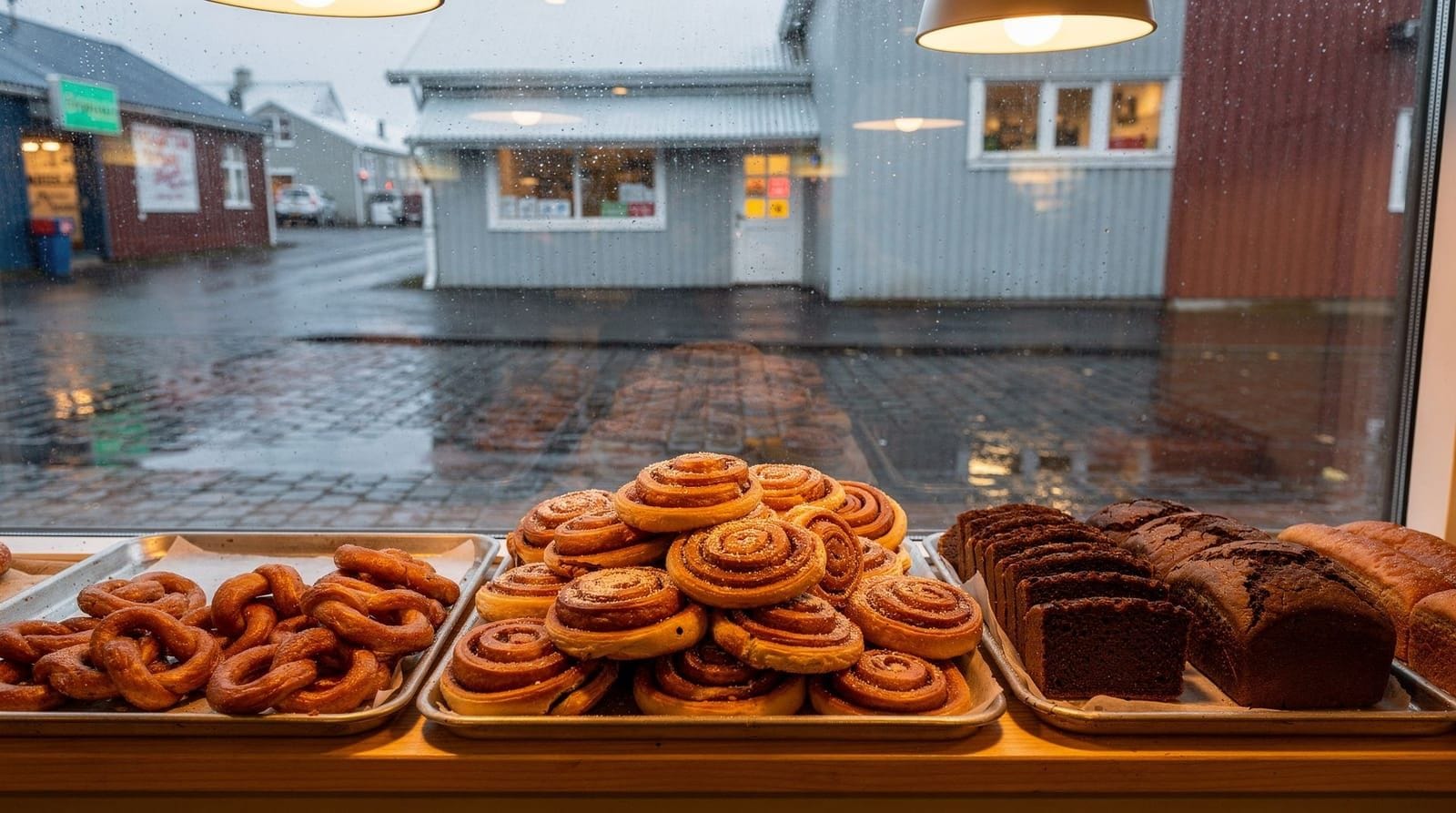
- Bonus Bakery, Sandholt, or similar city bakeries for fresh bread and pastry at reasonable prices.
- Eat your main hot meal at lunch — many restaurants offer a lunch deal (dagsréttur) for 2,000–2,800 ISK, the same meal that costs 4,500 ISK at dinner.
More detail: cheap eats in Iceland and the broader Icelandic food guide if you want to understand what you’re actually eating, not just where it’s cheapest.
Activities and entry fees
This is actually Iceland’s most budget-friendly category, if you choose carefully.
Free or nearly free:
- Almost all of Iceland’s major waterfalls: Seljalandsfoss car park fee (800 ISK, or free with national park parking app), Skógafoss, Goðafoss, Dettifoss — no entry charge
- All national parks (Þingvellir, Vatnajökull, Snæfellsjökull) have no entry fee
- Reynisfjara black sand beach: free
- Jökulsárlón glacier lagoon viewing: free (the boat tours cost)
- Diamond Beach: free
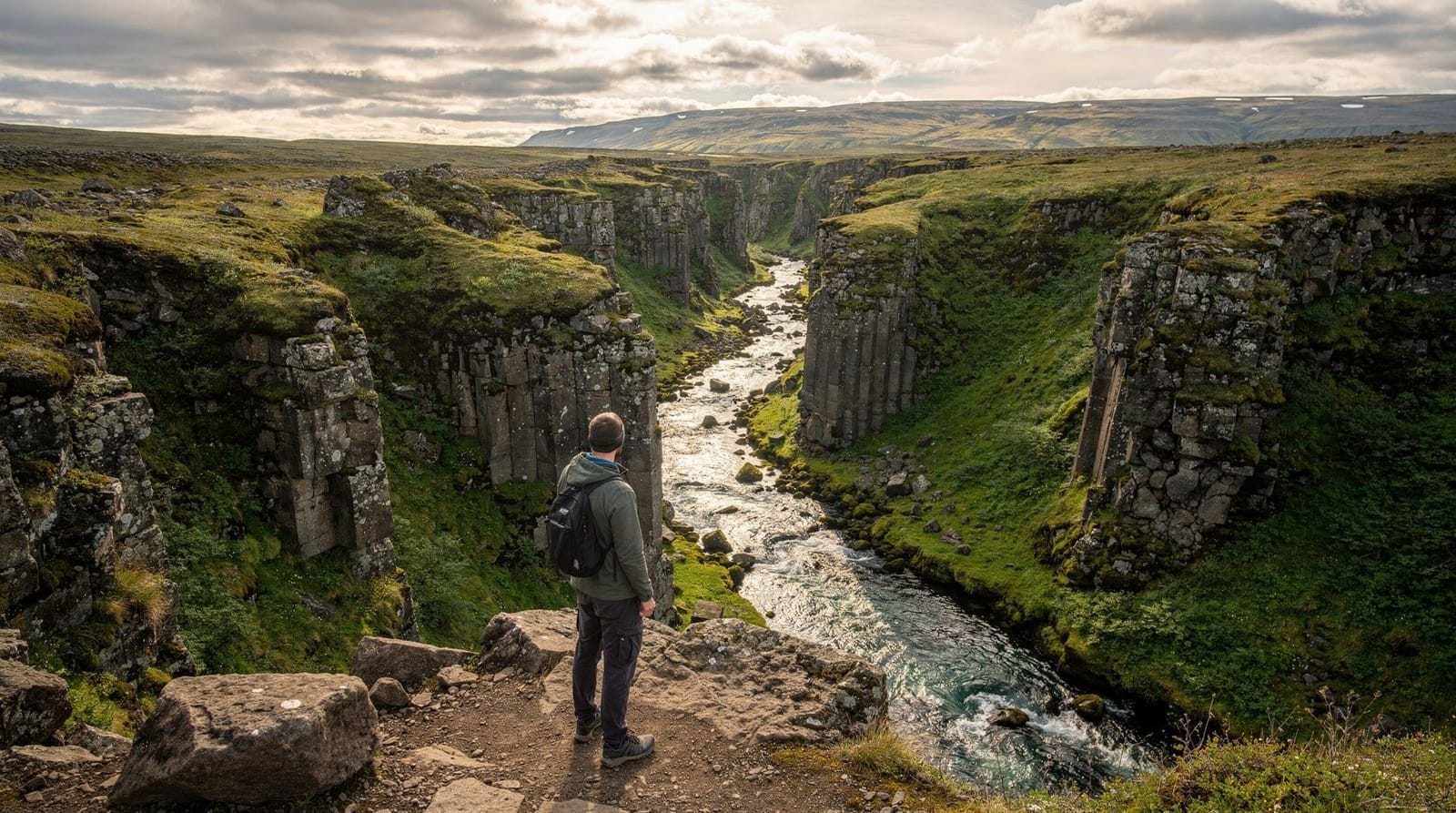
- All hiking trails: free
- Reykjavik’s main outdoor attractions
Paid attractions worth budgeting for:
- Blue Lagoon entry: from 7,900 ISK (book at cheapest tier, advance only)
- Sky Lagoon: from 5,490 ISK
- Northern lights tours: 6,000–15,000 ISK
- Glacier hike tours: 10,000–18,000 ISK
If your budget is tight, substitute Blue Lagoon with the Secret Lagoon in Flúðir (3,000 ISK entry) or Reykjadalur hot river (free, hiking required). See free things to do in Iceland for the full list.
Secret Lagoon admission ticket, FlúðirFor a budget-friendly wildlife splurge that’s arguably worth the one paid activity slot in a tight itinerary, Húsavík whale watching consistently rates as the best value wildlife experience in the country.
Húsavík original whale watching tourShoulder season pricing: October–November, March–April
The single most effective budget strategy is to travel outside July–August. September, May, October, and April see prices across accommodation, car hire, and flights drop 20–40%. The landscapes are equally dramatic; you add aurora possibilities in September–April and lose none of the geology.
The trade-off: highland F-roads close (early October to late June); some campsites close; occasional weather closures on mountain passes.
Alcohol and the budget
Alcohol is one of Iceland’s largest tourist-spend categories, and it is not cheap. Beer in a bar: 1,200–1,800 ISK per pint. Wine by the glass: 1,500–2,200 ISK. A night out drinking adds 5,000–10,000 ISK to the daily budget fast.
The practical approach: buy alcohol at Vínbúðin (the state-controlled liquor store, found in most towns) and pre-drink before evenings out. A 500 ml can of Icelandic Gull lager at Vínbúðin costs around 400–600 ISK; the same drink in a bar costs 1,200–1,500 ISK.
Practical tools for budget travel
- The Camping Card: 22,900 ISK for 2 people, 28 nights included — massive value if camping for more than 10 nights
- Straeto app: city bus in Reykjavik, avoid taxis
- Bónus, Krónan, Nettó apps: weekly specials
- Freeloader strategy on waterfalls: don’t pay for a guided tour to see waterfalls accessible by your rental car — Skógafoss, Seljalandsfoss, and Goðafoss require no guide
- Nordic Visitor, Iceland travel blog communities on Reddit (r/VisitingIceland): current price reports from recent travellers
What not to cheap out on
Car insurance: SAAP (gravel and sand protection) costs 700–2,500 ISK per day. A windscreen chip without it costs 50,000–180,000 ISK. This is not the category to save on.
Weather gear: Cheap rainwear fails quickly in Icelandic conditions. Waterproof jacket and trousers matter. Rent waterproof gear rather than buying cheap versions if you don’t have good kit. See what to pack for Iceland for the specific list worth spending on.
Travel insurance: Iceland’s terrain and weather cause genuine medical evacuations and cancellations every season. Skipping insurance to save 5,000–10,000 ISK is the single worst false economy on this list — see travel insurance for Iceland for what a policy needs to cover here specifically.
Accommodation safety net: Don’t book every night with no flexibility. Icelandic weather can strand you in a location. Having one spare booking night or a cancellable option provides real value.
Budget travel with a partner vs solo
Solo travel in Iceland is expensive — you pay car hire for one, accommodation for one, and can’t split food costs. Budget travellers who come in groups of 3–4 people sharing a car and self-catering consistently report the lowest daily costs. If solo travel is your plan, consider joining organised budget tours for structured segments (trekking with hut stays on Laugavegur) or hostels in Reykjavik that facilitate group forming.
Frequently asked questions about Iceland on a budget
What is the cheapest month to visit Iceland?
January and February are cheapest for flights and accommodation but have the least light (4–5 hours per day). For a reasonable balance, March (aurora season, increasing light, lower prices than summer) or October–November (dramatic landscapes, fall colours, shoulder prices) are the best budget windows.
Is Iceland cheaper than Norway?
Both countries are expensive by European standards. Iceland is generally comparable to or slightly more expensive than Norway for accommodation and food. Fuel and activities vary. Neither is a “cheap” destination.
Can you do Iceland for under 100 EUR per day?
For the full trip (accommodation, food, car, activities): yes, if you camp, self-cater from Bónus, book a shared economy rental car, and stick to free attractions. Expect 70,000–80,000 ISK total per person for a 7-day camping trip in summer — around 70–80 EUR per day.
What is the Camping Card in Iceland?
A pre-paid card that covers 28 overnight stays for 2 people at participating campsites. Costs around 22,900 ISK in 2026. If camping for 10+ nights it pays for itself. Available from campsite operators and online.
Is Iceland cheaper in winter?
For accommodation and flights: yes, significantly. For the overall experience, bear in mind F-roads are closed, most campsites are closed, and daylight is very limited. A winter trip is cheaper but requires a different approach — guesthouses, northern lights focus, geothermal pools.
How can I avoid tourist trap expenses in Iceland?
Avoid: overpriced airport exchange desks, unnecessary 4WD upgrades if you don’t need F-roads, organised tours to waterfalls you can drive to yourself, and gift shop food when Bónus is a short walk away. See Iceland tourist traps for the full list.
Does group size actually change the daily budget that much?
Yes, significantly — car hire and private accommodation are fixed costs split between however many people share them. A group of four camping and sharing a car can land at 14,000–19,000 ISK per person per day, roughly half the solo-traveller equivalent, because food and campsite fees are close to the only costs that don’t shrink per head.
Is it worth renting a car for a budget trip, or better to use tours and buses?
If you’re staying mainly in Reykjavik and doing day tours to the Golden Circle and South Coast, skipping the rental car and booking shared minibus tours can be cheaper than solo car hire, insurance, and fuel. For a full Ring Road trip, a shared rental car among 3–4 people is almost always cheaper per person than an equivalent multi-day guided tour.
Practical day-by-day budget on the Ring Road
A 10-day Ring Road trip for two budget travellers using camping, self-catering, and a 2WD split between them looks something like this in daily terms:
Day 1: Arrive KEF, collect car, drive to Reykjavik Flybus or car. Bónus stock-up. Hostel dorm. Estimated: 14,000 ISK per couple.
Day 2: Golden Circle Self-catered breakfast and packed lunch. Petrol station hot dogs for dinner. Campsite at Laugarvatn or Þingvellir. Estimated: 11,000 ISK per couple.
Days 3–4: South Coast to Vík Self-catered. Campsite at Skógar or Vík. One dagsréttur lunch (2,400 ISK each). Estimated: 12,000–14,000 ISK per couple per day.
Days 5–6: East Iceland (Jökulsárlón, Höfn, East Fjords) Longest driving days; campsite at Höfn or East Fjords. Self-catered most meals. Estimated: 13,000–15,000 ISK per couple per day.
Days 7–8: North Iceland (Mývatn, Dettifoss, Húsavík) Campsite at Reykjahlíð. Self-catered. One whale watching skipped (budget option: skip the tour, view from Húsavík harbour for free). Estimated: 12,000–14,000 ISK per couple per day.
Days 9–10: Akureyri, Snæfellsnes, return Campsite at Akureyri. Last night Reykjavik hostel dorm. Final Bónus run for snacks. Estimated: 12,000–15,000 ISK per couple per day.
10-day total (two people, budget approach): approximately 125,000–155,000 ISK — roughly 830–1,030 EUR per couple for the entire trip (excluding flights and single major paid activity like Blue Lagoon).
This is achievable. It requires discipline — cooking most meals, camping every night, skipping the paid guided tours. But the core Iceland experience (Ring Road, waterfalls, glaciers, northern lights, geological drama) is all still there.
The budget-breakers to watch for
Even disciplined budget travellers often blow the budget on one or two categories:
The Blue Lagoon: Many travellers feel they can’t skip it. At 7,900–16,000 ISK per person depending on tier, it’s expensive. The is the Blue Lagoon worth it guide helps you decide whether it fits your specific priorities.
Rental car upgrade at the desk: “Just take the 4WD — it’s only 5,000 ISK more per day.” Over 10 days, that’s 50,000 ISK. If you don’t need it, don’t take it.
Restaurant meals when tired: After a long drive, the path of least resistance is the restaurant at your guesthouse. This is human. Accept it might happen 2–3 times and budget for it rather than being surprised.
Alcohol at bars: A single Reykjavik evening out drinking can cost 6,000–10,000 ISK per person. For a budget trip, restrict to pre-drinks from Vínbúðin.
The overall Iceland-on-a-budget strategy works best when approached as a system — not perfect discipline in every category, but consistent choices in the highest-cost areas (accommodation, car hire, food) with selective splurging on the one or two experiences that matter most to you personally.
Seasonal budget strategy in practice
The cheapest viable time: March
March gives you:
- Flight prices 25–40% below summer
- Accommodation 30–45% below summer
- Car hire 30–40% below summer
- Northern lights season still active (dark nights until 23:00)
- Some south coast roads fully accessible; F-roads closed
- No midnight sun (this is fine — the extended dusk and dawn light is photogenic)
- Campsite-based travel requires warm gear; many campsites are closed — plan guesthouses
A 10-day March trip for two mid-range travellers costs approximately 400,000–550,000 ISK — roughly 60–70% of the equivalent July cost.
The best value compromise: September
September gives you:
- Prices 15–25% below summer peak
- Northern lights beginning (from mid-August, aurora season starts)
- F-road window closing (highland roads close late September–October)
- Autumn colours on highland vegetation
- Whale watching still active (puffins departing mid-August)
- Campsites still open at most locations
- Waterfall volumes often higher than summer (autumn rains)
A 10-day September trip for two mid-range travellers: approximately 500,000–650,000 ISK.
Budget activities: the Iceland prioritisation matrix
Use this framework to decide what’s worth spending on:
Must-do if it fits your interests (exceptional value for money):
- Secret Lagoon (3,000 ISK): genuine geothermal bathing for the least tourist-facing price
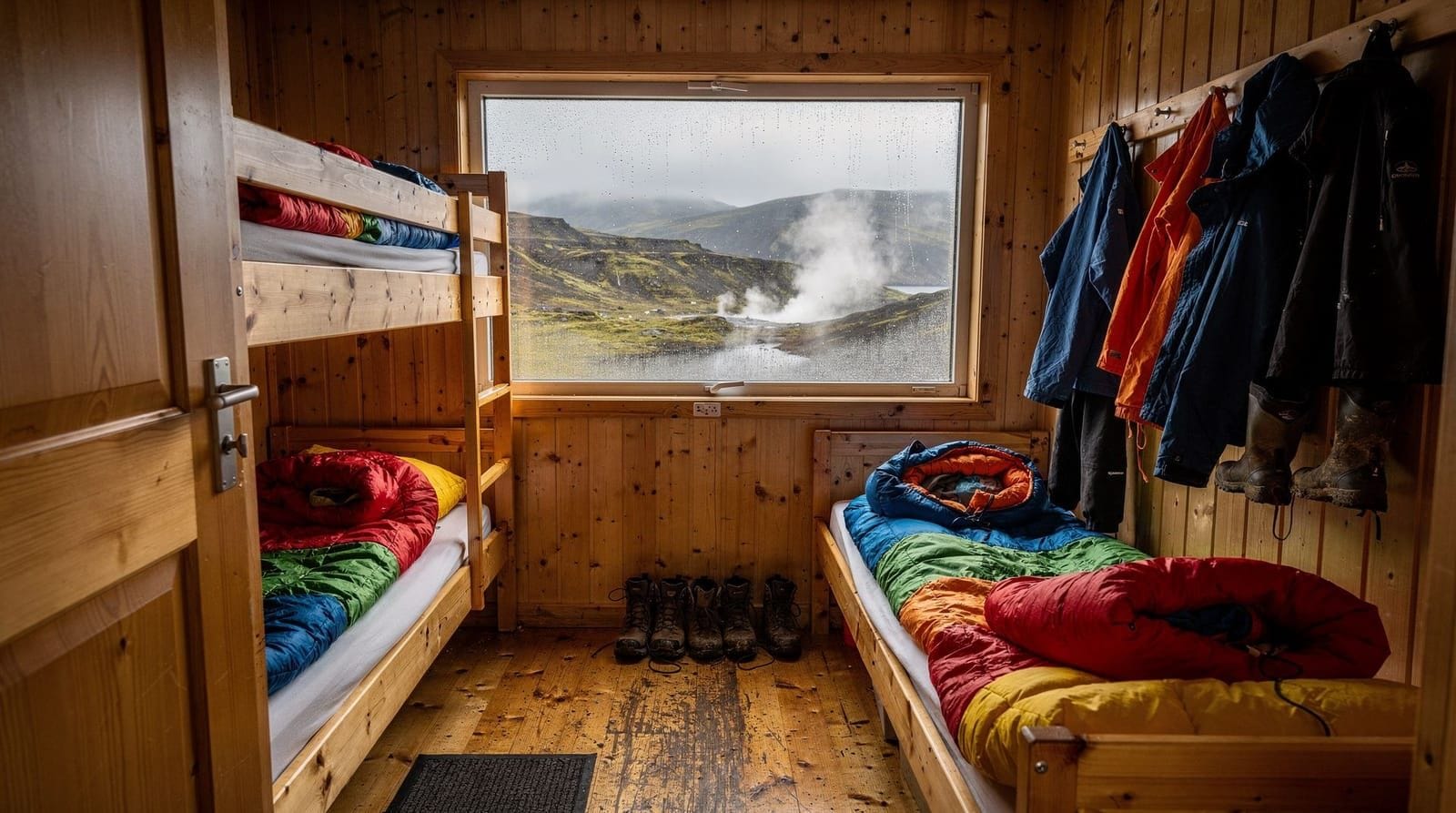
- Laugavegur trek hut-to-hut (40,000–60,000 ISK per person all in): transformative Iceland experience at a reasonable per-day cost given what’s included
- Whale watching Húsavík (14,000–17,000 ISK): the wildlife density in Húsavík is the best in Iceland; the experience is genuinely impressive
Consider carefully (high price, often substitutable):
- Blue Lagoon (7,900–16,000 ISK): if geothermal bathing matters to you, price it properly. Reykjadalur is free. Sky Lagoon is cheaper. The Blue Lagoon is also genuinely different — famous, architecturally distinctive, and the most accessible from KEF.
- Golden Circle guided tour (8,500–16,000 ISK): if you have a rental car, you don’t need a tour. Drive it yourself and add Kerid and Kerið/Haukadalur at your own pace.
Skip these:
- Organised tours to Seljalandsfoss, Skógafoss, Goðafoss: drive to them, they’re free
- Puffin tours from Reykjavik (12,000+ ISK): go to Látrabjarg or Dyrhólaey for free in summer
- Lava tunnel tours that charge 10,000 ISK for a short walk: Raufarhólshellir is the best accessible cave and it costs around 5,000 ISK; basic cave access is available cheaper elsewhere
Resources for budget travellers specifically
- r/VisitingIceland: Honest reports from recent visitors, including candid budget information. Search “budget” for recent threads.
- Free Iceland Walking Tour in Reykjavik: Tip-based walking tours, not truly free but 1,000–2,000 ISK tip is appropriate. Several operators.
- Camping Card operator: campingcard.is for card details and participating campsite directory
- Strætó app: For Reykjavik public transport
- Safetravel.is: Register your Ring Road route — a safety measure, not a cost, but worth doing
See how-much-does-iceland-cost for the full per-category cost breakdown, and free-things-to-do-iceland for the comprehensive list of zero-cost experiences.
Solo vs. couple vs. group: how the numbers actually change
The single biggest budget lever most travellers underestimate is group size, because car hire and private accommodation split evenly but food and activities don’t scale down at all:
| Travel style | Daily cost per person | Why |
|---|---|---|
| Solo, hostels + car rental | 25,000–35,000 ISK | Full car cost falls on one person; hostel dorms partly offset this |
| Couple, guesthouse + shared car | 20,000–28,000 ISK | Car and often accommodation split two ways |
| Group of 4, camping + shared car | 14,000–19,000 ISK | Car and campsite fees split four ways; food doesn’t get cheaper per head |
| Group of 4, guesthouse + shared car | 18,000–24,000 ISK | Better comfort than camping, still meaningful car savings |
The practical implication: if you’re travelling solo and cost is the priority, joining a shared minibus tour for at least the highlights (Golden Circle, South Coast) can work out cheaper per day than renting your own car solo, even though it feels like a “less independent” way to travel.