Icelandic food guide — what to eat, what to avoid, and what actually costs money
Reykjavik: Food walking tour 6 tastings
Duration: 3 hours
What is Icelandic food actually like?
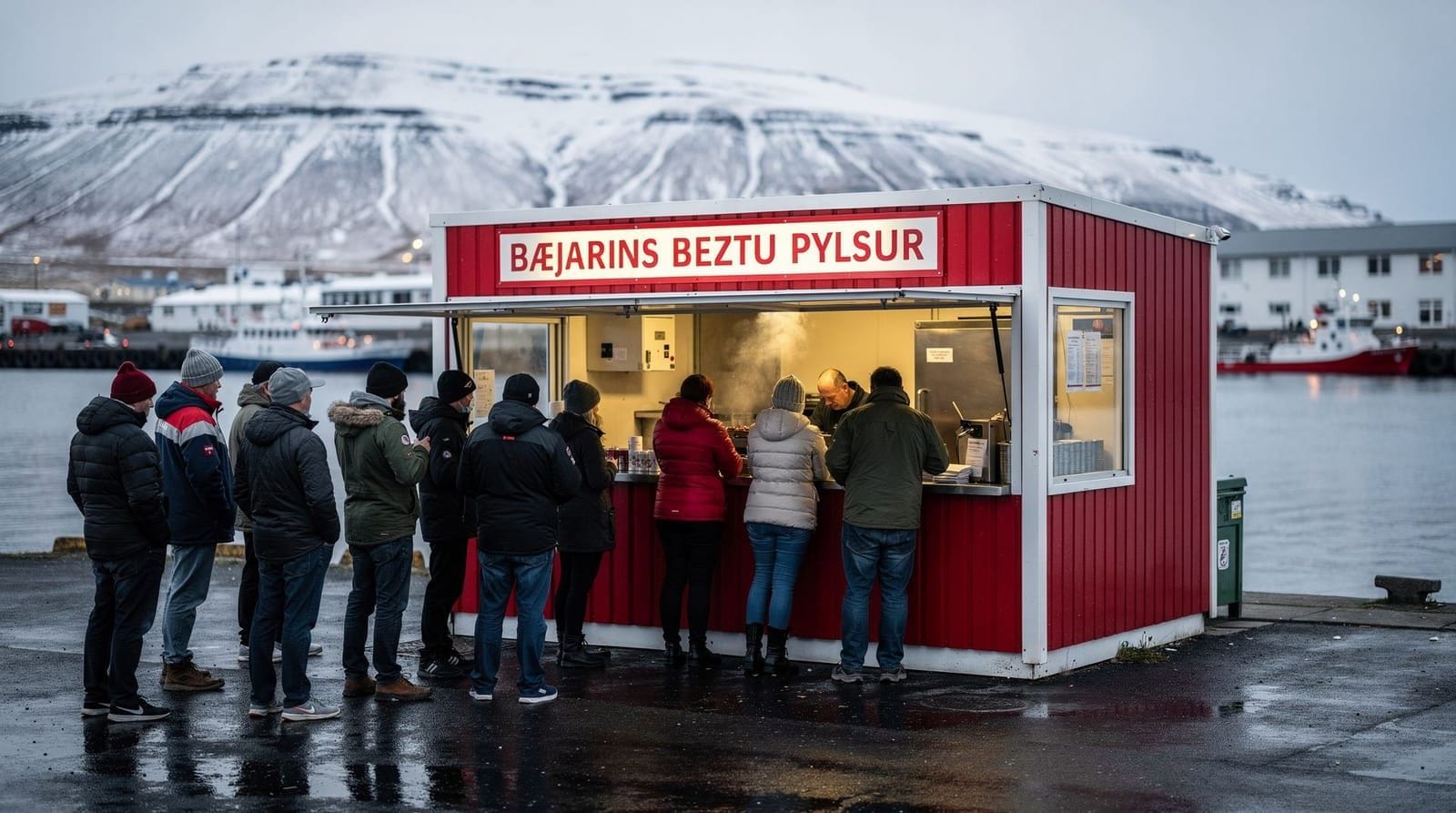
Icelandic cuisine centres on lamb, fish, dairy (especially skyr), and geothermally baked rye bread. The food is simple and ingredient-focused. Restaurants are expensive — a dinner for two at a mid-range Reykjavík place costs ISK 14,000–22,000 (EUR 95–150). Supermarkets and the iconic Bæjarins Beztu hot dog stand are the practical alternatives.
| Cheapest real meal | Bæjarins Beztu hot dog, around ISK 600–700 |
| Mid-range dinner | ISK 3,500–6,500 per main at a sit-down restaurant |
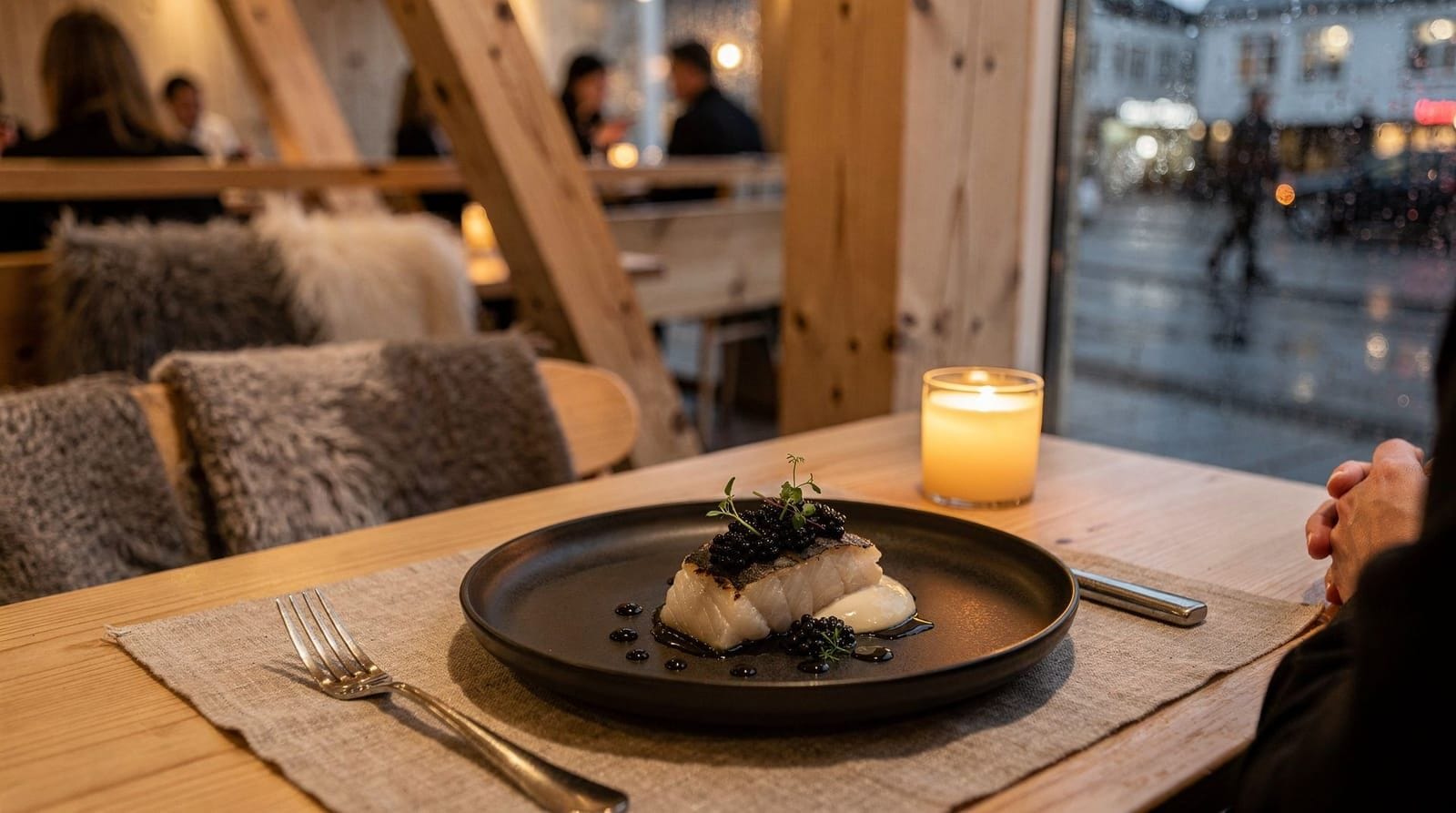
| Splurge | Dill (Michelin-starred), around ISK 24,000–28,000 tasting menu |
| Best value strategy | Self-cater breakfast/lunch from Bónus, one restaurant dinner every 2 days |
| Don’t buy | Bottled water — Icelandic tap water is excellent and free |
The honest reality of eating in Iceland
Iceland is among the most expensive countries in the world for food. A dinner at a mid-range Reykjavík restaurant costs ISK 3,500–6,500 per main course (approximately EUR 24–44). A beer is ISK 1,500–2,000 in a bar. A coffee and a pastry will set you back ISK 1,500–1,800.
This is not a rip-off — it reflects Iceland’s import costs, small population, high wages, and remote location. But travelling without budgeting for food is a common Iceland planning mistake.
The good news: Iceland’s food is genuinely good at every price level, and the cheapest options — supermarkets, hot dog stands, geothermal bakeries — are among the most Icelandic experiences you can have.
The core Icelandic ingredients
Lamb
Icelandic lamb is considered among the best in the world, for reasons that are verifiable rather than marketing. The sheep roam free in the highlands for summer, eating wild herbs, berries, and grass. The meat is leaner and more flavourful than most imported lamb. You will encounter it as kjötsúpa (lamb soup), slow-roasted leg (often at Christmas), on restaurant menus in various preparations, and sold at farm shops along rural routes.
At supermarkets, Icelandic lamb is often comparable in price to imported lamb. At restaurants, it is a centrepiece dish worth ordering: expect ISK 4,500–6,000 for a lamb main at a mid-range restaurant.
Fish
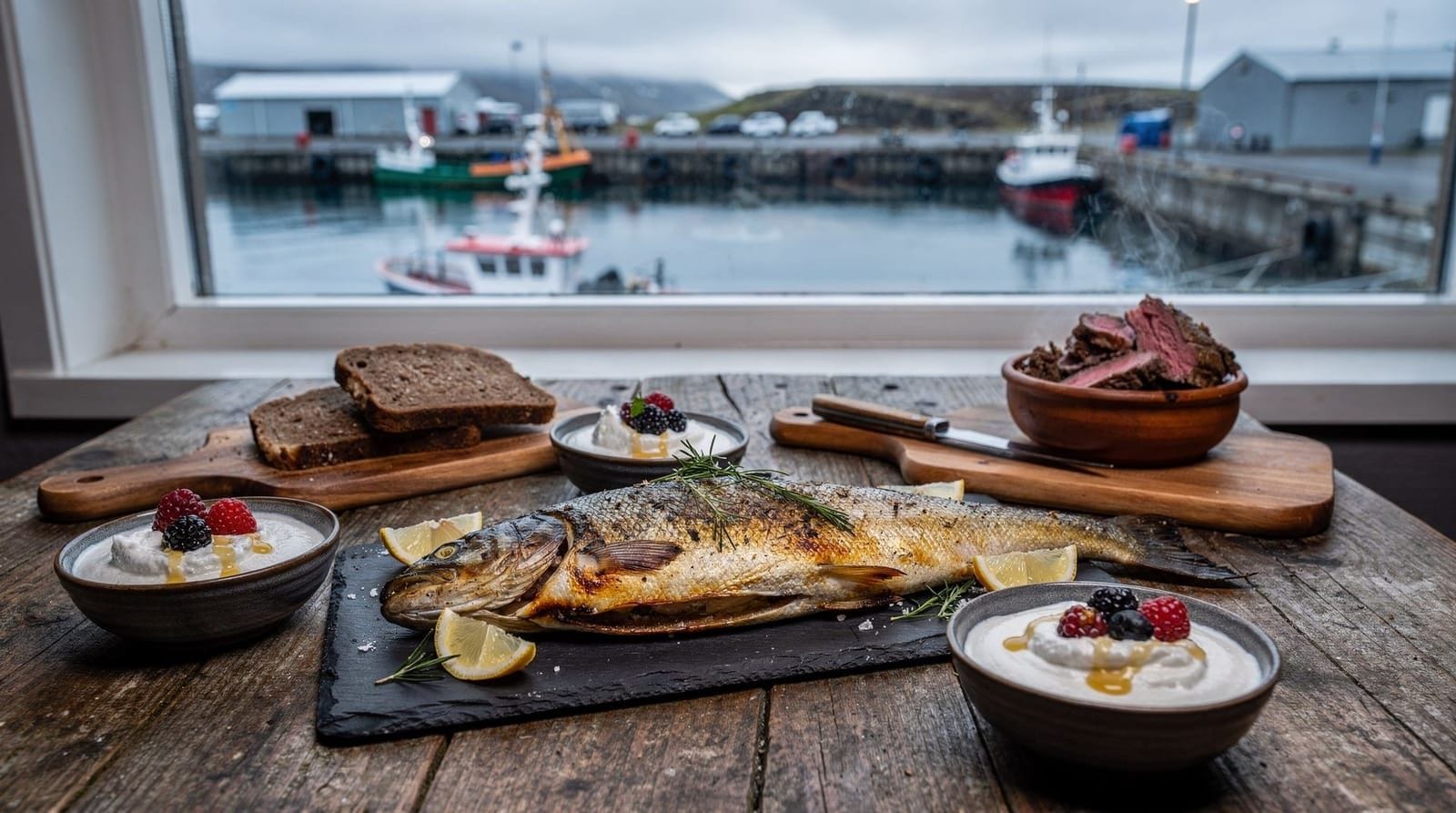
Iceland is one of the world’s major fishing nations, and the quality and variety of fish is exceptional. Cod (þorskur), haddock (ýsa), plaice (skarkoli), and Arctic char (bleikja) are common. Salmon (lax) is farmed and widely available.
The best fish is often found at the simplest places: the Fiskmarkaðurinn (fish market) at Reykjavík harbour sells fresh fish retail; some of the best fish and chips in the city come from casual places rather than expensive restaurants.
Plokkfiskur — a creamy fish hash made with cod or haddock, potatoes, and onions — is a traditional dish that appears on many menus. It is cheap, filling, and genuinely Icelandic.
Skyr
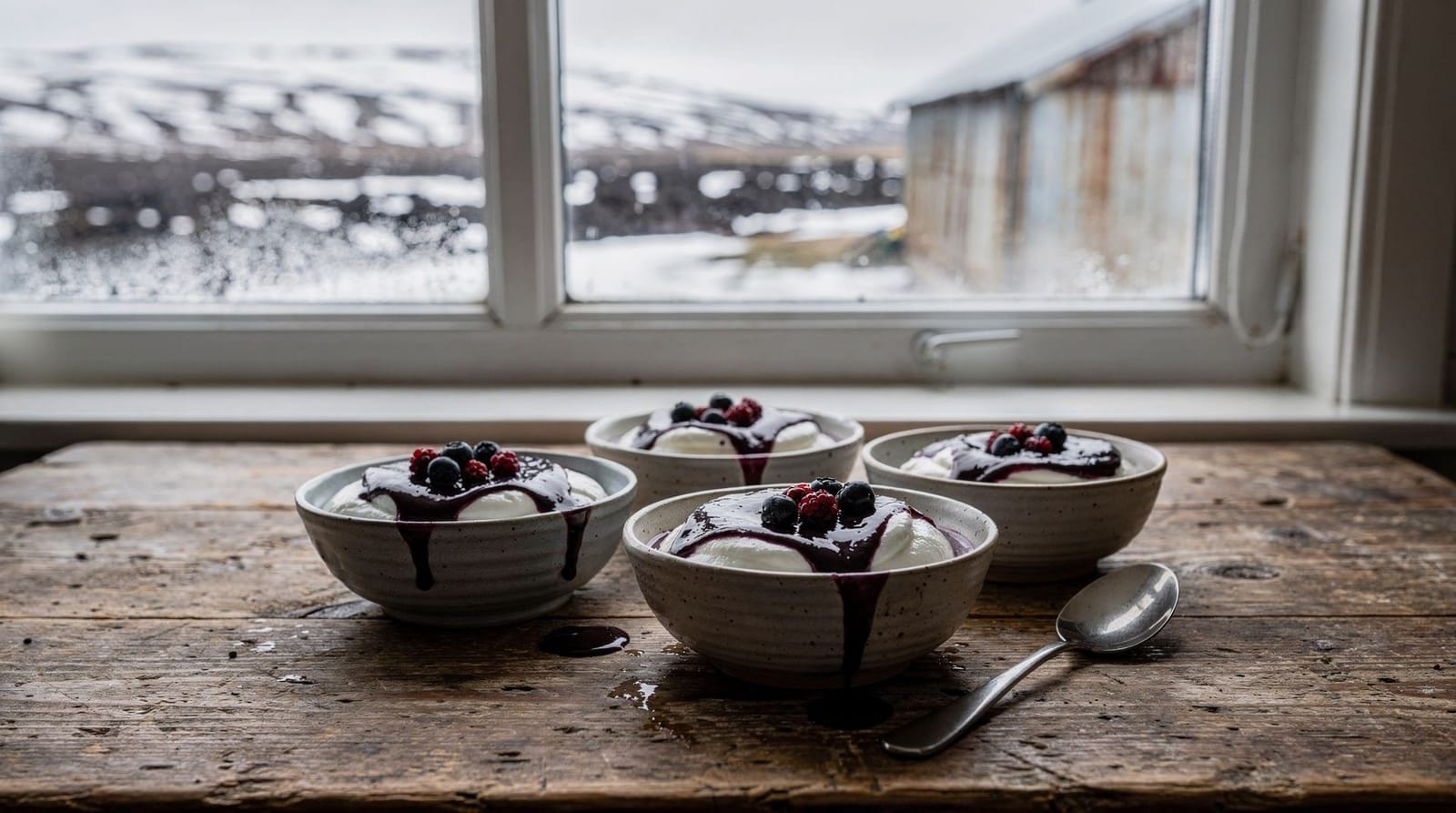
Skyr is an Icelandic dairy product classified as a fresh cheese but consumed as a thick yoghurt-like product. It is high in protein, low in fat, and slightly tangy. Icelanders eat it for breakfast, as a snack, or as dessert with blueberries and cream.
Supermarket skyr (Ísey, Siggi’s) costs ISK 400–600 for a 500g container and is one of the best value foods available in Iceland. See the skyr and dairy guide for more detail.
Rye bread (Rúgbrauð)
Dark, dense, slightly sweet rye bread is a staple. The traditional method involves leaving the bread dough to cook in the ground near a geothermal spring for 24 hours — this is called hverabrauð (hot spring bread). At Laugarvatn Fontana and other geothermal bakeries on the Golden Circle, you can watch the bread pulled from the ground and taste it fresh with butter and smoked salmon. It costs about ISK 600–800 per slice.
Hákarl — fermented shark
Fermented Greenlandic shark is the most famous “challenging” Icelandic food. The meat of the Greenlandic shark is toxic when fresh due to high trimethylamine oxide content, so it is fermented for 3–6 months to reduce the toxin. The result tastes strongly of ammonia with a fishy undertone.
Hákarl is served at þorrablót (midwinter festival, January–February) and sold in vacuum packs at some supermarkets and tourist shops. Eating it is not a meaningful cultural experience for most people — it is an acquired taste that Icelanders themselves no longer eat regularly. Try a small piece if curious, but do not feel obligated.
Restaurants worth knowing in Reykjavík
Dill
Iceland’s only Michelin-starred restaurant (one star, maintained since 2017) and the most cited reference point for new Nordic Icelandic cuisine. Chef Gunnar Karl Gíslason built a reputation here before moving to New York and returning. The focus is local, seasonal ingredients, foraged herbs, and Icelandic fish and lamb.
Dill offers a set tasting menu at approximately ISK 24,000–28,000 per person without drinks. Reservations are essential, often weeks in advance. Located on Hverfisgata in central Reykjavík.
Not for everyone, but if you want to understand what Icelandic ingredients can produce at the highest level, this is the reference.
Fish Company (Fiskfélagið)
Long-established restaurant on Vesturgata with an emphasis on fish and lamb in more contemporary presentations. Menu prices are ISK 4,500–7,000 for mains. The basement space has a warm atmosphere. More accessible than Dill but not casual — expect to spend ISK 12,000–18,000 per person with drinks.
Grillið at Hotel Holt
A traditional institution that has modernised over the years. Known for Icelandic lamb and Arctic char in formal surroundings. Expensive: expect ISK 6,000–8,000 for a main.
Krua Thai and cheaper options
For visitors who want to eat well without spending ISK 5,000 per main: Krua Thai on Tryggvagata, Hlöllabátar (submarine sandwiches, local chain), and the Hlemmur Mathöll food hall on Laugavegur are practical mid-range options with mains around ISK 2,000–3,000.
Reykjavík food walking tour — 6 tastings with a local guideStreet food and cheap eating
Bæjarins Beztu Pylsur
The hot dog stand at the Reykjavík harbour (Tryggvagata, near the old harbour) is arguably the most Icelandic food experience available. Bæjarins Beztu (“the best hot dogs in town”) has been operating since 1937 and remains a genuine local institution, not a tourist trap — Icelanders genuinely queue here regularly.
The pylsa (hot dog) is made with a mix of lamb, pork, and beef and served in a steamed bun with mustard, ketchup, remoulade, crispy onion, and raw onion. Total cost: approximately ISK 600–700. Bill Clinton famously ate one here in 2004 and ordered it með öllu (with everything).
The ordering culture: say “eina með öllu” (one with everything) unless you want to customise. See the hot dogs and street food guide for a fuller breakdown.
Geothermal bakery bread at Laugarvatn Fontana
On the Golden Circle route, the bakery at Laugarvatn Fontana sells freshly extracted geothermal rye bread with smoked salmon or butter for ISK 600–800 per portion. This is one of the better food experiences on the Golden Circle, and the combination of fresh bread, quality smoked salmon, and a lake view is genuinely pleasant.
Supermarkets
Bónus (recognisable by the pink pig logo) is the cheapest supermarket chain. Krónan is mid-range. 10-11 and Nettó are also common. Buying lunch and snacks at a Bónus and eating restaurant dinners is the standard budget strategy for Iceland visitors. The skyr, smoked salmon, Icelandic crackers (brauðhleifur), and fresh lamb at supermarkets are all worth trying.
Food costs: what to budget
Hot dog at Bæjarins Beztu: ISK 600–700. Coffee: ISK 700–900. Lunch at a casual place: ISK 2,000–3,000. Dinner at a mid-range restaurant, one main + one drink: ISK 5,000–8,000 per person. Dinner at a high-end restaurant with wine: ISK 15,000–25,000 per person. Supermarket picnic lunch (skyr, bread, smoked salmon): ISK 1,500–2,500.
Where value actually lies, by meal type:
| Meal type | Typical cost | Worth it? |
|---|---|---|
| Hot dog / street food | ISK 600–700 | Yes — genuinely good, genuinely cheap |
| Supermarket picnic | ISK 1,500–2,500 | Yes — best value for lunch |
| Casual café lunch | ISK 2,000–3,000 | Reasonable for a sit-down break |
| Mid-range restaurant dinner | ISK 10,000–18,000/person | Worth it once or twice per trip |
| High-end tasting menu (Dill) | ISK 24,000–28,000+/person | Only if fine dining matters to you |
For a full food budget calculation, see how much does Iceland cost and cheap eats Iceland.
Tipping
Tipping is not expected or customary in Iceland. Service is included in prices. Leaving a tip is not offensive and will be appreciated, but leaving nothing is normal and does not reflect badly. The tipping in Iceland guide has more context.
Alcohol prices
Iceland has state-controlled alcohol retail (Vínbúðin shops) and high taxes on alcohol. A 500ml can of beer at a Vínbúðin costs ISK 400–600. In a bar or restaurant: ISK 1,500–2,000 for a pint. Wine at a restaurant: ISK 1,800–3,000 per glass.
The Icelandic craft beer guide covers local breweries and what is worth trying. Gæðingur, Borg, and Kaldi are the main local craft producers.
Food tours as an efficient introduction
A food walking tour is a genuinely useful way to understand Reykjavík’s food scene in 3 hours. Good tours cover 4–6 tastings, explain the cultural context behind each dish, and visit places you might not find independently. Prices run ISK 12,000–18,000 per person.
Reykjavík Icelandic food tour — traditional dishes with a localFrequently asked questions about Icelandic food
What is the most Icelandic dish you can eat?
Kjötsúpa (lamb soup) is probably the most historically representative — simple, using local lamb and root vegetables, inexpensive, and found in almost every Icelandic family’s repertoire. Skyr is the most distinctively Icelandic ingredient that you can buy everywhere. The geothermal rye bread at Laugarvatn is the most theatrical food experience.
Is there vegetarian or vegan food in Iceland?
Yes, increasingly so. Reykjavík has several dedicated vegetarian and vegan restaurants (Garðurinn, Gló). Most mid-range restaurants have at least one vegetarian option. Outside Reykjavík, options narrow in smaller towns, where meat and fish dominate menus. Self-catering from supermarkets gives better vegetarian options in rural areas.
Is tap water safe to drink in Iceland?
Yes, completely. Icelandic tap water is cold, clean, and among the best in the world. Do not buy bottled water in Iceland — it is an unnecessary expense and wasteful. Restaurants serve tap water without charge if requested.
What is skyr and where can I buy it?
Skyr is a strained dairy product — similar in texture to Greek yoghurt but technically a fresh cheese. It is high in protein and lower in fat than yoghurt. Available in every Icelandic supermarket in plain and flavoured varieties. Price: ISK 400–600 for a 500g container. See the skyr and dairy guide for more.
How much does it cost to eat out in Reykjavík?
Budget ISK 3,500–6,500 per main course at a sit-down restaurant. A full dinner with drinks at a mid-range restaurant runs ISK 10,000–18,000 per person. A cheap lunch (soup and bread at a café, or a hot dog from the stand) runs ISK 700–2,500. See best restaurants in Reykjavík for specific recommendations.
Do Icelandic restaurants cater to food allergies?
Most Reykjavík restaurants accommodate common allergies (gluten, nuts, dairy) with advance notice. Icelandic food is generally simple in composition, which makes allergen management easier than in cuisines with complex sauces. Inform your server at the time of ordering; menus do not consistently label allergens.
Is fermented shark something I should try?
Try it if you are curious, but do not force yourself for cultural completeness. Hákarl has a powerful ammonia taste that most visitors find unpleasant. It is an acquired taste even for Icelanders. It will not harm you in a small amount. The better gateway to Icelandic food traditions is kjötsúpa, skyr, or the geothermal rye bread.
Can I eat well on a Ring Road trip without paying restaurant prices every night?
Yes — self-catering breakfast and lunch from supermarkets (Bónus, Krónan) in each larger town you pass through, then choosing one restaurant dinner every 1–2 days, is the standard budget approach. Petrol station food (N1, Olis) fills the gap on long driving days between towns.
Is Reykjavík’s food scene worth a dedicated food tour, or can I explore it myself?
Both work. A guided food tour is efficient if you have limited time and want context on each dish without researching it yourself; exploring independently (Bæjarins Beztu, Hlemmur Mathöll food hall, a Bónus visit) costs less and lets you set your own pace. Neither is objectively better — it depends on how much you value guided context versus flexibility.
The þorrablót midwinter festival food tradition
Þorrablót is a midwinter festival celebrated in January and early February, based on the old Norse lunar month of Þorri. The tradition lapsed in the 19th century and was revived in Reykjavík in 1958 at a restaurant called Naustið. It has since become a significant cultural event with regional festivals across Iceland.
The food at þorrablót is called þorramatur — a platter of traditional preserved foods that represent what Icelanders ate during winter before refrigeration:
- Hákarl: Fermented Greenlandic shark (the ammonia-smelling one).
- Svið: Singed sheep’s head, split in half and boiled. The cheek meat and tongue are edible.
- Hrútspungar: Ram’s testicles, pressed in whey and pickled.
- Hangikjöt: Smoked lamb (the most approachable item on the platter).
- Rúgbrauð: Dark rye bread.
- Skyr: Plain skyr, as a dairy contrast.
- Brennivín: Iceland’s caraway-flavoured aquavit, essential as a digestive companion to the more challenging items.
Most visitors who encounter þorramatur do so at tourist-oriented þorrablót events that operate in January and February with English explanations. Trying the items is the point. The hákarl and hrútspungar are acquired tastes; the hangikjöt and rúgbrauð are genuinely good. Brennivín is well-made and worth trying regardless of the food context.
Lamb in Icelandic food: beyond restaurant menus
Icelandic lamb is sold at supermarkets and farm shops throughout the country, often at prices that make self-catering with lamb an excellent option.
At supermarkets: Leg of lamb (lambslæri), shoulder (herðar), and minced lamb are available fresh or frozen. A boneless leg runs ISK 2,500–4,000. For visitors with kitchen access (apartment rentals, campervan kitchens), slow-roasting lamb with fresh herbs is straightforward and produces results comparable to restaurant quality.
At farm shops: Along rural routes, particularly in the south and west, farm shops sell direct-from-farm lamb products including smoked lamb (hangikjöt), sausages, and preserved preparations. Prices are sometimes lower than supermarkets and the quality is typically excellent.
The réttir (autumn sheep roundup): Iceland’s sheep roam free in the highlands from June through September, then are herded back to farms in late September and October. The réttir — the communal roundup and sorting — is one of Iceland’s most distinctive rural traditions. Attending a réttir as a visitor is possible through farm tourism organisations. The lamb that appears on Icelandic tables in winter is the result of this cycle.
Icelandic fishing community food culture
Iceland’s fishing heritage shapes food culture in ways that go beyond restaurant menus. In fishing towns along the Ring Road, local food reflects what came off the boats:
Húsavík: Northeast coast town known for whale watching, but harbour-side restaurants serve excellent fresh fish from the local fleet. The combination of whale watching in the morning and lunch at a harbour café is logistically natural.
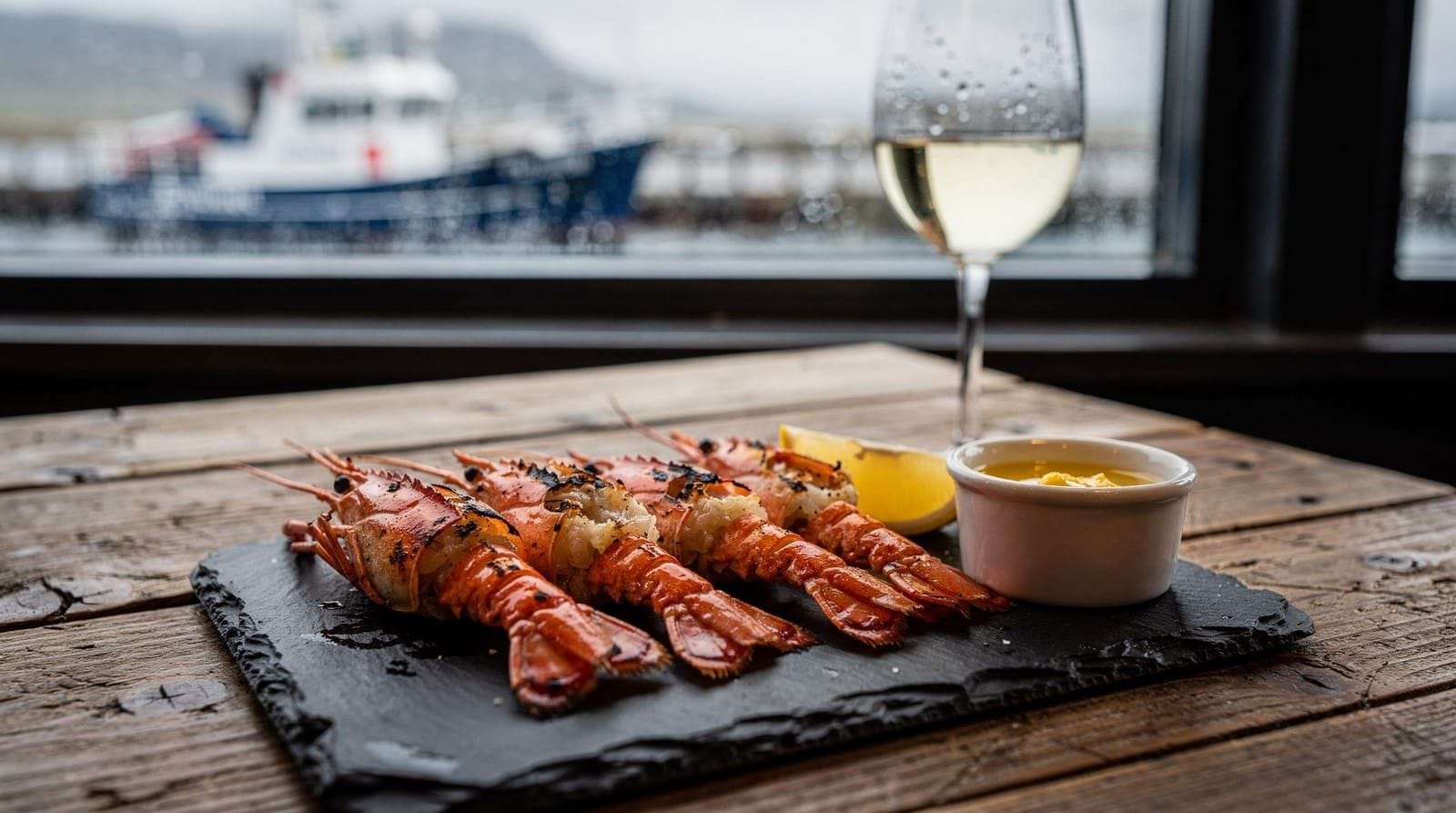
Höfn: Southeast Iceland town at the base of Vatnajökull glacier. The August Langoustine Festival (Humarhátíð) transforms this small town into a celebration of langoustine at near-catch prices — ISK 2,000–4,500 for a full langoustine dish versus ISK 8,000+ in Reykjavík. Worth timing a Ring Road trip to coincide with this event.
Stykkishólmur: Snæfellsnes Peninsula fishing town where the ferry to the Westfjords departs. Good harbour café serving the day’s catch. The scallop (hörpudiskur) from Breiðafjörður is a local speciality occasionally available in season.
Ísafjörður: Capital of the Westfjords, one of Iceland’s most remote inhabited towns. The combination of isolation and active fishing fleet means seafood here is exceptionally fresh and prices are competitive. The Westfjords’ remoteness also means fewer tourists in restaurants.
The Icelandic breakfast
Hotel and guesthouse breakfasts across Iceland follow a consistent format:
- Skyr (flavoured varieties) and plain yoghurt
- Smoked salmon (inevitably present)
- Rye bread and white bread
- Butter and various jams
- Hard-boiled eggs or scrambled eggs
- Cereal
- Coffee (variable quality, typically filter or Nespresso capsules)
- Juice
The smoked salmon and rye bread combination, which in any other country would be an expensive delicacy, is a default breakfast item across Iceland. Taking full advantage of hotel breakfast — particularly at properties that include it in room rate — significantly reduces daily food costs.
For budget travellers, a large hotel breakfast can effectively cover until dinner with strategic snacking from a Bónus supermarket in between.
Eating well on a Ring Road self-drive
Food logistics change once you leave Reykjavík. Service towns along the Ring Road — Vík, Höfn, Egilsstaðir, Akureyri — have a small number of restaurants each, and prices don’t drop much despite being further from the capital; if anything, transport costs push them slightly higher in the most remote stretches. The practical approach: buy supermarket supplies for breakfast and lunch in Reykjavík or the first large town you pass (Selfoss, for a south-coast start), then budget one restaurant dinner every 1–2 days rather than every night.
Petrol stations (N1, Olis) double as informal food stops on longer driving days — most sell reasonable soup, sandwiches, and the ubiquitous pylsur, and some have a genuinely decent hot food counter. This matters most in the east fjords and parts of the Westfjords, where the distance between towns with a proper restaurant can exceed 100 km.
A cooler bag and a car-safe stash of skyr, bread, and cured meats extends the self-catering strategy well beyond Reykjavík and meaningfully reduces the total food bill on a 7–10 day trip.
Private Reykjavik city and food walking tourRegional food specialities worth seeking out
Beyond the fishing-town food culture already covered, a few regional specialities reward a slight detour:
Vestmannaeyjar (Westman Islands): Puffin was historically eaten here, though most visitors today encounter puffin only via the museum context rather than the menu, as conservation-minded attitudes have shifted. Fresh seafood remains the strength.
Mývatn area: Geothermally baked bread and smoked trout from the lake are local specialities, often served at the area’s guesthouses and the Vogafjós cowshed café, which serves meals in view of its own dairy cows.
South coast farm cafés: Several farms along the south coast (particularly around Vík and Skógar) run small cafés serving their own lamb, skyr, or vegetables — a more direct farm-to-table experience than anything available in Reykjavík.
Top experiences
Bookable activities with verified prices and instant confirmation on GetYourGuide.
Top experiences
Best-rated activities across GetYourGuide and Viator.

Reykjavík All In One Food Tour - Eat, Drink & Explore with Locals
- Viator

Akureyri Food Walk With 4-5 Tastings and a Local Guide
- Viator

Private Snæfellsnes Peninsula and local Lunch
- Viator
Akureyri: From Akureyri lake Myvatn guided tour with lunch
- GetYourGuide
Akureyri: Private walking tour
- GetYourGuide
Akureyri: Port city walk local food
- GetYourGuide