Best restaurants in Reykjavík — honest picks across every budget
Reykjavik: Food walking tour 6 tastings
Duration: 3 hours
What are the best restaurants in Reykjavík?
Dill is Iceland's only Michelin-starred restaurant for a special occasion. For fish, Fiskmarkaðurinn (Fish Market) and Fiskfélagið (Fish Company) are reliable. For budget eating, Hlemmur Mathöll food hall, Bæjarins Beztu hot dogs, and Bónus supermarket picnics are all more Icelandic than the tourist-facing options on the main strip.
Eating in Reykjavík: the cost reality first
Reykjavík is expensive. Not expensive in the sense that you feel ripped off, but expensive in the sense that the baseline for a sit-down meal is significantly higher than most of Europe or North America. A main course at a mid-range restaurant runs ISK 3,500–6,500 (approximately EUR 24–44). Wine by the glass starts at ISK 1,800. A shared starter and two mains with drinks for two people at a mid-range place: ISK 18,000–25,000 (EUR 120–170).
This guide is honest about pricing, avoids restaurants that have slipped on quality while keeping prices high, and covers the full range from ISK 650 to ISK 25,000 per person.
| Cheapest good meal | Bæjarins Beztu hot dog, around ISK 600–700 |
| Best mid-range value | Messinn or Sægreifinn, around ISK 2,200–4,500 |
| Special occasion | Dill (Michelin), around ISK 24,000–28,000/person |
| Reservations | Essential for Dill; recommended weekends at Fish Company, Fish Market, Messinn |
| Where | Concentrated in Reykjavík city centre, walkable from Laugavegur |
The Michelin star tier
Dill (Hverfisgata 12)
Iceland’s one Michelin-starred restaurant since 2017, and consistently the reference point for what Icelandic fine dining can be. Chef Gunnar Karl Gíslason serves a tasting menu built around Icelandic ingredients — Skagafjörður lamb, Arctic char from highland rivers, foraged herbs and mushrooms, sea buckthorn, skyr-based desserts. The menu changes seasonally.
Price: ISK 24,000–28,000 per person for the tasting menu, without drinks. Wine pairing adds ISK 10,000–12,000 per person. Reservations essential, often weeks out in peak season.
Who it is for: visitors who want to understand Icelandic ingredients at their most thoughtfully prepared, and who have the budget. Not worth forcing yourself into if money is genuinely tight — the same ingredients appear at much lower prices elsewhere.
High-end fish restaurants (ISK 5,000–8,000 per main)
Fiskmarkaðurinn — Fish Market (Aðalstræti 12)
The building is in Reykjavík’s oldest neighbourhood and the space feels substantial: exposed stone walls and wooden beams. The menu blends Icelandic fish with pan-Asian influence — a combination that appeared often in Reykjavík restaurants of the 2010s and works better here than most places.
Recommended: the sushi starter board, any of the whole fish mains, the langoustine bisque when available. Mains: ISK 5,000–7,500.
Fiskfélagið — Fish Company (Vesturgata 2a)
Basement space beneath a 19th-century building. Established, reliable, and more traditionally Icelandic in flavour profile than Fiskmarkaðurinn. Arctic char and cod preparations are consistently good. The lamb is worth ordering if you are not committed to fish.
Mains: ISK 4,500–7,000. Reservations recommended at weekends.
Apotek Kitchen + Bar (Austurstræti 16)
In a former pharmacy building on the city’s main walking street. More of a brasserie style than a fish specialist, but the fish dishes are very good and the space is dramatic. Popular for both dinner and cocktails. Mains: ISK 4,500–6,500.
Mid-range reliable (ISK 2,500–4,500 per main)
Þrír Frakkar (Baldursgata 14)
“Three Overcoats” in English. A small, old-fashioned restaurant that has been serving traditional Icelandic dishes since 1989. The décor is busy and lived-in. The food is straightforwardly Icelandic: whale steak (available, though controversial — see below), plokkfiskur (fish hash), smoked puffin, guillemot. This is the place to eat traditional Icelandic food without a modernist menu.
Mains: ISK 3,200–5,500. Cash only in the past — check current payment policy.
On whale meat: eating whale is a polarising topic. Iceland still hunts fin and minke whales commercially. Many visitors choose to avoid it on ethical grounds; others try it. Þrír Frakkar is one of the few places that serves it without making it a spectacle. This guide neither encourages nor discourages the choice.
Messinn (Lækjargata 6b)
Famous for its cast-iron skillets of fish, served sizzling at the table with bread and salad. The langoustine skillet and the fish of the day skillet are the signature dishes. Good value relative to the quality. Mains: ISK 2,800–4,500. No reservations — arrive early or expect a queue at dinner time.
Sægreifinn — Sea Baron (Geirsgata 8)
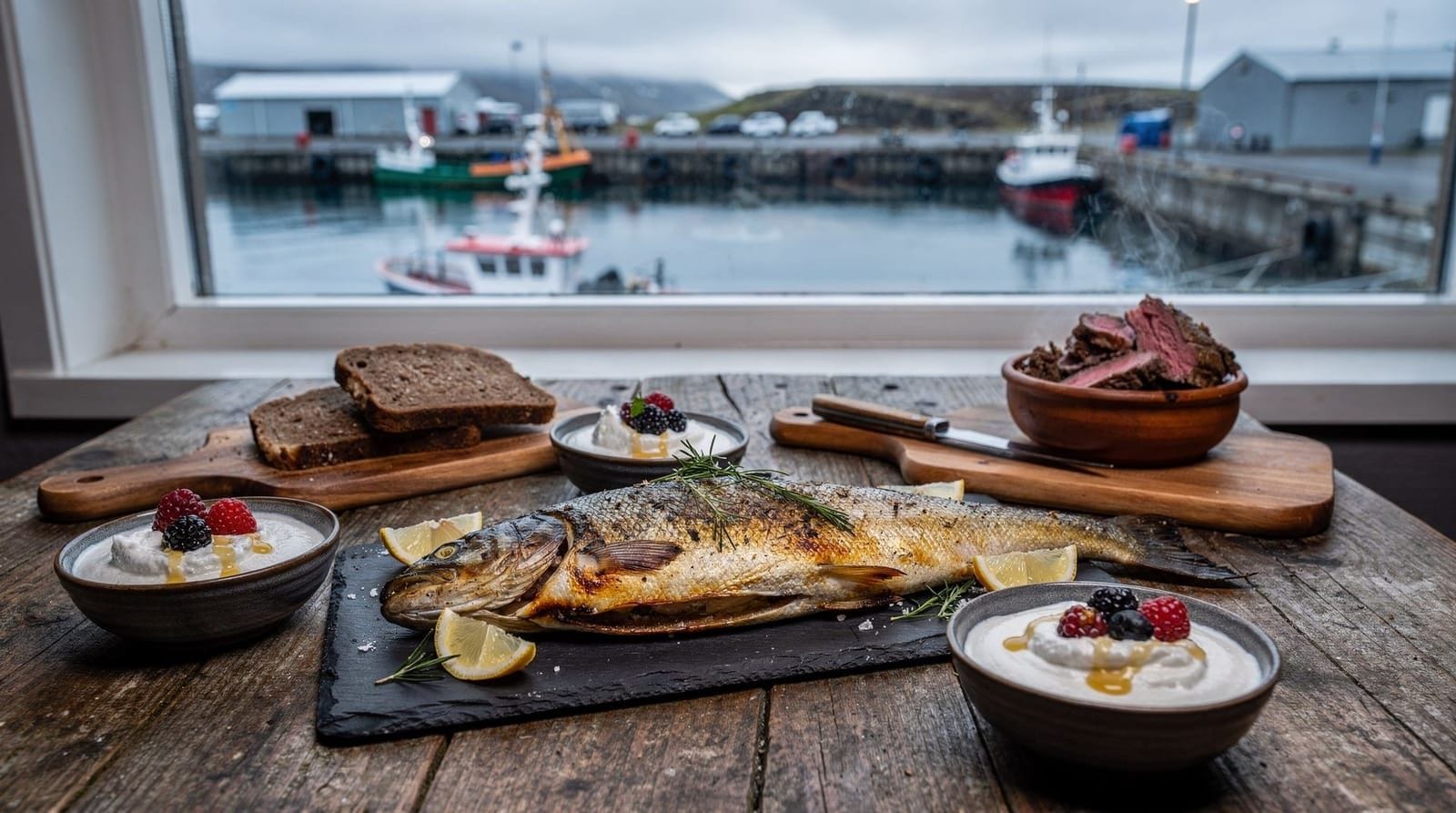
Harbour-side, informal, slightly theatrical (decorated with fishing boat gear and taxidermied marine animals). Famous for lobster soup — ISK 2,200 a bowl — and skewered fish and whale kebabs. The lobster soup is excellent and represents good value by Reykjavík standards. The harbour location near the Old Harbour is pleasant on a calm day.
Reykjavík food walking tour — 6 tastings, local guide, 3 hoursBudget options and local eating (under ISK 2,500 per main)
Bæjarins Beztu Pylsur (Tryggvagata, by the old harbour)
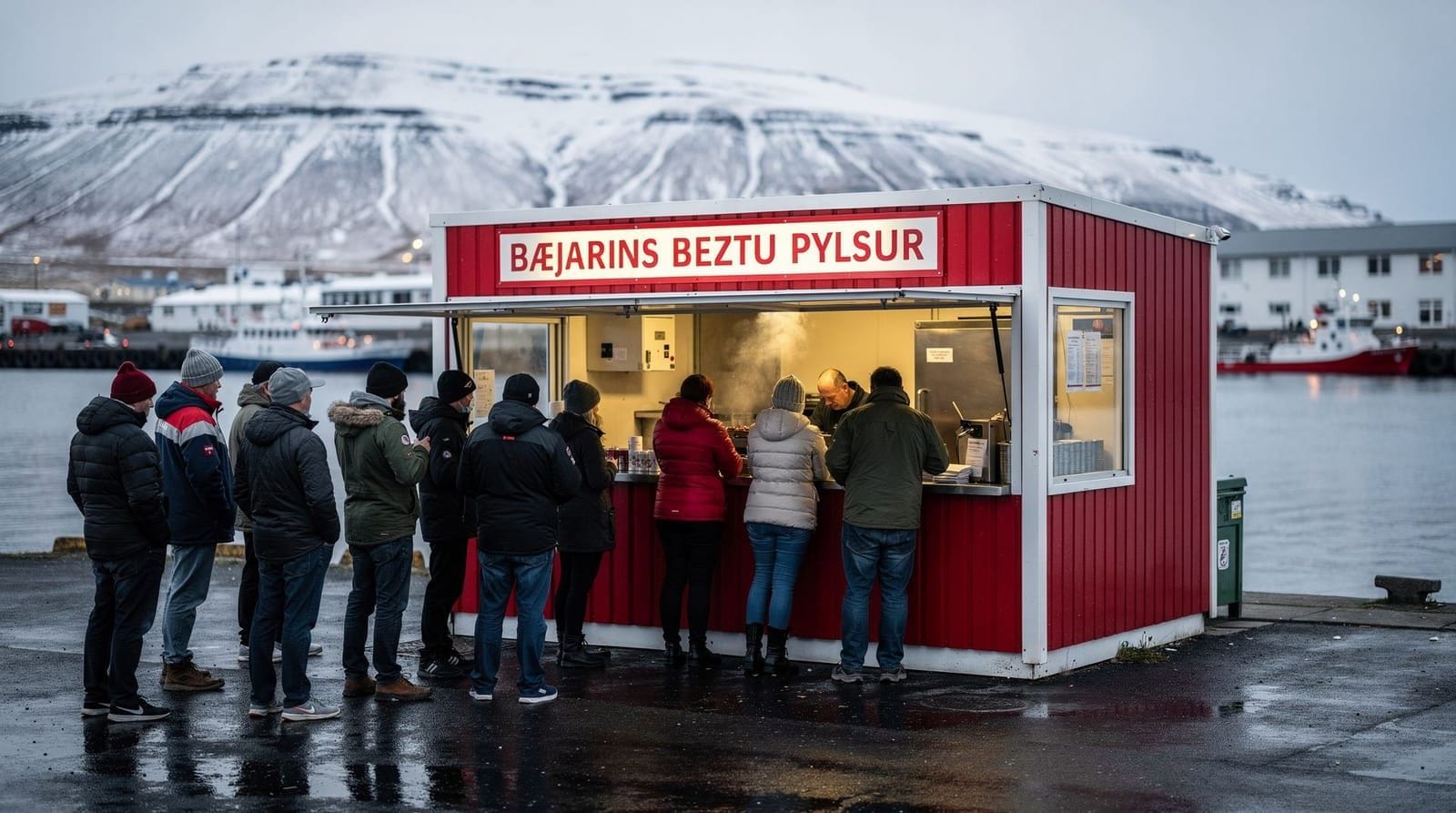
The most authentic Reykjavík food experience that costs under ISK 1,000. The hot dog stand has been at this location since 1937 and serves pylsur (Icelandic hot dogs — a lamb, pork, and beef blend) in steamed buns. Order it með öllu (with everything) unless you want to customise: that means mustard, ketchup, remoulade, crispy onions, and raw onion. ISK 600–700. For the fuller picture of Iceland’s street food beyond this one stand, see hot dogs and street food.
This is not a tourist attraction that locals tolerate. Icelanders genuinely eat here regularly. The distinction matters.
Hlemmur Mathöll (Laugavegar 107)
A food hall in the former Hlemmur bus station, converted in 2017. Eight to ten small kitchens occupy the space, with variety: ramen, Icelandic burgers, seafood, vegetarian, ice cream. The quality is mixed — some vendors are much better than others — but it is a good place to eat well for ISK 2,000–3,500 per person and is reliably open for lunch.
Café Loki (Lokastígur 28)
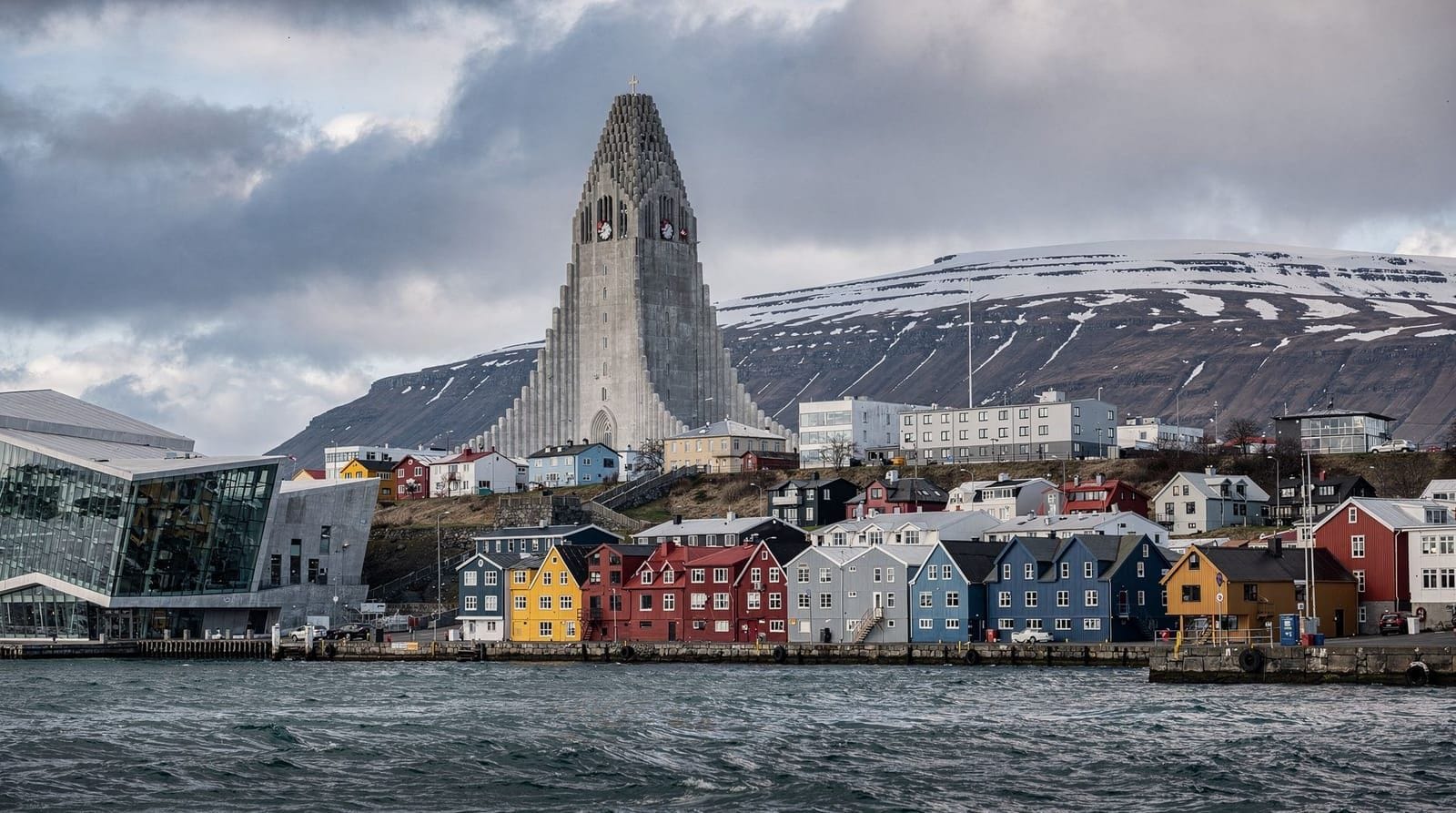
Across from Hallgrímskirkja church. Traditional Icelandic dishes — rye bread ice cream, lamb and fish soups, skyr cakes — at accessible prices. A tourist-facing menu but not at tourist-only prices. Mains: ISK 1,800–3,200. Good for a quick Icelandic lunch while walking the city.
Gló (Laugavegur 20b and other locations)
Reykjavík’s best-established wholefood and vegetarian restaurant. Bowls, salads, soups, and a daily hot dish that is always vegetarian. ISK 2,000–3,000 per bowl. Multiple Reykjavík locations. Consistent quality.
The Laugavegur strip — what to know
Laugavegur is Reykjavík’s main shopping and restaurant street. It has genuinely good options but also a concentration of tourist-facing places that are overpriced for what they serve. The restaurants that have been on the strip for 10+ years and are still full of locals (Gló, Kaffivagninn, Café Babalu) tend to be more reliable than recent openings with aggressive social media presence and minimal substance.
Practical tips for eating in Reykjavík
Lunch versus dinner pricing: Many of Reykjavík’s better restaurants offer lunch menus at significantly lower prices than evening menus. A two-course lunch at a mid-range restaurant runs ISK 2,800–4,200 versus ISK 6,000–9,000 for equivalent evening dining. If budget matters, eat main meals at lunch and lighter dinners.
Reservations: Essential for Dill and recommended for Fish Company, Fish Market, and Messinn on weekends. For casual places and the hot dog stand, no reservations possible or needed.
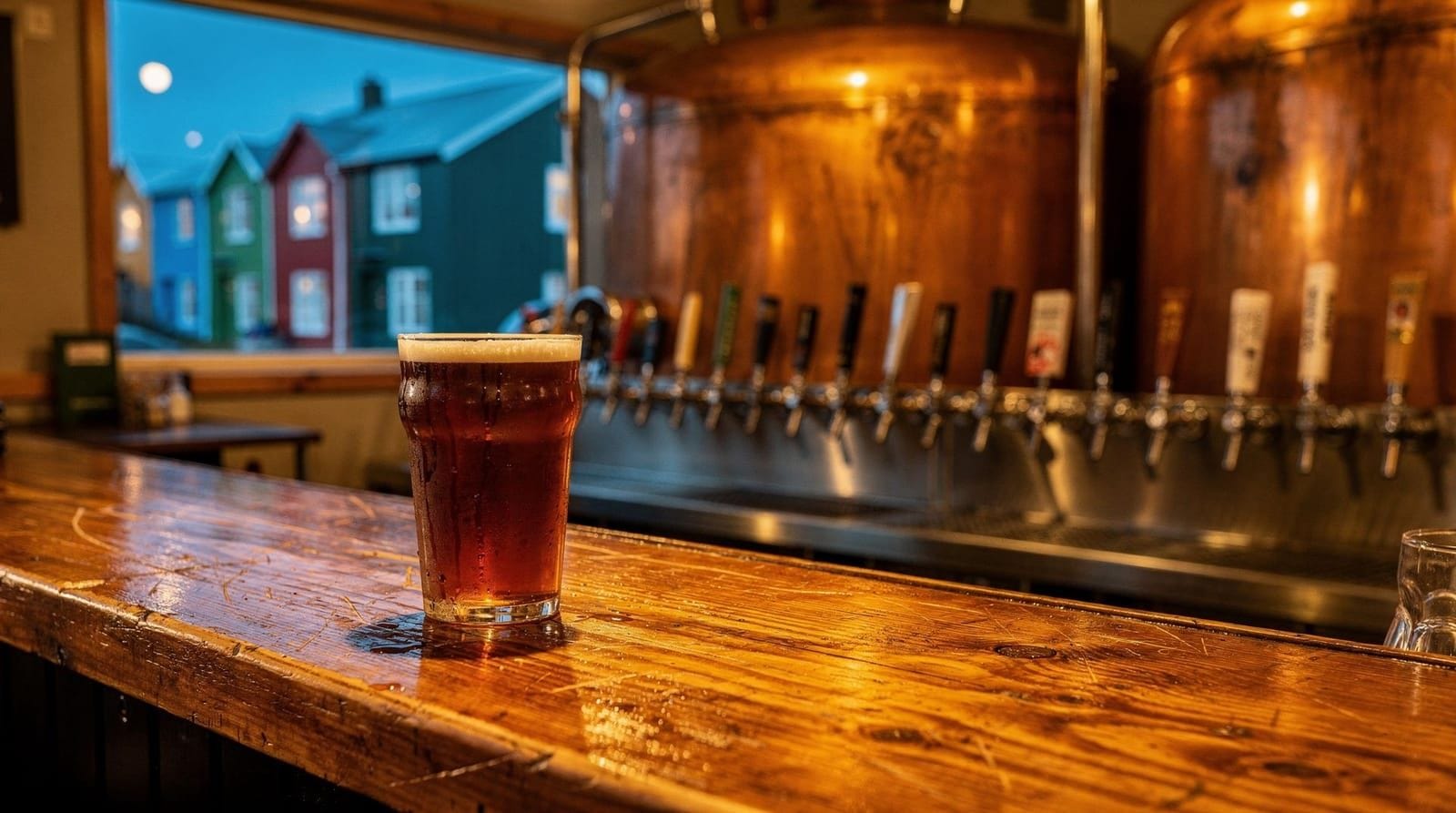
Alcohol costs: A beer at a restaurant runs ISK 1,500–2,000. Wine by the glass ISK 1,800–3,500. Cocktails ISK 2,000–3,000. If drinks are a significant part of your meal spending, buy spirits or wine at a Vínbúðin state alcohol shop (significantly cheaper than restaurant prices) and drink before or after dinner. For a broader look at where and how Icelanders drink, see Icelandic craft beer.
Tipping: Not expected or customary. Service is included in prices. Leaving a tip is appreciated but leaving nothing is normal and does not indicate dissatisfaction. For more context, see tipping in Iceland.
Private Reykjavík city and food walking tour — 3.5 hoursFrequently asked questions about Reykjavík restaurants
What is the most affordable good meal in Reykjavík?
A hot dog from Bæjarins Beztu at ISK 600–700 is the cheapest and most authentic. For a sit-down meal, the langoustine soup at Sægreifinn (ISK 2,200) or a bowl at Gló (ISK 2,000–3,000) offer good quality at accessible prices.
Which Reykjavík restaurants are worth the high price?
Dill is worth it if fine dining matters to you and budget allows. Fiskfélagið (Fish Company) and Messinn represent fair value for their quality level. Most other expensive restaurants can be matched in food quality by something cheaper — the premium in Reykjavík dining is often for location and ambience rather than ingredients.
Is Dill worth the money?
At ISK 24,000+ per person, Dill requires a genuine commitment. If Iceland’s ingredients and new Nordic cuisine are interesting to you, and you want a benchmark experience, yes. If you would rather spend that money on experiences, activities, and more nights at a guesthouse, the trade-off is not obvious in Dill’s favour.
Do Reykjavík restaurants cater for vegetarians?
Increasingly well. Gló is the best-established vegetarian option. Most mid-range restaurants have at least one vegetarian dish. Fish-free eating is more challenging at traditional restaurants but manageable. Dill can accommodate dietary requirements with advance notice.
When do Reykjavík restaurants close?
Most restaurants serve dinner from 17:30 or 18:00 and close kitchens at 22:00 or 23:00. The bar and social scene continues later, particularly on weekends. Lunch is typically 12:00–14:30. Late-night eating options are limited — a few pizza places and the 24-hour 10-11 convenience store fill the gap after 23:00.
Can I eat whale in Reykjavík?
Yes. Whale meat (usually minke) is served at a handful of traditional restaurants including Þrír Frakkar and Sægreifinn. It is not banned and not hidden. Whether to eat it is a personal ethical decision — Iceland hunts fin and minke whales commercially, a practice that remains internationally controversial.
Is the fish and chips at Reykjavík harbour good?
There are several casual fish and chip operations at the Old Harbour (Grandagarður). Quality varies: the Fisherman’s restaurant (Vesturgata side) and Íslenski Barinn both serve reliable versions. Expect ISK 2,200–3,000 for a plate. Not dramatically better than a good restaurant fish main, but significantly more casual.
Reykjavík’s food neighbourhoods
Reykjavík is compact enough that most eating options are walkable from the city centre. Understanding the geography helps planning:
Laugavegur and Skólavörðustígur: The main shopping street and its perpendicular carry the highest concentration of restaurants, cafés, and bars. Variable quality — the foot traffic means some tourists traps persist. The best places on this street are those that were here before 2010.
Old Harbour (Grandi and Grandagarður): The harbour district west of the city centre has transformed from active fishing infrastructure to a culture and food district over the past 15 years. Marshall House (contemporary art), the harbour food hall, several good restaurants, and the whale watching departure point are all here. A good 30-minute walk from the city centre, or a 10-minute bus.
Vesturbær (West Reykjavík): A residential neighbourhood with neighbourhood cafés and restaurants that cater primarily to locals. Less tourist-facing, proportionally better value. The Swimming Hall (Sundhöllin) is in this area.
Hlemmur area: The old bus terminal and the food hall anchor a small cluster of restaurants. Less concentrated than Laugavegur but the Hlemmur Mathöll is here.
What Reykjavík restaurants do well
Icelandic ingredients — particularly fish, lamb, and dairy — are genuinely excellent, and Reykjavík’s best restaurants cook them with skill and knowledge. Where the restaurant scene is weaker:
Wine lists: Wine is expensive in Iceland (imported, high tax), and the wine lists at mid-range restaurants often represent poor value. A passable house wine by the glass costs ISK 1,800–2,500. House wines at cheaper end are often thin and acidic. If wine matters, buy a decent bottle from Vínbúðin before dinner (significantly cheaper) and BYO if the restaurant permits it (most do not, but some do for a small corkage fee).
Vegetable courses: Iceland’s produce is primarily greenhouse-grown (tomatoes, cucumbers, herbs) or imported. The vegetable component of Icelandic cooking is historically limited — the climate and soil preclude most outdoor cultivation. Better restaurants source good imported produce, but do not expect seasonal vegetable creativity comparable to, say, a Scandinavian restaurant in Copenhagen.
Desserts: Icelandic desserts tend toward skyr cake, skyr with berries, and cream-based preparations. Not a tradition of intricate pastry. If you want compelling desserts, the bakeries (Sandholt) are often better than restaurant dessert menus.
Restaurant hours and booking reality
Lunch service: Typically 11:30–14:30. Many better restaurants do not take bookings for lunch; arrive within the first 30 minutes to avoid a queue.
Dinner service: Kitchens generally open 17:30–18:00 and close at 22:00–22:30. Last orders are often 21:30–22:00.
Weekend booking: Essential for the better mid-range and high-end restaurants on Friday and Saturday from May through September. Book 1–2 weeks ahead for weekend dinner reservations.
Walk-in reality: Messinn does not take reservations — arrive early (17:30 when doors open) or accept a 45-minute queue. Þrír Frakkar sometimes has same-day availability if you call in the morning.
Alcohol at Reykjavík restaurants
Iceland’s alcohol laws have specific implications for restaurant dining:
Minimum age: 20 for any alcohol purchase. ID may be checked.
Opening hours for bar areas: Some Reykjavík restaurants have liquor licences that allow bar service until 01:00 or later on weekends, but the restaurant kitchen closes much earlier.
Corkage: Not commonly practised. If you want to bring your own wine, ask when booking. Some restaurants allow it for ISK 500–1,500 corkage; many do not.
Happy hour: Some bars and casual restaurants offer reduced drink prices between 17:00 and 19:00 on weekdays. Not universal, but worth checking at your chosen venue.
The cost calculation: Two people having wine with dinner at a mid-range Reykjavík restaurant should budget ISK 5,000–8,000 for drinks alone if each having two glasses of wine. Pre-dinner drinks at a Vínbúðin (ISK 700–900 for a good bottle of wine) significantly reduces the total bill without compromising the dinner experience.
Reykjavík’s international food scene
Iceland’s population includes significant immigrant communities from Poland, the Philippines, Thailand, and other countries. This has produced a modest but genuine international food scene beyond traditional Icelandic cooking:
Thai food: Krua Thai on Tryggvagata is the reference address, consistently good and popular with locals. ISK 2,500–3,500 for mains.
Polish food: Several Polish-run bakeries and delis in east Reykjavík, catering primarily to Iceland’s large Polish community. Good for cheap pastries and bread.
Pizza: Pizza exists at tourist-facing prices. La Primavera on Austurstræti is a reliable Italian option. Various Neapolitan-style pizza places have opened since 2018; prices are ISK 2,500–4,000 for a full pizza.
Indian food: A limited but improving selection. Austur-Indíafélagið on Hverfisgata is the established address, with curry mains at ISK 3,000–4,500.
Dietary requirements and allergies
Reykjavík restaurants have improved substantially at handling dietary requirements over the past decade, but it’s worth confirming specifics rather than assuming:
Gluten-free: most mid-range and high-end restaurants can accommodate gluten-free requests, particularly for fish and meat mains that don’t rely on flour-based sauces. Bakeries and casual lunch spots (Hlemmur Mathöll vendors especially) vary more — ask directly rather than assuming.
Shellfish and fish allergies: given how central seafood is to Reykjavík’s dining scene, restaurants are generally well-practised at handling fish or shellfish allergies, but cross-contamination in shared kitchens (especially casual harbour spots) is worth flagging clearly when booking or ordering.
Halal and kosher: genuinely limited options exist. Vegetarian and pescatarian dishes are the more reliable fallback if halal or kosher certification specifically matters, since dedicated certified restaurants are rare in Reykjavík.
Nut allergies: less commonly an issue in traditional Icelandic cooking, which uses few nuts, but check specifically at bakeries and international restaurants (Thai, Indian) where nuts appear more frequently.
Language: nearly all Reykjavík restaurant staff speak fluent English, and most menus are printed bilingually or in English alone in tourist-facing areas. Dietary requirement cards (printed in Icelandic, available online for common allergies) are a useful backup for smaller, less tourist-oriented kitchens where staff turnover may mean less consistent English fluency in the back of house.
Cafés as a food category
Reykjavík’s cafés blur the line between coffee shop and restaurant for lunch. Several of the best mid-morning and lunch options in the city are cafés serving hot dishes, soups, and sandwiches alongside coffee:
Café Loki (Lokastígur 28): Traditional Icelandic lunch dishes. See the Icelandic food guide for context on the dishes served here.
Stofan (Vesturgata 3): Good sandwiches, soups, and coffee. The most casual atmosphere of any space in this guide — appropriate for working, reading, or a slow lunch.
Gló (Laugavegur 20b and multiple locations): Best wholefood / vegetarian lunch in the city. Bowls from ISK 2,000–3,000.
Coocoo’s Nest (Grandagarður 23): Slightly off the main tourist route at the harbour, with good brunch food and strong coffee at slightly below Laugavegur prices.
Budgeting a week of Reykjavík eating
For a realistic sense of total food cost, a common pattern for visitors splitting time between self-catering and eating out:
| Meal pattern | Daily cost per person | Notes |
|---|---|---|
| All restaurant meals | ISK 8,000–14,000 | 3 meals out, mid-range choices |
| Mixed (self-cater breakfast/lunch, dinner out) | ISK 4,500–7,500 | Most common pattern for longer trips |
| Mostly self-catering + 1–2 splurges | ISK 2,500–4,000 | Bónus/Nettó groceries, occasional Messinn or hot dog |
If your trip also covers time outside Reykjavík, Icelandic food guide covers what’s available on the road, where restaurant density drops considerably outside the capital and Akureyri.
Groups of 4+ sharing self-catered meals in an apartment kitchen can push the daily figure toward the lower end even while eating well — supermarket lamb, fish, and skyr are genuinely good quality, not just a cost-saving compromise. Reserving restaurant budget for 2–3 standout meals across a week-long trip, rather than spreading it evenly across every dinner, tends to produce more memorable eating than a uniformly mid-range approach to every meal.
Bringing snack money in cash is rarely necessary — Iceland is close to fully cashless, and card (including contactless) is accepted at nearly every establishment down to the smallest food truck, which simplifies budgeting considerably compared to cash-based destinations.
Top experiences
Bookable activities with verified prices and instant confirmation on GetYourGuide.
Top experiences
Best-rated activities across GetYourGuide and Viator.

Reykjavík All In One Food Tour - Eat, Drink & Explore with Locals
- Viator

Akureyri Food Walk With 4-5 Tastings and a Local Guide
- Viator

Private Snæfellsnes Peninsula and local Lunch
- Viator
Akureyri: From Akureyri lake Myvatn guided tour with lunch
- GetYourGuide
Akureyri: Private walking tour
- GetYourGuide
Akureyri: Port city walk local food
- GetYourGuide