Westfjords
Iceland's least-visited region: 950 km of fjord coastline, Dynjandi tiered waterfall, Látrabjarg puffin cliffs, and thermal pools far from the tourist
Reykjavik: From Reykjavik 3 day tour of the wild Westfjords
Duration: 3 days, from $1,133, includes Látrabjarg cliffs (puffins)
Quick facts
- Best time
- June–August for puffins and full road access; September for quiet and early aurora
- Days needed
- Minimum 3 days; 5–7 days to explore properly beyond the main circuit
- Getting there
- 4–5 hours drive from Reykjavík on Rtes 1 and 60; or ferry from Stykkishólmur (2.5 hours)
- Budget per day
- 18,000–28,000 ISK / €122–€190 (accommodation scarce and pricier than south coast)
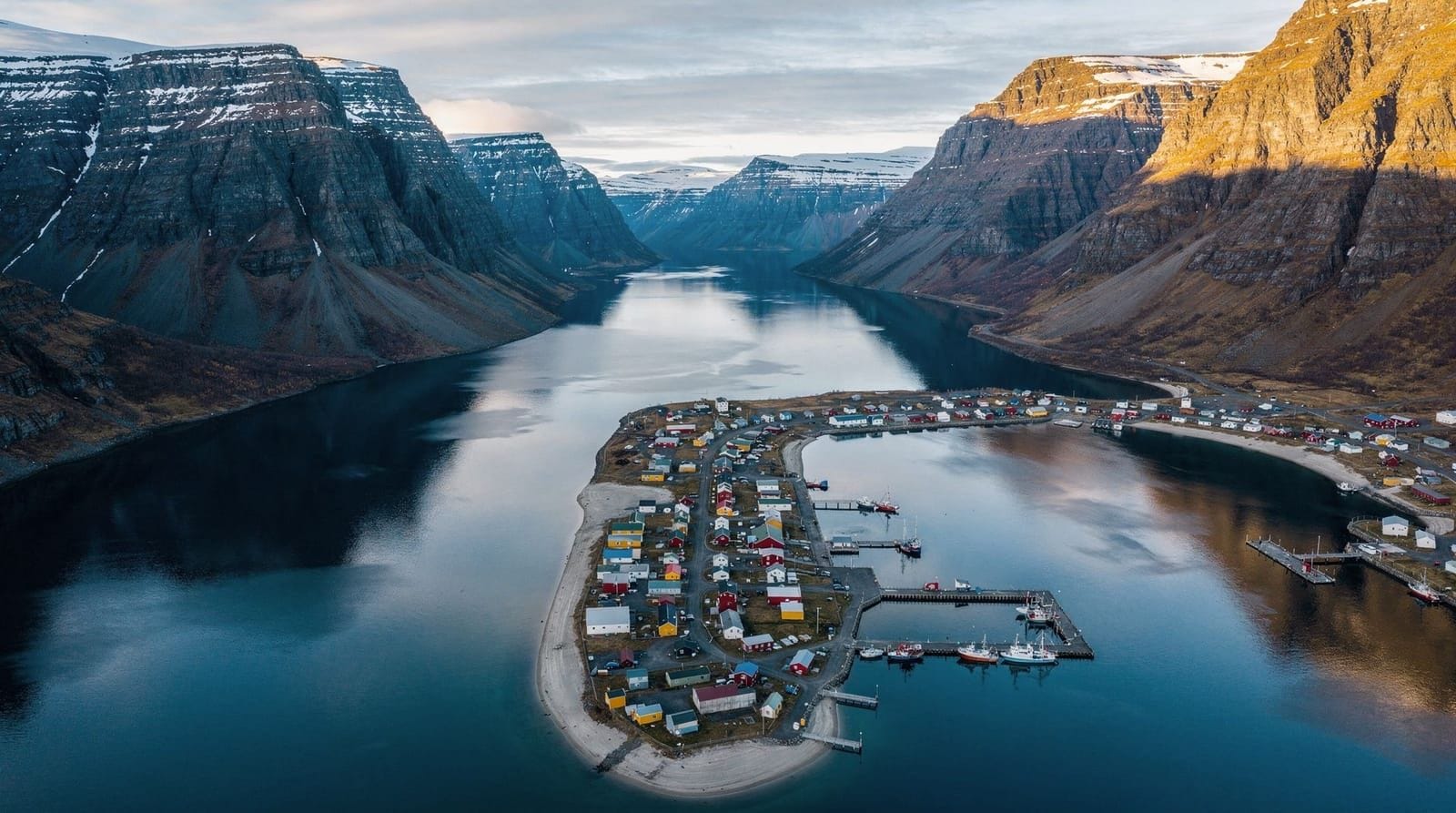
The Westfjords is Iceland’s most remote inhabited region — a peninsula the size of Wales connected to the mainland by a neck of land barely 7 km wide, with 950 km of coastline and a road network that requires patience, flexibility, and either a strong preference for solitude or a willingness to commit to the detour. About 7,000 people live here, a number that has been declining for decades as young residents leave for Reykjavík.
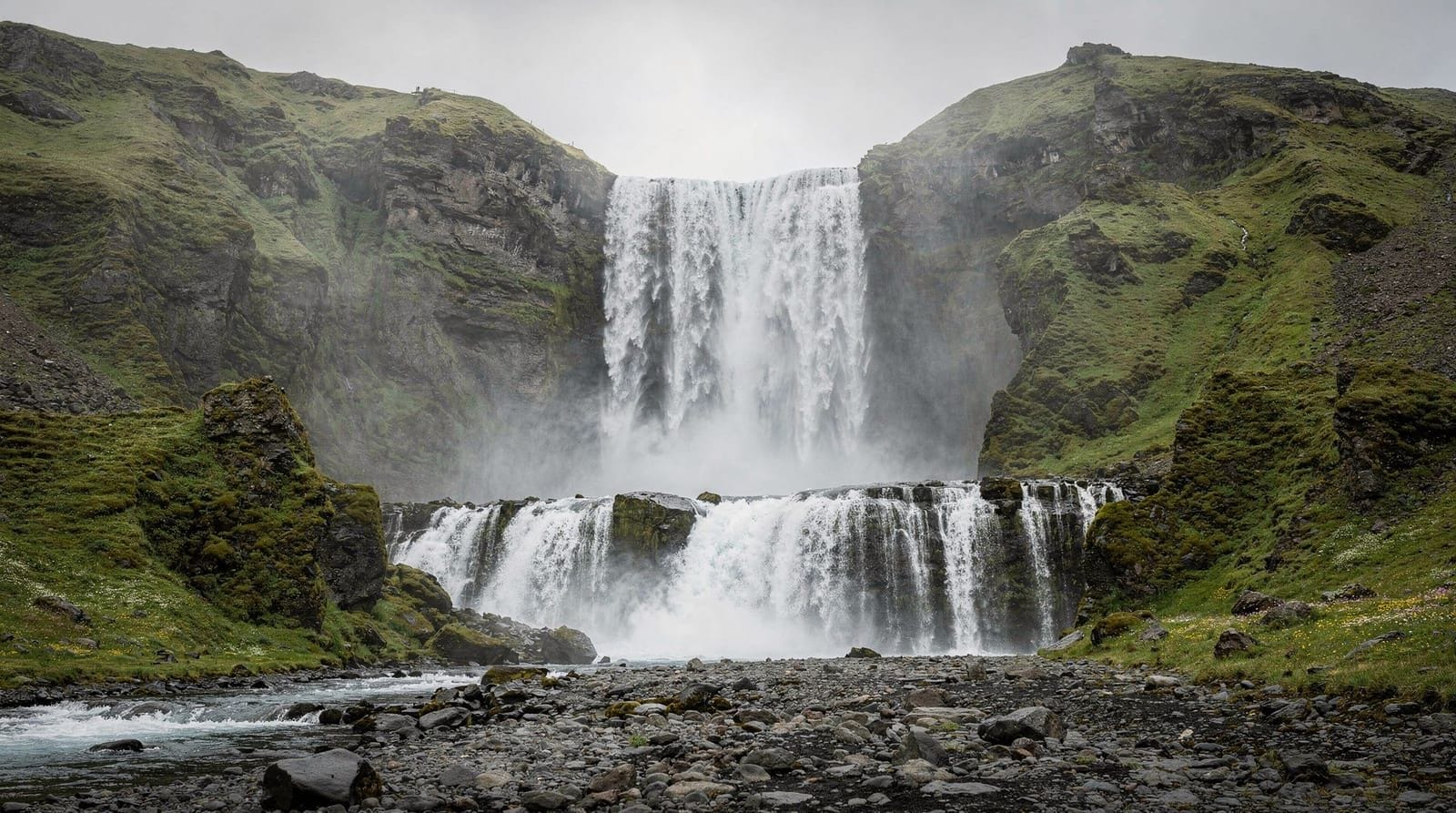
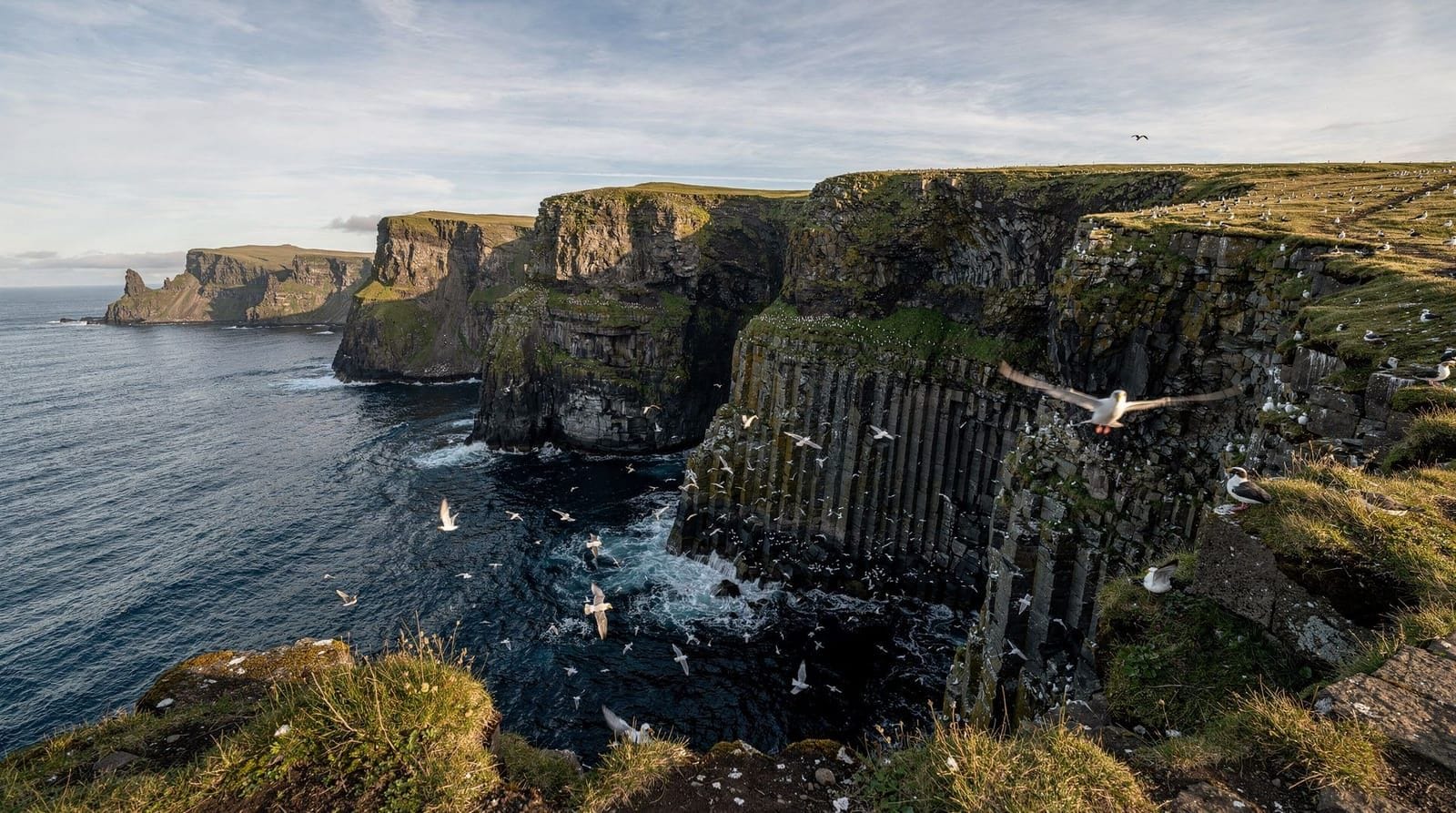
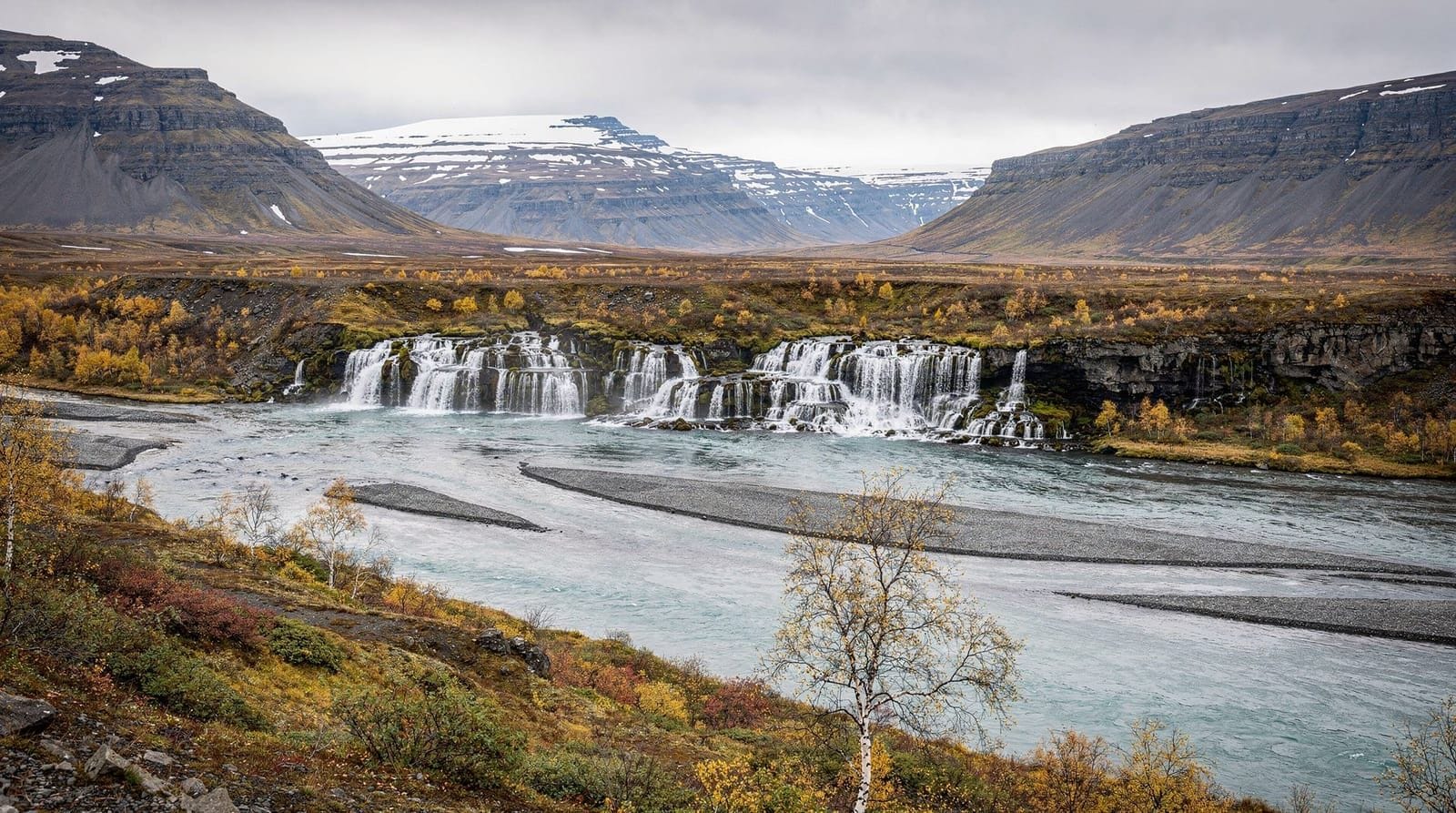
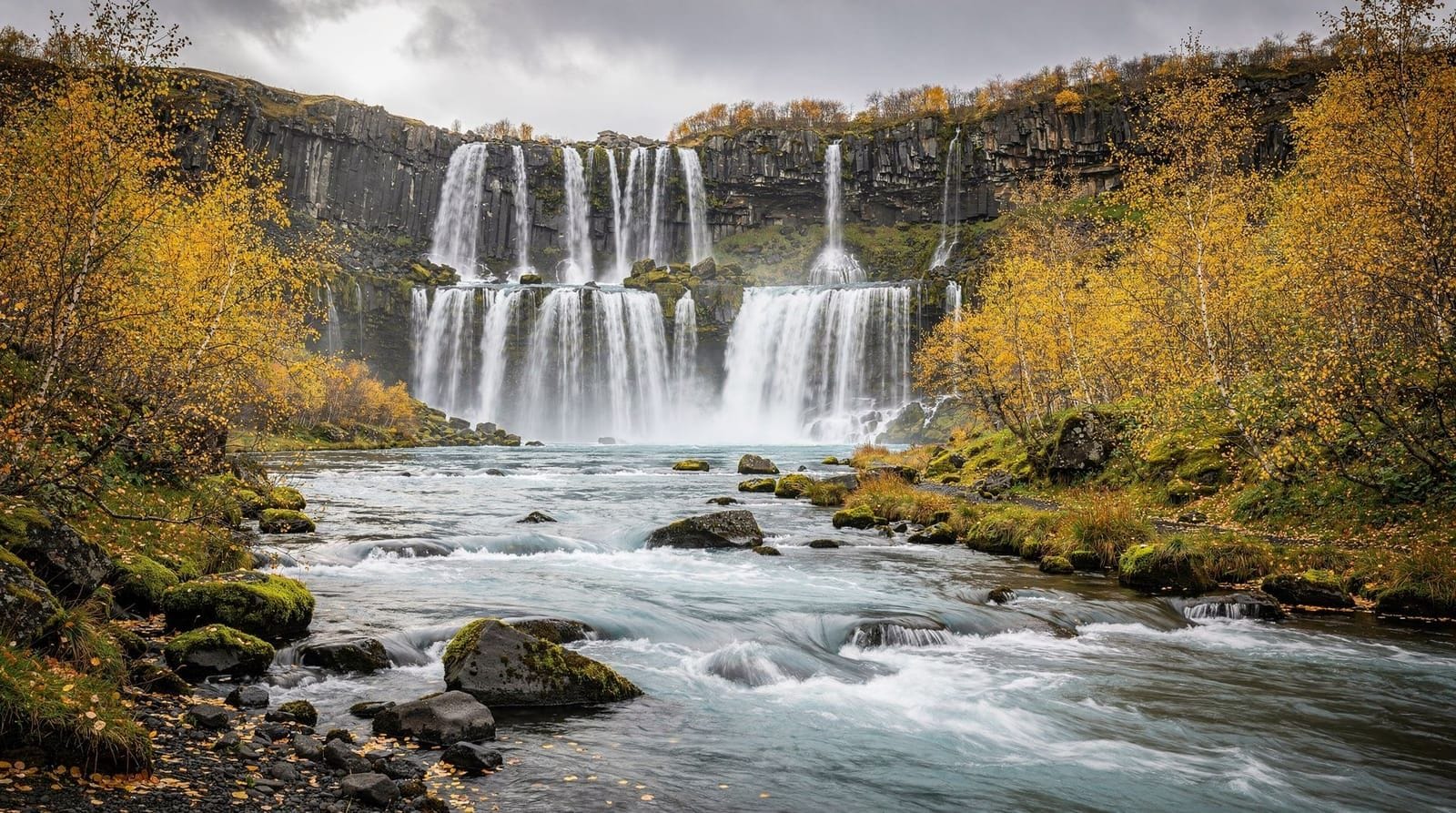
What remains is an extraordinary landscape: fjords that cut deeply inland from every direction, coastal roads that follow every inlet and headland rather than cutting through, and attractions — Dynjandi waterfall, Látrabjarg bird cliffs, the sea pools at Drangsnes, the Djúpavík hotel in its abandoned herring factory — that have no equivalent elsewhere in Iceland. Most visitors to Iceland never come here. That is the main reason to come.
| Where | Northwest peninsula, 950 km coastline, connected by a 7 km neck of land |
| Cost | Around 18,000–28,000 ISK / €122–190 per day |
| Time needed | Minimum 3 days; 5–7 days to explore beyond the main circuit |
| Getting there | 4–5h self-drive, Baldur ferry from Stykkishólmur (2.5h), or a 45-min flight to Ísafjörður |
| Best time | June–August for puffins and full road access; September for quiet and early aurora |
How to reach the Westfjords
By road: Route 60 branches off Route 1 about 80 km north of Borgarnes and winds through the highlands before descending into the southern Westfjords. From Reykjavík to Ísafjörður (the main town) is about 450 km — a minimum of 6–7 hours with no stops, but the road quality and bends make honest progress slower. Expect 7–8 hours including fuel stops.
By ferry from Stykkishólmur: the Baldur ferry crosses from Stykkishólmur on the Snæfellsnes peninsula to Flatey island (a worthwhile brief stop) and Brjánslækur on the southern Westfjords coast. The crossing takes about 2.5 hours each way, departing twice daily in summer (once daily in winter). Cost per person is around 7,000–9,000 ISK; vehicle rates vary by size. Booking in advance is essential for summer travel. The ferry combination makes a logical loop: drive to Snæfellsnes, cross to the Westfjords, explore north, and drive back via Route 60.
By air: Eagle Air (Ernir Air) flies from Reykjavík domestic airport to Ísafjörður. Flights take about 45 minutes, prices from around 15,000 ISK one-way. This eliminates the drive but requires hiring a car locally in Ísafjörður.
3-day guided Westfjords tour from Reykjavík — includes Látrabjarg and DynjandiThe southern Westfjords
The ferry from Stykkishólmur docks at Brjánslækur in the southern section. From here, Route 62 leads north along Barðaströnd coast to Látrabjarg (about 60 km west) or northeast toward Dynjandi (about 70 km). The southern Westfjords has less accommodation than the north; Patreksfjörður is the main service town in this area with a petrol station, supermarket, and a few guesthouses.
Rauðasandur — a red sand beach (unusual in Iceland, which mostly has black sand) on the southern coast, about 20 km from Brjánslækur. The sand derives from crushed shells rather than volcanic material. The beach is long and usually empty. A dirt road accesses it; 4WD recommended if wet.
Flókalundur — a small guesthouse-restaurant at the ferry road junction with petrol and basic accommodation. The restaurant is one of the few service points in this part of the Westfjords; it serves standard Icelandic dishes.
Ísafjörður and the central Westfjords
Ísafjörður is the regional capital — a town of about 2,600 in a natural harbour surrounded by steep fjord walls. It has the best infrastructure in the Westfjords: two grocery stores, several restaurants, a petrol station, and the greatest concentration of guided activities (Dynjandi day tours, whale watching, kayaking). Covered in detail under Ísafjörður.
North of Ísafjörður, the Ísafjarðardjúp — a large bay complex with multiple fjords branching off — contains several small communities and the uninhabited but dramatic Hornstrandir Nature Reserve.
Hornstrandir Nature Reserve
The northernmost section of the Westfjords, accessible only by boat (no roads). Hornstrandir was farmed until 1952 and then abandoned; the farms have been slowly returning to nature. Summer hiking here requires a boat from Ísafjörður, your own camping equipment, and serious preparation — this is genuinely remote wilderness. Day trips from Ísafjörður are also possible. Arctic foxes are common and approachable here (they have had no contact with humans for decades). This is the best place in Iceland to see the Arctic fox.
Road conditions and timing
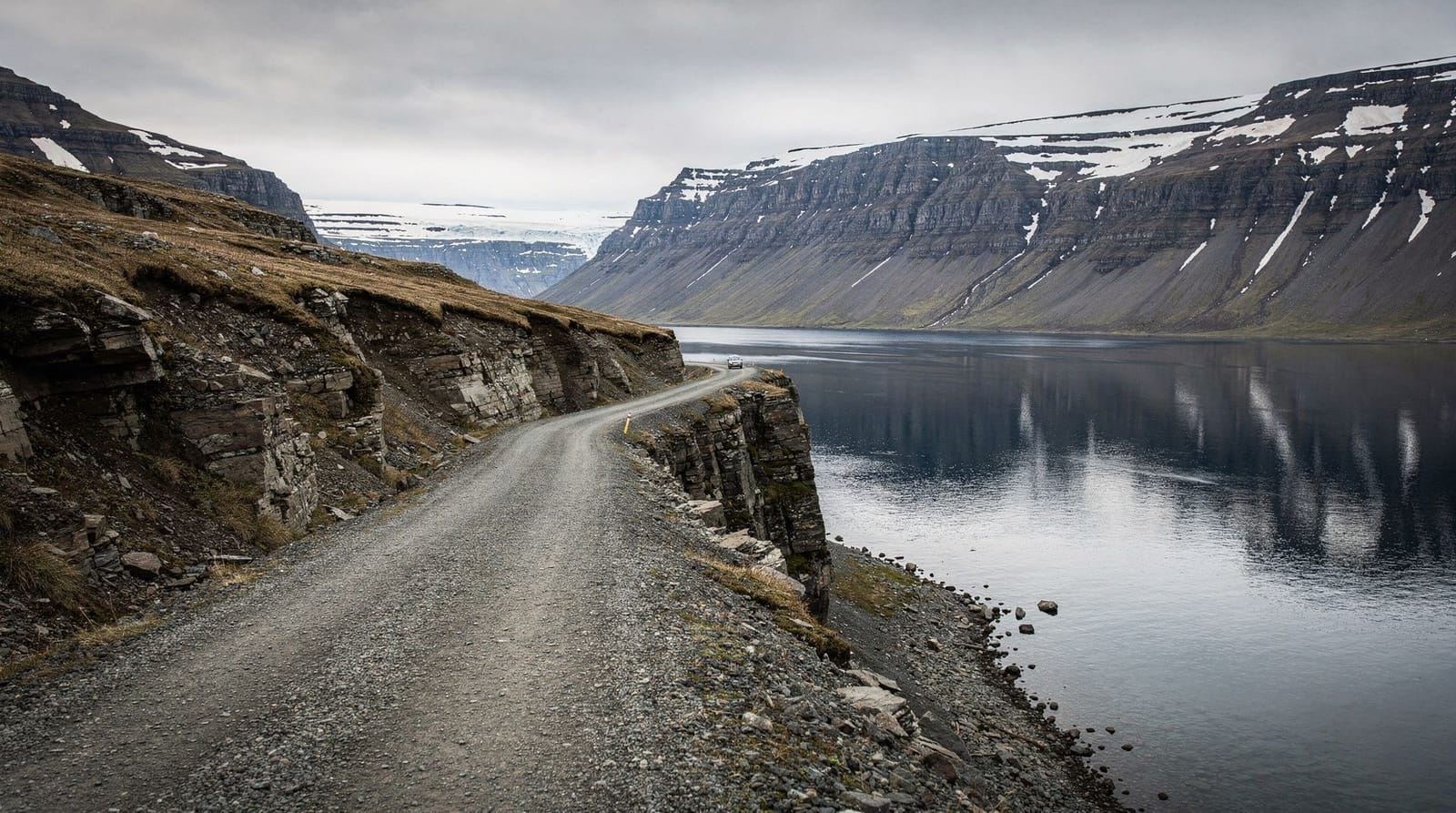
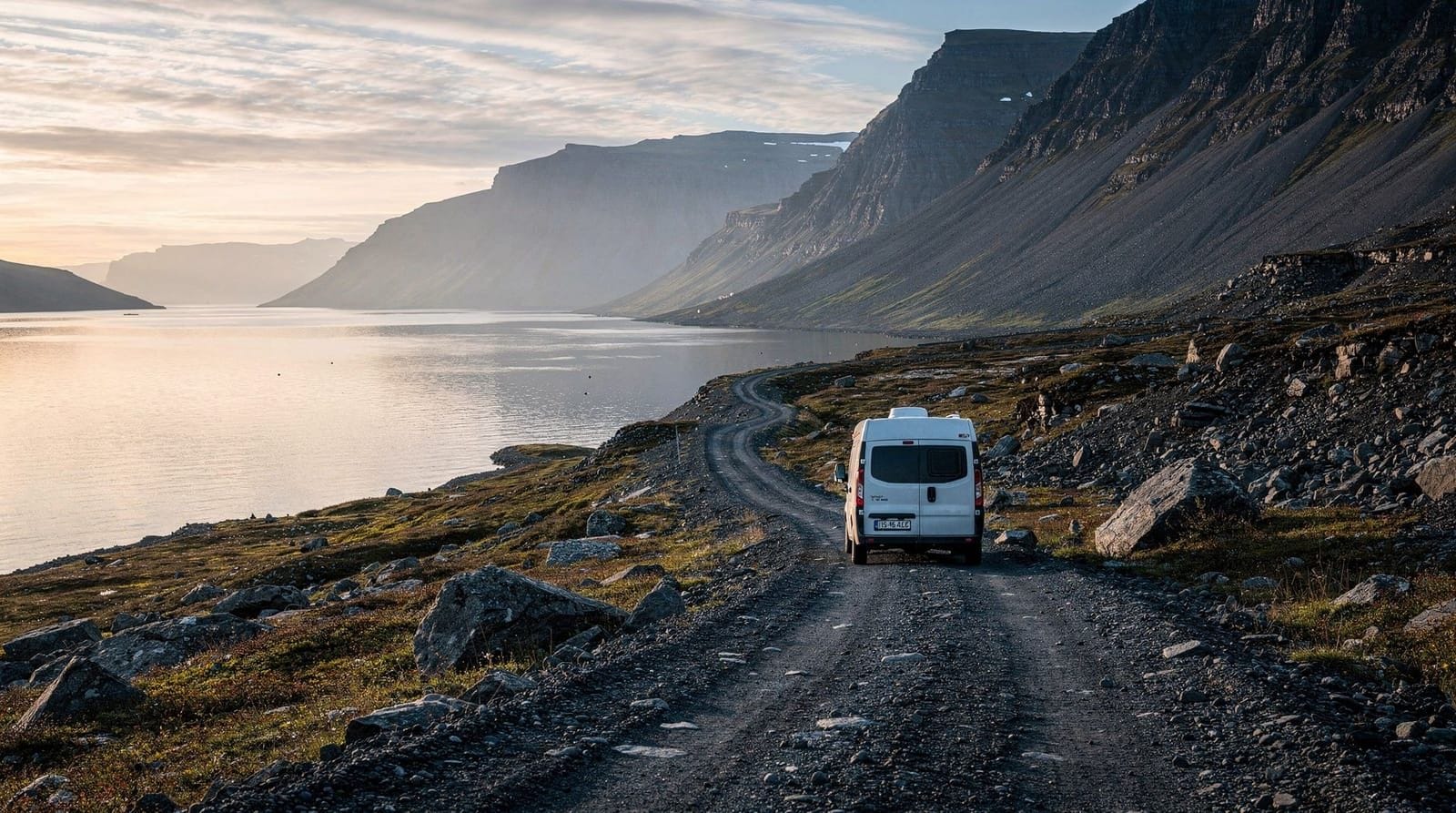
Most Westfjords roads are paved or gravel — passable in a 2WD car in summer with attention and time. Several mountain passes require gravel roads that can be slow and rough. F-roads do not exist in the Westfjords proper (unlike the central highlands), but some roads are impassable in winter and the mountain passes close with snow (usually October through May, depending on conditions).
The Westfjords road network is famous for being indirect — a straight-line distance of 30 km might require 60–80 km of road. This is inherent to fjord geography. Budget extra time for every journey.
Fuel: stations in Patreksfjörður, Ísafjörður, Bolungarvík, and a few other locations. Carrying extra fuel is sensible if exploring the southern or eastern Westfjords where stations are sparse.
Accommodation
Budget travellers: camping is available at several locations (Ísafjörður, Þingeyri, Flateyri, the main southern towns). Hostel accommodation exists in Ísafjörður and a few guesthouses in Patreksfjörður and Hólmavík. Expect to pay 5,000–8,000 ISK per person for camping plus tent fees; guesthouse doubles run 22,000–35,000 ISK in summer.
The Djúpavík Hotel — in a remote fjord on the eastern Westfjords coast, inside a former herring factory built in 1935 — is an unusual but genuinely interesting stay, consistently rated among Iceland’s most atmospheric accommodations. Book months in advance.
What to realistically expect
The Westfjords rewards a specific type of traveller: someone who is comfortable with remoteness, willing to drive slow gravel roads, and unbothered by limited restaurant options. If you want guaranteed meals, reliable mobile data, and a wide choice of accommodation, the south coast and Reykjavík area will serve you better.
If you want to feel like Iceland as it was 30 years ago before the tourism surge — nearly empty roads, pristine fjords, puffin colonies that have not been photographed to death — the Westfjords delivers this better than anywhere else in the country.
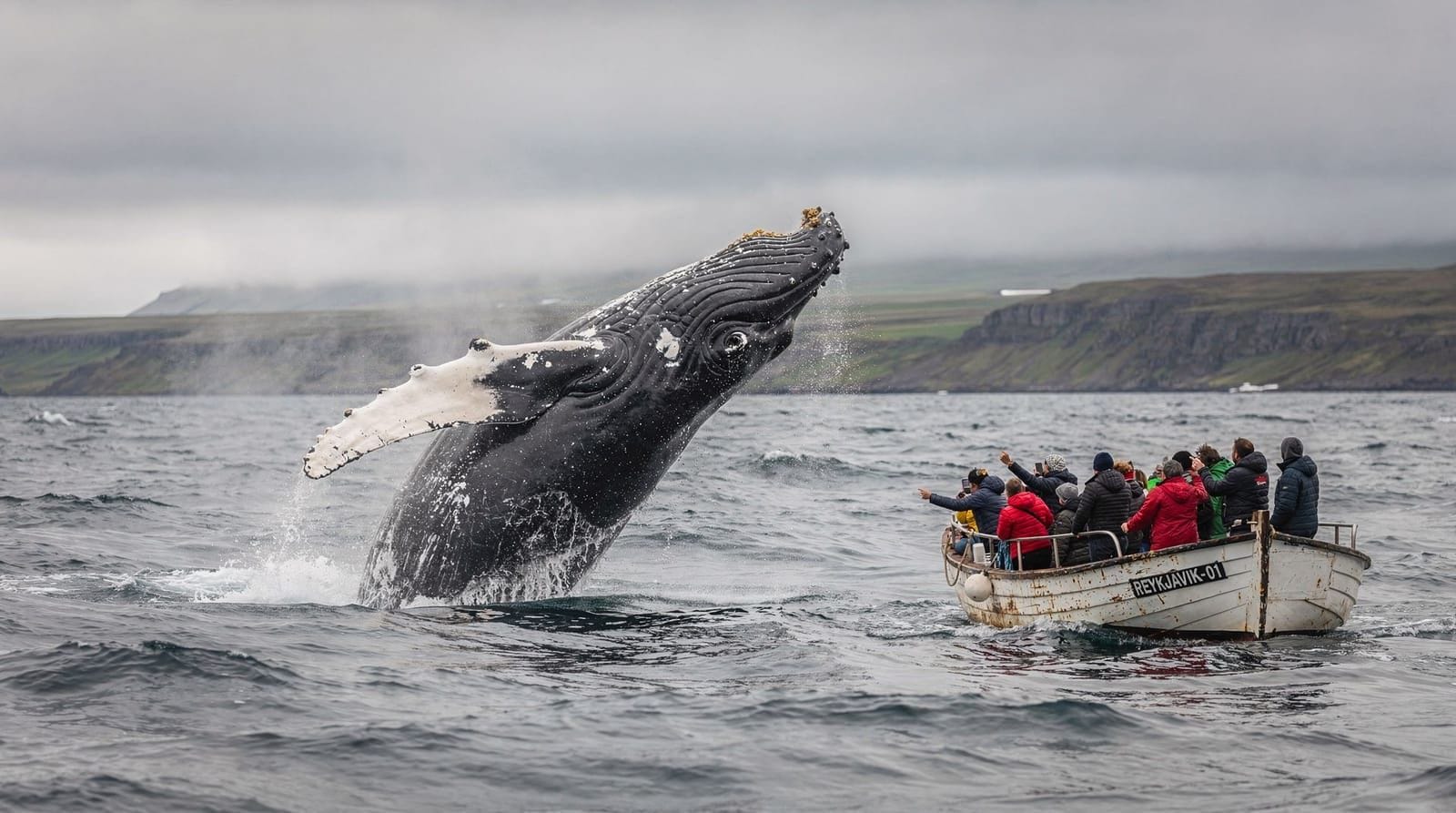
Whale watching from Ísafjörður — 3-hour boat tourWestfjords by season
Summer (June–August)
The only window for full access. Puffins at Látrabjarg peak from mid-June to late July. The Hornstrandir boat transfers operate from Ísafjörður from approximately June to early September. The Baldur ferry from Stykkishólmur runs twice daily. Accommodation fills — book Ísafjörður and Patreksfjörður guesthouses at least 2–3 months ahead for July dates.
June is often the best month overall: the ferry runs, puffins are present and accessible, the mountain passes are clear, and visitor numbers are slightly lower than July. Days are essentially continuous daylight — you can drive late into the evening and arrive without headlights needed.
Shoulder seasons (May and September)
May is marginal — some accommodation and ferry services not yet fully operational; mountain passes may still have snow. September is the better shoulder month: the Baldur ferry continues running, puffins begin departing (early August to mid-September), and the aurora season starts. The Westfjords’ position at 65–66°N means aurora windows open earlier than in south Iceland. September evenings can produce strong northern lights displays over empty fjords with no one watching.
Winter
The Westfjords in winter is a different proposition entirely: reduced ferry service, several guesthouses closed, mountain passes prone to closure, and minimal tourist infrastructure. For those who do go — primarily adventure travellers and aurora chasers — the region in January and February offers empty roads, dramatic winter light on the fjords, and the realistic possibility of days without seeing another tourist vehicle. The Djúpavík Hotel stays open year-round and is a logical winter base.
Westfjords accommodation: specific options and prices
Ísafjörður
- Hótel Ísafjörður: the main full-service hotel; doubles from 30,000–42,000 ISK in July.
- Gamla Guesthouse: well-regarded older building in the town centre; doubles from 22,000–28,000 ISK.
- Hornstrandir Hostel: dormitory-style accommodation, 7,000–9,000 ISK per person.
- Camping in Ísafjörður: around 2,000–2,500 ISK per person per night; basic facilities.
Patreksfjörður (southern Westfjords base)
- Several guesthouses with doubles from 18,000–28,000 ISK. No full-service hotels.
- Camping at the Patreksfjörður campsite: 2,000 ISK per person.
Þingeyri (near Dynjandi)
- Campsite at Þingeyri: basic, around 1,800 ISK per person.
- Syðra-Skörðugil guesthouse: doubles from 18,000–22,000 ISK; limited rooms, book ahead.
Djúpavík Hotel (remote, eastern Westfjords on Reykjarfjörður)
- A former herring factory from 1935, converted into Iceland’s most atmospheric remote accommodation. A full-board stay with dinner, breakfast, and access to a small geothermal pool in the factory ruins. Doubles from 35,000–50,000 ISK per night including breakfast. Months of advance booking required for summer. The drive to Djúpavík is itself an experience — Route 643 along the inner fjord is one of Iceland’s most dramatic road sections.
Eating in the Westfjords
Restaurant options are genuinely limited outside Ísafjörður. Practical eating in the region:
Tjöruhúsið, Ísafjörður: the best restaurant in the Westfjords without debate. Buffet-style fish lunch with daily catches from the harbour. Open May–September for lunch daily; dinner by arrangement. Approximately 4,500–5,500 ISK (€30–€37) per person. Arrive when it opens — it fills fast.
Husið, Ísafjörður: dinner restaurant with a more formal menu than Tjöruhúsið. Main courses 4,000–6,000 ISK (€27–€41). Booking needed in peak season.
Gamla Bakarí (Old Bakery), Ísafjörður: best breakfast and coffee in the Westfjords. Cinnamon buns 600 ISK, sourdough loaf 900 ISK. Open from 7 a.m.
Flókalundur restaurant: at the Route 62/60 junction near the Baldur ferry dock. Basic Icelandic meals (lamb soup, fish of the day), approximately 2,500–4,000 ISK. The only reliable meal option in the southern Westfjords near the ferry arrival.
Self-catering note: outside Ísafjörður and Patreksfjörður, stock up before entering the Westfjords. The small towns (Þingeyri, Flateyri, Hólmavík) have basic shops with limited fresh produce. A cooler with supplies from Reykjavík or Borgarnes is the practical approach for independent travellers doing the full circuit.
Specific things to avoid or prepare for
Underestimating driving time: the fjord roads consistently take longer than maps suggest. What appears to be 60 km on a straight-line map may be 90–100 km of road following every fjord inlet. Build a 30–40% time buffer into every driving segment.
Attempting the Westfjords with a compact 2WD car in wet conditions: the main roads are technically 2WD accessible in summer, but after rain the gravel sections develop ruts and the pass roads get muddy. A compact hatchback handles it in dry conditions; in wet conditions, a slightly larger vehicle with better ground clearance is noticeably less stressful.
Arriving in the southern Westfjords without cash: some remote businesses do not accept card payment. ATMs in Ísafjörður and Patreksfjörður. No ATMs on the road between.
Planning Látrabjarg and Dynjandi in a single day from Ísafjörður: the distance between the two (over 130 km by road each way from Ísafjörður) and the road quality make a same-day visit requiring very early departure and accepting limited time at each location. The westfjords-5-days itinerary distributes these properly across multiple days.
Westfjords vs a Ring Road trip: is the detour worth it?
The Westfjords is not on the standard Ring Road route, so visiting means a deliberate detour rather than a natural stop along the way.
| Approach | Extra days needed | Reward | Best for |
|---|---|---|---|
| Skip it, do the Ring Road only | 0 | Efficient coverage of Iceland’s headline sights | First-time visitors with under 10 days |
| Add 3 days via the Baldur ferry from Snæfellsnes | +2–3 vs a pure Ring Road loop | Dynjandi, Látrabjarg, Ísafjörður without full backtrack | Second-time visitors, road trippers with 12+ days |
| Dedicated Westfjords trip, skip most of the Ring Road | Trip built around this region | Genuine remoteness, empty roads, Arctic foxes | Photographers, hikers, repeat Iceland visitors |
The ring-road-guide covers the standard loop; the Westfjords sits outside it entirely, which is precisely why it sees so few visitors relative to its scenery. A ring-road-14-days itinerary is the realistic minimum length of trip that can absorb a proper Westfjords detour without feeling rushed elsewhere.
Frequently asked questions about the Westfjords
Is the Westfjords suitable for first-time Iceland visitors?
It depends on your priorities. First-timers often get more from the south coast and Golden Circle, which have better infrastructure and more consistent weather. The Westfjords rewards travellers who have some Iceland experience and want to go beyond the main circuit. If the Westfjords is your primary destination, a guided tour removes the logistical pressure.
How many days do I need in the Westfjords?
Minimum 3 days to see Dynjandi, Látrabjarg, and Ísafjörður without feeling rushed. Five days allows proper exploration of Hornstrandir access from Ísafjörður, the southern beaches, and the fjord roads at a pace that respects the distance. The westfjords-5-days itinerary covers realistic pacing.
Can I visit the Westfjords without a car?
With a guided tour, yes. The 3-day guided tour from Reykjavík covers the main Westfjords highlights without requiring you to navigate. Without a tour and without a car, the Westfjords is not feasibly accessible — there is minimal public transport and the distances are too large for cycling in most conditions.
What is the ferry from Stykkishólmur and do I need to book in advance?
The Baldur ferry runs from Stykkishólmur (north Snæfellsnes) to Brjánslækur in the Westfjords via Flatey island. In summer (June–August) the ferry is popular and vehicle space books out weeks in advance. Book as soon as your dates are fixed. Passenger-only tickets are easier to get at short notice.
When is the best time to see puffins in the Westfjords?
Puffins breed on Látrabjarg from approximately mid-May through mid-August. The peak period for close-up puffin viewing at the cliff edge is late June through late July. Látrabjarg details this fully.
Is the Westfjords safe to drive solo?
Yes, for competent drivers with a reliable car and some navigation preparation. The main hazards are: narrow gravel roads (passing requires care), fjord-side roads with no guardrails, and changeable weather that can make mountain pass roads slippery. The safetravel-emergency-info guide covers Iceland-wide driving safety. Download offline maps and tell someone your route.
Top experiences
Bookable activities with verified prices and instant confirmation on GetYourGuide.
Top-rated experiences in Westfjords
Best-rated activities across GetYourGuide and Viator.

Dynjandi Waterfall & Farm Visit Tour from Isafjordur Port
- Viator

3,5-Hour Sightseeing Tour To Dynjandi Waterfall
- Viator

Westfjords Whale Watching
- Viator

Small Group Tour Ísafjordur Dynjandi Waterfall & Secret Stop
- Viator

Dynjandi Waterfall in a Supertruck
- Viator

4 Hour Isafjordur and Dynjandi Tour With Photo Stops
- Viator