Westfjords 5-day self-drive itinerary — Iceland's remote northwest
Grundarfjörður: From Reykjavik full day Snaefellsnes peninsula
Duration: ~11 hours
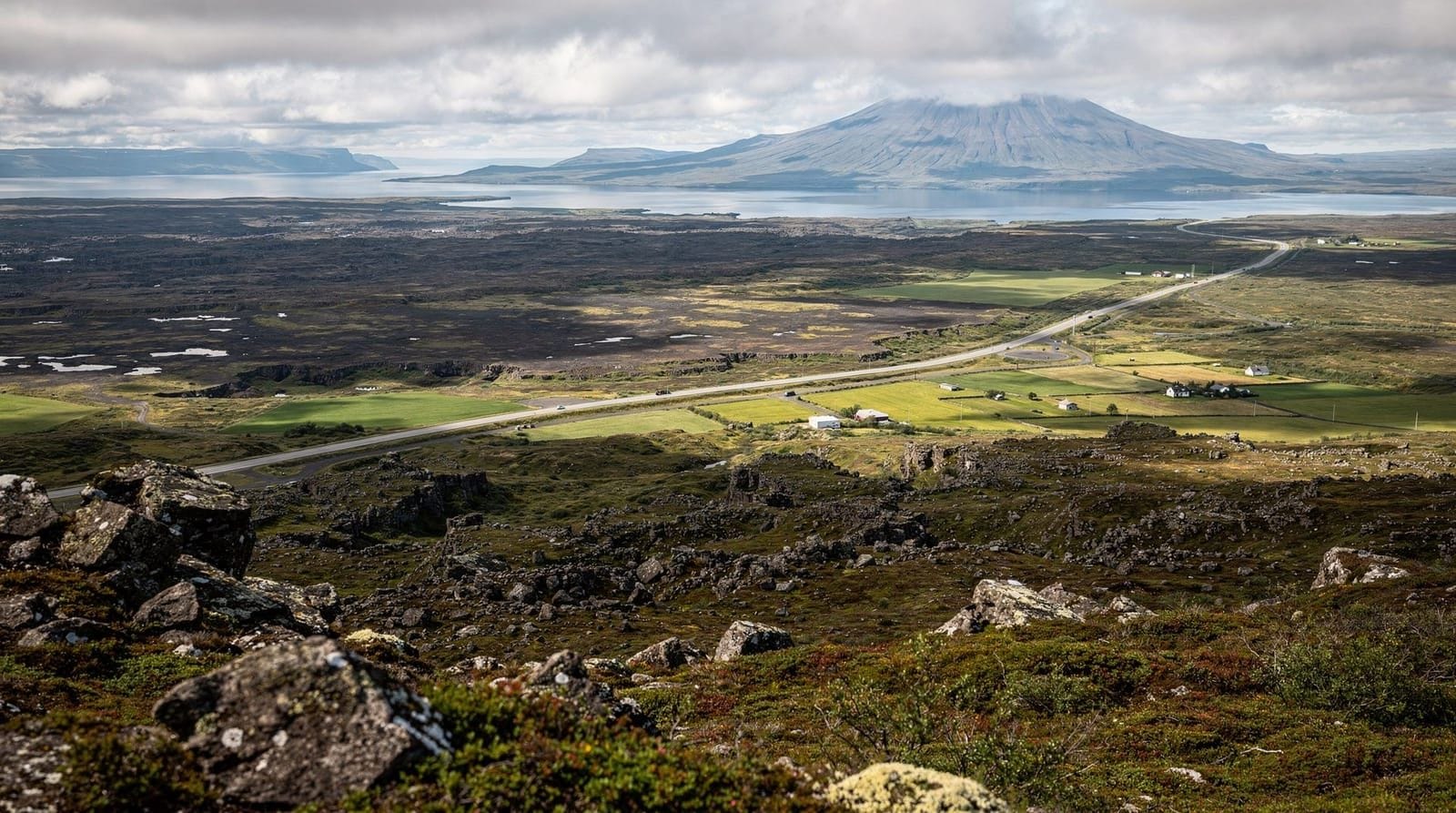
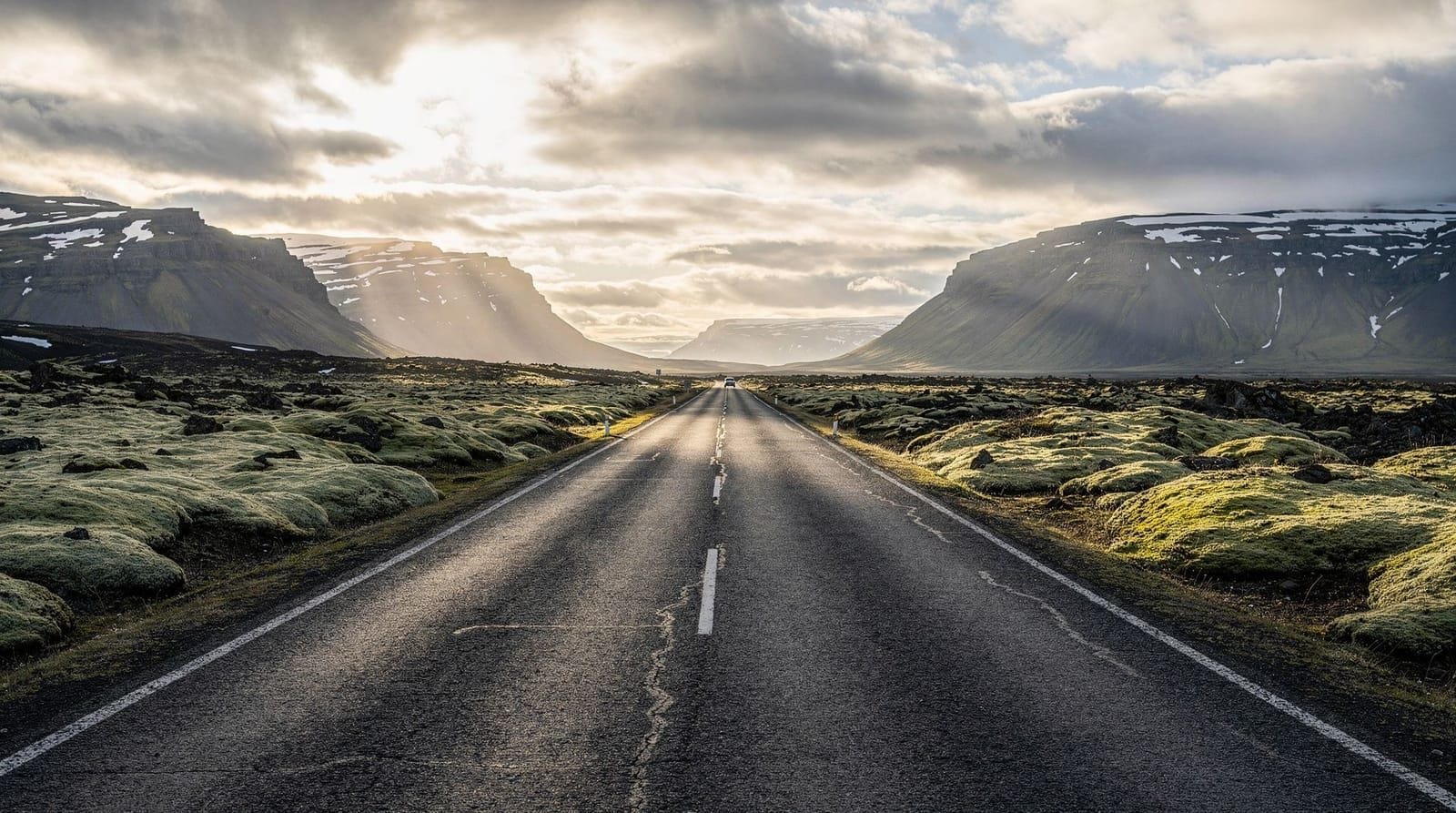
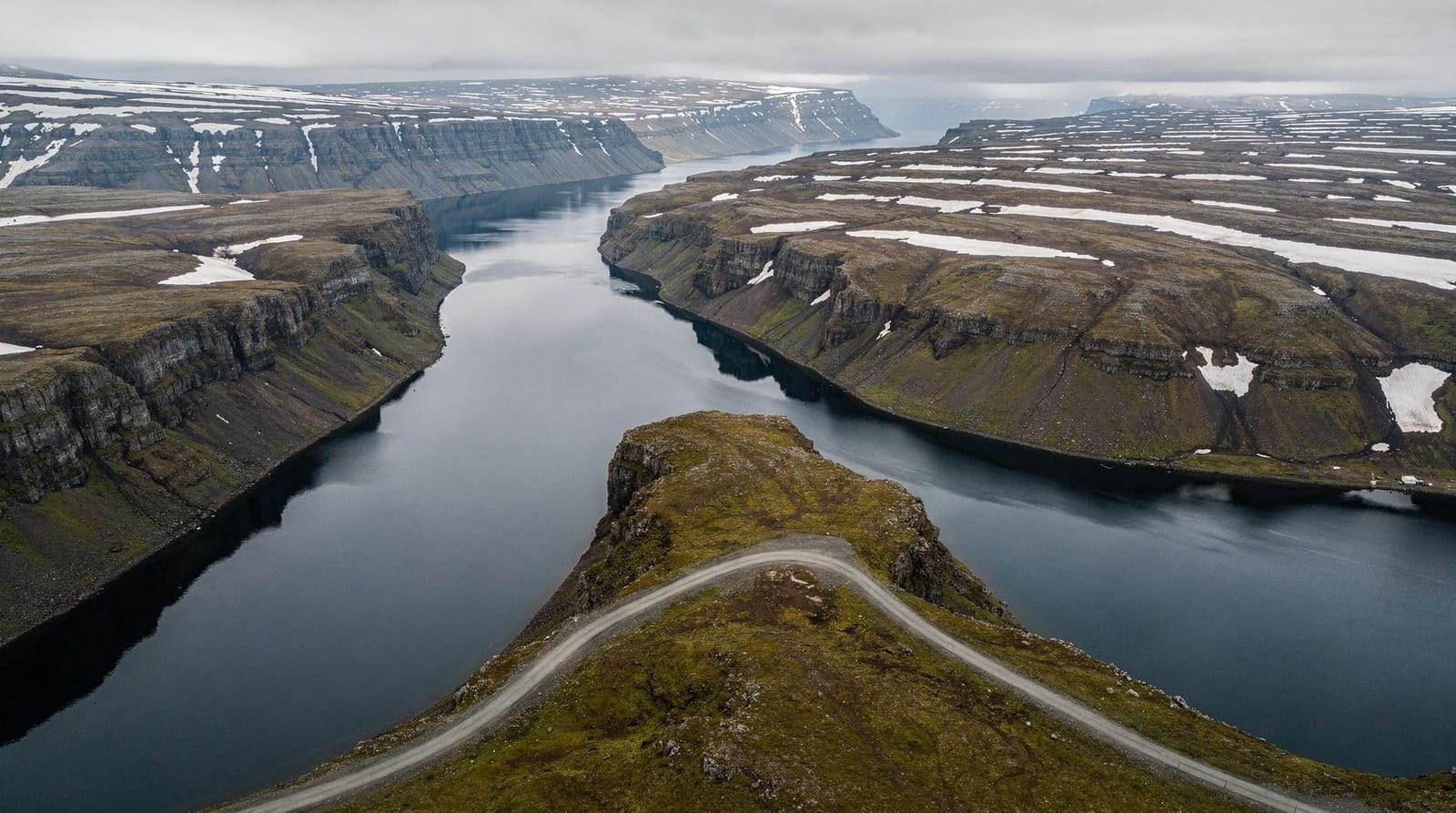
The Westfjords is the least-visited region in Iceland and the most demanding to reach. This jagged peninsula of deeply indented fjords in the far northwest covers 22% of Iceland’s coastline but receives less than 10% of the country’s tourists. The road network is a serious obstacle — the main roads are mostly unpaved, narrow, and cut along steep fjord walls above the sea. Two fjords that look 5 km apart on a map may require 80 km of driving to connect.
That inaccessibility is precisely why the region is worth the effort. Dynjandi is Iceland’s most layered and photogenic waterfall and sees a fraction of the visitors that Skógafoss draws. Látrabjarg is Europe’s largest seabird cliff and home to Iceland’s densest puffin colonies. Ísafjörður has the best fish restaurant outside of Reykjavík.
This is a challenging itinerary. “Challenging” means multi-hour drives on rough gravel roads, some ferry crossings, real risk of road closures in bad weather, and very limited services between towns.
| Region covered | Southern and northern Westfjords loop via Baldur ferry |
| Car needed | Medium SUV/4WD with gravel-rated tyres, not F-road 4x4 |
| Cost per person (mid-range) | around 180,000–240,000 ISK for 5 days incl. ferry |
| Book ahead | Baldur ferry, Tjöruhúsið restaurant, Ísafjörður/Patreksfjörður rooms |
| Season | May–September only; roads unreliable outside this window |
Before you go — critical practicalities
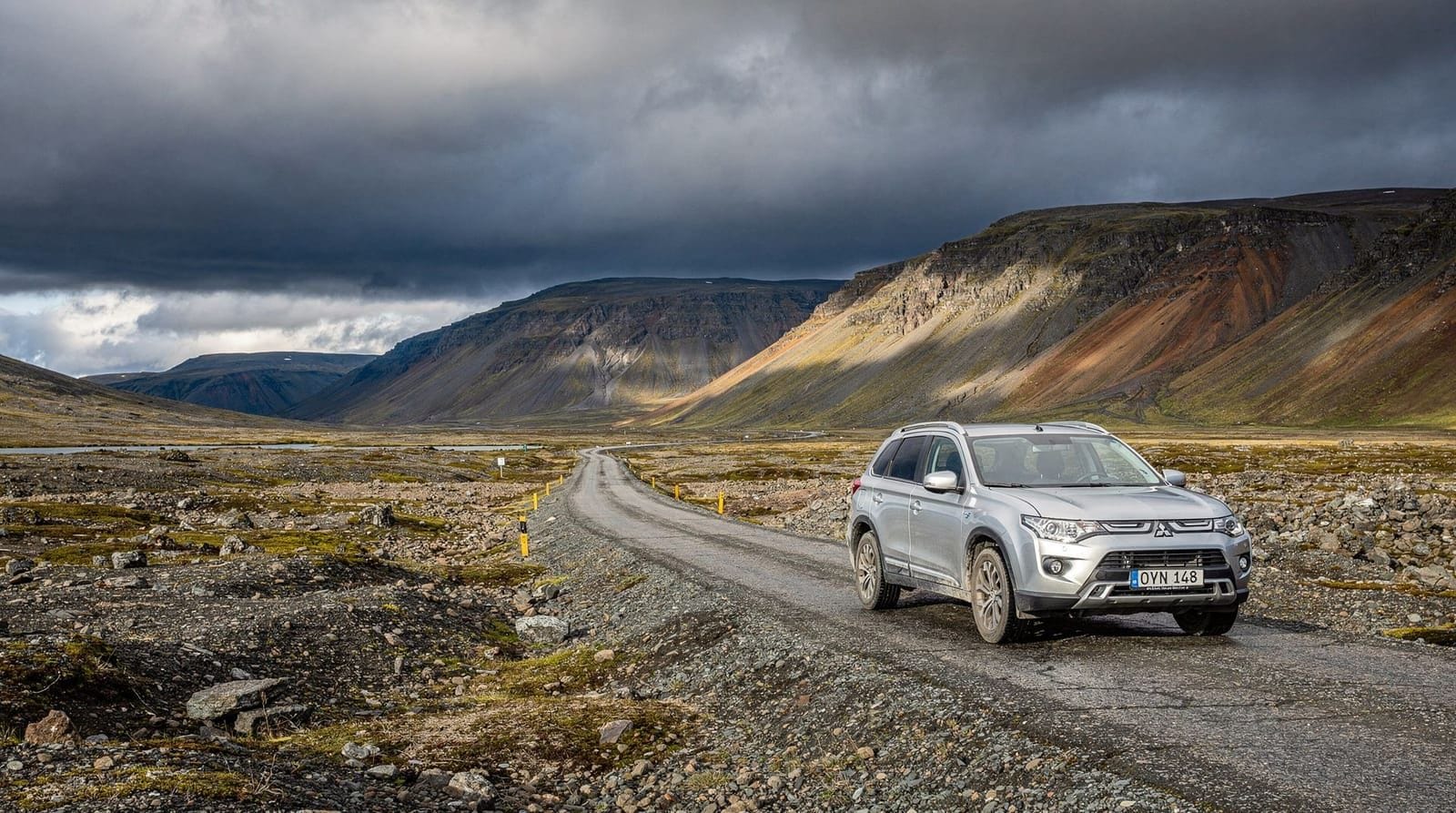
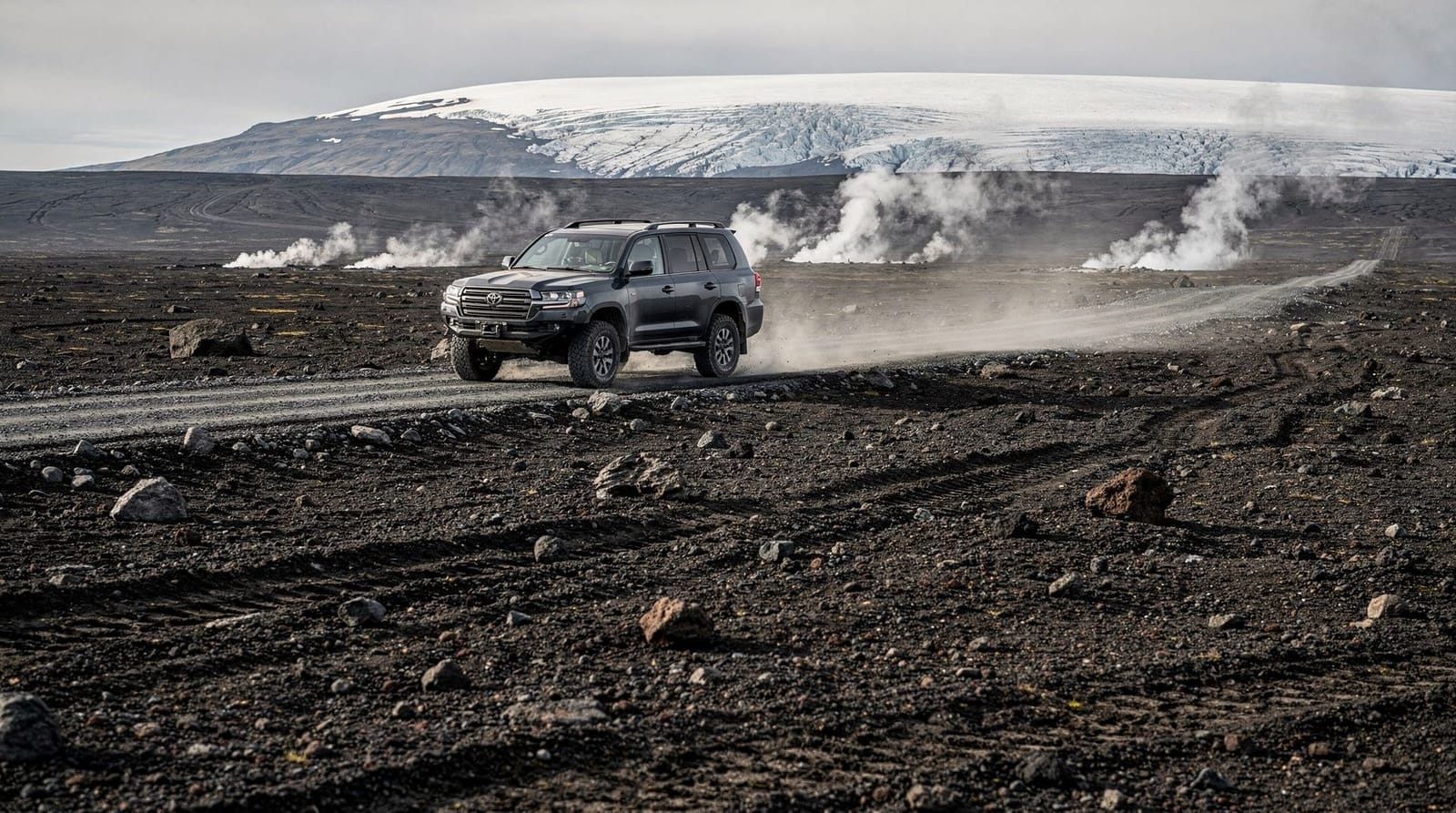
Car requirements: You do not need an F-road 4WD, but you do need a car with good ground clearance and tyres capable of gravel roads. A medium SUV or 4WD (Dacia Duster, Suzuki Vitara, Toyota RAV4 or similar) is strongly recommended. Standard small cars can handle the main paved roads, but many access roads to key sites are unpaved. The car rental guide at renting-a-car-iceland covers gravel insurance considerations.
The ferry: The quickest access to the southern Westfjords from Reykjavík is via the Baldur ferry from Stykkishólmur on the Snæfellsnes peninsula to Brjánslækur (2 hours 45 minutes, 3,540 ISK per adult / €24, plus vehicle fee). The ferry runs once or twice daily in summer (June–August). Book in advance at seatours.is.
Alternatively, drive the Ring Road through Borgarnes and then north on Route 60 — this adds 3–4 hours of driving but avoids the ferry booking dependency.
Road closures: The Westfjords road network is unpredictable out of season. Route 60 and the mountain passes can close for days at a time November through April. The period May through September is the only reliable window. Check vegagerdin.is or road.is before each day’s driving.
Fuel: Petrol stations are sparse. Fill up at every opportunity. Ísafjörður has two stations. Patreksfjörður has one. There is no petrol between Brjánslækur and Patreksfjörður.
Day 1 — Reykjavík to Brjánslækur via ferry, then Patreksfjörður
Take the Baldur ferry from Stykkishólmur (on the Snæfellsnes peninsula) to Brjánslækur. Stykkishólmur is 185 km from Reykjavík (2 hours 15 minutes). The ferry departs at 09:00 in summer — arrive 30 minutes before sailing. If combining this trip with the Snæfellsnes peninsula, spend the prior night in Stykkishólmur or Grundarfjörður.
From Brjánslækur, drive northwest on Route 62 and 612 to Látrabjarg — 85 km on mixed paved and rough gravel road, about 1 hour 45 minutes. Do not skip this in favour of reaching Patreksfjörður first: arriving at Látrabjarg in late afternoon light (17:00–20:00 in summer) gives the best photography conditions and fewer tour groups.
Látrabjarg is a 14 km long cliff face reaching 440 metres at its highest. The western tip is Europe’s westernmost point and home to colonies of razorbills, guillemots, kittiwakes, and puffins. In June and July, Atlantic puffins nest in burrows within touching distance of the cliff path — they are remarkably fearless of humans. Walk at least 2 km west from the car park to reach the densest colonies. Allow 2 hours minimum.
Backtrack to Patreksfjörður (50 km, 1 hour on gravel). Hotel West (doubles from 26,000 ISK / €177) is the main option, with a small restaurant. Patreksfjörður is a functional fishing town — the Fosshóll guesthouse is 5 km outside town and quieter. Dinner at Stúkuhúsið café is basic but adequate.
Day 2 — Rauðisandur, Reykhólar, and drive toward Dynjandi
Morning: Rauðisandur beach
Rauðisandur (Red Sand) is 35 km south of Patreksfjörður via Route 614 — a narrow unpaved road that descends steeply to the beach. The rust-red colour comes from shell sand mixed with iron oxide sediment. At low tide the sand glows amber and pink in a way that makes every photograph look processed. It is not. Allow 1 hour for the beach and the walk to the historic Saurbær church (turf-roofed, usually unlocked).
Afternoon: Bíldudalur and the coastal drive north
Drive north through Bíldudalur (small fishing village, Krambúð supermarket for supplies) and continue on Route 63 along the fjord. This route is scenic but the road surface is rough in sections — 25–35 km/h average speed is realistic.
The drive north to Þingeyri takes approximately 3 hours from Patreksfjörður with the Rauðisandur detour. Þingeyri (population 270) has basic accommodation at Litlibær guesthouse and a small shop. Alternatively, push on to Arnarfjörður and stay at the Vegamót guesthouse near the Dynjandi junction — this puts you in position for an early morning visit to Dynjandi.
Day 3 — Dynjandi waterfall and drive to Ísafjörður
Morning: Dynjandi
Dynjandi is located at the head of Arnarfjörður on Route 60, 33 km east of Þingeyri (40 minutes). It is Iceland’s most architecturally layered waterfall — the main cascade (called Dynjandi, or Fjallfoss, meaning “the thunderous”) drops 100 metres in a fan shape from 30 metres wide at the top to 60 metres at the base. Below it, a series of seven smaller named waterfalls descend to the fjord. The path from the car park to the top takes 20 minutes each way and passes all seven lower falls. Budget 1 hour 30 minutes.
There are no entry fees. The car park has a small toilet facility (free). Visit before 10:00 to have the falls largely to yourself — tour buses from Ísafjörður begin arriving by mid-morning in July.
Afternoon: Drive to Ísafjörður
From Dynjandi, drive north and west to Ísafjörður via Route 60 — 95 km, approximately 1 hour 45 minutes. The route includes the Breiðadalsháls mountain pass (449 m), which can be icey or fog-bound outside of summer. Check conditions before departing.
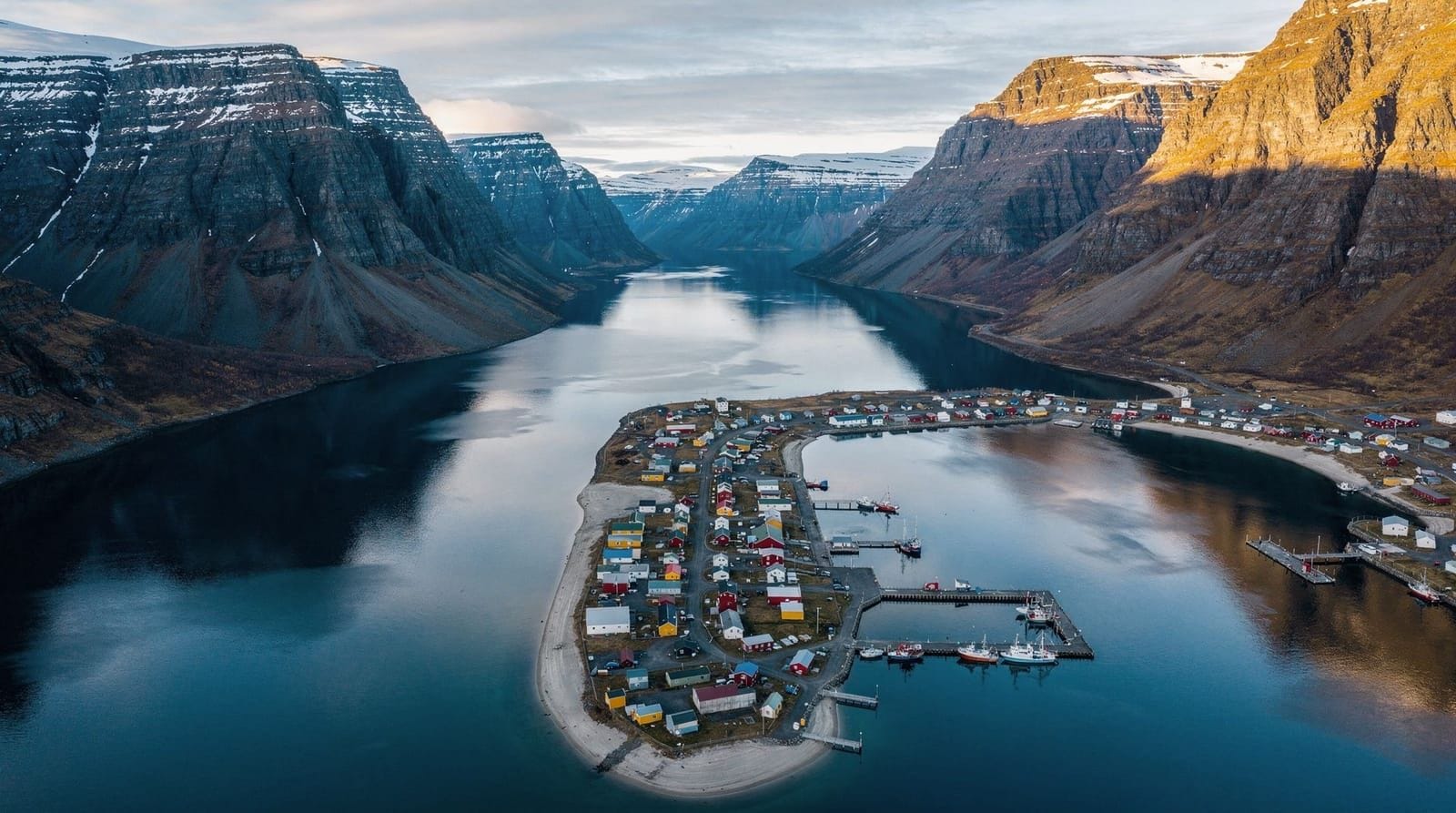
Ísafjörður (population 2,700) is the Westfjords’ only town of any size. Accommodation: Hótel Ísafjörður (doubles from 38,000 ISK / €258) on the waterfront, or Gamla Guesthouse (from 24,000 ISK / €163) for a budget option.
Dinner: Tjöruhúsið is Iceland’s most celebrated fish restaurant outside of Reykjavík — and one of the few places where “restaurant of the year” designations reflect genuine quality rather than marketing. It serves a set menu of Icelandic fish dishes at long shared tables. One sitting daily at 19:00 in summer; booking is essential (call +354 456 4419). The price is 8,500 ISK (€58) for the full set, which is also the best value for money you will find in the Westfjords.
Day 4 — Ísafjörður, Vigur island, and the northern fjords
Morning: Vigur island birdwatching
Vigur is a small island in Ísafjarðardjúp bay, accessible by a 30-minute boat from Ísafjörður harbour. The island has the densest concentration of seabirds per square kilometre in Iceland — eider duck, Arctic tern, black guillemot, and puffins all nest here between June and August. The family that runs the island also operates the tours: tickets from Vigur Ísland (vigur.is) cost 9,900 ISK (€67) including the boat. Tours depart at 09:00 and 13:00 in summer; allow 3 hours total.
Afternoon: Ísafjörður town
Spend the afternoon in Ísafjörður itself. The Westfjords Heritage Museum (Byggðasafn) in the oldest buildings in the Westfjords (1733–1784 timber-frame warehouses) is excellent for context — 1,500 ISK (€10) entry. The Gamla Bakaríið bakery at Aðalstræti 24 has the best cinnamon rolls in the Westfjords, typically 700 ISK (€5). Walk the pier for views over the fjord in evening light.
Stay a second night in Ísafjörður — this is the most comfortable base and the food options justify it.
Day 5 — Drive south and exit the Westfjords
Morning: The Hólmavík route or direct south
The most scenic exit from the Westfjords routes south via Hólmavík (the Museum of Icelandic Sorcery and Witchcraft is eccentric and worth 30 minutes) and then onto the Dalvegur road back to the Ring Road. From Ísafjörður to Hólmavík is 235 km on partly unpaved roads — allow 3 hours 30 minutes.
Alternatively, the more direct Route 60 south via Flókalundur and Búðardalur to the Ring Road is 260 km but faster (paved for much of it) — about 3 hours to Borgarnes, then 1 hour 45 minutes to Reykjavík.
If you route out via the Snæfellsnes peninsula through Stykkishólmur, the whale watching boat from Arnarstapi runs seasonally and covers the same Breiðafjörður waters as the Baldur ferry — a different perspective on the bay and its wildlife.
Timing: Leave Ísafjörður no later than 10:00 to reach Reykjavík comfortably by 18:00–19:00 without feeling rushed. The Westfjords roads do not reward hurrying.
Practical notes
Total driving distance: Approximately 900–1,000 km over 5 days depending on exact route and detours. Budget for 25–30 litres of petrol per day in a typical SUV at Westfjords road speeds, plus the ferry fee.
Mobile coverage: Spotty throughout. Download offline maps on Maps.me or Gaia GPS before departure. Ísafjörður and Patreksfjörður have functional 4G. Large sections of Route 60 and Route 62 have no coverage at all.
Weather: The Westfjords receives more rain than the south of Iceland. The fjords create their own microclimates — you can have sun in Ísafjörður and a closed road pass due to snow 30 km away. Pack a full set of waterproofs and a down layer regardless of the season.
Read the Iceland road conditions guide before departing and check safetravel.is daily.
Insurance: given the gravel road exposure throughout this itinerary, gravel protection (GP) and sand and ash protection (SAAP) are worth the extra daily cost even for travellers who normally decline add-on cover elsewhere in Iceland. A single windscreen chip on Route 612 or 614 without gravel cover can cost more than the entire insurance upgrade for the trip. Confirm exactly what your rental agreement excludes before setting off — some budget operators quietly void all cover on named unpaved roads regardless of add-ons purchased. Read the terms for Route 612 (Látrabjarg) and Route 614 (Rauðisandur) specifically, since these are the two access roads most likely to be named exclusions in a standard Icelandic rental contract.
Frequently asked questions about this 5-day Iceland itinerary
Is the Westfjords suitable for first-time Iceland visitors?
Generally not as a standalone first trip. The roads are genuinely challenging, services are minimal, and the region rewards visitors who have some baseline Iceland experience. If this is your first visit, start with the South Coast 3-day itinerary and return to the Westfjords on a second trip.
Do I need a 4WD for the Westfjords?
A 4WD with good ground clearance is strongly recommended, particularly for the Rauðisandur detour (Route 614) and any mountain passes outside of July–August. Many rental companies’ gravel insurance becomes void if you use a small city car on the unmarked gravel roads in this region. Read 2WD vs 4WD in Iceland carefully before booking.
Can the Westfjords be done in 3 days?
Not comfortably. Three days means rushing the drives and cutting sites — you would have to choose between Dynjandi and Látrabjarg rather than including both. Five days is the minimum for a considered experience; a week allows you to explore side fjords and slower pacing.
Is there public transport in the Westfjords?
Limited. Westfjords Adventures runs bus services between Reykjavík and Ísafjörður, with seasonal connections to some fjord towns. But the bus cannot get you to Látrabjarg, Dynjandi, or Rauðisandur efficiently. Self-driving is essentially required for this itinerary.
When does the Baldur ferry run?
The Baldur sails from Stykkishólmur to Brjánslækur (and vice versa) once or twice daily June through August. In May and September it runs every other day or less frequently. The ferry does not run in winter. Book at seatours.is, particularly if travelling with a vehicle in peak summer.
What is the best time to see puffins at Látrabjarg?
June and July are peak puffin season — the birds are nesting and very accessible on the cliff paths. By mid-August most have departed with their fledglings. The cliffs are also worth visiting for razorbills and guillemots, which extend the season slightly.
What are the biggest mistakes people make in the Westfjords?
Underestimating driving time (factor 2x the map time for gravel sections), running low on fuel, and booking accommodation too late in peak season. The region has very few rooms — in July and August, anything not booked two to three months ahead is likely to be taken.
Is September a good month for the Westfjords?
September is arguably the best month for the Westfjords — the summer tourists have largely departed, the puffins have left (they depart by mid-August) but the eider ducks and many other seabirds remain, the F-roads are still open until mid-October, and the first northern lights become visible on clear nights. Accommodation is easier to book, Tjöruhúsið may be winding down its season (check in advance), and the autumn light on the fjord walls in the evenings is exceptional. Dynjandi in September tends to have higher water volumes than July–August because of autumn rainfall, and the crowds are minimal.
Is Ísafjörður worth spending two nights versus one?
Yes, for most travellers. One night means you have to choose between Vigur island and a proper exploration of the town and surrounding fjords — both deserve full days. Two nights in Ísafjörður allows you to do the Vigur island morning trip, explore the town properly in the afternoon, and have a relaxed evening at Tjöruhúsið. The second morning gives time to drive the dramatic road into the Bolungarvík headland above the town (no entry fee, extraordinary views of the fjord system from 400 metres elevation) before heading south. If the itinerary forces a choice, prioritise Tjöruhúsið restaurant reservation over the second night — the meal is more memorable than the extra hotel room.
What wildlife can I see in the Westfjords beyond birds?
The Westfjords has higher concentrations of Arctic foxes than anywhere else in Iceland — the remote terrain and low human density means fox sightings are relatively common, particularly in the interior valleys. The Arctic Fox Centre (Melrakkasetur) in Súðavík, between Ísafjörður and the ferry port at Brjánslækur, is the only dedicated Arctic fox research and exhibition centre in the world. Entry 1,800 ISK (€12), and worth an hour if wildlife is a priority.
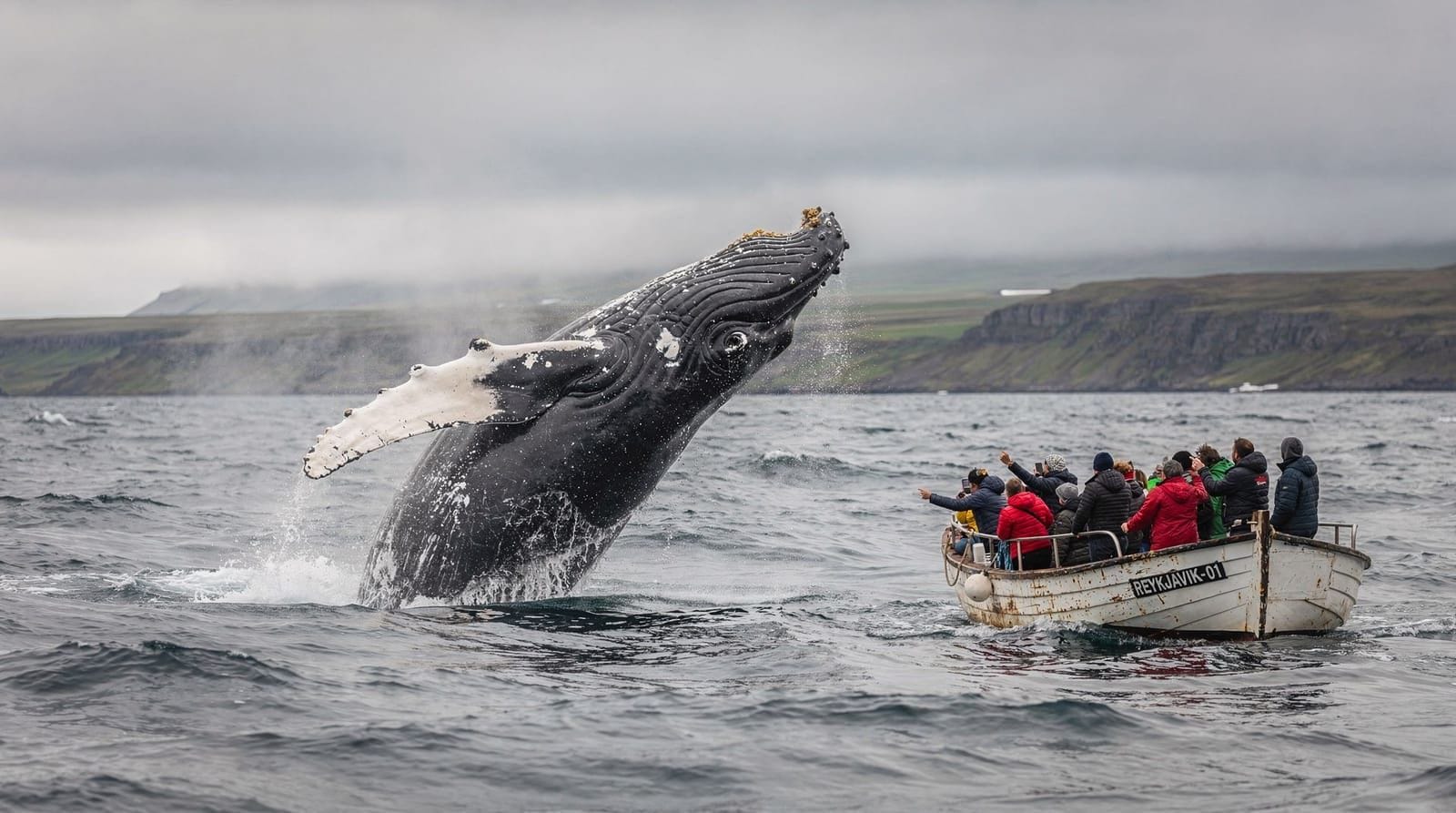
Minke whales and white-beaked dolphins are frequently seen in Ísafjarðardjúp bay from boat tours. The ferry crossing on Baldur provides the best wildlife-watching platform — bring binoculars. Harbour seals are common on the rocky shores throughout the Westfjords.
Southern vs northern Westfjords: what each half delivers
The five days naturally split into a southern half (Days 1–2, Patreksfjörður area) and a northern half (Days 3–4, Ísafjörður area), and each has a distinct character worth knowing before you plan the split.
| Southern (Látrabjarg, Rauðisandur, Patreksfjörður) | Northern (Ísafjörður, Dynjandi, Vigur) | |
|---|---|---|
| Character | Wild, birdlife-focused, fewer services | More developed, better food, a real town |
| Signature site | Látrabjarg bird cliffs | Dynjandi waterfall, Tjöruhúsið restaurant |
| Road quality | Rougher gravel, more remote | Better paved sections, one mountain pass |
| Best for | Birdwatchers, June–July puffin season | Anyone who wants a comfortable base with day trips |
If forced to choose only one half for a shorter trip, birdwatchers and photographers should lean south toward Látrabjarg; travellers who want a mix of scenery, food and an easier driving base should lean north toward Ísafjörður.
How does accommodation booking work in the Westfjords?
The Westfjords has very limited accommodation outside Ísafjörður and Patreksfjörður. Key properties book out months in advance in summer:
- Tjöruhúsið restaurant (Ísafjörður) — book the restaurant separately from accommodation; it fills within days of reservations opening in spring
- Hotel West (Patreksfjörður) — the only hotel option in the southern Westfjords; book 2–3 months ahead for July–August
- Farmstay accommodation is available through Icelandic Farm Holidays (farmholidays.is) — reliable, typically includes breakfast, and more resilient to late booking than hotels
Wild camping is permitted in Iceland outside of protected areas and away from farms, but the Westfjords has limited flat ground and the weather makes tenting in exposed locations genuinely unpleasant compared to hut accommodation.
Should I combine the Westfjords with the Ring Road or do it as a separate trip?
Both approaches work, and the honest trade-off is time. As a dedicated 5-day trip from Reykjavík, as written here, you can focus entirely on the region without competing for days with the rest of the country. Folded into a longer loop, the Westfjords fits naturally between a Snæfellsnes visit and the North Iceland section of a 14-day Ring Road itinerary — but expect the 5 days here to compress to about 2–3 if squeezed into a bigger trip, meaning you would have to choose between Dynjandi and Látrabjarg rather than doing both properly.
What should I skip if I only have 3 days, not 5?
Prioritise Dynjandi and Ísafjörður over Látrabjarg and Vigur island — the waterfall and the town are more centrally located and require less driving margin for error. Skip the Rauðisandur detour and the second Ísafjörður night first; both are genuinely worthwhile but the most compressible without losing the core of the trip. See the Iceland self-drive guide for how to sequence a shorter Westfjords loop without doubling back on the same roads.
Top experiences
Bookable activities with verified prices and instant confirmation on GetYourGuide.