Iceland self-drive guide: planning your road trip from scratch
Reykjavik: Small group Golden Circle day trip
Is it easy to self-drive in Iceland?
Yes, for most routes. Route 1 (Ring Road) and all major tourist roads are paved and well-signed. The main variables are weather, insurance complexity, and fuel gaps in remote areas. A standard driving licence from any EU country or the US/Canada/Australia is valid. Minimum age is 20 for most rentals.
Why self-driving Iceland beats any other option
Iceland is structured for road travel. Public buses run infrequently, domestic flights are expensive, and organized tours visit the same 25 stops in fixed order. A rental car gives you an 11 pm stop at Skógafoss when the tour buses have left, the ability to camp at a remote spot near Vatnajökull, and the freedom to reroute when aurora forecasts change overnight.
The tradeoff is responsibility: road conditions can shift quickly, F-roads require a 4x4 and the right insurance, and Iceland’s remote stretches are genuinely far from help. This guide covers the mechanics so you can plan clearly.
| Where | Route 1 (Ring Road) plus paved side roads; F-roads by 4x4 only |
| Cost | Around ISK 8,000–45,000/day depending on vehicle class |
| Time needed | 7–14 days for a full Ring Road; 3–5 for South Coast/Golden Circle |
| Best time | June–August for ease; Sept for balance of quiet + weather |
| Booking | Rental car 3–6 months ahead for summer |
Choosing the right vehicle
Small 2WD (Dacia Sandero, Toyota Yaris class)
Best for: Ring Road in summer, Golden Circle, South Coast, Snæfellsnes. Not suitable for F-roads, winter driving outside the Ring Road corridor, or river crossings.
Cost: ISK 8,000–15,000/day (€55–100) in high season.
Medium 4x4 (Dacia Duster, Toyota RAV4 class)
Best for: Ring Road year-round, highland F-roads with river crossings, winter driving. Handles gravel tracks that a small car would damage its undercarriage on.
Cost: ISK 15,000–30,000/day (€100–200).
Campervan (2-berth)
Best for: Flexible travelers who want to sleep near highlights, avoid booking ahead, and reduce nightly accommodation cost. Campervans are legally not allowed on F-roads unless specifically rated. See our campervan vs car comparison.
Cost: ISK 20,000–45,000/day (€135–305) including bed. Factor in camping fees (ISK 1,500–2,500/person/night).
Full decision guide
See our 2WD vs 4x4 comparison for specific road scenarios and rental company recommendations.
A quick comparison at a glance
| Vehicle type | Best for | Daily cost | F-roads? |
|---|---|---|---|
| Small 2WD | Ring Road summer, paved roads only | ISK 8,000–15,000 | No |
| Medium 4x4 | Year-round Ring Road, highland F-roads | ISK 15,000–30,000 | Yes (most F-roads) |
| Campervan (2-berth) | Flexible sleeping, reduced accommodation cost | ISK 20,000–45,000 | No (unless specifically rated) |
Insurance: the part that always surprises people
Every Iceland car rental includes a basic Collision Damage Waiver (CDW) — but the exclusions are extensive:
- Gravel damage: Sand, rocks, and gravel kicked up by other vehicles or the road are not covered by CDW. Gravel protection (GPSB) costs ISK 1,000–2,500/day extra.
- Sand and ash damage: The South Iceland black sand beaches and highland tracks expose cars to sandblasting. Sand/Ash Protection (SAAP) covers this; cost ISK 1,000–2,500/day.
- Windscreen: Often excluded from CDW, sometimes sold as separate cover.
- River crossing damage: Almost always excluded. If you attempt an F-road river crossing and get water in the engine, expect a bill in the hundreds of thousands of ISK.
- Underbody damage: Driving off paved roads often voids basic CDW.
The practical recommendation: take CDW + GPSB + SAAP as a minimum if you leave the Ring Road. Full insurance breakdown here.
Driving licences and minimum age
A valid driving licence from any EU/EEA country is accepted. US, Canadian, Australian, New Zealand, and UK licences are accepted without an International Driving Permit (IDP). Most other countries require an IDP alongside the national licence — check with your rental company before travel.
Minimum age for most rental categories is 20 years, with a young driver surcharge (typically ISK 2,000–5,000/day) for drivers aged 20–22. Some 4x4 and campervan categories require age 23+.
Roads you’ll actually encounter
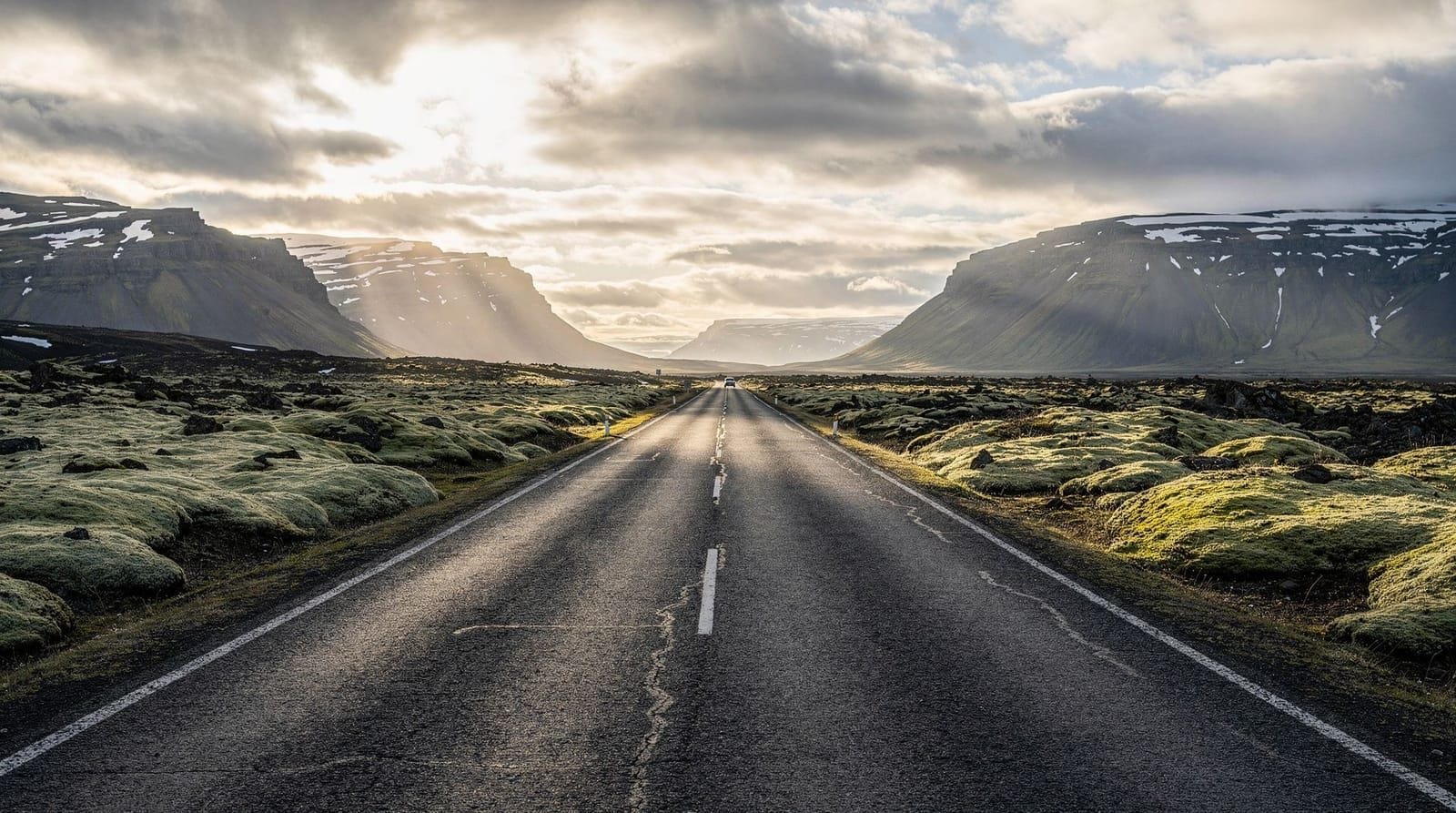
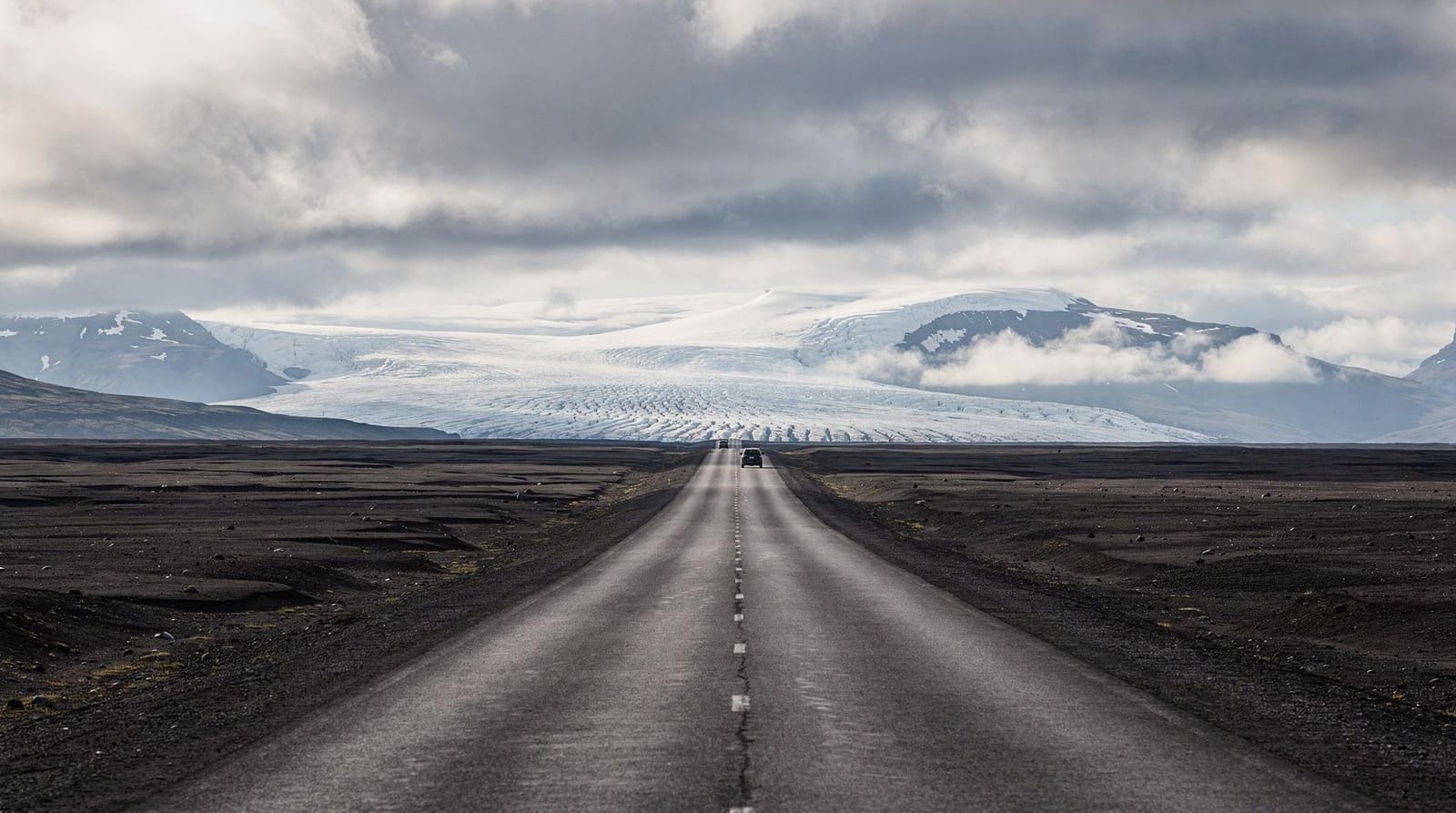
Route 1 (Ring Road): 1,322 km, fully paved, year-round access. The reference standard for Iceland driving. Detailed breakdown in our Ring Road guide.
Route 35 / Golden Circle roads: Paved, high traffic in summer, straightforward driving. The Golden Circle self-drive route covers these specifically.
South Coast (Route 1 between Reykjavik and Höfn): Paved. Some sections near Vík and Mýrdalssandur are exposed to crosswinds and sand. Bridges over glacial rivers are single-lane with passing places.
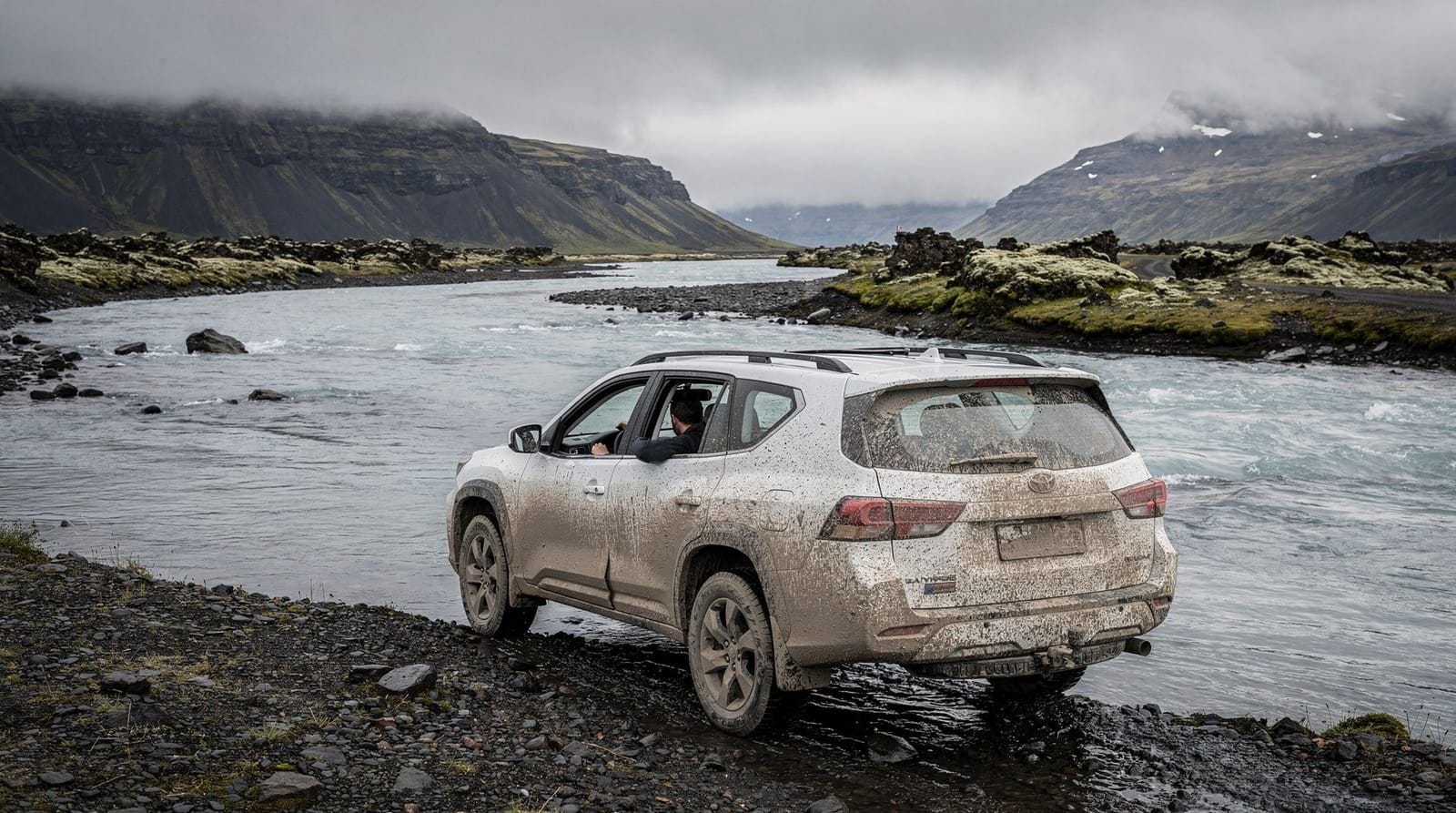
F-roads (Highland Interior): Unpaved, rocky, often with river crossings. Only open late June–September. A 4x4 is legally required; rental company insurance typically does not cover damage unless you have F-road-specific cover. Full rules in our F-roads guide.
Gravel side roads: Not F-roads but not paved. Common near Reynisfjara, Þórsmörk, and many waterfall accesses. Gravel damage is not covered by standard CDW.
Fuel: logistics and costs
Petrol costs approximately ISK 290–310/litre (€2.00–2.15, mid-2026) for 95-octane. Diesel is slightly cheaper. Petrol stations are plentiful on the Ring Road but thin out in the Eastfjords and northern highlands. The longest gap is approximately 140 km near the Eastfjords. Always fill up when you see a station and the tank is below half.
Self-service pumps (N1, Orkan, Olís, Skeljungur) are cheaper than staffed pumps. They accept Visa/Mastercard but require a PIN — credit cards that don’t have a PIN won’t work at unmanned pumps. More detail in our fuel and gas stations guide.
Seasonal self-drive realities
Summer (June–August)
All roads accessible, long daylight (near-24-hour daylight mid-June), but heavy traffic on popular routes. Campsite booking essential on the Ring Road. Wind can still cause driving problems near Vik.
Autumn (September–October)
Excellent for self-driving — lower traffic, golden light, real aurora possibility from mid-September. Temperatures drop after mid-October; black ice begins appearing at night at higher elevations.
Winter (November–March)
Legally driveable but not for inexperienced winter drivers. Studded tyres are standard on all Iceland rentals from November 1 to April 15. Check road.is every morning before driving. Some Ring Road sections close temporarily. Budget extra days for weather delays. Full details in our winter driving guide.
Spring (April–May)
F-roads still closed (typically until mid-June). Ring Road largely clear but patches of black ice possible in April. Less dramatic than autumn or summer but noticeably quieter.
Practical trip-planning steps
- Book your rental car first. Car supply in Iceland is genuinely limited, especially for 4x4s and campervans. Book 3–6 months ahead for summer.
- Plan rough stages, not a fixed itinerary. Iceland weather will change your schedule. Plan three priority stops per day and accept you’ll do one or two.
- Download offline maps. Google Maps offline, Maps.me, or Gaia GPS. Mobile coverage gaps are real in the Eastfjords and remote north.
- Register your travel plan. Safetravel.is lets you submit a route; rescuers check this if you don’t return.
- Check road.is the night before each driving day. The page shows colour-coded conditions for every road segment.
- Know what to do if a road is closed. Iceland road closures happen fast, sometimes for days. Have alternative routes and accommodation flexibility built into your plan.
Booking your rental car: timeline and strategy
Iceland’s rental car supply is genuinely limited, especially in the 4x4 and campervan categories. In July–August, popular companies (Lotus, Geysir, Blue Car Rental, Go Iceland, Europcar) sell out their best vehicles months in advance.
When to book: For summer travel (June–August), book 4–6 months ahead for a specific vehicle type. For shoulder season (May, September–October), 6–8 weeks. For winter, a month is usually sufficient outside Reykjavik.
Where to compare: Rentalcars.com and Northbound.is aggregate Iceland rental companies. Northbound is Iceland-specific and often has better 4x4 rates. Direct booking with Icelandic companies (Geysir, Lotus, Bílaland) sometimes beats aggregators, particularly for longer rentals. Our renting a car in Iceland guide covers the full comparison in detail, and saving money on car rental has specific tactics for cutting the cost without cutting the cover you actually need.
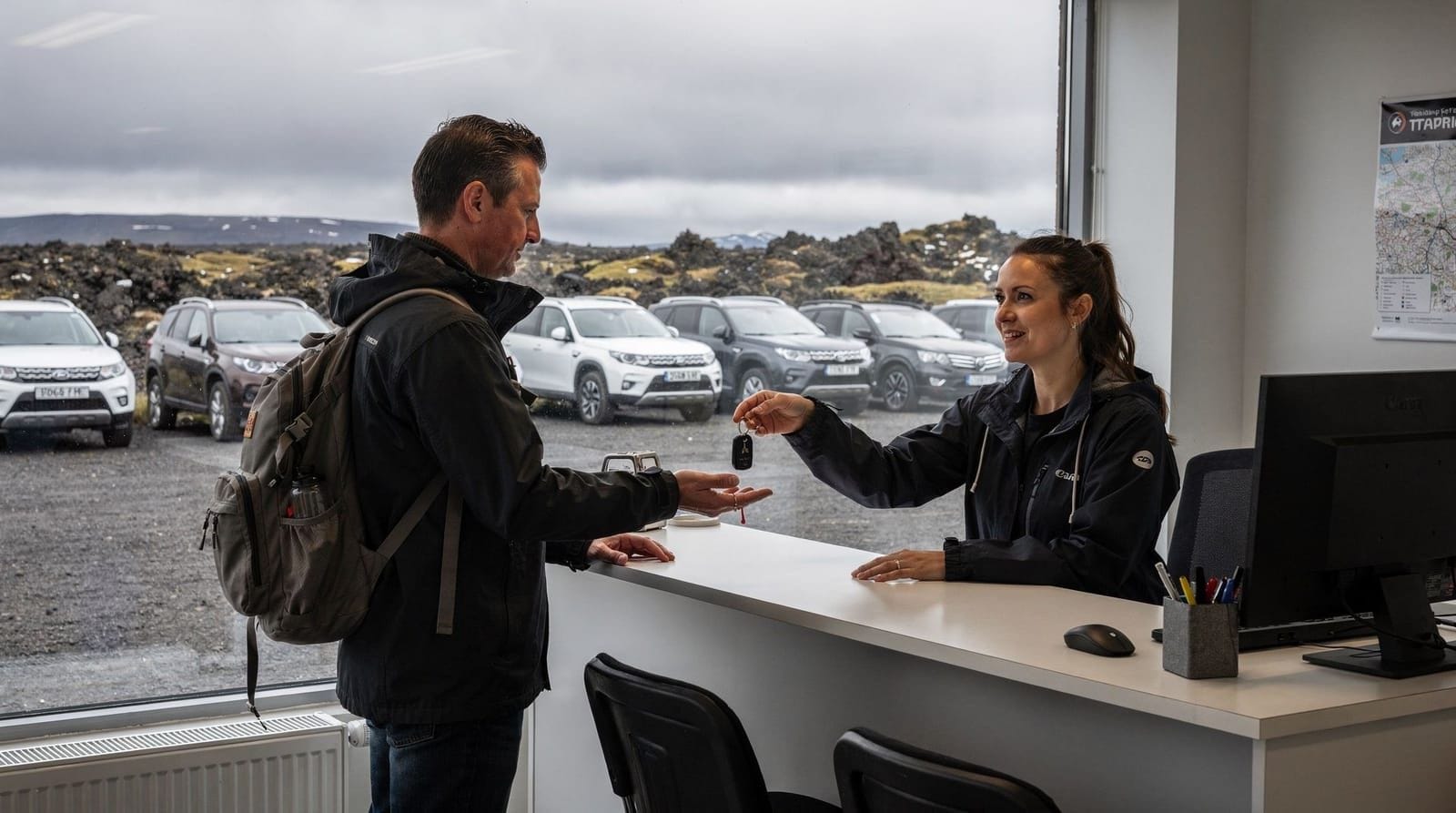
Pickup at the airport vs city: Keflavik Airport pickup is most convenient if you are arriving and immediately heading on a Ring Road. City pickup (Reykjavik) is better if you are spending the first night in the city before driving. Most companies offer both locations; airport pickups may include a shuttle from terminal to the rental lot.
Reading the contract: Before signing, verify:
- What roads the insurance covers (specifically: are F-roads covered?)
- What is and isn’t included in the CDW
- Fuel policy (most Iceland rentals are full-to-full)
- Tyre condition notes — document any existing damage with photos before driving off
Navigation and staying found
Route 1 is well-signed with green Route 1 markers throughout. Navigation on the Ring Road itself is simple. Where people get lost:
Detours and highland F-roads: GPS units don’t show F-road restrictions. A route that looks short on a map may cross a closed or 4x4-only track. Use Google Maps or OsmAnd in offline mode, cross-checked against road.is for any route that leaves Route 1.
Language barriers at junctions: Road signs are in Icelandic only. The names are phonetically challenging — Kirkjubæjarklaustur, Hveragerði, Þingvellir — but once you learn to recognise the letter shapes (Þ = “th”, ð = “th”, æ = “ai”), navigation by sign becomes easier. Download a phonetic guide before you go.
Getting back on Route 1: If you get diverted or confused, look for the yellow kilometre-stone markers on Route 1 that number from Reykjavik going clockwise. They are a reliable way to orient yourself.
Offline mapping: Download your Iceland offline map before leaving home network. In the East Fjords and Westfjords, mobile data drops out. Google Maps offline works well for Route 1; for backcountry, Gaia GPS or OsmAnd with Iceland tiles is more reliable.
The psychology of Iceland driving
Several aspects of Iceland driving are mentally different from other countries, and it helps to know these in advance:
Distances feel larger than they are. A 60 km drive on a winding fjord road takes 1.5–2 hours, not 45 minutes. Iceland maps showing 50 km between two points don’t indicate road type or speed limitations. Always buffer driving time by 50% when planning.
Weather decisions are personal. No one will tell you not to drive when conditions are yellow on road.is. The decision is yours. Some visitors are more cautious than necessary; others push through conditions they shouldn’t. Calibrate your threshold carefully — the accidents that happen in Iceland tend to happen to people who ignored moderate warning signs, not severe ones.
There is no shame in waiting. If road.is shows a storm front coming and you are half a day away from a notorious closure point, stopping in a town for 12–24 hours and waiting it out is not a failure. The best Ring Road travelers build in buffer days precisely for this.
Tunnel etiquette requires attention. Several Iceland tunnels are single-lane with passing bays. If you enter and meet oncoming traffic, the vehicle nearest a bay pulls over. Getting this wrong creates a frustrating standoff in a narrow tunnel.
For a fuller picture of Icelandic driving conventions and etiquette beyond tunnels, see driving in Iceland.
Packing list for a self-drive Iceland trip
Beyond standard travel gear:
- Waterproof jacket and trousers: Iceland’s rainfall is horizontal. A serious waterproof outer layer is essential for any outdoor stop.
- Layering base layers: Temperatures can drop 10°C in an afternoon. Merino wool base layers that regulate temperature efficiently.
- Walking/hiking boots: Waterproof, with ankle support. Slip-on shoes will fail on the black sand beaches and lava terrain.
- Sunglasses (polarised): The midnight sun at low angles creates glare on water and ice that is genuinely difficult to drive into.
- Headlamp: In winter, essential for pre-dawn aurora excursions. In summer, useful for early hikes.
- Physical Iceland road atlas: Mál og Menning publish the definitive Iceland road atlas. Buy in Reykjavik. GPS fails; this doesn’t.
- Camera with a tripod: Iceland’s best photography requires long exposures (aurora, waterfalls, twilight). A travel tripod weighs 700–900g and transforms low-light shots.
- Cash (ISK): Most transactions are card-based, but some remote campsite self-service systems and older guesthouses still prefer cash. ISK 10,000–20,000 is enough as backup.
Driving with a disability or reduced mobility
Iceland’s Ring Road is accessible to drivers with disabilities, with important caveats:
Automatic transmission: Available from several Iceland rental companies — specify at booking. Companies including Lotus, Geysir, and Go Iceland stock automatics. Not all categories have automatic options, so book early if required.
Accessible parking: Major sites (Gullfoss, Geysir, Þingvellir, Jökulsárlón) have designated accessible parking close to the main entrance. Iceland uses the standard European Blue Badge scheme.
Site accessibility: Gullfoss has a paved accessible path to the upper viewpoint. Geysir has flat paths. Þingvellir’s Almannagjá gorge walk is flat and suitable for wheelchairs for approximately 1.5 km. Reynisfjara beach is challenging in a wheelchair (black sand). Jökulsárlón boat tours are not accessible for all mobility levels — check with operators.
Accommodation: Most Ring Road guesthouses are ground-floor accessible rooms only, rarely with wet-room bathrooms. Akureyri and Reykjavik hotels have the most accessible options. Camping with reduced mobility is possible at sites with solid ground paths and accessible toilet facilities — check sites individually.
Emergency preparedness: what to carry
Beyond navigation and documents, specific emergency items for Iceland driving:
Emergency kit minimum:
- Emergency blanket (mylar space blanket) × 4
- High-calorie snacks (nuts, chocolate, energy bars) for 24 hours per person
- 2L water minimum per person
- First aid kit (standard road kit)
- Jumper cables
- Tow rope (with rated tow point attachment)
- Shovel (compact folding type)
- Torch (headlamp preferred) with spare batteries
In winter, add:
- Extra warm layers and waterproof trousers (stored in car, not bag)
- Chemical hand warmers
- Second pair of gloves
- Sand or cat litter (for traction if stuck)
None of these are bulk items. The total weight of the above is under 5 kg and fits in a small box in the boot. The cases where Iceland visitors have needed this kit are real and well-documented.
When self-driving isn’t the right call
Self-driving suits most Iceland trips, but it isn’t automatically the best choice for everyone. A few honest exceptions:
- No winter driving experience and a winter trip. Studded tyres help, but they don’t replace judgment in genuine ice and whiteout conditions. A guided day tour for the higher-risk segments (South Coast in a storm, mountain passes) is a legitimate substitute.
- A very short trip (2–3 days) focused only on Reykjavík and the Golden Circle. The car sits idle for meals and city time; a mix of walking, a single Golden Circle tour, and public transport can work out both cheaper and less stressful.
- Solo travellers on a tight budget. Splitting car costs is the single biggest lever for reducing per-day spend — see Iceland on a budget for the group-size math.
- Anyone uncomfortable with genuinely long, monotonous driving days. The East Fjords and North Iceland legs of the Ring Road involve hours of driving between stops; some travellers prefer to fly domestically for part of the loop instead.
None of these exceptions mean self-driving is wrong for you specifically — they’re the honest edge cases where a different approach, or a hybrid of self-driving plus a guided day or two, genuinely serves the trip better. Most travellers reading this guide are in the “self-drive fits well” category; the exceptions above are worth a moment of honest self-assessment before committing to a 10-day rental.
Small-group Golden Circle day tripFrequently asked questions about self-driving Iceland
What side of the road do Icelanders drive on?
Right-hand side, same as continental Europe and the US. Steering wheels are on the left.
Do I need a GPS or can I use my phone?
Your phone works fine on the Ring Road with downloaded offline maps. In the Highlands and Westfjords, a dedicated GPS with Iceland maps is worth carrying as a backup. Emergency services rely on GPS coordinates — the 112.is app transmits your location directly.
Can I drive the Ring Road with a regular 2WD car?
Yes, in summer. The Ring Road is paved and any road-legal car can complete it. A 4x4 gives more comfort on occasional rough patches and is essential if you want to add any highland detours. See our 2WD vs 4x4 guide.
Is speeding monitored in Iceland?
Yes. Speed cameras (both fixed and mobile) operate on Ring Road. Urban limits: 30–50 km/h. Rural paved: 90 km/h. Unpaved roads: 80 km/h. Fines start at ISK 20,000 (€135) and increase sharply for higher speeds. Rental companies are legally required to pass fines to renters.
How do I pay for fuel at unmanned pumps?
Insert a Visa or Mastercard, enter your PIN, and select the amount. Cards without a PIN (some US credit cards) won’t work. Carry an alternative card or a few thousand ISK cash as backup.
Is it safe to pull over on the side of the Ring Road?
There are designated pull-offs (gravel lay-bys) at most viewpoints. Do not stop on the road itself; overtaking vehicles and tour buses move fast. Many accidents in Iceland involve tourists stopping on the carriageway.
Can I drive in Iceland with a US driving licence?
Yes. US licences are directly accepted — no International Driving Permit (IDP) required. The minimum age for most rentals is 20 years. Some premium categories (larger 4x4s, campervans) may require age 23+. Right-hand side driving is the same as in the US, making the adjustment straightforward for American drivers.
What’s the most common mistake first-time Iceland drivers make?
Underestimating how long stops actually take. Google Maps estimates driving time accurately, but doesn’t account for 40-minute waterfall photo stops, wrong turns at unsigned tracks, queuing to park at Skógafoss, or checking road.is at a café. Budget 50% more time than pure drive-time suggests.
Is self-driving cheaper than a guided Ring Road tour?
For groups of 2 or more sharing costs, generally yes — a shared rental car, self-catering, and mid-range guesthouses usually undercut an equivalent multi-day guided tour per person. For a solo traveller, the gap narrows considerably, and a guided tour can work out competitive once you include fuel, insurance, and the full cost of a car for one.
Do I need to book campsites in advance if self-driving?
In July and August on the popular Ring Road circuit, yes for the well-known sites (Skógar, Vík, Höfn) — they fill by early evening in peak weeks. Shoulder season and less-visited regions are far more relaxed about walk-ins.
Top experiences
Best-rated activities across GetYourGuide and Viator.

From Reykjavik: Snaefellsness Peninsula small group day tour
- Viator

Lake Myvatn Day Tour and Godafoss Waterfall for Cruise Ships from Akureyri Port
- Viator

Private Jökulsárlón Glacier Lagoon 2 Day Tour & Glacier Hike
- Viator

From Reykjavik: Katla Ice Cave and South Coast Day Tour
- Viator

Reykjanes Peninsula Private Day Tour - up to 9 passengers
- Viator

Thorsmork Hike Day Tour
- Viator