Campervan vs car in Iceland — which is right for your trip?
Should I rent a campervan or a car for Iceland?
A campervan saves money on accommodation (especially in summer) but costs more per day and requires planning around campsite rules. A car with guesthouses gives more comfort and flexibility. For solo travellers or couples doing a 10+ day Ring Road in summer, a campervan often wins on total cost.
| Campervan | ISK 18,000–70,000/day + campsite fees, best for 10+ day summer trips |
| Car + guesthouse | ISK 8,000–18,000/day car + 18,000–40,000/night room |
| Cheapest for 2 people | Campervan if camping every night, June–August |
| Best for families/winter | Car + guesthouse |
| Booking | 3–4 months ahead for summer campervans |
The core question: accommodation or transport budget?
When planning an Iceland trip, most visitors treat transport and accommodation as two separate budget lines. Renting a campervan merges them — you pay more per day for the vehicle but stop paying for beds. Whether this works in your favour depends on your trip length, group size, season, and tolerance for camping logistics.
This guide compares both options honestly, including the costs most comparison articles skip.
What a campervan actually costs
Iceland’s campervan market splits into two categories:
Budget campervans (converted vans, pop-top Transporters): 18,000–35,000 ISK per day in summer, sleeping 2. Usually include a mattress, sleeping bags or bedding, a basic camping stove, and storage. No toilet or shower on board.
Larger campervans (4WD 4x4 campers, larger MWBs): 40,000–70,000 ISK per day. More space, sometimes have a toilet, more weather-resilience. Essential if you plan highland F-roads.
On top of the vehicle rental: campsites in Iceland charge 1,500–2,500 ISK per person per night (some charge per pitch instead, at 3,000–6,000 ISK). In July and August, popular sites like Skógafoss or the Jökulsárlón area fill up and sometimes turn people away.
Full fuel cost at current prices (265–295 ISK/litre): campervans are heavier and use more fuel — budget 20–30% more than a compact car for the same route.
Also factor in: campsite Wi-Fi is patchy, showers cost 200–400 ISK extra at many sites, and diesel/petrol in a larger van can genuinely sting over a 10-day loop.
What a car plus accommodation costs
A small rental car (Yaris class): 8,000–18,000 ISK per day in summer depending on booking lead time.
Guesthouses on the Ring Road: 18,000–40,000 ISK per room per night, sometimes including breakfast. Hostels and farm stays run 7,000–14,000 ISK per dorm bed. Budget accommodation options in detail: see budget accommodation Iceland.
A hostel bed + car in summer might total 25,000–35,000 ISK per person per day for two people sharing. A campervan for two sharing might total 20,000–30,000 ISK per person per day including the campsite — cheaper, but only if you’re genuinely camping most nights rather than falling back to guesthouses.
When a campervan makes financial sense
The maths work best when:
- Trip length is 10 days or more. On a 5-day trip, the campervan daily rate premium often outweighs accommodation savings.
- You’re a couple or solo traveller. Two people splitting a campervan share both the vehicle cost and campsite fee. Three people sharing a car and a triple dorm bed is often cheaper.
- You’re travelling June–August. Campsite infrastructure is open and functional. Outside these months, most campsites close, and freedom camping (outside designated sites) is significantly restricted.
- You’ll actually camp every night. If you stay in guesthouses three nights because the weather is brutal, the campervan’s cost advantage evaporates.
When a car makes more sense
- Travelling with children. A campervan feels adventurous until a toddler needs a warm bath at midnight and the nearest campsite shower is coin-operated. Read the Iceland with kids guide for family logistics.
- Travelling outside May–September. Winter camping requires serious gear and experience. Campsite networks thin dramatically. You’ll be paying campervan rates to mostly stay in guesthouses.
- You need predictability. Campervans add logistical complexity: finding a site, arriving before dark (difficult in December), grey water disposal, gas refills. With a car, you just book a guesthouse and show up.
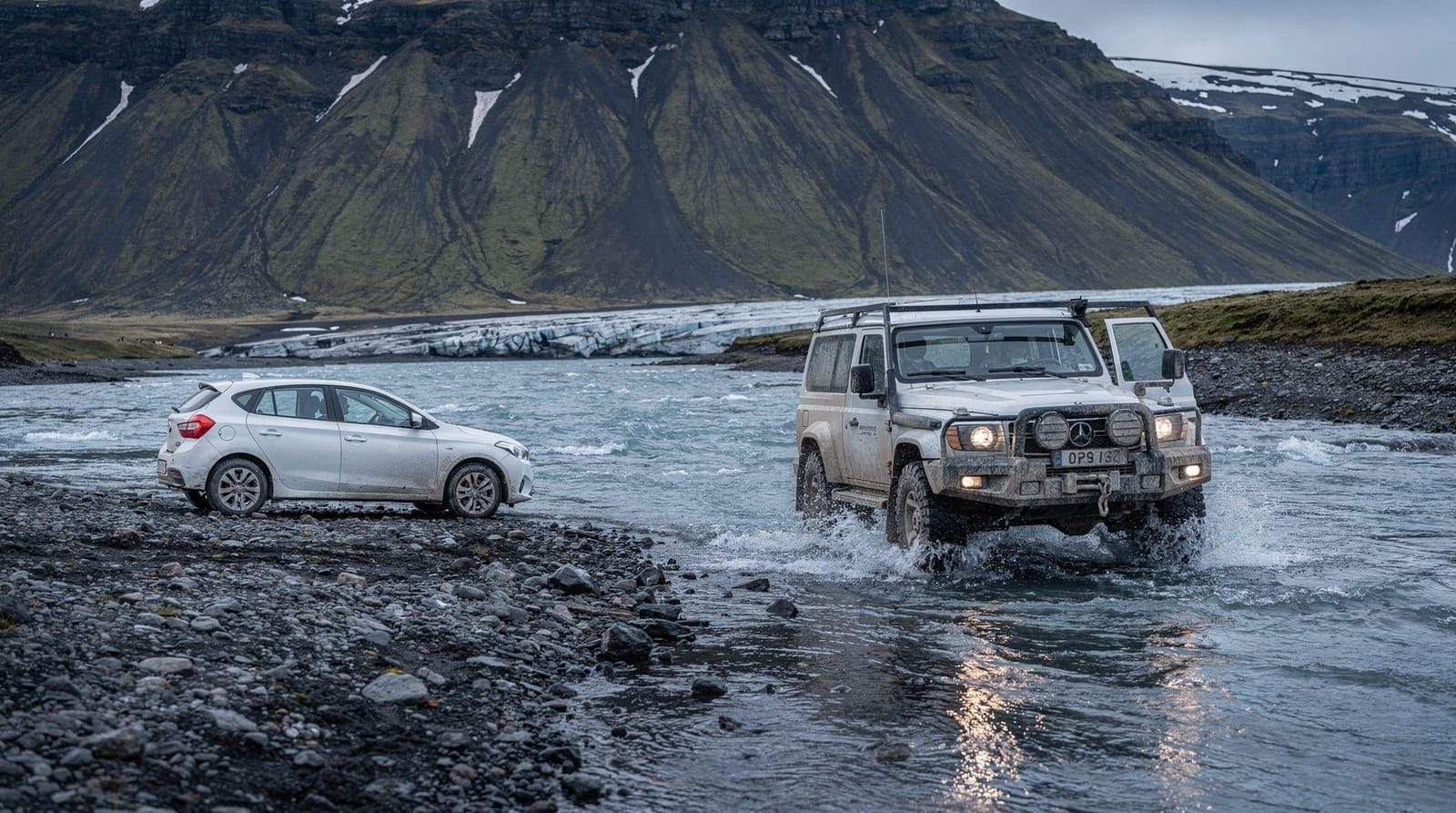
- You want highland F-roads. Budget campervans are typically 2WD. A 4WD campervan capable of F-roads costs 50,000–70,000 ISK per day — more than a 4WD rental car plus a guesthouse.
Comfort and practicalities
Sleeping: Budget campervans have real mattresses, but the overhead van dimensions can feel cramped after a week. Taller travellers (over 180 cm) often find them genuinely uncomfortable. Test this before committing.
Cooking: Having a stove on board lets you eat cheaply. A simple pasta, eggs, or rye bread and skyr meal from Bónus costs 500–1,500 ISK per person. Restaurant meals run 3,000–5,000 ISK for a main. Cooking most meals in a campervan saves real money. See the Iceland supermarkets guide for shopping tips.
Weather: Iceland’s weather is genuinely variable. A July morning that starts sunny can turn to horizontal rain and 40 km/h wind by afternoon. In a campervan, that means cooking hunched over a stove in a damp van. In a guesthouse, it means watching the rain through a warm window.
Internet and charging: Campervans typically have a leisure battery and 12V charging. USB and standard plugs are usually available. Campsites vary in Wi-Fi quality. If reliable internet matters (you’re working remotely), guesthouses are more consistent.
The hybrid approach
Many Ring Road travellers book a car for their full trip but plan two or three nights in a sleeping bag in the car or in a cheap dorm, cutting accommodation costs for select nights. This requires no special vehicle and keeps full flexibility.
Alternatively, some travellers rent a campervan for the Ring Road segment only (7–10 days) then switch to a guesthouse for city nights in Reykjavik, where campsites are far from the centre and parking is expensive.
Environmental note
Iceland’s natural environment is under serious pressure from over-tourism. Stick to designated campsites — freedom camping outside permitted spots damages fragile moss and is actively enforced with fines (up to 100,000 ISK). The Camping Card (available from campsite operators, around 22,900 ISK for two people) covers 28 nights at participating sites and saves money if you’re planning a long trip.
For the full Iceland self-drive picture, see Iceland self-drive guide and the Ring Road guide.
Frequently asked questions about campervans vs cars in Iceland
Is renting a campervan in Iceland worth it?
For couples or solo travellers doing the Ring Road in summer for 10+ days, yes — the total trip cost is often cheaper than car plus guesthouses. For families, winter travellers, or shorter trips, the maths usually favour a car with accommodation.
Can campervans drive on F-roads?
Most budget campervans are 2WD and cannot legally or safely drive on F-roads. If you need F-road access, you need a 4WD campervan, which costs significantly more. Check your rental contract explicitly — most have clauses voiding insurance for off-piste use.
Where do campervans park overnight in Iceland?
At designated campsites. Freedom camping outside permitted sites is prohibited across most of Iceland and is actively enforced. The Camping Card and Ferðafélag Íslands system cover most Ring Road campsite networks.
What is the best campervan size for Iceland?
For a couple, a converted Volkswagen Transporter or similar mid-size van is manageable and can access most campsites. Larger European-style motorhomes handle the Ring Road fine but are harder to park and less economical on fuel. They cannot take many F-roads.
Do campervans come with all gear in Iceland?
Most rentals include sleeping bags or duvets, pillows, a gas stove, pots, cutlery, and basic tools. Check the specific inventory list with your operator — some charge extra for kitchen kits. Budget operators often provide bare-minimum setups.
What happens if it rains the whole time?
It’s Iceland — expect some of every kind of weather regardless of season. Budget campervans have minimal insulation and can be cold and damp in poor conditions. A down sleeping bag and waterproofs are essential. If weather reliability matters greatly to you, guesthouses are the better choice.
Can I book a campervan last-minute in Iceland?
In July and August, last-minute availability is thin to non-existent for most operators. Book at least 3–4 months ahead for summer travel. Off-season, you can often find vehicles on short notice at reduced rates.
Is it safe to drive a campervan in Iceland in winter?
Experienced drivers with appropriate tyres and winter driving experience can manage it. Iceland’s winter road conditions include black ice, snowstorm closures, and limited daylight. Most campervan operators restrict or prohibit some vehicle classes in winter months. Check safetravel.is and road.is daily if driving in winter.
How do I decide between a campervan and a car if I’m still unsure?
Ask three questions: is your trip 10+ days, is it May–September, and are you a couple or solo traveller comfortable with camping logistics? If you answer yes to all three, a campervan likely works out cheaper and more flexible. If any answer is no, a car plus guesthouses is the safer, more comfortable default.
Campervan rental operators in Iceland
Several operators dominate the Iceland campervan market. Their pricing and fleet quality differ significantly:
Happy Campers: One of Iceland’s largest campervan rental companies. Good fleet range from budget vans to 4WD campers. Well-reviewed for post-rental support. Book very early for summer.
Kúkú Campers: Budget-focused, distinctive branded vans. Popular with young travellers. Basic kit but functional. Clear pricing.
Campervan Iceland / Northbound: Operates a mixed fleet. Aggregator-listed, often available through Campervan.is or RentalCars.com for price comparison.
Camping-in-a-car (converted sedans): Some operators rent standard cars with a mattress platform fitted to the boot. The cheapest option but only realistic for one person or a very small couple. Not a campervan in any meaningful sense — no cooking facilities.
When comparing operators, the key things to check:
- Is the SAAP (gravel protection) included or extra?
- What is the mileage policy?
- Are airport pickup/drop costs included?
- What does the emergency roadside call-out cover?
Route planning for a campervan Ring Road trip
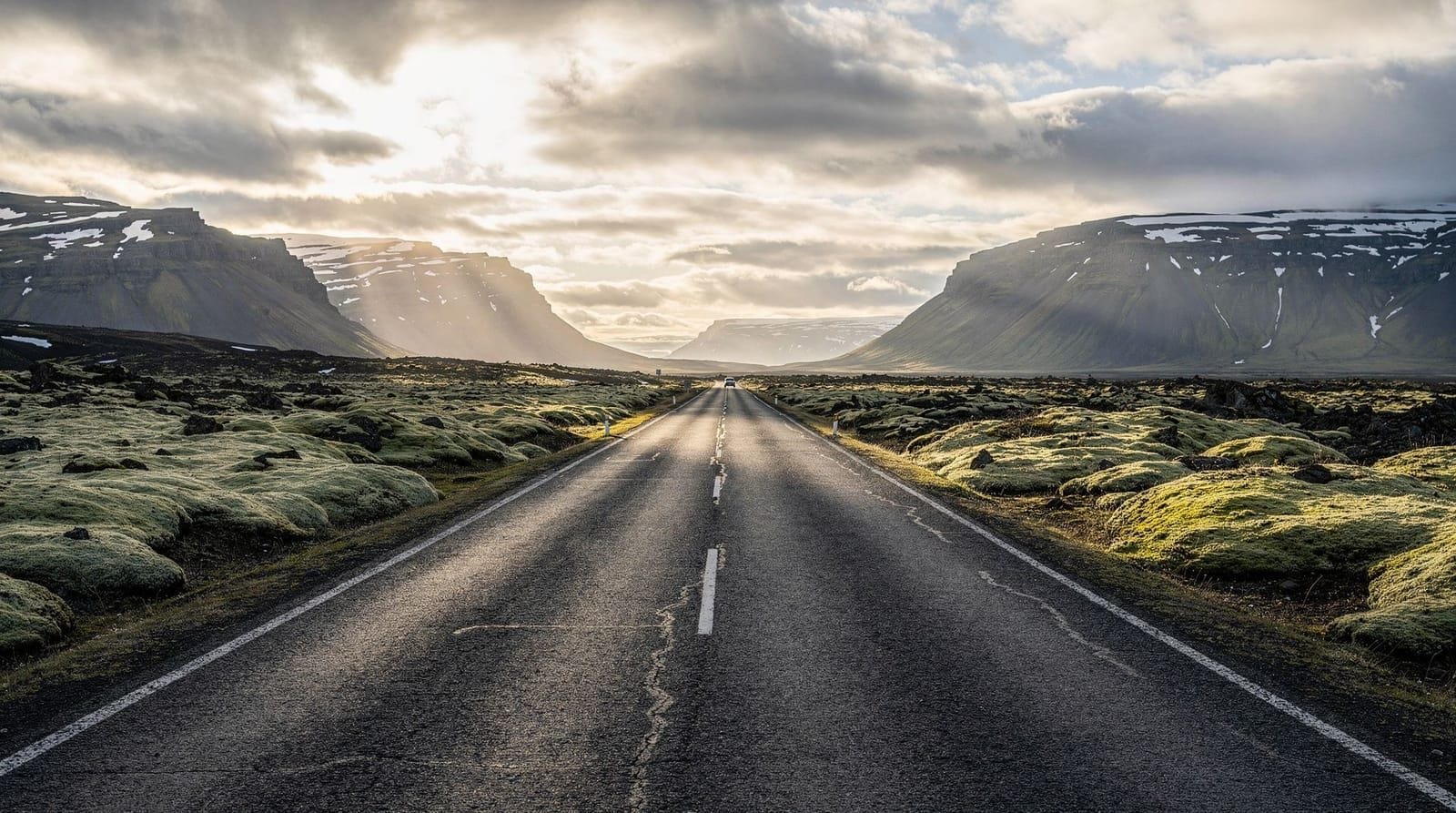
The Ring Road (Hringvegur, Road 1) is 1,332 km. Campervans travelling at 80–90 km/h with regular stops should plan no more than 250–300 km of driving per day — Iceland’s attractions reward slow travel, and safety on unfamiliar roads favours unhurried driving.
A practical 10-day itinerary:
- Days 1–2: Reykjavik and Reykjanes (Blue Lagoon area, Golden Circle)
- Days 3–4: South Coast (Seljalandsfoss, Skógafoss, Vík, Reynisfjara)
- Days 5–6: Glaciers and East (Jökulsárlón, Diamond Beach, East Fjords)
- Days 7–8: North (Akureyri, Mývatn, Dettifoss)
- Days 9–10: West (Snæfellsnes Peninsula, return to Reykjavik)
See the Ring Road guide for detailed logistics, and ring-road-clockwise-or-counterclockwise to decide your direction.
Quick reference: which wins by scenario
| Scenario | Better choice |
|---|---|
| Couple, 10+ days, summer, comfortable camping | Campervan |
| Solo traveller, any season | Car + hostel/guesthouse |
| Family with children under 10 | Car + guesthouse |
| Winter northern lights trip | Car + guesthouse |
| Highland F-road access needed | Car (4WD) + guesthouse or huts |
| Short 5–7 day South Coast trip | Car + guesthouse |
Deciding by trip length and season
The clearest predictor of which option wins financially is trip length combined with season. Under 7 days, a car and guesthouses are usually simpler and not meaningfully more expensive once you account for campervan setup overhead. Over 10 days in summer, the campervan’s cost advantage compounds meaningfully for couples. Outside May–September, campsite closures largely remove the campervan’s advantage altogether — see Iceland in winter driving for what winter self-drive actually involves. For a deeper cost and comfort comparison specifically against guesthouses and hotels, see the campervan vs hotel guide, and for the full campervan logistics picture, the campervan Iceland guide.
Campervan vs booking in advance: flexibility trade-offs
One often-cited advantage of campervan travel is flexibility — you’re not locked into pre-booked accommodation. In practice, this flexibility is constrained:
- Campsite availability: Popular sites (Skógafoss, the East Fjords fjord campsites) fill up in July–August. Arriving without a booking and finding no space is a real risk.
- Charging phones and devices: Campervans depend on leisure batteries. Sites with electrical hook-ups are common but not universal.
- Grey water disposal: You cannot dump grey water anywhere except designated disposal points (greywater sinks at most campsites). Plan accordingly for routes without daily campsite stops.
For first-time Iceland visitors who want genuine flexibility without the complexity, a rental car plus guesthouses booked through Booking.com with free cancellation policies is often more practical than a campervan with the false impression of zero pre-commitment.
The campervan experience: honest day-by-day
Understanding what a campervan trip actually looks like day-to-day helps set expectations:
Morning routine in a campervan: Wake up in the van. If the campsite has cooking facilities, use them. Otherwise, boil water on the van’s gas stove for instant coffee or porridge. Collect water from campsite taps. Potentially queue for showers if you’re at a popular summer site. Pack everything back into the van — organisational discipline is essential to avoid the van becoming a chaotic mess by day 3. Departure is typically 30–45 minutes after waking.
Driving days: Plan no more than 250–300 km per day if you want to actually see anything. Iceland’s attractions reward stopping — pulling over for a viewpoint you hadn’t planned, following a sign to a hot spring, or parking for 20 minutes at a waterfall you’d never heard of. Campervan travel is well-suited to this flexibility. Ring Road driving at 80–90 km/h is relaxed.
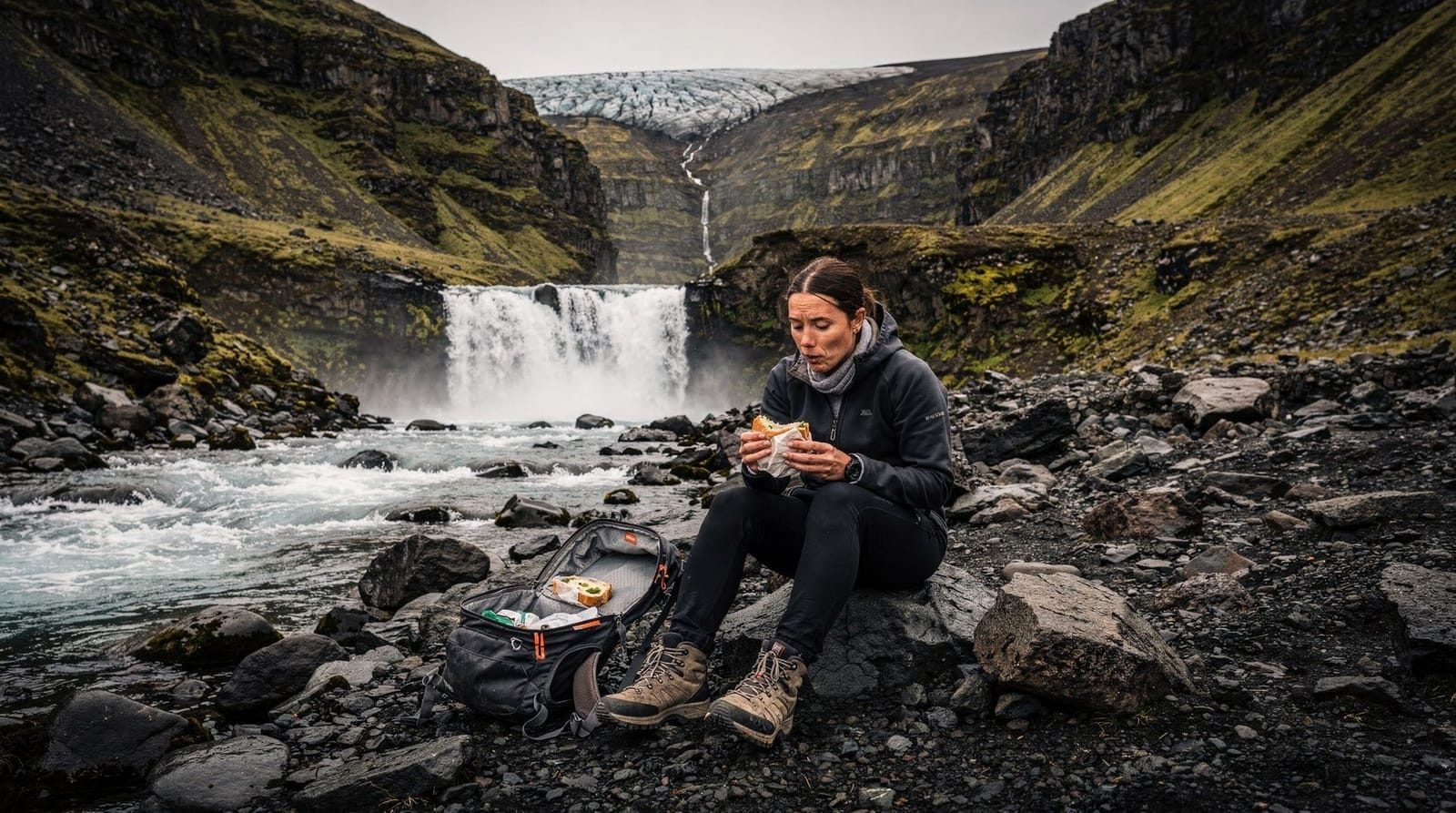
Meal breaks: A key advantage — you can pull over anywhere with a flat surface, open the van side door, and cook lunch or dinner without spending anything at a restaurant. Pasta at a roadside rest area, overlooking a glacier or fjord, with a gas stove and your own provisions: this is the camping in Iceland experience that many people come back describing as the best part.
Evening at a campsite: Arrive, find your spot. Larger campsites in peak summer can be crowded — rows of vans and tents in close proximity. The social atmosphere is generally good (people travelling Iceland share a lot of common ground). Some campsites have common rooms with tables and heating. Register at the office, pay (or scan your Camping Card). Shower if needed. Cook dinner. The never-ending summer light means you might not feel tired until 23:00 or midnight.
When weather is bad: Bad Iceland weather in a budget van means cooking in a cramped space, possibly rain on the outside of closed windows, and a damp sleeping bag from the previous day’s hiking. This is manageable with the right kit (a good down sleeping bag, a synthetic liner for damp days, dry bags for electronics). It is genuinely uncomfortable if underprepared.
Comparing specific vehicle types
Converted Volkswagen Transporter (T5/T6): The most common budget campervan rental. Pop-top or roof tent versions exist. Mattress in the back, small kitchen unit, usually 2WD. Fits in most car parks. Fuel economy reasonable. Feels cramped for two people for more than 5–6 days but most renters manage fine.
Mercedes Sprinter or similar high-roof van: More space, standing room, better insulation. Higher fuel consumption. Harder to park in some areas. More expensive. Some versions are 4WD.
Compact motorhome (Fiat Ducato-based): Toilet, shower, separate bedroom area. Much more comfortable. Cannot access many narrow Westfjords roads or smaller campsite spots. Expensive (50,000–70,000 ISK/day). Most of the Ring Road is manageable but some passes and bridges require careful navigation.
2-person sub-100,000 ISK total trip campervan (the backpacker van): This exists — some operators rent basic vans for 15,000–20,000 ISK/day in shoulder season. Kit is minimal. For a cost-conscious traveller who will camp 8–10 nights and self-cater everything, the total trip cost for two can genuinely fall under 200,000 ISK (excluding flights).
Combination strategies
Some travellers use campervans strategically rather than for the entire trip:
Campervan for Ring Road, guesthouse for Reykjavik: Hire the campervan for 8–10 days of Ring Road driving, then return it in Reykjavik and spend city nights in a hostel or guesthouse (where parking is expensive and campsite access is less convenient).
Campervan for Westfjords only: The Westfjords’ sparse accommodation infrastructure makes campervan travel particularly convenient there. Hire a 4WD campervan for 5–7 days specifically for the Westfjords + Snæfellsnes segment of a longer trip, combined with guesthouses elsewhere.
Campervan for trek access: Some Laugavegur trekkers hire a campervan to drive to Landmannalaugar, spend a night at the highland campsite, trek the route, and be collected at Þórsmörk or continue by highland bus. The campervan functions as a mobile base camp for the start of the trek.
For Ring Road planning with distances and timing, see ring-road-guide and campervan-iceland-guide.
Top experiences
Best-rated activities across GetYourGuide and Viator.
Reykjavik: From airport to adventure private Reykjanes peninsula tour
- GetYourGuide
Reykjavik: Kef bus transfer to from Reykjavik shuttle
- GetYourGuide
Reykjavik: Keflavik airport transfer to Reykjavik
- GetYourGuide
Reykjavik: Kef private transfer to from Reykjavik
- GetYourGuide
Reykjavik: Keflavik airport to Reykjavik bus transfer
- GetYourGuide
Reykjavik: Private transfer to from kef airport
- GetYourGuide