Iceland supermarkets guide — Bónus, Krónan, and where to shop on the Ring Road
What is the cheapest supermarket in Iceland?
Bónus (yellow pig logo) is Iceland's cheapest supermarket chain. Krónan and Nettó are also budget-focused. Avoid Hagkaup and Kjarval for anything but urgent needs. Most Ring Road towns have a Bónus or Krónan — stock up in Selfoss, Hvolsvöllur, Egilsstaðir, and Akureyri for the long stretches in between.
Why your supermarket strategy matters in Iceland
Food at Icelandic restaurants costs 3,500–5,500 ISK per main course. A full day of restaurant meals for two people: 20,000–35,000 ISK. A full day of supermarket self-catering for two people: 3,500–6,000 ISK. Over a 10-day trip, the difference between eating out every meal and self-catering most meals is approximately 150,000–250,000 ISK.
Iceland’s supermarket network is actually good — better than many visitors expect for a country this remote. The key is knowing which chains to use, what to buy, and where the shops are along your route.
| Cheapest chain | Bónus (yellow pig logo) |
| Typical hours | 11:00–18:30 weekdays; shorter weekends |
| Daily food cost (self-catered, 2 people) | Around 3,500–6,000 ISK |
| Alcohol | Vínbúðin only (state monopoly), not supermarkets |
| Longest supply gap | Egilsstaðir–Höfn, East Fjords (~250km) |
The supermarket chains: ranked by price
1. Bónus (cheapest)
Bónus is Iceland’s discount supermarket chain, identified by its distinctive yellow sign with a pink cartoon pig. It is consistently the cheapest option and should be your default stop.
Typical prices at Bónus:
- 1-litre carton of whole milk: 200–250 ISK
- 500g skyr (plain): 300–450 ISK
- Loaf of rúgbrauð (dark rye bread): 350–500 ISK
- 12 eggs: 850–1,000 ISK
- 400g pasta: 200–300 ISK
- 1 kg chicken fillets: 1,800–2,400 ISK
- 500g minced beef: 1,400–1,800 ISK
- Tin of mackerel: 400–600 ISK
Opening hours: Vary by location, typically 11:00–18:30 weekdays, 10:00–18:00 Saturdays, 12:00–18:00 Sundays. Closed on public holidays (including national holidays — check calendar).
Note: Bónus hours are shorter than most European supermarkets. Many travellers arrive at 19:30 expecting it to be open. Plan your shopping to arrive before 18:00.
2. Krónan
Krónan is a mid-range discount supermarket with somewhat longer hours than Bónus. Selection is broader, with more fresh produce and a better bakery section. Prices are 5–15% above Bónus for most items but below Hagkaup.
Krónan stores exist in Reykjavik and most larger towns on the Ring Road. Often the best alternative when Bónus is closed or unavailable.
3. Nettó
Nettó is less common than Bónus or Krónan but similarly budget-positioned. You’ll find it in some Reykjavik neighbourhoods and a few Ring Road towns.
4. Samkaup-Strax / Hagar chains
Samkaup operates stores under several brands (Strax, Kjörbúðin) in smaller towns and remote areas where bigger chains haven’t expanded. Prices are higher than Bónus but often the only option in certain Ring Road stops. Necessary but not optimal for bulk shopping.
5. Hagkaup
Hagkaup is a premium full-service supermarket with excellent selection, quality fresh produce, better deli sections, and longer hours. Prices are 20–40% above Bónus. Use it in Reykjavik for specific items (good cheese, premium cuts), not for general provisioning.
6. Costco (Reykjavik area only)
Costco’s Garðabær store requires a membership card but sells bulk food, wine, and spirits at the cheapest prices in Iceland. If you have a membership, buying wine, spirits, and bulk dry goods here before a Ring Road trip makes real sense.
What to buy for Ring Road self-catering
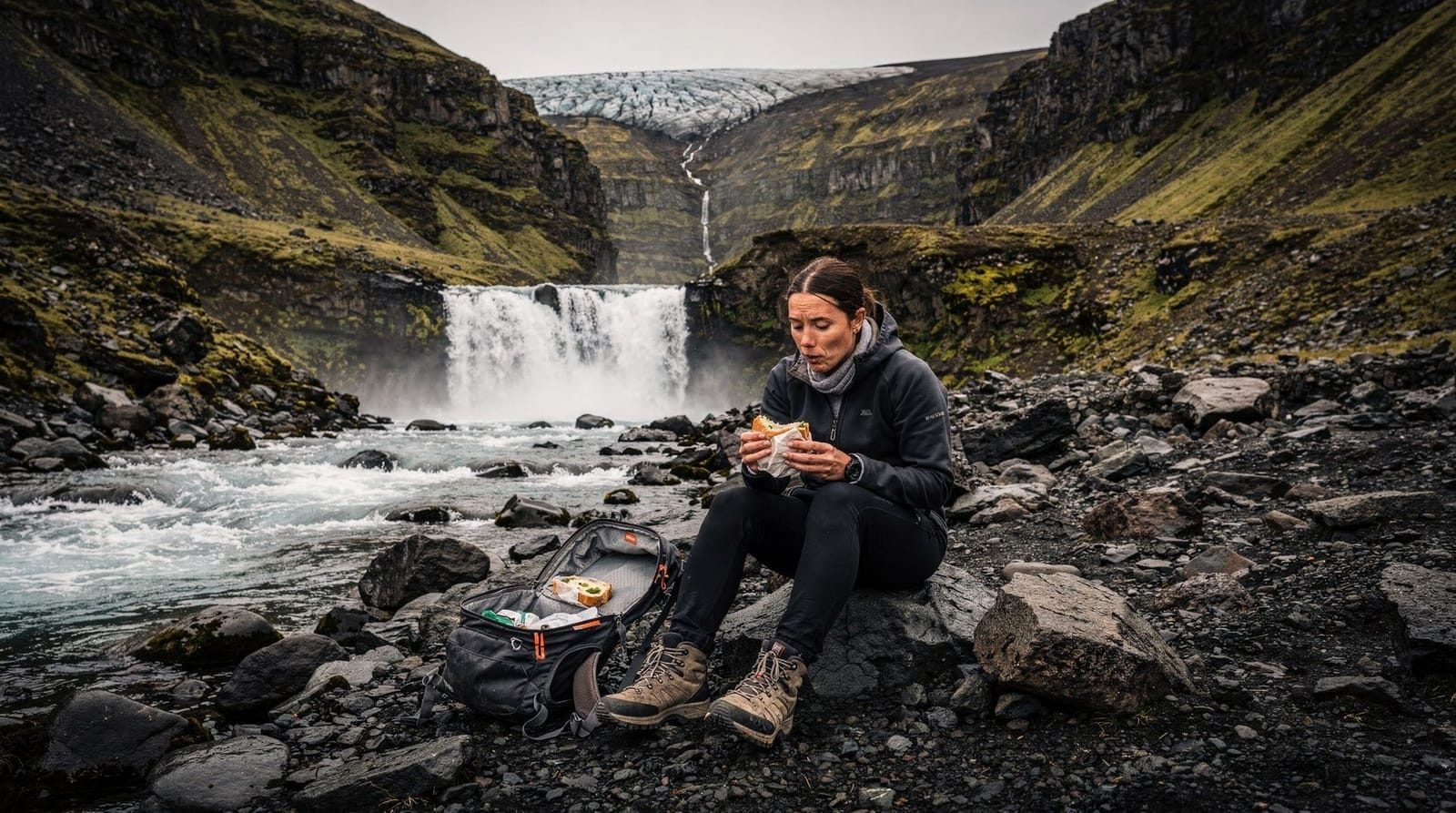
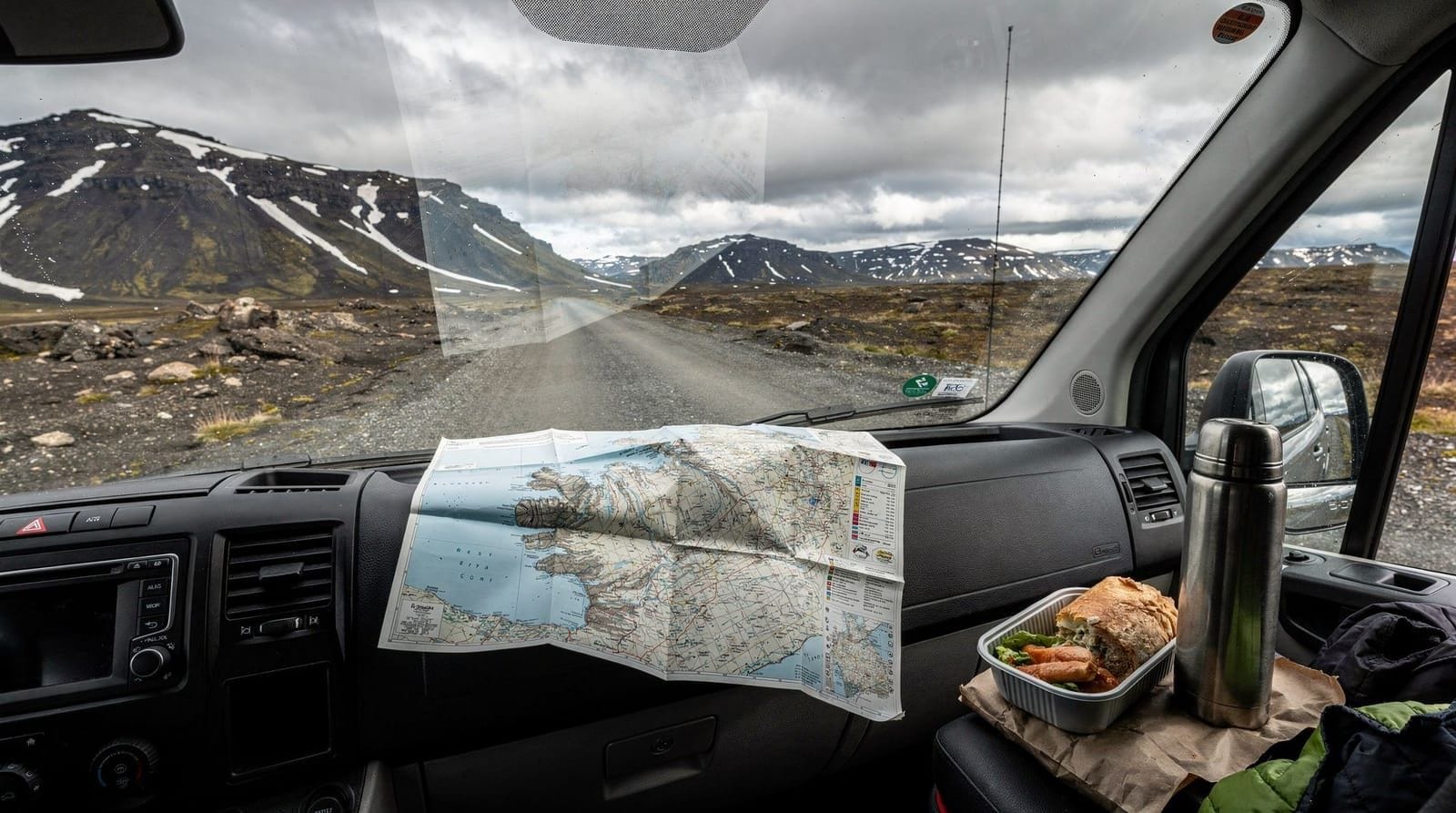
The goal is food that travels well in a car, requires minimal cooking infrastructure, and provides enough calories for active days.
Essentials
- Rúgbrauð (dense dark rye bread): doesn’t go stale quickly, extremely filling, traditionally Icelandic. Eat with butter and cheese or tinned fish. ~400–500 ISK per loaf.
- Skyr: High protein, low fat, thick and filling. Plain or flavoured. ~300–450 ISK per 500g. Excellent breakfast food.
- Cheese: Pre-sliced Gouda-style Icelandic cheese is cheap and keeps well. Buy at least 400g for a week’s sandwiches.
- Eggs: Versatile, cheap. Hostel kitchens and campsite facilities usually allow boiling or frying.
- Pasta / rice: Cheap calorie staples for campsite cooking.
- Tinned fish: Tinned herring (sild), mackerel, and Icelandic cod livers (lýsi) are authentic and cheap. Cod livers are an acquired taste but traditionally Icelandic and extremely nutritious.
- Oats: The cheapest breakfast. Works with milk, skyr, or hot water.
Icelandic-specific items worth trying
- Harðfiskur (wind-dried fish): Cod, catfish, or haddock dried in the Arctic air. Eat with butter — it melts onto the dried fish and is genuinely good. ~600–1,000 ISK per bag. High in protein.
- Hangikjöt (smoked lamb): Cold-smoked lamb, sold pre-sliced. A traditional Icelandic charcuterie. 800–1,200 ISK per package.
- Mysa (whey): A byproduct of skyr production. Slightly sour drink, traditionally consumed cold. Very cheap, very Icelandic.
- Lindakaka (type of flat rye cake): Ring Road snack food.
What to skip buying in Iceland
- Vegetables: Fresh vegetables are expensive (most imported). Buy what you need but don’t plan vegetable-heavy cooking.
- Wine: Buy at Vínbúðin (state off-licence), not supermarkets — only Vínbúðin is licensed to sell alcohol above 2.25% ABV.
- Fruit: Expensive. Bananas and apples are reasonably priced; berries are costly.
For a deeper look at what to actually eat and where, our Icelandic food guide and cheap eats in Iceland cover both the traditional dishes and the specific budget restaurant picks worth the money you’re not spending on groceries.
Alcohol: Vínbúðin, not supermarkets
Iceland’s state alcohol monopoly, Vínbúðin (Vínbúð = wine shop), is the only place to buy drinks above 2.25% alcohol content. Supermarkets sell low-alcohol beer (up to 2.25%) but nothing stronger.
Vínbúðin locations: Most towns with a population above 500 have one. Reykjavik has several. On the Ring Road, you’ll find them in Selfoss, Vík, Höfn, Egilsstaðir, Akureyri, and other main stops.
Hours: Limited. Roughly 11:00–18:00 Monday–Thursday, 11:00–19:00 Friday, 11:00–16:00 Saturday, closed Sunday. Closed on public holidays. Plan alcohol purchases for Saturday before Sunday or Monday public holidays.
Prices at Vínbúðin:
- 500 ml beer can (Gull, Víking, etc.): 380–600 ISK
- 750 ml table wine: 2,000–4,000 ISK
- 700 ml spirits: 3,000–8,000 ISK
Compare to bar prices: 500 ml beer at a bar = 1,200–1,800 ISK. Buying from Vínbúðin and drinking in your accommodation or campsite saves 60–70% on alcohol cost.
Supermarket locations on the Ring Road
Clockwise from Reykjavik:
| Location | Supermarket | Notes |
|---|---|---|
| Reykjavik | Bónus (multiple), Krónan, Nettó, Hagkaup | Full selection; stock up here |
| Selfoss | Bónus, Krónan | Last major shops before South Coast |
| Hvolsvöllur | Krónan | Convenient for Skógafoss/Vík direction |
| Vík | Krónan | Small; prices slightly higher |
| Kirkjubæjarklaustur | Samkaup | Small village, limited stock |
| Höfn | Samkaup / Kjörbúðin | Reasonable selection; stock up for East Fjords |
| Djúpivogur | Very small shop | Emergency supplies only |
| Egilsstaðir | Bónus | Major stop — buy for East Iceland segment |
| Seyðisfjörður | Small shop | |
| Neskaupstaður | Samkaup | East Fjords option |
| Sauðárkrókur | Krónan | North Iceland interior option |
| Akureyri | Bónus, Krónan, Hagkaup | Second-largest city; full selection |
| Húsavík | Samkaup | Buy before the Diamond Circle route |
| Blönduós | Samkaup | Mid-north Ring Road |
| Borgarnes | Bónus, Krónan | West Iceland entry point |
Longest gap without a proper supermarket: East Fjords between Egilsstaðir and Höfn (~250 km). Stock up thoroughly in Egilsstaðir.
Practical tips for supermarket shopping in Iceland
Check hours before counting on a shop. Iceland’s shorter opening hours (especially Bónus) catch many travellers out. Check Google Maps hours the morning before you plan to shop.
Bring reusable bags. Single-use plastic bag charges apply (~100 ISK per bag). Most Icelandic shoppers bring their own.
Loyalty apps: Bónus and Krónan both have loyalty card apps with weekly special offers. Free to sign up; specials can be 20–40% discounts on selected items.
Cold storage in your car. A rental car boot without insulation doesn’t keep food cold in summer. Buy perishables for 2–3 days at a time rather than for the whole trip. Cheap cool bags with ice packs work well.
Campsite kitchens: If staying at sites with kitchen facilities (many Camping Card sites have them), more cooking becomes practical. Know your site’s facilities before planning meals. See campervan vs. car if you’re deciding between a campervan with its own kitchenette and a regular rental car reliant on campsite facilities.
Frequently asked questions about Iceland supermarkets
Does Bónus accept credit cards?
Yes. Card payment (contactless, chip) is universally accepted at all Icelandic supermarkets. Cash is also accepted.
Can I buy alcohol at Iceland supermarkets?
Only beverages below 2.25% ABV. Full-strength beer, wine, and spirits are sold exclusively at Vínbúðin (state off-licence). Supermarkets stock non-alcoholic beer and low-alcohol options.
Are there supermarkets near Jökulsárlón?
No. The nearest supermarket is in Höfn (about 70 km east). Stock up in Höfn before driving west past Jökulsárlón. The Skaftafell visitor centre and nearby guesthouses sell limited provisions at high prices.
Is Reykjavik’s Costco open to tourists?
Costco Garðabær requires a membership card. International Costco cards (UK, US, Canada, Australia) are valid. If you already have a membership, it’s worth using for bulk dry goods, wine, and spirits before a Ring Road trip.
What are Icelandic supermarket opening hours on Sundays?
Most Bónus stores open 12:00–18:00 on Sundays. Krónan has similar Sunday hours. Hagkaup often has longer Sunday hours. On public holidays, most supermarkets are closed — check dates on the calendar before travel.
Is food expensive in Iceland even at supermarkets?
Not for staples. Eggs, dairy, bread, tinned goods, and dry staples are broadly comparable to Northern European supermarket prices. Fresh meat and imported vegetables are more expensive. Processed and convenience foods are significantly dearer than in the UK or Germany.
Can I get groceries delivered to my Airbnb or guesthouse in Iceland?
In Reykjavik, yes — some Bónus and Krónan locations partner with delivery apps, though coverage and reliability outside the capital are limited. Outside Reykjavik, plan on driving to a shop yourself; delivery infrastructure doesn’t reach most Ring Road towns.
Do I need to bring my own reusable bags, or can I buy them there?
You can buy sturdy reusable bags at any supermarket till for a small fee (around 300–500 ISK), so it’s not essential to bring one, but bringing one from home avoids the small extra cost and the clutter of accumulating several over a trip.
Icelandic food culture at the supermarket level
Shopping at a Bónus gives you a cross-section of Icelandic food culture that tour menus don’t. A few items worth understanding:
Skyr (iskirn/skyr): Shelves are full of it. Multiple brands (Íslenski Bærinn, Mjólkursamsalan, and major chains). Full-fat, low-fat, flavoured, plain. Icelanders eat it daily — it has been a staple for over 1,000 years. The commercial versions are good; the traditional version made on farms is occasionally available at farm shops.
Lamb products: Icelandic lamb (íslensi sauðfé) is genuinely different from European lamb. The animals graze on highland herbs and heather all summer before autumn roundup. The meat has a distinctive taste — leaner and more aromatic than commercial breeds. Bónus sells lamb legs, chops, minced lamb, and lamb sausages. A leg of lamb is one of the better value purchases if you have kitchen access.
Dairy: Icelandic butter, milk, and fresh cream are produced from highland-grazing cows. The butter in particular is rich and good. The Osta brand and Mjólkursamsalan produce the mainstream dairy.
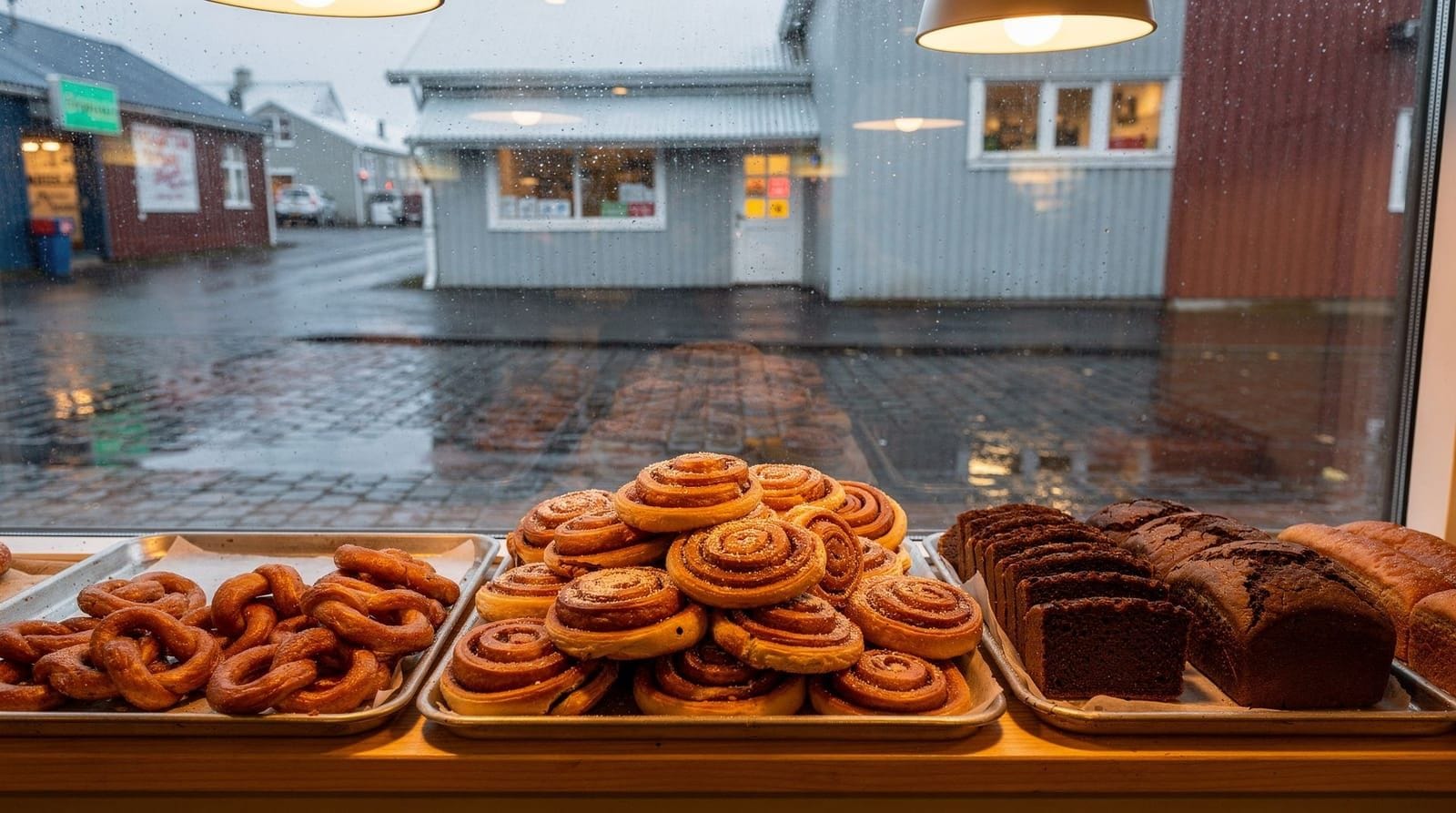
Bread: Icelandic rye bread culture is worth exploring beyond the standard dark rye loaf. Laufabrauð (thin, decoratively cut flat bread, traditionally fried in lamb fat) appears in shops around Christmas. Flatbread variants are available year-round in the cracker and flatbread section.
Hákarl (fermented shark): You’ll see vacuum-packed fermented Greenlandic shark in some supermarkets. This is genuinely one of the world’s most acquired-taste foods — ammoniated, powerful. If you want to say you tried it, supermarket versions are about 800–1,200 ISK per packet. It pairs with Brennivín (Icelandic aquavit) by tradition. You can also try it at Þorramatur (mid-winter traditional food festival) in January–February.
The supermarket as a cultural experience
Iceland’s supermarkets reveal the country’s relationship with its geography. You’ll see:
- Whole dried fish hanging in sections (Harðfiskur)
- Icelandic mineral water (Ölkelduvatn) from the east highlands
- Reduced-price “ugly vegetables” sections (Iceland reduces food waste aggressively)
- Icelandic gin, birch liqueurs, and craft spirits (at Vínbúðin)
For travellers spending time in Iceland, supermarket visits are genuinely informative about what Icelanders actually eat versus what they serve to tourists. Pair a supermarket stop with the Icelandic coffee culture guide or trying skyr and dairy if you want a more structured food-focused angle on the trip beyond simple provisioning.
Budget weekly shopping list for Ring Road self-catering (2 people)
Approximate cost from Bónus before beginning a Ring Road trip:
| Item | ISK |
|---|---|
| 2kg oats | 500 |
| 500g skyr x3 | 1,200 |
| 12 eggs | 950 |
| 400g cheddar-style cheese | 900 |
| Rúgbrauð x2 loaves | 900 |
| Pasta 400g x2 | 500 |
| Tinned tomatoes x4 | 700 |
| Tinned mackerel x4 | 1,800 |
| Butter | 450 |
| Oat milk 2L | 600 |
| Harðfiskur bag | 800 |
| Granola bag | 400 |
| Frozen mixed veg (campsite cooking) | 600 |
| Total | ~9,300 ISK |
This covers most breakfasts and lunches for two people for 4–5 days. At Bónus prices, this represents one of the best-value food purchasing decisions available to Iceland travellers.
How supermarket shopping changes by region
Reykjavik: Full supermarket infrastructure. Stock up here with everything before starting the Ring Road. Bónus has multiple locations including one on Laugavegur (walking distance from most hostels). Costco for members with a car.
South Coast corridor: Bónus in Selfoss and Hvolsvöllur. The Vík Krónan is small and has higher prices than mainland stores. Stock up in Hvolsvöllur or Selfoss for the South Coast section.
East Iceland: Egilsstaðir’s Bónus is the critical stock-up point for the East Fjords. Between Höfn and Egilsstaðir (260 km), supermarket access is very limited — Djúpivogur has a small Samkaup store but selection is limited.
North Iceland: Akureyri has the best northern shopping: both a Bónus and Krónan, plus Hagkaup if you want a broader selection. Stock up fully in Akureyri before the Diamond Circle or heading west.
West Iceland / Snæfellsnes: Borgarnes is the last significant shopping stop before the peninsula. ÓB and Krónan in town. Buy for 2–3 days of Snæfellsnes driving here.
Understanding Icelandic product labelling
Iceland uses Icelandic-language labelling on most products. A few useful translations for supermarket navigation:
- Mjólk: Milk
- Smjör: Butter
- Ostur: Cheese
- Egg: Eggs (same word)
- Brauð: Bread
- Fiskur: Fish
- Kjöt: Meat
- Lamb: Lamb
- Nautakjöt: Beef
- Svínakjöt: Pork
- Kylling: Chicken
- Grænmeti: Vegetables
- Ávextir: Fruit
- Kaffi: Coffee
- Te: Tea
Most packaged goods have English sub-labels for ingredients (EU-style regulation), so allergen reading is usually possible even if the brand name is Icelandic.
A handful of additional useful words for reading labels and shop signage: Opið (open) and Lokað (closed) appear on most shop doors and are worth recognising at a glance; Tilboð means “offer” or “special,” flagging discounted items on shelf tags; and Íslenskt (“Icelandic”) on a label usually signals domestically produced dairy, meat, or fish rather than imported equivalents, which is worth looking for if trying authentic Icelandic products specifically matters to you.
Vínbúðin vs supermarket: what you can and can’t buy
A common confusion: Iceland’s supermarkets do not sell full-strength alcohol (above 2.25% ABV). Only Vínbúðin (state-run alcohol monopoly) sells wine, beer above 2.25%, and spirits.
What supermarkets sell:
- Low-alcohol beer (Pilsner Urquell 0.5%, Gull 2.25%)
- Malt beverages and flavoured waters
- Caffeinated soft drinks
- Energy drinks
What only Vínbúðin sells:
- Regular beer (Gull, Víking, Einstök, imported beers)
- Wine (starting at ~1,500 ISK per bottle for table wine)
- Spirits, gin, whisky, aquavit (Brennivín)
Vínbúðin locations track largely with Bónus locations — wherever there’s a Bónus in a Ring Road town, there’s usually a Vínbúðin nearby. Friday evening is the popular shopping time before the weekend; the queue at Vínbúðin in Reykjavik on Friday afternoons can be substantial.
Tracking Bónus hours to avoid disappointment
Iceland’s short Bónus hours (closed by 18:30 most evenings, shorter on Sundays) catch many travellers off guard. The app Strætó shows bus stop locations; Google Maps shows Bónus opening hours (generally accurate).
Planning hack: If your Ring Road day ends after 18:00, buy provisions at the petrol station N1 or at the Krónan (which often has slightly longer hours than Bónus) rather than expecting Bónus to be open. See fuel and gas stations for which N1 and Orkan sites double as reasonable emergency shops.
Sundays: Many Ring Road travellers pick Sunday as a moving day and are surprised to find Bónus closes at 18:00 and Vínbúðin is closed entirely. Pre-buy Sunday food provisions on Saturday.
Self-catering vs. eating out: a realistic hybrid
Very few travellers actually want to self-cater every single meal for 10 days — and you don’t need to for the savings to matter. A realistic hybrid that most budget-conscious travellers land on:
| Meal | Strategy |
|---|---|
| Breakfast | Always self-catered — skyr, oats, bread, coffee from the room or car |
| Lunch | Self-catered most days; occasional dagsréttur (lunch deal) at a restaurant, 2,000–2,800 ISK |
| Dinner | Mix — self-cater 60–70% of nights, eat out 30–40% for variety and to try Icelandic dishes |
This hybrid keeps the big savings (breakfast and lunch are the easiest and least-missed meals to self-cater) while preserving the experience of trying Icelandic food at restaurants a few times per trip. It typically lands total food spend around 40–50% below an eating-out-only budget.
The logistics work best if you treat grocery stops as part of the day’s driving plan rather than an afterthought. Build a Bónus or Krónan stop into your route whenever you pass through a town with one, rather than waiting until supplies run low — given the shorter opening hours, “I’ll stop on the way back” often means arriving after closing.
For the full cheap eating strategy, see cheap-eats-iceland and iceland-on-a-budget.