Iceland with kids — what actually works and what to skip
Reykjavik: Perlan Glacier and ice cave exhibition
What age is Iceland suitable for children, and what is the best time to go?
Iceland works well for children from about age 4 upward for road trip basics; age 7+ for glacier and waterfall hikes; age 12+ for more demanding activities. Summer (June–August) is the family-friendly season — long daylight, accessible roads, most activities open. The midnight sun is genuinely disruptive to children's sleep.
Iceland is one of the more family-friendly long-haul destinations in the world — a country where children under 12 typically travel free or at reduced fares, where the major attractions involve actual phenomena (geysers erupting every 6 minutes, waterfalls you can walk behind, puffins nesting within arm’s reach) rather than theme parks, and where the landscape genuinely impresses children across all ages.
But it is also expensive, the midnight sun wrecks children’s sleep schedules, and several of the country’s most-photographed attractions (Reynisfjara black sand beach, geothermal areas) have real hazards that require constant parental attention. This guide covers what works well with children, what requires management, and what to skip.
| Best age range | 5–12 for the widest range of accessible activities |
| Best season | June–August (long daylight, all roads open) |
| Biggest hazards | Sneaker waves at black sand beaches, geothermal steam vents |
| Typical extra cost vs adult-only trip | 30–100% more (second room, larger car, kids’ activity fees) |
| Minimum age, most physical activities | 8 years (glacier hikes, ice caves) |
What age is Iceland right for?
Under 2: possible but difficult. The main challenges are the midnight sun disrupting sleep, cold and wind making outdoor time brief and fussy, and the absence of baby formula and specific infant foods in small towns. Reykjavík is fine with a baby; the Ring Road requires careful planning of feeding stops and nappy changes. See Iceland with a baby for specific logistics.
Ages 2–5: workable but limited by stamina. The classic tourist trail — Golden Circle, south coast, whale watching from a comfortable boat — is manageable at this age. Glacier activities, hikes, and ice caves are not appropriate. The Reykjavík Perlan museum with its simulated ice cave is a good indoor option.
Ages 5–9: the sweet spot for many families. Children this age can handle the Golden Circle walks, gentle waterfall hikes, horse riding, and shorter whale watching trips. The geysers are usually a genuine hit (immediate, dramatic, explained in 30 seconds). Puffin watching appeals enormously. Days need to be structured around lunch, rest, and realistic distances.
Ages 9–14: the range at which Iceland becomes truly excellent for families. This age group manages glacier walks (minimum 8 years on most tours), short ice caves, more demanding hikes, and ATV trips on the south coast. The midnight sun becomes more of an excitement than a problem.
Ages 14+: Iceland functions like any adult trip with a young companion. Most activities are age-appropriate; the main constraint is budget.
The midnight sun: managing it with children
From late May to late July, Iceland experiences near-24-hour daylight. At summer solstice (21 June), Reykjavík has sunrise at 02:54 and sunset at midnight. It is genuinely bright at 22:00 and still light at 01:00.
Children whose sleep is light-triggered will struggle significantly. The solutions:
Blackout curtains: most hotels and guesthouses have them. Check this when booking and if in doubt, bring portable blackout curtain clips (widely available on Amazon, pack flat). These are not optional for children under 8.
Keep the schedule consistent: maintain a fixed bedtime regardless of light. Use curtains, white noise, and a sleep mask for older children.
Accept some disruption: a child who wakes at 05:00 because it looks like midday is not defective. Plan early starts into your itinerary rather than fighting it.
The midnight sun is also an opportunity: waterfall viewpoints, whale watching at 21:00, and the Reykjavík Old Harbour at midnight during the summer solstice festival are experiences children genuinely remember.
The geothermal safety briefing that matters more than anything
Iceland’s geothermal areas are genuinely dangerous and the hazard is not always obvious. Key rules for visiting with children:
Never walk on coloured soil near steam vents. The vivid orange, yellow, or white deposits mark areas where geothermal water is close to the surface. The ground can be thin — a few centimetres of crust over water at 80–90°C. This applies at Haukadalur (Geysir), Krýsuvík on the Reykjanes Peninsula, and Kerlingarfjöll.
Hot spring inlets are not bathing pools. At Reykjadalur and any natural hot spring, the inlet where geothermal water enters is significantly hotter than the bathing zone. It is marked but children move unpredictably.
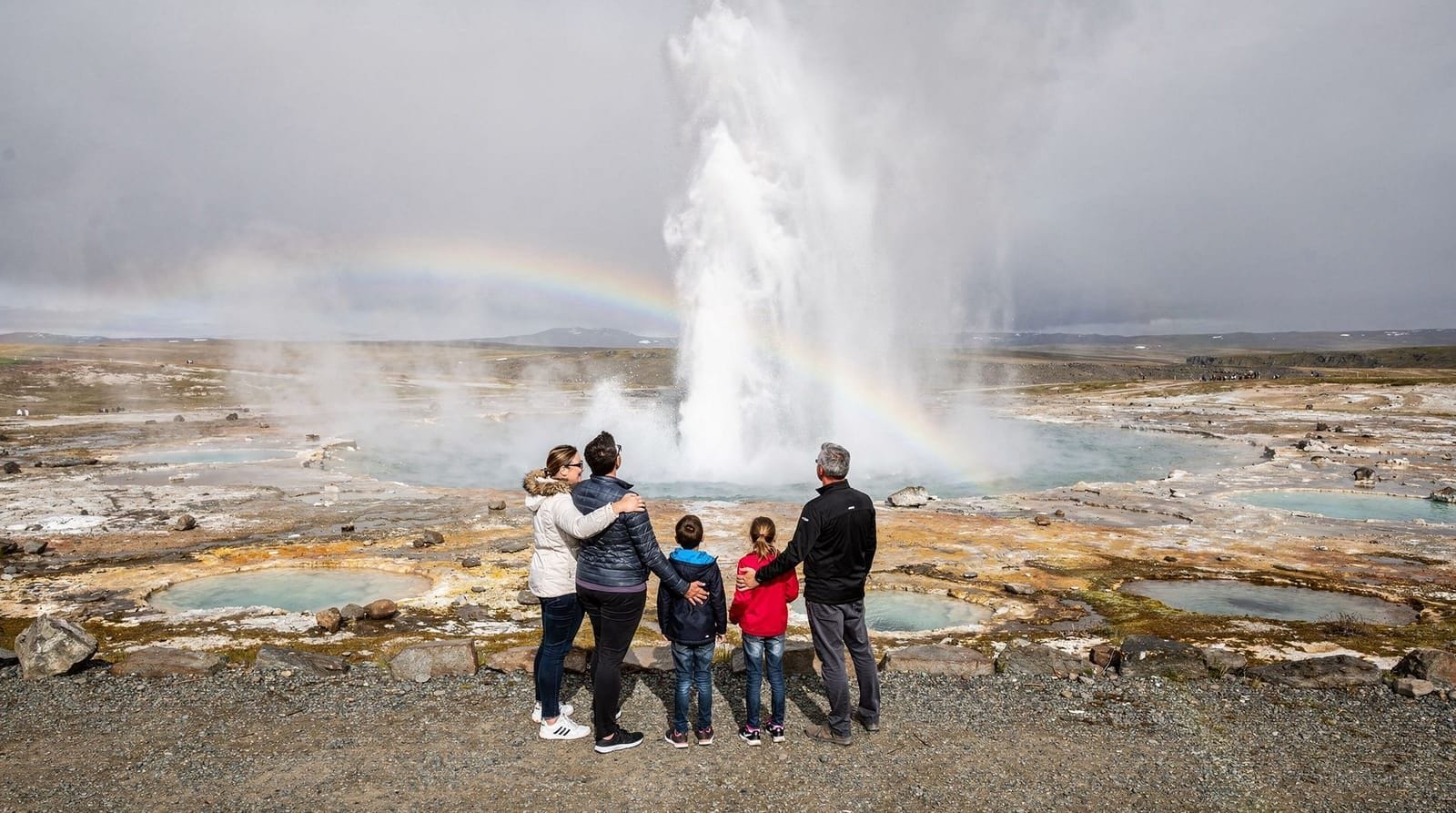
The Geysir eruption zone: the area around Strokkur is roped off, but children run and crouch and get close. The water erupting from Strokkur reaches temperatures of around 100°C and can spit unpredictably outside the main column. Keep children behind the rope, even if others are closer.
Black sand beaches: a real risk
Reynisfjara near Vík is Iceland’s most famous black sand beach and one of its most dangerous. The Atlantic Ocean at this point generates “sneaker waves” — waves that arrive without warning far beyond the normal wave zone. Multiple tourist fatalities have occurred here, including adults who appeared to be a safe distance from the water.
Rules at Reynisfjara with children: never approach the water’s edge. Stand above the wave zone (marked by the darkened wet sand) at all times. Children do not understand this naturally — they will run toward the waves. The beach is spectacular and worth visiting but requires constant supervision.
This applies equally at Djúpalónssandur and other exposed black sand beaches.
Best activities for families with children aged 5–12
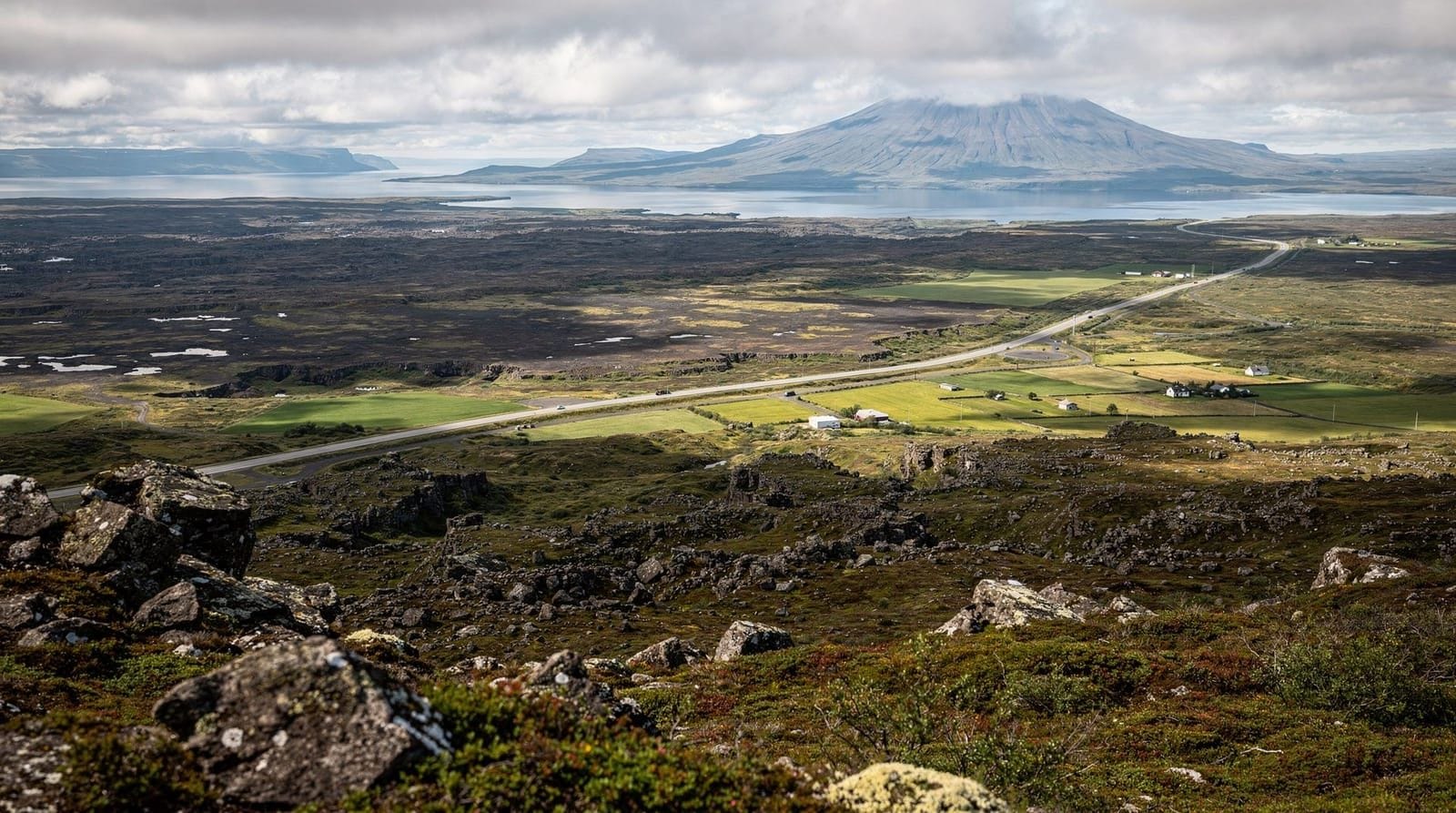
Geysir and the Golden Circle. Strokkur erupts every 5–8 minutes — the most immediate dramatic natural spectacle in Iceland, perfectly scaled for children’s attention spans. The Golden Circle circuit adds Þingvellir (good for flat walks and tectonic plate explanation) and Gullfoss waterfall. Full day from Reykjavík.
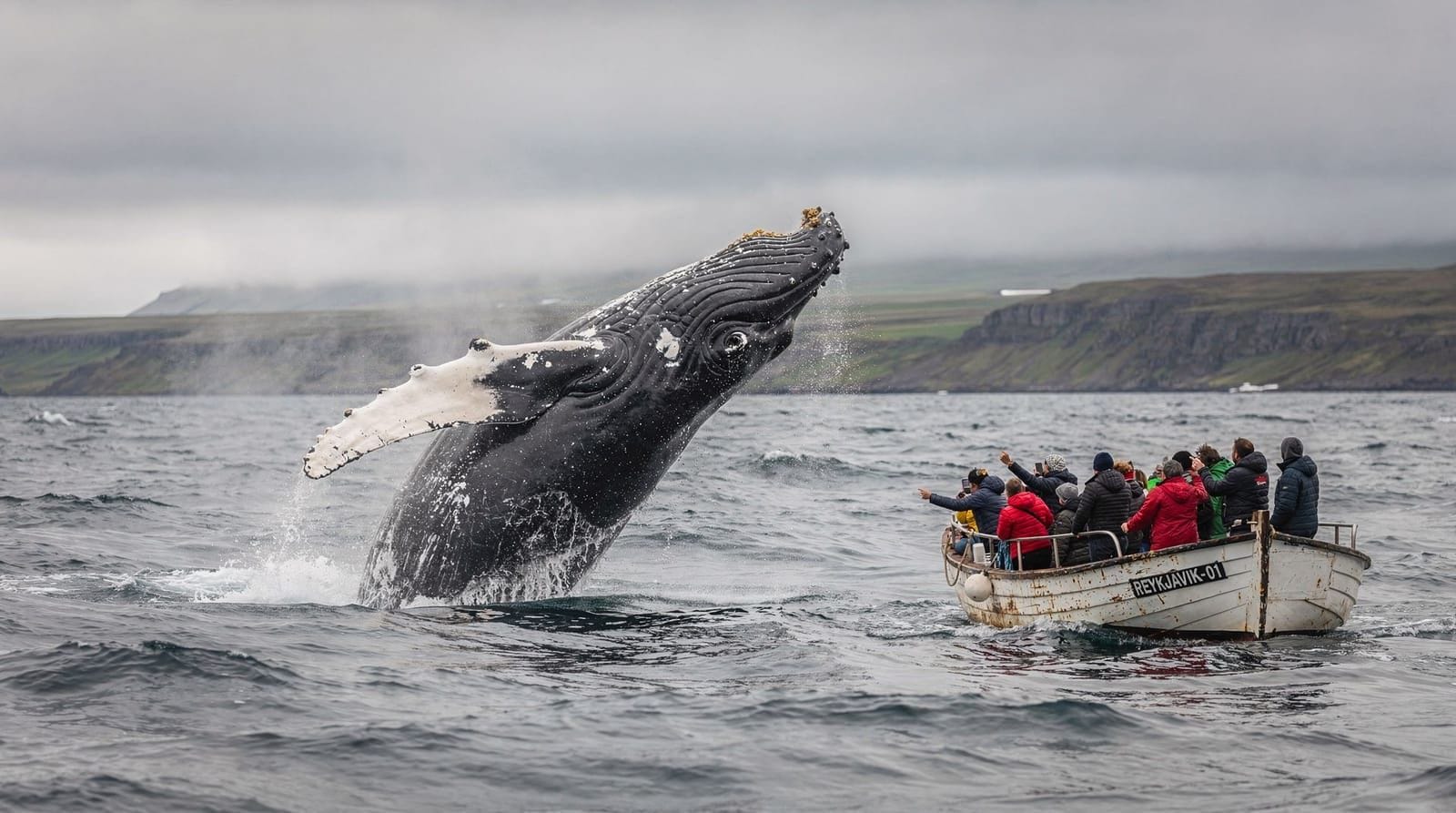
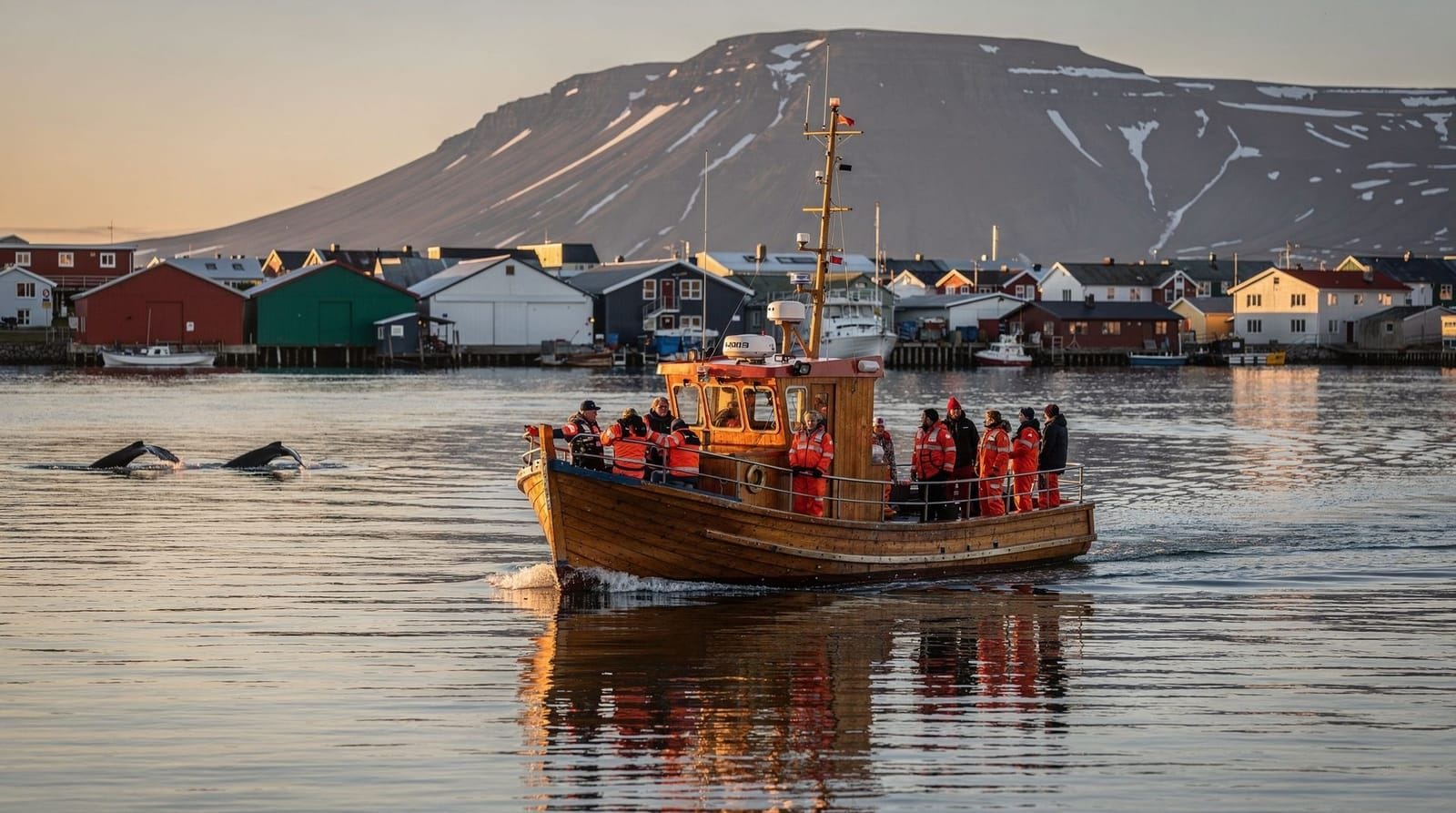
Whale watching from Reykjavík or Húsavík. Large whale watching vessels with indoor seating and heated areas are better for families with young children than RIB speedboats (too rough, too cold, minimum age typically 12). Minke whale sightings on the large boat tours from Reykjavík Old Harbour are reliable in summer. Journey time to first whale: 20–40 minutes from the harbour.
Horse riding. Icelandic horses are small (often described as ponies, though Icelanders object to the term), gentle-tempered, and offer a riding experience accessible from about age 4 with parental assistance. The famous tölt gait (smooth, four-beat) is noticeably less bumpy than a trot — ideal for nervous or inexperienced child riders. Most riding centres offer family-friendly 1-hour trail rides.
Perlan museum, Reykjavík. The Perlan (Pearl) building contains a permanent ice cave exhibition with a real ice tunnel maintained at 0°C year-round — accessible without the transport logistics of a real ice cave. The observatory deck gives the best city views in Reykjavík. Good rainy-day option.
Reykjavik Perlan glacier and ice cave exhibition ticketPuffin watching. Puffins nest on cliff faces around Iceland from May to August. Látrabjarg in the Westfjords is the most dramatic nesting site; Vestmannaeyjar offers puffin watching from the Westman Islands ferry. Reykjavík harbour at dusk (July) has small numbers. For children, the combination of small, colourful, comical birds that nest close enough to photograph without a telephoto lens is usually delightful.
Seljalandsfoss. The famous waterfall that you can walk behind is one of the few attractions in Iceland that feels truly interactive for children. The path behind the falls requires waterproof clothing and the footing is uneven. Children aged 5+ who like getting wet will love it.
What costs more with a family
Car rental. A standard 4-seater compact costs around EUR 70–100/day in summer. A larger vehicle (7-seater, needed for families of 4+ with luggage) runs EUR 110–150/day. A 4WD SUV rated for F-roads costs EUR 130–200/day. Budget carefully.
Accommodation. Two rooms versus one adds 60–100% to accommodation costs. Self-catering apartments eliminate this and reduce food costs substantially. Búningur and Bungalow cottages along the Ring Road offer good value for families.
Eating out. A burger and chips for a child costs ISK 2,500–3,500 (EUR 16–23) in Reykjavík. A family of four at a mid-range restaurant spends ISK 20,000–30,000 (EUR 130–195). Self-catering from Krónan, Nettó, or Bónus supermarkets reduces this dramatically.
Activities. Most glacier tours, whale watching, and major activities charge adult prices for children over 12 and half-price for 6–12. Under 6 typically free. The Blue Lagoon charges adult prices for ages 14+; children 2–13 are free. Budget accordingly.
Self-drive vs guided tours with kids
| Self-drive | Guided day tours | |
|---|---|---|
| Flexibility | Stop whenever a child needs a break | Fixed schedule and stop times |
| Cost for a family of 4 | Fixed (car + fuel), often cheaper for 3+ people | Per-person, adds up fast for a family |
| Navigation stress | On the parents | None — someone else drives |
| Best for | Confident drivers, longer trips (Ring Road) | Shorter stays, parents who’d rather not drive Icelandic roads |
Most families combine both: self-drive for the days around Reykjavík and the south coast, with a guided tour for anything logistically harder (glacier hikes, ice caves) where a specialist guide and safety equipment matter more than flexibility. See self-drive vs guided tour for a fuller comparison, and renting a car in Iceland for family-specific rental tips (car seats, larger vehicles).
A realistic 7-day family itinerary
Day 1: Arrive Keflavík, transfer to Reykjavík, settle in, short Old Harbour walk. Day 2: Golden Circle day trip — Þingvellir, Geysir, Gullfoss. Day 3: South coast — Seljalandsfoss, Skógafoss, Reynisfjara (supervised). Day 4: Jökulsárlón glacier lagoon day trip, Diamond Beach. Day 5: Slower day — Reykjavík museums, swimming pool, souvenir shopping. Day 6: Whale watching or horse riding, depending on ages and interests. Day 7: Blue Lagoon (if ages 2+) on the way to the airport, departure.
This keeps driving segments under 2–3 hours, avoids back-to-back long days, and covers Iceland’s most family-rewarding sights without requiring a full Ring Road circuit. Families with more time can extend into the Snæfellsnes Peninsula or a shortened Ring Road.
Frequently asked questions about Iceland with kids
Is Iceland good for babies and toddlers?
It is manageable but requires planning around feeding, sleep, and warmth. See the dedicated Iceland with a baby guide for specific logistics. The main challenges are the midnight sun, cold outdoor temperatures, and remote locations with limited baby facilities.
What is the minimum age for glacier walks?
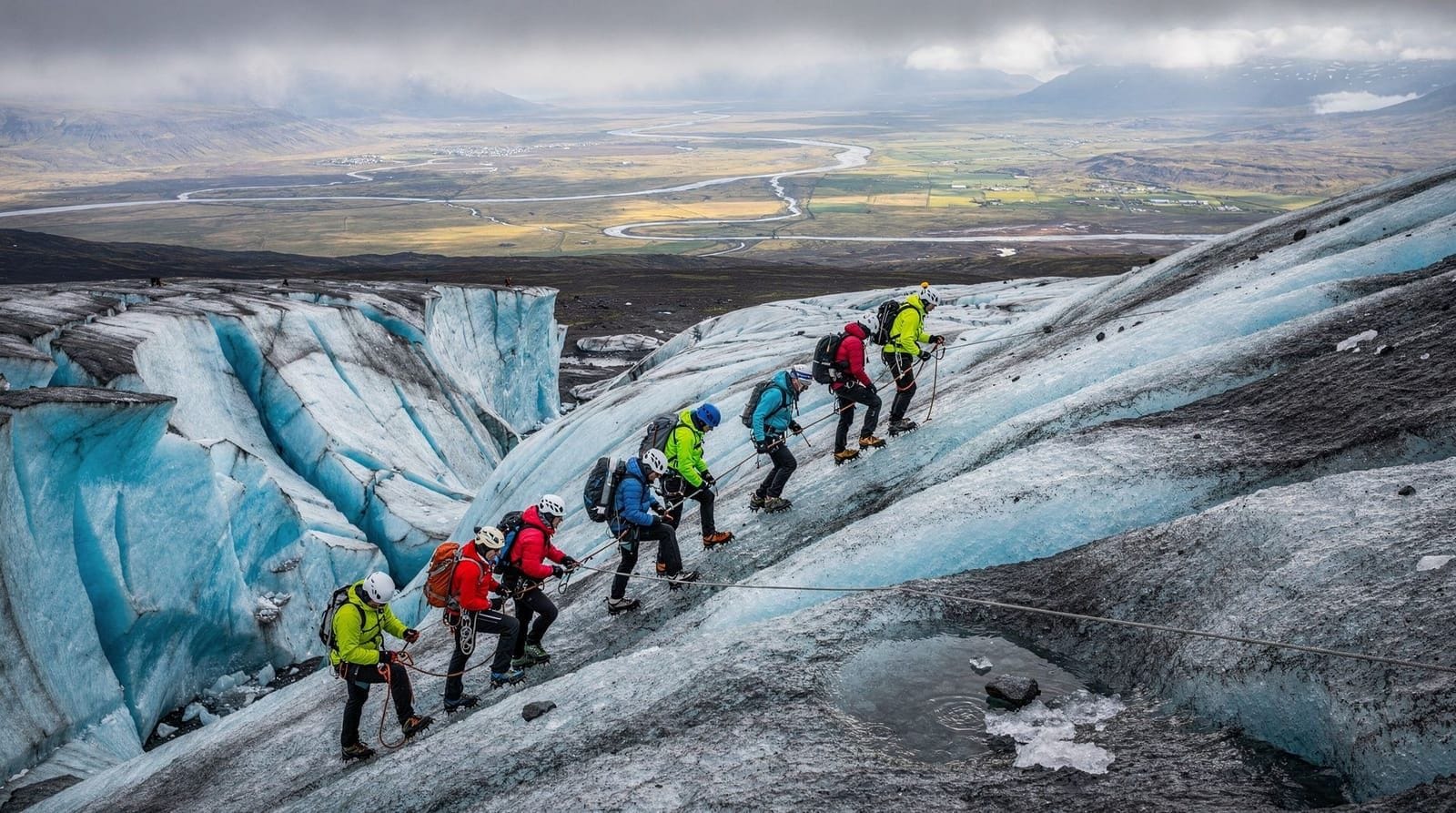
Most glacier hiking tours require a minimum age of 8 years. Snowmobile tours on glaciers typically require age 10+ to ride independently or age 5+ as a passenger. Ice cave tours: most operators accept children from age 8. Individual operator policies vary.
Is whale watching suitable for motion-sickness-prone children?
Large traditional boat whale watching tours are generally manageable in calm summer conditions. Give motion-sickness medication before departure if your child is prone. Avoid RIB (rigid inflatable boat) whale watching tours for younger children — the motion is significantly rougher.
What do children find most impressive in Iceland?
Consistently: geysers (immediate, dramatic, repeatable), puffins (accessible and visually funny), Jökulsárlón glacier lagoon (blue icebergs the size of cars), and horse riding. The northern lights impress all ages but are not available in summer.
Is the Ring Road suitable for children?
Yes — driving the Ring Road is a family-viable way to see Iceland, covering the south coast glaciers, east fjords, north coast waterfalls, and return. A 10-day Ring Road circuit is comfortable; 7 days is rushed. Distances between accommodation in the east fjords and the north are longer and service towns are smaller. See the Ring Road guide for a fuller planning breakdown.
Do children need travel insurance for Iceland?
Yes, and it should specifically cover paediatric emergency treatment and evacuation, not just adult cover extended to a child rate. See travel insurance for Iceland for what to check before booking, particularly if any activities (horse riding, glacier walks) are planned.
Packing checklist specific to kids in Iceland
- Full waterproof outer layers (jacket and trousers) for every child, even in summer
- A warm midlayer (fleece or wool) — 12°C with wind feels much colder
- Sturdy closed shoes with grip; sandals are not suitable for waterfall paths or lava fields
- Sun protection (SPF 50) — reflective light off snow, water, and glacier ice is stronger than expected
- A physical or downloaded offline map, since mobile signal drops in the highlands and some fjord roads
- Motion sickness medication if boat trips are planned
- A dedicated day bag with snacks, a spare set of clothes, and a basic first-aid kit for each car
This list overlaps with the general what to pack for Iceland guide, but the waterproofs and the offline map matter more with children than for adult-only trips, since a wet, cold, tired child is a bigger problem to solve on the road.
Practical logistics by age group
Travelling with children aged 3–7
This age group tolerates the car well for shorter drives (1.5–2 hours maximum between stops) and responds enthusiastically to dramatic visual events. Structure the day around 2–3 stops of 45–90 minutes each rather than one long destination. Audiobooks and children’s podcasts for the car help significantly on the longer south-to-east coastal drives.
The best activities for this age: the Geysir eruptions (immediate and repeatable), feeding time if visiting farms or horse riding centres, the Reykjavík Old Harbour (seagulls, boats, ice cream), and any walk that ends in something to look at. The Jökulsárlón glacier lagoon is typically overwhelming for young children in the best way — the scale of the icebergs relative to their own size produces genuine wonder.
Things to avoid: glacier hikes (minimum age 8), ice caves (minimum age 8), whale watching on small RIB boats (too rough), and any activity with more than 30 minutes of queue time. Queues are genuinely difficult with children in cold, windy outdoor conditions.
Travelling with children aged 8–12
This age group is the most functional for Iceland travel. They can do glacier walks (in crampons with a guide), can handle whale watching boats of any size in moderate conditions, and start to understand the geological and historical context of what they are seeing.
The Sólheimajökull glacier hike (3–4 hours, ISK 10,000–16,000 per adult, children usually adult rate from age 8) is typically one of the top memories of the trip for this age group. Walking on crampons, seeing crevasses, and touching glacial ice within a safety briefing context is tactile and educational in equal measure.
Súðavík Arctic Fox Centre in the Westfjords and the Húsavík Whale Museum (educational, interactive) are good museum stops that hold this age’s attention.
Travelling with teenagers (13–17)
Iceland is generally excellent for teenagers who enjoy outdoors activities. The ice climbing add-on at many glacier tours, snowmobiling, ATV quad bikes in the south coast lava fields, and the prospect of the Silfra snorkelling (age 12+) all provide physical challenge and novelty.
The northern lights are not visible in summer (the season most families visit), which is worth mentioning to teenagers who have seen social media images of green curtains over snowy landscapes — those are winter shots, not a summer experience.
Teenagers who are genuinely interested in hiking can handle the lower Fimmvörðuháls section (8 km up the Skógar waterfall canyon), which is more demanding and rewarding than the easily walked south coast stops.
Accommodation guide for families
What to prioritise when booking
Kitchen access: the biggest cost saving for families is breakfast and lunch self-catered. A room with a kettle and mini-fridge allows simple morning food. An apartment with a full kitchen saves ISK 6,000–12,000 per day compared to eating all meals out.
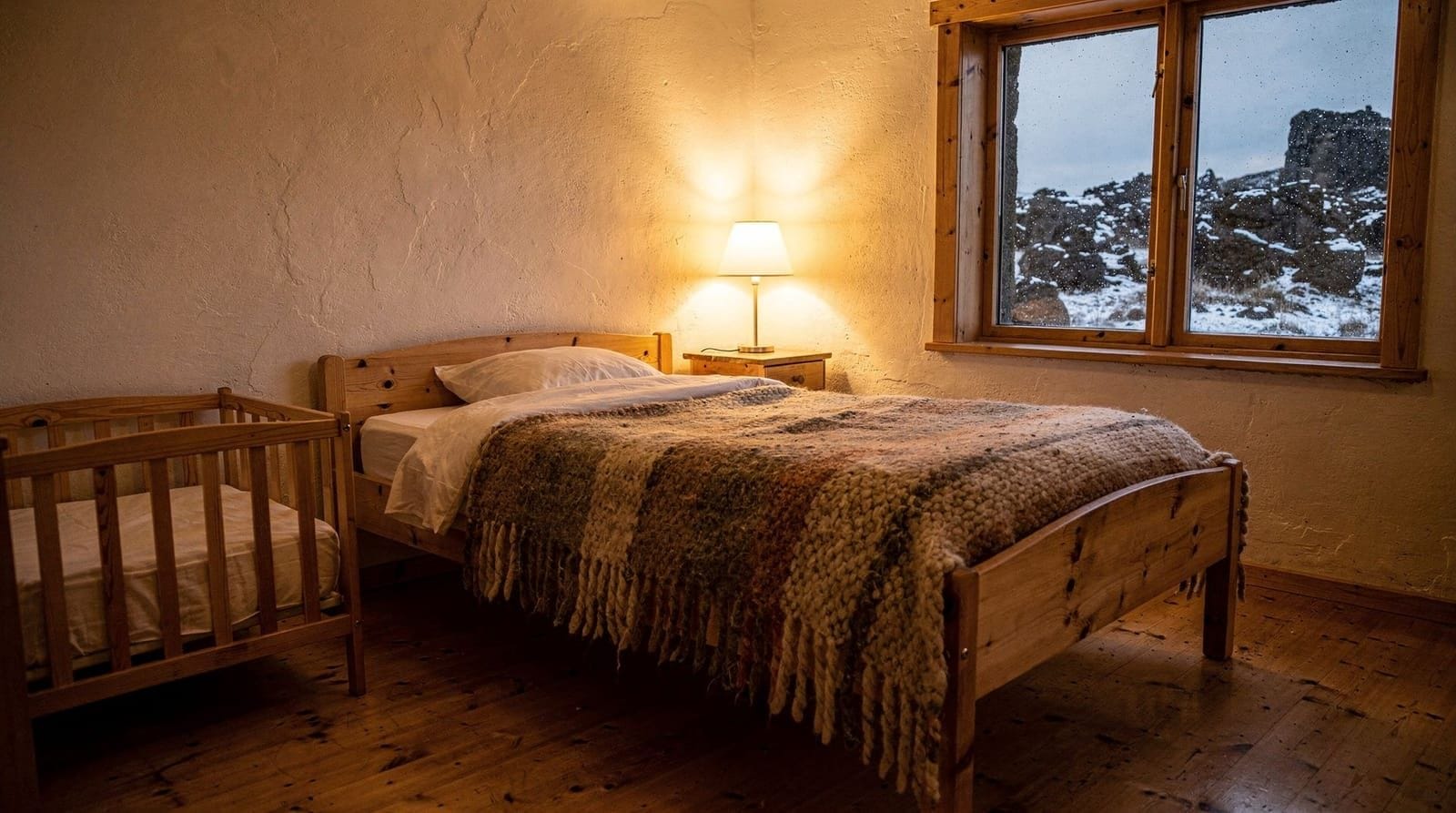
Space: children sharing beds with parents works for one night; across multiple nights it affects everyone’s sleep. Two-bedroom apartments or guesthouses with a family room (sleeping 4 in separate beds) are worth the premium.
Blackout curtains: non-negotiable for children under 10 in summer. Confirm with every property before booking. Do not rely on website descriptions.
Location vs cost trade-off: staying slightly outside Reykjavík (e.g., Hafnarfjörður or Kópavogur, 15 minutes from the centre) reduces accommodation cost by 30–40% with minimal practical inconvenience if you have a rental car.
Recommended accommodation types
Farm guesthouses (bændagarðar): scattered along the Ring Road and Golden Circle area. Often include breakfast, have family rooms, and provide the most authentic Icelandic experience. Many have farm animals that young children can interact with. Prices: ISK 18,000–30,000 per family room per night.
Self-catering cottages: excellent for families of 4+ staying more than 2 nights in one area. The South Iceland area has many options. Booking platforms: airbnb.com, booking.com, bungalo.is (Iceland-specific).
Hotel apartments: found in Reykjavík and Akureyri. Combine hotel facilities (reception, housekeeping) with kitchen access. More expensive than farm guesthouses but more convenient for city basing.
Iceland food realities for families with children
Icelandic food culture is generally meat-focused and fish-heavy. Children from non-fish-eating households sometimes find the local food challenging.
The universally child-friendly foods: Pylsur (Icelandic hot dog with remoulade sauce and crispy fried onion, ISK 550–700), skyr with fruit (a thick yogurt available in every supermarket from ISK 250), soup (Kjötsúpa meat soup, available everywhere from ISK 1,200–2,000), bread with Icelandic butter (beurre normal, usually served at guesthouse breakfasts).
The Bonus supermarket chain (yellow-orange sign, largest discount supermarket in Iceland) has the widest selection at the lowest prices and is the most practical family shopping option. Stores in Reykjavík, Selfoss, Akureyri, and other regional centres.
Food allergy practical note: Iceland is good at labelling allergens but rural restaurants have limited menu flexibility. Bring snacks from home for children with specific allergies, particularly for the east and north Iceland sections of a Ring Road trip where restaurant options are limited.
Planning checklist for families
Before departure:
- Portable blackout blind or curtain clips (essential May–July)
- Child car seat (confirm rental availability or bring from home)
- Travel insurance covering paediatric healthcare and evacuation
- Motion sickness medication if needed (pharmacy or over-counter)
- Children’s sun protection SPF 50 (needed on glacier sections)
- Download the Safetravel app and vedur.is weather app
Day of any activity:
- Check weather at vedur.is 24 hours before (not on the day)
- Full waterproofs for everyone (including children’s sizes)
- Snacks for at least 6 hours
- Change of clothes in the car for wet conditions at waterfalls
- Charged phone with offline maps downloaded
Iceland with kids: honest cost assessment
Iceland is one of Europe’s most expensive family destinations. A realistic mid-range cost breakdown for a family of 2 adults and 2 children (ages 7 and 11) for 7 days:
Flights (variable): EUR 800–2,000 depending on origin and season
Rental car (7 days, medium SUV): ISK 85,000–120,000 (EUR 550–780)
Accommodation (7 nights, family rooms at guesthouses/apartments): ISK 21,000–30,000 per night = ISK 147,000–210,000 (EUR 950–1,360)
Food: Self-catering breakfasts and lunches, 4 restaurant dinners: ISK 6,000–9,000 per day = ISK 42,000–63,000 (EUR 270–410)
Activities (whale watching, glacier walk, 1 major paid activity per day): ISK 60,000–100,000 total (EUR 390–650)
Fuel: ISK 15,000–25,000 (EUR 97–160)
Total in-country (excluding flights): EUR 2,260–3,360 for the family of 4 for 7 days
This is substantially more than a comparable week in Portugal, Spain, or Croatia. The justification is Iceland’s unique activity combination (glacier walking, geothermal bathing, volcanic crater viewing) that genuinely cannot be replicated elsewhere in Europe.
Families who self-cater aggressively, use Bonus supermarket for all food shopping, and choose guesthouse accommodation outside Reykjavík can reduce the total in-country cost by 30–40%.
Making the most of free Iceland
Several of Iceland’s most impressive experiences are entirely free:
- Geysir watching at Haukadalur
- Gullfoss waterfall
- Jökulsárlón glacier lagoon shoreline viewing
- Skógafoss and Seljalandsfoss waterfalls
- Reynisfjara black sand beach
- Þingvellir National Park rift valley walks
- Dyrholaey headland and lighthouse
- Reykjadalur hot spring hike (parking fee only)
A family of four doing all of these as part of a self-drive south coast trip pays only parking fees (ISK 3,000–5,000 total) for a full day of extraordinary experiences. The south coast drive from Reykjavík to Jökulsárlón is one of the world’s great free scenic drives.
Top experiences
Bookable activities with verified prices and instant confirmation on GetYourGuide.