Iceland self-drive vs guided tour: which is right for you?
Akureyri: Reykjavik 8 day Iceland Ring Road guided small group tour
Duration: 8 days
Should I self-drive or join a guided tour in Iceland?
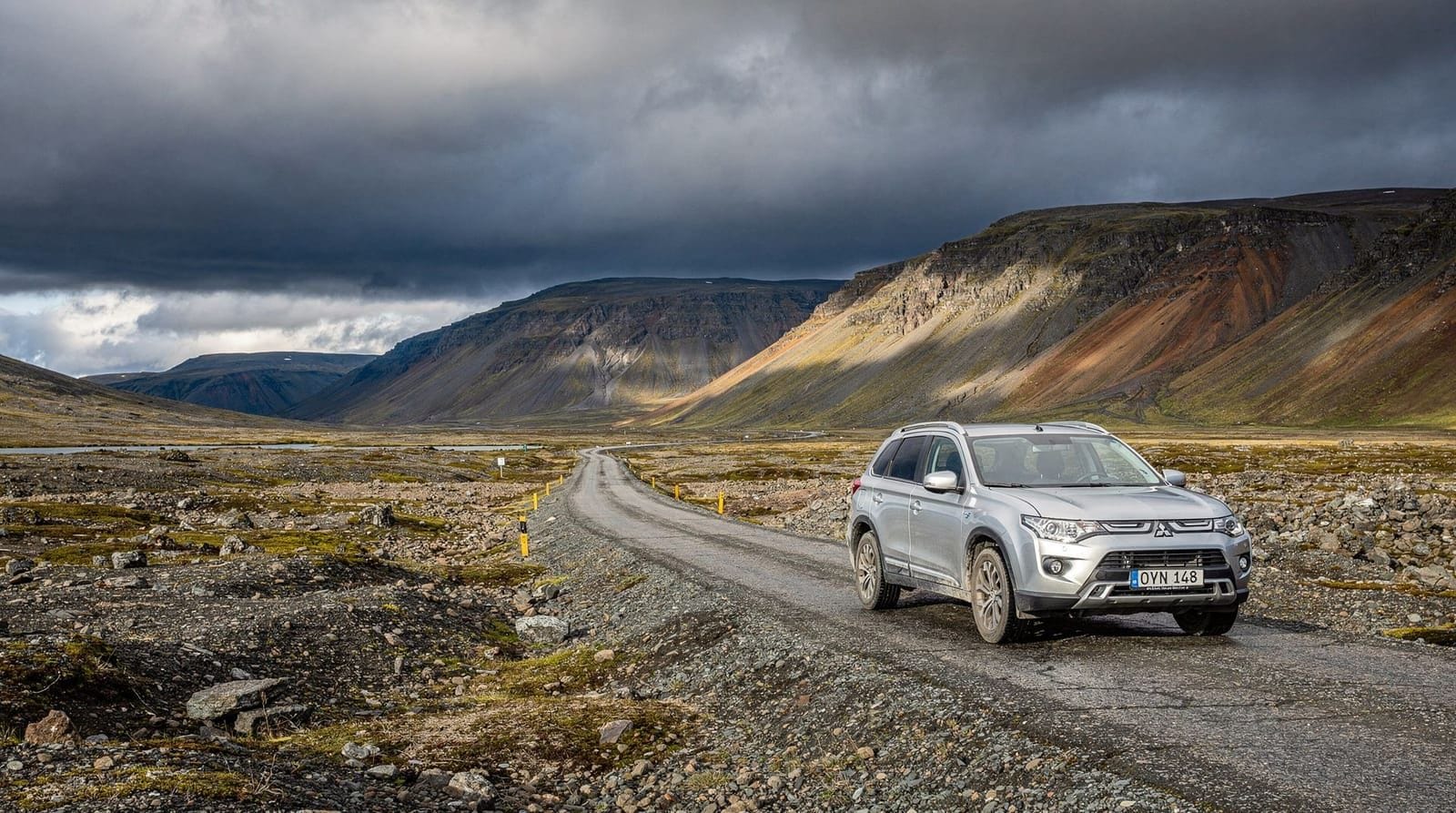
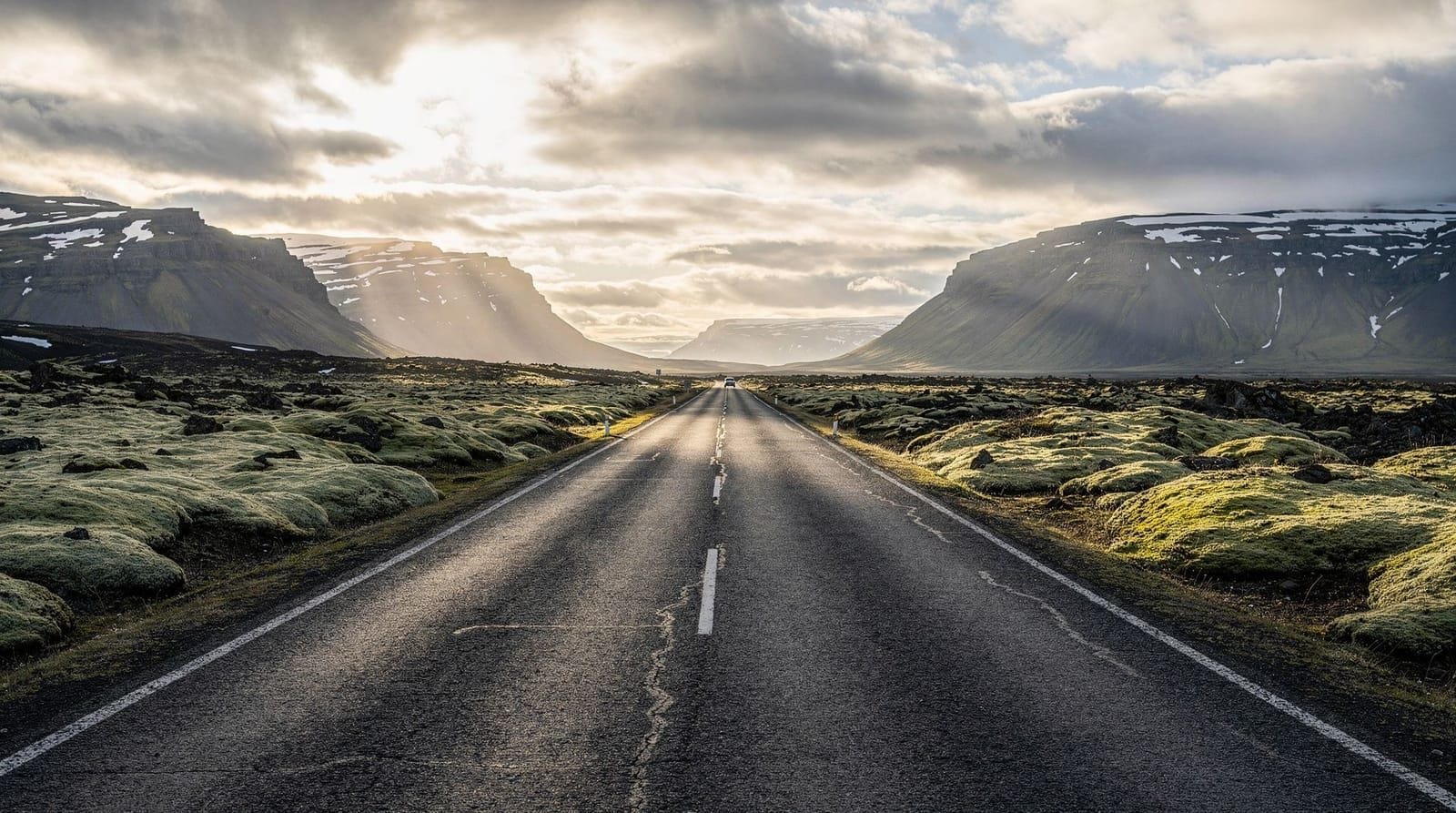
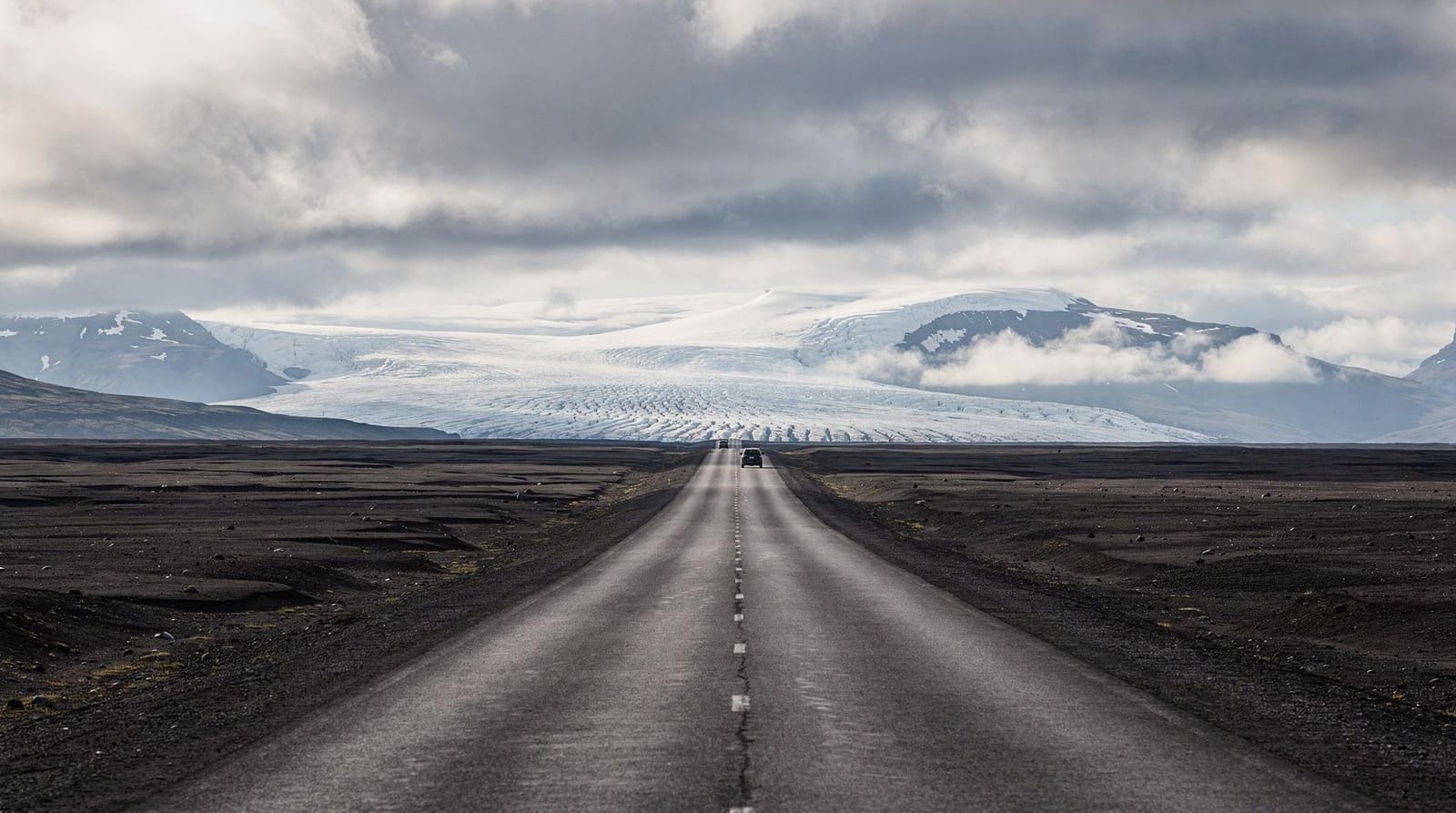
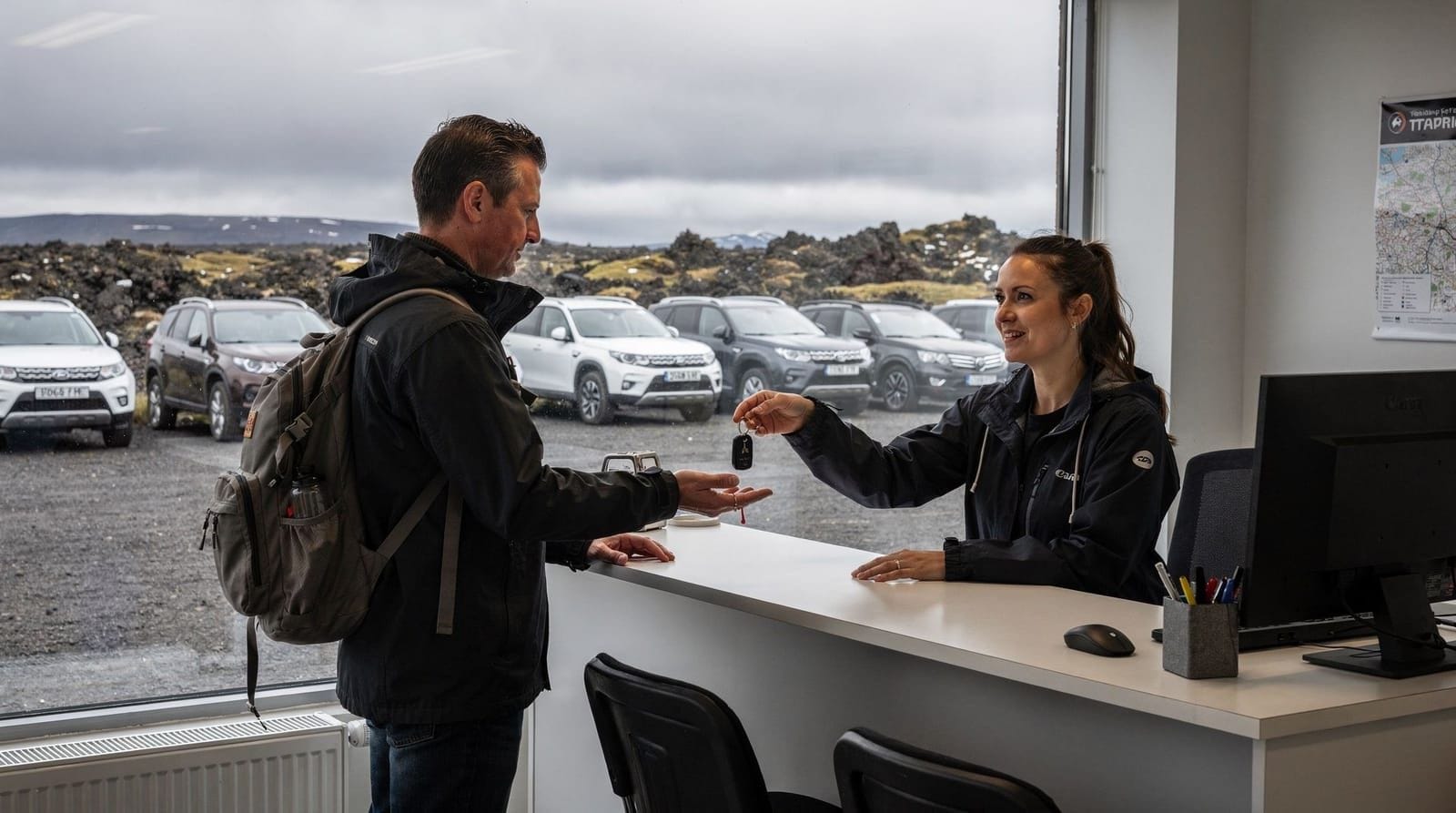
Self-driving gives flexibility, lower cost, and access to uncrowded timing. Guided tours remove the logistics of driving, insurance, and route planning, and suit travelers who don't want to drive in an unfamiliar country. Most visitors who can drive confidently find self-driving significantly more rewarding.
The actual question you’re trying to answer
Most visitors to Iceland want to see the Ring Road, the South Coast, the Golden Circle, and perhaps the northern lights. Both self-driving and guided tours can deliver these. The question is which delivery method fits your tolerance for logistics, your budget, and the kind of experience you want.
This guide works through the real trade-offs — not a simple checklist, but the specific ways each option plays out on the ground.
| Cheaper option | Self-drive with camping (roughly half a budget guided tour) |
| Lower stress option | Guided tour — no driving, navigation, or accommodation logistics |
| Best for photographers | Self-drive — full control over timing and stops |
| Best for solo social travelers | Guided tour — built-in group structure |
| Time commitment sweet spot | Self-drive for 10+ days; guided tour for 5–7 days |
Cost comparison
Self-drive costs (10 days, 2 people sharing)
| Item | ISK | EUR |
|---|---|---|
| Rental car (small 4x4) | 200,000–350,000 | 1,350–2,400 |
| Insurance (CDW + GPSB + SAAP) | 50,000–90,000 | 340–615 |
| Fuel | 30,000–40,000 | 205–270 |
| Campsites (10 nights) | 30,000–50,000 | 205–340 |
| Total (per couple) | 310,000–530,000 | 2,100–3,625 |
| Per person | 155,000–265,000 | 1,050–1,810 |
This assumes camping. Mid-range guesthouses add ISK 250,000–400,000 for 10 nights.
Guided tour costs (10 days, per person)
Budget small-group tours: ISK 400,000–650,000 per person (€2,700–4,400) including accommodation and most meals. Premium small-group tours: ISK 800,000–1,500,000 (€5,450–10,200). Luxury private tours: ISK 1,500,000+ per person.
Conclusion: Self-driving with camping is significantly cheaper. Self-driving with mid-range guesthouses is comparable to or slightly cheaper than a budget guided tour. Premium guided tours are substantially more expensive.
Flexibility and itinerary control
Self-drive
You set the schedule. If Jökulsárlón is stunning at midnight, you stay. If an aurora forecast looks strong for an unexpected location, you change direction. If you want to spend 3 hours photographing Skógafoss instead of 45 minutes, no one is waiting for you.
You also bear the consequences of poor decisions. If you miss a campsite booking in peak season, you sleep in the car. If road.is shows orange conditions and you are unsure what that means, you must make the call.
Guided tour
The operator decides where you stop and for how long. Typical guided Ring Road tours allow 20–45 minutes at Geysir, 30 minutes at Gullfoss, and 1–2 hours at Jökulsárlón. These are not trivial visits, but they are tightly managed. You cannot choose to miss Þingvellir because you’re tired, or spend an extra hour at Mývatn because you want to hike to Krafla.
The schedule is set months in advance and must work for a group of 8–16 people with different interests. Most operators are good at managing this, but you are always in a compromise.
What guided tours genuinely do better
Driving confidence in challenging conditions. Winter driving, F-road navigation, and making calls on marginal conditions require experience. A professional guide who drives Iceland daily makes better decisions than a visitor driving here for the first time in February. If you want to visit in winter and don’t have cold-climate driving experience, a guided tour or shared minibus is lower risk.
Local knowledge. Good guides know which stops are worth lingering at today (fresh snow on Jökulsárlón this morning), which are better avoided (Geysir is impossibly crowded right now, let’s come back at 17:00), and what’s happening off the tourist circuit. This is the main experiential advantage of a good guided tour.
Group dynamics. Solo travelers or pairs who want to meet other travelers benefit from guided tours in a way self-drivers don’t.
No logistics overhead. You don’t check road.is, book accommodation, plan fuel stops, or navigate. For some travelers this is a relief. For others it removes most of the trip’s pleasure.
What self-driving does better
Access to uncrowded timing. The biggest advantage of self-driving Iceland is arriving at Reynisfjara at 07:00 before the first tour bus, or staying at Þórsmörk overnight instead of doing a day visit. Guided tours move with the crowd because they must.
Depth at specific sites. The Laugavegur Trek from Landmannalaugar to Þórsmörk is a 55 km, 4-day hike. A guided tour stopping at Landmannalaugar for 2 hours gives you the parking lot and the immediate hot springs. A self-driver can stay 2–3 days.
Budget control. Eating at petrol station cafeterias, camping at ISK 1,500/person per night, and cooking your own food in a campervan brings total trip costs down to levels that guided tours cannot match.
Photography. Photographers consistently prefer self-driving. You cannot ask a tour bus to pull over at 21:00 for a rainbow over a glacier, but you can pull your own car over whenever you need to.
Hybrid approach
Many experienced Iceland travelers combine both: fly-drive the Ring Road independently for 7–10 days, then join a specific activity tour for something requiring a specialist guide — glacier hiking, ice caving, or a super-jeep F-road tour.
The activities that genuinely require a guide in Iceland are those involving safety certifications: glacier hiking (crampons, crevasse risk), ice cave tours (unstable ceiling risk, requires guide certification), and river crossing tours in remote highlands. A rental car with F-road insurance and local knowledge is usually sufficient for everything else.
Who should choose self-driving
- Experienced drivers, including those with cold-climate driving experience for winter trips
- Travelers who prioritize flexibility and timing control
- Those on a budget (especially camping)
- Photographers and landscape enthusiasts who need control over timing
- Couples or small groups who travel well together and don’t need the social structure of a tour
- Anyone visiting for 10+ days who wants to go beyond the main circuit
Who should consider a guided tour
- First-time Iceland visitors who feel uncertain about winter driving or mountain road navigation
- Solo travelers who want to meet people
- Travelers who want to see the country without logistics overhead and are comfortable with a fixed schedule
- Those with very limited time (5–7 days) who want a guaranteed curated circuit
- Groups that don’t all drive, or where the driver doesn’t want the stress of navigating
The quality spectrum in guided tours
Not all guided tours are equal. The range from budget to premium creates fundamentally different experiences:
Budget large-group tours (15–25 people): Coach tours with scripted commentary, compressed stop times, and shared accommodation in guesthouses near highways. These cover the highlights efficiently but resemble a tick-box exercise. Stop at Geysir: 30 minutes. Stop at Gullfoss: 25 minutes. Move on.
Small-group minibus tours (6–12 people): The sweet spot for guided tours in Iceland. Groups small enough to make decisions together (stop longer at a site if everyone wants to) with real guide knowledge. Operators like Arctic Adventures, Extreme Iceland, and Reykjavik Excursions offer these at ISK 250,000–600,000/person for Ring Road trips.
Private guided tours: A single private guide and vehicle for your group. Fully customisable — you tell the guide your priorities and they structure accordingly. Cost: ISK 800,000–2,500,000+ per day depending on vehicle type and group size. Genuinely excellent for families or travelers who want the guide benefit without group compromise.
Day tour operators: For activity-specific tours (glacier hiking, ice caves, whale watching), day tour operators from Reykjavik and Akureyri are best in class and worth using as a self-driver. You drive your rental car, join the activity, and continue on your own route afterwards. This is the optimal hybrid approach.
Self-drive logistics most people underestimate
First-time Iceland self-drivers often underestimate several logistics that add real time and cost:
Fuel calculation at distance: Iceland’s most remote Ring Road stretches (East Fjords, northern Mývatn approaches) have 80–140 km between petrol stations. Forgetting to top up when passing through a town can leave you in a very expensive roadside situation. Carry a 10L jerry can if driving a thirsty SUV or campervan in remote areas.
Check-in and key handover logistics: Many Ring Road guesthouses have reception until 22:00–23:00 only. Arriving after closing requires arranging a key box code in advance. Call ahead if you are arriving late.
Driving time vs map distance: Google Maps shows driving time but cannot account for you slowing to take photos every 10 minutes, stopping at an unexpected waterfall not on your itinerary, or the time lost when you get turned around on a gravel track. Add 40–60% to any Google Maps driving estimate.
Parking costs: Þingvellir, Geysir, and other major sites have begun charging for parking since 2022–2024. Budget ISK 500–1,000 per parking stop at popular sites.
Road closures costing days: A Ring Road storm closure that lasts 36 hours costs you a day of your trip. Self-drivers with fixed flights and no buffer days have flown home without seeing the East Iceland section because a storm stranded them at Vík for two days. Build buffer.
What “flexibility” actually looks like in practice
The flexibility advantage of self-driving isn’t just theoretical. Concrete scenarios:
Scenario 1 — Aurora forecast changes: At 22:00, the aurora forecast unexpectedly improves to KP 4+ and the sky is clearing north of your location. You’re in a guesthouse in Mývatn. You get in your car and drive 20 km to a dark hilltop. In a guided tour, you ask the guide. They check the group, decide, and either organise an impromptu outing (if it’s a flexible small-group tour) or apologise (if it’s a large coach tour with early morning departure).
Scenario 2 — Jökulsárlón exceeds expectations: You arrive at Jökulsárlón and it is extraordinary — morning mist, icebergs glowing pink. You want to stay 3 hours. On a guided tour, your 90 minutes is up and the bus leaves. In your rental car, you stay until you’ve photographed every angle.
Scenario 3 — Road closes at your destination: The Ring Road segment ahead is closed due to a storm. You’re in Vík with a guided tour group. The guide makes the call — you all wait together, accommodation is rebooking collectively, the operator handles logistics. In your rental car, you make your own call: wait, or find an alternative route.
The honest case for guided tours
Guided tours are often treated condescendingly in travel discussions. This undersells their genuine advantages for specific situations.
For nervous or inexperienced drivers: Iceland’s winter roads, one-lane bridges, and wind events cause genuine anxiety for people who are not experienced in these conditions. A guided tour removes this anxiety completely. You see the same landscapes without the psychological overhead of navigating in conditions you’re not prepared for.
For solo travelers who value social experience: Ring Road campsite culture can be social, but meeting people requires initiative. A guided tour provides built-in social structure — most tour participants develop real friendships over 7–14 days on the road together.
For time-compressed visitors (5–7 days): A guided tour that operates pre-planned stops, pre-booked accommodations, and pre-cleared logistics can achieve more sightseeing per day than a first-time self-driver who loses time to navigation, wrong turns, and logistics. The time cost of self-drive management is real.
For non-drivers or mixed groups: If you can’t drive, or if your travel companion doesn’t drive, a guided tour is the practical option. Self-driving requires at least one person in the group to bear the entire driving responsibility for 7–14 days — tiring and often resented.
What independent travelers most commonly regret
After extensive Ring Road travel, the most common reported regrets from self-drivers:
“We drove too fast.” Trying to see every site in SLUGS.md in 7 days means 200 km/day with stops. This is physically exhausting and means 30–45 minutes at each site. The travelers who describe Ring Road trips most enthusiastically had fewer stops per day and lingered.
“We didn’t book campsites ahead.” In July, arriving at Skógar campsite after 17:00 means no space. Having a plan B adds stress that ruins the “spontaneous” appeal.
“We didn’t check road.is.” This leads to surprise closures, frustration, and sometimes dangerous decisions to proceed on orange conditions.
“We underestimated time at Jökulsárlón.” Almost universally the site people wish they’d spent more time at. Build 3–4 hours into the plan.
Guided tour travelers regret different things:
“We couldn’t stay longer at [site].” The time compression of guided tours is the most universal complaint. At sites people love — Jökulsárlón, Þórsmörk, Mývatn — the pre-allocated time is never enough for genuinely interested travelers.
“The accommodation choices weren’t what we expected.” Budget guided tours optimise on cost, not quality. The “included accommodation” can be basic guesthouses 30 minutes from the main sites.
Building a hybrid trip
The optimal Iceland trip for most visitors is:
- Self-drive for the Ring Road (flexibility, timing, cost)
- Guided day tours for specific activities requiring expertise or certification
Activity tours worth booking as a self-driver:
Glacier hiking at Sólheimajökull: Requires a certified guide and equipment. Half-day tours from operators based at the glacier parking lot. No need to drive to Reykjavik first. See our glacier hiking guide.
Ice cave tours at Vatnajökull: Natural ice cave access requires specialist cave guides. Tours depart from Jökulsárlón or Höfn. Book 3–6 weeks ahead in January–February. See ice cave guide.
Whale watching at Húsavík: Join from your Ring Road route in North Iceland. Multiple daily departures in summer. See our Húsavík whale watching guide.
Snorkelling Silfra: Certified guide required. Half-day from Þingvellir. See Silfra snorkelling guide.
This approach — self-drive car + specific day activity tours — gives flexibility on the road and expert-guided access to the sites requiring it.
A structured decision framework
If the trade-offs above still leave you undecided, work through these questions in order:
- Do you have 10+ days? If yes, self-driving’s advantages (flexibility, cost, depth) compound over a longer trip and the decision usually tilts self-drive unless you have a specific reason not to.
- Is anyone in your group inexperienced or anxious about winter/mountain driving? If yes and your trip is October–April, weight toward a guided tour or a hybrid where a confident driver handles it.
- Is photography or a specific niche interest (birdwatching, geology, hiking) the main purpose of the trip? If yes, self-drive almost always serves this better because guided tours cannot linger on your schedule.
- Do you specifically want to meet other travelers? If yes and you’re solo, a guided tour’s built-in social structure is a real advantage self-driving doesn’t offer.
- Is your total trip 5–7 days or less? If yes, a guided tour can pack in more sightseeing per day than a first-time self-driver managing unfamiliar logistics, though at a real cost premium.
Most travelers land on a hybrid: self-drive for the core Ring Road, with 1–2 specialist activity tours (glacier hiking, ice caving) booked along the way.
8-day guided Ring Road small-group tour from ReykjavikWhat experienced repeat visitors tend to choose
Iceland’s repeat visitors — those on a second or third trip — self-drive at a noticeably higher rate than first-timers, and the reasons are informative. By a second visit, winter driving concerns have usually been resolved (either through experience or by choosing summer), logistics feel less daunting, and repeat visitors typically want depth at specific sites (a multi-day Westfjords loop, extended time at Mývatn) that guided tours structurally can’t provide. First-time visitors choosing a guided tour to “learn the country” before self-driving on a return trip is also a common and reasonable pattern — there’s no requirement to get the ideal approach right on your first visit.
Frequently asked questions about self-drive vs guided tour
Are guided Ring Road tours worth the price?
Depends on what you want. If you value a stress-free trip with professional local knowledge and accommodation pre-arranged, yes. If you want flexibility, depth, and cost control, the premium over self-driving buys you things you might not want.
How does self-driving work with aurora hunting?
Better than guided tours. Aurora forecasts are made 24–48 hours ahead and require flexibility to chase clear skies in unexpected locations. Guided tours can’t reroute for aurora; you can. See our self-drive aurora hunting guide.
Can I rent a car in Iceland without experience driving in adverse conditions?
Yes. All rental cars have winter tyres (November–April). Many first-time winter drivers manage the Ring Road fine by checking road.is daily and driving conservatively. The risk is not zero, but it is manageable for most confident drivers.
Are there guided tours for specific activities that self-drivers can book?
Yes. Most adventure activities in Iceland are sold as standalone day tours: glacier hikes, ice caves, whale watching, highland F-road tours. You self-drive to the start point and join the activity tour there. This is the common approach for self-driving visitors.
How much does a full-service guided Ring Road tour cost?
Budget small-group tours (coach-based, 14–16 days): ISK 350,000–550,000 per person (€2,400–3,750), typically including accommodation and some meals. Premium small-group tours (minibus, 10–14 days): ISK 600,000–1,100,000 per person (€4,100–7,500). Private guided tours (just your group): ISK 120,000–250,000 per day for the vehicle and guide, accommodation extra. These are 2026 prices; verify with operators at booking.
Is self-driving Iceland safe for first-timers?
In summer: yes, with basic preparation. In winter: depends on your winter driving experience. The Ring Road is well-maintained but demands attention in bad weather. Our winter driving guide covers the specifics.
Can I switch from a guided tour to self-driving partway through a trip?
Yes, and some travelers do exactly this — joining a guided tour for the first few days to get oriented, then picking up a rental car for a self-driven extension. This works logistically but requires planning the handover point and rental pickup location in advance, since not every town has rental availability.
Do guided tours or self-drive give better access to off-the-beaten-path sites?
Self-drive, generally. Guided tours are built around a fixed set of well-known stops that work for a full coach or minibus; a self-driver can detour to a lesser-known waterfall, an empty black sand beach, or an unscheduled stop that catches their eye. This is one of the clearest, most consistent advantages of self-driving over any tour tier.