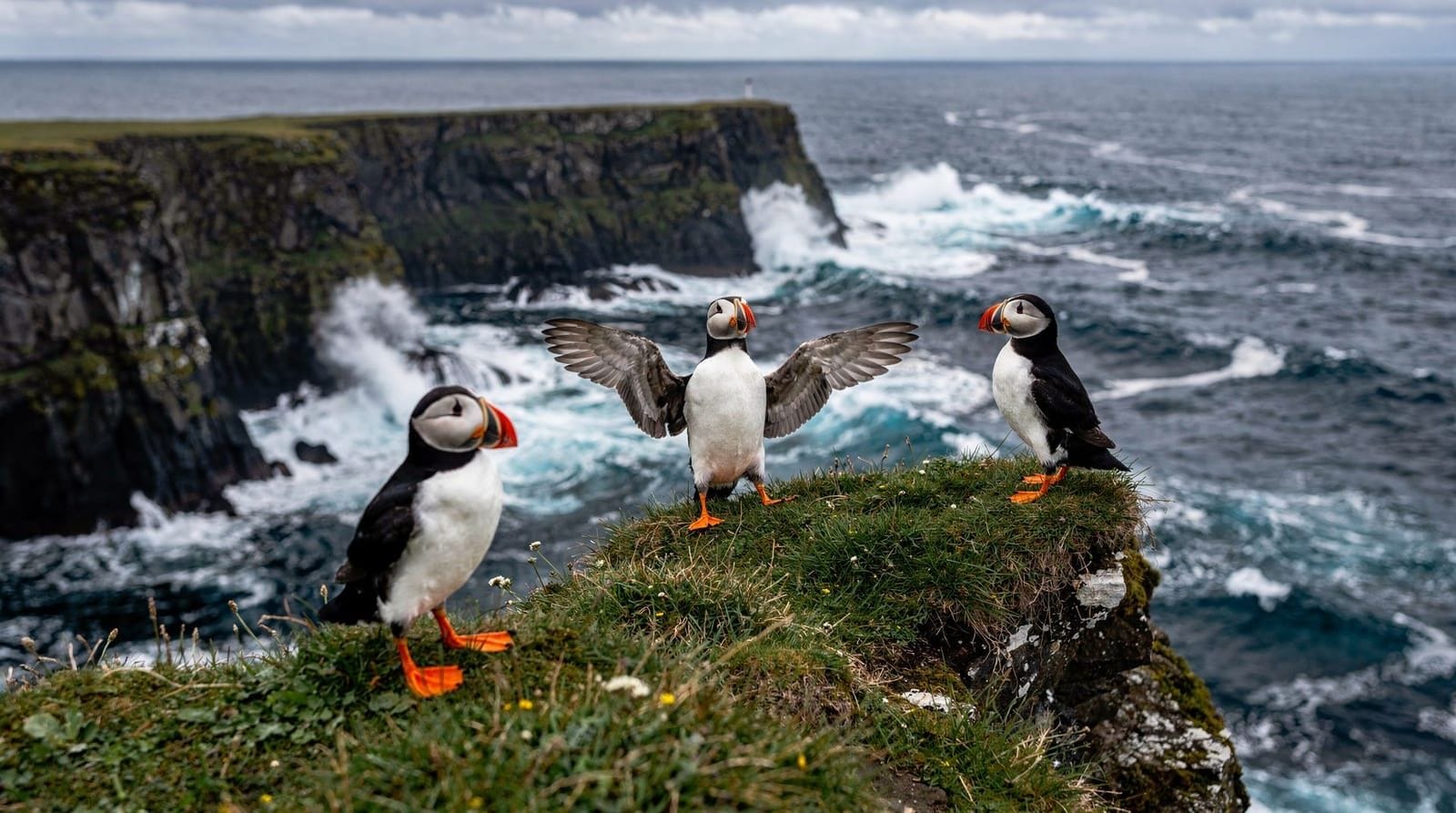
Ísafjörður
Ísafjörður is the Westfjords' main town: base for Dynjandi day tours, whale watching, kayaking, and access to Hornstrandir wilderness. Practical guide for
Ísafjörður: Isafjordur Dynjandi express
Duration: 3.5 hours, from $81, 4.7 stars (1579 reviews)
Quick facts
- Best time
- June–August for full services, puffins, and Hornstrandir access
- Days needed
- 2–3 days as a base for Westfjords activities
- Getting there
- 7–8 hours drive from Reykjavík (450 km); or 45-min flight from Reykjavík domestic airport
- Budget per day
- 20,000–30,000 ISK / €135–€200 (accommodation and food higher than Reykjavík)
Ísafjörður sits on a narrow spit of land jutting into Skutulsfjörður — one of the inner fjords of the Ísafjarðardjúp bay complex. The town has about 2,600 residents and contains most of the services you will need for exploring the Westfjords: grocery stores, restaurants, a petrol station, accommodation, and the tour operators who run the main activities in the region.
The town is also a cruise ship port in summer. Several sailings per week call at the harbour in July and August, meaning the main street can go from quiet to several hundred visitors in a morning. The timing of cruise ship arrivals is public information and worth checking if you want the town without the surge.
Getting there
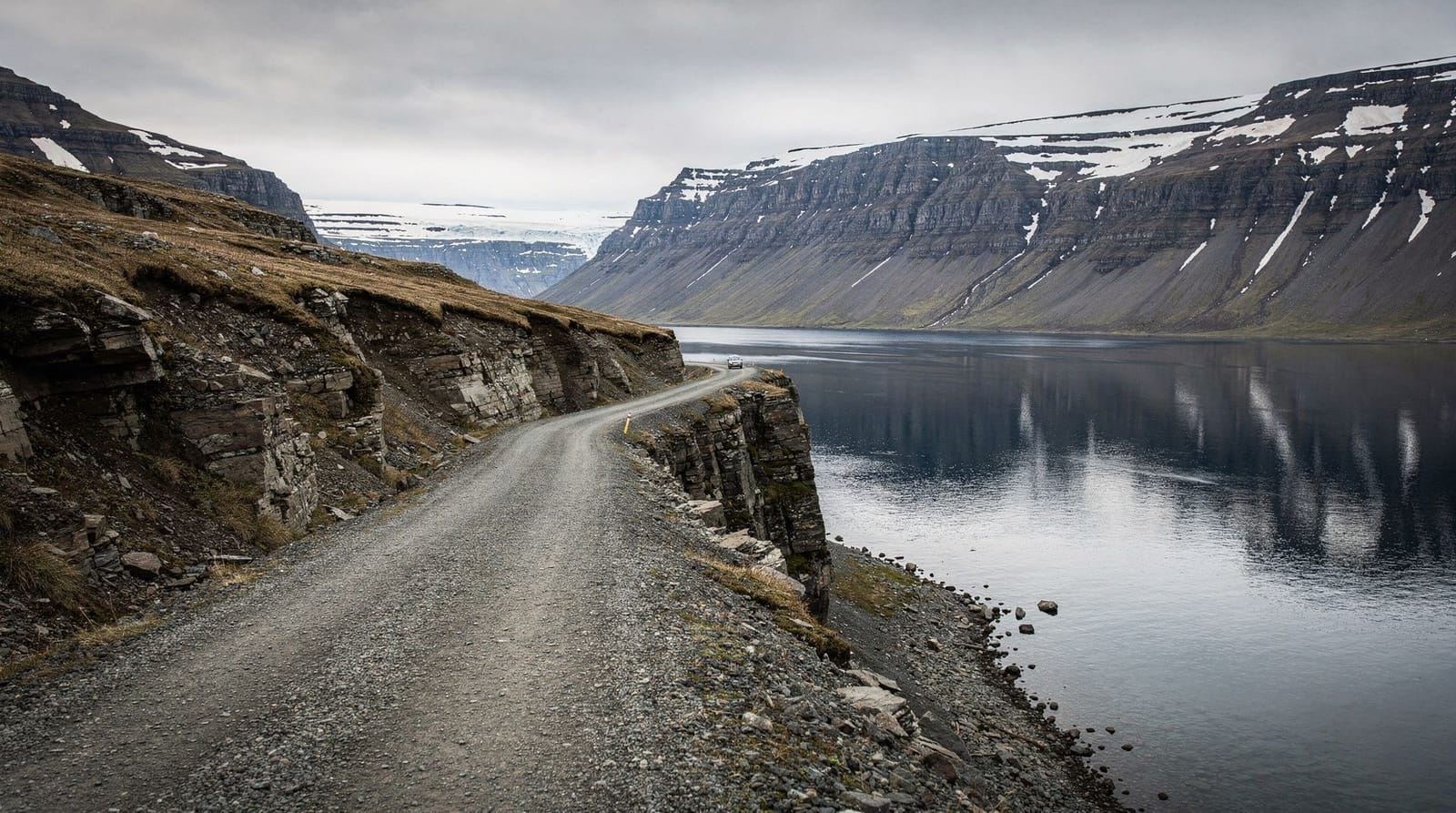
By road: the drive from Reykjavík is approximately 450 km and takes 7–8 hours realistically, including the mountain pass sections on Route 61 and 60. The road passes through the southern Westfjords and climbs over several highland sections (1WD-accessible but slow on gravel). An alternative route via Hólmavík and the eastern Westfjords adds distance but avoids some of the pass sections.
By air: Eagle Air (Ernir) flies from Reykjavík City Airport to Ísafjörður, 45 minutes, from around 15,000–22,000 ISK one-way. This is the practical option for time-limited visits. The airport is 5 km from the town centre; taxi transfers available.
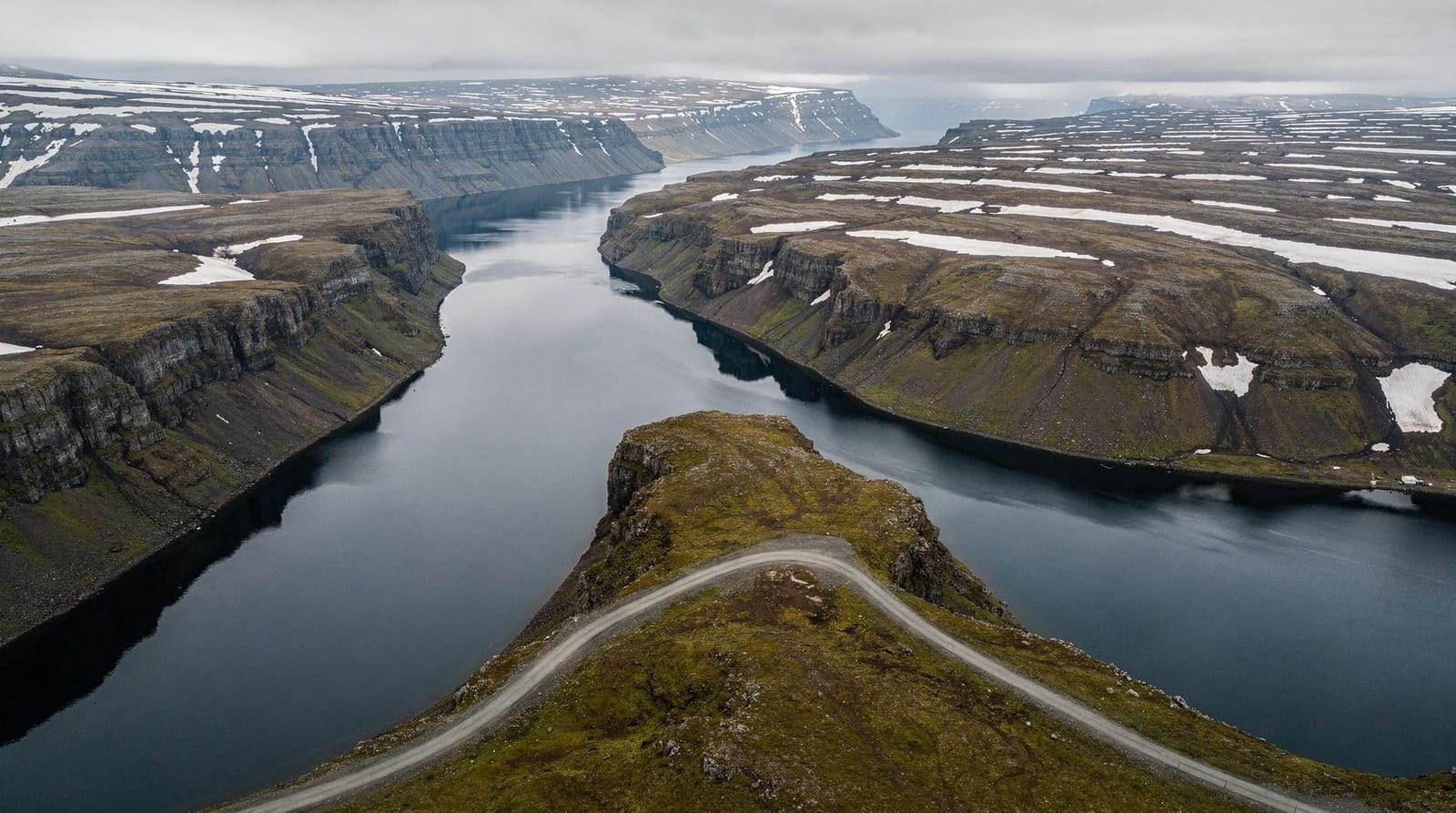
A note on the approach by road: the final stretch from the Ísafjarðardjúp junction to the town involves a mountain tunnel and then a dramatic descent into the fjord. The town appears below you as you come over the last hill — one of Iceland’s better arrival moments.
The old town
The core of Ísafjörður’s old town (Neðstikaupstaður) dates from the 18th century — a small cluster of painted wooden warehouses on the harbour spit, some dating to the 1780s. These are among Iceland’s oldest surviving buildings. The Westfjords Heritage Museum (Byggðasafn Vestfjarða) occupies three of them and covers the fishing industry that sustained the Westfjords economy for centuries. Entry is around 1,500 ISK (€10), and the museum is compact enough to cover properly in an hour.
The main street (Aðalstræti) has a bakery (Gamla Bakarí — good cinnamon buns and sourdough), two grocery stores (Samkaup-Strax and a smaller co-op), and several restaurants. Tjöruhúsið is the most-recommended seafood restaurant in town: it operates buffet-style lunch with fresh fish from the harbour, prices around 4,500–5,500 ISK (€30–€37) per person. It is justifiably popular and fills quickly on summer days — arrive when it opens rather than planning for a relaxed timing.
Day tours from Ísafjörður
Ísafjörður is the operational base for most organised Westfjords activities.
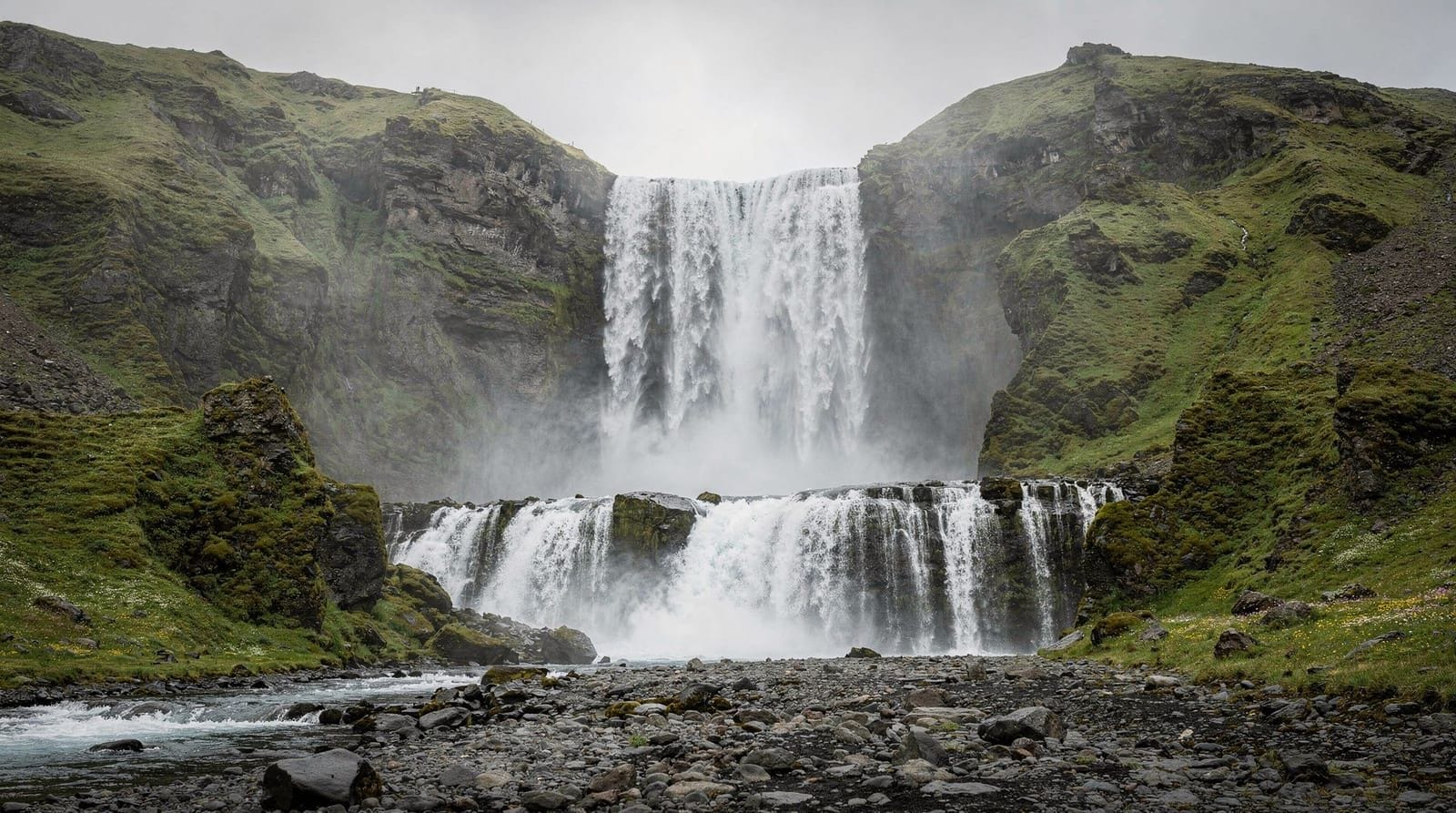
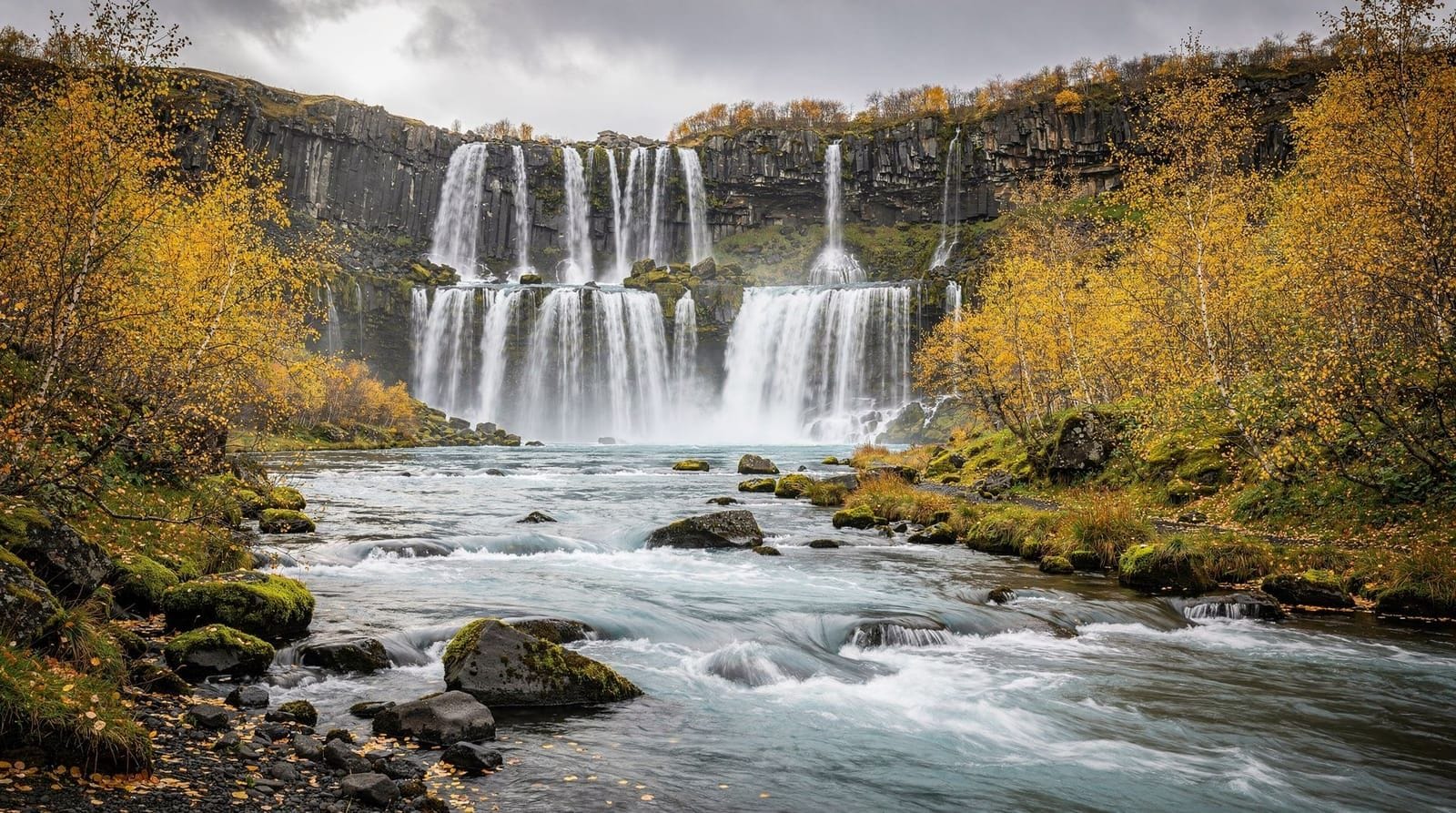
Dynjandi: the main day excursion from the town. Dynjandi waterfall is 60 km south on Route 60 — a beautiful drive but a slow one on mixed paved and gravel road. Guided day tours from Ísafjörður take about 3.5–4 hours and typically combine the waterfall with other stops (farm visits, church, or Bolungarvík).
Dynjandi express tour from Ísafjörður — 3.5 hours, from €81 Dynjandi waterfall tour with Icelandic farm visit — 3.5–4 hoursWhale watching: the Ísafjörður fjord and the wider Ísafjarðardjúp contain minke whales, harbour porpoises, and occasional white-beaked dolphins in summer. Boat tours run from the harbour for approximately 3 hours and cost around 11,500–15,000 ISK (€78–€102). This is genuinely productive whale watching in a setting — narrow fjord with dramatic cliff walls — that the more famous Húsavík and Reykjavík tours cannot match for scenery.
Westfjords whale watching from Ísafjörður — 3-hour boat tourA summer specialty: midnight whale watching with hydrophone listening equipment. The combination of midnight sun and whale sounds in a remote fjord is an unusual experience.
Midnight whale watching with hydrophone from ÍsafjörðurHornstrandir: boat transfers from the Ísafjörður harbour to the Hornstrandir Nature Reserve — the uninhabited peninsula north of Ísafjörður with Arctic fox, cliffs, and abandoned farms. The boats take 30–45 minutes to reach the reserve. Day hikes and multi-day camping trips are both possible; you need to be self-sufficient. This is serious wilderness with no facilities, unpredictable weather, and no mobile coverage. The westfjords-5-days itinerary includes a Hornstrandir day.
Kayaking: sea kayaking in the fjords around Ísafjörður is available through local operators. Guided half-day and full-day tours run in summer. Conditions depend on wind — always a factor in the Westfjords.
Bolungarvík
A small fishing town 15 km from Ísafjörður on the north coast of Skutulsfjörður. It has an interesting natural history museum (Náttúrustofa Vestfjarða) and the Ósvör Maritime Museum — a reconstructed 19th-century fishing station showing how traditional rowing-boat fishing operated. Worth a half-day if you are extending your stay around Ísafjörður.
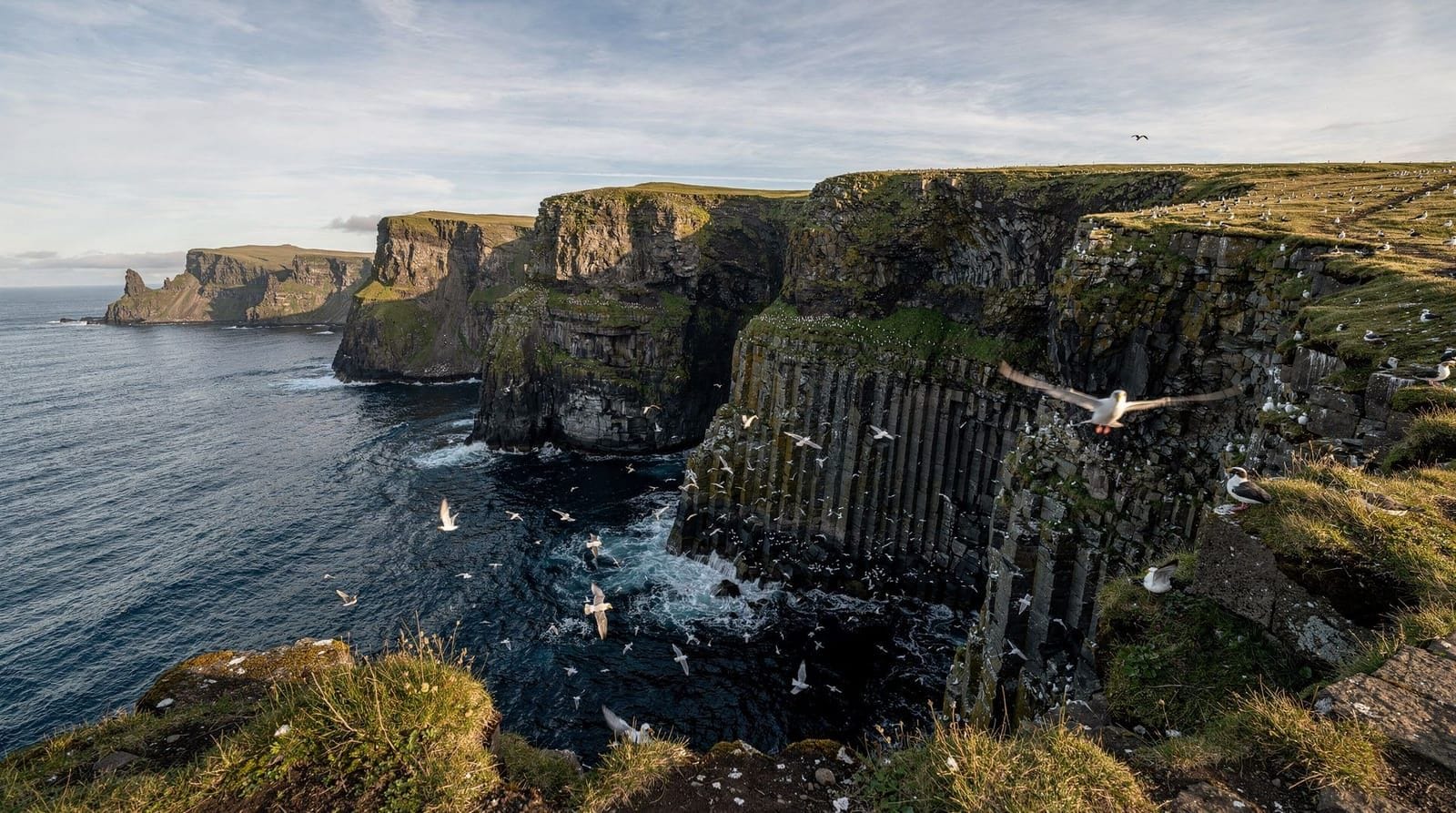
The Bolungarvík viewpoint above the town gives views back toward Ísafjörður and across the Greenland Sea. On a clear day you can see the Hornbjarg cliffs of Hornstrandir to the north.
Practical logistics
Food and groceries: the two supermarkets have a reasonable range. Self-catering is the practical budget option in the Westfjords — restaurant meals are consistently 3,500–6,000 ISK (€24–€41) for a main course. The bakery (Gamla Bakarí) is the best value for breakfast.
Mobile data: 4G coverage within the town is good. Outside the immediate Ísafjörður area, coverage drops significantly. Download offline maps for the entire Westfjords before leaving Reykjavík.
Banking: ATMs in Ísafjörður. Some more remote Westfjords communities do not accept card payment — carry cash.
Weather: the Westfjords is one of Iceland’s wetter regions. Rain gear is essential regardless of season. Fjord locations can be sheltered from main winds but receive concentrated rainfall.
Ísafjörður across the seasons
| Season | Access | Activities running | Notes |
|---|---|---|---|
| Summer (Jun–Aug) | Full road + flight service; cruise ships call | Dynjandi tours, whale watching, Hornstrandir boats, kayaking | Book accommodation by March |
| Spring (May) / Autumn (Sep) | Road and flights running | Most tours starting/winding down | September good for early aurora |
| Winter (Oct–Mar) | Flights year-round; road driving requires care | Limited — many operators closed | Genuine off-season town life |
For the driving conditions behind that table, see the driving in Iceland guide; for whale-watching options elsewhere in the country, the whale watching Iceland guide covers all the ports side by side.
Summer (June–August)
Peak season is also when the most activities operate: Dynjandi tours, whale watching, Hornstrandir boat access, kayaking. Cruise ships begin calling in June. The midnight sun means the fjord walls are lit at 11 p.m. with a soft sidelight that turns the town’s old wooden buildings gold. July is the busiest month; accommodation should be booked by March.
Spring (May) and autumn (September)
May is quieter but increasingly viable — most tour operators start in late May, and the ferry and air connections are running. September is excellent for aurora hunting: the Westfjords’ position and dark skies make it one of Iceland’s better regions for early-season northern lights. The fjords in September light are at their most photogenic.
Winter (October–March)
A small but dedicated winter audience visits Ísafjörður. The town stays operational year-round with its service functions, but many tour operators and restaurants close October–April. The winter character is genuine — Icelandic small-town winter life, dark mornings, possible aurora. Eagle Air continues flying year-round, making access straightforward.
Accommodation guide for Ísafjörður
Hótel Ísafjörður: the largest full-service hotel in the Westfjords. A modern building on the town spit. Doubles from approximately 30,000–42,000 ISK in July; lower in shoulder season. The hotel has a restaurant serving standard Icelandic fare at hotel prices (main courses 4,500–6,500 ISK).
Gamla Guesthouse: a restored older building in the town centre, popular for its character. 10–15 rooms. Doubles from 22,000–28,000 ISK in summer. Shared bathrooms for some rooms at the lower price range.
Hornstrandir Hostel: dormitory-style with some private rooms. The most budget-friendly option. Dorms from 7,000–9,000 ISK per person; private rooms from 18,000–22,000 ISK. Kitchen access.
Campsite: at the edge of town, basic facilities (toilets, showers). Around 2,000–2,500 ISK per person per night. Useful for tent campers doing the Westfjords circuit.
Self-catering apartments: available through several operators. A two-person apartment runs approximately 25,000–35,000 ISK per night and includes a kitchen — the practical choice for longer stays where self-catering reduces food costs significantly.
Eating in Ísafjörður beyond Tjöruhúsið
Tjöruhúsið is the most-referenced restaurant and rightly so, but it operates lunch service only (and only in summer). For other meals:
Husið: the main dinner option — a restaurant in a converted building near the town centre. Icelandic lamb and fish main courses 4,000–6,000 ISK (€27–€41). Booking needed in July and August.
Gamla Bakarí (Old Bakery): opens earliest and provides the best value in town. Cinnamon buns 600 ISK, sandwiches 1,200–1,800 ISK, coffee 550–700 ISK. The practical breakfast-and-lunch solution.
Edinborg Cultural Centre café: lighter meals and good coffee in a historic building. Useful for a midday stop between activities.
Samkaup-Strax supermarket: for self-catering. Reasonable range for a Westfjords town. Prices are higher than Reykjavík (transport costs) but manageable.
Hornstrandir in practical detail
Hornstrandir Nature Reserve is the northernmost section of Iceland, accessible only by boat from Ísafjörður (or Bolungarvík for some destinations). The reserve covers 580 km² of coastline, fjords, and highlands — abandoned farmland from the mid-20th century that has reverted to wilderness.
Getting there: boat transfers run from the Ísafjörður harbour (operated by West Tours and a few smaller operators). Summer schedule typically runs daily in July, several times per week in June and August. Single crossing to the main trailheads (Hesteyri, Hornvík, Látrar) takes 30–50 minutes. Prices for a day-return transfer: approximately 7,500–9,000 ISK per person.
Day hiking: a popular option is the boat to Hesteyri (an abandoned fishing village with a summer café and the ruins of a Norwegian whaling station) and a day hike around the bay before the return boat. No specialist equipment needed. Full self-sufficiency still recommended — the weather can change quickly and boat times must be kept.
Multi-day camping: camping in Hornstrandir requires carrying everything in and out. There are no facilities, no marked trails on most of the reserve, and no mobile coverage. The reward is genuine wilderness. Arctic foxes are commonly seen at close range — they have had no predator contact from humans for decades and are genuinely approachable.
Arctic fox sightings: Hornstrandir has the highest Arctic fox density in Iceland. A day trip to Hesteyri in July gives a better chance of seeing an Arctic fox within a few metres than anywhere else in the country. The foxes are not tame but they are habituated enough to be curious rather than fearful.
Comparing whale watching: Ísafjörður vs Húsavík
Ísafjörður whale watching operates in a fjord setting rather than on open ocean. The minke whales and harbour porpoises in Ísafjarðardjúp are reliably present in summer. The seeing rates are comparable to north Iceland tours, but the scenery — sheer fjord walls, smaller boat, more remote setting — is dramatically different. Húsavík on the north coast is Iceland’s most celebrated whale-watching destination and has the broadest diversity of species (humpback, blue, minke, white-beaked dolphin). For sheer species variety, Húsavík leads; for setting and experience quality, Ísafjörður is a genuine alternative. The midnight whale watching with hydrophone from Ísafjörður is unique — no other Iceland whale-watching operator combines the hydrophone experience with midnight sun conditions.
Frequently asked questions about Ísafjörður
Is it better to fly or drive to Ísafjörður?
Flying (45 minutes, Reykjavík City Airport) is the obvious choice for time-limited trips. The scenic value of the drive is real, but 7–8 hours one-way requires committing 2–3 days just to transit. If you are doing a wider Westfjords loop including the southern section and Látrabjarg, driving makes sense. For a visit focused on Ísafjörður itself, fly.
Can I do a Dynjandi day trip from Ísafjörður?
Yes. Dynjandi is about 60 km south on Route 60, roughly 75–90 minutes each way on mixed paved and gravel road. Guided tours run the route in 3.5–4 hours including stops. Self-driving is also practical — the road is accessible in a 2WD car in summer.
Are there cruise ship visits to Ísafjörður?
Yes, several per week in July and August. Cruise ships anchor in the harbour and tender passengers to the dock. This increases town activity significantly for the duration of the visit (typically 8 a.m. to 5 p.m.). The town’s tour operators serve cruise passengers with shore excursions. If you are staying in Ísafjörður, checking the cruise schedule (published by the harbour authority) helps plan around the crowds.
What is the best restaurant in Ísafjörður?
Tjöruhúsið is the consistent recommendation for seafood — a buffet of fresh fish from the harbour at lunch, moderately priced for Iceland, and genuinely high quality. Husið is a second option for dinner with a restaurant-style menu. Both require advance booking in peak summer.
Is Hornstrandir accessible without a guided tour?
Yes, but only for experienced hikers with full self-sufficiency. You need your own camping equipment, food for the duration, navigation skills, and emergency preparation. The weather can turn fast and there are no facilities. Boat transfers from Ísafjörður are simple to arrange; the wilderness walking requires experience.
Top experiences
Bookable activities with verified prices and instant confirmation on GetYourGuide.
Ísafjörður: Isafjordur Dynjandi express
Ísafjörður: Isafjordur Dynjandi waterfall tour Icelandic farm visit
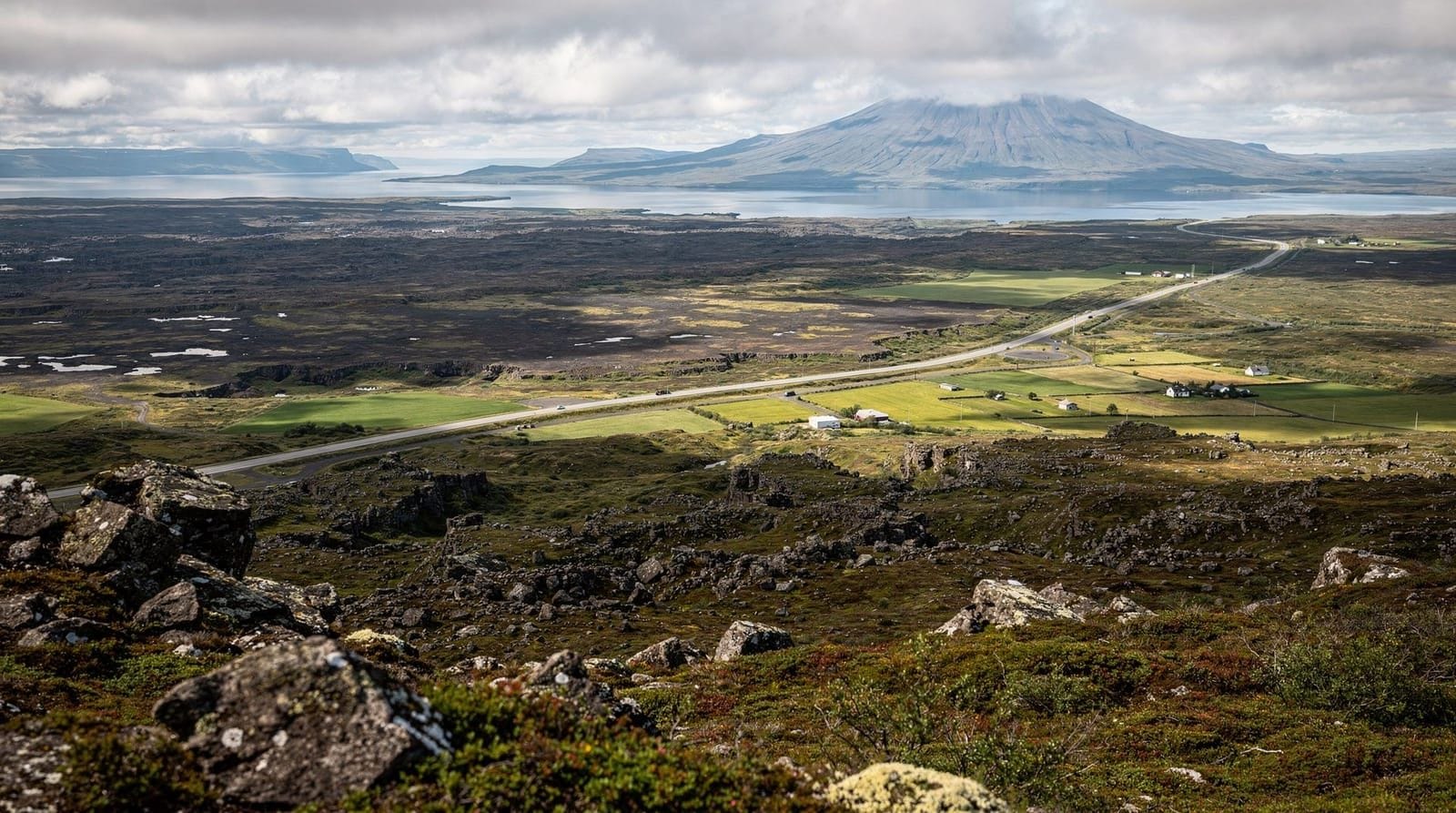
Ísafjörður: Isafjordur Dynjandi bolungarvik shore excursion
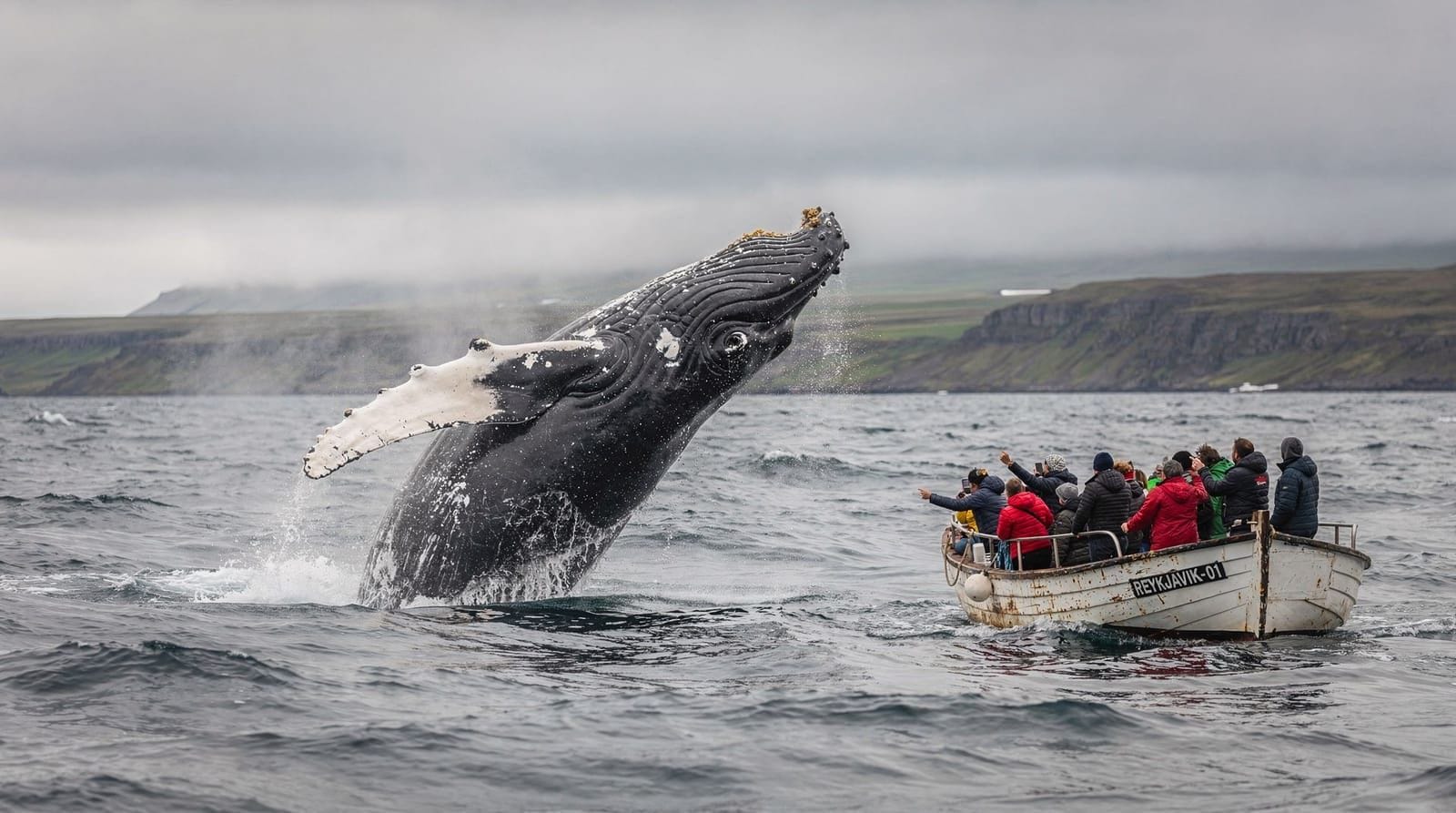
Ísafjörður: Isafjordur Westfjords whale watching boat tour
Ísafjörður: Isafjordur midnight whale watching with hydrophone
Ísafjörður: Isafjordur Dynjandi waterfall guided tour horses church
Top-rated experiences in Ísafjörður
Best-rated activities across GetYourGuide and Viator.

Dynjandi Waterfall & Farm Visit Tour from Isafjordur Port
- Viator

3,5-Hour Sightseeing Tour To Dynjandi Waterfall
- Viator

Westfjords Whale Watching
- Viator

Small Group Tour Ísafjordur Dynjandi Waterfall & Secret Stop
- Viator

Dynjandi Waterfall in a Supertruck
- Viator

4 Hour Isafjordur and Dynjandi Tour With Photo Stops
- Viator