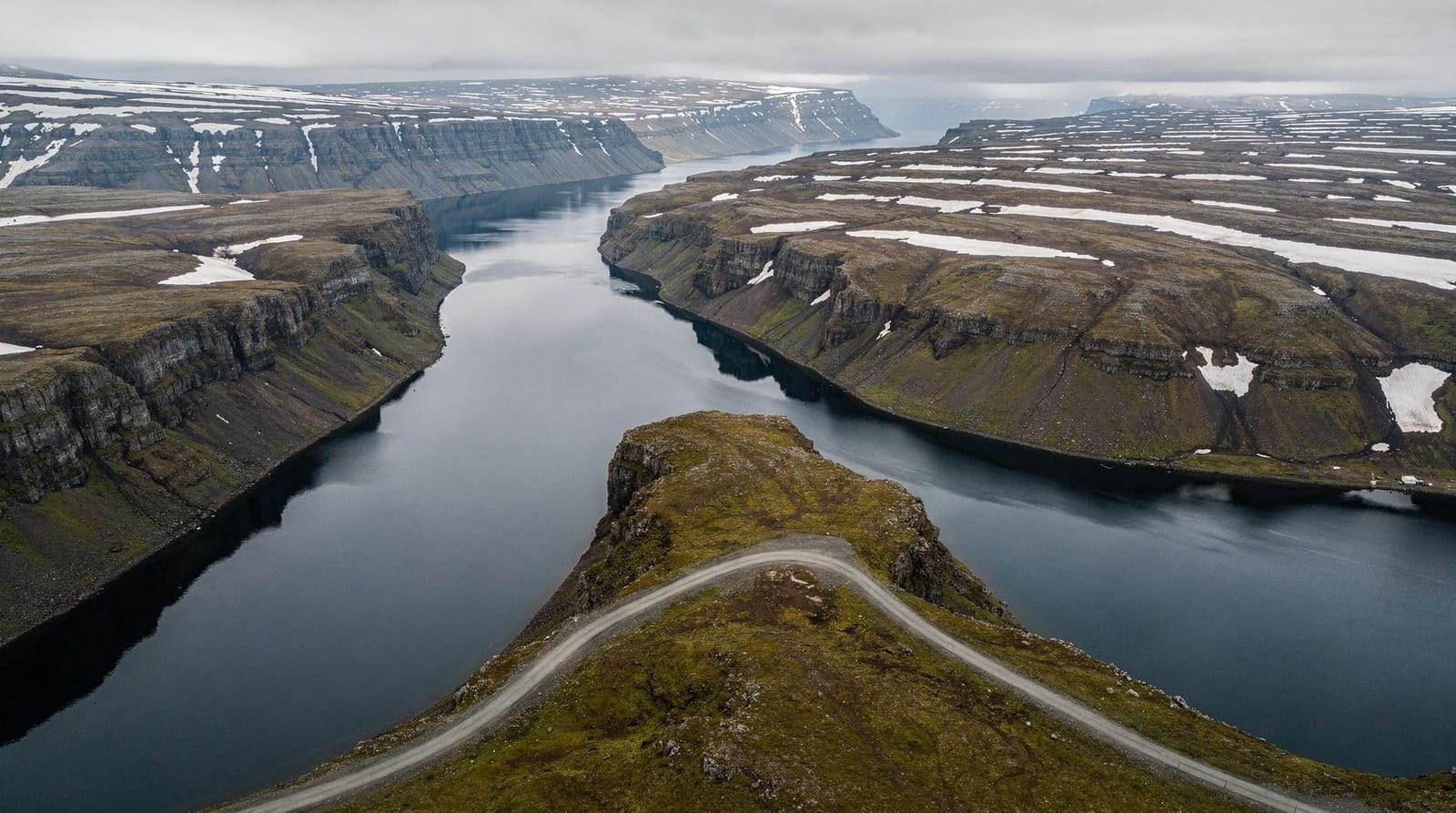
West Iceland
West Iceland spans Snæfellsnes peninsula to Borgarfjörður valley: glacier volcanoes, lava-tube caves, hot springs, and Iceland's best short road trip.
Grundarfjörður: From Reykjavik full day Snaefellsnes peninsula
Duration: ~11 hours
Quick facts
- Best time
- June–August for full access; September–October for autumn colours and early northern lights
- Days needed
- 2–4 days as a standalone trip; 1–2 days as an add-on from Reykjavík
- Getting there
- 1 hour from Reykjavík to Borgarnes on Route 1; 2–2.5 hours to Snæfellsnes tip (Hellnar/Arnarstapi)
- Budget per day
- 14,000–22,000 ISK / €95–€150 including accommodation, fuel, and meals
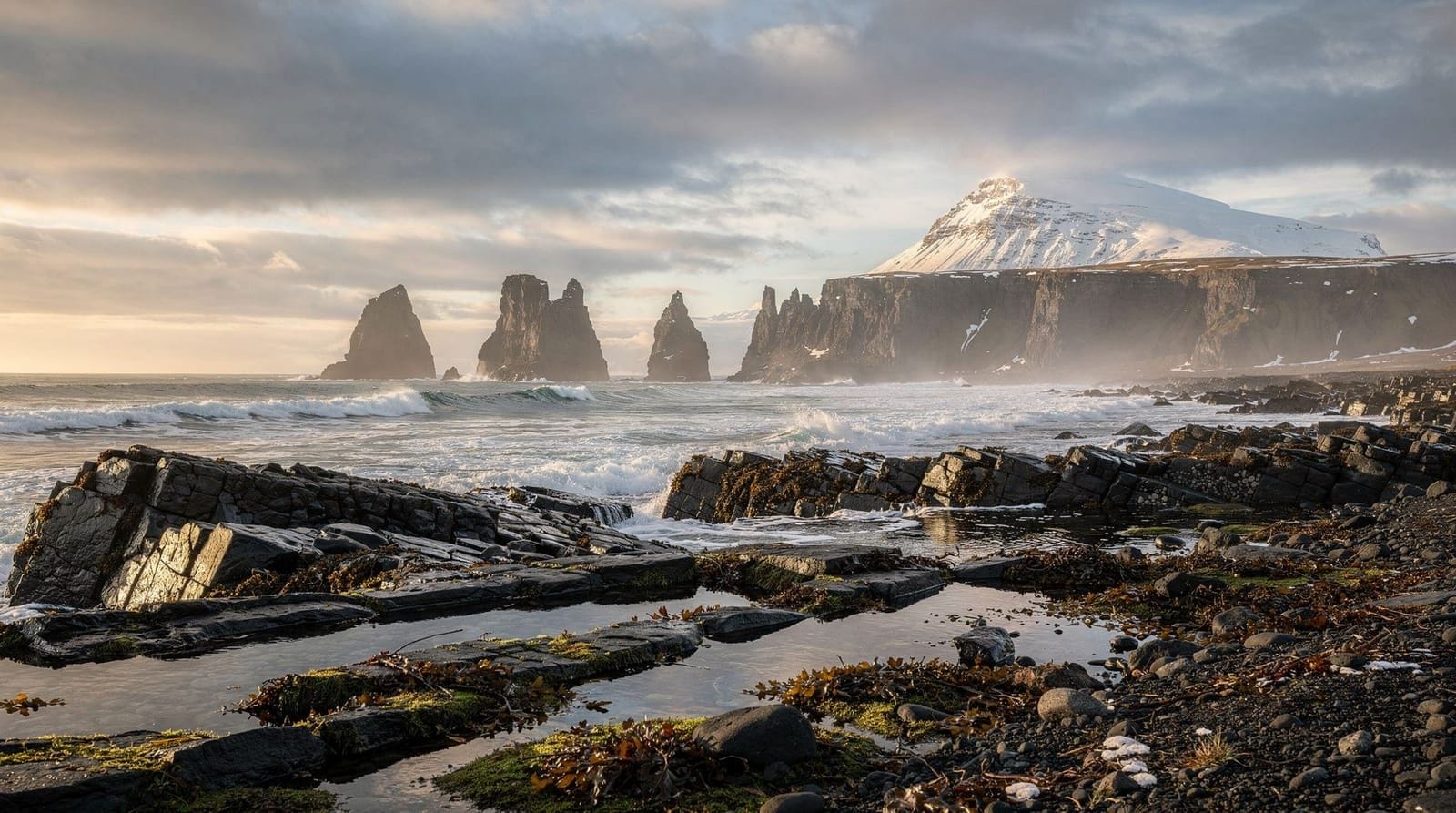
West Iceland receives far fewer visitors than the south coast, yet within a two-hour drive from Reykjavík it contains a glacier volcano, one of Iceland’s most photographed mountains, an ancient Viking assembly site, Europe’s most powerful hot spring, lava tube caves, and several stretches of coastal scenery that have no equivalent elsewhere in the country. The region runs north from Reykjavík along Hvalfjörður fjord to Borgarnes, then branches west across the Snæfellsnes peninsula and north toward the Westfjords. The Ring Road passes through the southern edge, but the peninsula and valley roads are where the real substance is.
| Where | Snæfellsnes peninsula and Borgarfjörður valley, north of Reykjavík |
| Cost | Around 14,000–22,000 ISK / €95–150 per day |
| Time needed | 2–4 days standalone; 1–2 days as an add-on from Reykjavík |
| Getting there | 1h to Borgarnes, 2–2.5h to the Snæfellsnes tip, self-drive on Route 1/54 |
| Best time | June–August for full access; September–October for autumn colour and early aurora |
Why west Iceland rewards a dedicated trip
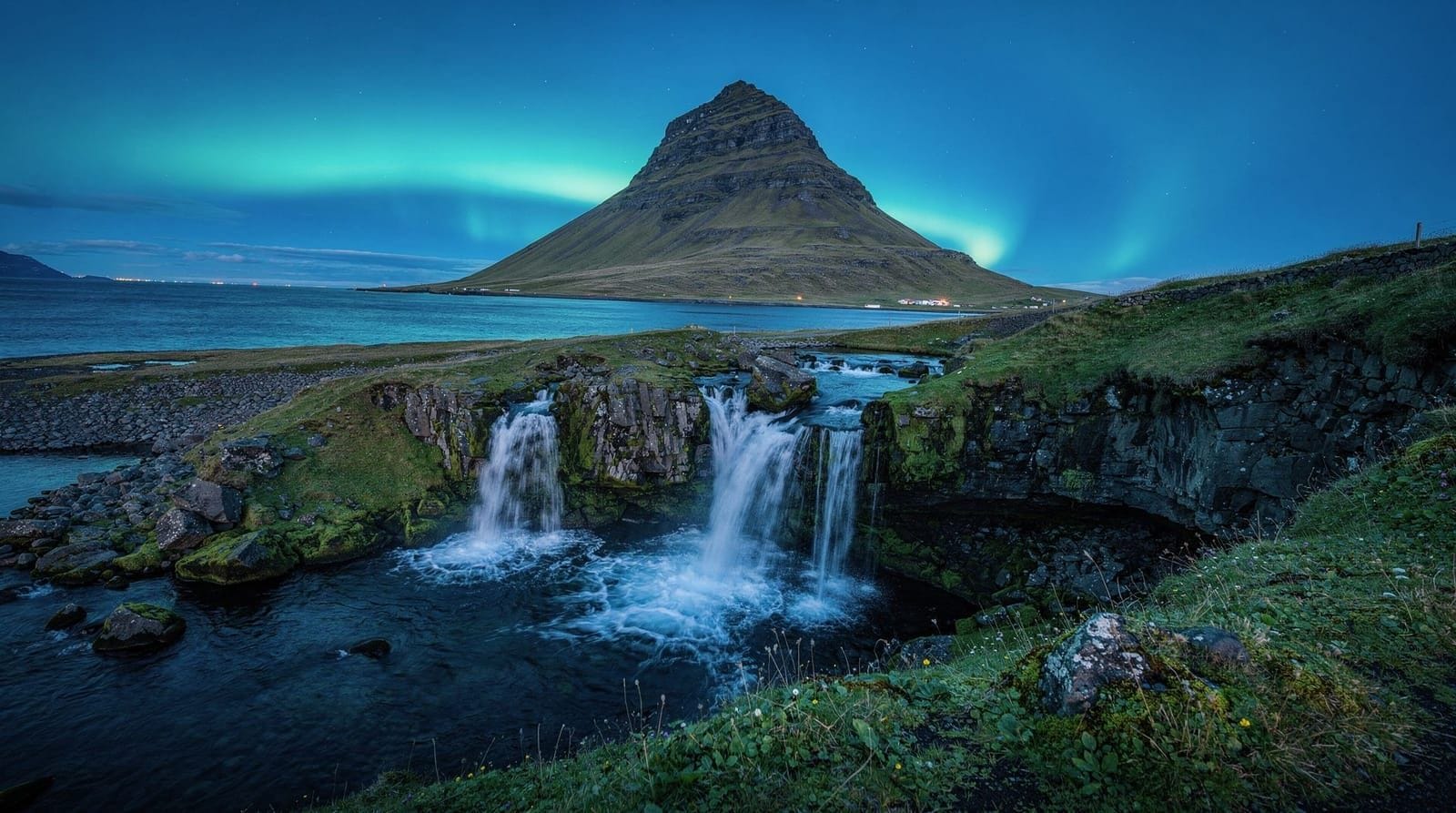
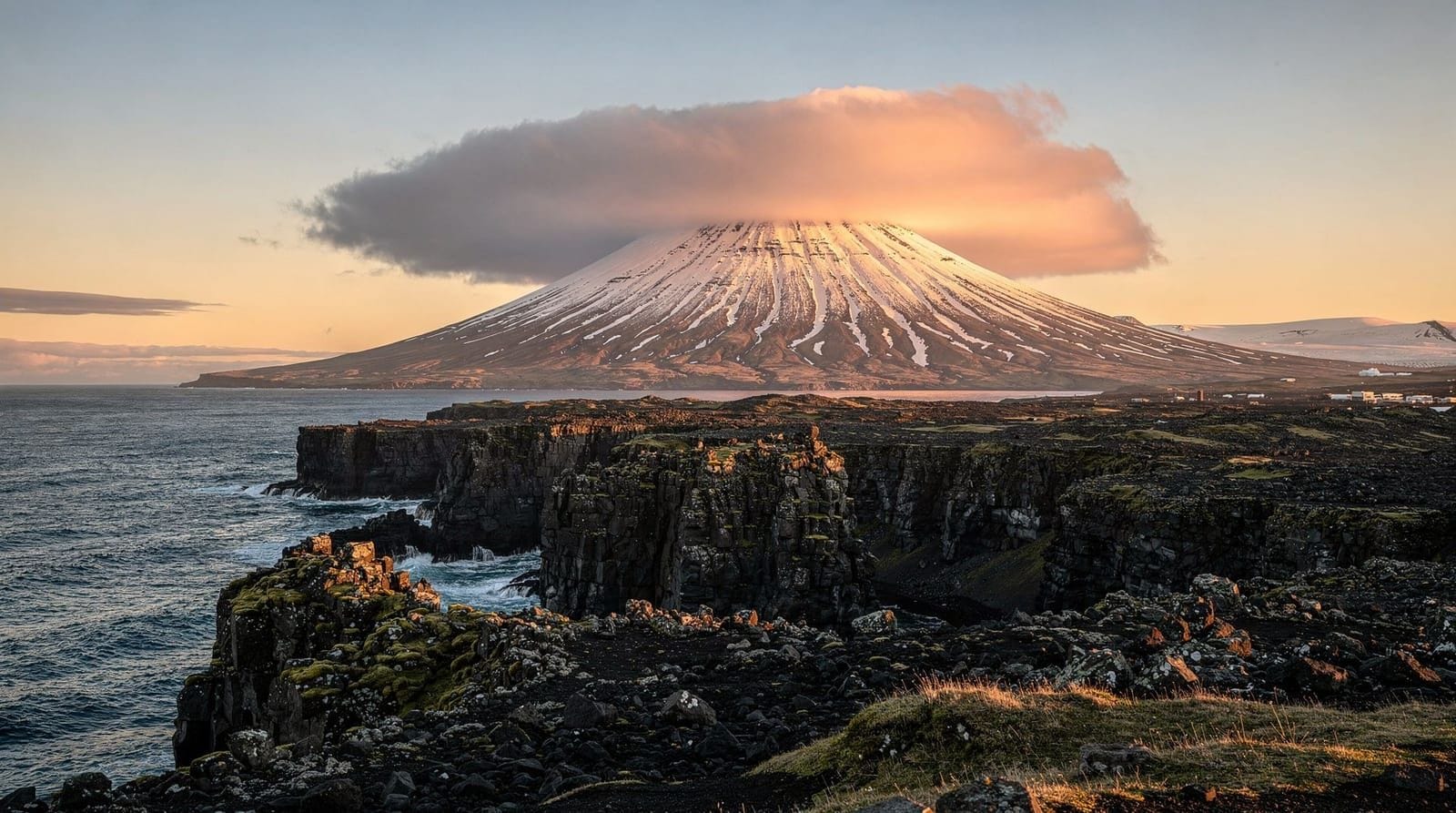
The south coast is Iceland’s default — almost every tour bus from Reykjavík goes there. West Iceland has good infrastructure (paved roads throughout Snæfellsnes, petrol stations in Borgarnes, Grundarfjörður, Stykkishólmur, and Hellissandur) but draws a fraction of the visitor numbers. At Kirkjufell in early morning you can have the famous mountain and waterfall combination to yourself or near enough. At Snæfellsjökull National Park the glacier can sit clear of cloud for hours at a time on calm summer mornings.
The drive itself is part of the experience. From Reykjavík you cross Hvalfjörður valley — or take the undersea tunnel at 1,100 ISK toll — reach Borgarnes in about an hour, then follow Route 54 west onto the Snæfellsnes peninsula. The road circles the full peninsula (about 200 km) and returns you to Borgarnes or continues north toward Stykkishólmur and the Westfjords ferry.
Borgarnes and the Borgarfjörður valley
Borgarnes is the main service stop for west Iceland — fuel, supermarkets (Nettó and Krónan), and the Settlement Centre museum (around 2,000 ISK entry), which gives accessible context on Egil’s Saga and the settlement of Iceland. It is worth 90 minutes if you want the regional history without extensive reading.
Borgarfjörður west contains the area’s quieter but genuinely rewarding sights: the Hraunfossar lava waterfalls (free, easily walked, genuinely unusual), Deildartunguhver hot spring (Europe’s highest-flow geothermal spring, viewable for free, scalding water at 100°C), and Reykholt (Snorri Sturluson’s farm and a small museum). This triangle adds 1–2 hours to a day that centres on Snæfellsnes.
The Snæfellsnes peninsula loop
The peninsula is covered in detail under Snæfellsnes peninsula, but the key points for planning purposes: the loop from Borgarnes to the glacier tip and back takes about 5–6 hours of driving with brief stops, or a full day with proper exploration. The scenic highlight is the western tip — Arnarstapi, Hellnar, the Snæfellsjökull glacier volcano — but the north coast (Kirkjufell at Grundarfjörður, Stykkishólmur harbour) competes closely.
Full-day Snæfellsnes guided tour from ReykjavíkDriving the loop independently is the better option if you want flexibility — you can linger at Kirkjufell for the light, take the short coastal walk between Arnarstapi and Hellnar (3.5 km, easy, highly recommended), and skip attractions that look underwhelming in person. Guided day tours from Reykjavík cover the highlights competently but necessarily rush.
Getting around west Iceland
A 2WD car handles all of west Iceland without issue — Routes 54, 574, and 56 are fully paved. Winter driving on the peninsula requires caution on wind-exposed sections (the north coast can be icy October through April), but no F-road capability is needed. There is no public bus that covers the full peninsula loop; the Strætó bus reaches Borgarnes and Stykkishólmur but not the glacier area.
Fuel warning: the gap between Stykkishólmur and Hellissandur on the north coast (about 70 km) has no petrol station. Fill up in Grundarfjörður or Stykkishólmur before heading west.
Accommodation options
Borgarnes has several guesthouses and the Hótel Hamar on the ridge above town (views across the fjord, around 25,000–35,000 ISK per night in summer). Stykkishólmur has two proper hotels — Fosshotel Stykkishólmur and Hotel Fransiskus — and several guesthouses. Grundarfjörður and Arnarstapi have smaller guesthouses. Camping is possible at official sites in Grundarfjörður, Stykkishólmur, and near Arnarstapi (around 2,000–2,500 ISK per person per night).
Staying on the peninsula rather than commuting from Reykjavík gives you morning and evening access to the glacier and Kirkjufell in the best light, without the 2-hour drive each way.
West Iceland as a gateway to the Westfjords
Stykkishólmur is the departure point for the Baldur ferry to Brjánslækur in the Westfjords — two crossings per day in summer, roughly 2.5 hours, around 7,000–9,000 ISK per person plus vehicle. The ferry cuts hours from the alternative drive north via Borgarnes, Rte 60, and the Westfjords road network. If the Westfjords is your destination, combining it with Snæfellsnes via the Baldur ferry is the efficient route.
Snæfellsnes and Kirkjufell day trip from ReykjavíkWhat you actually see (and what you can skip)
Worth your full attention: the Arnarstapi–Hellnar coastal walk, Kirkjufell at any light, Hraunfossar lava waterfalls, the glacier area at Snæfellsjökull, and Vatnshellir lava tube cave (guided tours only, around 3,000 ISK, genuinely interesting). Worth seeing if you have time: Búðir black church (small, photogenic, quick stop), Stykkishólmur harbour and the Library of Water installation.
Commercially overhyped: the shark museum at Bjarnarhöfn (around 2,500 ISK, essentially a shed with hákarl to smell — worthwhile only if fermented shark is interesting to you). Þórbergssetur museum in Hali (interesting only if you read Icelandic or have the guidebook context).
Practical notes on timing
The peninsula gets a notable surge of visitors from late June through August. Kirkjufell car park can be full by 9 a.m. on summer weekends — arrive before 8 a.m. or after 7 p.m. for the best experience. The glacier area sees whale-watching boats and tour groups peaking around midday. The snaefellsnes-2-days itinerary covers the realistic two-day pacing in detail.
Seasonal guide to west Iceland
Summer (June–August)
Summer is peak season for the peninsula. The glacier is most likely to be clear of cloud in June — earlier in the season before the Atlantic moisture builds. Kirkjufell is busy from 9 a.m. to 6 p.m. throughout July; early arrivals (before 8 a.m.) have the mountain almost to themselves in golden pre-9 a.m. light. The Arnarstapi–Hellnar trail is at its most active in terms of bird life — fulmars nesting on the basalt arches, oystercatchers on the shore. The Baldur ferry runs twice daily from Stykkishólmur in summer, making the Westfjords extension practical.
Autumn (September–October)
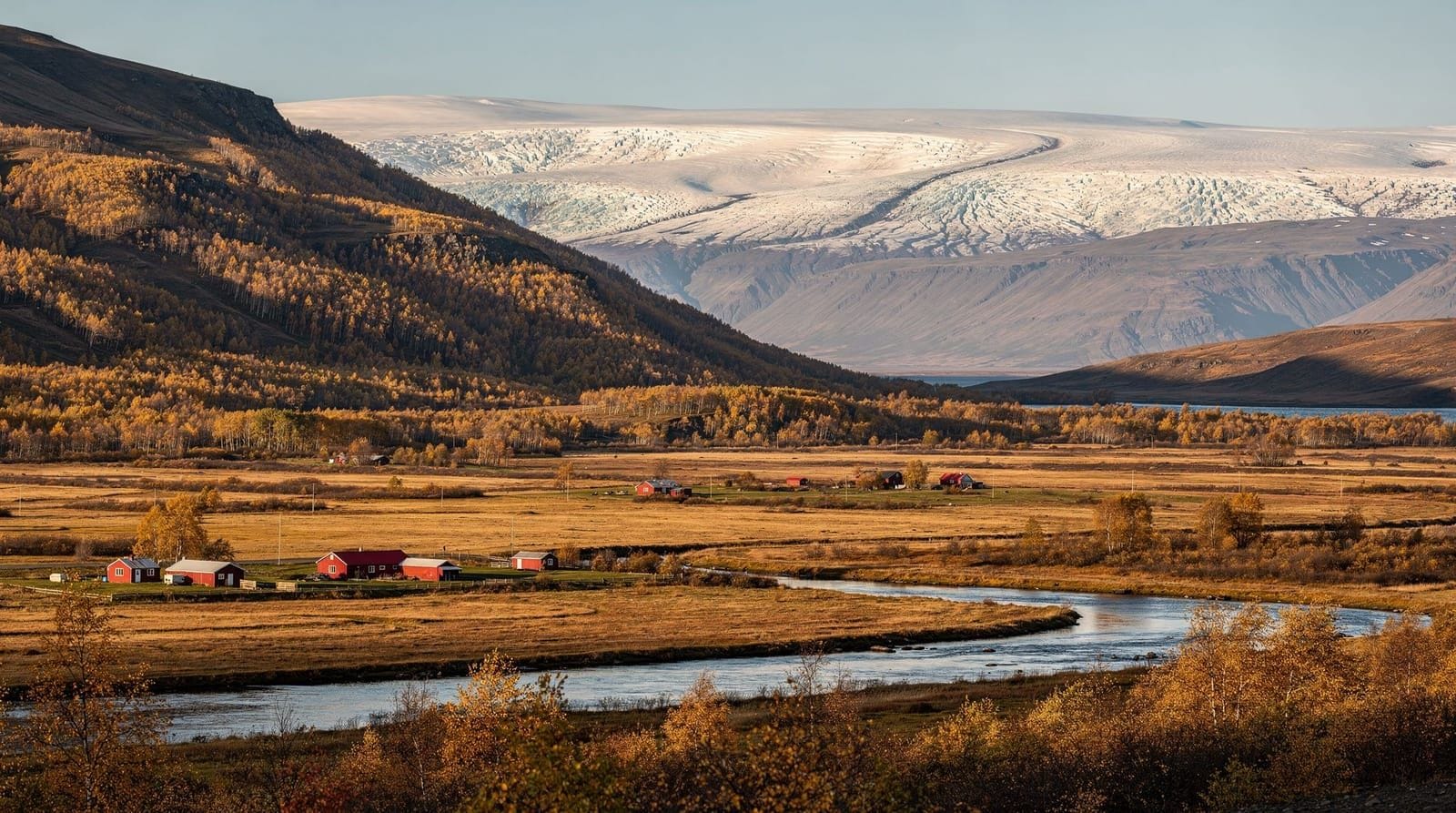
September and October are an underrated window. Visitor numbers drop substantially after the first week of September. The light shifts to amber-gold earlier in the day, and the heather and moss on the lava fields takes on a warmth not present in summer. The northern lights season begins around mid-September — Grundarfjörður and the north coast of the peninsula have good dark sky conditions outside the towns. The Kirkjufell-aurora combination becomes achievable in late September with a KP 2+ forecast and clear skies.
Winter (November–March)
Winter driving on the peninsula requires appropriate tyres (studded or winter-rated), awareness of ice on the north coast road, and shorter daylight windows (6–7 hours in December). Many accommodation options on the peninsula reduce capacity or close. The glacier area is inaccessible (Route 570 is closed). However, Kirkjufell in snow and winter light is genuinely more dramatic than the summer version, and the dark skies on the peninsula in winter are among west Iceland’s best assets.
Tips for specific traveller types
Solo travellers
The peninsula is straightforward solo — roads are clearly marked, all main stops have car parks with some foot traffic, and mobile coverage on the main route is adequate for navigation. The key consideration is early-morning flexibility: arriving at Kirkjufell at 7 a.m. without being on a tour schedule is the best way to experience the mountain without the crowd dynamic. Guided day tours are also practical for solo travellers who want to make conversation and offload navigation.
Families with children
The Hraunfossar waterfalls (boardwalk access, child-friendly) and the Arnarstapi–Hellnar coastal walk (easy, not technical) are both excellent with children aged 6 and up. Vatnshellir cave is suitable for older children (cold, dark, interesting — worth checking the child’s temperature tolerance beforehand). Allow extra driving time with children — the total peninsula loop is long, and 2 days based on the peninsula rather than 1 day from Reykjavík is strongly recommended.
Photographers
The west Iceland photography circuit is distinct from the south coast. The dominant subjects are: Kirkjufell (mountain geometry and reflection channels, aurora potential in autumn/winter), the Snæfellsjökull glacier (best seen on Route 574 early morning with cloud-free summit), Búðir black church (isolated building on lava and sea), Arnarstapi sea arches (coastal basalt formations, close-up texture), and Hraunfossar (water emerging from lava — a genuinely unusual abstract). For aurora, the north coast between Grundarfjörður and Stykkishólmur has low light pollution. For the midnight sun, the late June light on Kirkjufell from the south is warm and raking at 11 p.m. The kirkjufell-photography guide covers the mountain in detail.
Eating and drinking in west Iceland
The peninsula has limited restaurant options outside Stykkishólmur. Practical options with real prices:
Narfeyrarstofa, Stykkishólmur: the best restaurant on the peninsula — seafood-focused, uses local ingredients, sits in an old wooden building on the harbour. Main courses 4,500–6,500 ISK (€30–€44). Reservations recommended in July.
Fjöruhúsið café, Hellnar: a cottage café directly above the shore at the west end of the Arnarstapi–Hellnar trail. Fish soup (humarsúpa style) 2,500–3,000 ISK (€17–€20), pancakes with jam 1,500 ISK (€10). Popular with walkers finishing the coastal trail.
Snjófell café, Arnarstapi: simpler than Fjöruhúsið, with sandwiches and hot drinks. Useful for a quick stop before or after the coastal walk.
Bjargarsteinn Mathús, Grundarfjörður: fish dishes and lamb, practical rather than special, main courses 3,500–5,000 ISK (€24–€34). The only real restaurant option close to Kirkjufell.
Samkaup supermarket, Grundarfjörður: for self-catering, the supermarket in Grundarfjörður is adequately stocked for lunch supplies. Stykkishólmur has better supermarket options.
Budget tip: a packed lunch from a Reykjavík supermarket (Bónus or Krónan) before leaving is genuinely the best value option for a peninsula day trip. Restaurant prices on the peninsula are standard Iceland — high relative to European norms.
How west Iceland compares to south Iceland
The south coast (Seljalandsfoss, Skógafoss, Reynisfjara, Jökulsárlón) handles its crowds less gracefully. Summer 2025 saw Reynisfjara managing 4,000+ visitors on peak days; the Jökulsárlón boat tours were booked 2–3 weeks ahead. West Iceland’s comparable attractions receive a fraction of these numbers. The trade-off is that the south coast’s waterfalls are individually more dramatic than anything on Snæfellsnes; the glacier lagoon has no west Iceland equivalent. The two regions complement rather than duplicate each other. For a first-time visitor with only one week, the south coast is the correct choice; for a return visitor or anyone who has done the south coast already, west Iceland is the clear next destination.
West Iceland as a day trip vs a self-drive base
Deciding whether to book a guided day trip from Reykjavík or base yourself on the peninsula for a night or two changes the character of the visit considerably.
| Approach | Time on the road | Cost | Best for |
|---|---|---|---|
| Guided day trip from Reykjavík | ~11 hours round trip | Fixed tour price, no car needed | First-timers, solo travellers who want to skip navigation |
| Self-drive day trip | 8–10 hours round trip | Rental car + fuel (~9,000–12,000 ISK) | Flexible pacing, no overnight cost |
| Self-drive with 1 night on the peninsula | Spread over 2 days | Rental car + fuel + 1 night (~25,000–35,000 ISK) | Morning/evening light at Kirkjufell, unhurried Arnarstapi–Hellnar walk |
A guided full-day Snæfellsnes tour suits travellers without a car or without the appetite for a long self-drive day. Self-driving with an overnight is the version that actually delivers the peninsula’s best light and quietest hours — arriving at Kirkjufell before 8 a.m. is only realistic if you slept nearby the night before.
Private Snæfellsnes peninsula tour from Reykjavík — flexible pacing without self-drivingFrequently asked questions about west Iceland
How long does the Snæfellsnes loop take to drive?
The full loop from Borgarnes back to Borgarnes via Route 54 west, Route 574 around the glacier tip, and Route 56 back along the north coast is about 200 km and takes 3–4 hours of pure driving. Realistically, with stops at Kirkjufell, Arnarstapi, Hellnar, and the glacier area, plan for a full 8–10 hour day. A two-day stay on the peninsula is more comfortable.
Can I do west Iceland as a day trip from Reykjavík?
Yes — Kirkjufell and the north coast highlights can be covered in a long day (12+ hours including driving). Reaching the glacier tip and back in a single day from Reykjavík is also possible but results in rushed visits. A guided day tour from Reykjavík covers the main stops in about 11 hours; self-driving gives more flexibility but requires early starts.
Do I need a 4x4 for west Iceland?
No. All main roads on the Snæfellsnes peninsula are paved and 2WD-accessible year-round. Winter driving caution is needed (ice, wind), but no F-roads exist in this area. The Borgarfjörður valley roads are also fully paved.
Is there mobile data coverage on the peninsula?
Coverage is generally good on Route 54 and the main peninsula roads. There are dead spots around Snæfellsjökull National Park and parts of the north coast, but most of the route has 4G from Síminn or Vodafone Iceland. Download offline maps before leaving Reykjavík.
What is the Baldur ferry and should I take it?
The Baldur ferry runs from Stykkishólmur (north Snæfellsnes) to Flatey island and Brjánslækur in the southern Westfjords. Two crossings per day in summer. It makes the Snæfellsnes-plus-Westfjords combination genuinely practical — you drive west across the peninsula, board the ferry at Stykkishólmur, and continue north into the Westfjords without backtracking.
Where should I stay on the Snæfellsnes peninsula?
Grundarfjörður is the best base for Kirkjufell access. Stykkishólmur has the most hotel options and ferry access. Arnarstapi (small guesthouses) puts you closest to the glacier area. Borgarnes is the practical commercial stop but lacks the scenic immersion of the peninsula proper.
Is west Iceland worth it compared to the south coast?
Crowd levels are substantially lower and the scenery is different rather than inferior. The south coast has waterfalls, black sand beaches, and glacier lagoons; west Iceland has a glacier volcano, an iconic mountain, lava fields, and a coastal character that feels less processed for tourism. If you have done the south coast, west Iceland is the natural complement.
Top experiences
Bookable activities with verified prices and instant confirmation on GetYourGuide.
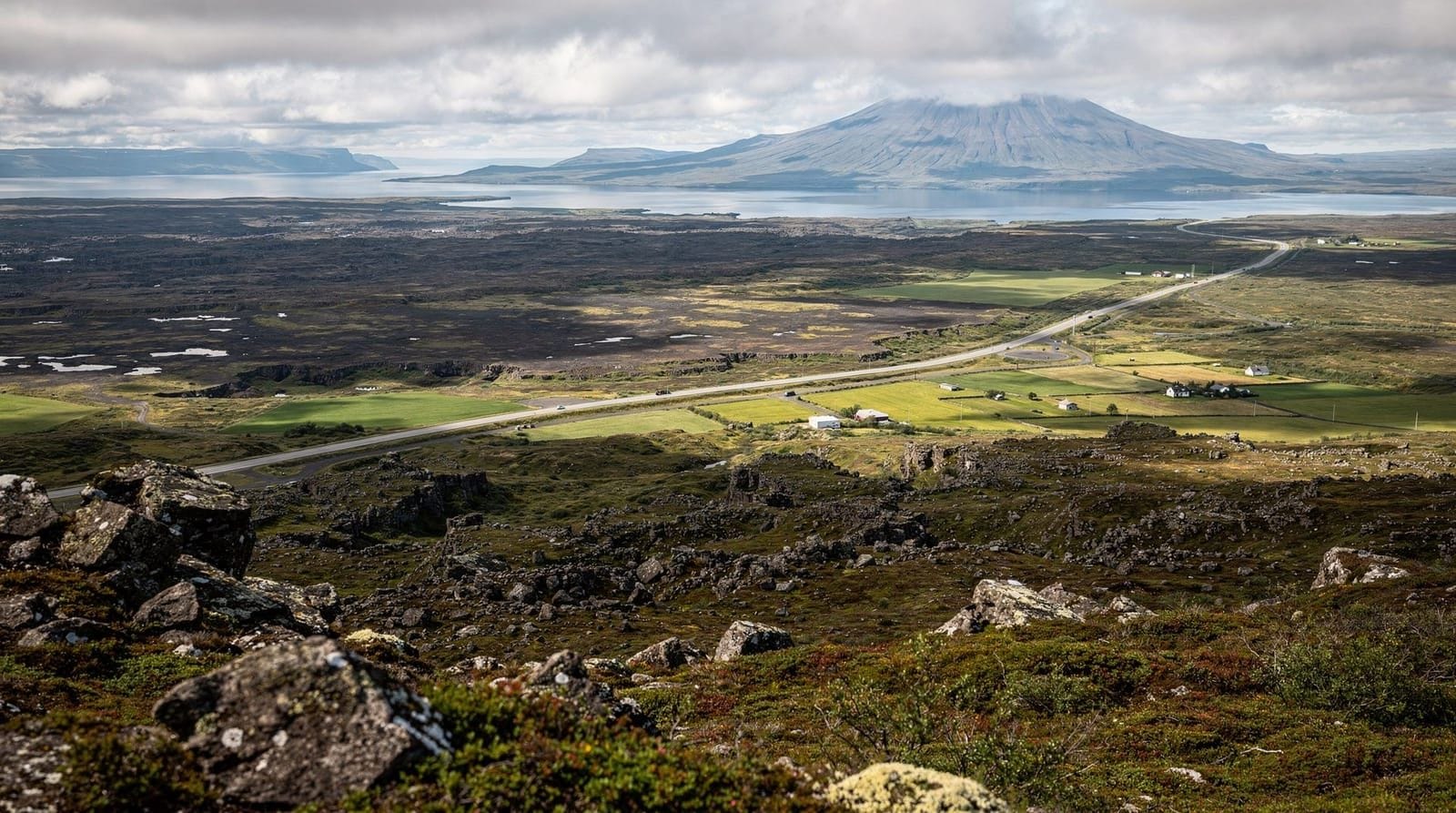
Grundarfjörður: From Reykjavik full day Snaefellsnes peninsula
Reykjavik: Snaefellsnes peninsula and Kirkjufell day trip
Reykjavik: Snaefellsnes peninsula adventure tour
Iceland: Private Snaefellsnes peninsula tour from Reykjavik
Reykjavik: Snaefellsnes mt Kirkjufell small group tour
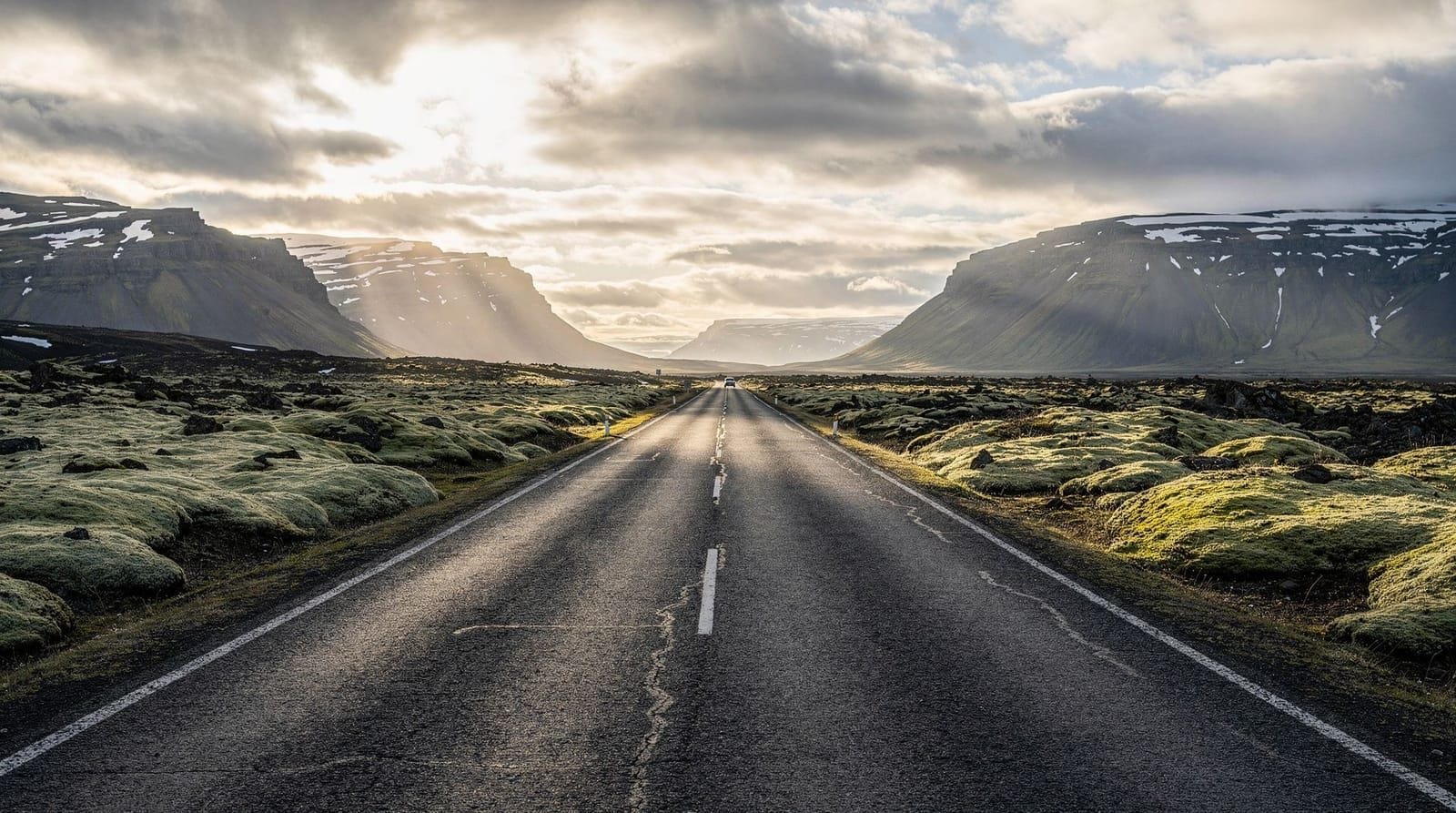
Reykjavik: From Reykjavik 7 day around Iceland Ring Road Snaefellsnes
Top-rated experiences in West Iceland
Best-rated activities across GetYourGuide and Viator.