Domestic flights in Iceland — routes, airlines, and when it's worth it
Is it worth taking domestic flights in Iceland?
For the Westfjords (Ísafjörður) and remote east (Egilsstaðir), domestic flights save serious travel time and are often the only practical option in winter. Akureyri by flight is 45 minutes vs 5.5 hours by car — worth it if time is tight. Prices start around 8,000–15,000 ISK one way booked early.
Why domestic aviation exists in Iceland
Iceland’s geography makes internal flights practical in a way they aren’t in most small European countries. The Ring Road is 1,332 km. The drive from Reykjavik to Akureyri takes 5–6 hours; to Egilsstaðir in the East Fjords, 7–8 hours; to Ísafjörður in the Westfjords, 7–9 hours depending on mountain pass conditions and season. In winter, mountain passes close and driving times become unpredictable.
Domestic flights turn these journeys into 45–90 minutes in the air. The trade-off is cost and the fact that you can’t carry a rental car on a plane — so domestic flights pair best with itineraries where you hire locally or join organised tours at your destination.
| Where flights depart | Reykjavik Domestic Airport (RKV), not Keflavik |
| Busiest route | Reykjavik–Akureyri, around 45 min |
| Typical one-way cost | around 8,000–18,000 ISK |
| Book by | 6–10 weeks ahead for summer |
| Strongest case for flying | Westfjords (Ísafjörður) |
The airlines
Eagle Air (Ernir)
Eagle Air operates a small fleet of 9–18 seat turboprop aircraft from Reykjavik Domestic Airport (RKV). Routes include:
- Reykjavik–Bíldudalur (Westfjords)
- Reykjavik–Gjögur (Westfjords, seasonal)
- Reykjavik–Grímsey (island north of the Arctic Circle)
- Reykjavik–Höfn (Southeast Iceland, near Jökulsárlón)
- Reykjavik–Húsavík (North Iceland)
- Reykjavik–Ísafjörður (Westfjords)
- Reykjavik–Vopnafjörður (East Iceland)
Eagle Air is the primary option for the Westfjords — there is no practical alternative in winter. Flights are small, on-time performance varies with weather (mountain airports are affected by fog, wind, and crosswinds), and baggage allowance is limited (usually 20 kg checked, 8 kg cabin for smaller planes).
Book at eagleair.is. Prices vary significantly by season and lead time.
Air Iceland Connect
Air Iceland Connect (a subsidiary of Icelandair) operates from Reykjavik Domestic Airport with larger aircraft (50-seat ATR72s on some routes). Key routes:
- Reykjavik–Akureyri (the most popular domestic route, ~45 minutes)
- Reykjavik–Egilsstaðir (East Iceland, ~1 hour)
- Reykjavik–Ísafjörður (Westfjords, ~45 minutes, shared with Eagle Air)
- Reykjavik–Vestmannaeyjar (Westman Islands, ~25 minutes)
Book at airicelandconnect.is or through Icelandair-affiliated booking systems.
Prices and what to expect
Domestic fares are not cheap by international standards. Indicative one-way prices for a 2026 summer booking:
- Reykjavik to Akureyri: 8,000–15,000 ISK (economy, advance purchase)
- Reykjavik to Ísafjörður: 10,000–18,000 ISK
- Reykjavik to Egilsstaðir: 10,000–16,000 ISK
- Reykjavik to Vestmannaeyjar: 7,000–12,000 ISK
Last-minute fares can be significantly higher. The economics of small aircraft on short routes mean load factor matters — popular flights sell out, especially in summer.
When domestic flights are genuinely worth it
Westfjords: the strongest case
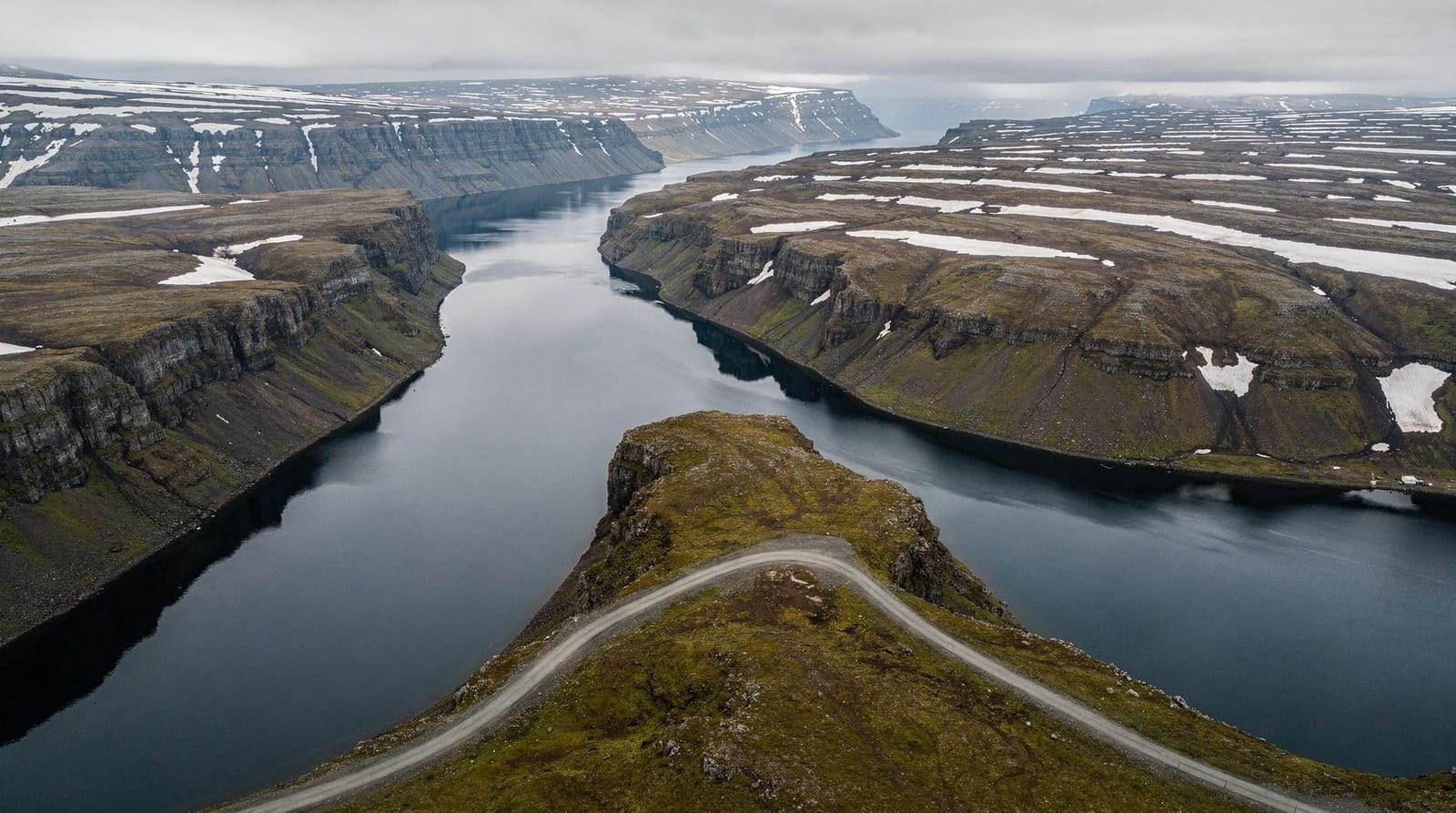
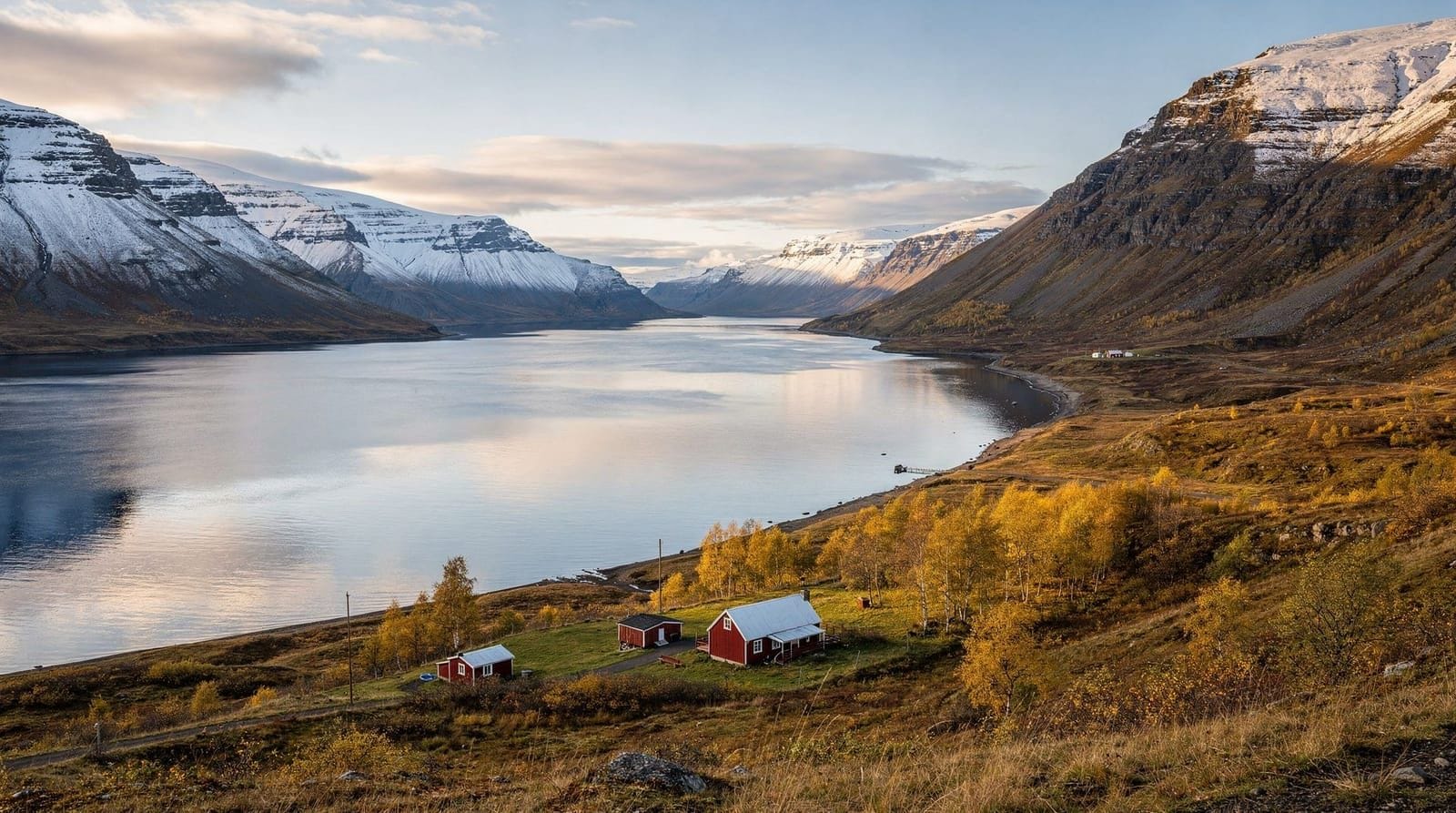
The Westfjords are Iceland’s most remote and least-visited major region — and for good reason by car. The drive from Reykjavik involves a combination of Route 1, winding fjord roads (partly unpaved), and 3–4 ferry or bridge connections. Round trip by car from Reykjavik to Ísafjörður is a full day of driving each way. Many visitors never go.
A return flight (Reykjavik to Ísafjörður) costs around 20,000–35,000 ISK. Combined with a few days in the Westfjords hiring a local vehicle, this is the practical way to actually experience the region — especially for trips of 10 days or less. See Westfjords and Ísafjörður for what’s worth doing once you arrive.
Akureyri: time vs money
Driving Reykjavik to Akureyri takes 5.5–6 hours via Route 1. The flight takes 45 minutes. If you have 7–8 days and want to spend them actually exploring rather than driving, flying one direction (typically north) and driving back makes sense. The Diamond Circle in the north — Dettifoss, Ásbyrgi, Húsavík whale watching — is a natural 2–3 day detour from Akureyri.
East Iceland: the furthest corner
Egilsstaðir is the gateway to the East Fjords. By car from Reykjavik, it’s one of Iceland’s longest drives (7–8 hours). Flying opens up 2–3 extra days in the east without a week consumed by Ring Road transit. Combine with a local car hire at Egilsstaðir Airport.
Vestmannaeyjar (Westman Islands)
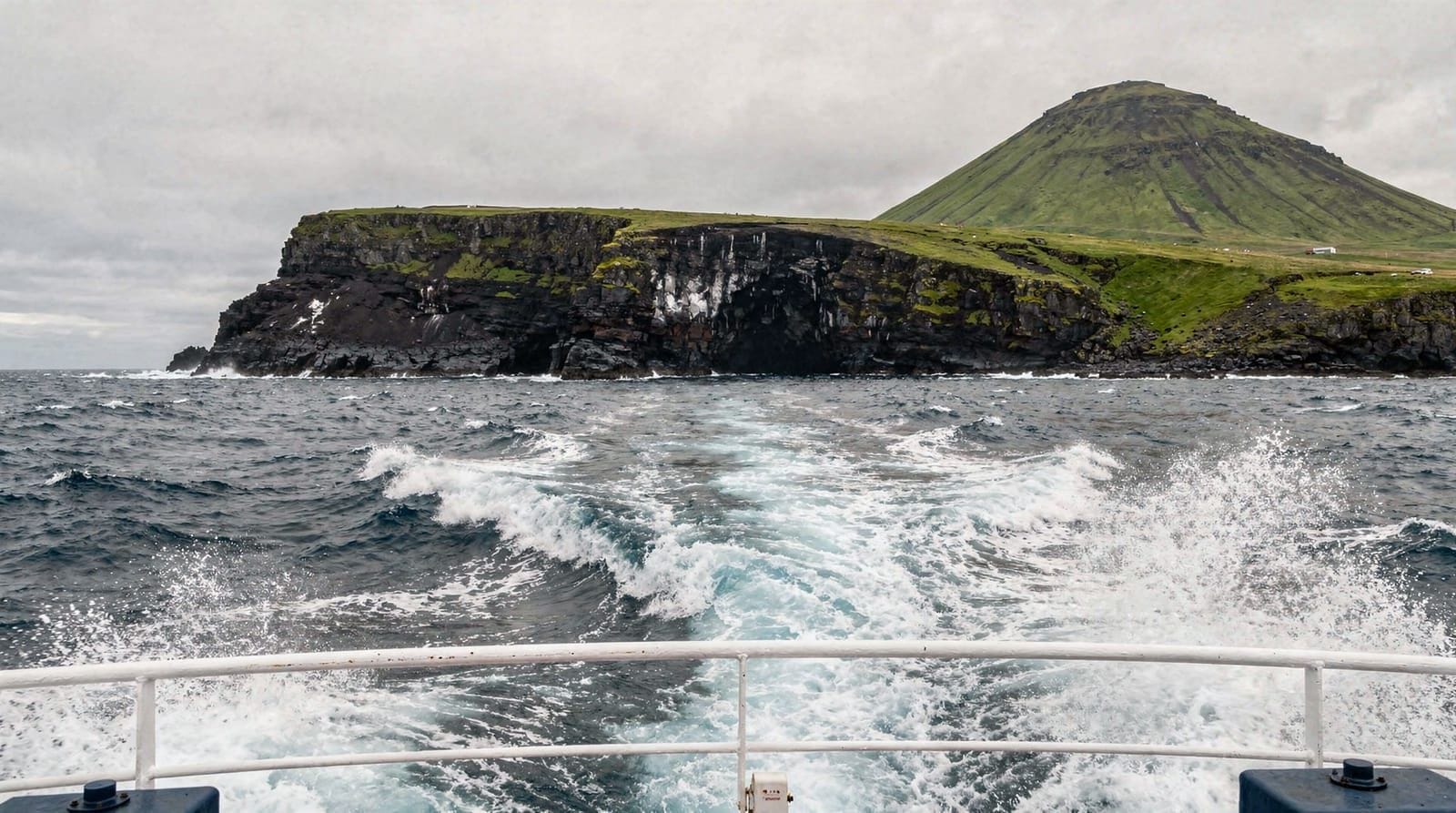
The Westman Islands are accessible by both ferry (from Landeyjahöfn, 35 minutes) and by air (25 minutes from Reykjavik). In rough weather, the ferry is cancelled; the flight is more reliable. The islands host the world’s largest Atlantic puffin colony (summer) and are entirely walkable once you arrive. See Westman Islands.
Practical notes
Reykjavik Domestic Airport (RKV): This is a separate airport from Keflavik International (KEF), located about 2 km from the city centre. City bus route 6 serves it. Do not confuse the two.
Check-in: Domestic flights have short check-in windows (often 45–60 minutes before departure for small Eagle Air planes). Arrive on time; these flights have no slack.
Weather delays: Iceland’s domestic routes serve mountain airports and coastal locations susceptible to fog, crosswinds, and icing. Delays and occasional cancellations are more common than on international routes. Build a weather buffer into multi-day itineraries that depend on a flight connection.
Rental cars at regional airports: Cars are available at Akureyri, Egilsstaðir, and Ísafjörður airports but the selection is smaller than KEF. Book ahead, especially in summer.
Combining flight and Ring Road: A common approach is to fly to Akureyri, spend 3–4 days in the north (including a trip to Húsavík for whale watching and the Diamond Circle), then drive back on the Ring Road’s east and south segments. This hits the highlights efficiently.
Alternatives to flying
- Ferries: Smyril Line runs an international ferry to the Faroe Islands and Denmark from Seyðisfjörður. The Herjólfur ferry connects Landeyjahöfn to Vestmannaeyjar. See ferries Iceland.
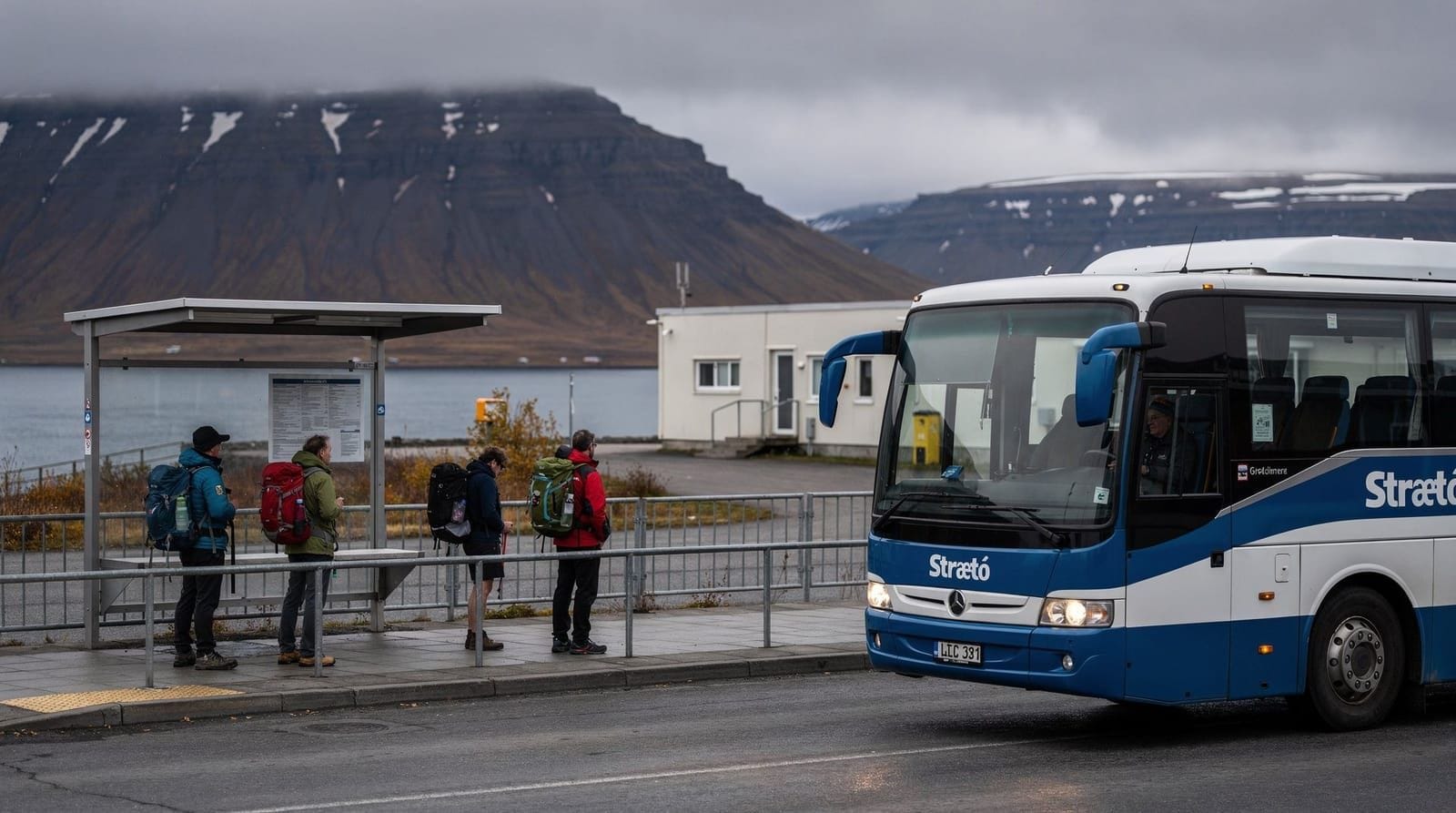
- Long-distance buses: Strætó intercity buses cover the Ring Road partially. Slow but cheap.
- Organised tours: Day tours from Reykjavik to Akureyri (by bus or small aircraft) exist but are expensive as all-in packages.
Frequently asked questions about domestic flights in Iceland
Is Reykjavik Domestic Airport the same as Keflavik?
No. Reykjavik Domestic Airport (IATA: RKV) is 2 km from the city centre and serves internal routes and some private charter flights. Keflavik International Airport (IATA: KEF) is 50 km from the city and serves all international flights.
How early should I book domestic flights?
At least 4–6 weeks ahead in summer for popular routes (especially Reykjavik–Akureyri). Winter flights have less demand but weather makes reliability lower. Booking early locks in better fares.
Can I bring ski equipment or surfboards on domestic flights?
Oversized items are subject to space and weight limits on small aircraft. Contact Eagle Air or Air Iceland Connect directly. Some routes operate aircraft with very limited hold capacity.
Are domestic flights affected by volcanic activity?
Yes, in rare cases. Ash clouds from eruptions near Reykjanes can affect KEF arrivals but less commonly RKV. Eruptions near the Highlands theoretically affect certain routes. The 2023–2024 Reykjanes eruptions did not significantly disrupt domestic aviation.
Is there a bus between Reykjavik Domestic Airport and the city centre?
Yes. Strætó Route 6 connects the domestic airport to the city. Taxis are also available at the airport. The airport is close enough to the city centre for a 15–20 minute walk in good weather.
What is the weight limit for domestic flights?
Typically 20 kg checked + 8 kg cabin on Eagle Air turboprops. Air Iceland Connect ATR72s allow standard 23 kg checked + 10 kg cabin on most routes. Check with the airline at booking as limits vary by aircraft type.
Booking strategy and tips for domestic flights
When to book
Unlike international flights where prices often drop 6–12 months out, Iceland’s domestic routes have limited seat capacity and relatively stable pricing. The practical strategy:
- Summer routes (June–September): Book as soon as you know your dates — 6–10 weeks ahead is sensible, and some routes are effectively sold out 4+ months ahead for July
- Winter routes (October–April): More availability, but weather cancellations are real. Build buffer days around flight connections if they’re part of a wider itinerary.
- Akureyri in particular: The Reykjavik–Akureyri route is the busiest domestic route by far. Both Air Iceland Connect and Eagle Air serve it. Check both.
Combining domestic flights with the Ring Road
A popular structure for a 10–14 day trip:
- Fly Reykjavik to Akureyri (45 min)
- Spend 3–4 days in North Iceland (Mývatn, Húsavík whale watching, Dettifoss, Ásbyrgi)
- Pick up a rental car at Akureyri Airport and drive south on the Ring Road’s eastern half
- Return the car at KEF after completing the South Coast and Reykjavik
This combines the time efficiency of flying north with the scenic experience of the Ring Road’s most dramatic eastern and southern segments. The major advantage: you skip the 5.5-hour Reykjavik-to-Akureyri drive both ways and instead only drive the loop in one direction.
Flying to the Westfjords: the logistics
The Westfjords flight system is genuinely complex. Eagle Air serves:
- Ísafjörður (IFJ): Main Westfjords airport, 45 min from Reykjavik
- Bíldudalur (BIU): Southern Westfjords, smaller community
- Gjögur (GJR): North Westfjords, summer only, tiny strip
For a 3–5 day Westfjords visit, the typical approach is:
- Fly Reykjavik to Ísafjörður
- Hire a car at Ísafjörður for local driving (book ahead — very limited fleet)
- Return via Ísafjörður, fly back to Reykjavik
Or alternatively, book a domestic flight one way and combine with the Baldur ferry from Brjánslækur to Stykkishólmur for a scenic multi-modal return. See ferries Iceland.
International airports vs domestic airports
Iceland has one major international airport (KEF, Keflavik) and one domestic hub (RKV, Reykjavik). Do not confuse them — they are 50 km apart. Several travellers have missed domestic flights by going to KEF instead of RKV.
A handful of regional airports also receive some charter international traffic (particularly Akureyri in summer from Icelandair), but these are specific seasonal services rather than regular connections.
Reykjavik Airport (RKV):
- Address: Reykjavik city, approximately 2 km from the city centre
- Access: Strætó Route 6, taxi (~1,500–2,000 ISK from city centre), walking (25 minutes)
- Terminal: small, efficient, minimal queuing
- Café and basic snacks available; no extensive shopping
Akureyri Airport (AEY):
- 3 km south of Akureyri city
- Access: taxi from city centre (~2,500–3,500 ISK), some hotels offer transfers
- Car rental desks present: Hertz, Avis, and some local operators
Egilsstaðir Airport (EGS):
- 1 km from the town centre, walkable
- Car rental available at the terminal; smaller selection than KEF or AKU
The carbon footprint perspective
Domestic aviation has a significant carbon footprint relative to the distance covered. Short-haul turboprop flights are not efficient per passenger-kilometre. For travellers conscious of this:
- Combining Ring Road driving (one long surface trip) with minimal domestic flights is lower impact than flying between multiple points
- The Akureyri route is the most carbon-efficient to replace with driving if you have the time
- For the Westfjords, flying is genuinely hard to avoid without adding 2–3 days of driving
Iceland is working toward sustainable aviation fuel on domestic routes; the timeline remains uncertain.
Practical experience of a domestic flight in Iceland
For first-time users of Iceland’s domestic network, the experience is unlike international travel:
Eagle Air turboprops (9–18 seats): You walk directly across the tarmac at Reykjavik Domestic Airport to a small prop plane. There’s a simple passenger lounge with basic seating. Boarding takes 10 minutes. The flight is loud (turboprops are noisier than jets), and the lower altitude means you fly through cloud layers and weather systems rather than above them. To the Westfjords or Grímsey, the views are exceptional when clear.
Weight matters: Staff weigh carry-on at check-in for small aircraft. Oversized bags cause real problems on Eagle Air routes. Travel light, with a 20 kg hard limit treated seriously.
Turbulence: Short-haul flights in Iceland fly at lower altitudes where Atlantic weather systems create more movement. The Reykjavik to Westfjords route can be genuinely bumpy in autumn and winter. If turbulence is a significant concern, factor this in.
Air Iceland Connect ATR72: More like a small regional airline experience. 50 seats, more power, smoother ride. The Akureyri route in an ATR72 is comfortable and brief.
Domestic flights as part of a multi-modal itinerary
The most logistically elegant Iceland itineraries often combine driving, flying, and ferrying in a way that covers maximum ground without wasteful back-tracking:
Option A: Fly north, drive south
- Day 1: Fly Reykjavik to Akureyri
- Days 2–4: North Iceland (Mývatn, Diamond Circle, Húsavík whale watching)
- Day 5: Drive south from Akureyri, Eyjafjörður views
- Days 6–7: East Iceland (East Fjords)
- Days 8–9: South Coast (Jökulsárlón, Skógafoss)
- Day 10: Return to Reykjavik
Option B: Drive north, fly back Same route reversed. The advantage is driving fresh, returning quickly. The disadvantage is that the Ring Road’s most dramatic section (east and south) comes at the beginning when adjustment to Iceland driving is still happening.
Option C: Westfjords flight sandwich
- Days 1–2: Reykjavik and Reykjanes
- Days 3–4: Snæfellsnes Peninsula
- Day 5: Baldur ferry from Stykkishólmur to Brjánslækur (or fly to Ísafjörður)
- Days 6–8: Westfjords
- Day 9: Fly Ísafjörður back to Reykjavik
- Day 10: Reykjavik + departure prep
This option is expensive on the flight cost but removes the long back-road driving from the Westfjords back to Reykjavik.
Airline reliability and weather in Iceland
Eagle Air flights are occasionally delayed or cancelled due to weather at destination airports. Ísafjörður Airport is notorious for difficult conditions — the approach requires threading between mountains in a narrow fjord. In fog or high winds, the flight diverts or cancels.
How to mitigate:
- Never book a domestic connection with under 3 hours to spare before an international flight at KEF
- Build buffer days around flights that are critical to your itinerary
- Have a contingency (rental car pickup, bus alternative) if your domestic flight cancels
Eagle Air’s refund and rebooking policy for weather cancellations is generally reasonable — they rebook on the next available flight or refund. Having travel insurance that covers flight disruption is advisable if the domestic leg is connecting to a time-sensitive onward flight.
Planning tool: flight or drive?
A quick framework:
| Route | Drive time | Flight time | Worth flying when… |
|---|---|---|---|
| Reykjavik–Akureyri | 5.5 hrs | 45 min | Trip ≤ 8 days OR you want Ring Road only one direction |
| Reykjavik–Ísafjörður | 5–7 hrs (with ferry) | 45 min | Any trip where Westfjords are a priority |
| Reykjavik–Egilsstaðir | 7–8 hrs | 1 hr | Trip ≤ 10 days where east is a separate focus |
| Reykjavik–Vestmannaeyjar | 1.5 hrs + 35-min ferry | 25 min | Always worth considering in winter when ferry cancels |
For more on planning the Ring Road routing: ring-road-clockwise-or-counterclockwise and iceland-self-drive-guide.
Top experiences
Best-rated activities across GetYourGuide and Viator.

Reykjavik: From airport to adventure private Reykjanes peninsula tour
- GetYourGuide
Reykjavik: Kef bus transfer to from Reykjavik shuttle
- GetYourGuide
Reykjavik: Keflavik airport transfer to Reykjavik
- GetYourGuide
Reykjavik: Kef private transfer to from Reykjavik
- GetYourGuide
Reykjavik: Keflavik airport to Reykjavik bus transfer
- GetYourGuide
Reykjavik: Private transfer to from kef airport
- GetYourGuide