Mývatn Nature Baths — northern Iceland's geothermal answer to the Blue Lagoon
Mývatn Nature Baths: Entrance ticket
Duration: from $63, 4.5 stars (2002 reviews)
What are Mývatn Nature Baths and how much do they cost?
Mývatn Nature Baths (Jarðböðin við Mývatn) are a geothermal spa on the shore of Lake Mývatn in northern Iceland. Admission costs ISK 6,900 (approximately EUR 46) for adults. The pools sit at 36–40°C in a raw volcanic landscape — less polished than Blue Lagoon but with a genuinely remote and dramatic setting.
Where Mývatn Nature Baths sits in Iceland’s geothermal landscape
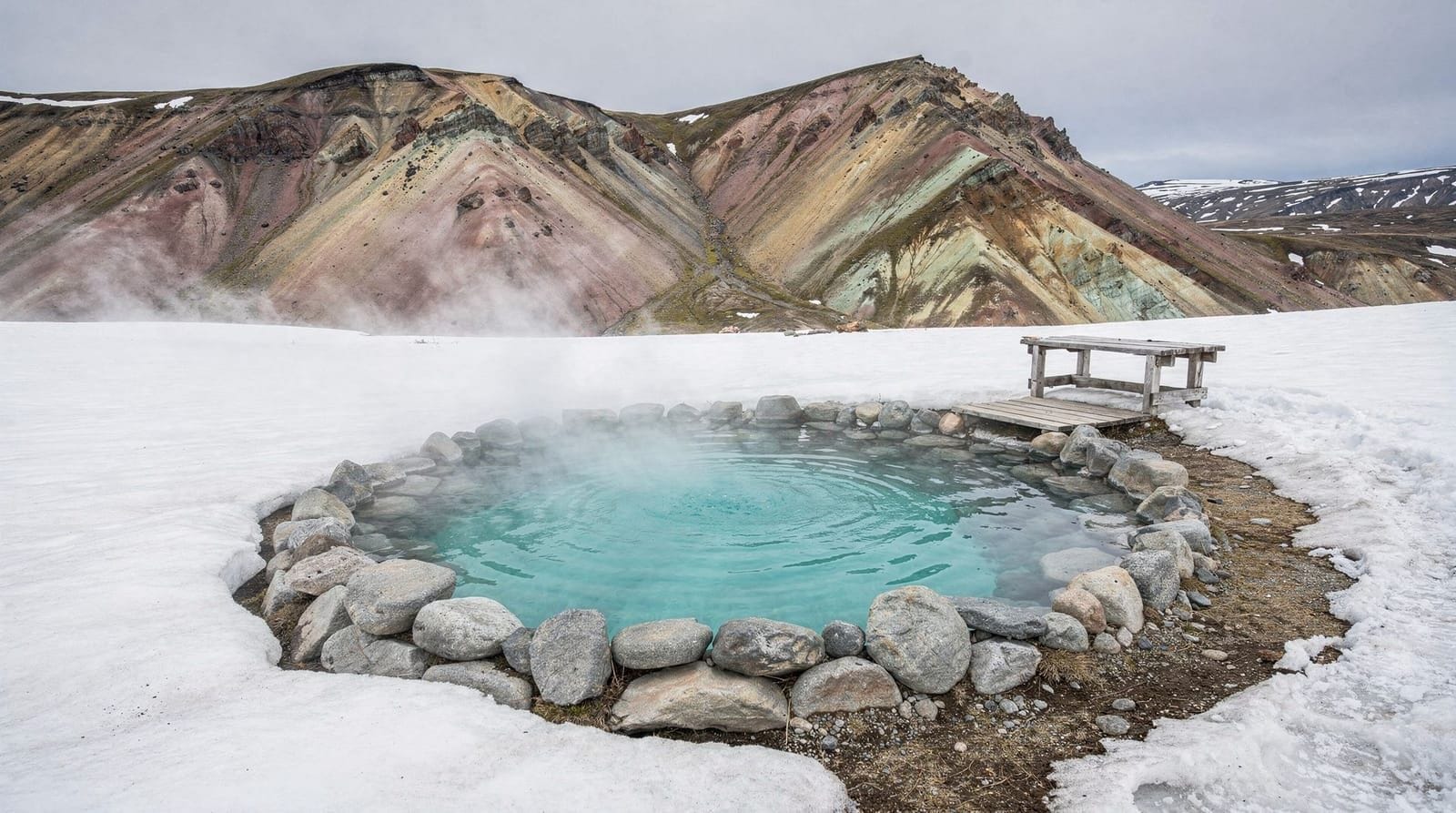
Iceland has hundreds of geothermal bathing options, from the Blue Lagoon’s resort infrastructure to free wild pools accessible only on foot. Mývatn Nature Baths occupy a compelling middle ground: professionally operated with changing rooms and a café, but set in a genuinely raw volcanic environment that makes the Blue Lagoon’s lava field look tame.
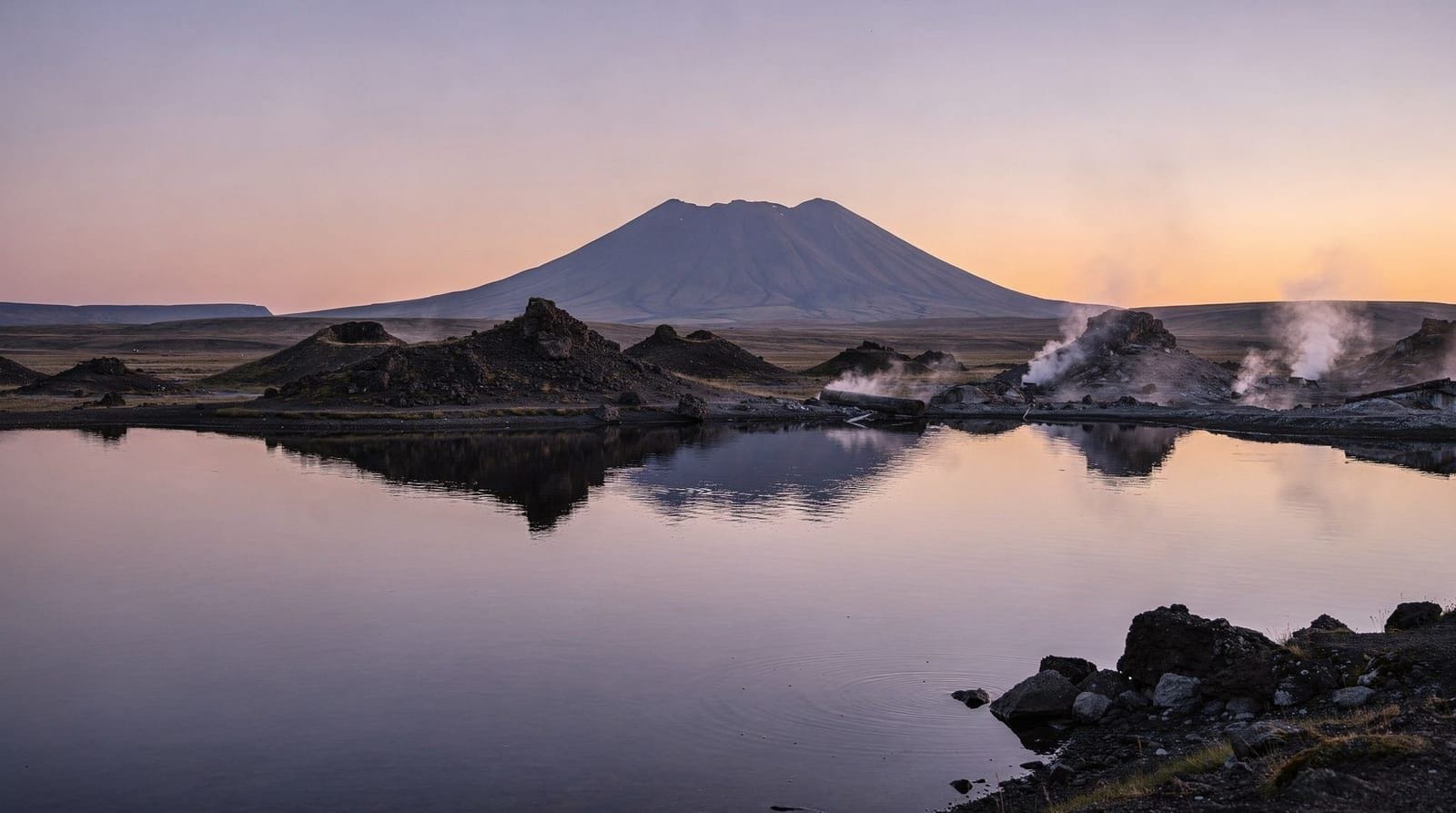
The baths are located in Reykjahlíð, on the northeast shore of Lake Mývatn in northern Iceland, about 100 km east of Akureyri. They sit at an elevation of about 460 metres, surrounded by pseudo-craters, lava fields, and the collapsed calderas that characterise the Mývatn volcanic system. The lake itself, visible from the pool in several directions, adds a reflective quality to the setting that changes dramatically with weather and light.
The baths are a later addition to Iceland’s geothermal spa scene, having opened in 2004, but they are not trying to replicate the Blue Lagoon. They occupy their own niche: a significant detour from the Ring Road that rewards those doing a serious north Iceland route or the Diamond Circle.
Ticket prices and what is included
Adult admission (16+): ISK 6,900 (approximately EUR 46). Child admission (2–15): ISK 1,500 (approximately EUR 10). Under 2: Free.
Admission includes use of two outdoor pools, the steam baths, changing rooms, lockers, and showers. A café on-site sells hot drinks, soup, sandwiches, and Icelandic pastries. There is no swim-up bar and no multi-tier wellness ritual — the experience is simpler and the price reflects that.
Mývatn Nature Baths entrance ticket — advance booking availableThe pools and their character
There are two main bathing areas at Mývatn Nature Baths:
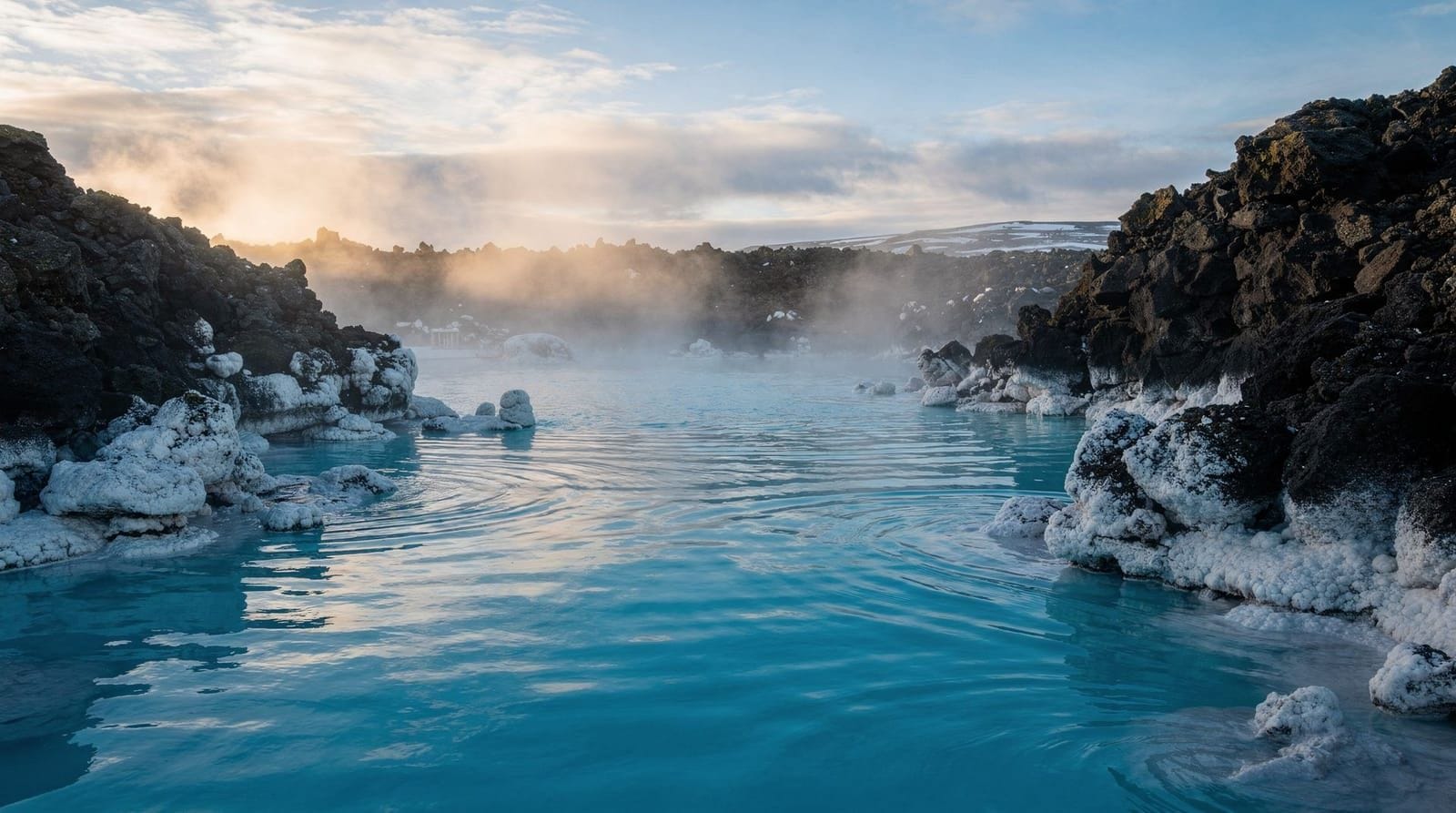
Large main pool: The primary pool is approximately 3,500 square metres — smaller than the Blue Lagoon but larger than most municipal pools. Temperature is maintained at 36–40°C throughout. The water is milky blue-grey due to dissolved minerals and trace sulphur, giving it a visual similarity to the Blue Lagoon. The mineral composition is different — there is more dissolved sulphur here, which gives the water a faint egg-sulphur smell. For most visitors this fades after a few minutes.
Smaller pool: A second, more enclosed pool slightly hotter than the main one, often quieter and preferred by those wanting a sustained high-temperature soak.
Steam baths: Two small steam chambers are available for use at no extra charge. Both are basic but functional.
The pools are at altitude in an open volcanic landscape, which means wind can be a factor. On a calm, clear day the setting is extraordinary. In a gale, getting out and walking back to the changing rooms is genuinely cold — the temperature contrast between the water and the air can be severe.
The midges: an honest warning
The name “Mývatn” translates literally as “midge lake.” The lake supports one of the densest concentrations of midges (small non-biting flies called Chironomidae) in Europe, and they emerge in large numbers during summer, particularly in June and July.
Around the baths, the steam and chemical composition of the water keeps midges away from the pool surface. But the path from the changing rooms to the pool, and the surrounding land areas, can be heavily infested on still summer days. Bring a midge head net if you are visiting in June or July and plan to spend time outside the pool. Insect repellent also helps.
August and September have significantly lower midge populations. The midges are genuinely unpleasant in peak season if you are not prepared, but they are a relatively small consideration once you are in the water.
Getting there from Akureyri
Akureyri is the main base for visiting Mývatn. The drive takes about 60–75 minutes along Route 848 along the lake’s eastern shore.
By car: Route 1 east from Akureyri, then south on Route 848 at the Mývatn turn. Follow signs for Reykjahlíð and then the Nature Baths. The road is paved and passable in a standard 2WD vehicle year-round.
By guided tour from Akureyri: Several operators combine Mývatn Nature Baths with Goðafoss waterfall and other Mývatn area sights in a single day trip. This is a reasonable option if you are arriving at Akureyri port on a cruise ship or prefer not to drive. Tour options include pickup from the port and from Akureyri hotels.
From Reykjavík: Mývatn is not a practical day trip from Reykjavík — it is a 5-hour drive or a domestic flight to Akureyri followed by a rental car. It makes sense only within a Ring Road circuit or a dedicated north Iceland trip.
Akureyri day trip to Goðafoss and Mývatn Nature BathsCombining Mývatn Nature Baths with other sights
Lake Mývatn is itself a full-day destination with pseudo-craters, lava formations, the Hverfjall tuff crater, Dimmuborgir lava pillars, and Námaskarð geothermal field. A typical day based at Mývatn:
- Morning: drive the lake circuit — Skútustaðir pseudo-craters, Dimmuborgir, Hverfjall (hiking the crater rim is about 1.5 hours).
- Afternoon: Námaskarð sulphur fields and steam vents (no entry fee, 10 minutes from the baths).
- Late afternoon/evening: Mývatn Nature Baths.
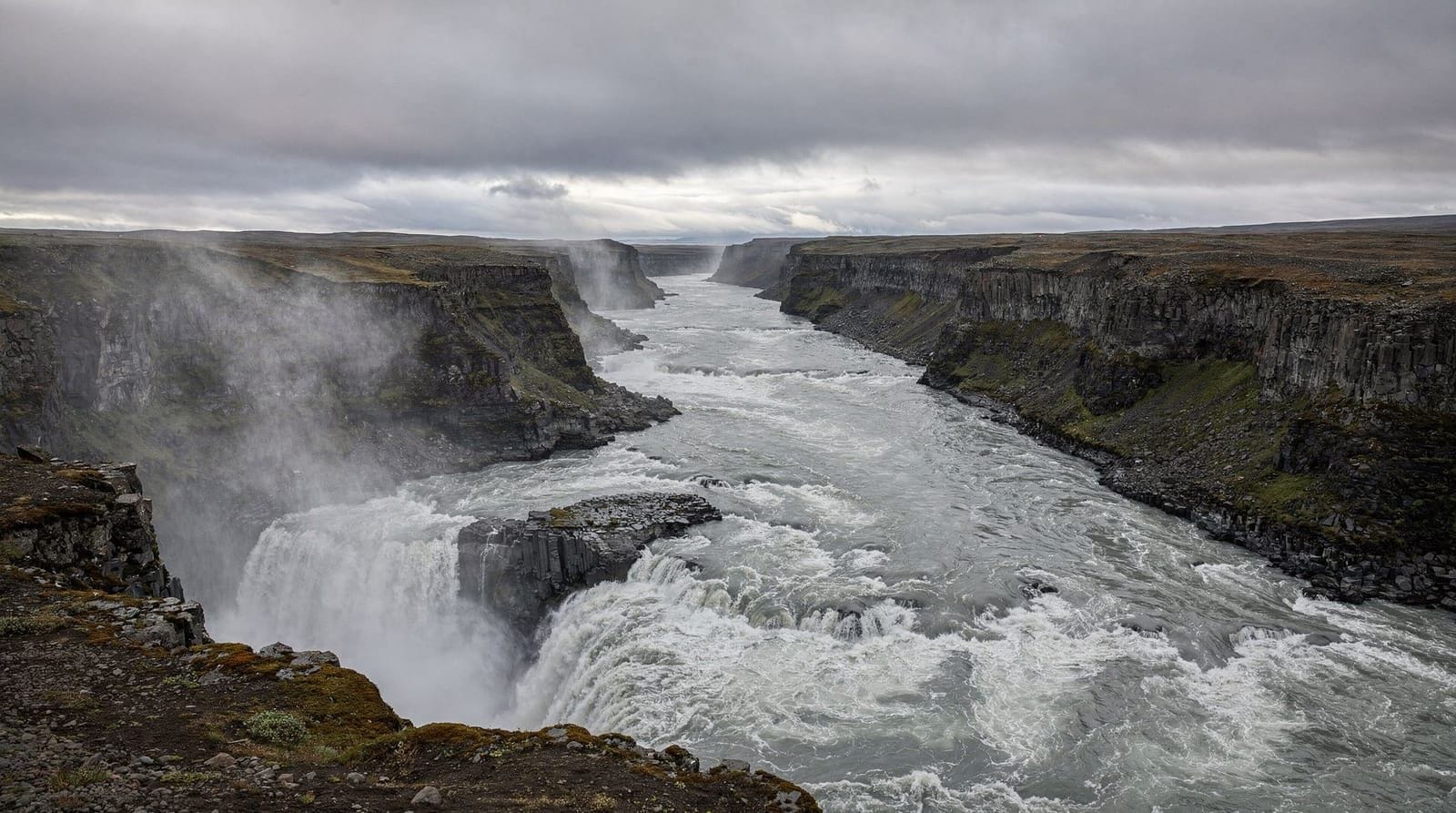
Goðafoss waterfall is 50 km west of Mývatn on Route 1 — logical to include if driving from Akureyri.
The Diamond Circle route — covering Mývatn, Dettifoss, Ásbyrgi canyon, and Húsavík whale watching — is a 2–3 day circuit that includes Mývatn as its centrepiece.
Comparing Mývatn Nature Baths to Blue Lagoon and Secret Lagoon
| Feature | Mývatn Nature Baths | Blue Lagoon | Secret Lagoon |
|---|---|---|---|
| Price (adult) | ISK 6,900 | ISK 14,990–29,990 | ISK 3,500 |
| Location | North Iceland | Reykjanes Peninsula | Golden Circle area |
| Drive from Reykjavík | 4.5–5 hours | 50 min | 1 h 20 min |
| Setting | Raw volcanic landscape | Lava field resort | Village natural pool |
| Infrastructure | Moderate | Resort-level | Basic |
| Advance booking required | Recommended | Mandatory | Not required |
| Crowds | Moderate | Very high | Moderate |
Practical details
Opening hours: Summer (May–September) 09:00–24:00 daily. Winter (October–April) 12:00–22:00 Monday–Friday, 10:00–22:00 weekends. Hours adjust seasonally — verify before visiting.
Advance booking: Not strictly required but recommended for summer visits, particularly in July and August when tour groups fill morning and midday slots.
Overnight options: Reykjahlíð has several guesthouses and one hotel (Hótel Laxá). Staying overnight allows early morning bathing when the pools are at their quietest.
Wi-Fi: Available in the café building but not essential.
Alcohol: The café sells a limited selection. Prices are comparable to Reykjavík — ISK 1,500–2,000 for a beer.
Frequently asked questions about Mývatn Nature Baths
Is Mývatn Nature Baths worth the detour from the Ring Road?
Yes, if you are doing a serious northern Iceland route. The baths are 10 minutes off Route 1 and Mývatn itself warrants a full day. Skipping Mývatn to save time is a common Ring Road regret. If you are doing the Ring Road in 7–10 days, Mývatn deserves an overnight stay.
How does the smell compare to other geothermal pools?
There is a faint sulphur smell — more pronounced than Blue Lagoon or Sky Lagoon. Most visitors adapt to it within a few minutes. If you are highly sensitive to sulphur smells, it may bother you; for most visitors it registers as “Iceland” and becomes unremarkable.
Can I visit Mývatn Nature Baths in winter?
Yes, and winter is one of the better times. The baths are at altitude, so steam is dramatic against cold winter skies. Northern lights are frequently visible from the Mývatn area November–March, and the region has less light pollution than Reykjavík.
What is the difference between Mývatn Nature Baths and the nearby hot springs?
The Nature Baths are a formal facility with admission fees, changing rooms, and regulated pools. The wider Mývatn area has other natural geothermal features — Námaskarð (Hverir) is a raw sulphur and steam field where you walk among boiling mud pots, but there is no bathing. The hot springs at Grjótagjá cave nearby are too hot to swim in and bathing is no longer permitted.
Is there parking at Mývatn Nature Baths?
Yes, free parking is available. The car park is large enough to handle tour buses.
Can children visit Mývatn Nature Baths?
Yes. Children under 2 are free; ages 2–15 pay ISK 1,500. The pools are family-friendly, unlike Sky Lagoon which does not admit children under 12.
The Mývatn area beyond the baths
The Nature Baths are one element of a region that warrants 1–2 days of exploration. Lake Mývatn itself is a UNESCO-recognised area of international scientific interest for its bird life and volcanic geology.
Pseudo-craters at Skútustaðir: Formed when lava flowed over wetland and steam explosions created shallow craters. These are on the lake’s south shore and viewable from a 30-minute walk. Free to visit.
Dimmuborgir lava pillars: A collapsed lava tube field where the magma drained out from under a hardened crust, leaving dramatic black pillars and formations. A trail system allows 30-minute to 90-minute walks. Free entry. Associated in Icelandic folklore with trolls and the Yule Lads.
Námaskarð (Hverir): A sulphur and steam field on the eastern flank of Námafjall mountain, 5 km from the Nature Baths. Boiling mud pots, steam vents, and yellow sulphur deposits. No admission fee. One of the most viscerally geological sites in Iceland — the smell of hydrogen sulphide is strong. Walk the paths carefully; the ground can be unstable near vents.
Hverfjall tuff ring: A nearly perfect circular crater 2.5 km in diameter, formed in a phreatomagmatic eruption around 2,500 years ago. The rim hike takes about 1.5 hours and provides views over the entire Mývatn basin. Free. The approach trail is well-marked from a car park on Route 848.
Grjótagjá cave: The crystal-clear geothermal cave pool featured in the Game of Thrones television series. No longer open for bathing (water temperature too high, at 50°C+), but worth visiting to see the turquoise water and lava cave formation. Free to enter the cave.
Lake Mývatn’s extraordinary bird life
Lake Mývatn supports 15 of the 23 European species of diving duck, making it one of the most important waterfowl habitats in the world. The lake’s insect productivity — yes, related to the midges — creates extraordinary food resources for nesting ducks. Species include Barrow’s goldeneye (Iceland is the only European breeding ground), harlequin duck, tufted duck, scaup, and Eurasian wigeon.
The best bird watching is from May through July. Binoculars are worth bringing. The lake’s north shore area near Neslandatangi has good viewing spots accessible on foot from the main road.
For visitors interested in Icelandic wildlife more broadly, the wildlife guide to Iceland and birdwatching in Iceland have more detail.
Staying overnight near Mývatn
Making Mývatn a base for a night or two is worthwhile. Accommodation options in Reykjahlíð (the main village on the lake’s north shore):
Hótel Laxá: The main hotel, positioned near the Nature Baths with good lake views. Mid-range pricing by Icelandic standards. Advance booking essential in summer.
Guesthouses and cottages: Several family-run guesthouses around the lake. Dimmuborgir Guesthouse and Sel Hótel Mývatn are established options. Prices are lower than Reykjavík but still consistent with Iceland’s generally high accommodation costs.
Camping: The Hótel Reykjahlíð campsite is the main facility. A cheaper option for those with tent or campervan. Showers available for a small fee.
An overnight at Mývatn allows early morning bathing at the Nature Baths (before tour groups arrive), a full day exploring the lake circuit, and potentially a northern lights evening in winter.
Practical transport notes
From Akureyri airport: A rental car is almost essential. Taxis from Akureyri are expensive for the 100 km distance. Some tours from Akureyri cruise port include Mývatn as part of a day trip, but these are timed to the ship schedule and allow limited time at the Nature Baths.
From Reykjavík: Fly to Akureyri with Icelandair or Air Iceland Connect (ISK 8,000–20,000 one way, about 50 minutes flight), then rent a car. Alternatively, take the long drive — about 5 hours on the Ring Road. A Mývatn day trip from Reykjavík is not practical unless you fly.
Seasonal road notes: Route 848 along the lake shore is paved and passable year-round. Snow and ice in winter require care. The interior routes around Mývatn are generally not F-roads — they are accessible in a standard 2WD vehicle in all seasons with appropriate caution.
Mývatn’s position in Icelandic volcanic history
Lake Mývatn and its surroundings sit within one of the most geologically active regions in Iceland. The area has been shaped by repeated volcanic eruptions over the past 10,000 years. The most significant in recorded history was the Mývatn fires (Mývatnseldarnir) of 1724–1729, when fissure eruptions produced enormous lava flows that reached the lake, temporarily blocking its outlet. Volcanic activity in the area has continued at lower intensity since, with the most recent significant eruption in the broader zone in 1984.
The pseudo-craters at Skútustaðir — the circular depressions visible along the lake’s south shore — formed about 2,300 years ago when lava flowed over the marshy ground around the lake. Steam explosions from the wet ground created rootless cones (the official geological term) that look like volcanic craters but are not connected to any magma source. This distinction matters: the pseudo-craters are collapse features, not eruption vents.
Understanding this geology makes the Nature Baths experience more meaningful. The pools sit within a system that has been geothermally active continuously for millennia. The sulphur smell in the water is hydrogen sulphide from the same deep volcanic system that created the landscape you are bathing in. It is not a flaw in the facility — it is geochemistry.
Practical details that make a real difference
Towel and locker logistics: Towels are available for rent at the reception (ISK 700–900) or included in some ticket tiers. Lockers are the standard key-wristband type — keep the wristband on while in the water. The changing rooms are spacious and well-maintained. Blow dryers are available. Valuables should be left in the locker; the wristband key gives access.
Swimsuit rental: If your swimwear is packed deep in a checked bag, swimsuits are available for rental at the reception desk. Not widely advertised but a practical option if needed.
Children: Myvatn Nature Baths is genuinely family-friendly. The water is warm but not hot (38–40°C rather than the 42°C of some pools), and the shallower areas are accessible for older children. Under-12s are cheaper; under-2s are free in most fare structures. Check the current pricing when booking.
Photography: The combination of steam, volcanic landscape, and dramatic Icelandic light makes this one of the most photogenic pools in the country. There are no formal photography restrictions, though standard spa etiquette applies regarding other bathers. The best photography conditions are either early morning when mist sits low, or on crisp clear evenings with the reflection of the Mývatn landscape in the water.
What to eat nearby: The poolside restaurant serves soup, sandwiches, and hot drinks at typical tourist-area prices (ISK 1,500–3,500 for a meal). The nearby village of Reykjahlíð has a small supermarket and a few restaurants. The Gamli Bærinn restaurant in Reykjahlíð serves traditional Icelandic lamb and fish dishes at reasonable prices and is worth noting if you want a proper meal after the bath.
Getting there without a rental car
A rental car is the easiest way to reach Mývatn, but it is not the only way. SBA-Norðurleið runs scheduled summer buses along Route 1 that stop at Reykjahlíð, connecting Akureyri to Mývatn and onward toward Egilsstaðir — useful for travellers doing a one-way Ring Road trip without a car for the whole route, or combining bus travel with a rental car picked up only for the harder driving sections. Service is reduced or absent outside the summer season, so check current timetables before relying on it, and budget extra time versus driving yourself since the bus makes multiple stops.
For those arriving without their own transport, joining an organised day tour from Akureyri remains the most reliable off-season option, since public bus frequency drops sharply from October to April.
Best months to visit, month by month
Mývatn’s character changes sharply with the seasons — more so than most Icelandic geothermal spots, because of the midges and the region’s exposure to weather. This is a rough guide, not a guarantee:
| Month | Midges | Crowds at the baths | Northern lights chance | Notes |
|---|---|---|---|---|
| May | Low, building | Moderate | Low (too much daylight) | Roads clear, good shoulder-season light |
| June–July | Peak — bring a head net | High (long daylight, tour season) | None (midnight sun) | Best bird life on the lake |
| August | Declining | High | Low, improving late month | Warm days, still busy |
| September | Low | Moderate | Good on clear nights | Good compromise month |
| October–March | Negligible | Low–moderate | Best | Cold, steam is dramatic, some road care needed |
| April | Low | Moderate | Fading | Transitional, variable weather |
If you can only pick one window to avoid both midges and crowds, September through early October is the honest answer. For dedicated aurora hunting, see the northern lights guide for the wider seasonal picture.
Day trip from Akureyri vs an overnight stay
Both work, but they suit different trips:
- Day trip from Akureyri (about 2–2.5 hours round-trip driving plus sightseeing) suits travellers on a tight north Iceland schedule who are based in Akureyri for accommodation, food and services. You will see the lake’s highlights and bathe, but you are racing tour buses for the best light and quietest pools.
- Overnight in Reykjahlíð suits anyone doing a full Ring Road or Diamond Circle loop. It buys you an early or late soak with far fewer people, a proper full day on the lake circuit without a return-drive deadline, and — in winter — a real shot at northern lights directly from your accommodation instead of a hurried drive back to Akureyri in the dark.
For most travellers doing the Ring Road in 7 days or longer, the overnight is worth the one extra night; for a shorter north Iceland trip, a well-timed day trip from Akureyri is entirely reasonable.
Travellers combining Mývatn with the wider Diamond Circle loop — Dettifoss, Ásbyrgi, and whale watching from Húsavík — will find an overnight almost essential; trying to squeeze the full loop and a relaxed bath into a single day from Akureyri leaves little room for anything to go wrong, whether that’s weather, a closed road, or simply wanting to linger at Dettifoss longer than planned.
Top experiences
Bookable activities with verified prices and instant confirmation on GetYourGuide.
Top experiences
Best-rated activities across GetYourGuide and Viator.

Top-Rated Family Rafting – Drysuits & Geothermal Hot Cocoa
- Viator

Skip the Line: Secret Lagoon Entrance Ticket
- Viator

Landmannalaugar Guided Hike & Hot Springs - From Reykjavík
- Viator

Goðafoss Waterfall & Forest Lagoon from Akureyri Port
- Viator

Vök Baths Admission Ticket
- Viator

Day Trip to Lake Mývatn And The Nature Baths from Akureyri
- Viator