Is Iceland safe? Honest guide to risks and precautions
Is Iceland safe to visit?
Yes. Iceland consistently ranks among the safest countries on earth for personal safety and crime. The real risks are environmental: sudden weather changes, icy roads, powerful ocean waves on black sand beaches, and volcanic or geothermal activity. These are manageable with preparation and common sense.
Iceland is a safe country to travel in — the risks that matter here are almost entirely environmental rather than criminal, and they are manageable once you know what to watch for. This guide breaks safety down by category: personal/crime risk, nature and weather hazards, hiking, wildlife, driving, and the legal basics visitors trip over.
| Crime risk | Very low — among the lowest in the world |
| Main real risks | Weather, roads, ocean waves, geothermal areas, volcanic activity |
| Emergency number | 112 (police, fire, ambulance, mountain rescue) |
| Key tools | safetravel.is (register route), road.is (conditions), en.vedur.is (forecast) |
| Travel insurance | Strongly recommended, must cover mountain rescue/evacuation |
Personal safety
Iceland has one of the lowest crime rates in the world. Violent crime is extremely rare. Theft is uncommon by international standards, though opportunistic bag snatching occasionally occurs in central Reykjavik — the same sensible precautions that apply anywhere (do not leave valuables visible in cars, stay aware in crowded areas) are sufficient.
Sexual violence, scams targeting tourists, and political unrest are all very low by any international comparison. Solo travellers, including solo female travellers, consistently report feeling safe throughout the country, including remote areas.
The Global Peace Index has ranked Iceland as the most peaceful country on earth for over a decade. This reflects a genuine social reality, not just statistics.
The real risks: nature and weather
Where Iceland can hurt you is outdoors. The main hazards are weather, terrain, the ocean, and geological activity.
Weather
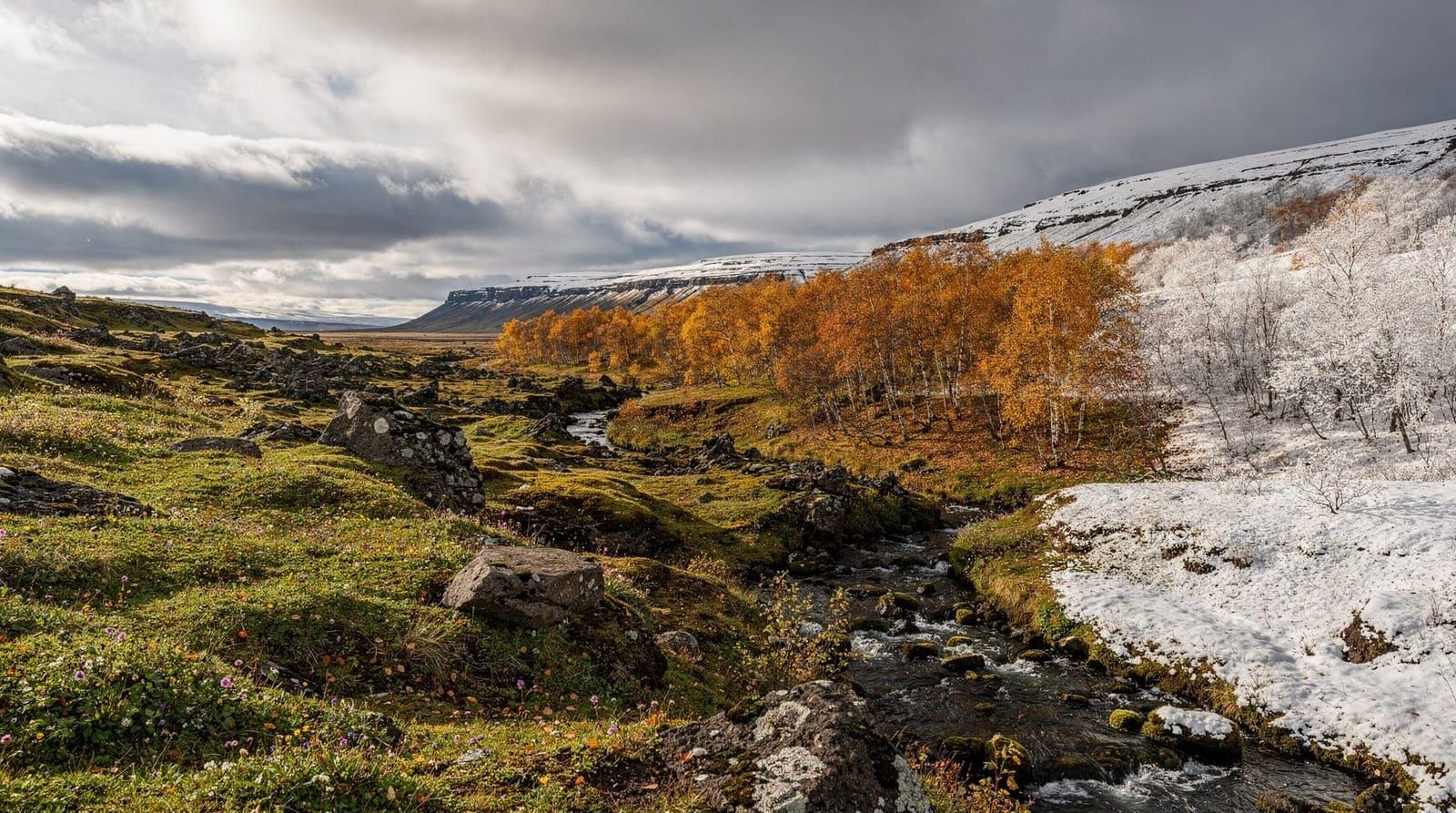
Iceland’s weather is famously changeable. Summer temperatures in Reykjavik average 10–15°C but can drop to 5°C within an hour with a wind shift. Winter temperatures range from roughly –5 to +5°C at sea level, but windchill makes it feel much colder. The interior highlands can see subzero temperatures and blizzards even in June.
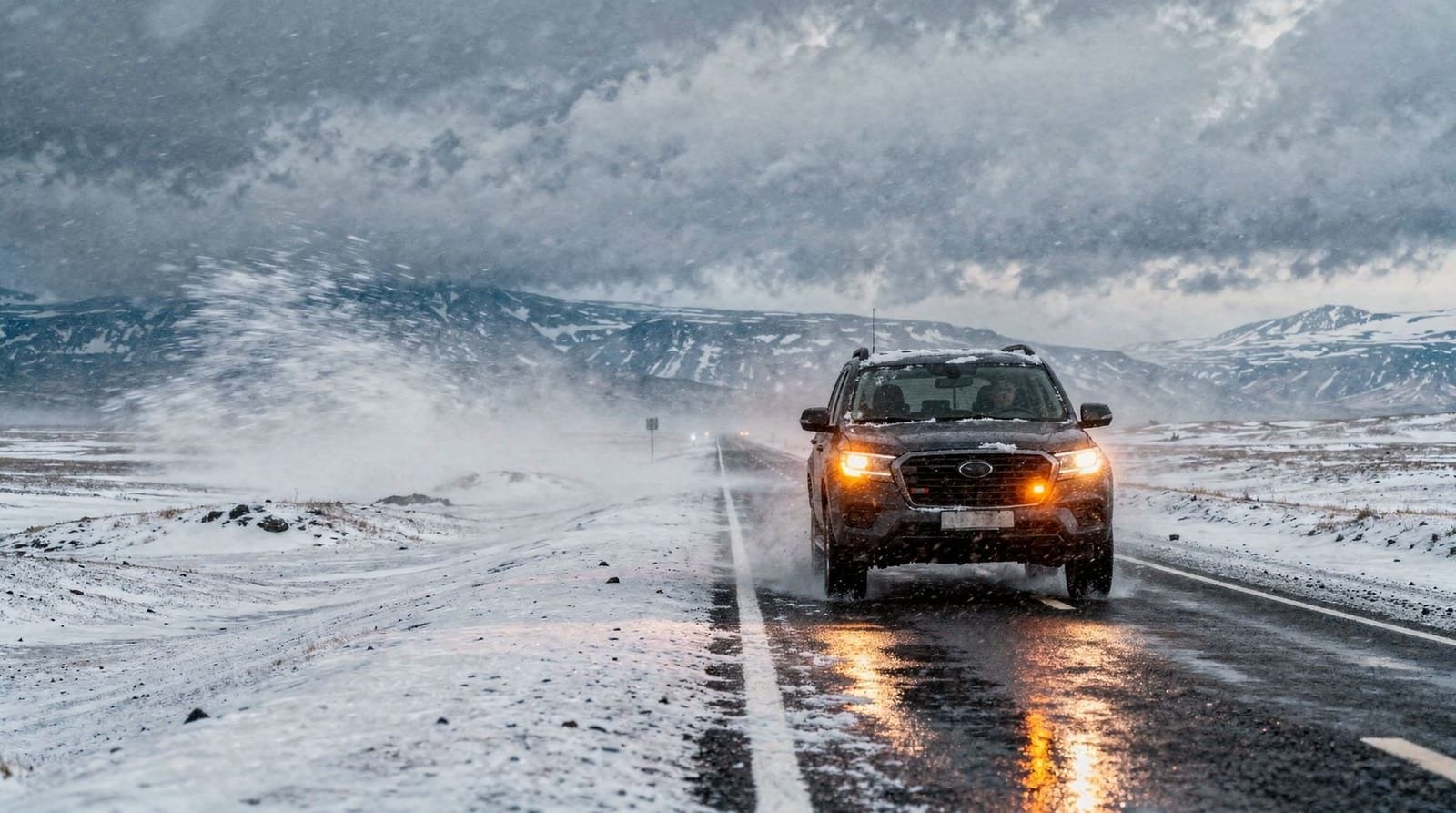
Rain, wind, and low cloud can appear suddenly throughout the year. The highest sustained gusts recorded in Iceland have exceeded 250 km/h. In winter, sudden blizzards (“white-outs”) can reduce visibility to nearly zero on open roads.
Practical implication: always check the weather forecast before driving or hiking. The Icelandic Met Office (en.vedur.is) is the authoritative source. Check it every morning.
See Iceland weather explained for seasonal patterns and what to expect.
Driving
Road accidents involving tourists are a persistent problem. Key dangers:
- Gravel roads: Many side roads are unpaved. Loose gravel at speed causes tyre blowouts and loss of control.
- Single-lane bridges: Iceland has many single-lane bridges on the Ring Road. Slow down and yield to oncoming traffic.
- Sheep on roads: Sheep wander freely across Icelandic roads, especially in summer. They are unpredictable.
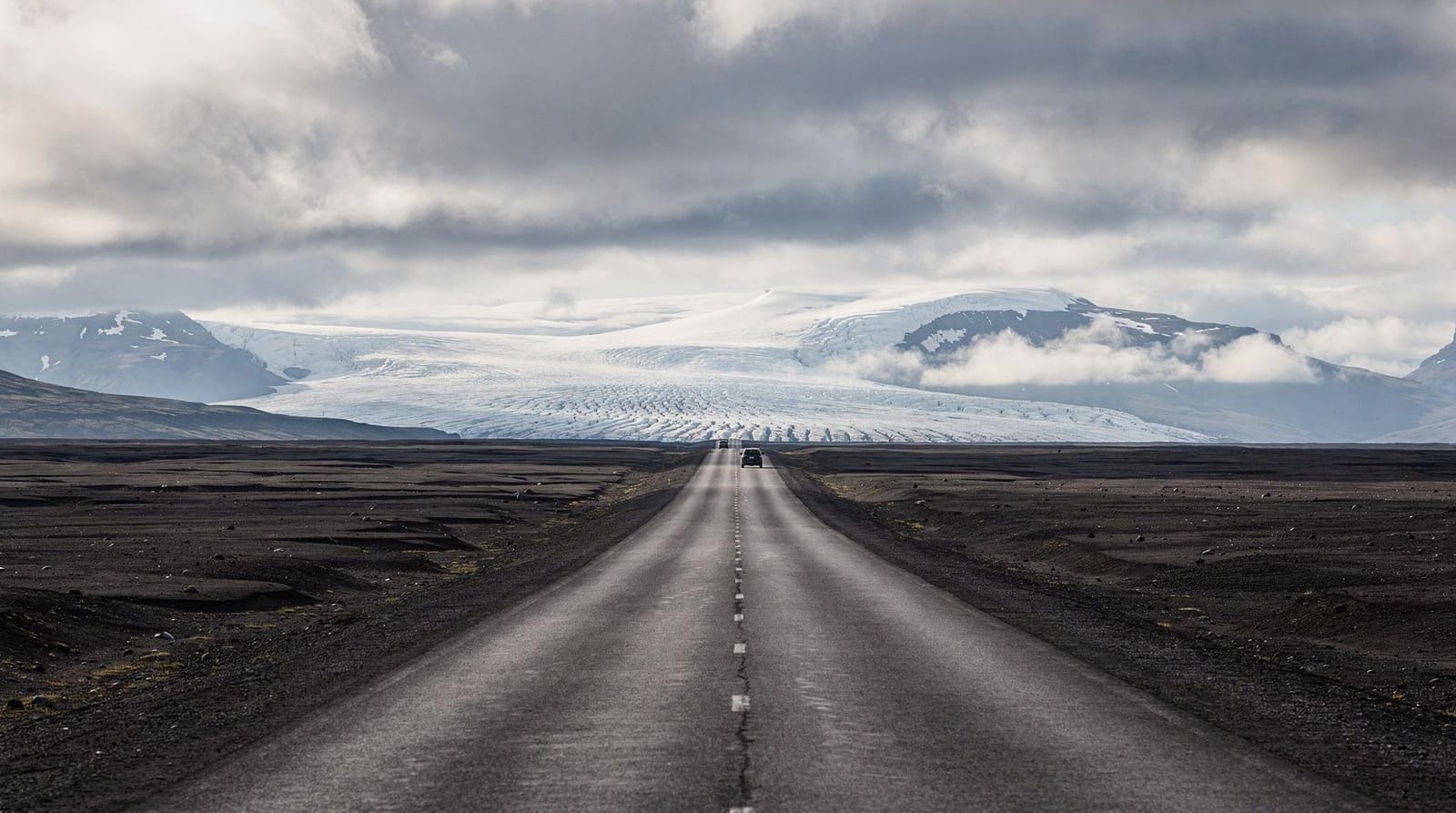
- F-roads: Highland roads marked “F” are only passable in high-clearance 4x4 vehicles, typically May–October. Driving an F-road in a standard car can strand you or destroy your vehicle. Rental insurance is void on F-roads with an ineligible vehicle.
- Ice and slush: In winter and early spring, black ice forms on roads. Speed limits are low for a reason.
- GPS lag: Some GPS devices route you along tracks that are not real roads. Cross-reference with the official road map.
Check road conditions at road.is before every day of driving. Green = good. Orange = difficult. Red = closed.
See driving in Iceland and Iceland in winter driving.
Ocean waves on black sand beaches
This is a genuine danger. Sneaker waves (rogue waves that arrive without warning) have killed tourists at Reynisfjara black sand beach and similar locations. The ocean near these beaches looks calm but is not. Waves can appear suddenly, much larger than the preceding ones, with enough force to sweep adults off their feet and into the surf.
At Reynisfjara specifically, the troll rock basalt columns (Reynisdrangar) attract people who want to stand close to the water. Several tourists have died here. The sea is never safe to approach closely on black sand beaches in Iceland.
Rules that have saved lives:
- Stay at least 30 metres from the ocean’s edge on black sand beaches
- Never turn your back on the ocean
- Never let children approach the water
- Do not try to rescue someone swept in — it almost always results in two casualties
See Reynisfjara guide for specific information on that beach.
Geothermal areas
Iceland’s geothermal areas contain boiling water just below the surface. At Geysir and other high-temperature areas, the ground is fragile and the water can reach 100°C. Fatalities and serious burns have occurred at Landmannalaugar and other wild geothermal areas where visitors wandered off marked paths.
Rules:
- Stay on marked paths in all geothermal areas
- Do not test unknown geothermal pools (many are boiling, not bathing temperature)
- Never enter geothermal areas at night or in poor visibility
Reykjadalur hot river and Landmannalaugar’s bathing areas have designated safe bathing zones. Stay within them.
Volcanic activity
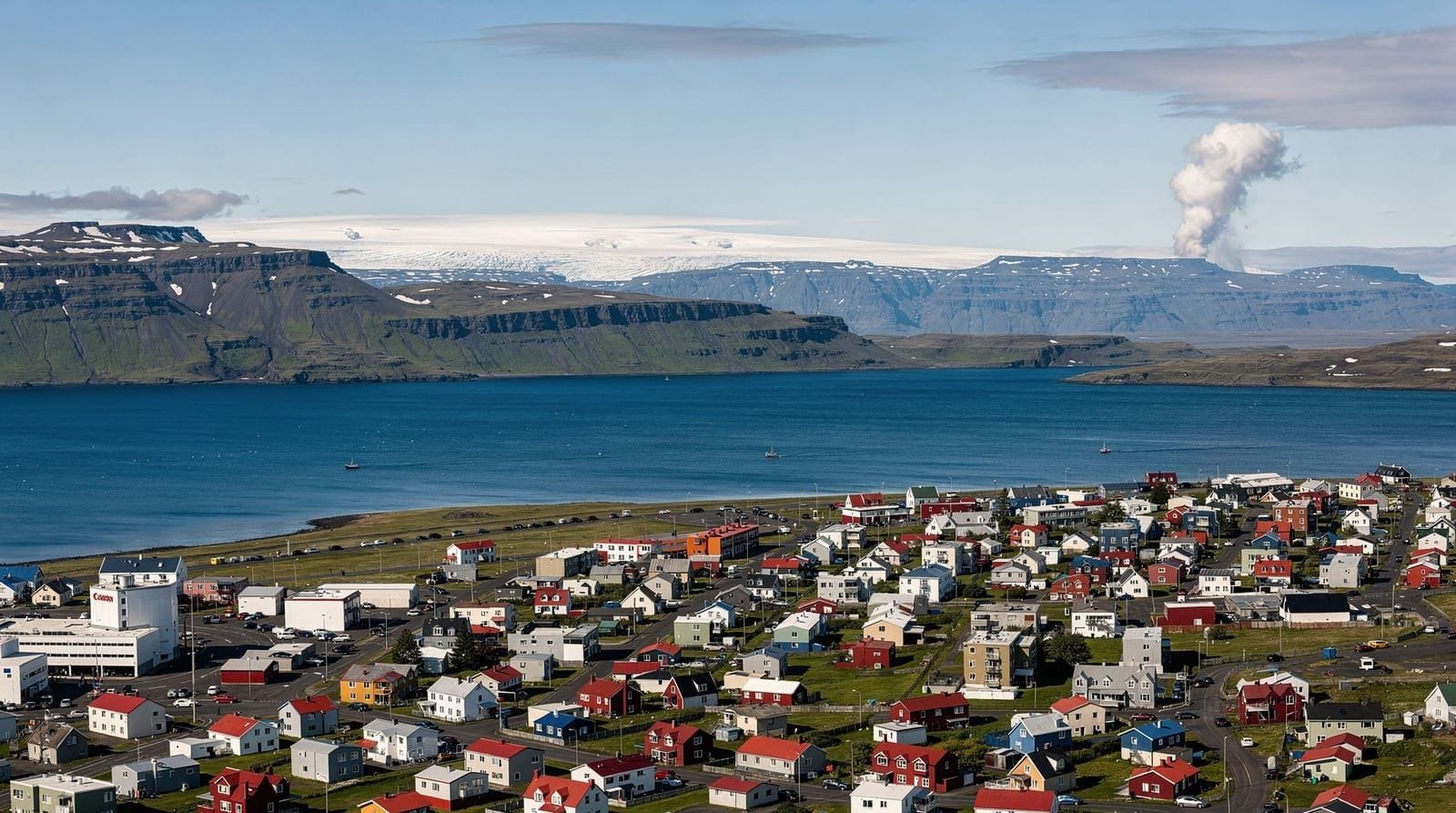
Iceland has active volcanoes. The Reykjanes Peninsula, where Keflavik Airport is located, has been in an active eruption cycle since 2021 (Fagradalsfjall and the Sundhnúkagígar crater row near Grindavík). Eruptions have occurred multiple times and are expected to continue.
Eruptions in uninhabited areas are generally safe to observe from a distance, following official exclusion zones. Eruptions near Grindavík have affected the Blue Lagoon and local infrastructure — check current status before visiting the area.
Active eruptions can also produce toxic gases (sulphur dioxide). Wind direction matters. The authorities publish exclusion zones and air quality warnings via safetravel.is and the Civil Protection Department.
Volcanic ash from major eruptions can disrupt flights. This happened significantly in 2010 with Eyjafjallajökull. Monitor eruption status if you have time-sensitive travel plans.
Hiking and trekking safety
Iceland’s trails are beautiful and can be deadly if approached carelessly. Specific concerns:
- Hypothermia: Even in summer, wet and wind at elevation can cause rapid heat loss. See what to pack for Iceland.
- Flash flooding: River crossings in the highlands can go from ankle-deep to impassable in hours if rain or snowmelt increases water volume. Do not attempt unfamiliar river crossings without checking conditions.
- Getting lost: Highland trails (Laugavegur, Fimmvörðuháls) are marked but can be obscured in snow or fog. Carry a map and compass.
- Isolation: If you are injured in the highlands, help may be hours away.
Register your route on safetravel.is before any serious hike. Tell someone your expected return. Download the 112 Iceland app so emergency services can locate you by GPS. See safetravel emergency info.
Wildlife safety
Iceland has no land predators dangerous to humans. Arctic foxes are the only native land mammal and are harmless. Seals haul out on beaches and may look approachable — give them space.
Mink (introduced) are present in some areas. Not dangerous.
Puffin burrows: Puffins nest in ground burrows. At popular puffin-watching spots like Dyrhólaey and Látrabjarg, watch where you step — burrows are fragile and puffins are in them.
Seabirds: Arctic terns nest at Þingvellir and other areas and will dive-bomb humans who come too close to nests (June–July). They peck. Carry a stick above your head or avoid nesting zones.
Solo travel safety
Iceland is one of the safest destinations in the world for solo travellers. The specific practical points:
Solo driving: Entirely normal and safe. Iceland’s roads are well-signed. Driving solo at night in winter requires extra alertness but is legal and common. If you break down, call your rental company’s assistance number or 112 if you are in danger.
Solo hiking: Register your route on safetravel.is. Solo hiking on major trails (Reykjadalur, easier Laugavegur sections) is fine. Solo hiking on remote trails (Fimmvörðuháls in bad weather, any highland F-road area) is higher risk — consider going with at least one other person for remote terrain.
Solo in Reykjavik at night: Very safe by any city standard. Vigorous nightlife on Friday and Saturday. Taxis and ride services available throughout the night.
Meeting other travellers: Iceland’s guesthouse network, Reykjavik Camping area, and popular hiking trails create natural meeting points. It is easy to find other solo travellers on the Ring Road.
Altitude and cold exposure: specific medical risks
Iceland does not have extreme altitude in most areas. The highland roads reach 600–1,100 metres above sea level — not high enough to cause altitude sickness for most people.
However, cold-related conditions are a genuine risk:
Hypothermia: Can occur even in temperatures above 0°C if a person is wet and windy conditions are present. Early symptoms: uncontrollable shivering, clumsiness, slurred speech. Treatment: get the person out of wind and wet, replace wet clothes with dry, warm gradually (not rapidly). Seek medical help.
Frostnip/frostbite: In sustained temperatures below –5°C with wind, exposed skin (nose, ears, fingertips) can sustain cold injury. Frostnip (reversible) causes numbness and pale skin. Frostbite (potentially irreversible) requires immediate warming and medical attention. Cover exposed skin, carry spare gloves and neck gaiter.
Windburn: Less serious but uncomfortable. UV exposure combined with dry wind causes burning of exposed skin even in cold temperatures. Lip balm with SPF, moisturiser, and sunscreen are preventive.
Nightlife safety in Reykjavik
Reykjavik has an internationally noted bar and nightlife scene, particularly on Friday and Saturday nights when Laugavegur and the surrounding streets see significant crowd activity from midnight onward.
Personal safety concerns are minimal by any international city comparison. Drug-facilitated assault is rare but not entirely absent. Pickpocketing in very crowded bar areas occasionally occurs. The standard sensible nightlife precautions apply: do not leave drinks unattended, be aware of your surroundings as bars fill up, have a return plan agreed before the night starts.
Bars and clubs in Reykjavik serve alcohol until 1 AM (legal closing time). The streets after 1 AM fill as people leave venues — this is when altercations are most likely, though by major city standards they are very infrequent.
Emergency: 112.
Camping safety
Iceland has excellent organised campsites and a right to access nature for camping. Free camping outside designated sites is increasingly regulated in many areas. Specific safety considerations for campers:
Geothermal ground: At some campsite areas near geothermal zones, the ground temperature immediately below the surface can be dangerously high. Do not dig or stake tent pegs in areas with visible geothermal surface activity.
River flooding: Camping near glacial rivers carries flash flood risk if rain or heatwave causes rapid glacial melt upstream. Do not camp directly on riverbeds or in flood plains.
Wind: Iceland’s wind can destroy tents that are not properly secured. Bring the heaviest-gauge pegs you own, use all guy lines, and check weather forecasts before setting up in exposed locations.
Wildlife: No dangerous land predators. Arctic foxes may investigate food left outside tents. Store food properly.
Travel insurance
Strongly recommended. Iceland’s national health system (Landspítali) provides emergency treatment to all, but subsequent bills can be significant. Mountain rescue operations cost tens of thousands of euros and are not covered by the national system for foreign visitors.
A comprehensive policy covering emergency medical treatment, evacuation, and trip cancellation is sensible. See travel insurance for Iceland.
Emergency contacts and tools
- Emergency (Police, Fire, Ambulance, Mountain Rescue): 112
- 112 Iceland app: Free. Sends GPS coordinates to rescue services. Download before you go.
- safetravel.is: Register your route, check alerts.
- road.is: Real-time road conditions.
- en.vedur.is: Weather forecast.
See safetravel emergency info for the full breakdown.
Food and water safety
Tap water: Safe to drink throughout Iceland, no exceptions. Glacially sourced water from any tap is among the cleanest in the world. Some geothermal-area tap water has a faint sulphur smell (particularly in Reykjavik) — this is from dissolved hydrogen sulphide in the hot water system and is not harmful. The cold water tap is always clean.
River water: Drinkable in most highland and remote areas if the river is clearly flowing from a glacier or clean highland source. Avoid rivers downstream of farms (livestock bacteria) and any geothermal sources (toxic minerals). A filter adds peace of mind.
Food safety: Iceland has high food safety standards. Restaurant food poisoning is rare. Icelandic lamb, fish, and dairy are produced to EU hygiene standards. There are no significant food safety concerns for visitors.
Seafood: Iceland’s seafood (particularly arctic char, cod, haddock, salmon, langoustines) is exceptionally fresh. Shellfish safety can vary by season — restaurants serving shellfish know their sources and the season.
Legal considerations for visitors
Age limits:
- Alcohol: 20 years (for spirits in state-licensed Vínbúðin shops), 18 at bars and restaurants
- Driving: 17 (Icelandic licence), 20 for most rental car companies
- Tobacco: 18
Cannabis: Illegal in Iceland. Unlike some European countries, there is no decriminalisation. Possession can result in fines and deportation.
Driving laws:
- Blood alcohol limit: 0.05% (lower than UK/US)
- Seatbelts mandatory front and rear
- Headlights mandatory at all times (day and night, year-round)
- Mobile phone use while driving: illegal without hands-free
- Speed limits: 50 in towns, 80 on gravel, 90 on paved roads
F-road rules: Driving a non-4WD vehicle on a marked F-road is illegal, not just a car rental breach. Fines apply.
Drone regulations: Drones require registration and permission in many areas. National parks, protected areas, and near airports all have restrictions. See drone rules in Iceland.
Risk level by activity and season
A quick reference for which hazards actually matter depending on what you’re doing and when:
| Activity | Summer risk | Winter risk | Mitigation |
|---|---|---|---|
| Self-driving Ring Road | Sheep on roads, single-lane bridges | Black ice, white-outs, closures | Check road.is daily, slow down, don’t rush schedules |
| Reynisfjara / black sand beaches | Sneaker waves (year-round) | Sneaker waves + slippery ice on rocks | Stay 30m+ back, never turn your back on the sea |
| Highland hiking (Laugavegur, F-roads) | River crossings, sudden weather | Mostly closed/inaccessible | Register on safetravel.is, carry proper layers |
| Glacier/ice cave visits | Guided only, low risk | Guided only, seismic monitoring | Book established operators, check cancellation policy |
| Northern lights hunting | Not applicable (no dark sky) | Night driving fatigue, remote roads | Don’t chase aurora on tight time pressure |
| Geothermal areas (Geysir, Landmannalaugar) | Boiling water off-path | Same, plus icy paths | Stay on marked paths, never test unknown pools |
Health care for visitors
Iceland’s public health system provides emergency treatment to everyone regardless of nationality, though non-EEA visitors without reciprocal agreements may be billed afterwards for non-emergency care. Landspítali (the National University Hospital) in Reykjavík is the main facility for serious cases; regional towns (Akureyri, Selfoss, Egilsstaðir, Ísafjörður) have smaller hospitals capable of stabilising and treating most conditions.
Pharmacies (apótek) are well-stocked and staff generally speak English. Reykjavík has a late-night pharmacy (Lyfja, Lágmúli) open until midnight. Outside Reykjavík, pharmacy hours are limited — plan around this if you take regular medication and are heading into the Westfjords or highlands for several days.
For anything beyond routine treatment — and especially for mountain rescue callouts, which are not free and can run into the tens of thousands of euros — comprehensive travel insurance that explicitly covers search and rescue and medical evacuation is essential, not optional.
It’s worth knowing that Iceland’s search and rescue teams (ICE-SAR) are almost entirely volunteer-run, funded by donations, merchandise sales, and the annual “Neyðarkallinn” fireworks sales around New Year rather than by government budget alone. Visitors are not billed directly for a rescue operation itself, but the associated costs — helicopter fuel, specialist equipment, follow-on medical care — are real, which is exactly why insurance coverage matters and why a small donation to ICE-SAR after a safe trip is a genuinely appreciated gesture.
Frequently asked questions about safety in Iceland
Is Iceland safe for solo female travellers?
Yes. Iceland consistently ranks extremely highly for gender equality and personal safety. Solo female travellers report far fewer incidents than in most European destinations. The usual common-sense precautions apply: secure your belongings, trust your instincts in social situations.
Is it safe to drive in Iceland in winter?
It can be, with the right vehicle, tyres, and precautions. Winter driving in Iceland requires studded tyres (mandatory or strongly advised depending on conditions), genuine 4x4 for some routes, checked forecasts, and extra time. It is not advisable for inexperienced winter drivers. See Iceland in winter driving.
Can I get close to the erupting volcanoes on the Reykjanes Peninsula?
Only within officially designated viewing areas when eruptions are active. The exclusion zone boundary changes with each eruption. Check the Civil Protection and Emergency Management Department (almannavarnir.is) and safetravel.is before attempting to approach any active eruption.
Is the water safe to drink?
Tap water in Iceland is clean, cold, and usually glacially sourced. Drink it freely from any tap throughout the country. No need for bottled water.
Are there any dangerous animals in Iceland?
No. Iceland has no land predators, no snakes, no dangerous spiders. The only wildlife concerns are defensive attacks from nesting seabirds (Arctic terns) and the physical risk of disturbing puffin burrows.
What should I do if I get into trouble outdoors?
Call 112. If you have the 112 Iceland app, activate it to share your GPS coordinates. Stay where you are unless moving is safer (e.g., rising floodwater). Iceland’s search and rescue teams are extremely well-trained and well-equipped.
Should I register my itinerary with safetravel.is?
Yes, for any trip into remote areas, highland F-roads, or multi-day hikes. It takes two minutes and gives search and rescue teams a starting point if you go missing. It can save your life.