Our first ring road trip: 10 days around Iceland
The moment we decided to drive the whole thing
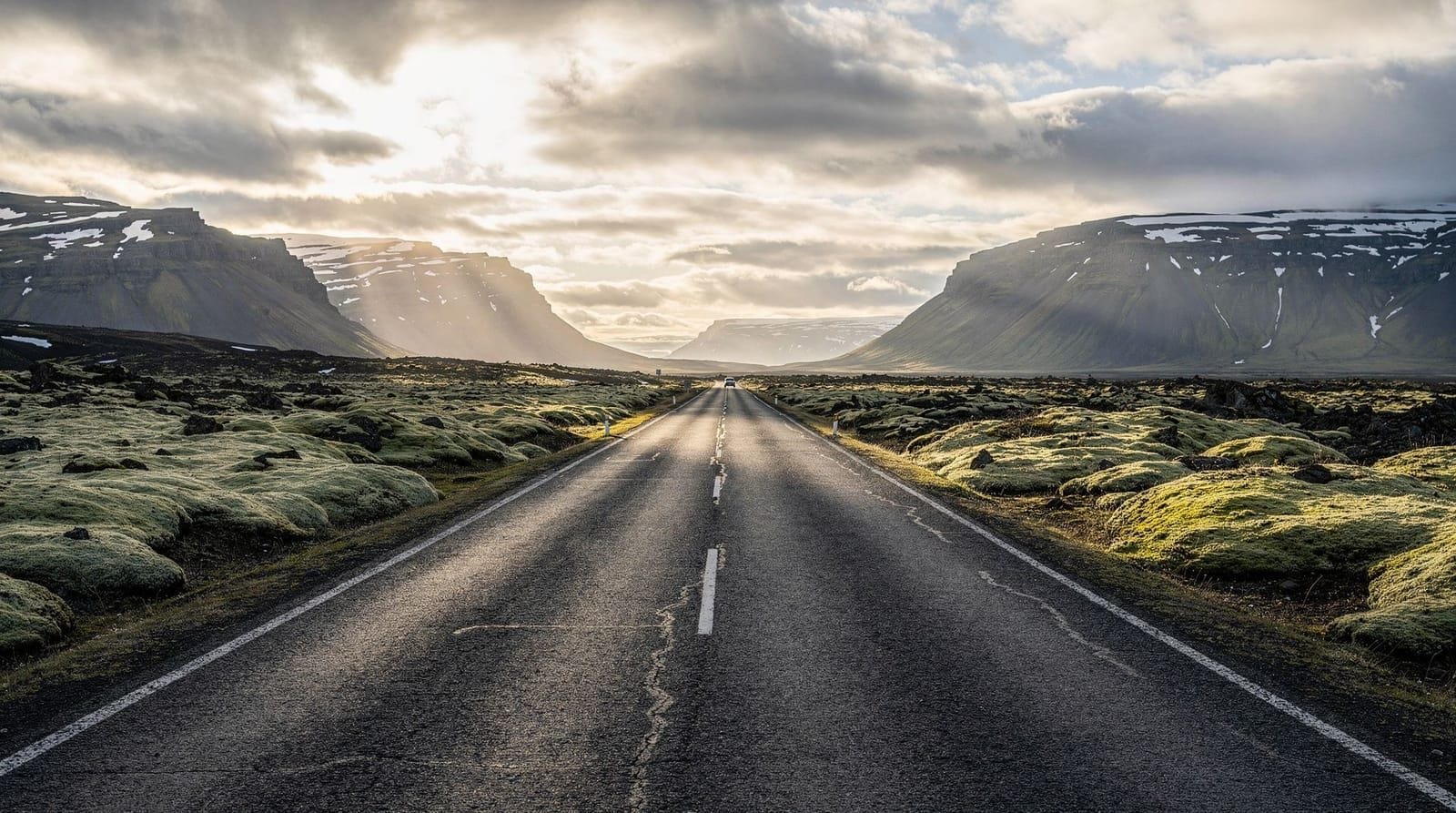
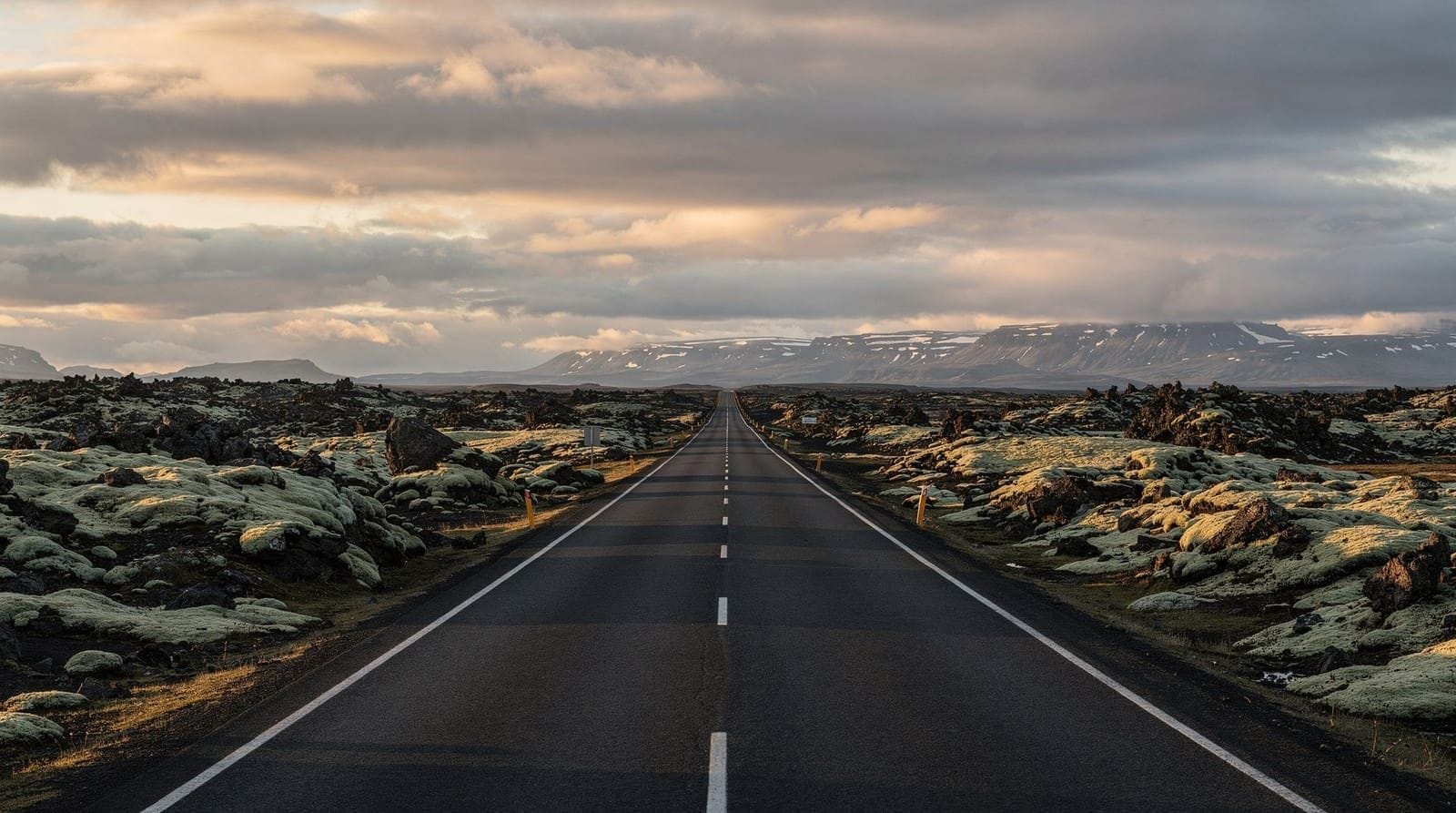
Neither of us had been to Iceland before. My partner Sara had done some research, pulled up a map of Route 1 — the ring road that circles the entire island — and said, without much ceremony, “we should just do the whole thing.” I looked at the map. It looked doable. I agreed. What followed was ten days of the most visually overwhelming driving either of us had ever done, along with a few genuine low points that no travel blog warned us about.
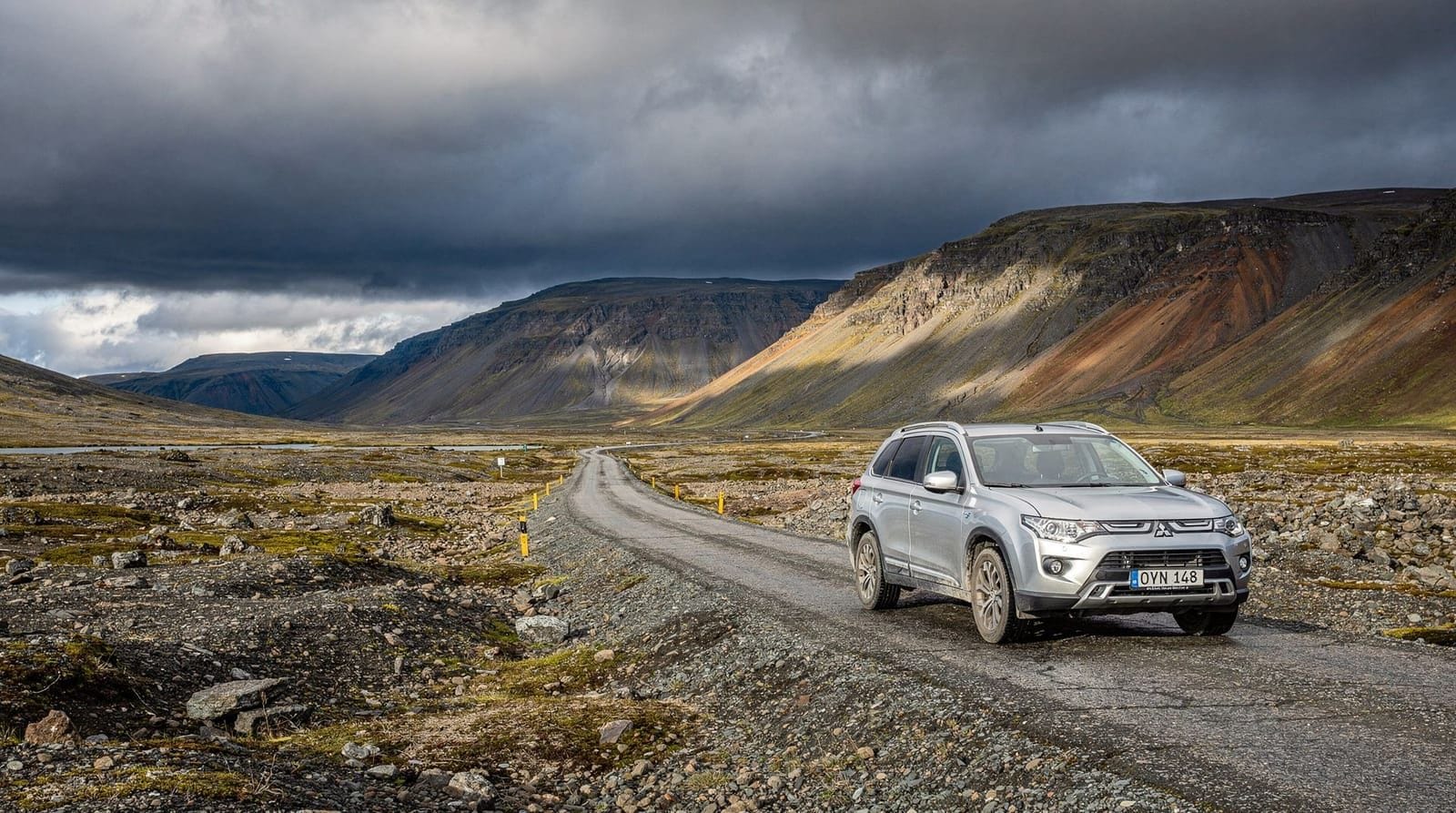
We flew into Keflavík in mid-July 2019 and drove directly to Reykjavik to pick up our rental. The car was a Dacia Duster, a basic 4x4 — not glamorous, but solid enough for the paved portions of Route 1. We had booked it six weeks out through a comparison site, and the total came to around €420 for 10 days including basic insurance (we upgraded to gravel protection for another €60, which turned out to be worth it near Mývatn).
| Route | Full Ring Road (Route 1) plus Snæfellsnes |
| Duration | 10 days |
| Season | Mid-July |
| Car | Dacia Duster 4x4, around €420 for 10 days incl. basic insurance |
| Extra we’d repeat | Gravel protection add-on, around €60 |
Day one: south to Vík
We left Reykjavik on a Tuesday morning, stocked up at Bónus supermarket on Laugavegur — bread, skyr, instant oatmeal, coffee, canned fish, some apples — and pointed the car east along the south coast. The plan was to reach Vík by evening.
Seljalandsfoss came first, roughly 120 kilometres from Reykjavik. The parking lot costs ISK 1,000 (around €6 at 2019 rates), paid at a machine. The falls are genuinely impressive, and you can walk behind the curtain of water — wet boots are unavoidable unless you have proper waterproofs. We had waterproof trousers. We were fine.
Skógafoss was next, another 30 kilometres east. No parking fee here. The staircase to the right leads to a ridge trail with views back over the coast. We climbed it partly, probably 10 minutes worth, which was enough to see why it’s worth doing. The falls themselves are wider and more dramatic than Seljalandsfoss, though you cannot walk behind them.
We reached Vík around 6 pm. The town is small — a handful of guesthouses, a Strætó bus stop, a Vínbúðin state liquor store, and a Víkurskáli grocery/snack bar at the petrol station. We stayed at Icelandair Hotel Vík, which cost around ISK 26,000 per night — not cheap, but reasonable for July peak season in a village with limited beds.
Reynisfjara, the black sand beach a few kilometres west of Vík, is where the warning signs about sneaker waves start to feel serious. There are signs. There are barriers. Three people have died there in recent years by ignoring both. The basalt columns at Hálsanef are the visual highlight — hexagonal formations stacked like organ pipes. We kept well back from the water.
Day two and three: east toward Jökulsárlón
The drive from Vík toward Jökulsárlón took most of day two. We passed Dyrhólaey in the morning — the arch and lighthouse promontory south of Vík — and stopped at the lower car park for the arch view. The upper road was gated because of nesting puffins. Worth knowing if you’re visiting between May and August.
Skaftafell, inside Vatnajökull National Park, was a planned overnight stop. We had booked the campsite (ISK 1,800 per person per night) rather than a guesthouse, and it was a good call: the campsite has good facilities, and the surrounding peaks are remarkable in evening light. We walked the Svartifoss trail — 5 km round trip, around 90 minutes — to reach the waterfall with its basalt columns. It’s quieter than the coast stops and undervisited by day-trippers.
Jökulsárlón glacier lagoon on day three was the centrepiece of the whole trip. We arrived at 7 am before the tour buses, and the light on the icebergs was something I cannot adequately describe. Blue is the wrong word — it was more like backlit glass. Diamond Beach, the strip of black sand just across Route 1 from the lagoon, has stranded ice chunks that look sculpted. We spent two hours there without feeling rushed.
We did not take the amphibious boat tour, partly for cost (ISK 6,000–7,000 each in 2019) and partly because we felt the views from shore were already extraordinary. Some people disagree and find the boat worthwhile for getting closer to the ice. That is probably a fair point.
Day four and five: the highlands detour we almost skipped
Between Jökulsárlón and Höfn lies about 80 kilometres of road with almost nothing. Höfn itself is a fishing town best known for humarsúpa (lobster soup) at Pakkhús restaurant. We had a bowl each. It was excellent — around ISK 3,500 per bowl, served with bread. One of the better meals of the trip.
We had originally planned to skip the highlands entirely, but a conversation at the campsite in Skaftafell changed that. A Dutch couple who had done the ring road twice told us that driving even a short section of the F-roads toward Kerlingarfjöll was the one thing they wished they’d done on their first trip. We didn’t have the right vehicle for Kerlingarfjöll’s river crossings, but we did divert briefly toward Landmannalaugar on a clear day, using a tour rather than our own car.
The highlands are genuinely unlike anything else on the ring road. Rhyolite mountains in shades of yellow, green, and rust red. Hot springs steaming alongside hiking trails. It felt like driving into a geological textbook. Do not attempt F-roads without a purpose-built 4x4 with genuine ground clearance — we saw a Toyota Yaris stuck in a stream crossing, which cannot have been a pleasant afternoon.
If you don’t have a suitable 4x4, a guided super-jeep day tour into Kerlingarfjöll covers the river crossings and highland terrain without the stress of going it alone.Day six and seven: north Iceland
Route 1 turns north after the east coast, eventually reaching Akureyri — Iceland’s second city, with a population of around 20,000. It is far more pleasant than that description suggests. The botanical garden in the centre is free and well-tended; the church at the top of the stairs is worth climbing for the view over the fjord.
Lake Mývatn was an entire day. Pseudocraters at Skútustaðir, the lava formations at Dimmuborgir, the sulphur fumaroles at Námaskarð, and a swim at Mývatn Nature Baths in the afternoon. The baths (ISK 4,500 in 2019, with entry reserved in advance) are less famous than the Blue Lagoon and considerably less crowded. The water was hot — around 36–40°C — and the views over the volcanic landscape were strange and calming at the same time.
Goðafoss waterfall, between Akureyri and Mývatn, is often dismissed as a quick photo stop. That is roughly accurate. It is beautiful, horseshoe-shaped, and not enormous. Twenty minutes is enough.
Day eight: the north coast and sea
We took a detour to Húsavík on day eight specifically for whale watching. Húsavík is considered by many to be the whale watching capital of Europe. We booked through North Sailing, departing from the old wooden quay in the harbour. The trip was three hours on an oak sailing vessel.
We saw humpback whales — three of them at various distances, the closest maybe 40 metres from the boat. One breached, which lasted approximately two seconds and was followed by frantic camera activity from all 30 people on board. We also saw Arctic terns dive-bombing the water and a small school of dolphins near the boat for about 10 minutes. The experience delivered what it promised.
North Sailing runs whale watching on traditional oak vessels and operates as a carbon-neutral company. Their success rate in summer (May–September) is consistently high, and the boats are well-maintained.Day nine and ten: Snæfellsnes and back to Reykjavik
The standard ring road doesn’t include the Snæfellsnes Peninsula, but we had built in two extra days for exactly this. The drive from the Húsavík area back west took half a day, and we stopped overnight in Borgarnes before continuing the next morning.
Snæfellsnes rewarded the detour. Kirkjufell — the arrow-shaped mountain — was more distinctive in person than in photographs. Arnarstapi, a tiny harbour village on the south coast of the peninsula, had good fish soup at Snjófell guesthouse. The glacier at the tip, Snæfellsjökull, sat under a cap of clouds both days we were there, which apparently is common.
We drove back into Reykjavik on day ten, returned the car, and had dinner at Messinn on Lækjargata — fish casserole in a cast iron pan, around ISK 4,200 — before an early flight the following morning.
What I’d change
A few honest notes for anyone doing a similar itinerary:
Book the hot springs in advance. Both the Blue Lagoon and Sky Lagoon require reservations. We didn’t try the Blue Lagoon because they were fully booked for our dates, despite checking two weeks out. The Secret Lagoon in Flúðir takes walk-ins and is less expensive.
Allow more time in the east. We gave the east coast one morning and rushed through. Stúðlagil Canyon in the east — with its basalt columns lining a turquoise river — was not on our original plan and we didn’t do it. It’s now at the top of our list for a return visit.
July is crowded. Every waterfall parking lot had a queue. Arriving early (before 8 am) made a real difference at Jökulsárlón and Skógafoss. Midday at Seljalandsfoss is genuinely difficult to navigate with buses parked across two lanes.
If you’re planning a self-drive, the ring road guide has more logistical detail. For choosing the right vehicle, the 2WD vs 4x4 guide is worth reading before you book.
For a structured outline of what to do and where to sleep each day, the 7-day ring road itinerary covers the main circuit. If you have more time, the 10-day version adds Snæfellsnes and a deeper dive into the east.
Our route, day by day
Looking back at the trip as a single table makes the pacing clearer than the day-by-day narrative.
| Day | Region | Overnight | Highlight |
|---|---|---|---|
| 1 | Reykjavik → Vík | Vík | Seljalandsfoss, Skógafoss |
| 2–3 | Vík → Jökulsárlón | Skaftafell campsite | Jökulsárlón, Diamond Beach |
| 4–5 | Jökulsárlón → highlands detour | Höfn area | Landmannalaugar day tour |
| 6–7 | East coast → north | Akureyri / Mývatn | Lake Mývatn, Goðafoss |
| 8 | North coast | Húsavík area | Whale watching |
| 9–10 | Snæfellsnes → Reykjavik | Borgarnes, then home | Kirkjufell |
The one honest gap in this table: we compressed the east coast into half a day, which was too rushed. If repeating the trip, we’d take an eleventh day specifically for Stúðlagil Canyon.
What the ten days actually cost
Roughly, in 2019 prices: the rental car and fuel came to about €650 total, accommodation (mixing hotels, guesthouses, and one campsite night) averaged around €130/night, and food (a mix of supermarket meals and a handful of restaurant dinners) added another €35–45/day per person. None of this accounts for inflation since 2019 — current Iceland pricing runs meaningfully higher, so treat these as a rough shape rather than a current budget. The how much does Iceland cost guide has more current figures.
Ten days is the right minimum for the full circuit. Less than that and you’re driving too many hours per day to actually see anything properly.