Overrated vs underrated Iceland — what to skip and what to prioritise
Grundarfjörður: From Reykjavik full day Snaefellsnes peninsula
Duration: ~11 hours
What is overrated in Iceland and what is underrated?
Most overrated: Reynisfjara in peak summer, the Golden Circle as the only South Iceland experience, crowded waterfall car parks. Most underrated: the Westfjords, East Iceland, Vatnajökull National Park beyond the lagoon, any small geothermal pool not on the tourist circuit.
Why this guide exists
Iceland’s tourism marketing is extraordinarily effective. A handful of images — Blue Lagoon steam, Jökulsárlón icebergs, northern lights — have burned into global consciousness so thoroughly that visitors arrive with a checklist of 10 places and a 10-day itinerary built around them.
The problem: five of those places are genuinely world-class, three are good but ruined by the crowds that the marketing created, and two are overpriced or overhyped relative to what Iceland actually offers.
This guide names them honestly and offers a parallel list of things that are underrated — often because they do not photograph as dramatically on Instagram.
| Most overrated (as marketed) | Reynisfjara in peak summer, Golden Circle alone, city-centre aurora spots |
| Most underrated | Westfjords, East Iceland, Diamond Circle, wild hot springs |
| Fix for overrated sites | Shoulder season or early-morning visits, not skipping them entirely |
| Cost of going underrated | Usually more driving time, rarely more money |
| Best served by | Travellers with 7+ days or a repeat Iceland trip |
Overrated vs underrated, side by side
| Overrated (as usually visited) | Underrated alternative |
|---|---|
| Reynisfjara in July/August | Djúpalónssandur, Snæfellsnes |
| Golden Circle as a whole trip | Golden Circle + Kerið + Secret Lagoon, or the Diamond Circle |
| City-centre aurora viewing | Self-drive to Þingvellir or the Westfjords |
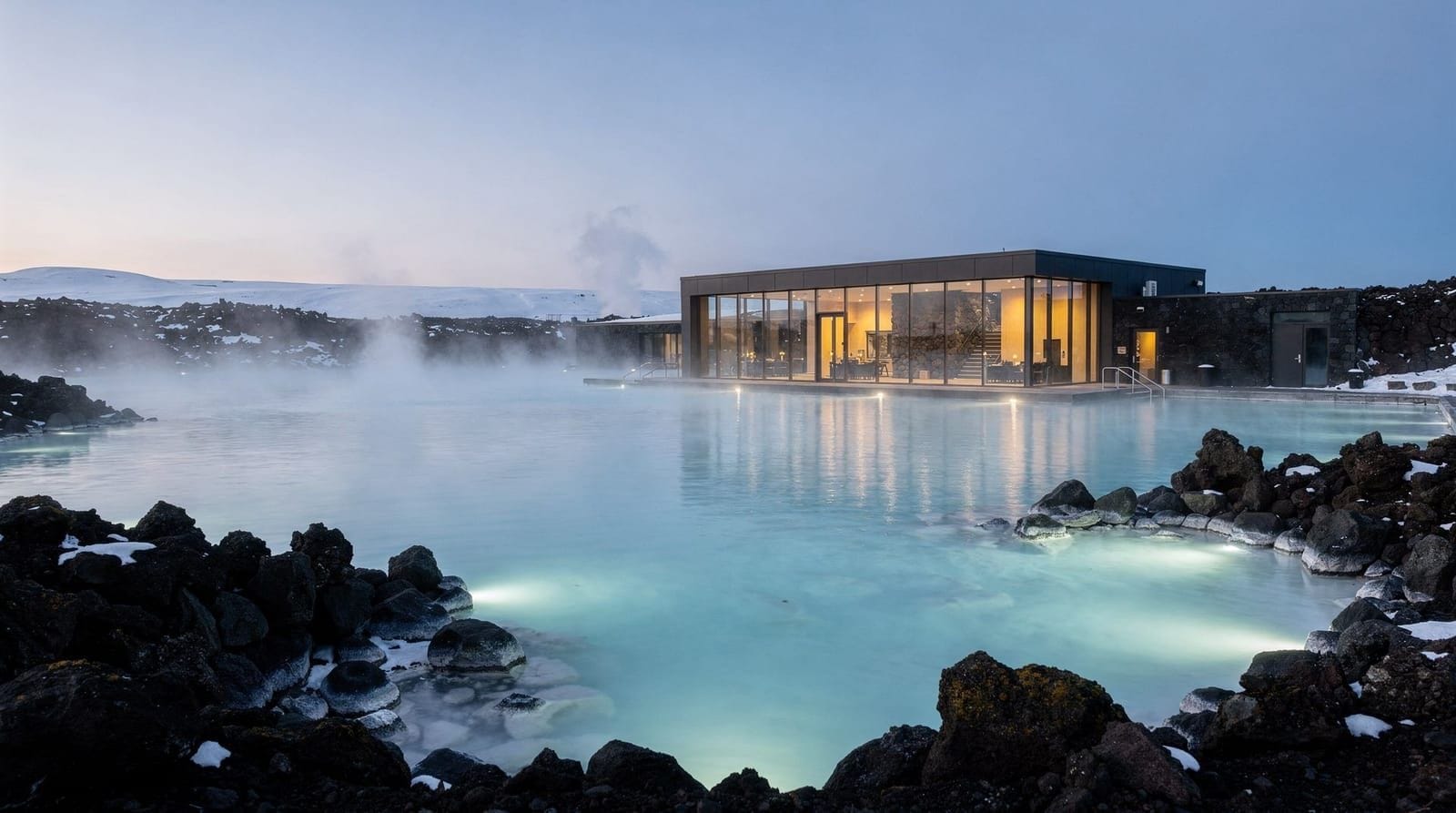
| Blue Lagoon at peak midday | Mývatn Nature Baths or a community pool |
| Skógafoss/Seljalandsfoss car parks | Glymur waterfall hike |
Overrated: the honest list
Reynisfjara black sand beach — in peak summer
The beach itself is legitimately dramatic. The basalt columns, the black sand, the roaring Atlantic, the seabird colonies — these are real.
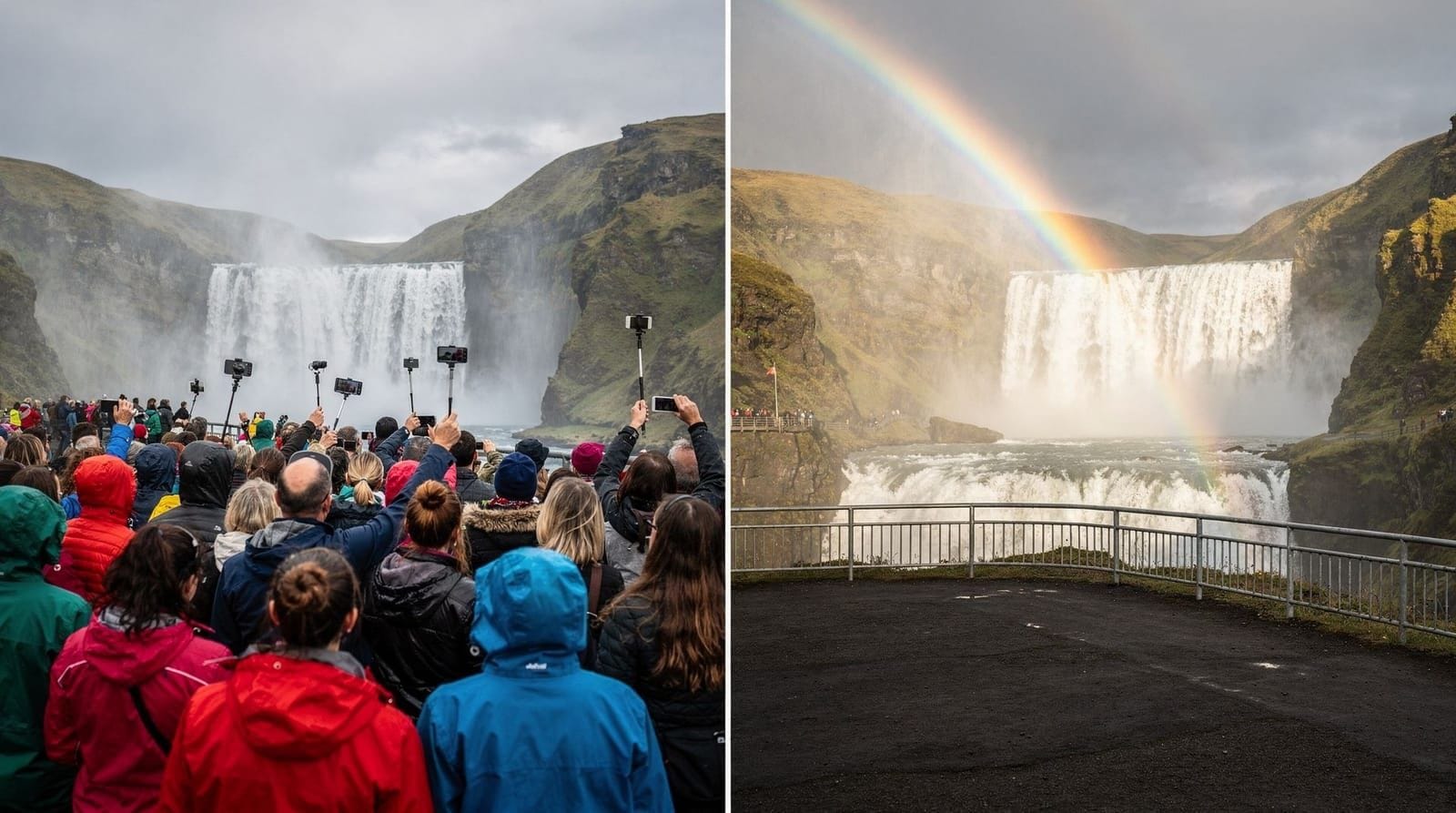
The problem: In July and August, Reynisfjara is reached by dozens of coaches and hundreds of cars simultaneously. The car park is chaotic. The beach is crowded enough that photographers queue for the same shot. The cave (Hálsanefshellir) has a queue to enter.
When it works: Arrive before 9:00 AM in summer, or visit in shoulder season. In October, Reynisfjara with crashing waves, a dramatic storm sky, and 15 people on the beach is exactly what it should be.
Underrated alternative: Djúpalónssandur black pebble beach on Snæfellsnes Peninsula — similar raw atmosphere, typically fewer than 50 visitors at any given time, plus the rusted shipwreck remains and lifting stones.
The Golden Circle — as a stand-alone trip
The Golden Circle (Þingvellir, Geysir, Gullfoss) is worth doing. All three sites are genuinely significant. But the marketing has turned the Golden Circle into Iceland’s “minimum viable visit” — as if seeing these three things means you have seen Iceland.
The problem: The Golden Circle is a heavily trafficked 300 km loop that requires visiting three places simultaneously with everyone else who booked the same coach. In peak summer, Gullfoss viewpoint has selfie stick gridlock. Þingvellir has 40 coaches in the car park.
The alternative: Do the Golden Circle, but extend it. Add Kerið crater (400 ISK admission, 30 minutes, no crowds relative to the main sites). Add the Secret Lagoon at Flúðir. Drive to Hvítárvatn if you have a 4x4. Combine it with an overnight in Selfoss to do the South Coast properly.
The Golden Circle alone is a shallow experience of Iceland. The Golden Circle as part of a 3-4 day South Iceland itinerary is excellent. See South Coast 3 days.
Northern lights from Reykjavik city centre
Reykjavik’s northern lights tours often depart from central hotels and drive 30–60 minutes to get away from the city’s light pollution. Paying for a guided northern lights tour is sensible — but some tours in the lower price range drop you in a suburban car park 20 minutes from the city and call that a northern lights viewing spot.
The alternative: Self-driving toward the Snæfellsnes Peninsula or along South Iceland coastline on a clear night gives you genuinely dark skies. Þingvellir National Park, 45 minutes from Reykjavik, has no significant light pollution and is excellent for self-guided aurora nights. See where to see northern lights.
Hallgrímskirkja from the inside
Hallgrímskirkja, the volcanic-basalt-inspired church dominating Reykjavik’s skyline, is genuinely impressive from outside. Climbing the tower for the city view (1,100 ISK, approximately $8) is entirely worth it.
The inside trap: The interior, while architecturally interesting, is a relatively plain Lutheran church. Visiting is free but brief. The tower and exterior are the experience; the interior is secondary.
Underrated: what most visitors miss
The Westfjords
The Westfjords is Iceland’s most remote and arguably most dramatic region — a deeply incised coastline of fjords, sea cliffs, and bird life with some of the lowest tourist density in Europe relative to its scale.
What you get:
- Látrabjarg, the largest bird cliff in Europe, with puffins so habituated to humans they allow you to sit within 50 cm
- Dynjandi, a series of tiered waterfalls that cascade 100m in an amphitheatre shape with virtually no tourists
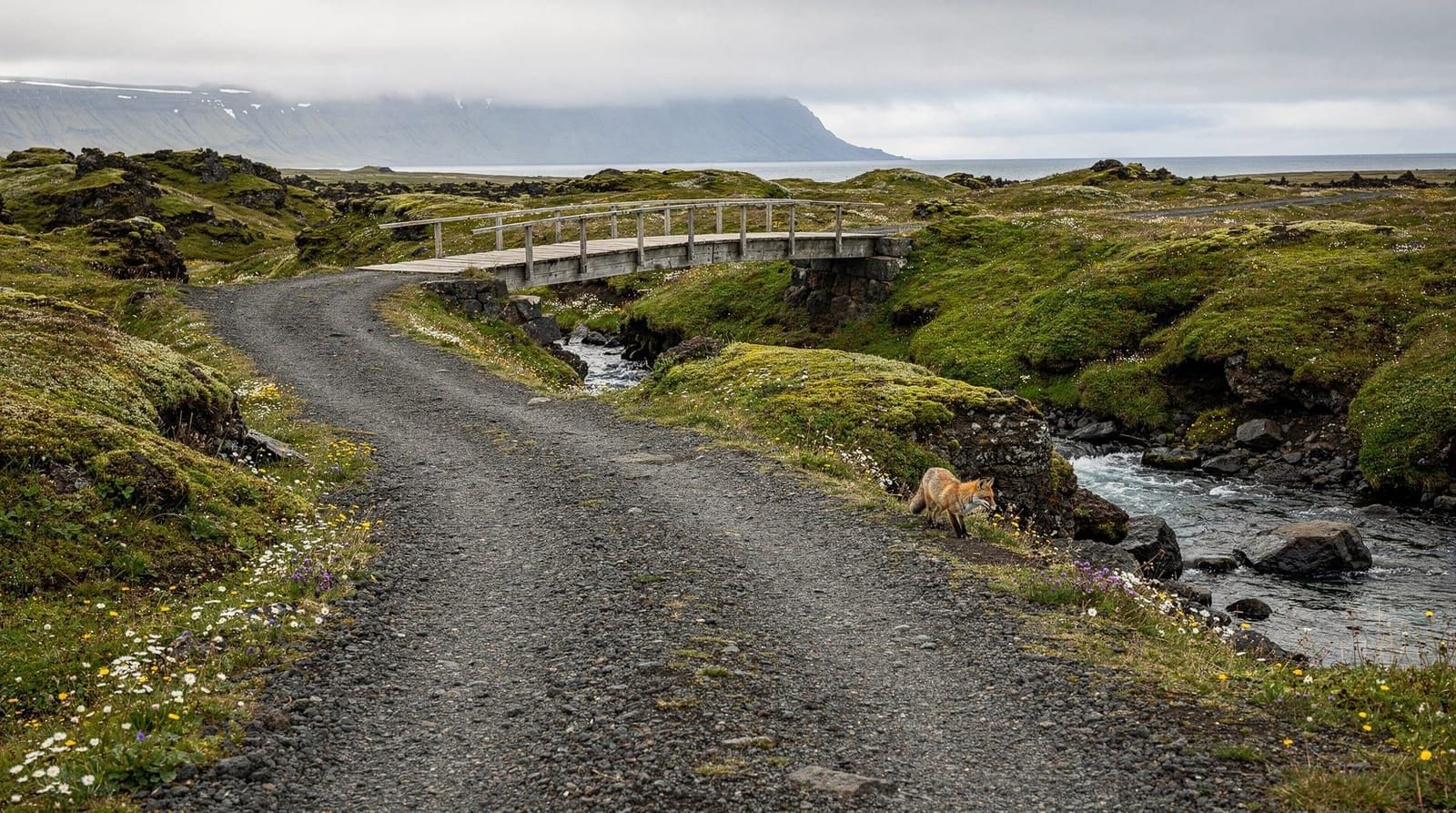
- Empty fjord roads with almost no other traffic
- The raw feeling of being somewhere genuinely off the circuit
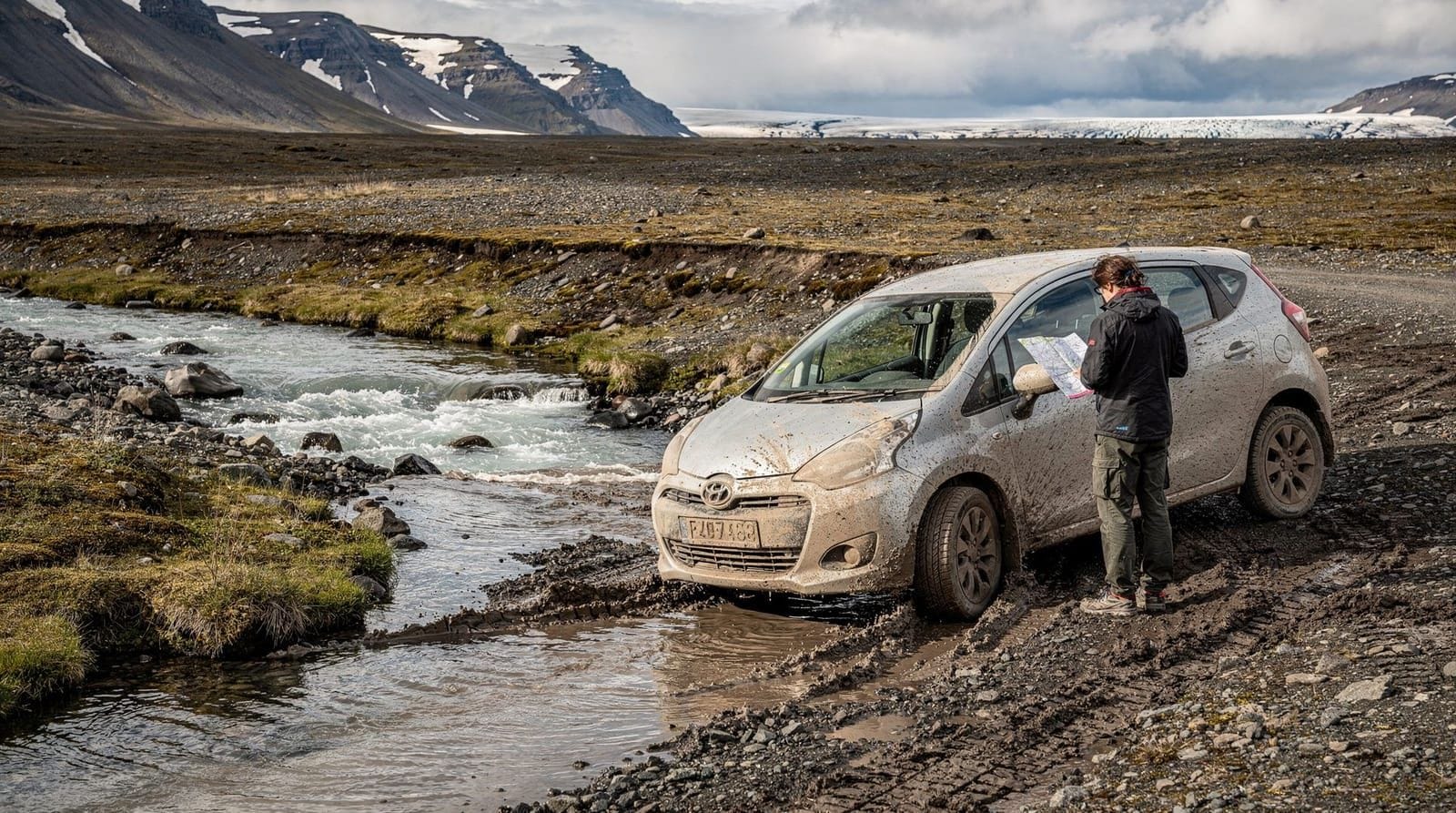
Why people skip it: It is remote. The roads are narrow, mountainous, and some are unpaved. Flying to Ísafjörður from Reykjavik is an option. The Westfjords are genuinely not convenient.
Who should go: Anyone who has already done the Ring Road, anyone willing to accept a longer drive for dramatically fewer people, and anyone who values landscape scale over checklist completion. See Westfjords destination guide.
East Iceland
East Iceland — the Eastfjords and the area around Egilsstaðir and Seyðisfjörður — is consistently overlooked by Ring Road visitors who rush through on their way between North and South.
What you get:
- Seyðisfjörður: one of Iceland’s most beautiful villages, with colourful wooden houses reflected in a mirror-calm fjord
- Studlagil basalt canyon: hexagonal basalt columns framing a vivid green river — similar aesthetics to Reynisfjara but with almost no visitors
- Reindeer, rare elsewhere in Iceland
- Stöðvarfjörður and the Petra Stone Collection (a vast private collection of Icelandic minerals, free-seeming but donations expected)
Why people skip it: It requires time. You cannot rush through the Eastfjords in half a day. The slower pace and lack of dramatic “tick” landmarks mean it falls off tight itineraries.
Vatnajökull National Park beyond Jökulsárlón
Jökulsárlón glacier lagoon and Diamond Beach are on everyone’s list (and deservedly so — both are extraordinary). But Vatnajökull National Park extends far beyond these two spots.
What people miss:
- Skaftafell: an oasis of birch forest under a glacier, with excellent day hikes including the Svartifoss waterfall in a basalt column amphitheatre
- Fjaðrárgljúfur canyon: a 100m-deep canyon of layered rock, 15 minutes from the Ring Road near Kirkjubæjarklaustur
- The ice caves accessible from Jökulsárlón other than the main commercial routes — smaller operators access more remote cave systems
Wild hot springs (not on the tourist map)
The Reykjadalur hot river near Hveragerði is a 45-minute hike up a geothermal valley to a river warm enough to bathe in. It costs nothing except the energy to hike there.
Hvítárbotnar, Laugarvatn Fontana’s outdoor pool, the geothermal beach at Nauðahjúpur near Vík — Iceland is full of geothermal bathing options that are not the Blue Lagoon and not the Sky Lagoon. Many are free; most have very few visitors.
The principle: Any geothermal pool that is not marketed on the main Iceland tourism websites will have fewer people and a more genuine experience. Ask at guesthouses and petrol stations — local knowledge is undervalued.
Skaftafell and the inland walks of Vatnajökull National Park
The area around Skaftafell — birch forest trails, hanging glaciers visible from walking paths, the Svartifoss waterfall in its basalt column alcove — is one of Iceland’s most underrated nature areas. It sits just west of Jökulsárlón.
Most visitors stop at Jökulsárlón and Diamond Beach and drive on. Skaftafell requires a 45-minute parking detour and a 1–2 hour walk, so it gets skipped. The result: a birch forest with spectacular glacier views that sees far fewer visitors than its quality deserves.
The Skaftafellsjökull glacier viewing path (an easy 2 km walk from the campsite/car park) puts you at the front edge of an outlet glacier of Vatnajökull, with calving sounds and close-up ice views. It costs nothing and takes 45 minutes.
See Skaftafell guide.
The Snæfellsnes Peninsula midweek
Snæfellsnes gets significant weekend day-trip traffic from Reykjavik, but midweek it is dramatically quieter. Kirkjufell mountain (Iceland’s most-photographed mountain) on a Tuesday morning in May has 10 people versus 200 on a Saturday in August.
The Snæfellsnes peninsula is compact (the route from Reykjavik and back is doable in a long day) but rewards 2–3 days of slower travel. The Snæfellsjökull glacier at the western tip is extraordinary.
Full day Snæfellsnes Peninsula tour from ReykjavikNorth Iceland’s Diamond Circle
The Golden Circle gets all the attention; the Diamond Circle in North Iceland — Dettifoss, Ásbyrgi canyon, Húsavík, and Lake Mývatn — is arguably more dramatic and sees a fraction of the visitor numbers.
Why the Diamond Circle wins on certain criteria:
- Dettifoss is Europe’s most powerful waterfall. It does not photograph as prettily as Gullfoss but the visceral force of it is greater.
- Ásbyrgi canyon is shaped like a horseshoe 1 km across — legend says it was formed by Odin’s horse. Standing inside it among birch trees is extraordinary.
- Húsavík whale watching has significantly higher sighting rates than Reykjavik.
- Mývatn Nature Baths are less commercial than the Blue Lagoon and have better views.
The trade-off: the Diamond Circle requires being in North Iceland, which takes 4–5 days minimum from Reykjavik (or a domestic flight to Akureyri). See Diamond Circle guide.
More underrated experiences worth seeking
Hiking the Glymur waterfall trail
Glymur (198m) is Iceland’s second-highest waterfall and involves a moderately challenging 3–4 hour round-trip hike, including crossing a river on a log and possibly wading. It receives a fraction of the visitors that Skógafoss or Seljalandsfoss do, despite being dramatically beautiful.
The hike is accessible from Hvalfjörður (Whale Fjord), 40 km north of Reykjavik. The same drive along Hvalfjörður — a deep, still fjord that most visitors drive around the tunnel bypass and miss entirely — is worth experiencing.
The Settlement Exhibition in Reykjavik
Aðalstræti 16 in central Reykjavik houses Iceland’s Settlement Exhibition (Landnámssýningin), built around the preserved remains of a Viking-age longhouse discovered during construction in 2001. The exhibition uses modern presentation techniques to bring the settlement period to life.
It is consistently overlooked in favour of more dramatic outdoor activities, but spending 1–2 hours here gives the historical context that makes the rest of Iceland more legible. Admission is approximately 2,500 ISK ($18).
Swimming at Keflavik Town Pool (Keflavíkurlaug)
Arriving or departing from Keflavik Airport with a few hours to spare? The town of Keflavik (5 minutes from the airport) has a good community geothermal pool and hot pots. Entry costs about 1,100 ISK ($8) — one-tenth the price of the Blue Lagoon, 5 minutes from the airport, with locals rather than tourists.
This is not a “better than the Blue Lagoon” argument — it is a fundamentally different experience. If you want to understand what geothermal bathing actually means to Icelanders as a daily social practice, a community pool is the place.
Þórsmörk without the F-road anxiety
The Þórsmörk valley — ringed by three glaciers, wildflowers carpeting the valley floor in summer, with the best views of Eyjafjallajökull you can get — is one of Iceland’s most dramatic landscapes. It lies at the southern terminus of the Laugavegur trek.
For those not comfortable on F-roads, guided super jeep day tours from Reykjavik access Þórsmörk without requiring you to drive the river crossings yourself. These tours are excellent and bring you to the valley for 3–4 hours. See Þórsmörk hiking.
The broader principle: depth vs breadth
Iceland’s tourist circuit implicitly encourages breadth — see as many famous sites as possible in the available time. The marketing reinforces this: lists of “top 10 Iceland experiences” typically include all the same places.
The visitors who leave Iceland most satisfied are usually those who chose depth. A day at Jökulsárlón watching light change on icebergs over 8 hours gives something a 90-minute stop never could. A 3-day slow exploration of the Snæfellsnes Peninsula, staying in a small guesthouse, walking paths that are not on maps, eating at the same restaurant twice because it was good — this is Iceland at its best.
The underrated places listed above are underrated precisely because they require commitment. The Westfjords require 3–4 days minimum to make the drive worthwhile. East Iceland requires treating the fjord road itself as the destination rather than the spots on it. The Diamond Circle requires being in North Iceland.
The travel principle: if the main reason you are skipping a region is that it is “too far,” that is often the wrong reason. Iceland is not a country that rewards rushing.
How to find your own underrated spots
Talk to guesthouse owners: Icelandic guesthouse owners know their region intimately. Ask them: “What do most visitors miss near here?” You will get honest, specific answers that no travel article has published.
Look at the map for unnamed waterfalls: Iceland has dozens of significant waterfalls with no marketing, no car park, and no visitors. They appear as blue lines on topographic maps crossing roads or tracks. A small hike from a roadside pull-off to an unnamed 60m waterfall can be entirely private.
Drive the secondary roads: The F-roads get attention, but Iceland’s regular secondary roads (the 3-digit route numbers off the Ring Road) are also frequently spectacular and empty. The section of Route 54 along the north shore of Snæfellsnes is extraordinary and sees a fraction of the F-route traffic.
Come back out of season: A site that is overrated in August may be completely different in October. Same landscape, different atmosphere, far fewer people. Iceland rewards return visitors.
Frequently asked questions about overrated vs underrated Iceland
Is Jökulsárlón overrated?
No. Jökulsárlón genuinely lives up to its reputation — massive icebergs floating in a glacial lagoon, with the possibility of seals in the water and Diamond Beach just across the road. The photography conditions are real. Even in peak summer it feels otherworldly. See Jökulsárlón guide.
Is Gullfoss overrated?
The waterfall itself is not overrated. Gullfoss is powerful and dramatic. The crowds in peak summer are a problem. Go early morning or go in spring or autumn.
Should I skip the South Coast?
No. Seljalandsfoss (the walkable waterfall), Skógafoss, Reynisfjara, and Vík are all genuinely worth visiting. The problem is spending all your limited Iceland time on the South Coast and not seeing any of the underrated regions.
Is Reykjavik worth spending time in?
Yes, more than most itineraries allow. Reykjavik has excellent museums (Þjóðminjasafn national museum, Perlan natural history museum), legitimate food culture (especially for seafood and lamb), and the settlement exhibition at Aðalstræti 16 is excellent. See Reykjavik destination guide.
Which waterfall is the most underrated?
Dynjandi in the Westfjords. Less-visited waterfall systems in North Iceland (Aldeyjarfoss, with black basalt columns framing white water). Öxará at Þingvellir in the quiet season. The Icelandic interior is full of unnamed waterfalls visible from F-roads that have never appeared in a travel article.
Is it worth planning a trip specifically around underrated places, or should I mix both?
Mix both, unless this is a repeat visit. The famous sites are famous for good reason, and skipping Jökulsárlón or the Golden Circle entirely to chase only underrated spots would mean missing genuinely world-class experiences. The better strategy on a first trip is timing and pacing: visit the famous sites early or late in the day and out of peak months where possible, then dedicate at least one full region — the Westfjords, East Iceland, or the Diamond Circle — to the underrated side of the list rather than skimming both categories thinly.
A practical mixing strategy by trip length
How much you can realistically shift toward underrated Iceland depends heavily on how many days you have:
- 3–4 days: Stick mostly to the well-known sites, but apply the timing fixes above — early Reynisfjara, an extended Golden Circle with Kerið and the Secret Lagoon, self-drive aurora hunting instead of a suburban car park stop. There isn’t enough time to properly add a remote region.
- 5–7 days: Add one underrated region as a genuine detour — the Snæfellsnes Peninsula midweek, or the Diamond Circle if you’re already heading north. This is the sweet spot for combining hyped highlights with a meaningfully different second half of the trip.
- 8–10+ days or a Ring Road trip: The Westfjords and East Iceland become realistic, particularly if you’re circling the island anyway. These regions reward the extra driving time precisely because so few visitors bother to include them.
- A repeat visit: This is when leaning almost entirely into the underrated list makes the most sense — you’ve already seen the icons, and the payoff from genuinely quiet places is highest when you’re not also trying to tick off Gullfoss for the first time.