The best soup stops on the ring road
Why soup matters on the ring road
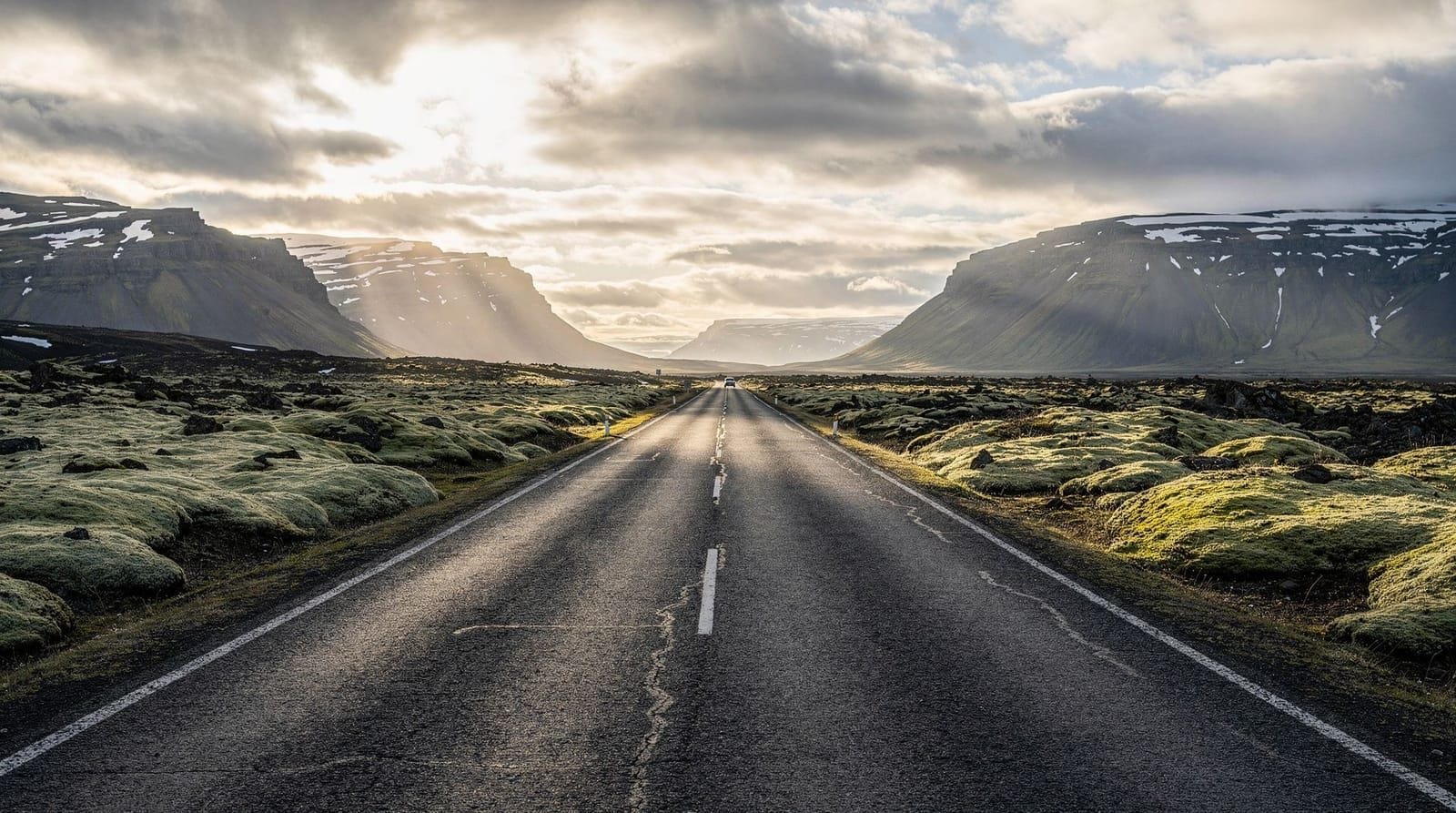
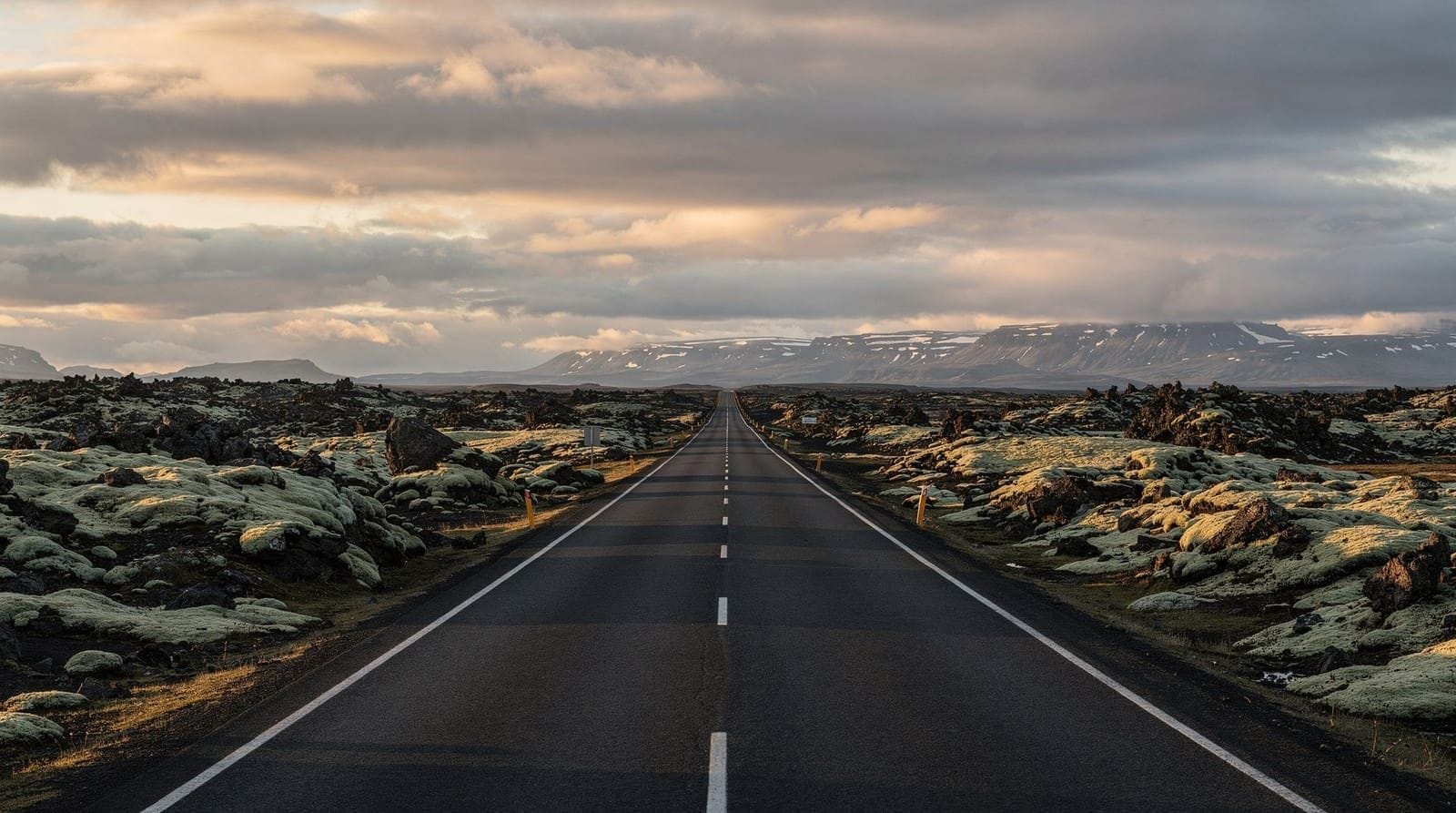
Iceland’s ring road circles an island where temperatures drop, wind is constant, and meal options outside Reykjavík and Akureyri are limited to roadside guesthouses, petrol stations, and the occasional restaurant attached to a farm. In this context, a good bowl of soup becomes a small but genuine event.
Kjötsúpa — Icelandic lamb soup — is the dish I ate most frequently on my October ring road trip. It is cheap by Icelandic standards (1,500-2,200 ISK as a lunch option at guesthouses), warming, filling, and usually made from lamb raised locally. The base is lamb bone stock with root vegetables: turnip, carrot, onion, sometimes potato. A piece of flatbread on the side. Nothing revolutionary. In the right context — cold hands, long drive ahead, rain on the window — it is exactly what you want.
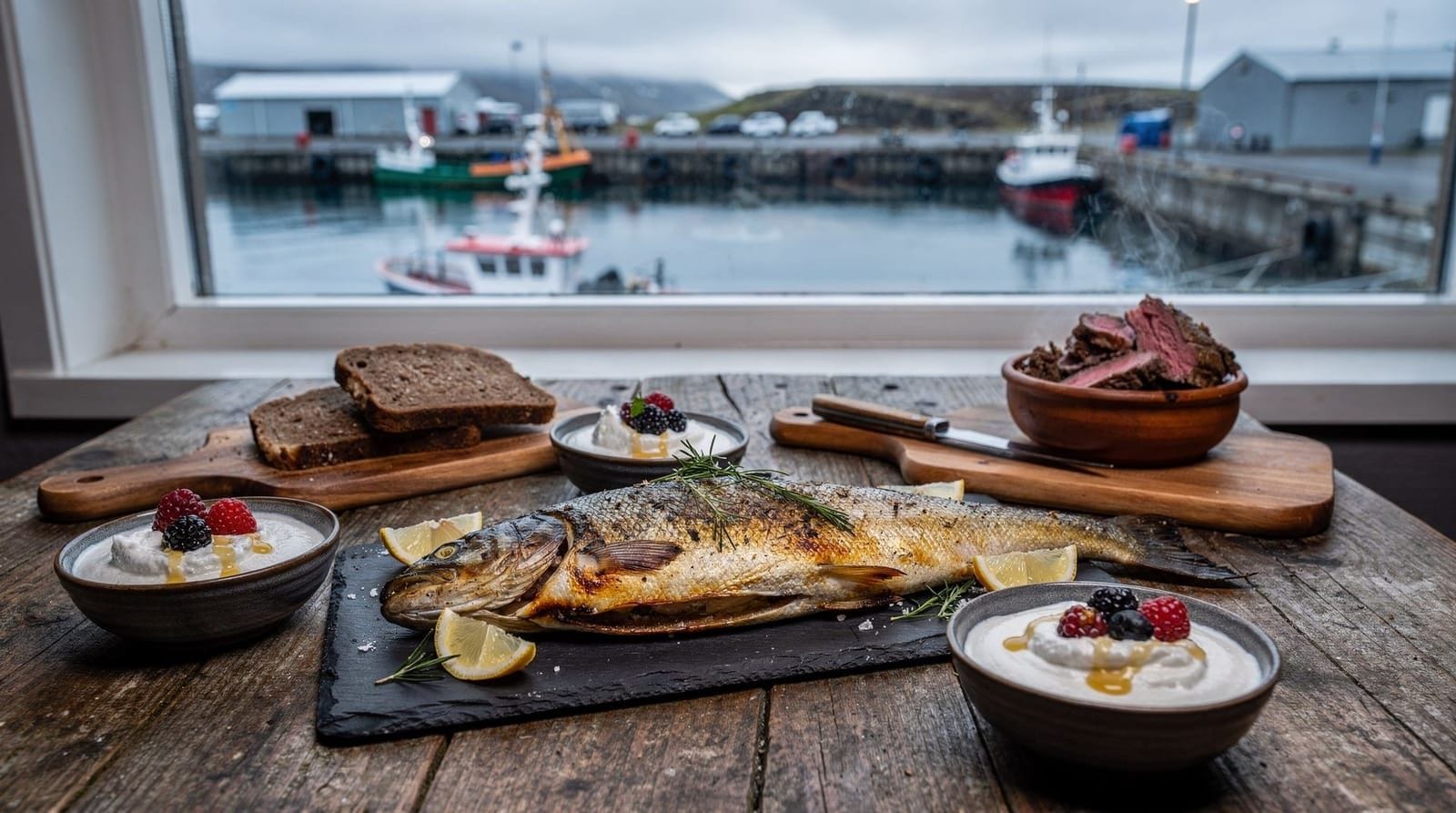
Fish soup (fiskisúpa) appears at harbourside spots and guesthouses near the coast. The good versions are cream-based with local haddock or cod. The bad versions are thin and taste of stock cubes. The quality varies significantly and I have included only the reliable ones below.
Here are the places that stood out.
| Cheapest option | N1 petrol stations, around 800–1,000 ISK |
| Best value sit-down bowl | Guesthouse Núpar, around 1,800 ISK |
| Splurge alternative | Langoustine in Höfn, around 5,500–7,500 ISK |
| Typical price range | 800–2,900 ISK for a bowl of soup with bread |
| Booking | Rarely needed; watch lunch-service cutoff times (often 2 pm) |
N1 petrol stations: the honest baseline
I am going to start with a defence of the N1 petrol station chain. Yes, it is a petrol station. Yes, the soup is served from a large pot behind the counter. Yes, the same soup has been there since morning. For 800-1,000 ISK you get a plastic cup of lamb or fish soup with a bread roll, and it is warming and not bad. I ate N1 soup three times on the ring road and regretted it zero times.
N1 stations are at every significant town and some of the crossroads in between. They are open when nothing else is. On a Sunday in October in the East Fjords, when the guesthouse restaurant has closed early and the alternative is crackers from the car, the N1 is a genuine resource. The Bonus supermarket in each town is cheaper for groceries, but N1 is where you stop at 5 p.m. when everything else is closed and you have 80 kilometres left to drive.
Guesthouse Núpar near Kirkjubæjarklaustur
This guesthouse on the south side of the ring road, about 80 kilometres east of Vík, serves lunch to passing travellers as well as overnight guests. The kjötsúpa here was notably good — clearly made from scratch, with pieces of lamb that had been cooked long enough to be genuinely tender. Cost: 1,800 ISK for a large bowl with bread. The dining room looks out toward the glacial moraines of Vatnajökull National Park in the distance, and in October the light on the moraine walls is extraordinary.
This is a narrow time window: lunch service ends at 2 p.m. Check the guesthouse website or call ahead if your timing is uncertain. Being 20 minutes late for the lunch window is a real risk on the ring road when you are stopping at viewpoints.
Kirkjubæjarklaustur itself (the town, abbreviated to Klaustur by everyone) has a small number of restaurants and guesthouses. The Systrakaffi cafe in the village centre does decent coffee and pastries and is open most of the year.
The cafeteria at Skaftafell visitor centre
The visitor centre at Skaftafell within Vatnajökull National Park has a cafeteria that is better than it looks. The fish soup (plokkfiskur, the chunky mashed fish and potato version) costs around 1,900 ISK and comes with fresh bread. This is a common lunch stop before or after a glacier hike, which means there is often a queue at noon; aim for 11:30 or after 1:30.
If you are doing the Skaftafell glacier hike or any of the walking trails in the national park, this becomes the natural refuelling point for the day. The plokkfiskur at Skaftafell is one of the better versions I have eaten — thicker than the institutional average, with a proper seasoning. The bread roll alongside is bakery-quality.
The visitor centre also has good views toward the glacier tongue from the terrace, which in fine weather makes a genuine outdoor lunch possible.
Hótel Edda in Höfn: langoustine as the alternative
Höfn at the eastern end of the south coast claims the title of langoustine capital of Iceland, and this claim has substance. The langoustines (called hummar locally, though technically they are Nephrops norvegicus rather than true lobster) from the Hornafjörður area are among the best in Iceland. The Pakkhús restaurant and the independent Hummar restaurant in the harbour both serve them simply — grilled, with garlic butter, with bread — for around 5,500-7,500 ISK for a half portion.
This is not soup but it is the one meal on the ring road where I would spend more money without hesitation. Jökulsárlón glacier lagoon is 80 kilometres west; arriving in Höfn for dinner after the lagoon visit makes a logical end to that day. The langoustines in Höfn are one of those food experiences that justify a route choice.
If the budget does not allow the sit-down langoustine dinner, the petrol station near the Höfn town centre sells langoustine soup in cups for around 1,200 ISK — a reasonable compromise.
The N1 in Egilsstaðir (with conditions)
Egilsstaðir in the East Fjords is the largest town in east Iceland and the service hub for the whole region. The N1 here is notably better than average — larger kitchen, fresher product, a proper seating area. The fish soup made with East Fjords fish actually has some specificity to it. But it is still a petrol station, and I list it primarily because in the East Fjords, genuine restaurant options are sparse and the N1 will not disappoint for a quick stop.
Egilsstaðir also has a Netto supermarket (useful for stocking up before the north coast stretch) and the Café Nielsen on the main street, which does a decent home-cooked soup and sandwich lunch in a proper building.
Gamli Baukur in Húsavík
This one is worth a slight detour from the northern ring road. Húsavík is 60 kilometres north of the main highway and the Gamli Baukur restaurant in the harbour serves the best fish chowder I ate in the north. Thick cream base, haddock, mussels, bread that is clearly not from a packet. Around 2,900 ISK. The restaurant is in a wooden building on the harbour with views across Skjálfandi Bay, and on a clear evening in October the light on the water is extraordinary.
The diversion adds about 90 minutes round trip from the ring road. Worth it if you have the time. Húsavík also has the Whale Museum (around 2,000 ISK entry) and is the starting point for the Diamond Circle route, so the detour can serve multiple purposes.
Kaffi Akureyri and the city stop
Akureyri, Iceland’s second city at the head of the Eyjafjörður fjord, is the best place on the ring road for a proper sit-down lunch at a real restaurant. The city has a compact downtown with several good options. Greifinn on Glerárgata has been reliable for a decade — they do lamb soup, fish soup, and the best pizza in north Iceland (a low bar, but they clear it comfortably). Price for a bowl of soup with bread: around 2,200-2,800 ISK.
The Bæjarins Beztu hot dog stand in the city centre (Akureyri has one, just like Reykjavík) is worth knowing about for a quick, cheap stop — 500-700 ISK for a hot dog with the works.
If Akureyri’s own soup spots aren’t enough, a guided food walk with a local guide covers five tastings around the compact downtown, including some of the soup and fish dishes mentioned here, without you having to guess which door to walk through.Before you leave Reykjavík
Before the ring road even starts, Reykjavik has its own worthwhile soup culture, and it’s worth a stop before or after the loop rather than assuming the good bowls only start once you’re out of the city. Various small cafes along Laugavegur and around the harbour do a rotating soup of the day — usually fish or lamb, 1,800–2,600 ISK, and generally more inventive than what you’ll find on the road (the occasional curried fish soup or seasonal vegetable version). A guided food walking tour through the city centre is a reasonable way to sample several soup and small-plate options in one outing rather than picking blind.
A six-stop food walking tour through central Reykjavík covers several kitchens known for their soup and small plates, plus context on Icelandic food history — a good way to calibrate your palate before three weeks of guesthouse kjötsúpa.Comparing the stops by price
| Stop | Typical price | Type |
|---|---|---|
| N1 petrol stations | 800–1,000 ISK | Lamb or fish, self-serve |
| Petrol station, Höfn (langoustine soup) | Around 1,200 ISK | Langoustine, self-serve |
| Guesthouse Núpar | 1,800 ISK | Kjötsúpa, sit-down |
| Skaftafell visitor centre cafeteria | Around 1,900 ISK | Plokkfiskur, self-serve |
| Greifinn, Akureyri | 2,200–2,800 ISK | Lamb or fish, sit-down |
| Gamli Baukur, Húsavík | Around 2,900 ISK | Fish chowder, sit-down |
| Langoustine dinner, Höfn | 5,500–7,500 ISK | Half portion, sit-down |
What to carry in the car
For long stretches between towns — particularly the section from Egilsstaðir east toward Höfn, or the north coast between Akureyri and Húsavík — I carried a flask of coffee, a packet of crispbread, smoked mackerel tins from Bónus (around 400-500 ISK each), and one of the very good skyr-based snack bars from Icelandic supermarkets. This is not as satisfying as a hot meal but it removes the urgency of finding food at specific times, which gives you more flexibility for the driving.
The flask is the most important item. Coffee in Iceland is expensive (600-900 ISK per cup) and the quality at petrol stations is mediocre. Making your own in the morning and carrying it removes both problems. A Bónus ground coffee in a French press or Moka pot at a guesthouse kitchen costs roughly 1,500 ISK for a 500g bag that lasts the whole trip.
The Iceland supermarkets guide covers what to buy and where. Bónus is cheapest; Krónan is a reasonable second; Netto is improving. Kea and 10-11 are more expensive but open later, which matters in the evenings when you arrive somewhere after the Bónus has closed.
The ritual dimension
One thing I noticed on the ring road: the soup stop was not just about nutrition. It was a moment to sit still. The ring road encourages constant motion — there is always a next viewpoint, a next guesthouse, a next section. Stopping for 30 minutes at a farmhouse guesthouse, eating a proper hot bowl of kjötsúpa, and watching the rain on the window is a form of travel hygiene that prevents the blur where all waterfalls become interchangeable.
The ring road guide has a full breakdown of services by section, including fuel gaps and accommodation options. The cheap eats guide covers budget feeding options in more detail, including the prepared meal sections at Bónus supermarkets, which are often good value for an evening meal when restaurants are closed.