How we budgeted Iceland — real numbers from a two-week trip
Our numbers, not the optimistic version
There are dozens of Iceland budget posts online that quote suspiciously tidy figures. We spent 14 days in Iceland in late October — two adults, ring road clockwise, a mid-size 4x4, a mix of guesthouses and one hostel. What follows is an honest accounting, not an aspirational one.
All figures in EUR (the ISK-to-EUR rate at the time of our trip was roughly 150 ISK per euro).
Total spend for two people: approximately 4,400 EUR over 14 days — 157 EUR per person per day.
This is not backpacker territory. It is also not luxury. Here is the breakdown.
| Trip length | 14 days, ring road clockwise, October |
| Total spend (2 people) | Around €4,400 |
| Per person per day | Around €157 |
| Biggest cost | Car rental (€1,180 for 14 days) |
| Booking | Car rental and Blue Lagoon booked 6–8 weeks ahead |
Flights
We flew from London Stansted to Keflavík with easyJet for 180 EUR return per person (360 EUR total), booked about six weeks in advance. Prices vary enormously; budget 200-600 EUR per person from western Europe depending on timing and booking lead time. From North America, expect 500-900 USD per person in shoulder season.
Book early — Iceland flight prices surge once the seat count drops. October is shoulder season but Reykjavík is popular enough that late bookings are expensive. The cheapest time to fly is early November and early January, when prices can drop to 100 EUR or less from nearby European cities.
The getting from Keflavík airport guide covers transport options once you land; we pre-booked a car pickup at the airport rather than taking the Flybus, which saved about 45 minutes of luggage handling.
Car rental: the big variable
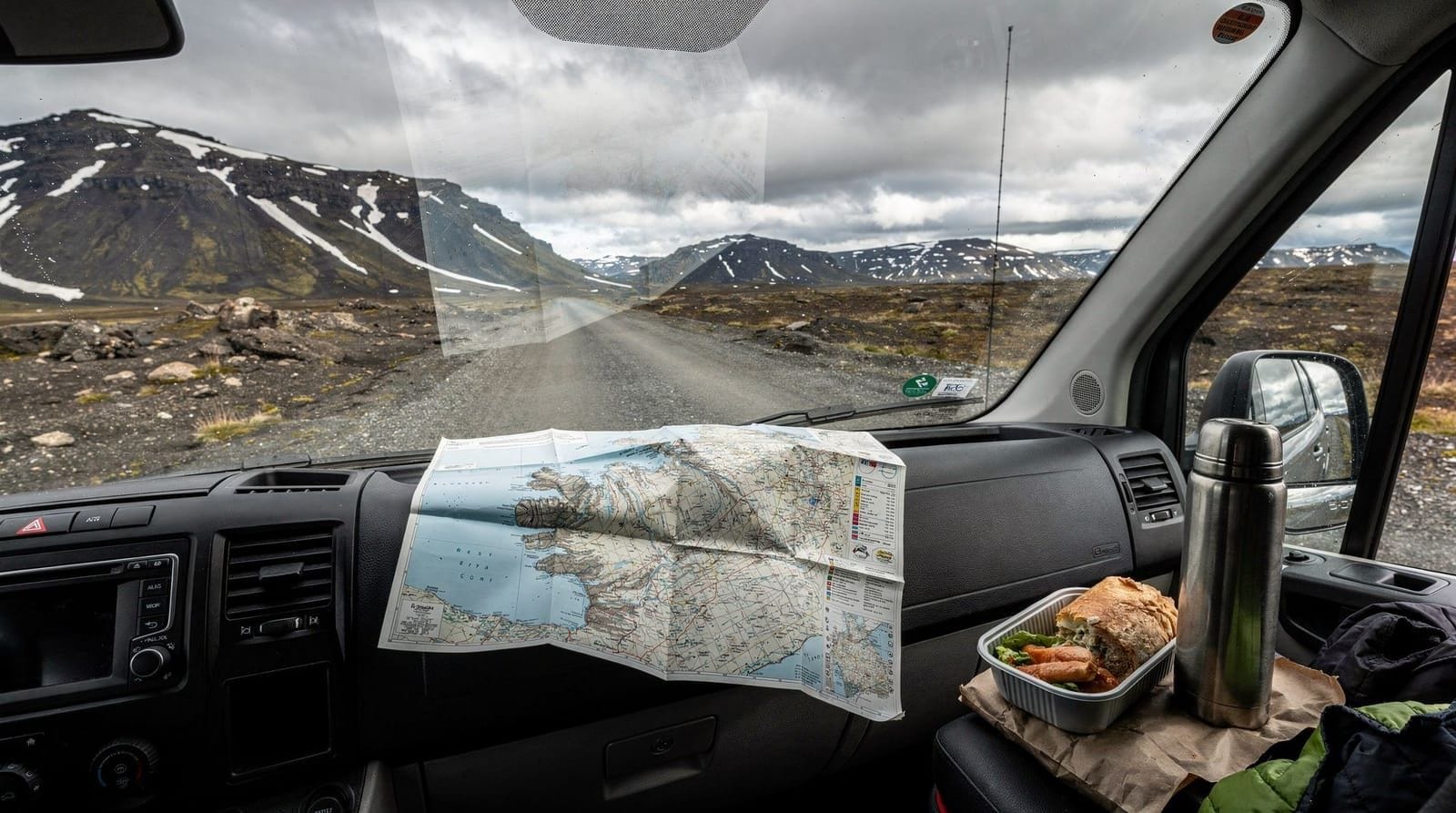
Car rental dominated our accommodation budget. We rented a Suzuki Vitara with a 4x4 drivetrain and full gravel protection from SADcars — a Reykjavík-based company that is cheaper than the international brands. Total with all insurance: 1,180 EUR for 14 days, or 84 EUR per day. This included:
- Basic CDW (collision damage waiver)
- Gravel protection (essential on the ring road; unprotected, any windscreen or paint chip is your liability)
- Sand and ash protection (less obviously necessary in October, but a single dust storm can cost you thousands)
- Unlimited kilometres
We explicitly declined the personal accident insurance (already covered by travel insurance) and the super CDW upgrade, which would have added another 20 EUR per day. The SADcars total was about 30% cheaper than Hertz for the same vehicle class.
One note on the car rental insurance maze in Iceland: the options are genuinely confusing. If you rent without gravel protection and drive any significant gravel road — which the ring road itself includes in places — you are exposed. Read the policy and verify what your credit card actually covers before arriving. Several friends have arrived in Iceland expecting credit card coverage to work as car rental insurance and discovered it does not cover the specific exclusions Icelandic companies build in.
Fuel cost us approximately 480 EUR over the 14 days (roughly 3,100 km total, at a fuel cost of around 230 ISK per litre at the time). The fuel and gas stations guide is worth reading before you head east — there are stretches between stations that are longer than they look on a Google Maps screenshot. We kept the tank above half as a rule after the first day, which is the right approach.
Accommodation
We averaged 85 EUR per night per room across 13 nights. Range: 55 EUR (hostel private room in Akureyri) to 130 EUR (guesthouse with private bathroom near Jökulsárlón). Total: approximately 1,100 EUR.
October is shoulder season and prices are lower than July-August by 20-40%. Many guesthouses are also smaller and quieter, with more interaction with the owners, which we preferred. The one hostel night in Akureyri was perfectly functional; the shared bathroom was clean, the kitchen was good for making lunch supplies, and the dorm-bunk neighbours were a group of Belgian bird photographers who spent 40 minutes explaining the difference between Glaucous and Iceland gulls. We learned more than expected.
Most guesthouses in Iceland include a basic breakfast; this saves meaningfully. A hotel breakfast in Reykjavík costs 2,000-3,000 ISK if purchased separately, so the included version at a guesthouse is real value. We booked everything in advance — in October you can sometimes find same-day accommodation on the ring road, but not reliably, and the stress of uncertainty late in the afternoon is not worth the marginal savings.
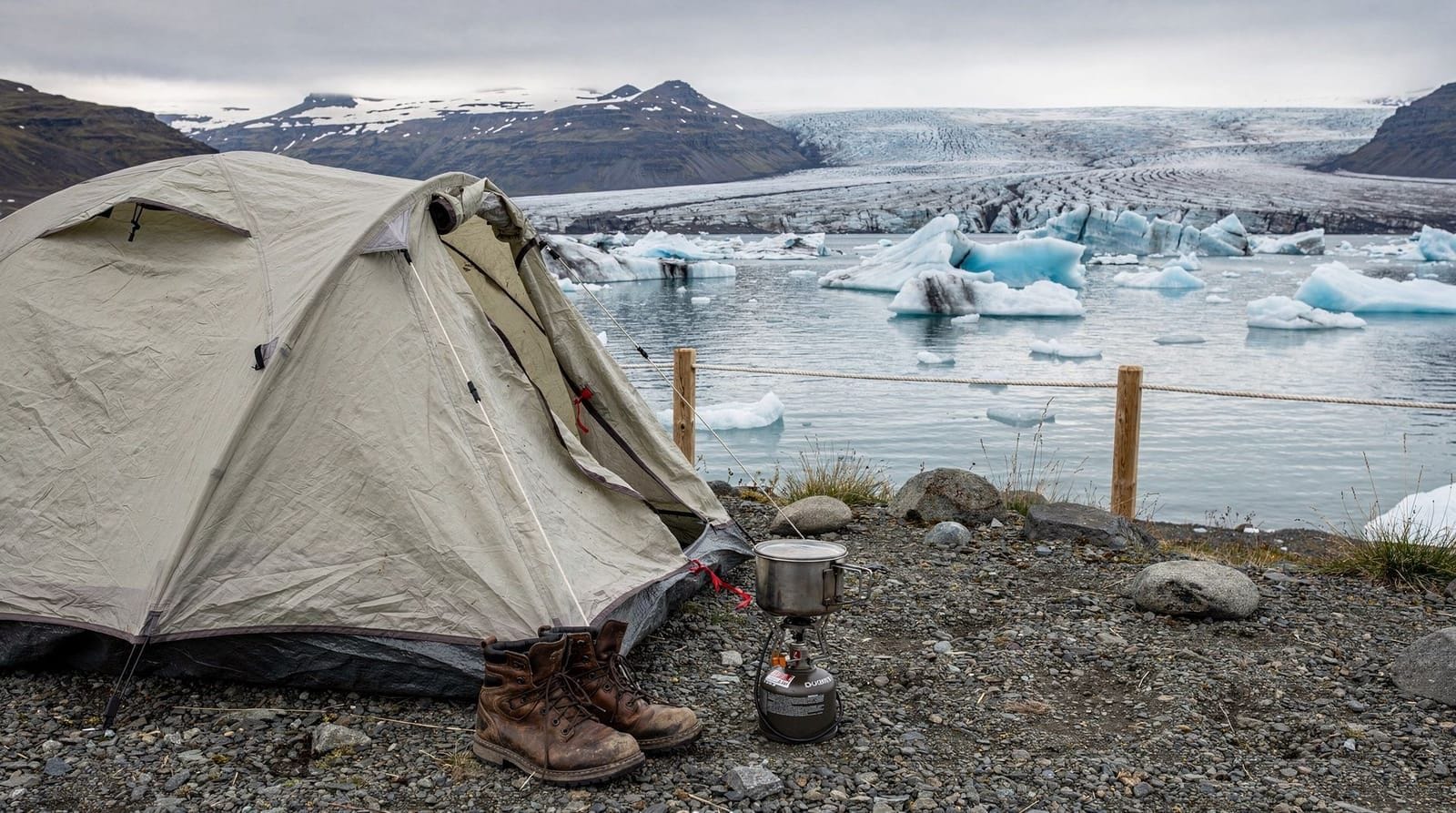
Budget accommodation options are covered in the budget accommodation guide. The guesthouses at Hali farm in the south, near Höfn, and at Húsabakki near Mývatn were both good value and memorable.
Food
This is where Iceland hits hard if you eat every meal in restaurants. We did not.
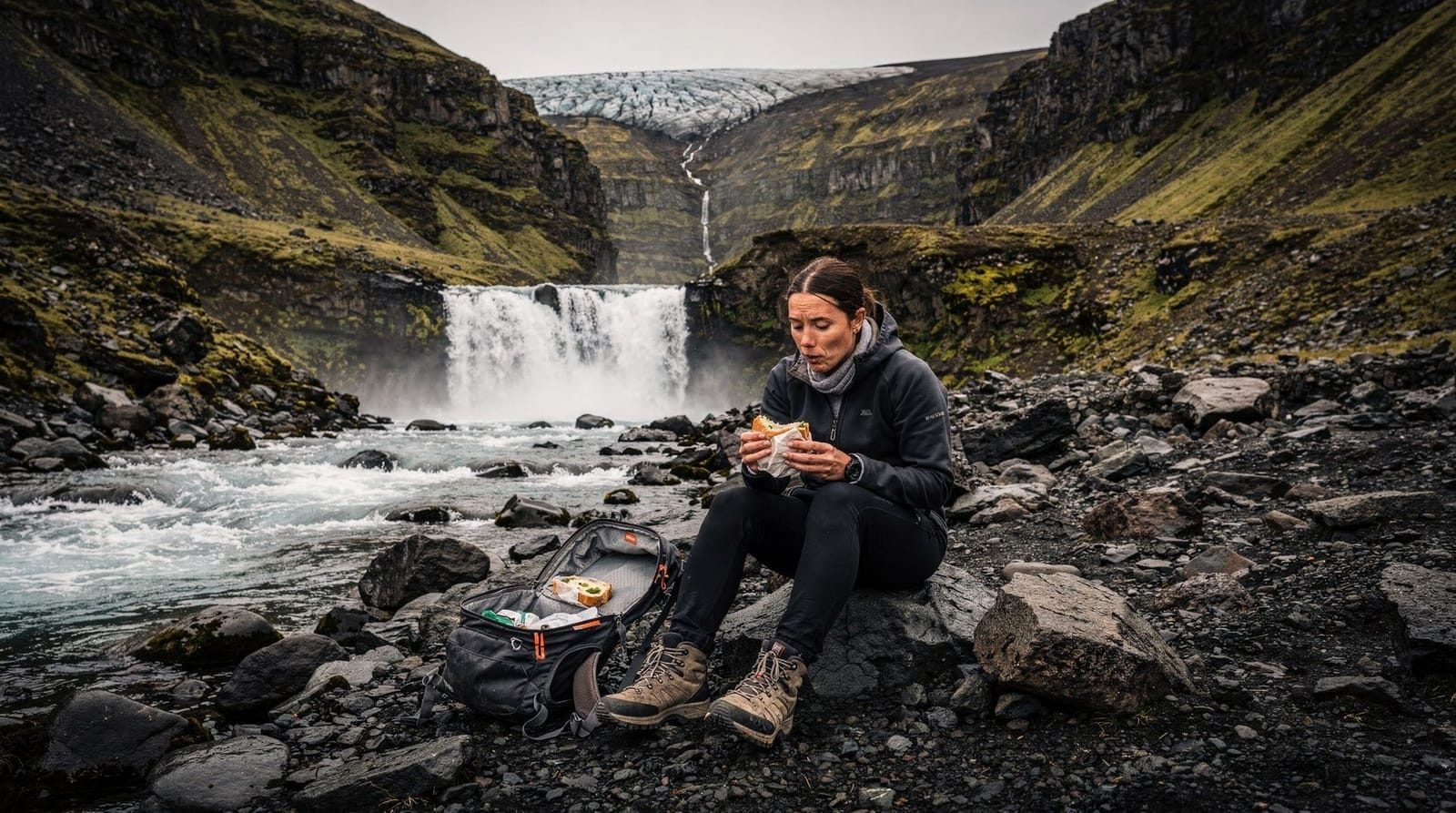
We bought supermarket supplies at Bónus (the cheapest chain, recognisable by the pink pig logo) for lunches and occasional dinners. Bónus is not in every town; the major stops are Reykjavík, Akureyri, and Egilsstaðir. We stocked up at each one. Staples: skyr, bread, eggs, canned fish (smoked mackerel tins run about 400 ISK), fruit, coffee supplies for the flask. Supermarket spending for two over 14 days: approximately 320 EUR.
Restaurant meals: we ate dinner out on about half our nights, spending an average of 7,500-9,000 ISK for two people including one beer each — roughly 50-60 EUR. A main course at a mid-range restaurant is typically 3,500-5,000 ISK; a glass of house wine is 1,500-2,000 ISK. Total restaurant spending: approximately 420 EUR.
The highlights: langoustine dinner in Höfn (expensive but correct), fish soup at Gamli Baukur in Húsavík, and a lamb stew at a guesthouse near Höfn that I still think about. The cheap eats guide is more detailed on specific options by region. The Bónus hot pot (a prepared meal section with soups and stews) is genuinely good value for a quick dinner on nights when the guesthouse does not offer food.
Activities and entry fees
This is the most variable category, and the one where we made deliberate choices. Iceland has a significant quantity of spectacular scenery that is free: the ring road itself, all the viewpoints, all the hiking, the black sand beaches. You do not have to pay to see Skógafoss, Reynisfjara, Dettifoss, Godafoss, or Jökulsárlón.
What we paid for:
- Blue Lagoon entry (Comfort tier, booked ahead): 110 EUR for two
- Glacier hiking at Skaftafell (3-hour guided hike): 130 EUR for two
- Whale watching in Húsavík: 80 EUR for two (booked direct, shoulder season discount)
- Vatnajökull National Park visitor centre: included in national park entry (free)
- Ísafjörður food tour: 70 EUR for two
Total activities: approximately 390 EUR.
Booking Blue Lagoon admission with transfers included removes the car-logistics question entirely if you’re not renting a vehicle for your full stay, and locks in a time slot months ahead rather than hoping something opens up closer to your dates.What we decided against: the ice cave tours at Jökulsárlón (180 EUR for two), the helicopter volcano tour (600+ EUR each), the Silfra snorkelling (100 EUR per person). These are on a future list. For the activities we did spend on, the glacier hike was the best value — the guided hike at Skaftafell covered equipment, guide, and access to terrain that you simply cannot walk safely without crampons and instruction.
What surprised us about the budget
Two things we did not anticipate adequately. First, the coffee. Coffee in Iceland is around 600-900 ISK per cup at cafes, and we bought two cups each most mornings rather than making it at the guesthouse. Over 14 days that is a non-trivial amount. Solution: we bought a small Aeropress and ground coffee from a Bónus in Reykjavík, and used the guesthouse kitchens. This saved roughly 50-70 EUR over the trip.
Second, the parking fees. Many popular attractions now charge for parking: Geysir, Gullfoss, Skógar. Not always, and not huge amounts (300-500 ISK typically), but it adds up across 14 days of stopping constantly. Budget 30-40 EUR for parking across a two-week ring road trip.
Putting it together
| Category | EUR (2 people, 14 days) |
|---|---|
| Flights | 360 |
| Car rental | 1,180 |
| Fuel | 480 |
| Accommodation | 1,100 |
| Food (supermarket + restaurants) | 740 |
| Activities | 390 |
| Misc (parking, SIM cards, toiletries) | 150 |
| Total | 4,400 |
Per person per day this works out to 157 EUR. To do it cheaper: take a smaller car (a 2WD hatchback is adequate if you stay on Route 1 and avoid F-roads), camp (sites cost 1,500-2,500 ISK per person per night), eat almost entirely from supermarkets, and skip the paid lagoons in favour of the municipal pools and wild hot springs along the route. Budget 80-100 EUR per person per day for that version.
To do it more expensively: add a glacier ice cave tour, upgrade accommodation to hotel standard, add a day trip or two from Reykjavík at the beginning, drink in bars. 200-250 EUR per person per day is a realistic luxury-adjacent budget.
How the same trip would cost in other seasons
Our figures are specifically an October (shoulder season) trip. Here’s roughly how the same two-week ring road itinerary shifts by season, based on comparing notes with other travellers and current published rates.
| Season | Accommodation | Car rental | Overall daily cost (per person) |
|---|---|---|---|
| July–August (peak) | 20–40% higher than October | Similar, but book much earlier | Around 190–230 EUR |
| October (our trip) | Baseline | Baseline (84 EUR/day) | Around 157 EUR |
| November–February | 10–20% lower, but some rural guesthouses close | Similar, winter tyres included | Around 130–160 EUR, plus possible weather delays |
| May–June (shoulder) | Slightly above October | Similar to October | Around 150–180 EUR |
Winter looks cheaper on paper, but factor in the real possibility of a weather-related delay day (an extra guesthouse night, a missed activity) that summer and shoulder-season trips are less likely to hit.
Planning ahead: what to book in advance
Car rental should be booked at least 6-8 weeks in advance for October; earlier for July-August. Accommodation along the ring road can be found last-minute in shoulder season but we recommend booking 2-3 weeks ahead to avoid the stress. The Blue Lagoon requires advance booking regardless of season; slots disappear. Glacier hikes book out in July but are usually available with 1-2 weeks notice in October.
The SIM card situation: we bought a Síminn tourist SIM at the airport for around 3,000 ISK, which gave us 30 days of data. Coverage on the ring road is good at all the major stops. The highlands and remote Westfjords have limited signal. Download offline maps before leaving each major town.
The complete Iceland travel guide covers planning across all budget levels, and the Iceland currency and money guide explains payment options (cards are accepted almost everywhere; you rarely need cash for anything larger than 1,000 ISK).