10 mistakes we made on our first trip to Iceland
They all sound obvious in hindsight
Iceland is one of those places where the gap between what you expect and what you find can be significant — not because it disappoints, but because it surprises you in ways nobody thinks to warn about. Most of these mistakes came from our group of four on a ten-day self-drive in September 2020. A couple came from conversations with other travellers we met at campsites and guesthouses along the way.
None of them are catastrophic. Some cost us money, some cost us time, some just cost us the experience we would have had if we’d known better.
| Trip type | 10-day self-drive, group of four, September |
| Biggest costly mistake | Skipping gravel/windscreen insurance (ISK 65,000 bill) |
| Biggest time mistake | No buffer time between stops |
| Easiest fix | Book Blue Lagoon the day you book flights |
| Read before you go | Iceland travel guide, driving in Iceland guide |
Mistake 1: underestimating driving distances
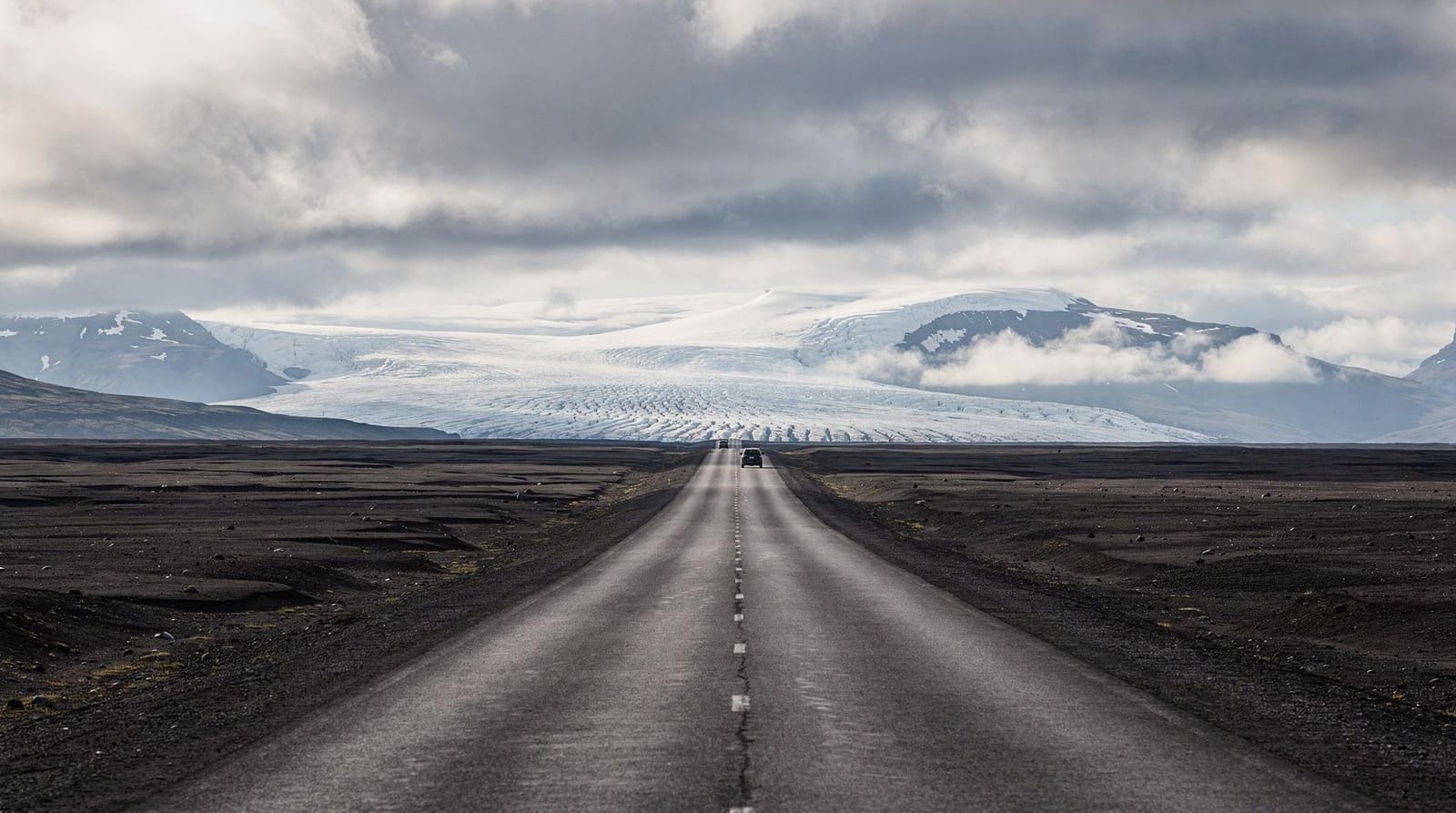
Route 1, the ring road, is approximately 1,332 kilometres. Driving that in 7 days sounds manageable. It is not, if you’re stopping at anything. The distances between key sights look short on a map but the roads are often single-lane, frequently crossed by sheep, and occasionally interrupted by one-lane bridges where you yield to oncoming traffic.
We planned to drive from Akureyri to Húsavík and back, then continue east to Mývatn — all in one day. That’s roughly 250 kilometres with a whale watching trip in the middle. It worked, but only because we skipped Ásbyrgi canyon, which we’d wanted to see. Allow 50–60 km/h average speeds on the ring road. Allow more on coastal sections.
Mistake 2: not booking the Blue Lagoon in advance
The Blue Lagoon requires advance booking. Not “recommended” advance booking — required. It sells out days and sometimes weeks ahead in summer. We tried to book four days before our arrival date and found nothing available for our preferred dates. We ended up at the Secret Lagoon in Flúðir instead, which was excellent and significantly cheaper, but we hadn’t chosen it — we’d defaulted to it.
If the Blue Lagoon is on your list, book it the moment you know your travel dates. Conversely, if you’re reading this after arriving without a booking, the Secret Lagoon takes walk-ins.
Mistake 3: skipping gravel insurance on the rental
Iceland’s roads include significant stretches of gravel, particularly around the south and east coasts and near any F-road junction. Flying gravel chips windscreens. This is not hypothetical — it happened to the couple we met at Jökulsárlón who had declined the gravel/windscreen protection on their rental. Their bill was ISK 65,000 (around €410).
Gravel protection on most Icelandic rental cars costs ISK 1,000–2,000 per day, which is €6–13. Add it. Do not drive without it.
Mistake 4: packing for one type of weather
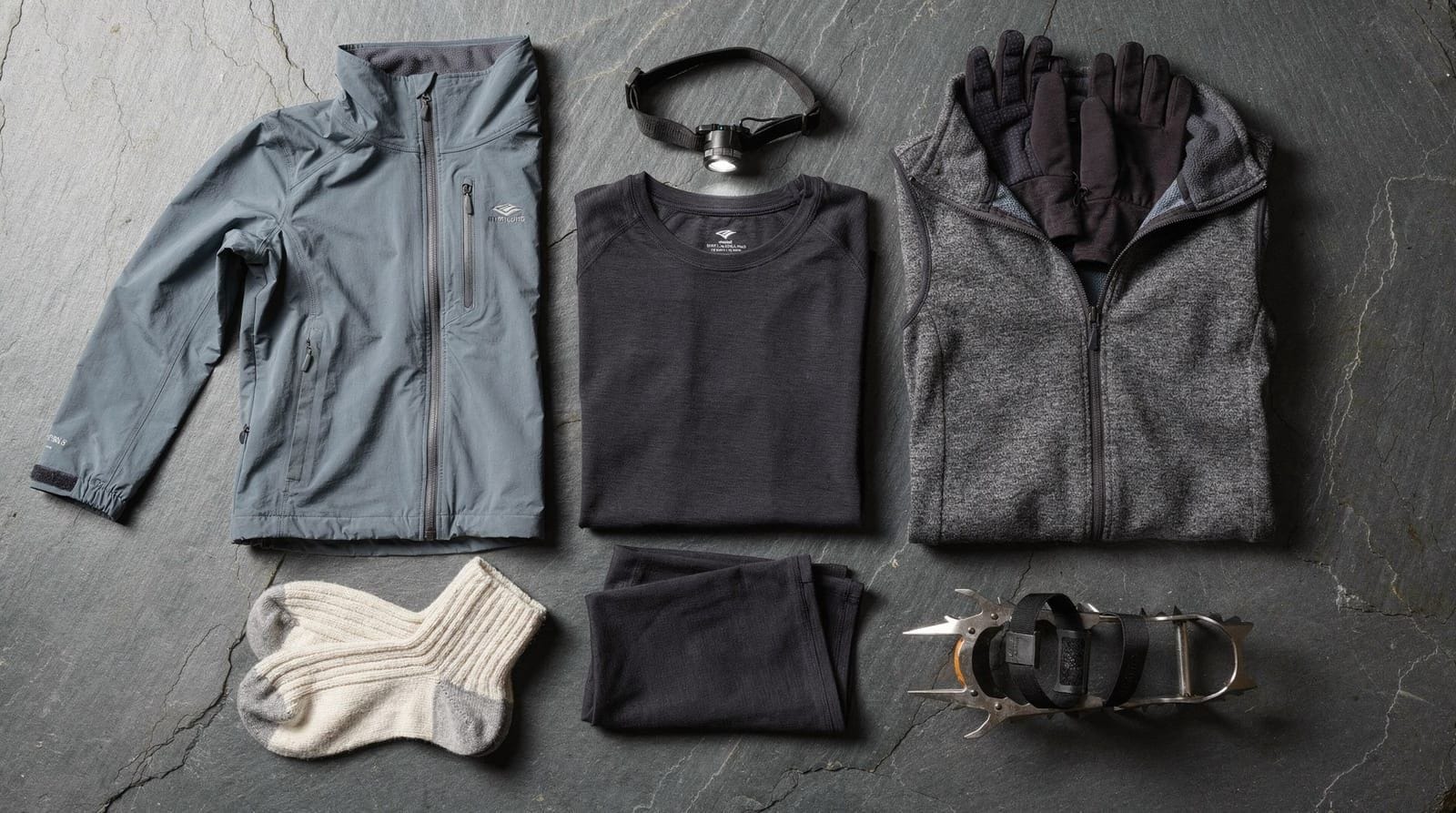
We went in September. September in Iceland has days of crisp sunshine and days of sideways rain. Sometimes both on the same day. We had packed for cool temperatures and wore the same hiking trousers and fleeces continuously, which was fine, but two people in our group hadn’t brought proper waterproof trousers and spent several days cold and wet at Skógafoss and Jökulsárlón.
The Iceland packing guide covers this in detail. Short version: waterproof jacket, waterproof trousers, thermal base layer, mid-layer, hat and gloves even in summer. The weather changes faster than any forecast can track.
Mistake 5: eating breakfast at the hotel every day
We paid for breakfast included at two guesthouses. At both, the breakfast was bread, cold cuts, skyr, and coffee — fine, but essentially the same as what you’d buy at Bónus supermarket for a fraction of the price. The guesthouses were charging ISK 2,500–3,000 per person for this. A week of Bónus breakfasts (oats, eggs, bread, skyr, coffee) costs about ISK 3,000 total for one person.
Most guesthouses in Iceland have shared kitchens or at least a kettle and microwave. Bring your own oats and skyr and save the breakfast fee for a good lunch somewhere meaningful.
Mistake 6: ignoring the F-road regulations
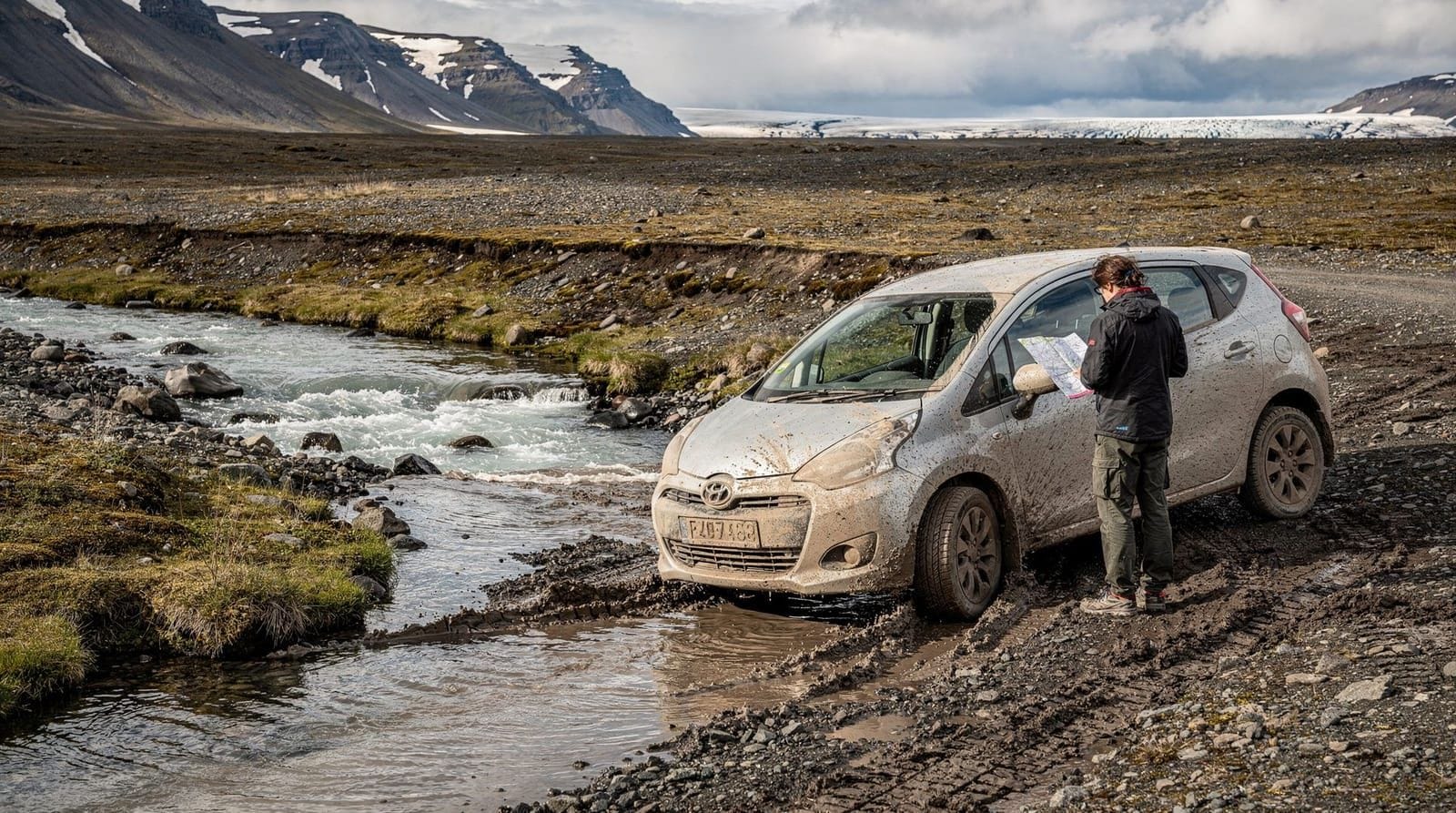
We drove our rented Kia Sportage onto an F-road junction — just the beginning of it, curious to see what it looked like. It looked like a rough gravel track with a stream crossing about 200 metres in. We turned around, which was the correct decision, but our rental agreement explicitly prohibited F-roads for any vehicle not classified as a purpose-built 4x4 with appropriate ground clearance.
If your car’s rental agreement says no F-roads (check: most budget 4x4 rentals say this), that means no F-roads, even briefly, even if you “just want to see what it’s like.” The F-roads guide explains which roads require what vehicle class.
Mistake 7: assuming the weather app was accurate more than 6 hours out
Iceland’s weather forecasts are reliable at about 6 hours, patchy at 12 hours, and essentially educated guessing at 48 hours. We planned one day around a 48-hour forecast that said clear skies over the north coast. The actual day was overcast with low fog. We drove to Goðafoss waterfall in cloud and saw it through mist, which was atmospheric but not the condition we’d planned for photography.
Check the Veður app (Icelandic Met Office, en.vedur.is) the morning of any planned activity, not the night before. Be willing to shuffle your route based on where the weather is clearing.
Mistake 8: not allowing buffer time for unexpected stops
We had a schedule that assumed we’d move from A to B to C with purpose. What actually happened was that we’d be driving on Route 1 and see a pull-off with an interesting mountain or waterfall not on the map, stop for 45 minutes, and arrive at the next destination an hour behind. This is, in retrospect, fine and part of the pleasure of road tripping. But we had three booking deadlines (ferries, a guided hike, one restaurant reservation) that we nearly missed.
Build 90 minutes of buffer into every day’s driving schedule. Iceland rewards spontaneous stops.
Mistake 9: not checking restaurant hours
Restaurants in rural Iceland have irregular hours. Several places we’d looked up online were closed when we arrived — either for the season (September-October is when many smaller operations close), or simply because they were closed Mondays, which we hadn’t checked. In Höfn, we arrived at Pakkhús at 8:45 pm on a Tuesday. They close at 9 pm and were starting to break down the kitchen. They served us anyway, but it was tight.
Always call or check current hours. TripAdvisor listings for Icelandic restaurants are often outdated. The restaurant’s own Facebook page is more reliable.
Mistake 10: trying to see the northern lights from the city
On our second-to-last night, a KP4 aurora forecast appeared. We were in Reykjavik. We went to the harbour and looked north. The sky had a faint greenish tinge. It was vaguely nice. People around us were very excited about it. We were underwhelmed.
The following day we met a couple who had driven 40 minutes out to a dark field near Þingvellir on the same night. They had seen full curtains of green light. Same aurora, completely different experience — because they’d removed the light pollution.
If you’re in Reykjavik and the forecast is good, drive. Even 30 minutes on Route 36 toward Þingvellir makes a significant difference to what you can see.
If you’d rather not drive yourself at night, organised northern lights tours depart from Reykjavik and include a “lifetime guarantee” — free return trips if the conditions don’t deliver. Worth it if driving in the dark on unfamiliar roads sounds stressful.The honest summary
Looking back, the pattern across almost all ten mistakes is the same: we underestimated how much Iceland punishes a lack of planning and rewards even modest preparation. None of these mistakes were about a lack of money or a lack of enthusiasm — they were about not reading the right guide before we left, or assuming our home-country instincts about driving, weather, and restaurant hours would transfer. They mostly don’t. A weather app that’s reliable in London is guesswork past six hours in Iceland. A rental car habit of skipping the extra insurance that’s usually a waste of money becomes a real financial risk on gravel. The fix for almost everything on this list is the same: read a dedicated guide for the specific thing (driving, packing, the Blue Lagoon, restaurant hours) rather than assuming general travel experience covers it.
A quick-reference table of the ten mistakes
If you’re skimming rather than reading the full breakdown, here’s the condensed version — what went wrong, what it cost us, and the fix.
| Mistake | What it cost us | The fix |
|---|---|---|
| Underestimating distances | A missed canyon detour | Plan 50–60 km/h average, not map-distance speed |
| Not booking Blue Lagoon early | Defaulted to Secret Lagoon | Book the day you confirm travel dates |
| Skipping gravel insurance | Nothing (we added it after hearing the ISK 65,000 story) | Always add gravel/windscreen protection |
| Packing for one weather type | Two cold, wet days at Skógafoss | Waterproofs + layers, even in “summer” |
| Hotel breakfast every day | Overpaying for bread and skyr | Buy Bónus breakfast supplies instead |
| Ignoring F-road rules | A stressful reversal at a river crossing | Check your rental contract’s F-road clause |
| Trusting the 48-hour forecast | A foggy, wasted photography stop | Check the Veður app the morning of, not the night before |
| No buffer time | Nearly missed a ferry and a hike booking | Build in 90 minutes per day for spontaneous stops |
| Not checking restaurant hours | A rushed dinner in Höfn | Call ahead; don’t trust old TripAdvisor listings |
| Aurora-hunting from the city | An underwhelming faint tinge of green | Drive 30+ minutes from Reykjavik’s light pollution |
Bonus: three things that aren’t mistakes but that caught us off guard
Fuel station spacing: Outside of the main ring road, petrol stations can be 150+ km apart. We ran low twice. Never critically, but enough to add low-grade stress. The Visit Iceland fuel station map (searchable online) is worth consulting for any day involving F-roads or remote routes. Fill at every opportunity when you’re more than 100 km from a town.
Icelandic sheep: Sheep roam freely in Iceland and have right-of-way on all roads. In September, when sheep are being rounded up from mountain pastures, they’re more actively moving between fields and roads. We counted hitting the brakes unexpectedly for sheep 23 times across ten days. At 70–80 km/h on a straight road, a sheep appearing over a ridge has no time to assess. Drive at 70 where the limit is 90 on stretches where sheep are visible in adjacent fields.
The one-lane bridge rule: Route 1 has many single-lane bridges. The rule: the vehicle closer to the bridge has right of way. In practice, Icelandic drivers also give way to larger vehicles (campervans, trucks) regardless of position. Locals are experienced at this; tourists sometimes approach at speed expecting a two-lane bridge. The correct behaviour is to slow on approach and look for oncoming traffic through the bridge.
The mistake we didn’t make but almost did
There’s a temptation, arriving at Keflavík airport with the Blue Lagoon 20 minutes from the terminal, to go straight from the airport to the Blue Lagoon before even checking in to your accommodation. We considered this. We didn’t do it because the Blue Lagoon was already fully booked for our arrival day.
If you’re considering it: the Blue Lagoon on arrival day means you’re doing it with jet lag, all your luggage in a locker, no access to your own bathroom for the post-swim shower, and the experience is rushed because you need to get to Reykjavik. On departure day, the airport proximity makes more sense. Or, better: skip the first/last day entirely and go mid-trip when you’re settled, rested, and have already adjusted to Iceland’s pace.
None of these mistakes ruined the trip. Iceland is resilient to error — the landscape is so remarkable that even a foggy day at a waterfall is still a good day. But each of these cost us something: money, time, an experience we’d wanted. Most could be avoided with 20 minutes of reading before arriving.
The Iceland travel guide is the best single resource for practical planning. The ring road guide covers day-by-day logistics. If you’re driving, the driving in Iceland guide is essential reading — it covers road conditions, one-lane bridges, river crossings, and sheep.
Go. Make your own mistakes. They’ll probably be different from ours.