The perfect Golden Circle day: self-drive vs tour, what order, what to skip
| Where | Loop from Reykjavik, ~300km round trip |
| Time needed | 7–8 hours including stops |
| Cost | Car rental ISK 8,000–14,000/day, or tours from ~ISK 8,500 |
| Sites’ entry | Free except Kerið (ISK 700) |
| Best departure | 7:30am, self-drive |
What the Golden Circle actually is
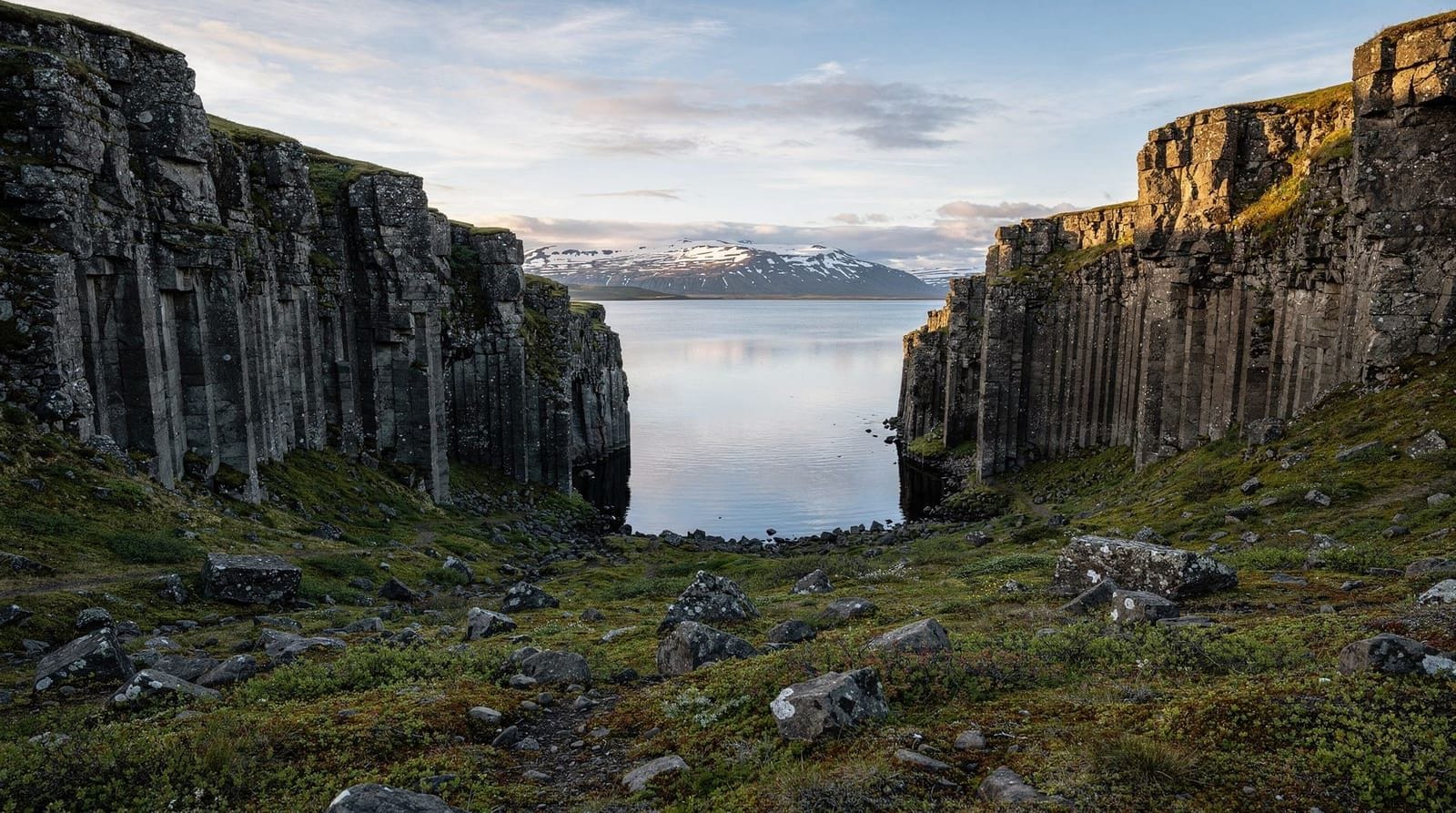
The Golden Circle is a roughly 300-kilometre loop from Reykjavik that takes in three of Iceland’s most significant natural attractions: Þingvellir National Park (the geological rift where the North American and Eurasian tectonic plates separate, and the site of Iceland’s original parliament), Geysir/Strokkur (the original geysir, now mostly dormant, and Strokkur which erupts every 6–10 minutes), and Gullfoss waterfall (a two-tier falls on the Hvítá river, one of Iceland’s largest).
I’ve done the Golden Circle three times: once as a day tour from Reykjavik on my first trip, once self-driving on a second visit, and once incorporating it into a longer south coast road trip. The itinerary is simple but the order and timing make a significant difference to the experience.
The fundamental question: tour or self-drive?
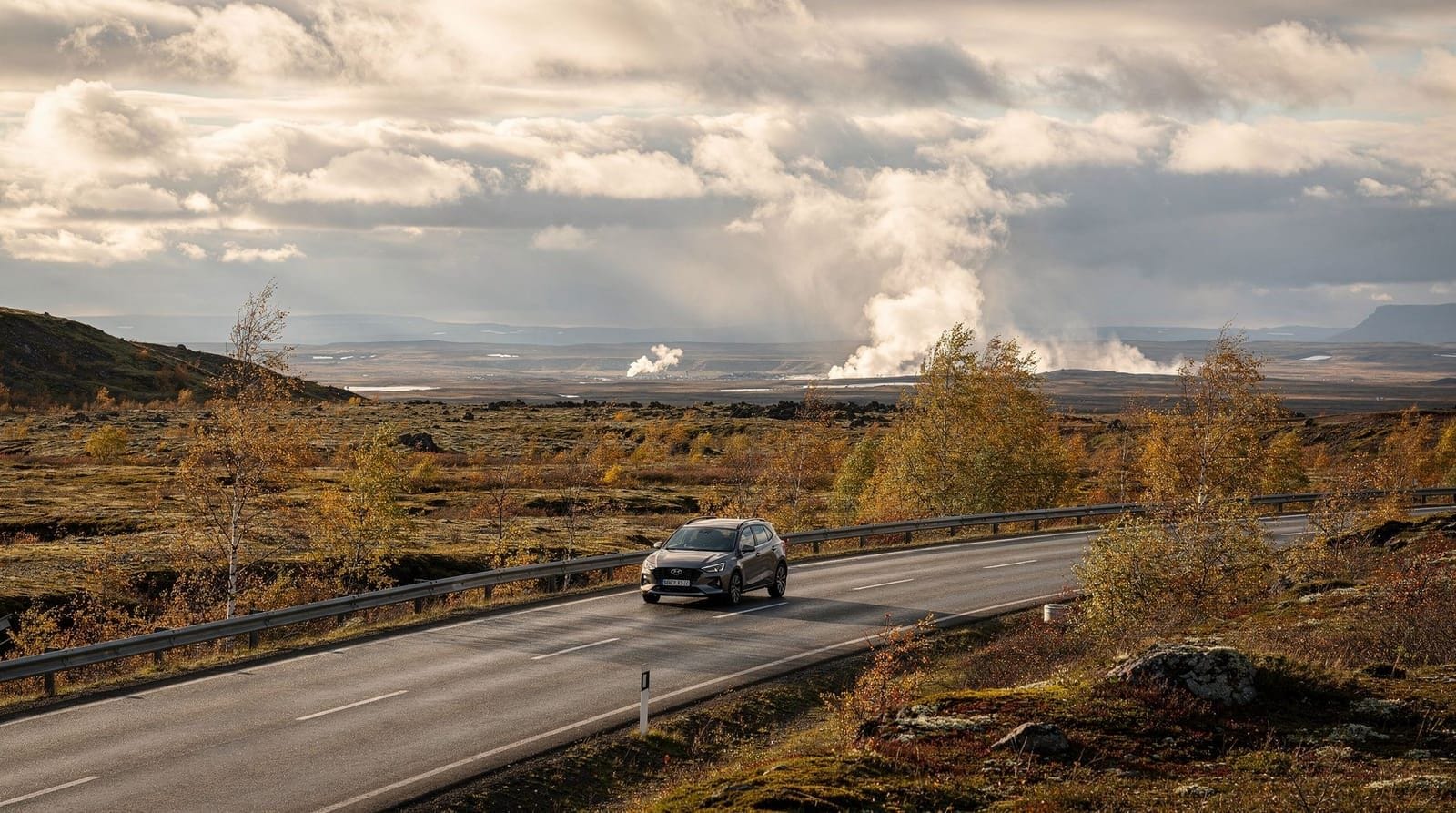
If you have a car: Self-drive, always. A rental car gives you control over when you arrive at each site (early mornings are significantly better), how long you spend (you can linger at Þingvellir for two hours instead of 45 minutes), and what add-ons you include (Kerið crater, the Secret Lagoon, the Kerid Crater).
If you don’t have a car: The organised day tours are a legitimate option. You’ll be on a bus with 20–50 other people, you’ll arrive at each site when the tour arrives (usually mid-morning, meaning Strokkur will have a crowd), and you’ll have limited time at each stop. But you’ll see all three main sites in a day without driving, and the guides are usually knowledgeable.
The cost difference is significant. Car rental for a day costs ISK 8,000–14,000 (€50–88). Day tours start at around ISK 8,500–10,000 (€53–63) per person. If you’re two people with a car, self-driving is often cheaper. If you’re one person without an existing rental, the calculus is closer.
For those without a car, a full-day guided Golden Circle tour from Reykjavik covers all three main sites with hotel pickup included. Worth the premium over budget bus tours if you want a smaller group and a guide who can explain the geological context at Þingvellir properly.The optimal order and timing (self-drive)
Leave Reykjavik by 7:30 am. This sounds early but it’s the most important variable.
First stop: Þingvellir (45 min drive from Reykjavik). Arrive at 8:15–8:30 am. The park opens at 9 am for the visitor centre, but the trails and rift valley are accessible from the car parks at any hour. In July, you’ll have the Almannagjá rift gorge essentially to yourself at 8:30 am. By 10:30 am, when the tour buses start arriving, it becomes significantly more crowded.
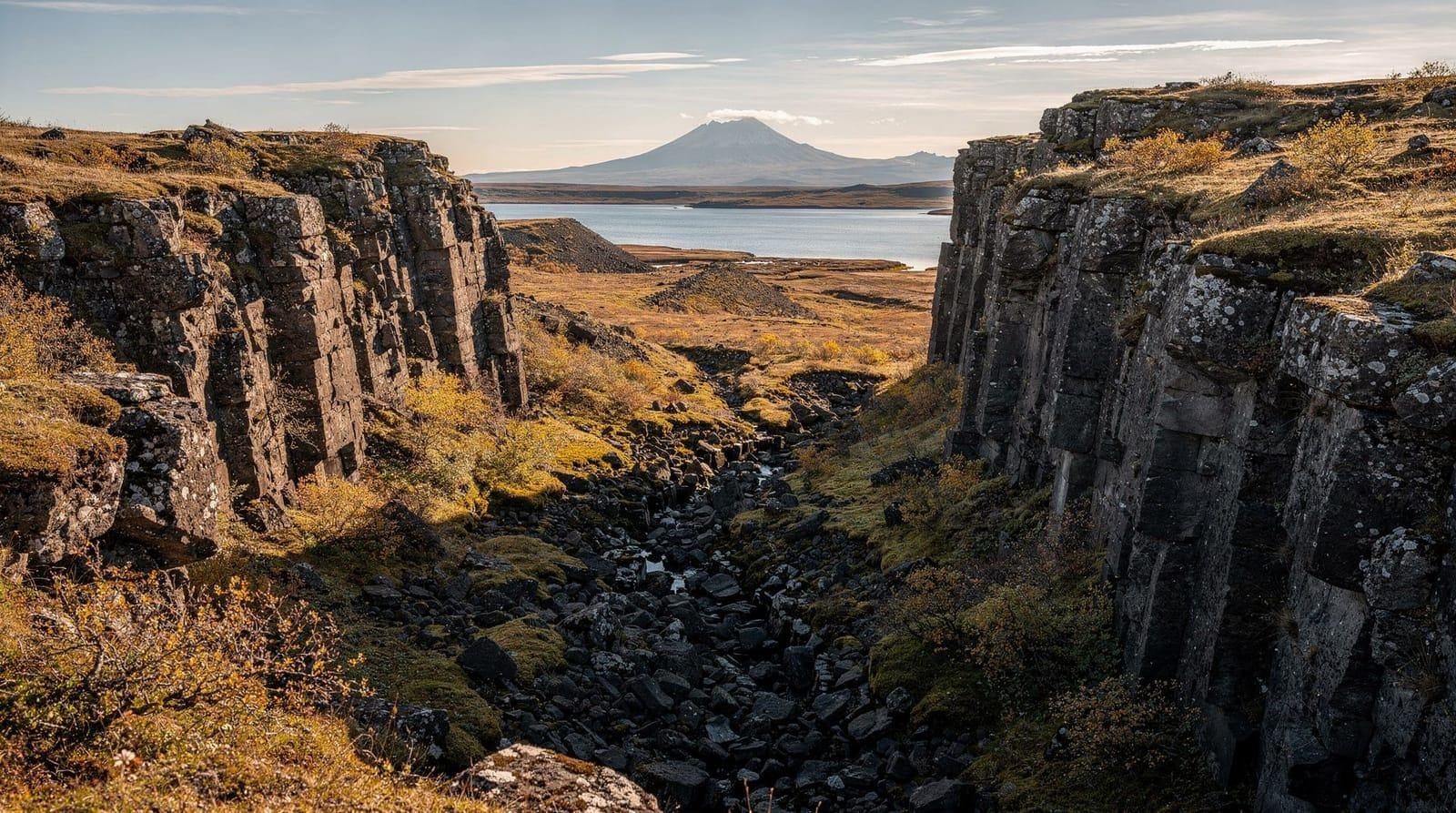
Þingvellir is worth more than the 30–45 minutes most tours allocate. The rift valley walk (from Öxará bridge along the canyon floor) is 2–3 km and takes 45 minutes at a leisurely pace. The historical site of Lögberg (Law Rock, where the Althing parliament met from 930 AD) is marked and explained by good signage. The lake (Þingvallavatn) has good views from the Hakið visitor centre ridge.
If you plan to snorkel or dive Silfra (the fissure between the tectonic plates, now filled with glacial water), this departure is in Þingvellir and requires advance booking. The Silfra snorkelling guide has details.
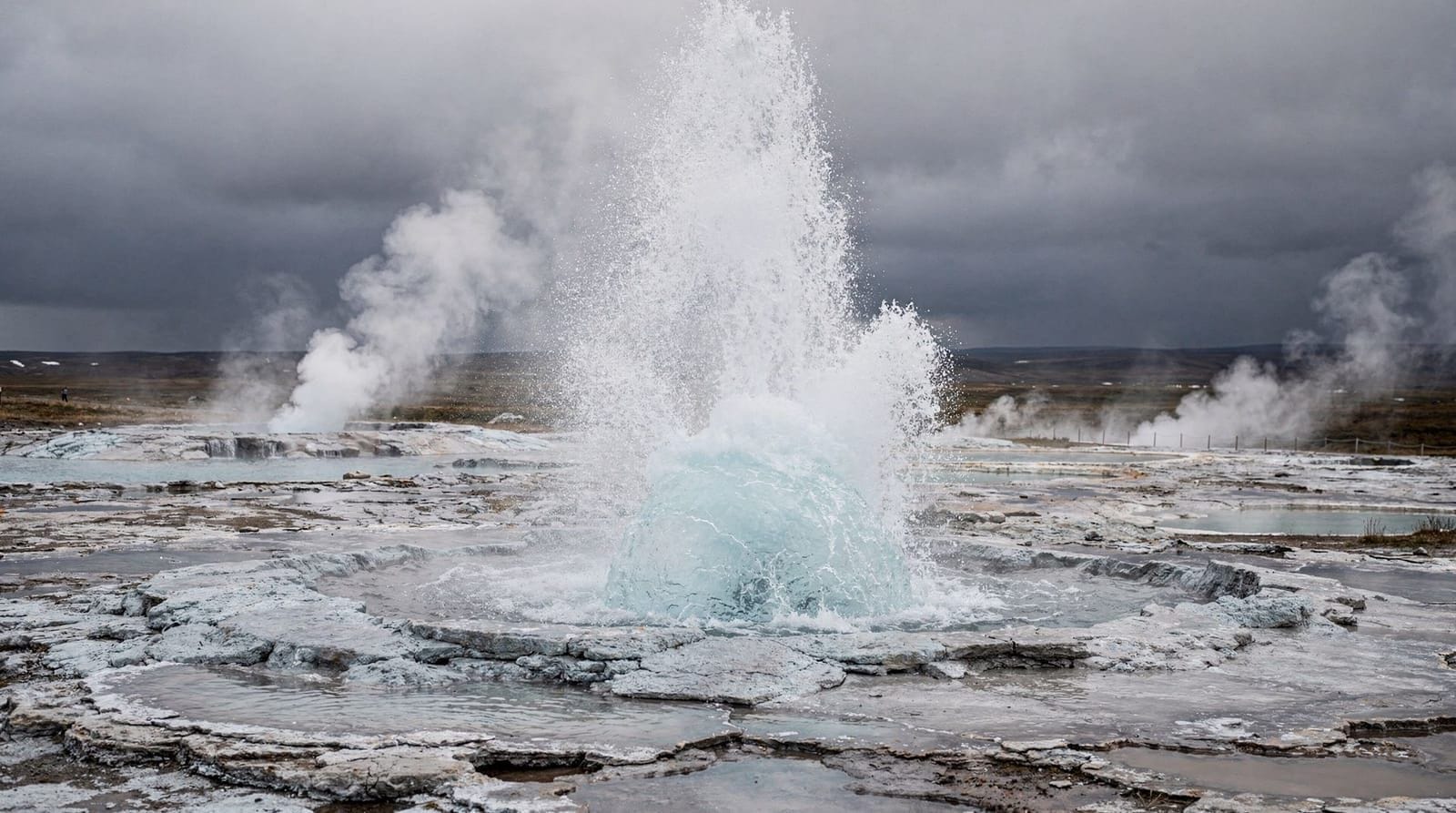
Second stop: Geysir/Strokkur (60 min drive from Þingvellir). Aim to arrive around 10:15–10:30 am. The Geysir geothermal area is free to enter. Strokkur, the active geyser, erupts roughly every 6–10 minutes with a 20–30 metre column of water. You need to be positioned slightly behind or to the side (upwind), as the spray goes directly up and then wherever the wind takes it. Most people stand too close and too directly downwind.
The Geysir area is less interesting beyond Strokkur — the original Geysir barely activates now, the landscape is pleasant but not dramatic. Allow 30–45 minutes and move on.
The café at the Geysir Centre is ISK 2,800–3,500 for a basic meal (soup, sandwiches). It’s overpriced and busy. If you brought food from Reykjavik, eat in the car park.
Third stop: Gullfoss (10 min drive from Geysir). Gullfoss is a two-tier waterfall on the Hvítá river. The upper viewing area is a flat walkway that most people use; the lower path gets you much closer to the falls and is significantly wetter. Take the lower path — the power of the water at close range is the point.
Allow 45–60 minutes. Crowds are heavy from 11 am onward. Arriving straight from Geysir around 10:45–11 am puts you at Gullfoss just ahead of the main wave.
Add-ons worth the detour:
Kerið Crater is a 3,000-year-old volcanic caldera with a turquoise lake at the bottom. It costs ISK 700 (€4) to enter. The walking rim loop takes 20 minutes. It’s not on par with the three main Golden Circle sites but adds colour (literally — the red/rust caldera walls against the turquoise lake is a striking colour combination) to the day.
Secret Lagoon in Flúðir is 15 km off the standard Golden Circle route. A 45-minute soak at the end of the day is a good way to finish. Book ahead for summer weekends.
Return to Reykjavik: via Route 35 south, past Flúðir, rejoining the main Route 1 near Selfoss. This takes about 90 minutes from Gullfoss to Reykjavik. You’ll be back by 4–5 pm if you left at 7:30 am.
What to skip
The Golden Circle “extras” sold as add-ons by tour companies: Many tours pitch a horse-riding addition, an ATV tour, or other activities as part of the Golden Circle day. These are fine activities in themselves but shoehorned into a single-day itinerary they mean you see less of the main sites properly.
Lunch at any of the main site cafés: All three main sites have on-site cafés. All are expensive and mediocre. Bring food or wait until you reach a town.
The Geysir Centre museum: The exhibits explaining geothermal geology are basic and duplicate what the free outdoor signage at Strokkur says. Skip the ISK 1,500 entry.
The common mistake
Going in the wrong order. The vast majority of organised tours do: Þingvellir → Geysir → Gullfoss, which means they arrive at Þingvellir at 9–10 am and Gullfoss at 1–2 pm. The crowds at Þingvellir between 9:30 am and noon are dense. Some self-drivers reverse the order to go: Gullfoss first (arrive early, when it’s quiet) → Geysir → Þingvellir (afternoon is acceptable, the park stays populated all day in summer but not as badly as mid-morning).
Both orders work. Starting at Þingvellir with an early departure is marginally better because you use the quietest window there, which is when it benefits most from being quiet.
The day at a glance
| Time | Stop | Duration |
|---|---|---|
| 7:30am | Depart Reykjavik | — |
| 8:15–9:30am | Þingvellir | 45–75 min |
| 10:15–11:00am | Geysir/Strokkur | 30–45 min |
| 11:00–12:00pm | Gullfoss | 45–60 min |
| 12:00–1:00pm | Optional: Kerið Crater or Secret Lagoon | 20–45 min |
| 4:00–5:00pm | Back in Reykjavik | — |
For a full route map and driving notes, the Golden Circle self-drive guide has turn-by-turn directions. The Golden Circle day trip guide covers the tour options with price comparisons.
A private Golden Circle tour includes Kerið Crater and gives you more time at each site than a standard group tour — worth considering if flexibility matters or if you’re travelling with children or older adults who benefit from a slower pace.What to do if you have extra time
The standard Golden Circle covers roughly 300 km and can be done in 7–8 hours including reasonable time at each site. If you have an extra half day, the following add-ons are within reach:
Þórsmörk valley: From the Gullfoss area, you can continue on F249 (requires a 4x4) to the valley of Þórsmörk — a glacially carved highland valley with outstanding hiking. The 90-minute drive each way from Gullfoss is only practical in a proper 4x4, but Þórsmörk on the Golden Circle day is possible as a full-day extension for those with the right vehicle.
Hveragerði hot spring walk: The town of Hveragerði is 45 minutes from Reykjavik and 15 minutes off the standard Golden Circle route. The Reykjadalur hot spring hike starts here — a 45-minute uphill walk to a free geothermal river where you can bathe. Including this adds 3–4 hours to the day.
Flúðir and the Secret Lagoon area: Flúðir is a small farming village near the Secret Lagoon, 15 minutes off Route 35. The village has a good greenhouse restaurant (Friðheimar, where they grow tomatoes and serve tomato soup and tomato-based dishes in a working greenhouse — ISK 3,200 for soup and bread, popular, worth booking ahead for lunch).
The combination tours worth knowing about
Several operators combine the Golden Circle with other experiences in ways that work well logistically:
Golden Circle + Blue Lagoon is a popular combination offered by most Reykjavik tour operators. The Blue Lagoon sits on the Reykjanes Peninsula southwest of Reykjavik; combining it with the Golden Circle (east of Reykjavik) means a long day with significant backtracking. The logic is better if you do the Golden Circle first and stop at the Blue Lagoon on the way back to the airport for a departure day. If you’re not departing, it’s a full day.
Golden Circle + Secret Lagoon is a cleaner geographic combination — both are in the same general direction from Reykjavik, and ending the day with a hot pool soak is a genuine pleasure.
The Golden Circle and Secret Lagoon combination tour from Reykjavik covers all three main Golden Circle sites plus the Secret Lagoon soak, returning to Reykjavik in the evening. One of the more popular organised day tour formats for good reason.One last note: the Golden Circle’s three sites are all free to enter (Kerið is the exception at ISK 700). The money spent on a car rental or tour covers transport, not attraction admission. This is a better day than its tourist-heavy reputation suggests, especially if you arrive early and set your own pace.
FAQ
Is the Golden Circle worth doing without a car?
Yes, if a rental isn’t practical — organised day tours cover all three main sites with hotel pickup, though you’ll be on the group’s schedule and likely arrive at each site during a busier window than a self-driver would. For two or more people, a rental car is usually cheaper and gives you full control over timing.
Can I combine the Golden Circle with the Blue Lagoon in one day?
You can, but the geography works against you — the Blue Lagoon sits on the Reykjanes Peninsula southwest of Reykjavik, while the Golden Circle sites are east, so combining them means real backtracking. It works best as a Golden-Circle-then-Blue-Lagoon route on your departure day, ending at Keflavík airport rather than back in the city.
What time should I actually leave Reykjavik for the Golden Circle?
7:30am is the departure time that makes the whole day work — it gets you to Þingvellir before the tour buses arrive around 10:30am, and that early window is the single biggest factor separating a calm Golden Circle day from a crowded one. Leaving later means compressing your time at each site rather than genuinely enjoying it.