Vatnajökull ice cave tours — what to actually expect
Jokulsarlon: Vatnajokull Blue ice cave guided tour
When can I visit the Vatnajökull ice caves?
Natural blue ice caves inside Vatnajökull are only accessible November through March. Outside this window, the caves become structurally unstable as ice melts. The exception is the manmade Langjökull ice tunnel, which is open year-round — but that's a different glacier and a different experience.
Vatnajökull’s natural blue ice caves are one of the few experiences in Iceland where the reality genuinely matches the marketing photos — but only within a narrow winter window, and only with a guide. This guide covers the honest logistics: when the caves are actually accessible, which base area to choose, what a tour day involves, and where to stay if you’re building a trip around it.
| When | late November–March only (structural safety) |
| Where | Jökulsárlón/Breiðamerkurjökull area or Skaftafell |
| From Reykjavík | around 5 hours’ drive; not a realistic day trip |
| Tour length | 2.5–4 hours (standard); 4–6 hours combined with a glacier hike |
| Book | well ahead for Dec–Jan peak season |
What makes Vatnajökull’s ice caves different
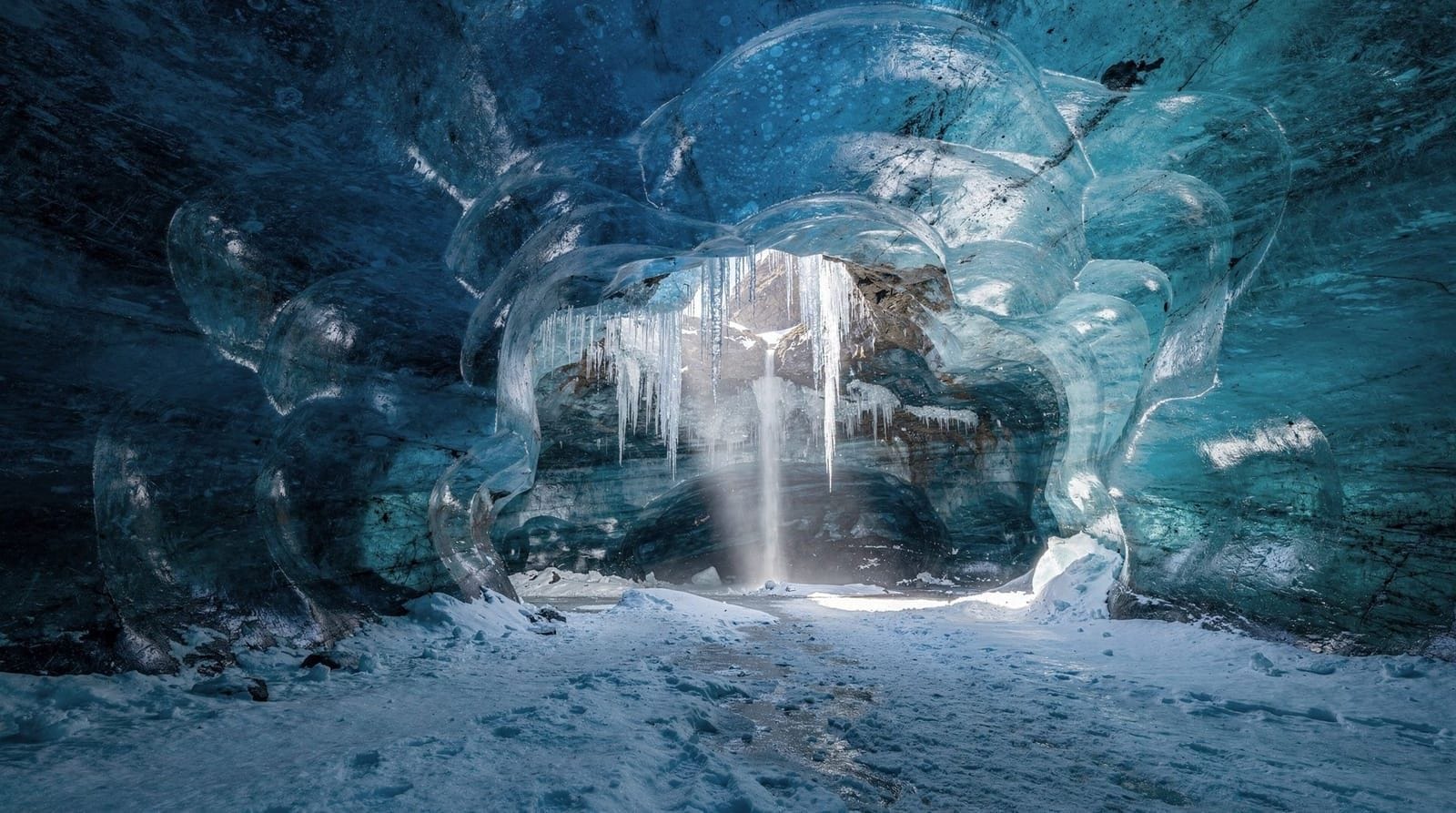
Vatnajökull National Park covers roughly 14,700 square kilometres — about 13% of Iceland’s total area — and beneath its ice cap lies some of Europe’s most dramatic sub-glacial terrain. The ice caves that form within its outlet glaciers are among the most geologically young features you can visit anywhere; they exist for only months at a time, shaped by specific combinations of meltwater drainage, freeze-thaw cycles, and the ancient ice compressed over millennia above them.
The colour alone justifies the trip for most visitors. Glacial ice that has been compressed for thousands of years loses its trapped air bubbles and becomes extraordinarily dense. This density changes how it interacts with light — rather than scattering white, it absorbs the red and orange wavelengths and transmits blue. The result inside a Vatnajökull cave on a winter morning is genuinely unlike anything produced by artificial lighting or photography filters.
But the experience requires honest expectations: these caves change every year, some disappear entirely between seasons, and the precise formations visible on any given day depend on conditions your guide assesses that morning. What you see won’t look exactly like last year’s photos.
The main cave areas
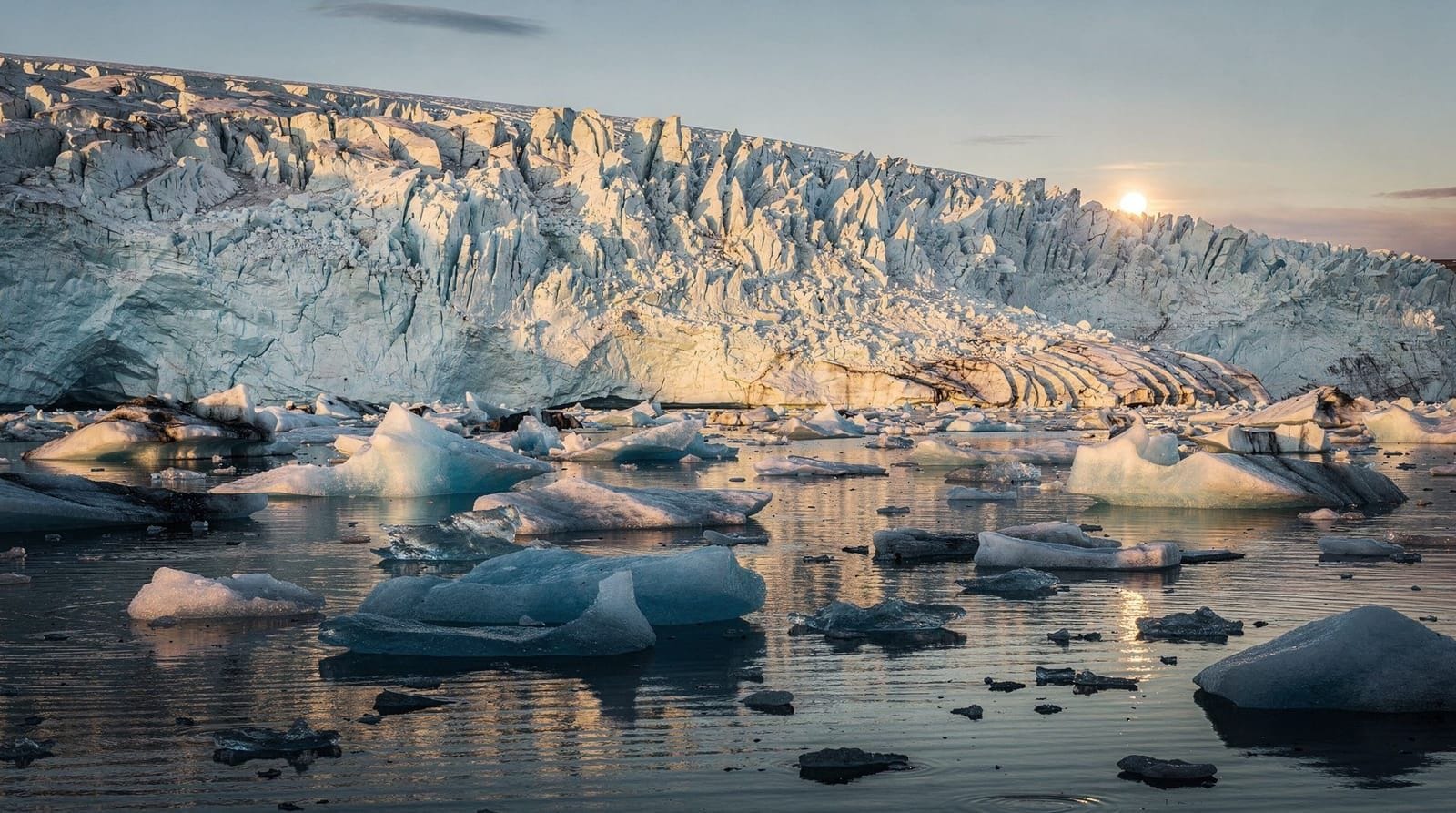
Breiðamerkurjökull / Jökulsárlón area: This is the primary source of the famous “Crystal Cave” and similar formations near Jökulsárlón glacier lagoon. The glacier reaches close to the lagoon and icebergs visible from the shoreline calve directly from this ice mass. Ice caves form in the lower sections of the glacier where meltwater has carved hollow chambers. Tours from the Jökulsárlón car park (or from Höfn) typically access caves 1–3 km from the glacier edge.
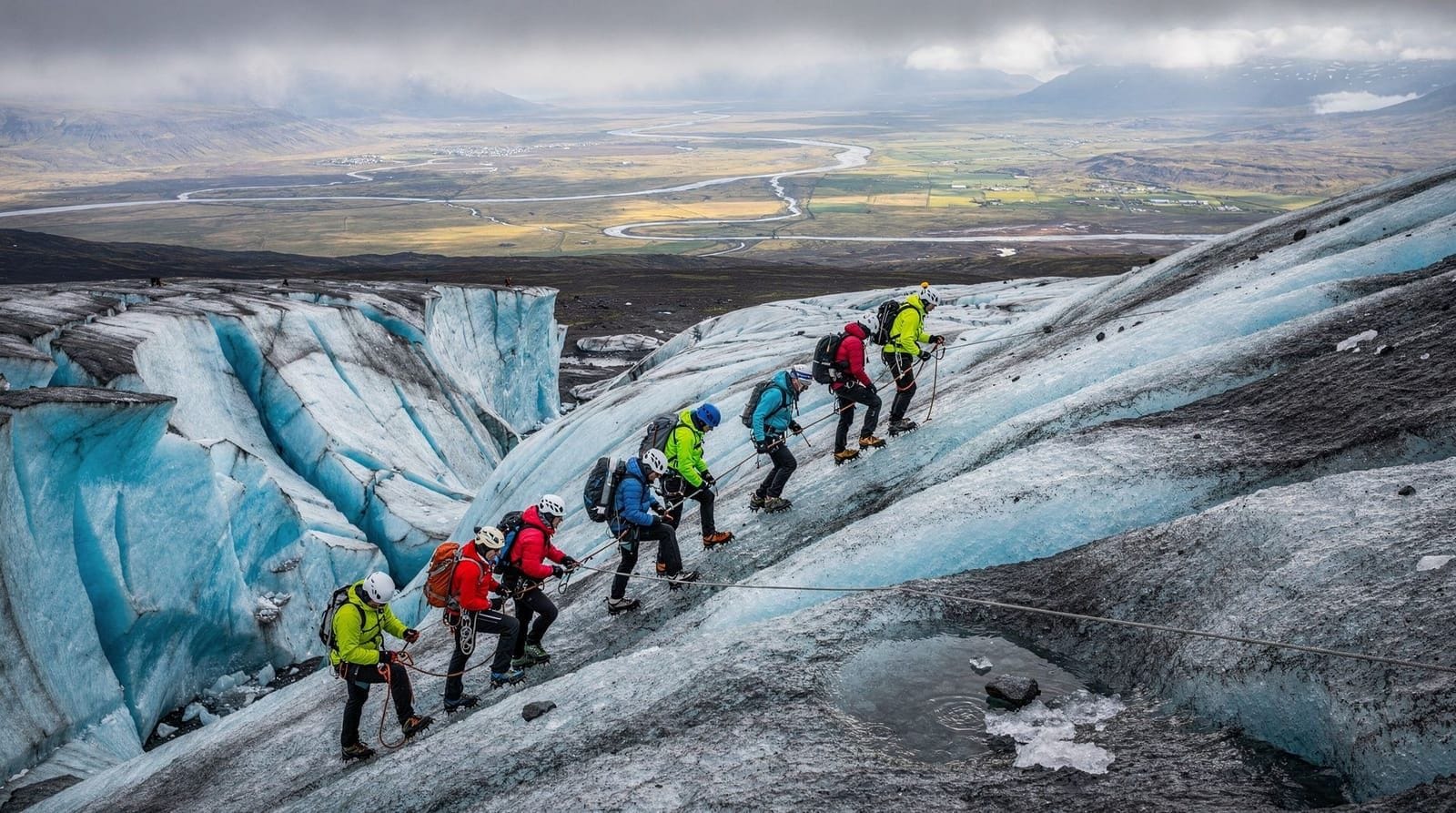
Skaftafell area (Svínafellsjökull / Falljökull): The Skaftafell visitor centre serves as the base for tours to outlet glaciers on the western side of Vatnajökull. Blue ice cave tours here are often combined with surface glacier hikes, making for longer but more comprehensive adventures. The backdrop — Hvannadalshnjúkur peak and the Skaftafell valley — is extraordinary.
Remote access caves: Some specialist operators run super-jeep tours into the glacier interior, reaching caves far from any standard tourist route. These are more expensive (often double the standard tour price) and require full-day commitment, but offer solitude and more dramatic formations in some cases.
Seasonal access — the real story
The ice cave season is driven by a single factor: structural stability. When ambient temperatures remain below freezing (typically late October through early March), the ice caves hold their form. As spring approaches and temperatures rise, meltwater begins to percolate through the ceiling, weakening structural bonds and making access genuinely dangerous.
Operators run an assessment each autumn (typically September–October) to locate viable cave entrances and gauge which formations are accessible. A cave that was spectacular last winter may have partially collapsed or been blocked by debris — guides find new options each year.
November: Early season. Caves exist but may be smaller and less developed. Operators work to identify the best formations. Booking early-season tours involves more uncertainty about specific formations.
December–February: Peak ice cave season. Caves are fully developed, stable, and most operators are running daily departures. This is when the iconic blue ice photos are taken. Book well in advance.
March: Late season. Stability decreasing toward month’s end. Tours run into mid-March at most; some operators cut off earlier. Prices may be slightly lower. Some years March is fine; others, the season effectively ends in late February.
| Month | Cave condition | Booking pressure |
|---|---|---|
| November | Forming, smaller/less developed | Moderate — some uncertainty on formations |
| December–January | Peak, fully developed and stable | High — book weeks ahead |
| February | Peak, still very stable | High — book weeks ahead |
| March | Late season, stability declining | Lower, but availability shrinks fast |
| April–October | Closed — unsafe to enter | N/A |
Vatnajökull blue ice cave guided tour (from Jökulsárlón area)
Choosing your tour type
Standard guided walk (2.5–3 hours from cave entrance): You reach the cave via a moderate walk on the glacier surface, requiring crampons and basic fitness. The cave section itself is 45–90 minutes. This is the most common product and what most reviews describe.
Super-jeep cave tour: A modified 4x4 vehicle drives you onto the glacier, reducing the walking component significantly. Better for those with mobility limitations or for covering more ground. The super-jeep itself is an experience — these vehicles have tyres inflated to less than 1 bar for traction on ice and snow. Cost is typically 20–30% higher than walking tours.
Private or small-group tours: Maximum 4–6 people, allowing more time in the cave and more flexibility for photography. Considerably more expensive (double or more) but popular with photography enthusiasts.
Combined glacier hike + ice cave: A longer tour that includes surface glacier hiking as well as cave access. 4–6 hours total. Good value if you want both experiences in a single day. Requires more physical commitment.
Crystal blue ice cave tour by super-jeep from Jökulsárlón
Getting there: the logistics question
Vatnajökull’s caves are roughly 5 hours by car from Reykjavík. This is not a day trip distance for most people.
By car (recommended): Drive Route 1 east. The Jökulsárlón turn-off is clearly signed. The Skaftafell visitor centre is also on Route 1. Overnight accommodation options:
- Höfn (Hornafjörður): 80 km east of Jökulsárlón, Iceland’s lobster capital, with several guesthouses and hotels. Book well ahead in winter.
- Kirkjubæjarklaustur: 140 km west of the glacier lagoon. Smaller town but serviceable as a base.
- Skaftafell campsite: Open in summer, but limited services in winter.
By guided tour from Reykjavík: Genuine multi-day tours exist (2-day minimum). These aren’t day trips — the product is overnight accommodation plus ice cave access the following day. Prices are higher but eliminate logistics stress. See what’s available in the south coast itinerary.
By scheduled tour from Höfn: If you’re staying in Höfn already, local operators run morning tours to both the crystal cave area and Skaftafell. This is the most efficient approach for ice cave access.
What to expect on the day
Most tours depart early morning — 8:00–9:00 — to maximise winter daylight. Your guide drives you to the glacier access point (a short distance from the main road), where crampons and helmets are fitted. The walk to the cave entrance crosses the lower glacier, which is rough and dark from surface debris.
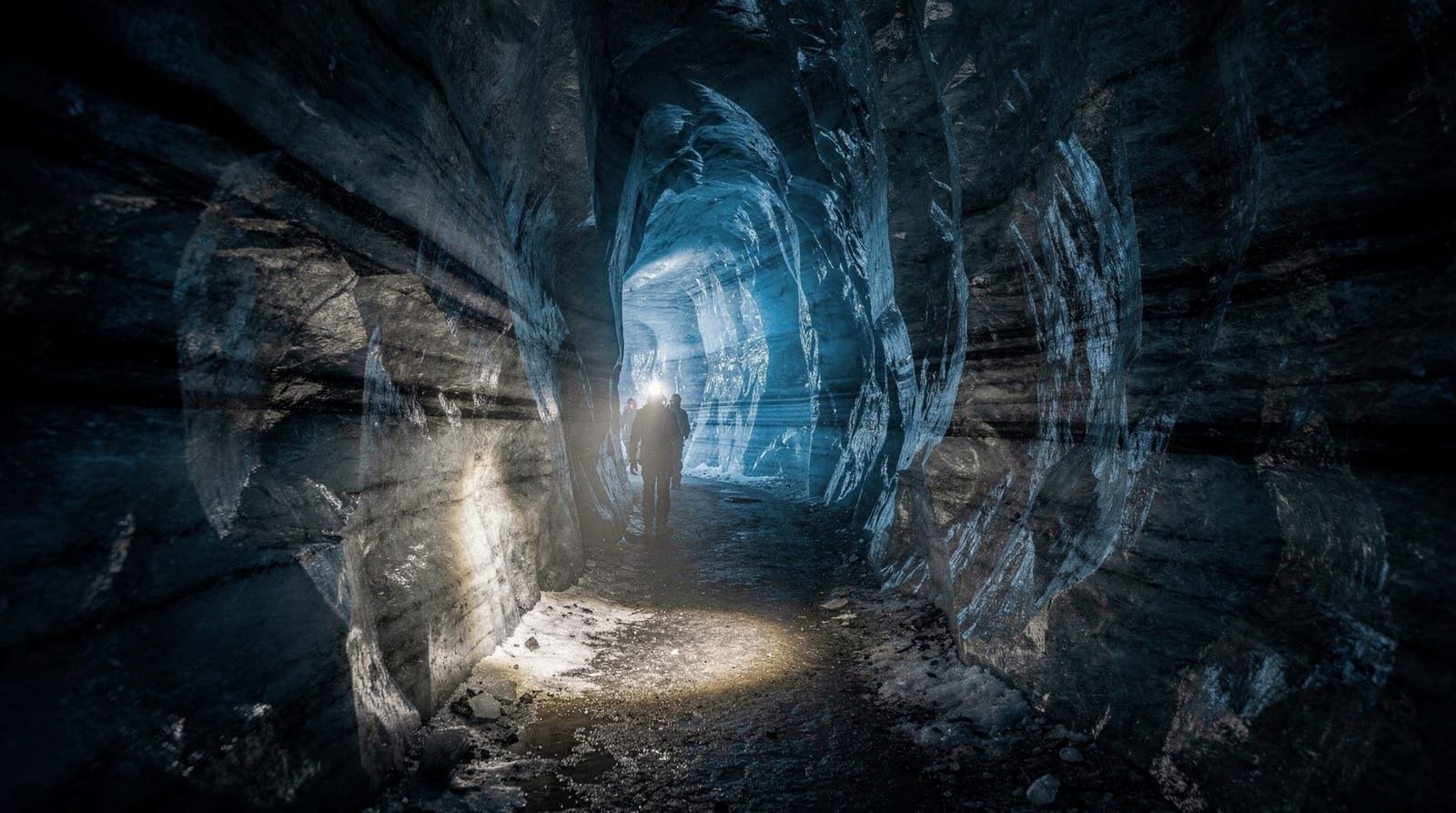
The cave entrance typically requires crouching or ducking. Inside, the ceiling heights vary — some sections open into substantial chambers of 5–8 metres height; others are lower passages. The guide controls pacing, stopping at visually significant sections for explanation and photo time.
Temperature inside: roughly 0°C, often warmer than outside in mid-winter. The cave walls and floor are ice throughout. Meltwater drips from some sections — a helmet keeps your head dry.
Guides explain the cave’s geology: the formation process, the age of the ice (some walls contain ice thousands of years old), and what the dark ash layers represent. Asking questions extends the educational element of the experience.
What Vatnajökull ice caves are not
They are not predictable: The specific cave you enter on your tour date will depend on that morning’s conditions. You’re trusting your guide’s expertise, not booking a specific formation you saw on social media.
They are not all identical: “Blue cave,” “crystal cave,” “ice cave,” and “ice tunnel” are used interchangeably in marketing but can describe quite different products. Confirm with your operator whether you’re accessing a natural cave formed within the glacier or an excavated tunnel.
They are not accessible in summer: If someone is selling “Vatnajökull natural ice cave tours” in July, they’re misrepresenting the product. The caves simply don’t exist in accessible form outside November–March.
Original ice cave tour on Vatnajökull (from Jökulsárlón)
Frequently asked questions about Vatnajökull ice caves
What is the best month for Vatnajökull ice caves?
December to February. The caves are fully formed, stability is at its peak, and winter light quality (low-angle blue-hour light penetrating cave entrances) produces the most photogenic conditions. January is typically the most reliably cold month.
Do the caves look the same every year?
No. Ice caves form, evolve, and disappear within a single season. Photos from 2022 will not match what’s accessible in 2026. This variability is intrinsic to natural ice caves — it’s not a negative; it means every visit is a first.
Is there any way to visit Vatnajökull ice caves year-round?
Not natural caves. The Into the Glacier ice tunnel at Langjökull is excavated and permanently accessible year-round — different glacier, different experience, but a genuine year-round option.
Can I combine Jökulsárlón glacier lagoon and an ice cave in one day?
Yes, and this is the standard approach for visitors based near the lagoon. Morning ice cave tour, afternoon at the lagoon and Diamond Beach. The glacier lagoon itself is extraordinary in winter — icebergs locked in the partially frozen surface, seals occasionally visible.
How do I get a refund if the cave tour is cancelled?
Reputable operators refund or rebook without penalty for safety cancellations. Always book with operators that clearly state this policy. If you book through a large aggregator, check whether their cancellation policy aligns with the operator’s.
Are there any ice caves I can access independently?
No natural ones safely. The lava cave Raufarhólshellir near Reykjavík is accessible independently (it has a formal entrance structure), but lava caves are not glacial ice caves — different geology, different aesthetics, though genuinely impressive. See caving in a lava tunnel.
Photographing Vatnajökull ice caves
The visual appeal of blue ice caves drives a disproportionate amount of Iceland’s ice cave tourism, and the photography opportunity is a major reason why. Here’s what actually works inside a Vatnajökull cave:
Camera gear: A wide-angle lens (16–24mm) captures the scale of larger chambers. A 24–70mm covers detail shots of ice texture and ash layers. Keep a lens cloth accessible — moisture from breathing and proximity to ice causes condensation on cold glass.
Exposure: The cave lighting is dynamic — bright entrance light, dark interior, reflective ice surfaces. A range of exposures (bracketing) works well. In post-processing, HDR or exposure blending of bracketed shots handles the entrance-to-interior contrast better than a single exposure.
Tripod: Useful but not always practical given the uneven ice floor and group constraints. A compact Gorilla Pod or similar flexible mount attached to ice features can substitute. Ask your guide what’s permitted.
Temperature on batteries: Cold drains lithium batteries rapidly. Carry a spare battery in an inside pocket (body warmth maintains charge). Start with fully charged batteries and swap as needed.
The blue colour: No filter needed. The blue comes from light physics in the ice itself. Shooting in RAW and setting a slightly warm white balance (4500–5500K) often produces more natural-looking ice colour than auto white balance, which tends to overcorrect toward grey.
Accommodation near Vatnajökull
Getting the most from a Vatnajökull ice cave visit requires staying near the glacier. Options:
Höfn (Hornafjörður): The most functional base for the Jökulsárlón area caves. Approximately 80 km east of the glacier lagoon. Hotel Edda Höfn, Fosshotel Vatnajökull, and multiple guesthouses. Book several months ahead for December–January.
Kirkjubæjarklaustur: Approximately 140 km west of Jökulsárlón. Smaller town with fewer options (Hotel Klaustur and some guesthouses) but useful if exploring westward along the south coast as well.
Skaftafell campsite: Open with limited services in winter. Heating huts available. The most economical option for those on a budget. Bring warm sleeping gear — ground temperatures at Skaftafell are genuinely cold.
Reykjavík 2-day package: If not staying locally, the most practical option is a guided 2-day tour that includes transport, accommodation at a local guesthouse, and the ice cave tour the following morning. These packages are available from most major operators and remove the logistics of independent planning.
What Vatnajökull’s ice caves say about glacial change
Iceland’s glacier monitoring program (conducted by the Icelandic Glaciological Society, or Jöklarannsóknarfélag Íslands) documents annual changes to all major ice caps. Vatnajökull has lost approximately 10% of its volume since 1890, and the rate of loss has accelerated since 2000.
The ice caves themselves are an indirect indicator of this change: they form in the lower sections of outlet glaciers where meltwater is most active. As glaciers thin and retreat, the meltwater volumes and drainage patterns change — some caves become inaccessible as the ice thins too much, while new cavities form in different locations. The ice cave season is a direct consequence of the annual freeze-thaw cycle; if winters warm sufficiently in future decades, the stable winter ice conditions that make caves safe to enter may shorten.
This context doesn’t diminish the experience. But for visitors interested in why Iceland has ice caves in the first place, the answer is connected to the same glaciological processes that are also changing the landscape.
Fitness, clothing and what your body actually needs
A standard ice cave tour is not physically demanding in the way a full glacier trek is, but it is not a casual walk either. You’ll be on uneven, sometimes slippery glacier surface for 30–60 minutes each way in crampons, often in temperatures of -5°C to -15°C with wind chill. Realistic preparation:
- Base and mid layers: Thermal base layer plus a fleece or wool mid layer — the cave interior itself is close to 0°C and can feel warmer than the walk to reach it, so you’ll want layers you can adjust.
- Outer shell: A genuinely windproof and waterproof jacket and trousers — wind on the open glacier surface is often the coldest part of the day, more than the cave itself.
- Footwear: Sturdy waterproof winter boots; crampons are fitted by the guide over your own boots, so boots that fit them securely matter more than brand.
- Hands and head: Warm gloves you can still operate a phone or camera in, plus a hat that fits under the supplied helmet.
- Mobility: Most operators set a minimum age (often 6–8) and ask about mobility limitations at booking — flag any concerns in advance rather than on the day, since alternatives like the super-jeep option reduce the walking distance considerably.
Booking window and group size trade-offs
Standard shared tours run in groups of 10–16 and are the most affordable route into a genuine natural ice cave, with departures most days in December–February. Small-group and private options cap at 4–6 people and cost roughly double, but buy you meaningfully more time inside the cave for photography and a guide who can tailor the pace — worth it for photographers, less essential for a first-time visit focused on simply seeing the cave. Whichever size you book, confirm the departure point (Jökulsárlón car park vs. a Höfn or Skaftafell pickup) before arriving, since the wrong meeting point is one of the most common reasons visitors miss a tour.
Top experiences
Bookable activities with verified prices and instant confirmation on GetYourGuide.
Top experiences
Best-rated activities across GetYourGuide and Viator.

Ice Cave by Katla Volcano Super Jeep Tour from Vik
- Viator

Sólheimajökull Glacier Hike – Adventure in a Small Group
- Viator

Ice Cave Tour from Vík
- Viator

Blue Ice Discovery – Guided Glacier Hike from Skaftafell
- Viator

Glacier Hike from Skaftafell - Extra Small Group
- Viator

East Glacial River – Grade 4 Rafting with Drysuits, North Iceland
- Viator