Siglufjörður travel guide
Siglufjordur guide — Iceland's herring capital, Herring Era Museum, Folk Music Festival, and skiing on Trollaskagi. How to reach it from Akureyri.
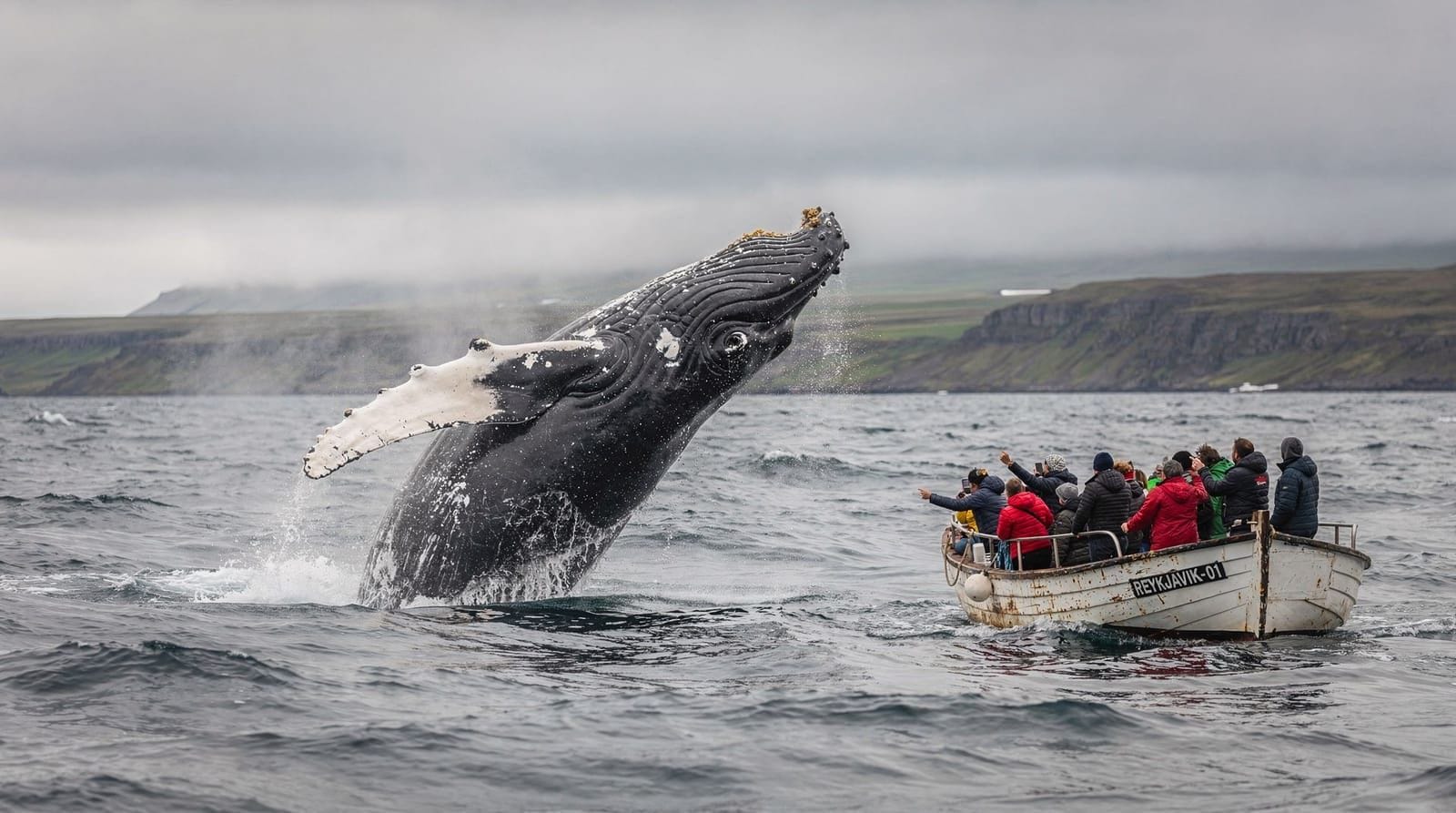
Akureyri: 3 hour classic whale watching by ship
Duration: 3 hours
Quick facts
- Best time
- Jun–Aug for festivals; winter for skiing at Héðinsfjörður
- Days needed
- 1–2 days
- Getting there
- 110 km from Akureyri via Tröllaskagi, ~1h 30min drive
- Budget per day
- 15,000–28,000 ISK (€100–€190)
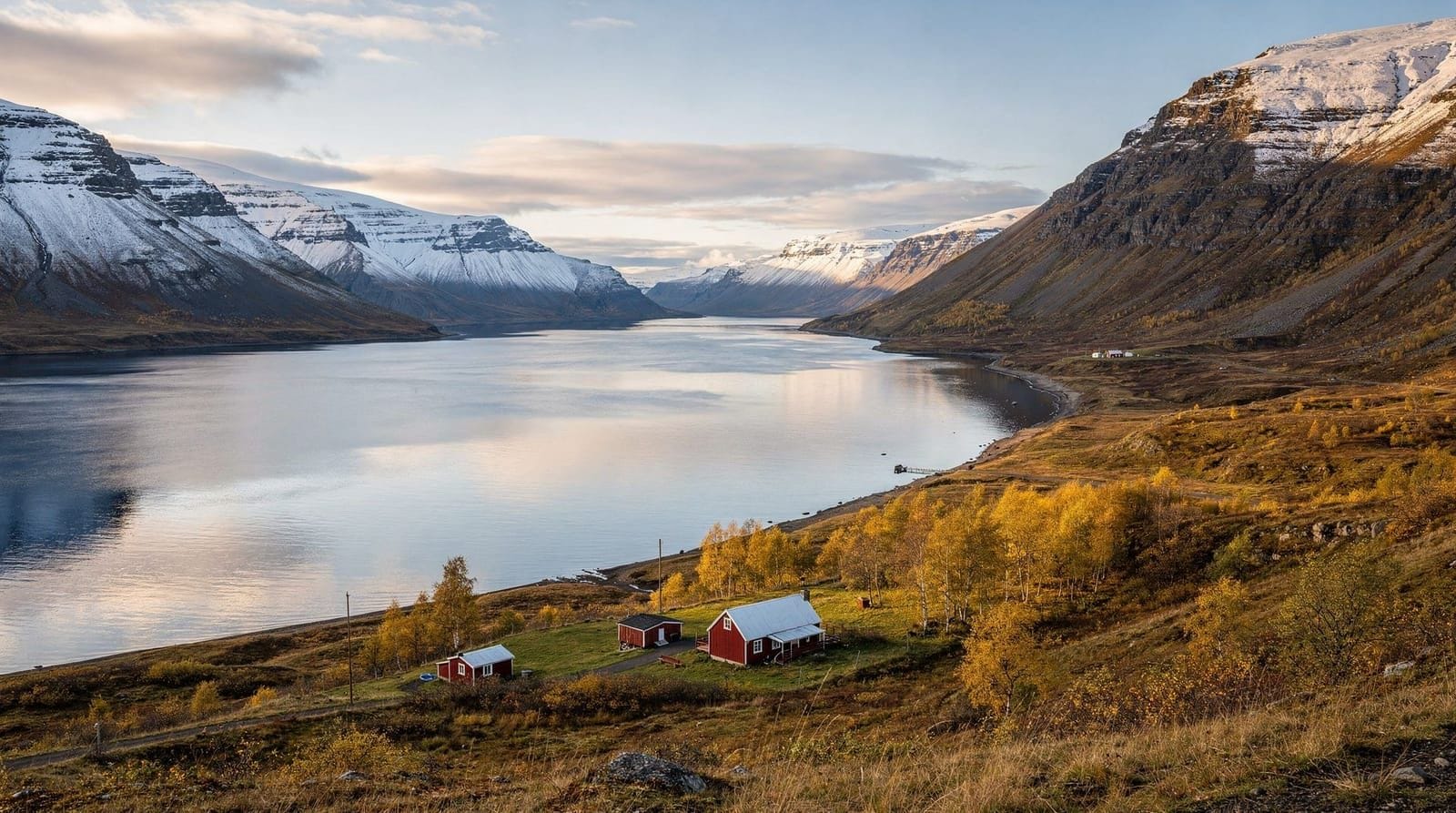
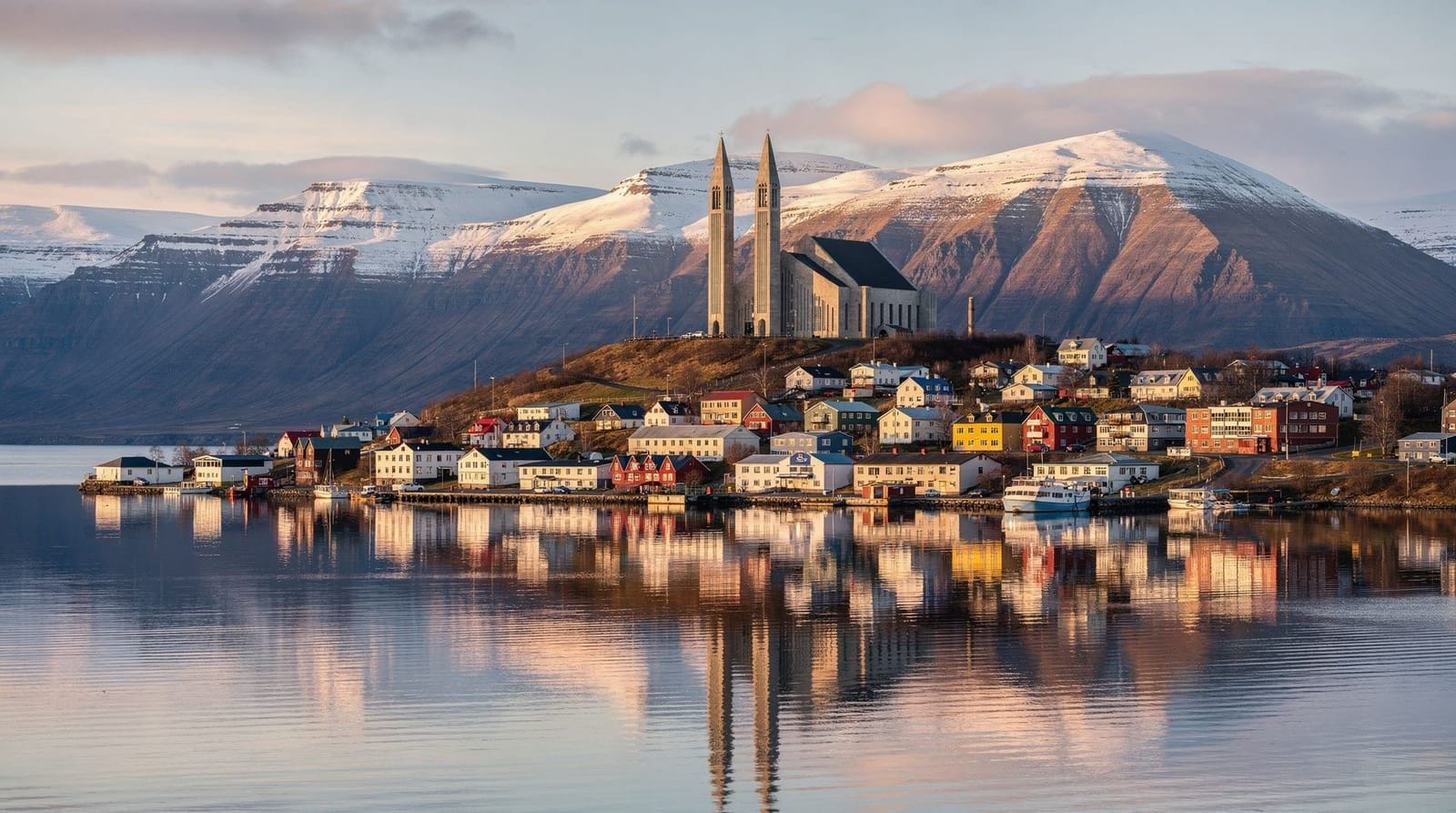
Siglufjörður sits at the end of a narrow fjord on the northern tip of the Tröllaskagi Peninsula — one of the most isolated towns in Iceland, with mountains rising sharply on three sides and the sea at the mouth. The town has around 1,200 residents today, down from over 3,000 at the peak of the herring industry in the 1940s and 1950s, when Siglufjörður was the herring capital of the world, processing more fish than any other harbour of its size on the planet.
The boom collapsed in the 1960s when herring stocks crashed due to overfishing. The fish factories closed, the population halved, and the town contracted around what was left: a small fishing fleet, some farming, tourism, and a stubborn local identity. The Herring Era Museum (Síldarminjasafnið) was built from the 1990s onwards to document what happened, and it is one of the best museums in Iceland.
Getting to Siglufjörður requires a deliberate detour. It is 110 km from Akureyri, but the route over the Tröllaskagi Peninsula — through tunnels and along coastal roads — takes 1.5 hours. This distance from the main tourist circuit keeps the town quiet, which is most of its appeal.
| Where | Tröllaskagi Peninsula, North Iceland, 110 km from Akureyri |
| Cost | Museum around 2,900 ISK; doubles from around 18,000–28,000 ISK |
| Time needed | 1–2 days, including the Tröllaskagi drive |
| Getting there | Hire car only — no scheduled bus service |
| Best time | July (Folk Music Festival) or June–August for scenery; Feb–March for skiing |
The Herring Era Museum
The Síldarminjasafnið is the main reason most visitors make the drive. Built in three phases from 1994 to 2004, the museum occupies three restored wooden factory buildings on the harbour. The exhibits reconstruct the herring season: the boats, the salt barrels, the processing lines, and the seasonal workers — mostly young women who came from across Iceland for the summer to gut and salt herring. Re-enacted scenes with audio guides tell the story through first-person accounts.
The quality is unusually high for a regional museum — the curation is honest about the boom-and-bust cycle, the working conditions, and the ecological damage that came with unrestricted fishing. Entry is around 2,900 ISK (€19) for adults. Allow 1.5–2 hours. Open June to September; reduced hours in shoulder seasons.
The Folk Music Festival (Aldrei fór ég suður)
Siglufjörður hosts one of Iceland’s most distinctive music events — the Aldrei fór ég suður (“I never went south”) folk and roots festival, typically held over a long weekend in July. The name is a reference to the reluctance of northerners to travel to Reykjavík. Venues are intimate, mostly in the town’s community spaces. The festival draws established and emerging Icelandic musicians alongside international folk acts. Accommodation in Siglufjörður fills completely during the festival; book months ahead.
Outdoor activities
Skiing at Héðinsfjörður
The mountains above Siglufjörður have excellent ski terrain — steep, long runs, and reliable snow from December through April. The Siglufjörður Ski Area (Skíðasvæðið) is small but legitimate, with a vertical drop of around 300 metres. It is used primarily by locals and ski enthusiasts looking for an alternative to Akureyri’s larger SkiðaheimilIð. Lift infrastructure is minimal; freeride and ski touring attract the most committed visitors.
Hiking on the Tröllaskagi Peninsula
The mountains above Siglufjörður and the adjacent fjords offer serious hiking in summer — long ridgelines, technical approaches, and views across to Drangey island in Skagafjörður. The hiking here is unmarked and requires navigation; it is for experienced hikers. The tourist information in Siglufjörður can advise on current conditions.
Kaldrananeshöfði headland
A short drive north of Siglufjörður brings you to Kaldrananeshöfði, the northernmost point of the peninsula accessible by road. The views from here over the Greenland Sea are stark and impressive on clear days. Puffins breed on the clifftops in summer.
Getting to Siglufjörður
From Akureyri, take Route 82 north along the west shore of Eyjafjörður, then the Tröllaskagi Tunnel (Héðinsfjörðargöng), then continue north to Siglufjörður. The total distance is 110 km and the drive takes about 1.5 hours. The main tunnel opened in 2010 and replaced a precarious mountain road. A shorter single-tube tunnel (Strákagöng) links Siglufjörður with Ólafsfjörður to the south.
There is no regular bus service to Siglufjörður from Akureyri or elsewhere. A hire car is necessary.
The road from Dalvík along the east coast of Tröllaskagi to Ólafsfjörður and then through the Strákagöng tunnel to Siglufjörður is an alternative scenic approach, approximately the same distance.
Where to stay
Sigló Hótel: The standout accommodation in Siglufjörður — a converted herring factory on the harbour, opened 2013. Well-designed, genuinely stylish. Doubles from 28,000 ISK (€190) in summer. The restaurant serves solid North Icelandic cooking; the harbour view from the dining room is the best in town.
Hvanneyri Guesthouse: A simpler, more affordable option. Doubles from 18,000 ISK (€120).
Camping: The municipal campsite is by the Herring Museum area. Around 2,000 ISK (€13) per person.
Book ahead for the Folk Music Festival period (July) — accommodation fills completely.
Where to eat
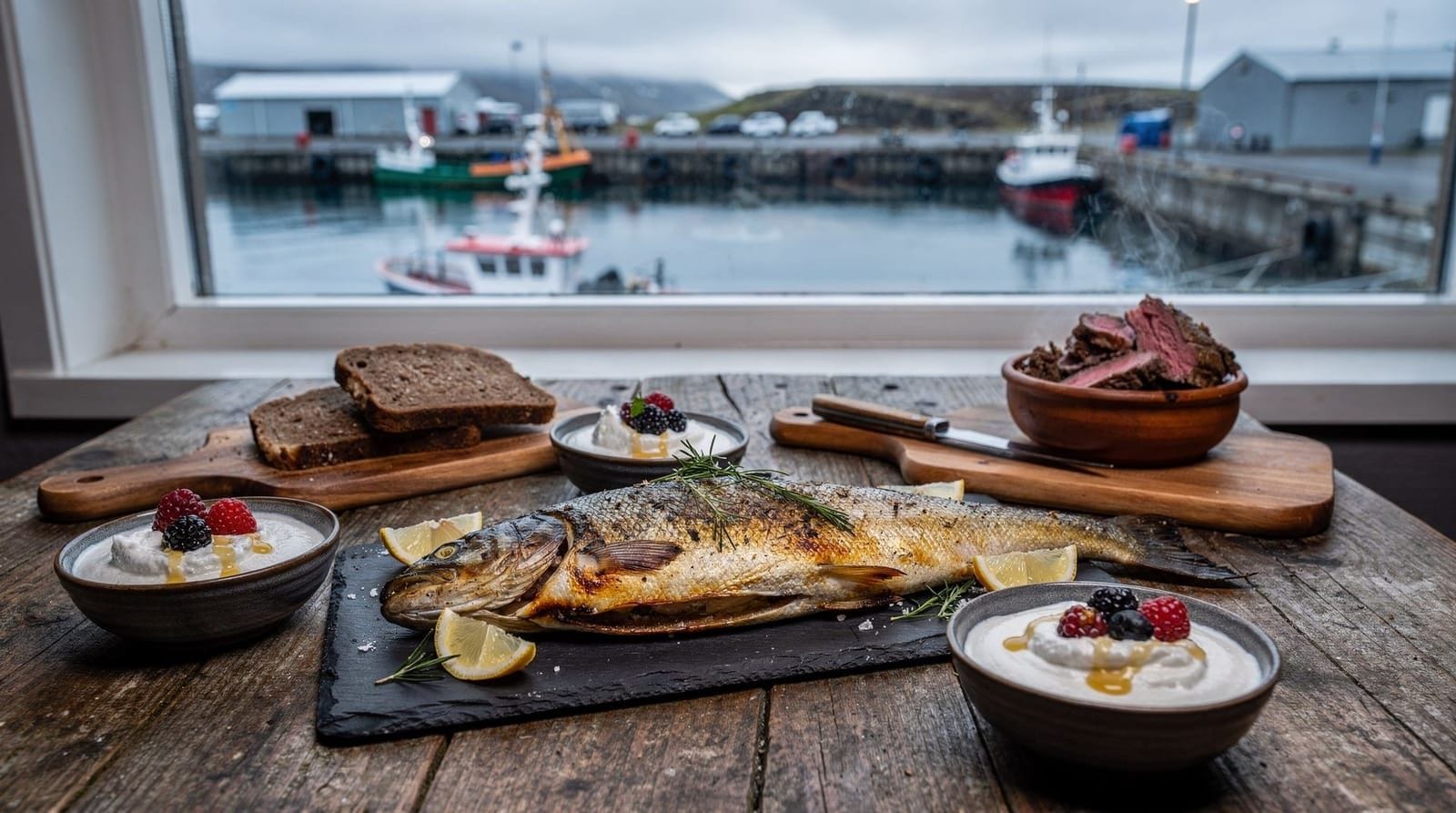
Sigló Hótel Restaurant: Best option in town. Fish, lamb, and local ingredients; mains 3,500–6,000 ISK (€23–€40).
Rauðka: A café and bar near the harbour, popular with locals. Simpler menu; better for lunch (2,000–3,500 ISK / €13–€23).
Self-catering: The Samkaup supermarket handles basics. If you are staying overnight, cooking in your accommodation is practical.
Combining Siglufjörður with the rest of North Iceland
Siglufjörður is best visited as an add-on to an Akureyri base rather than as a standalone destination. The logical combination is: base in Akureyri, day 1 on the Diamond Circle, day 2 with an overnight to Siglufjörður via the Tröllaskagi Peninsula. Alternatively, Siglufjörður can be a detour on a Ring Road drive — it adds 3 hours of driving and 1–2 hours at the museum to a standard Ring Road day.
For whale watching or northern lights activity, Akureyri or Húsavík are the better bases.
Akureyri food walk with 5 tastings — a solid half-day addition before or after Siglufjörður.
Northern lights tour from Akureyri — combine with a Siglufjörður day for a 2-night North Iceland stay.
Practical notes
Connectivity: Mobile coverage in Siglufjörður itself is good (Síminn and Nova). The mountain sections on Route 82 have gaps; this is standard for the Tröllaskagi Peninsula.
Weather: Siglufjörður can receive heavy snowfall from October through April. The tunnel approach roads are ploughed, but check road.is before driving in winter. The fjord is relatively sheltered from wind.
Petrol: Fill up in Akureyri before heading to Siglufjörður. There is a petrol station in Siglufjörður (N1).
Driving time: 1.5 hours from Akureyri each way. The Tröllaskagi roads are scenic but winding; allow extra time if conditions are wet or icy.
Siglufjörður in winter
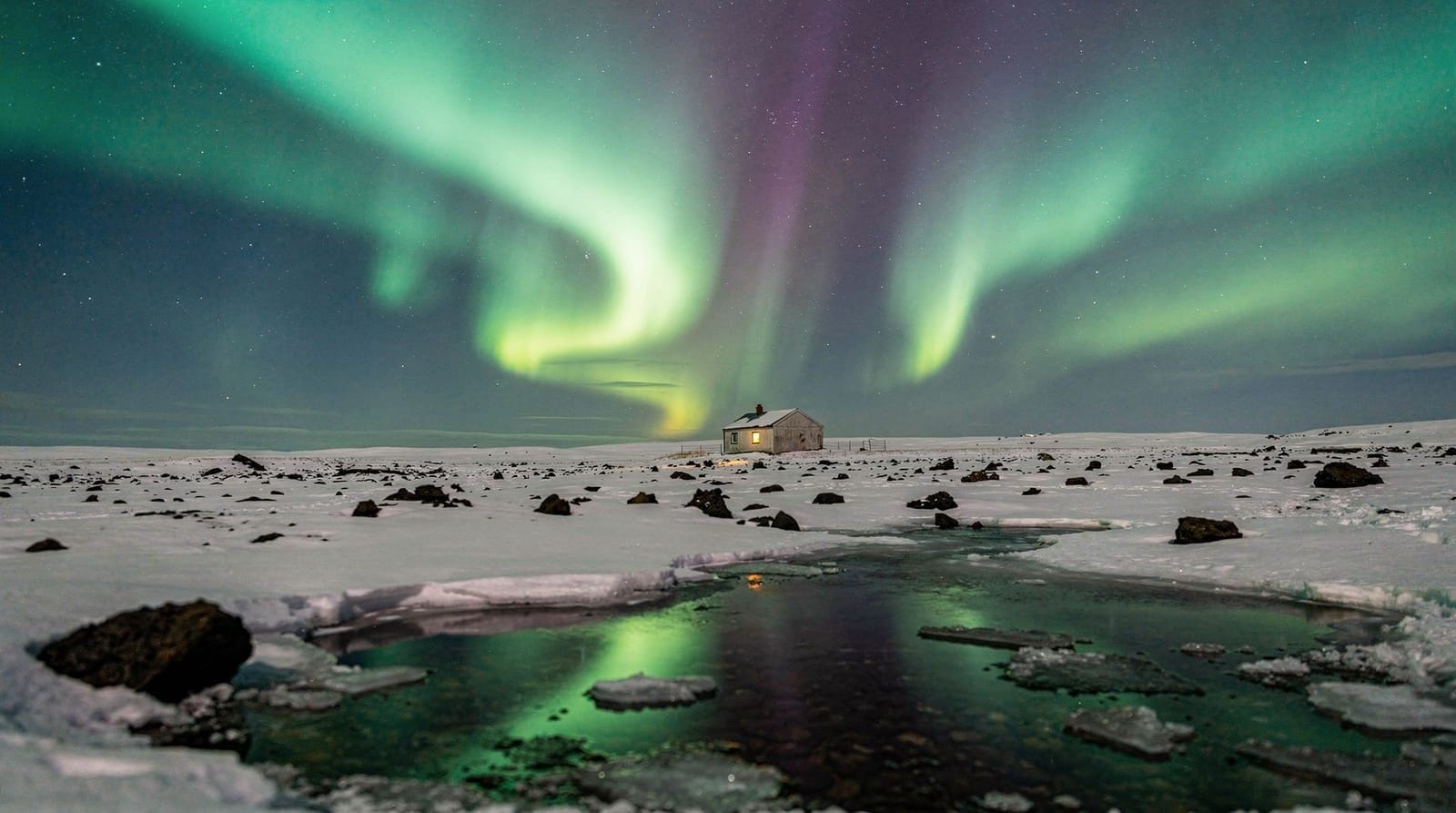
Winter changes the character of Siglufjörður considerably. The Folk Music Festival crowds and long-daylight hikers are gone; what remains is a small, snow-bound fjord town with genuinely good skiing and some of North Iceland’s darkest, clearest night skies for aurora viewing. The Tröllaskagi tunnels stay open through most winter weather, but the approach roads can close during heavy storms — check road.is (the Icelandic Road Administration’s live conditions map) before setting out, and build in a buffer day if a storm system is forecast.
Skiing runs from roughly December through April, with the most reliable snow in February and March. The Siglufjörður Ski Area is unpretentious — a couple of lifts, a modest lodge, and consistently good powder by Icelandic standards — and it draws almost none of the crowds that build up at Akureyri’s larger Hlíðarfjall (often called Skíðaheimilið locally). For northern lights, the fjord’s steep mountain walls block a chunk of the horizon compared with open plains further south, but on a genuinely clear night the darkness here — with essentially no light pollution beyond the town itself — is excellent.
Practical winter notes: several restaurants and the Hvanneyri Guesthouse reduce hours or close for stretches of the deep winter off-season (typically November and parts of January), so confirm opening status before making the drive specifically for dinner. The Herring Era Museum also runs reduced hours outside June–September; check sild.is if a winter visit is built around the museum itself.
Siglufjörður day trip vs overnight: which to choose
| Day trip from Akureyri | Overnight in Siglufjörður | |
|---|---|---|
| Driving | 3 hours round trip added to an Akureyri day | Same drive, but split — arrive relaxed, leave relaxed |
| Museum time | 1.5–2 hours, feels rushed if combined with Diamond Circle | Full 2+ hours, plus a second look if weather changes |
| Sigló Hótel | Not used | Worth the detour on its own — genuinely one of North Iceland’s best stays |
| Cost | Fuel and museum entry only | Adds 18,000–38,000 ISK for a double, but no rush |
| Best for | Travellers tight on time who’ve already done the Diamond Circle | Photographers, design-conscious travellers, Folk Festival visitors |
For most itineraries with two or more nights in Akureyri, the overnight version is the better use of the drive — it turns a long detour into a proper stop rather than a box-ticking exercise.
Frequently asked questions about Siglufjörður
Is a rental car mandatory for Siglufjörður?
Yes. There is no scheduled bus service connecting Siglufjörður to Akureyri or the rest of North Iceland, and no organised shuttle runs the route regularly. A hire car (2WD is fine outside winter) is the only practical way in and out, whether you’re coming from Akureyri or via Húsavík and the Diamond Circle.
Is Siglufjörður worth the drive from Akureyri?
For the Herring Era Museum alone, yes — it is one of Iceland’s best regional museums. The town itself is genuinely charming and not overrun by tourism. The drive over the Tröllaskagi Peninsula is scenic. If you are in North Iceland for two or more days and have a car, Siglufjörður is a better choice than a third day in Akureyri.
When is the Siglufjörður Folk Music Festival?
The Aldrei fór ég suður festival usually runs over a long weekend in early to mid-July. Exact dates change each year; check the festival website (aldrei.is) for the current schedule. Attendance is free or donation-based for most events.
Is the Herring Era Museum open year-round?
The main season is June through September, with reduced hours in shoulder seasons. The museum may close in deep winter (November–March); check the museum website (sild.is) before visiting out of season.
What is the Sigló Hótel like?
Sigló Hótel is a genuine conversion of a 1939 herring factory into a well-designed hotel. It is the best accommodation in North Iceland outside Akureyri, and significantly more interesting than the chain hotels in Akureyri. The design retains industrial elements — exposed beams, original fittings — while adding proper facilities. It is popular with design-conscious travellers and tends to be fully booked in July.
Can I ski in Siglufjörður?
Yes, in winter (December through April). The Siglufjörður Ski Area has a few pistes and is open when conditions allow. It is not a resort-scale operation, but it is a working local ski hill with good snow quality in a dramatic setting. For bigger ski terrain, the Skíðaheimilið area above Akureyri is larger.
How remote is Siglufjörður really?
It is the most isolated of the main North Iceland towns — there is only one road in (through the Héðinsfjörðargöng tunnel) and no bus service. In a serious winter storm, the town can be temporarily cut off. For most summer visits this is irrelevant, but it is worth knowing that Siglufjörður requires deliberate planning rather than a casual drive-past.
The herring industry in detail
The Norwegian herring fishery collapsed in the early 20th century, pushing fishing fleets north and west into Icelandic waters. Siglufjörður’s deep fjord and sheltered harbour made it ideal — by the 1940s, the town had over 50 processing plants, thousands of seasonal workers, and was processing more herring per season than any other Icelandic port. At its peak, the smell of salt herring could be detected 20 km away.
The work was brutally physical. Herring were dumped directly into the salt barrels; women known as “herring girls” (síldarmeyjar) worked 12–14 hour days gutting and packing during the fishing season. Most were teenagers and young women from rural Iceland, earning enough in a summer to support families through winter. The Herring Era Museum’s most affecting exhibits are the recorded testimonies of the herring girls themselves, collected from the 1990s onwards while witnesses were still alive.
The Atlantic-Scandinavian herring stock collapsed in 1968–1969, one of the most dramatic fishery collapses in European history. Overfishing by mechanised fleets had reduced the stock below reproductive viability. Within two years, Siglufjörður’s economy effectively ended. The processing plants shut; many families left permanently. The town population halved within a decade.
The stock took until the 1990s to partially recover, and herring fishing has resumed on a managed basis. Siglufjörður’s remaining fishing activity is modest. The economic lesson was absorbed into Icelandic fisheries management — Iceland’s current system of individual transferable quotas (ITQs) was developed partly in response to the herring collapse.
The Tröllaskagi Peninsula in depth
The drive to Siglufjörður passes through mountain terrain that rewards attention:
Route 82 along Eyjafjörður’s west shore: The road runs beside the fjord with views east to Akureyri and south to the mountains. The small town of Dalvík (1,300 people) has a modest local museum and a ferry to Grímsey island.
Ólafsfjörður: A tunnel connects Siglufjörður and Ólafsfjörður (Strákagöng, 3.7 km). Ólafsfjörður is a smaller version of Siglufjörður — a fjord town with a working harbour and fishing heritage. The drive between the two on the old mountain road (now mostly replaced by the tunnel) offers dramatic views when conditions allow.
Mountain terrain: The Tröllaskagi mountains between the two fjords reach over 1,200 metres and hold snow until June or later. The interior of the peninsula is accessible only on foot or horseback; several multi-day hikes cross the highland plateau.
Photography at Siglufjörður
The town offers several strong photographic subjects:
- Sigló Hótel and the restored harbour front at golden hour
- The fishing boats at the working dock in morning light
- Looking north from the headland above town toward the open sea
- The Herring Era Museum building facades (industrial wooden structures)
- Winter snow on the mountains above town from the fjord road
The best light in summer is in the evening (10pm–midnight sun window) when the low angle illuminates the north-facing fjord walls. Winter offers dramatic overcast conditions and occasional northern lights.
Siglufjörður and the broader Westfjords option
Siglufjörður represents one end of a spectrum of “off the beaten path” North Iceland destinations. Travellers who respond well to Siglufjörður often end up exploring the Westfjords on a subsequent trip — a region even more remote, with dramatic fjords, the Látrabjarg bird cliffs (latrabjarg), and almost no tourist infrastructure. The Westfjords require a dedicated trip; they are not efficiently combined with North Iceland in a single loop from Reykjavík. But Siglufjörður can serve as a gateway mindset — a place that demonstrates what Iceland looks like without the tour coach infrastructure of the Golden Circle and South Coast.
Siglufjörður practical budget
For a realistic overnight stay:
| Item | Cost (ISK) | Cost (EUR approx) |
|---|---|---|
| Accommodation (Sigló Hótel, double) | 30,000–38,000 | €200–€255 |
| Accommodation (guesthouse, double) | 18,000–22,000 | €120–€147 |
| Herring Era Museum entry | 2,900 | €19 |
| Dinner at Sigló Hótel | 4,000–6,500 | €27–€43 |
| Lunch/café | 2,000–3,500 | €13–€23 |
| Petrol (round trip from Akureyri ~220 km) | 7,000–8,000 | €47–€53 |
A realistic two-person day trip from Akureyri costs roughly 25,000–35,000 ISK (€167–€233) including fuel, museum, and a lunch. An overnight adds the accommodation cost. This is comparable to a day at Mývatn with Nature Baths entry.
Honest assessment: is Siglufjörður worth it?
For travellers who want Iceland beyond the main tourist circuit: yes, clearly. The Herring Era Museum is one of the best regional museums in Iceland, the town is genuine and not performatively “quaint,” the Sigló Hótel is excellent, and the fjord setting is dramatic.
For travellers with limited time who have not yet done the Diamond Circle or seen the south coast: prioritise those first. Siglufjörður is not a replacement for Mývatn or Húsavík — it is an addition for those who have covered the main circuit and want something different.
The key question is whether the 3-hour round-trip drive from Akureyri is justified by your interests. For history, culture, and landscape photography: yes. For whale watching, geothermal bathing, or dramatic natural phenomena: Húsavík and Mývatn are more efficient uses of that time.
Top experiences
Bookable activities with verified prices and instant confirmation on GetYourGuide.
Top-rated experiences in Siglufjörður travel guide
Best-rated activities across GetYourGuide and Viator.

Whale Watching from Downtown Akureyri
- Viator

Big Whales & Puffins RIB boat tour from Húsavík
- Viator

East Glacial River – Grade 4 Rafting with Drysuits, North Iceland
- Viator

Top-Rated Family Rafting – Drysuits & Geothermal Hot Cocoa
- Viator

Original Big Whale Safari & Puffins Speedboat Tour from Húsavík
- Viator

Lake Myvatn Day Tour and Godafoss Waterfall for Cruise Ships from Akureyri Port
- Viator