Jökulsárlón glacier lagoon tour: honest review
Reykjavik: Glacier Lagoon boat ride Diamond Beach
Jökulsárlón is far enough from Reykjavik that reaching it shapes your entire day — or trip. This review covers what a full-day guided tour actually delivers, when self-driving or an overnight stop makes more sense, and whether the on-site boat tour is worth the extra cost.
| Where | South coast, foot of Vatnajökull, 375 km from Reykjavik on Route 1 |
| Cost | ISK 20,000–30,000/person guided day tour; boat add-on ISK 6,900 |
| Time needed | Full day (14+ hours round trip from Reykjavik) or overnight nearby |
| Getting there | Guided coach from Reykjavik, or self-drive the fully paved Ring Road |
| Best time | Year-round; summer for long daylight, winter for aurora and ice formations |
What Jökulsárlón actually is
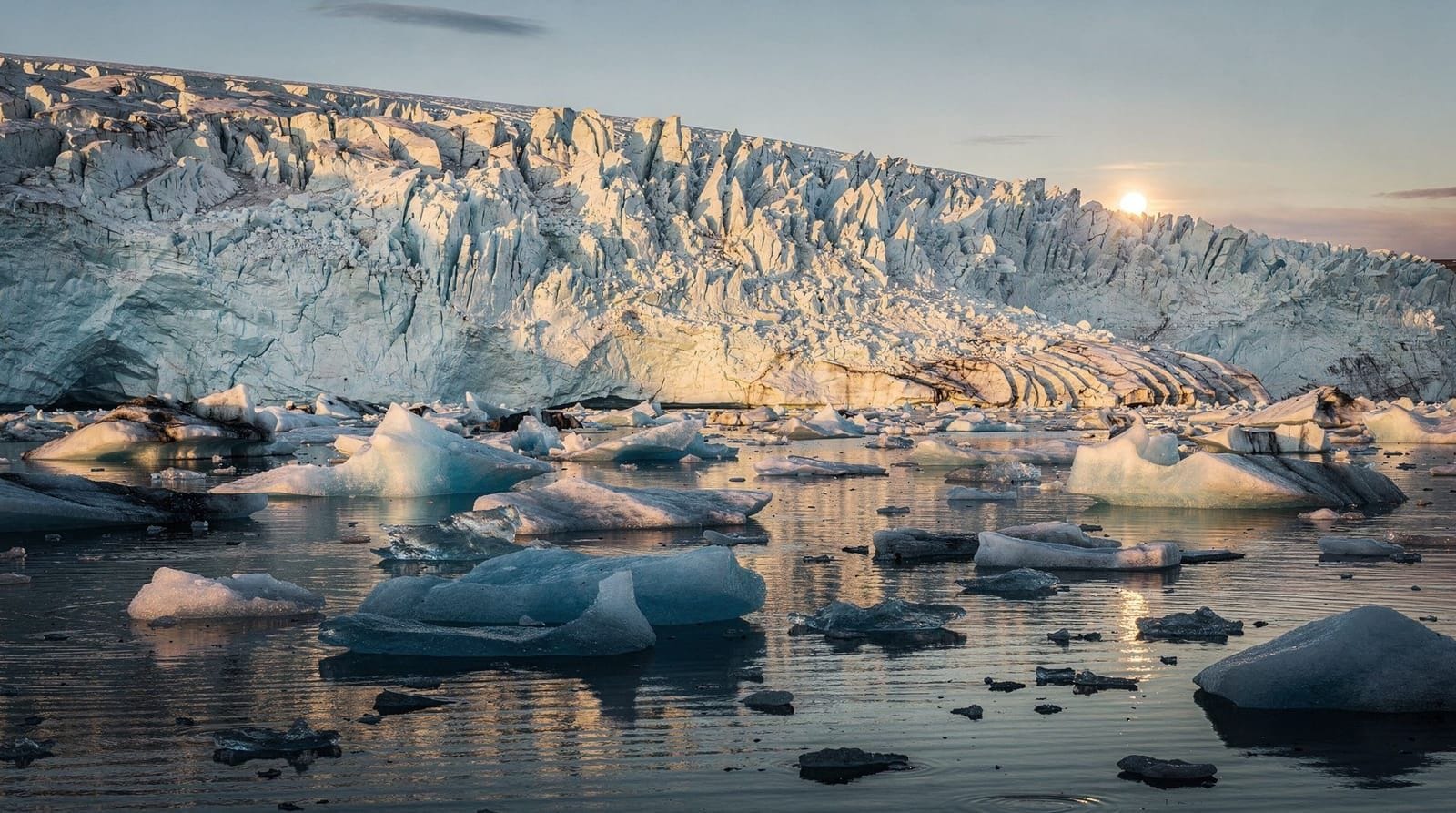
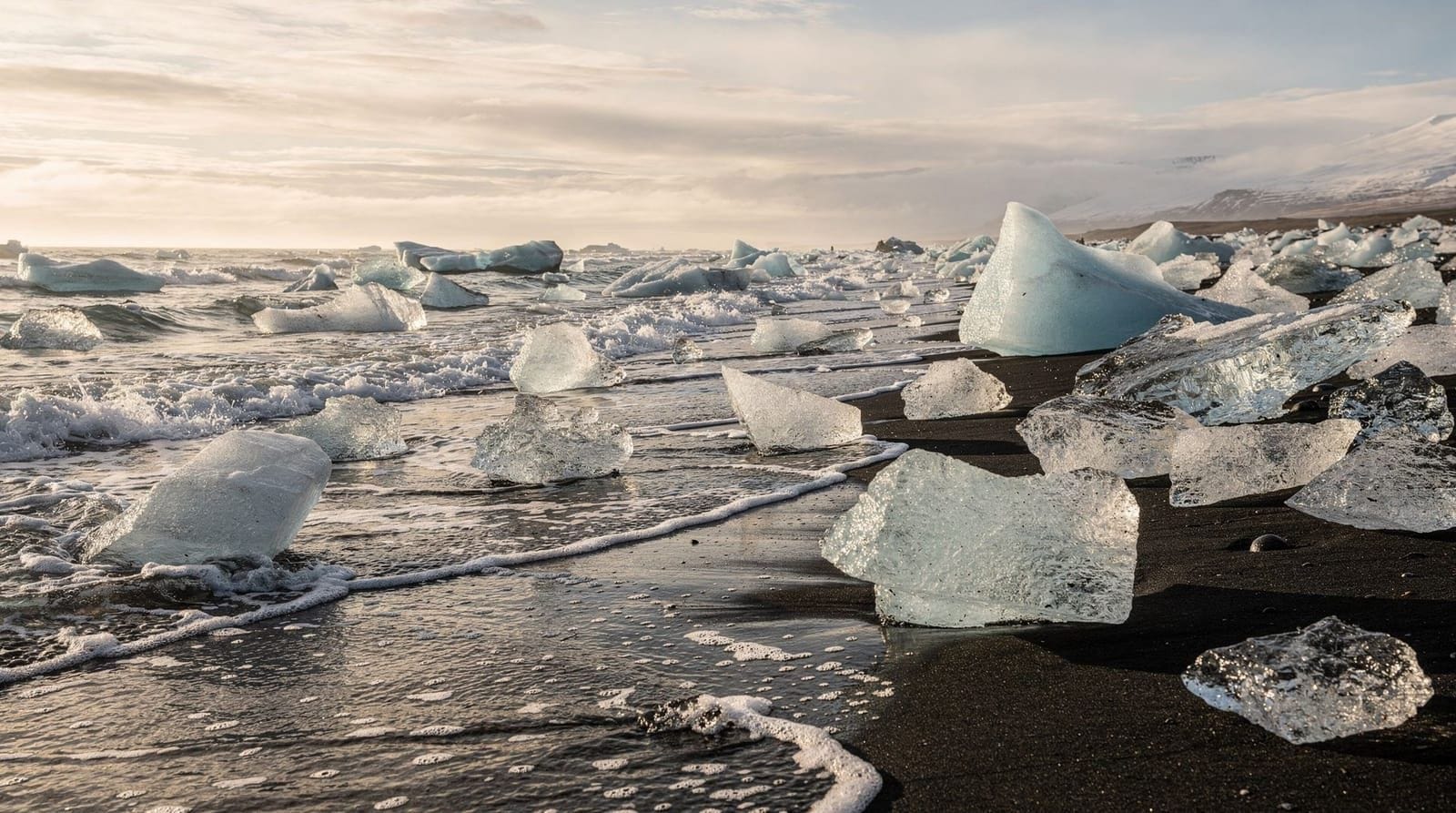
Jökulsárlón is a glacial lagoon at the foot of Breiðamerkurjökull, an outlet glacier of Vatnajökull — Europe’s largest ice cap by volume. Icebergs calve from the glacier into the lagoon, float slowly across the 18 km² lake, and eventually drift out to sea through a short tidal channel, washing up on the black sand beach opposite (now called Diamond Beach after the ice chunks that glitter in the surf).
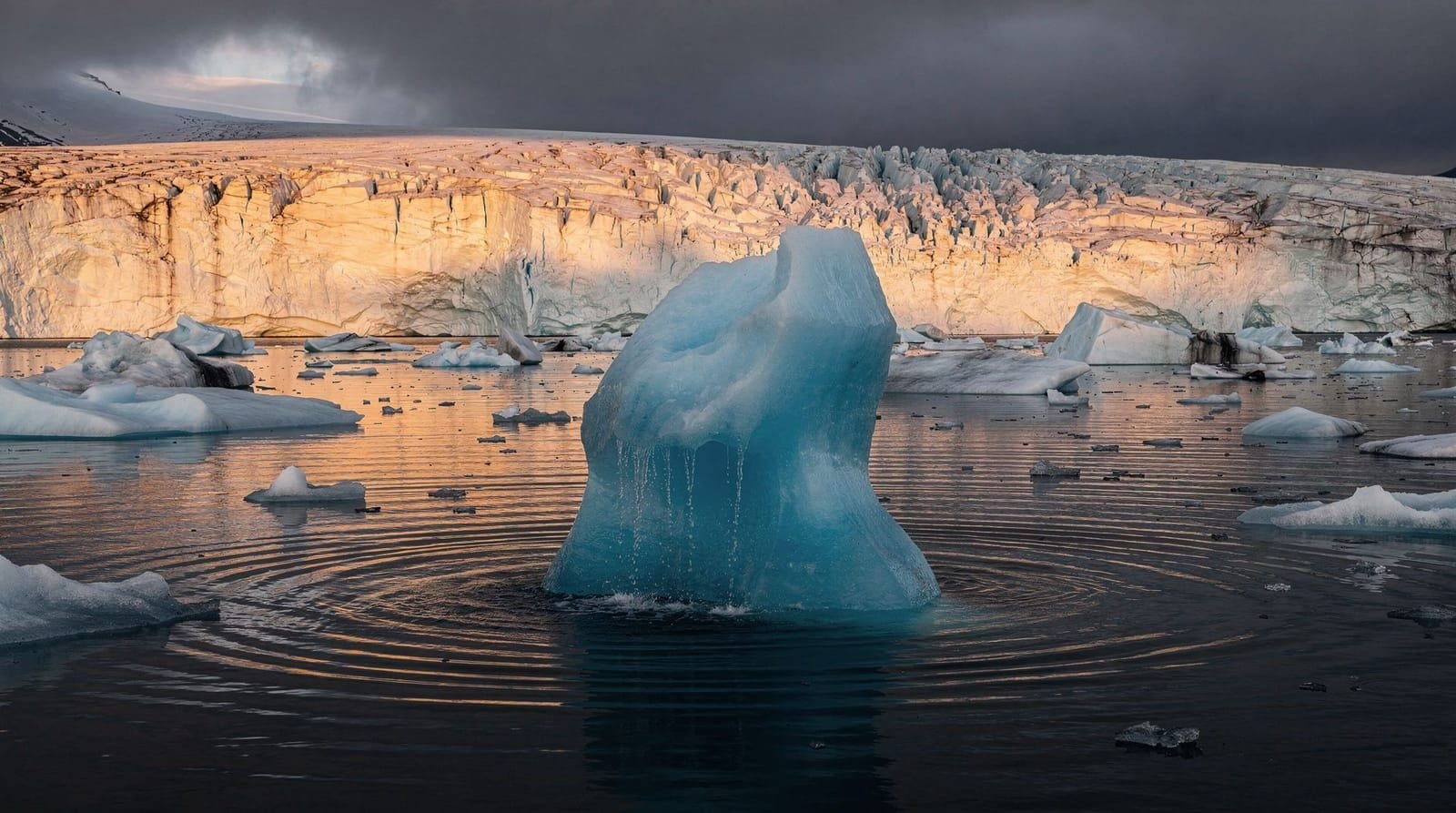
The lagoon has grown dramatically in the past 80 years as the glacier retreats due to warming temperatures — it was barely a pond in the 1940s and is now up to 300 m deep in places. This is a real, ongoing, documented effect of climate change. The icebergs are the glacier’s ice, formed over hundreds of years. Their blues come from compressed ancient snow.
It is one of the most unusual landscapes in Europe. The photos are real, not filtered.
Getting there: guided tour vs. self-drive
The honest case for a guided day tour:
If you do not have a driving license, are uncomfortable with long highway drives, or this is your only day on Iceland’s south coast, a guided tour solves logistics cleanly. The operator handles navigation, picks you up from your hotel, and provides commentary en route.
The honest case for self-drive:
Jökulsárlón is 375 km from Reykjavik on Route 1 — Iceland’s main Ring Road, fully paved. No special vehicle is required in summer. For two or more people, the cost of a rental car for the day is often less than two guided tour tickets, and you set your own pace. You can arrive at 9 AM (before tour groups) or in the evening golden hour (spectacular in summer).
Self-drive to Jökulsárlón in a single day is genuinely exhausting — roughly 750 km round-trip with stops. Most experienced Iceland travelers recommend sleeping in the area and taking two days. The south coast 3-day itinerary is built around this approach, and the south coast glaciers 4-day itinerary extends it further east.
What guided tours include
A full-day guided tour from Reykjavik to Jökulsárlón typically includes:
- Return coach or minibus transport from Reykjavik (9–10 hours of driving total)
- Stops at two to four South Coast sites en route (Seljalandsfoss, Skógafoss, Reynisfjara, and/or a glacier viewpoint)
- Time at the Jökulsárlón lagoon (typically 1–1.5 hours)
- Time at Diamond Beach (30–45 minutes)
Not typically included:
- Amphibious boat tour at Jökulsárlón (ISK 6,900 per adult — usually booked and paid separately on-site)
- Meals and refreshments
- Entry to any sites with fees
Some specialized tours focus specifically on Jökulsárlón and include the boat tour in the ticket price. These are worth the slight premium if you definitely want the boat experience.
Pricing overview
| Option | Approximate price per person |
|---|---|
| Large coach, standard South Coast + lagoon | ISK 20,000–25,000 (~€132–165) |
| Small group minibus, same route | ISK 25,000–30,000 (~€165–197) |
| Boat tour (add-on, on-site) | ISK 6,900 (~€45) |
| Self-drive (car rental + fuel for two) | ISK 12,000–18,000 per person (~€79–118) |
The boat tour question
Jökulsarlon Glacier Lagoon Boat Tours operates two types: amphibious vehicles (Duck Boats) and Zodiac boats. The amphibious boat drives across the parking area and drives directly into the water — a gimmick that children find delightful. Both options float among the icebergs for 30–45 minutes.
Is it worth ISK 6,900?
Conditionally yes. You get significantly closer to the icebergs than shore visitors, and the scale of the ice becomes apparent only at proximity. However: the boats are noisy, life jackets must be worn the entire time and limit photography, and when tours are crowded you may not always be positioned optimally.
The shore view at Jökulsárlón is also exceptional. Seals haul out on the icebergs and swim near the shore (visible from the walkway). Diamond Beach, accessible via a short path across Route 1, requires no additional payment and offers equally striking photography opportunities.
Verdict: If this is your first visit and budget allows, add the boat tour. If you are short on budget, the shore experience alone justifies the trip.
What to expect on the day
Departure: Most Reykjavik tours depart at 7:00–8:00 AM. The long drive means you arrive at Jökulsárlón around 1–2 PM.
At the lagoon: The main parking area has toilets and a small café (soup, sandwiches, coffee). The viewing walkway along the lagoon shore is flat and easy. In summer, arctic terns nest in the area — they will dive-bomb if you walk near their nesting sites. Hold something above your head as a deterrent.
Diamond Beach: Walk across Route 1 (take care — the road is busy). The beach is immediately below the bridge. Ice chunks range from fist-sized to small-car-sized. Photographically best in early morning or evening when the ice glows against the black sand.
En route stops: Most tours stop at Skógafoss and Reynisfjara. Budget time accordingly.
Return: Expect to be back in Reykjavik between 9:00–10:30 PM. This is a 14+ hour day. Bring snacks, water, a good book or podcast for the driving sections.
Alternatives if you cannot do the full day
Stay overnight near Jökulsárlón. Guesthouses in Höfn (35 km east) and in Skaftafell (70 km west) are affordable and well-positioned. Combine with Vatnajökull National Park the following morning.
Glacier kayaking at Jökulsárlón: A specialized option for small groups — paddling among icebergs by kayak. Requires advance booking, runs summer only, and is more expensive but uniquely immersive.
Ice cave tours: Winter visitors can add a blue ice cave tour in Vatnajökull, accessible from Jökulsárlón. See the Vatnajökull ice cave tour review for details.
Practical details
- Toilets: Available at the main Jökulsárlón parking area. No toilets at Diamond Beach.
- Café: Small café at the lagoon sells soup and sandwiches (ISK 2,000–3,500). Bring your own if on a budget.
- Weather: The area is exposed and often windy. Windproof outerwear essential at all times of year.
- Photography: Polarizing filter dramatically increases the blue saturation of ice photography. Morning light from the east (summer, approximately 6–9 AM) illuminates the glacier beautifully.
- Seals: Visible year-round in the tidal channel and near the shore. Best viewing from the bridge over the channel (looking west toward the lagoon mouth).
Understanding what you are looking at: the icebergs
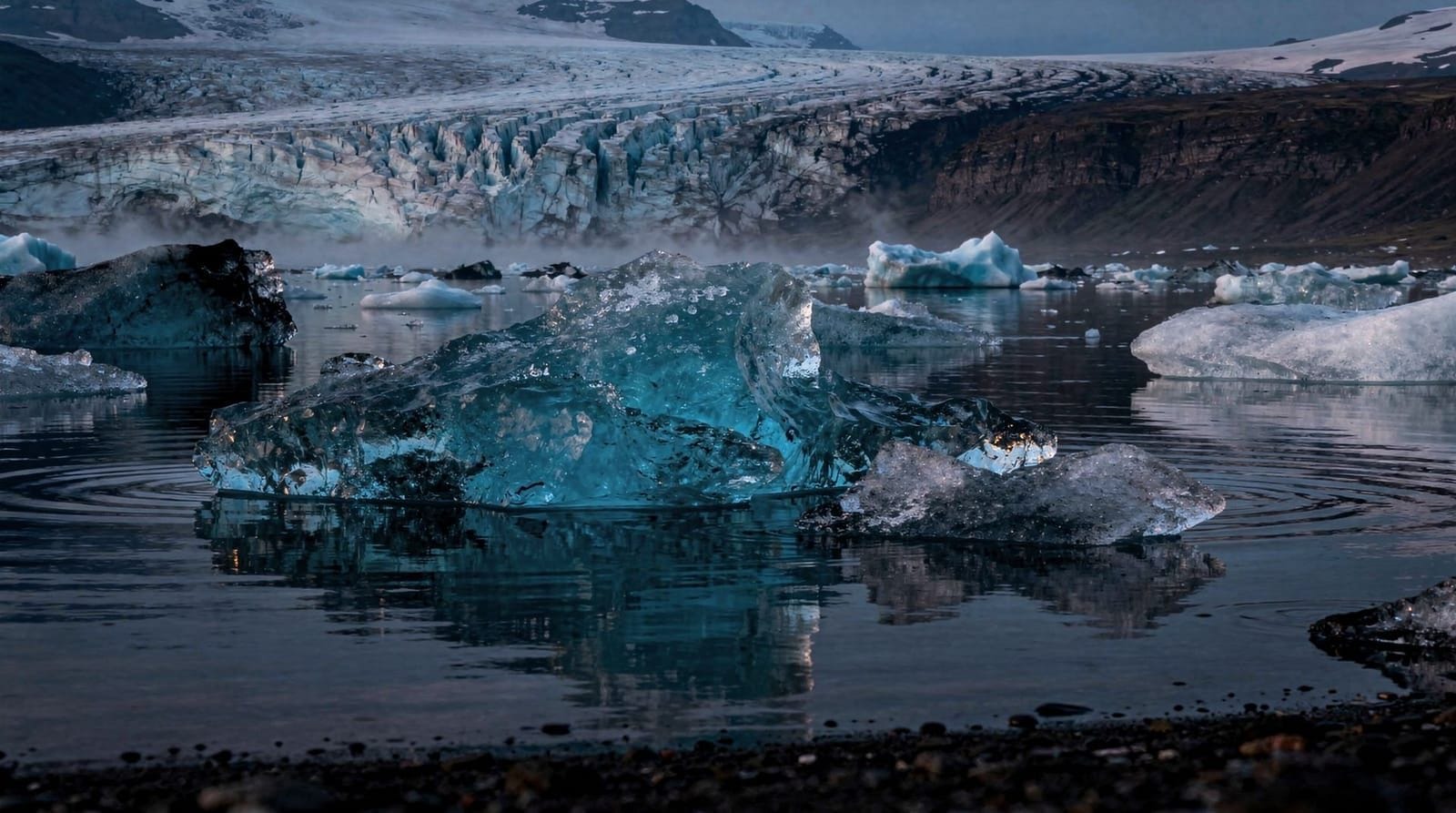
The icebergs at Jökulsárlón are worth understanding before you arrive. Each iceberg is a calved piece of Breiðamerkurjökull glacier. The glacier is formed from compressed snow that accumulated over centuries or millennia — the ice is old, not frozen seawater. The deeper blue color in some bergs indicates highly compressed, air-bubble-free ice.
Movement: Icebergs float in the lagoon, driven by wind and subtle tidal influence from the narrow channel connecting the lagoon to the sea. They drift slowly toward the channel, eventually float out to sea, and wash up on Diamond Beach. The transit from calving to beach can take weeks or years.
Wildlife on the icebergs: Harbour seals haul out on bergs throughout the year. In summer, arctic terns dive repeatedly past your head (they are defending nesting territories on the moraines near the lagoon). In winter, the area is quieter but seal numbers are similar.
Scale: Photographs from the shore struggle to communicate how large the icebergs are. Individual bergs range from bathtub-sized to house-sized. The glacier face at the far end of the lagoon (visible from shore on clear days) rises 30–50 m above the water surface.
Kayaking at Jökulsárlón
A specialist niche worth mentioning for adventure-focused visitors: guided kayak tours on the lagoon are available from one operator, running June through September in calm conditions. You paddle among icebergs at water level — a perspective the boats cannot replicate. The sense of scale is extraordinary.
Kayak tours run ISK 20,000–28,000 per person and require advance booking (groups of 4–8 typically). Full dry suit and paddling gear provided. No prior kayaking experience required. Weather-dependent with a same-day cancellation policy if conditions are unsafe.
For south coast glaciers visitors who want something beyond the standard boat tour, this is the highest-impact upgrade available at Jökulsárlón.
Jökulsárlón by season
| Season | Daylight | What’s different |
|---|---|---|
| Summer (Jun–Aug) | 20+ hours | Warmest weather, busiest lagoon, midnight-sun golden hour |
| Autumn (Sep–Oct) | Shortening fast | Fewer visitors, good iceberg light, first aurora chances |
| Winter (Nov–Feb) | As little as 4–5 hours | Ice caves possible, aurora over the lagoon, one-day self-drive impractical |
| Spring (Mar–May) | Lengthening | Moderate crowds, melting ice, changeable weather |
The one-day round-trip drive from Reykjavik is realistic in summer’s long daylight but genuinely stretched in winter, when a same-day return means driving in darkness both ways. The south coast 3-day itinerary and the south coast glaciers 4-day itinerary both build in an overnight stop for exactly this reason.
Should you break the trip into two days?
Almost every experienced Iceland traveler says yes. A same-day Reykjavik–Jökulsárlón–Reykjavik round trip covers roughly 750 km and leaves you with maybe 2–2.5 hours actually at the lagoon and Diamond Beach after a 5-hour drive each way. Splitting it into two days — sleeping in Höfn or Skaftafell — turns a rushed marathon into a relaxed exploration, with time for a sunset visit to the lagoon, an early-morning return the next day before the tour buses arrive, and a stop at Vatnajökull National Park or a glacier hike on the way back.
If a single day is genuinely all you have, prioritize Jökulsárlón and Diamond Beach over additional South Coast waterfall stops — the glacier lagoon is the harder experience to replicate elsewhere, while Seljalandsfoss and Skógafoss are accessible on a future, less rushed visit.
Frequently asked questions about the Jökulsárlón glacier lagoon tour
Can I see the northern lights at Jökulsárlón?
Yes — if you are staying overnight and conditions allow. The lagoon with aurora reflections in the water and glowing icebergs is one of Iceland’s most dramatic night photography scenarios. The area has minimal light pollution. See the self-drive aurora hunting guide for planning.
Are there toilets and food at Diamond Beach?
No — toilets and the café are at the main Jökulsárlón parking area only, a 3-minute walk from Diamond Beach. Bring snacks.
Is the lagoon accessible in winter?
Yes, year-round. Winter (November–March) brings frozen iceberg formations along the shore and potential for northern lights. Some boat tours operate in winter with heated vessels.
How close can you get to the glacier itself?
The calving face of Breiðamerkurjökull is at the far end of the lagoon, approximately 2–3 km from shore. The boats get closer but still not to the glacier face itself — the calving zone is dangerous. Ice caving tours enter the glacier from a different access point.
Is there a risk from the boat tours?
The amphibious vehicles and Zodiacs are operated by licensed guides with mandatory safety briefings. Life jackets are required. The lagoon is calm (no ocean swell). Risk is low for healthy adults.
Is it worth doing Jökulsárlón as a single long day from Reykjavik?
It’s possible and operators run it daily, but be honest with yourself about the trade-off: roughly 10 hours of the 14+ hour day is spent driving. If your schedule allows even one overnight near Höfn or Skaftafell, the experience improves dramatically.
Can I see Diamond Beach without paying for the boat tour?
Yes — Diamond Beach requires no additional payment beyond getting yourself there. It’s a short walk across Route 1 from the main Jökulsárlón parking area, and the ice-on-black-sand views are among the most photographed in Iceland regardless of whether you add the boat.