Vatnajökull ice cave tour: honest review
Jokulsarlon: Vatnajokull Blue ice cave guided tour
What a Vatnajökull blue ice cave is
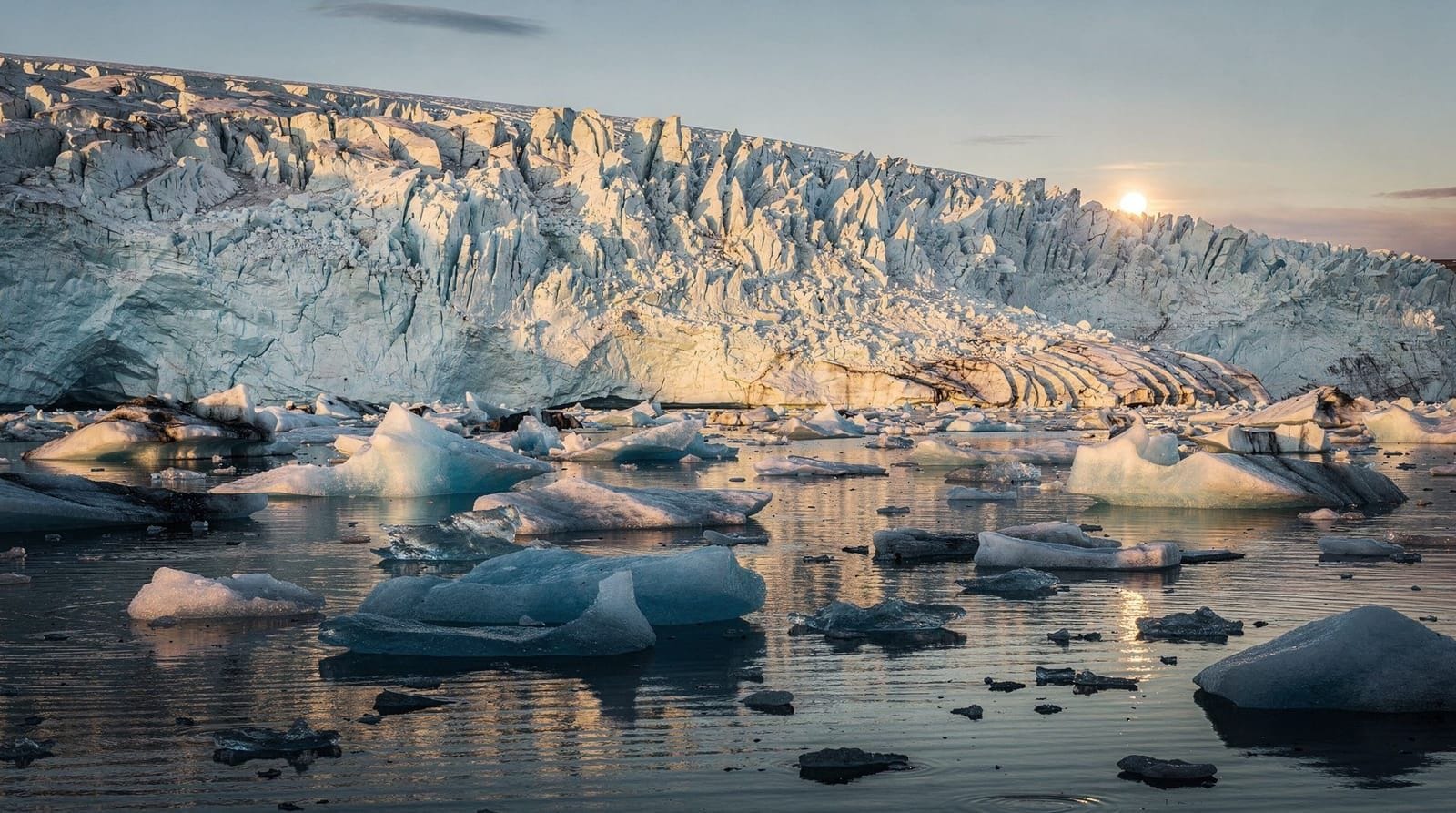
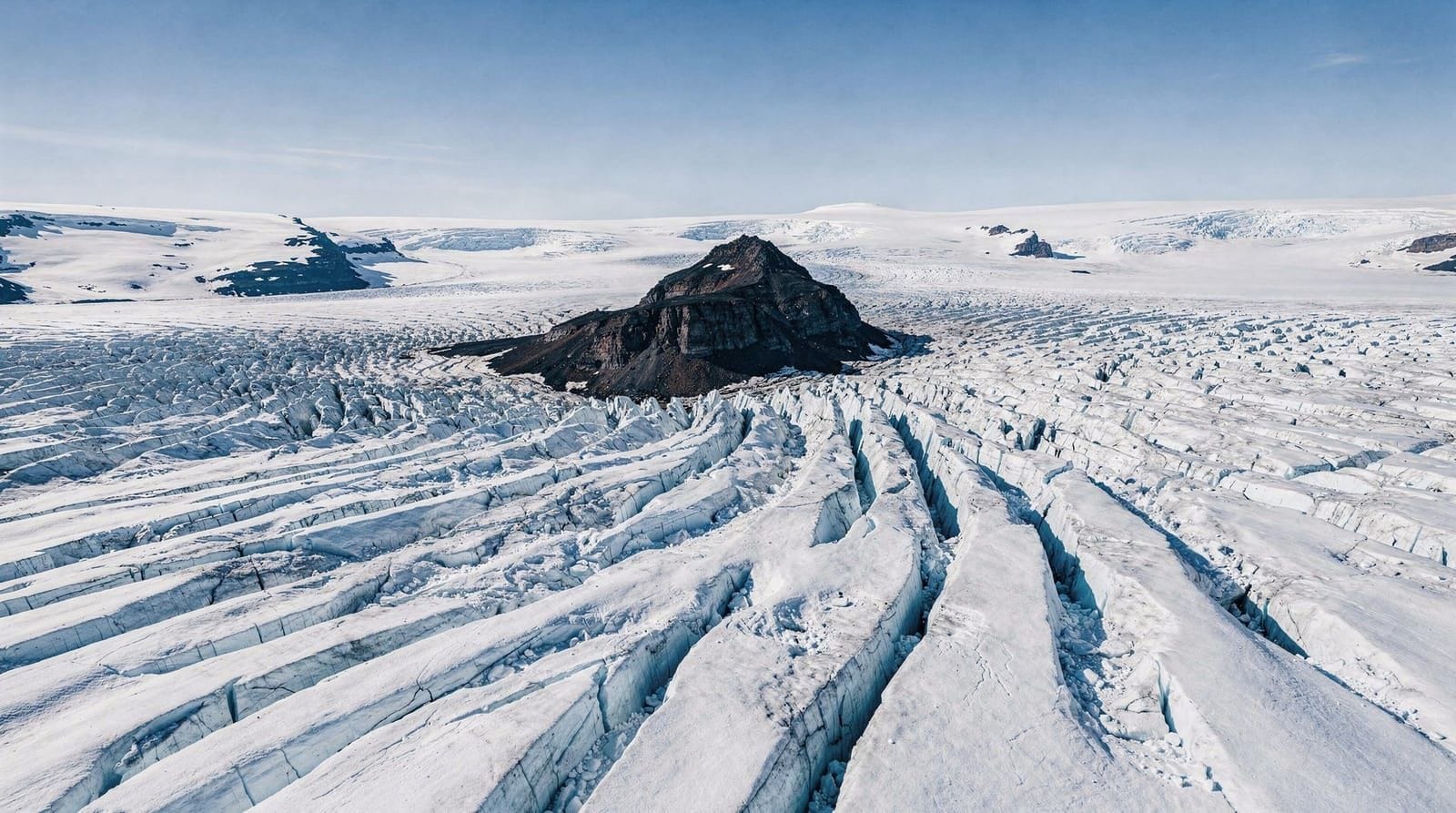
Vatnajökull is the largest ice cap in Europe outside Greenland — 8,100 km² of ice up to 1 km thick. Ice caves form when summer meltwater carves channels and chambers inside the glacier ice as it flows slowly toward the sea. In winter, these channels freeze over and become accessible.
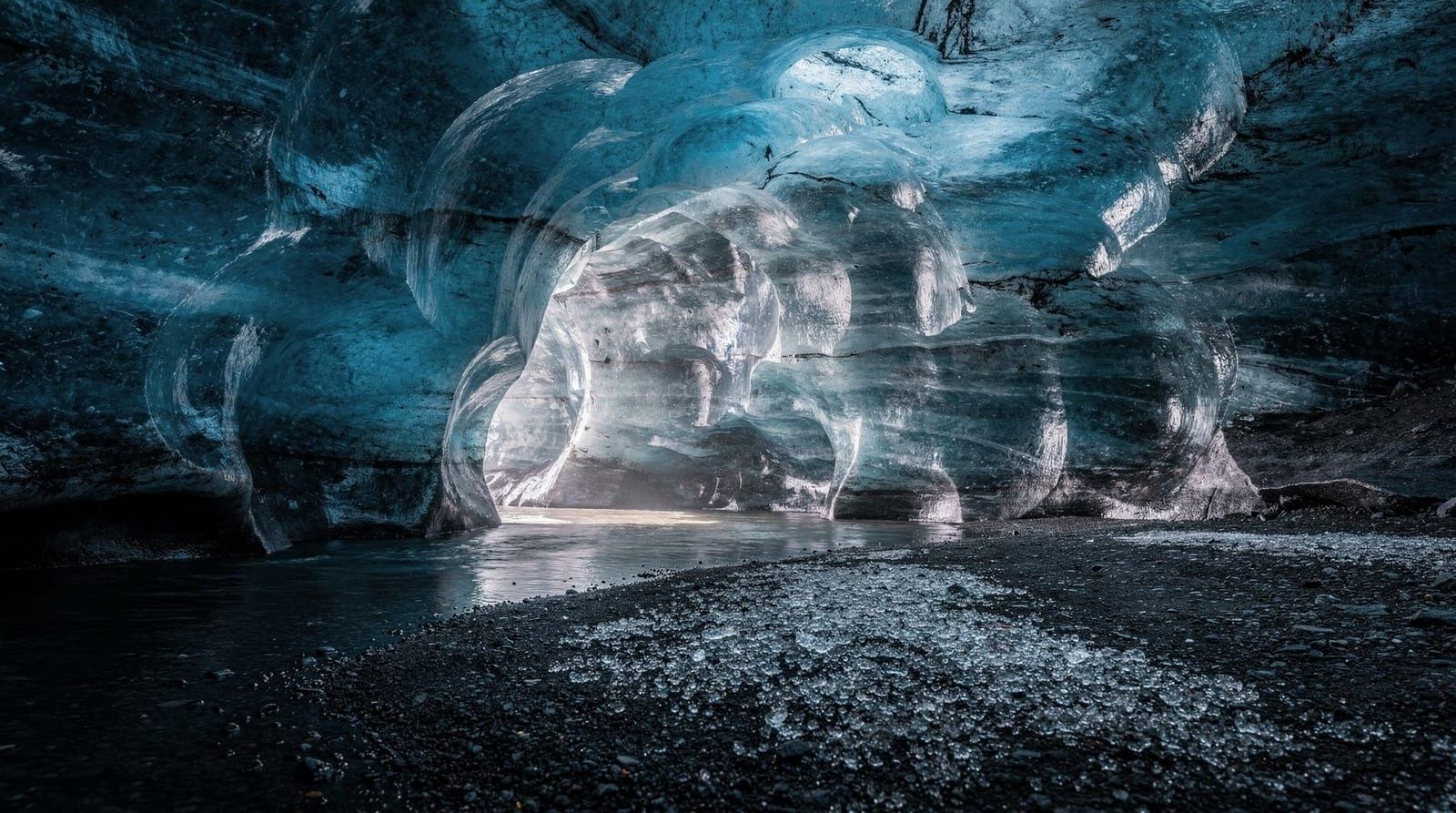
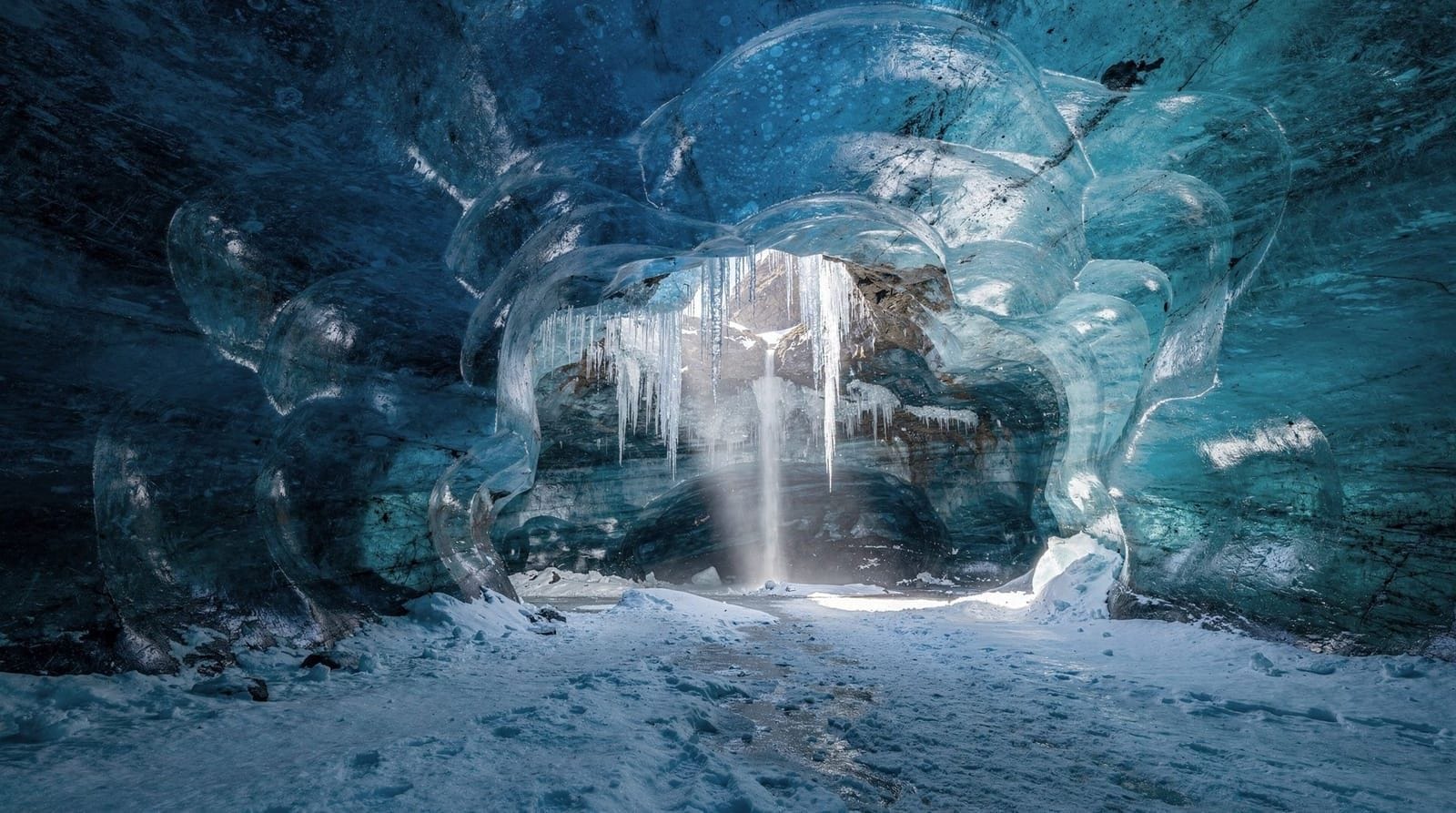
The “blue” comes from the physics of ice: ancient, compressed glacial ice contains very few air bubbles. It absorbs red wavelengths of light and transmits blue, making the interior of a pure glacier cave glow in shades from deep cobalt to soft turquoise. The effect is real and genuinely striking — photographs often look artificially enhanced but are accurate.
Important caveat: Ice caves are not permanent structures. Each year’s caves form in different locations, have different dimensions, and offer different visual qualities. Some winters produce spectacular multi-chamber caves; other winters yield smaller, less impressive formations. The guide companies scout new caves in late October each season.
| Where | Jökulsárlón area, Vatnajökull glacier, ~375km from Reykjavik |
| Cost | around ISK 16,000–28,000 per person |
| Time needed | 2.5–3 hours on the tour; plan an overnight near Jökulsárlón |
| Getting there | Route 1 east, or a Reykjavik pickup package |
| Best time | November–March only (natural caves) |
Who runs ice cave tours
Ice cave tours depart from the Jökulsárlón area, approximately 375 km from Reykjavik. Operators with access to specific ice caves on Vatnajökull licensed guiding territory lead groups to cave entrances by super-jeep (required — regular vehicles cannot access the glacier approaches).
Established operators to consider:
- Local glacier guiding companies with seasonal contracts for specific cave areas
- Tours that depart from Jökulsárlón parking area (standard group tours)
- Private super-jeep tours for smaller groups with more flexibility
Most standard tours:
- Run 2.5–3 hours (45 minutes to/from the cave by jeep, 1–1.5 hours inside)
- Group size 8–14 people
- Helmet and crampons provided
What you pay
| Option | Price (ISK) | Approx EUR | Notes |
|---|---|---|---|
| Standard group cave tour | 16,000–20,000 | €105–132 | From Jökulsárlón |
| Super-jeep cave + glacier | 22,000–28,000 | €145–184 | Smaller group, more terrain |
| Private tour | 40,000–60,000 | €263–394 | Per vehicle |
| Reykjavik package (2 days) | 55,000–80,000 | €362–526 | Transport + accommodation + cave |
Transportation from Reykjavik is a major cost component. If you are not already in the Jökulsárlón area, factor in either:
- Return Route 1 drive (9–10 hours round-trip from Reykjavik)
- A two-day package with accommodation near the lagoon
- A multi-day tour that combines south coast, Jökulsárlón, and the ice cave
Is it worth the cost and distance?
The case for going:
Blue ice caves are one of the few genuinely irreplaceable experiences in Iceland. The color and scale of the interior — standing inside a glacier, surrounded by ancient ice glowing blue — has no equivalent at any other accessible location in Europe. Photographs from inside the caves regularly appear in photography competition shortlists. The experience is winter-only, which creates scarcity.
For winter visitors making a south coast trip, adding an ice cave requires only a night in the Jökulsárlón area, which most people find worthwhile regardless.
The case against:
The cave conditions vary year to year and are unpredictable. A weak season can produce smaller, less visually impressive caves. The tour can also cancel on short notice (see FAQ above). If you are making a specific trip to Iceland purely for ice caves, the disappointment risk is real.
For summer visitors: this is simply not possible. The natural blue ice caves do not operate in summer. The artificial tunnel option (INTO THE GLACIER at Langjökull, open year-round) is an alternative.
What to expect on a cave tour day
Getting to the tour: Most visitors drive to the Jökulsárlón area the previous day and sleep locally — Höfn (35 km east) has the best accommodation selection. Alternatively, operators run pickups from the glacier lagoon parking area.
The jeep transfer: Super-jeeps inflate their tires to very low pressure to drive on glacial moraine and approach roads. The drive to the cave entrance takes 20–45 minutes depending on that season’s cave location.
At the cave entrance: Guide fits crampons and gives safety briefing. You enter single file. The caves range from low-ceilinged tunnels requiring crouching to cathedral-like chambers where you can stand fully upright.
Inside the cave: Temperature inside is 0–2 °C — colder than outside in mild weather. Photography requires long exposure (4–8 seconds) on a tripod for optimal results. Guides help position groups for the best angles. Allow 45–90 minutes inside.
What to wear:
- Waterproof hiking boots (crampons attach over them)
- Warm thermal layers
- Waterproof outer jacket and trousers
- Gloves and a hat (helmet provided)
- Small daypack for camera and water
Alternatives if the natural caves are closed or unsafe
| Option | Distance from Reykjavik | Season | Character |
|---|---|---|---|
| Vatnajökull blue ice cave (this tour) | ~6hrs / overnight near Jökulsárlón | Nov–Mar only | Purest blue, most photographed |
| Katla ice cave, Mýrdalsjökull | ~2.5hrs, from Vík | Some sections year-round | Black ash layers, different visual character |
| Into the Glacier, Langjökull | ~2hrs, Golden Circle area | Year-round | Man-made tunnel, no weather risk |
INTO THE GLACIER, Langjökull — A man-made ice tunnel system inside Iceland’s second-largest glacier, open year-round. Accessible from the Golden Circle area (Gullfoss) by snowmobile or super-jeep. The blue ice color is visible, but it is an engineered tunnel, not a natural cave. Costs ISK 18,000–25,000 per person.
Katla ice cave — Another winter ice cave option, accessible from Vík on the South Coast (much closer to Reykjavik). Katla caves are formed inside the Mýrdalsjökull glacier, which sits above the Katla volcano. The ice contains black volcanic ash layers — a different visual character from Vatnajökull’s pure blue caves. Some caves are accessible year-round. See the Katla ice cave guide.
How this fits a wider glacier and ice-cave trip
Most visitors booking a Vatnajökull ice cave tour are already routing through Jökulsárlón and the wider Vatnajökull National Park — the ice cave is rarely a standalone destination given the distance from Reykjavik. If ice caving specifically (rather than the lagoon or the national park generally) is your main interest, the broader ice caving in Iceland guide compares every accessible option, including summer-only alternatives inside Vatnajökull’s outlet glaciers near Skaftafell. And if you want context on why these caves look the way they do and how quickly they are changing, the glaciers of Iceland guide covers the ice cap’s broader retreat, which is steadily reshaping where and how these caves can form each winter.
Practical planning notes
Book early: Ice cave tour slots sell out in December–February, peak northern lights and winter travel season. Book at minimum three to four weeks ahead for popular tour operators.
Cancellation policy: Confirm the operator’s weather/safety cancellation policy before booking. Reputable operators offer full refunds for cancellations they initiate; rescheduling options are common if you have flexibility in your dates.
Age and fitness: Most operators require participants to be at least 8 years old and physically capable of the jeep drive and cave walk. No mountaineering fitness required. Medical conditions affecting mobility or confined spaces should be disclosed at booking.
Two-day strategy from Reykjavik:
- Day 1: Drive south coast, stopping at Seljalandsfoss, Skógafoss, Reynisfjara, arriving at Jökulsárlón by early evening. Boat tour on the lagoon.
- Day 2: Ice cave tour in the morning, then drive back to Reykjavik via the south coast.
This itinerary is detailed in the south coast glaciers 4-day itinerary.
The ice cave photography reality
Ice cave photography is one of the key reasons many visitors book these tours. Here is an honest assessment:
Tripod space: Inside the cave, space is limited. On group tours (8–14 people), not everyone can set up a tripod simultaneously. Guides typically manage a rotation system. Small-group and private tours have more flexibility.
Exposure settings: The blue ice requires long exposures (4–8 seconds) for optimal results. ISO 400–800, f/2.8–f/5.6, and a tripod or stable surface are standard settings. Phone cameras can produce adequate results on night mode with the phone propped against the ice.
The blue color accuracy: The cave photographs are real, not post-processed. The blue is genuine. However, results vary depending on the specific cave section and the quality of available light (natural openings versus headlamp only). The deepest blue sections are typically the most compressed, oldest ice.
Guide-assisted photography: Some operators specifically offer photography ice cave tours with a photographer-guide who knows the best compositions and lighting setups. If this is a primary goal of your trip, seek these out — the difference in results is significant.
Overnight options near Jökulsárlón
Staying near Jökulsárlón is strongly recommended for ice cave tours, which typically depart at 9–11 AM. The nearest towns:
Höfn (35 km east): The largest town in this part of Iceland. Known for langoustine (the local lobster bisque at the hotel restaurants is worth ordering). Multiple guesthouses and a hotel. Book several months ahead for December–February when demand is highest.
Skaftafell area (70 km west): Several guesthouses in the national park approach area. More isolated but closer to the western glacier options.
Jökulsárlón parking area accommodation: Not available — this is a day-use area. Nearest accommodation is Höfn or Skaftafell.
The ring road 7-day itinerary positions the east coast (including Jökulsárlón and potential ice caves) as day five or six of a full ring road circuit.
Frequently asked questions about Vatnajökull ice cave tours
What makes the ice blue?
Glacial ice compressed over centuries contains very few air bubbles. Pure, dense ice scatters light differently from airy ice: red wavelengths are absorbed, blue wavelengths pass through. The deeper and denser the ice, the more intense the blue. It is the same physics that makes deep ocean water appear blue.
Can tours enter the cave in rain?
Not in heavy rain — water ingress weakens the ice structure and guides will not enter. Light rain is assessed on the day. Most tour cancellations are due to warming temperatures (which increase melt risk) rather than rain directly.
Is there a fitness requirement?
The cave walk involves uneven terrain with crampons and some crouching in lower sections. Most healthy adults can participate without difficulty. If you have knee problems or difficulty walking on uneven ground, discuss with the operator.
How long is the season?
Typically November through late March. Exact dates depend on the glacier’s condition each year. Some years the season extends slightly; in warm winters it may be shorter.
Are there other ice caves accessible from Reykjavik?
The Katla ice cave (Mýrdalsjökull) is accessible from Vík, about 2.5 hours from Reykjavik, and some sections are open year-round. The Vatnajökull caves are the longest-established and most photographed, but Katla is a legitimate alternative with a different visual character.
Do I need to stay overnight near Jökulsárlón?
Practically, yes. Ice cave tours typically depart 9–11 AM from the Jökulsárlón area, and the drive from Reykjavik alone is 4.5–5 hours each way. Almost all visitors sleep in Höfn or the Skaftafell area the night before rather than attempting a same-day return trip.
Is the Vatnajökull ice cave worth it compared to Katla?
If you are already committing to the full drive east and an overnight, Vatnajökull’s blue ice is generally considered the more visually spectacular of the two. If your trip is centered on the South Coast without an east-coast detour, Katla is the more practical and still genuinely worthwhile choice.