Jökulsárlón day trip from Reykjavík — the honest guide
Reykjavik: Jokulsarlon glacial Lagoon with boat tour
Is a Jökulsárlón day trip from Reykjavík worth it?
It is viable but the most exhausting day trip you can do from Reykjavík — 750 km return, 10 hours of driving, leaving only 2–3 hours at the lagoon. A better option is staying 1–2 nights in Vík or Höfn and combining Jökulsárlón with the full South Coast. If a day trip is your only option, depart by 06:30.
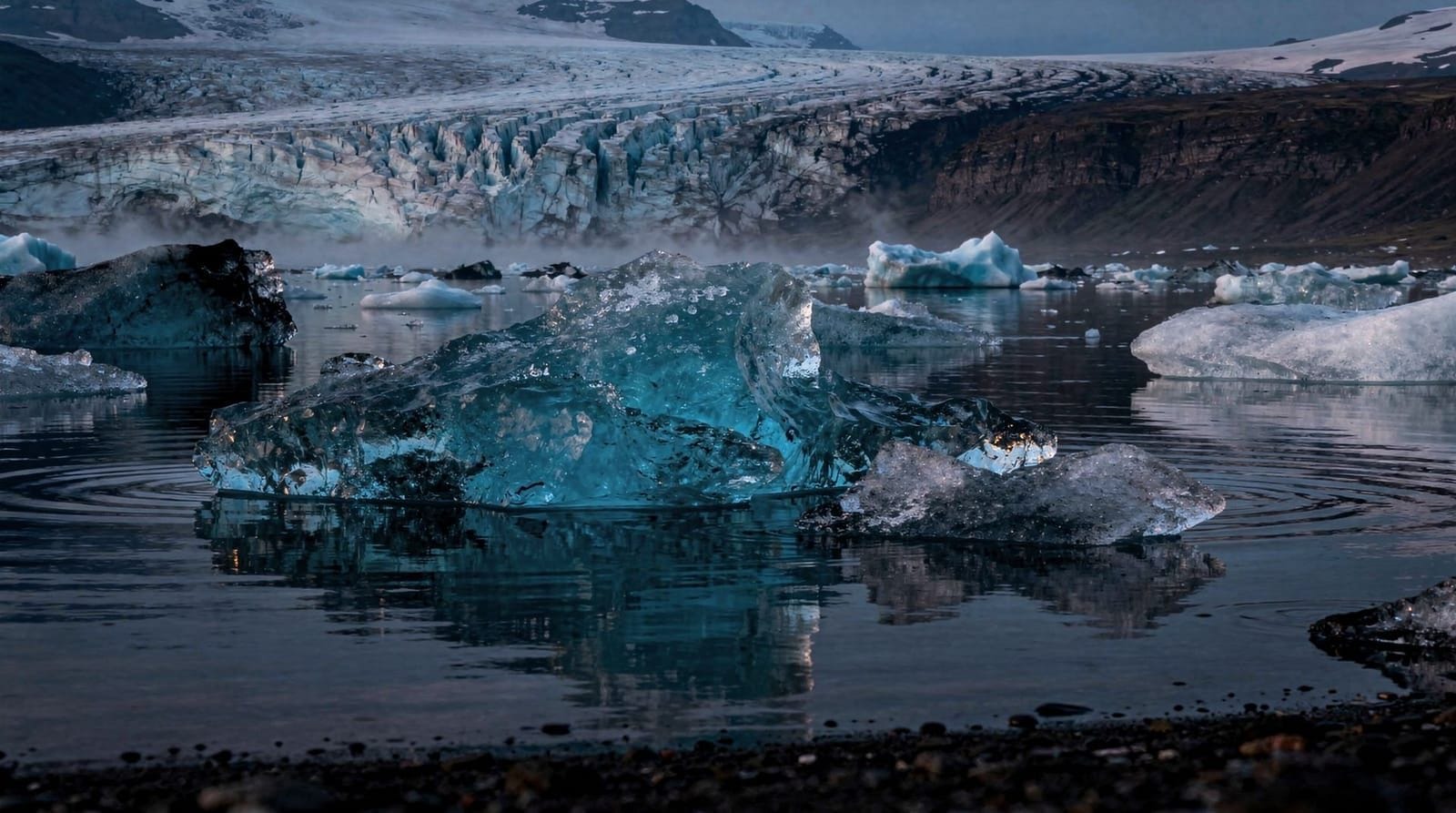
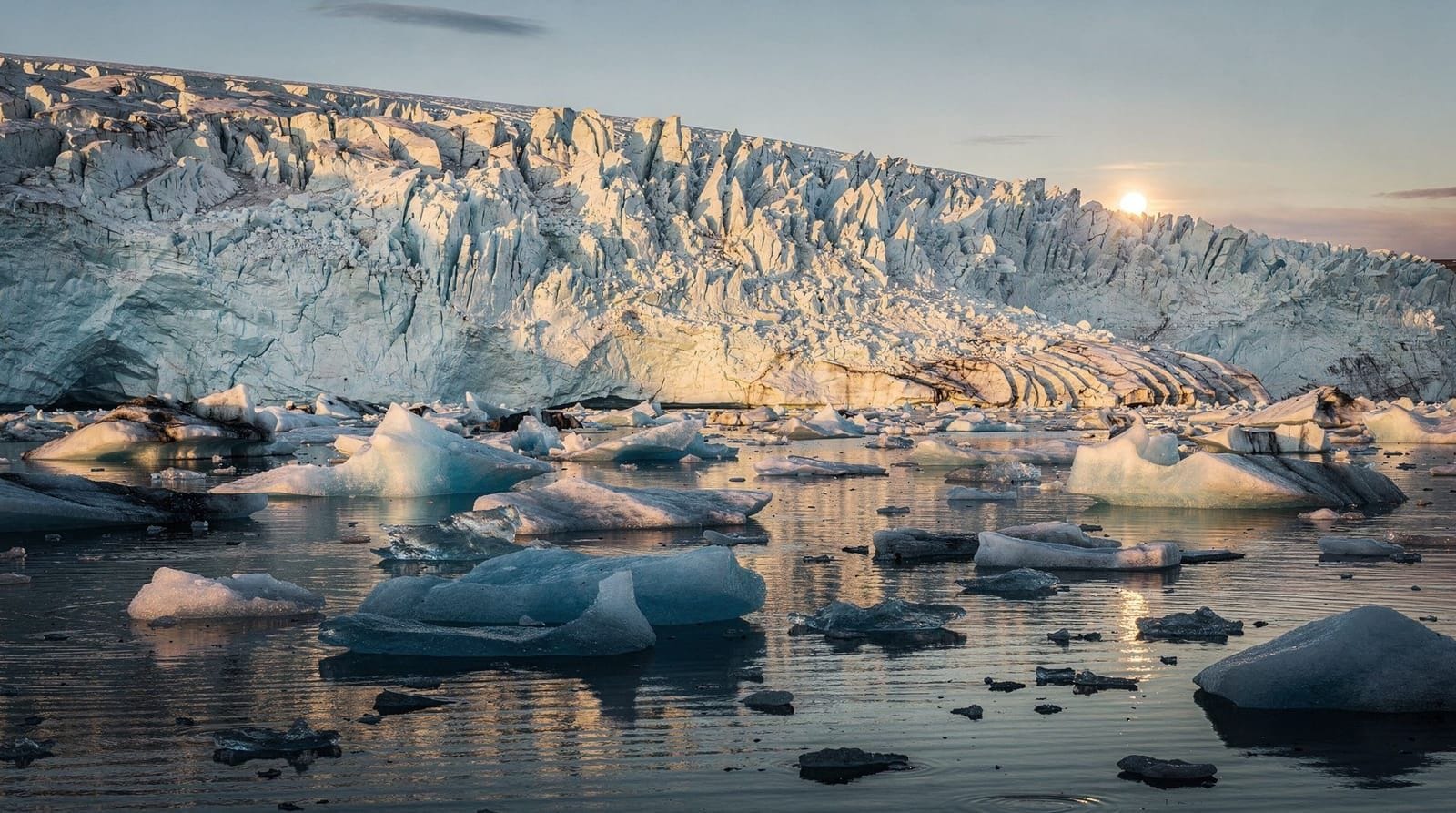
Jökulsárlón is among Iceland’s most remarkable landscapes — a tidal glacial lagoon where Breiðamerkurjökull, an outlet glacier of Vatnajökull, calves icebergs directly into the water. The floating ice ranges from freshly broken white blocks to ancient compressed blue ice, all drifting slowly through the lagoon toward the sea. It is one of the few places on Earth where you watch geological time moving in real time.
The question for day-trippers from Reykjavík is not whether Jökulsárlón is worth seeing — it clearly is — but whether the logistics of a day trip actually deliver a good experience.
| Distance | 750 km round trip from Reykjavík (~9–10 hours driving) |
| Time at lagoon | 2.5–4 hours realistically |
| Cost (self-drive) | Fuel + boat tour (~6,500 ISK) + optional ice cave (winter, 15,000–19,900 ISK) |
| Best alternative | 2-day South Coast trip with an overnight in Vík or Höfn |
| Departure time | No later than 06:30–07:00 |
The honest assessment
The round trip from Reykjavík to Jökulsárlón is 750 km — approximately 9–10 hours of driving on the Ring Road. For a standard 14-hour summer day (departing at 07:00, returning by 21:00), this leaves about 4 hours at the destination after accounting for stops.
Four hours is enough to: walk the lagoon shore, take the 45-minute boat tour, and drive to Diamond Beach and walk the ice deposits. It is not enough to truly absorb the place, add Skaftafell glacier hiking, or spontaneously extend when the light is exceptional.
The day trip works if: you are on a fixed Iceland itinerary with no other opportunity to reach the east; you are doing a guided tour that handles the driving; or you do not mind a long car day with a concentrated few hours at the destination.
The day trip does not work if: you want to stay for golden hour photography, you want to add ice cave tours (winter only), or you want to combine with Skaftafell or Höfn.
Recommendation: if you have any flexibility, add 2–3 days to the South Coast itinerary and reach Jökulsárlón as part of a moving trip rather than a return day trip. See our South Coast glaciers itinerary for a practical multi-day plan.
What to do at Jökulsárlón
Shore viewing (free)
The north shore of the lagoon (Route 1 side) has a large car park (1,000 ISK / €7 in summer) and a viewing area directly on the water. The icebergs move slowly and change position over hours. The colours range from white to pale blue to deep cerulean in older compressed ice.
Seals frequently climb on the ice floes — harbour seals use the lagoon’s calmer waters and the ice platforms for resting. Watch the larger flat ice blocks.
Boat tour
The amphibious boat tour (Duck Boat) is 45 minutes and involves a standard viewing vehicle that drives directly into the lagoon. The Zodiac inflatable tour is faster and takes you among the icebergs more dynamically. Both operate in summer (May–October).
Prices: approximately 6,500 ISK (€42) for adults on the Duck Boat. Book ahead in July — tours fill on busy days.
Jökulsárlón glacier lagoon with boat tour — includes amphibious boat ride among the icebergs, guide commentary, from ReykjavíkDiamond Beach
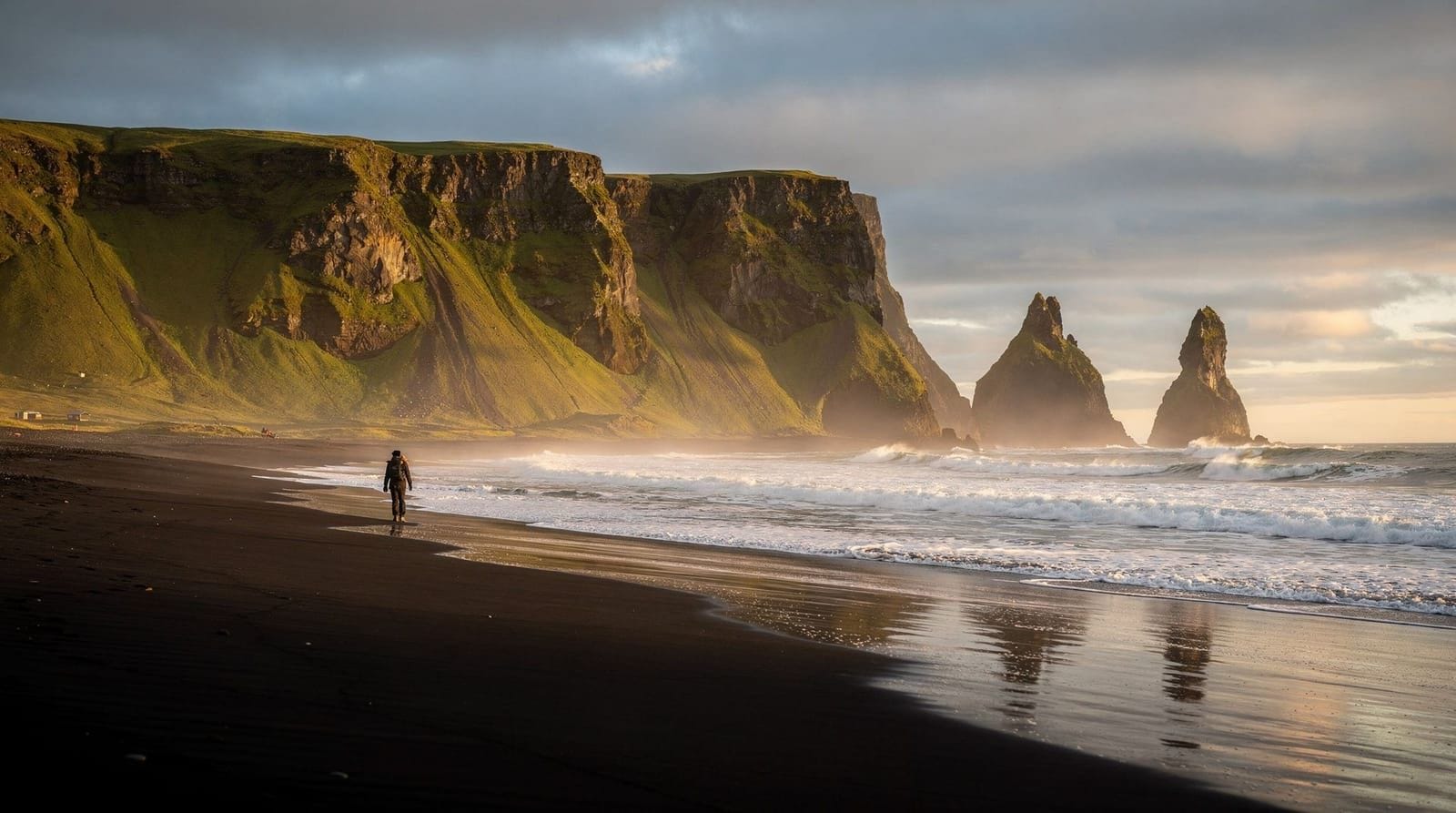
Diamond Beach is 500 m east of the main Jökulsárlón car park. The tidal outlet channel deposits ice fragments on the black sand as they are washed out to sea. Some pieces are house-sized; others are small translucent blocks. The visual impact — transparent and blue ice on jet-black sand — is extraordinary.
Photography: arrive in early morning or late evening for the best light. The ice blocks reflect and refract the golden hour light dramatically. Midday gives less interesting flat light.
Allow 30–45 minutes including photography time.
Ice cave tours (November–March only)
The blue ice caves within Vatnajökull glacier are accessible from the Jökulsárlón area in winter. Guides lead small groups through cave entrances in the glacier margin, revealing walls and ceilings of compressed ancient ice in intense blue tones. These are not accessible in summer.
Prices: approximately 15,000–19,900 ISK (€97–130) per adult. Small group tours (4–8 people) offer the most dramatic access.
Vatnajökull blue ice cave tour — winter only (November–March), small group, glacier guide, from Jökulsárlón areaGuided day trips from Reykjavík
Several operators run guided day trips combining Jökulsárlón with South Coast stops. These typically depart Reykjavík at 07:00–08:00 and return around 22:00–23:00. The advantage: you do not drive the 750 km yourself; the guide provides context; boat tour is sometimes included.
South Coast, Diamond Beach, and Jökulsárlón day trip from Reykjavík — 14-hour guided tour, waterfalls, black beach, glacier lagoonThese tours are exhausting but efficient. Best for visitors who cannot allocate multi-day travel to the east.
Self-drive day trip logistics
Departure: no later than 06:30 for a comfortable day. 07:00 is the latest feasible departure.
Route: Reykjavík → Ring Road (Route 1) east → Seljalandsfoss (optional quick stop) → Skógafoss (optional) → Vík → Kirkjubæjarklaustur → Skaftafell (optional stop) → Jökulsárlón.
Recommended fuel stops: Hvolsvöllur (Shell, 90 km east of Reykjavík), Vík (200 km), Kirkjubæjarklaustur (280 km).
Return timing: leave Jökulsárlón by 16:00–17:00 to return to Reykjavík by 21:00–22:00.
Road conditions: the Ring Road is paved and maintained year-round. Winter driving requires 4WD and attention to ice; check vedur.is. The road between Vík and Kirkjubæjarklaustur occasionally closes in very severe weather.
Combining Jökulsárlón with nearby attractions
Skaftafell (60 km west of Jökulsárlón): the most accessible glacier hiking area in Iceland, with trails to the Falljökull glacier tongue and the famous Svartifoss basalt-column waterfall. Adding Skaftafell turns the day trip into an overnight trip — 2 nights minimum for justice to both sites.
Jökulsárlón boat (amphibious) + Diamond Beach + Skaftafell is the ideal 2-day South Coast east extension if you are on a multi-day Ring Road trip.
Höfn (75 km east of Jökulsárlón) is worth adding for its locally caught lobster (humarsúpa — lobster soup at Humarhöfnin restaurant is genuinely one of Iceland’s best meals) and as a base for the Eastfjords.
Frequently asked questions about the Jökulsárlón day trip
How many hours do I need at Jökulsárlón?
2.5–3 hours covers the shore walk, a boat tour, and Diamond Beach adequately. 4 hours allows a more relaxed experience and better photography windows. More than 4 hours as a day-tripper from Reykjavík is difficult to arrange given driving distances.
Is there a café at Jökulsárlón?
Yes — a small café at the car park operates in summer (May–September). It serves soup, sandwiches, and hot drinks. Prices are high (standard for remote Iceland). The café at Skaftafell visitor centre (60 km west) is slightly better for lunch.
Can I walk on the ice at Jökulsárlón?
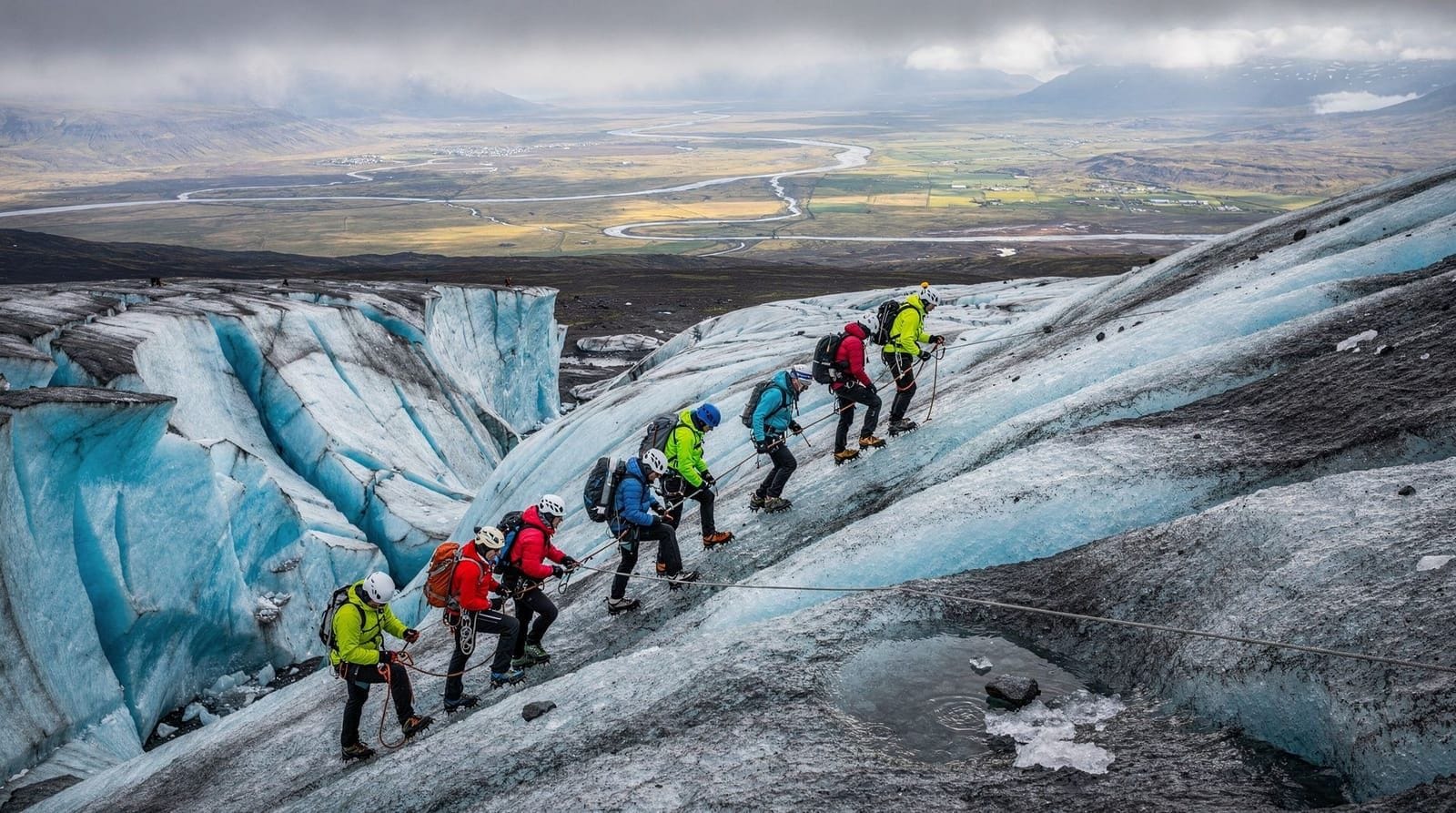
No — walking on the floating ice is dangerous and prohibited. You can approach and touch ice fragments that have washed ashore at Diamond Beach. Glacier hikes on the actual Vatnajökull ice cap require guided tours with crampons departing from Skaftafell.
What time of year is Jökulsárlón best?
Year-round, but with different character. Summer: icebergs visible 24 hours in continuous daylight, seals on ice floes, Diamond Beach most accessible. Winter: dramatic light on ice, ice caves accessible, potential for northern lights reflected in the lagoon — one of Iceland’s most spectacular aurora settings. Autumn: lower crowds, moody weather, good photography light.
Understanding Jökulsárlón’s geology
Jökulsárlón is a glacial lagoon that did not exist before 1934. Until the early 20th century, Breiðamerkurjökull glacier extended all the way to the sea at this point. As the glacier began retreating due to warming temperatures, meltwater collected in the depression left behind, forming the lagoon. The lagoon grows by approximately 500 m per year — a rate directly tied to glacier retreat.
The icebergs visible in the lagoon are calved from the glacier wall at the northern end. Some are freshly broken white ice; others are ancient, compressed ice that has been in the glacier for decades or centuries. The intense blue colour of older ice is caused by compressed crystal structures that scatter light differently — a genuine, un-photoshopped phenomenon.
The lagoon is tidal — the sea enters through the outlet channel — which allows icebergs to drift both in and out. The flow reverses with the tides, meaning the colour and position of icebergs changes hour by hour. Visiting at different tidal phases gives dramatically different compositions.
Photography at Jökulsárlón and Diamond Beach
Jökulsárlón is one of Iceland’s most photographed locations, and for good reason — the combination of floating ice, glacial water, and mountain backdrop is compositionally extraordinary.
Golden hour light (early morning and late evening in summer) produces the most striking results. The low-angle light illuminates the blue interior of translucent icebergs that appears white in flat midday light. In June–July, golden hour occurs around 23:00–01:00 and 03:00–05:00.
Diamond Beach photography tips: arrive at low tide when ice fragments are most widely distributed on the sand. Use a long exposure (1–4 seconds) during the brief moments when waves wash over the ice — the motion of water around static ice creates elegant compositions. A circular polariser reduces glare from the ice surface.
Northern lights and Jökulsárlón: in autumn and winter (September–March), the black sky over the lagoon and the reflective ice surface create one of Iceland’s most extraordinary aurora settings. Long exposures with a tripod are required; the challenge is timing — the lagoon is 375 km from Reykjavík, so combining a clear aurora forecast with the drive commitment requires planning.
Boat tour photography: the amphibious Duck Boat is slower and has more stable shooting platforms. The Zodiac tour puts you at water level among the icebergs — a more dynamic but more physically challenging photography experience. For detail photography of ice texture, the Zodiac approach is superior.
Jökulsárlón in film and culture
The lagoon has appeared in numerous major film productions, exploiting its combination of accessible dramatic scenery and remoteness. James Bond scenes from “A View to a Kill” (1985) and “Die Another Day” (2002) were filmed here; Lara Croft Tomb Raider, Batman Begins, and several others used the location.
The lagoon is also used by Icelandic artists and photographers as a representation of climate change in visual form — the growth of the lagoon and the accelerating retreat of Breiðamerkurjökull are among the most visually documentable effects of Arctic warming globally.
Two-day South Coast to Jökulsárlón itinerary
For visitors who want more than a single-day sprint, a 2-day South Coast and Jökulsárlón itinerary:
Day 1: Reykjavík → Seljalandsfoss → Skógafoss → Reynisfjara → Dyrhólaey → overnight in Vík.
Day 2: Vík → Fjaðrárgljúfur canyon → Skaftafell (2–3 hour glacier hike option) → Jökulsárlón and Diamond Beach (3–4 hours including boat tour) → return to Reykjavík (4.5 hours, arrive ~22:00).
This itinerary avoids the exhaustion of a single-day Jökulsárlón trip and allows proper time at the lagoon including the boat tour.
See also our South Coast glaciers 4-day itinerary for a more leisurely version with glacier hiking, the Höfn lobster town, and a Vatnajökull ice cave option.
Vatnajökull National Park context
Jökulsárlón sits at the southern edge of Vatnajökull National Park, the largest national park in Europe by area (14,141 km²). The park covers the entire Vatnajökull ice cap and its surrounding glacial valleys, volcanic regions, and river systems.
Visiting Jökulsárlón is one of three primary entry points to the Vatnajökull area:
-
Jökulsárlón/Diamond Beach: the southeast entry point. Most visited, best for casual day-trippers. Boat tours on the lagoon. Adjacent to Diamond Beach.
-
Skaftafell: the southwest entry point, 60 km west. Visitor centre, campsite, glacier hiking on Falljökull, Svartifoss waterfall. Suited to hikers and multi-day visitors.
-
Höfn: the service town 75 km east of Jökulsárlón. A base for accessing the Hornafjörður glacier landscapes and the east face of Vatnajökull. Famous for its glacier lobster (humarbúðin).
For a day trip focused purely on Jökulsárlón, the park’s other entry points are not required. But for visitors committing 3–4 days to the area, all three reward exploration.
Winter versus summer at Jökulsárlón
The seasonal character differences are more dramatic at Jökulsárlón than at most Iceland sites:
Summer (May–September):
- Continuous daylight allows 24-hour access
- Boat tours operating (amphibious Duck Boat and Zodiac)
- Seals visible on ice floes
- The lagoon’s surface is open water with floating icebergs
- Diamond Beach is accessible with ankle-level surf wash
Winter (November–March):
- The lagoon partially freezes in cold winters, creating an ice surface that may be solid enough to walk on in January (check local conditions — do not walk on ice without local verification)
- Ice caves in Vatnajökull accessible (the main reason to visit in winter specifically)
- Northern lights reflected in the open water sections of the lagoon
- Icebergs sometimes pile up at the outlet, creating more dramatic foreground compositions
- No boat tours operating (the outlet channel freezes or becomes unsafe)
- Tourist numbers 70–80% lower than summer
Autumn (September–October):
- The transition period: boat tours end in late September. Aurora starts appearing. Crowds dramatically lower than peak summer. Weather is variable but often surprisingly clear in October in south Iceland.
The most underrated time to visit is early October — low crowds, potential aurora, good photography light in the brief daily sun, and the ice cave season just beginning.
Day trip vs 2-day trip: the honest comparison
| Single-day trip | 2-day South Coast trip | |
|---|---|---|
| Driving time | 9–10 hours round trip | Split across two days, far less fatigue |
| Time at Jökulsárlón | 2.5–4 hours | 3–4 hours, unrushed |
| Extra stops possible | Very limited | Skaftafell glacier hike, Fjaðrárgljúfur canyon |
| Photography quality | Midday light only | Golden hour access at both ends |
| Overnight cost | None | 1 night accommodation (Vík or Höfn) |
| Best for | Fixed single-day itinerary, no flexibility | Anyone with even one spare day |
If your schedule allows even one extra day, the 2-day version is a categorically better experience — not marginally better, but a different trip entirely. See the South Coast glaciers 4-day itinerary for the fuller version of this same idea.
What most day-trippers regret afterward
Talking to visitors who’ve done the single-day version, the same regrets recur: rushing the boat tour to make the return drive, skipping Diamond Beach photography because the light was flat at midday, and arriving back in Reykjavík too exhausted to enjoy the last evening of the trip. None of this is a reason to skip Jökulsárlón — it’s a reason to be honest with yourself about whether a day trip or a multi-day version suits your actual travel style. Fatigue accumulates on the Ring Road in ways that are easy to underestimate from a spreadsheet itinerary.
Weather contingency planning
Because the day trip has so little slack built in, weather disruption hits harder than on a multi-day itinerary. Strong winds can suspend the boat tours entirely with little notice, and heavy rain or fog reduces visibility on the long Ring Road stretch east of Vík. Before committing to a specific date, check en.vedur.is and road.is the evening before and again at 06:00 on departure morning. If the forecast shows a named storm system crossing the south coast, consider shifting the day or falling back to a closer alternative such as the south coast day trip without the Jökulsárlón extension.
Build in a mental “no-boat-tour” contingency too — if conditions cancel the boat, the shore walk and Diamond Beach are still very much worth the drive on their own, and refunds for cancelled boat tours are standard practice with reputable operators.
Getting to Jökulsárlón without a car
Several operators run guided day trips from Reykjavík specifically to Jökulsárlón:
Bus tours (budget): Reykjavík Excursions and Gray Line Iceland both run scheduled coach tours with fixed stops along the South Coast and at Jökulsárlón. These are fully guided, typically include the amphibious boat tour, and depart at 07:30–08:00. Return by 22:00–23:00. Cost approximately 19,000–25,000 ISK (€124–163) per person.
Private tours: for 2–4 people, a private minivan tour to Jökulsárlón can be booked through Guide to Iceland or Icelandic Mountain Guides. More flexible, higher cost (from 40,000 ISK / €260 for the vehicle).
Fly-drive (recommended for longer trips): fly from Reykjavík to Höfn (Air Iceland Connect, 45 min, from ~15,000 ISK). Rent a car in Höfn. Drive the 75 km to Jökulsárlón from the east direction. This avoids the 375 km drive from Reykjavík entirely and allows 2–3 days exploring the southeast including Höfn, Jökulsárlón, and Skaftafell.
Top experiences
Bookable activities with verified prices and instant confirmation on GetYourGuide.
Top experiences
Best-rated activities across GetYourGuide and Viator.

From Reykjavik: Snaefellsness Peninsula small group day tour
- Viator

Lake Myvatn Day Tour and Godafoss Waterfall for Cruise Ships from Akureyri Port
- Viator

Private Jökulsárlón Glacier Lagoon 2 Day Tour & Glacier Hike
- Viator

From Reykjavik: Katla Ice Cave and South Coast Day Tour
- Viator

Reykjanes Peninsula Private Day Tour - up to 9 passengers
- Viator

Thorsmork Hike Day Tour
- Viator